Wedding Traditions in Early 1800s

bouquet-of-flowers-261231_960_720

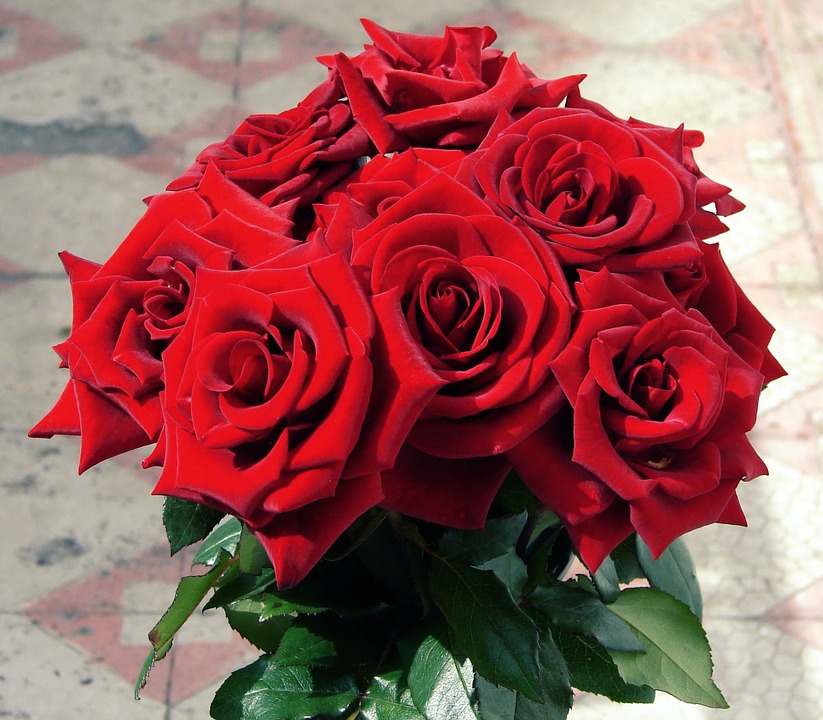
As might be expected, pioneer wedding traditions were much simpler than today but there were few old maids and bachelors.

If possible, families provided their daughters with six knives, forks, plates, cups, and saucers, a good bed, bedding, side saddle, teaspoons, tablespoons, teakettle, wash tub, and Dutch oven.

The bride also received her clothes. Her wedding dress was inexpensive. She wore a cap trimmed with ribbons. The groom wore his best suit. Gifts weren’t expected.

Friends and family serenaded the new couple on the wedding night with horns, cow bells, and horse fiddles. Apparently this music was as inharmonious and loud as might be imagined.

The groom invited guests to an Infair the day after the wedding. Wedding guests gathered for a big dinner.

Male guests often raced on horseback to the Infair in a custom called “running for the bottle.” Whoever arrived at the groom’s home first received a whiskey bottle with a red ribbon tied around it. He took it to the party.

If younger siblings married first, the older ones “danced in the hog trough.”

-Sandra Merville Hart


Sources

“Infair,” Wiktionary, 2015/06/15 https://en.wiktionary.org/wiki/infair.

Welker, Martin. 1830’s Farm Life in Central Ohio, Clapper’s Print, 2005.


School in the Early 1800s

school-543041_960_720

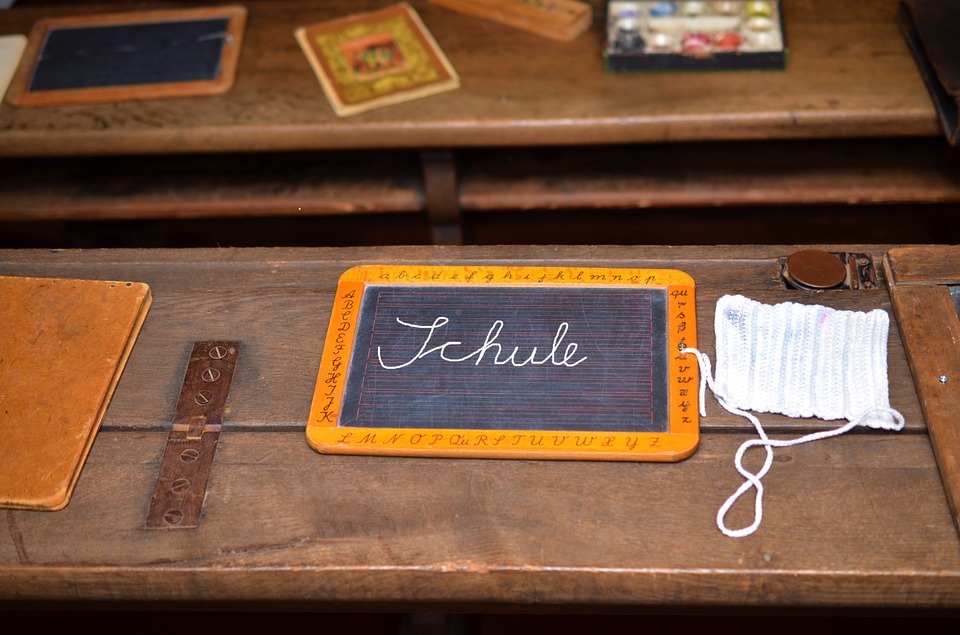
Attending school in the early 1800s was a privilege because every community didn’t have one. In those days, children went to subscription schools where parents paid the teacher a certain amount for each child. Parents also provided wood for the fireplace.

Families usually took turns boarding the teacher, or “master” as he might be called. The young scholars liked this arrangement as it gave them extra time with their teacher. Country schools didn’t hire women.

Boys and girls learned the three R’s together — “reading and ‘riting and ‘rithmetic,” better known as reading, writing, and math. They also played blind man’s bluff and ran races at recess. Cat and corner ball were two of the ball games they enjoyed.

School usually lasted four months during the fall and winter and then students were done for the year.

The master quizzed students on spelling daily where he gave the words aloud for the class to spell. Neighborhood schools competed periodically throughout the winter so the best spellers from each school could go toe to toe.

The schools were usually log cabins with a puncheon floor, clapboard roof and door, and greased paper in the windows. One wide fireplace took up one side of the school. The clay and wood chimney was built on the outside.

Split log benches with the flat side facing upward and round stick legs served as seats. Students used wide split slabs along one side of the room for writing tables.

-Sandra Merville Hart


Sources

“Clapboard,” Dictionary.com 2015/06/15 http://dictionary.reference.com/browse/clapboard.

“Puncheon floor room,” Historic New England, 2015/06/09  http://www.historicnewengland.org/historic-properties/homes/gilman-garrison-house/photographic-tour/puncheonfloor-web.jpg/view.

Welker, Martin. 1830’s Farm Life in Central Ohio, Clapper’s Print, 2005.


Religious Meetings in the Early 1800s

church-729250_960_720


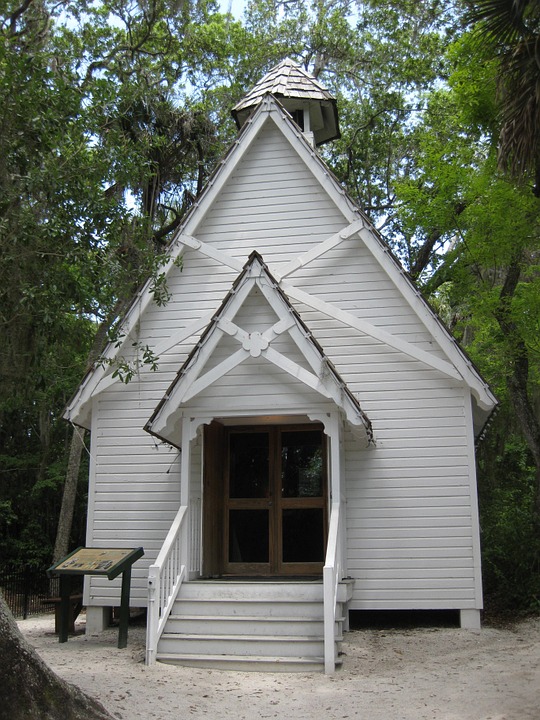
Villages and neighborhoods contained well-attended churches of various denominations. Church meetings were not held as often as today.

A general custom of the day was that women sat on one side with men on the other.

The Methodists had a circuit system for ministers. Each minister was assigned to a particular circuit of churches that he traveled to on horseback. He stayed with a church member living near the location of the preaching.

Single preachers received one hundred dollars per year. Married ministers received one hundred dollars for himself, one hundred dollars for his wife, and fifty dollars for each of his children. This likely encouraged matrimony!

Camp meetings lasted a week. Thousands traveled from miles around to attend services held in a shady grove near a public road.

The most eloquent preachers spoke at camp meetings during the day and evening. Log huts were built for families traveling too far to return home each day. The minister stood on quickly erected platforms.

Powerful sermons touched listeners at these festive occasions. People gathered to worship and sing but also to spend time with old friends and meet new ones. Many converts emerged from this week with sincere faith.

These meetings not only educated those attending about God’s love and forgiveness, but also exerted moral influence over the country.

Night meetings lit by lamp and torches illuminated the woods. The preaching and congregational singing inspired true worship that remained with those experiencing it.

-Sandra Merville Hart


Sources

“Camp Meeting,” New World Encyclopedia, 2015/06/15 http://www.newworldencyclopedia.org/entry/Camp_meeting.

Welker, Martin. 1830’s Farm Life in Central Ohio, Clapper’s Print, 2005.


Militia Forces in Early 1800s

colonial-378730_960_720


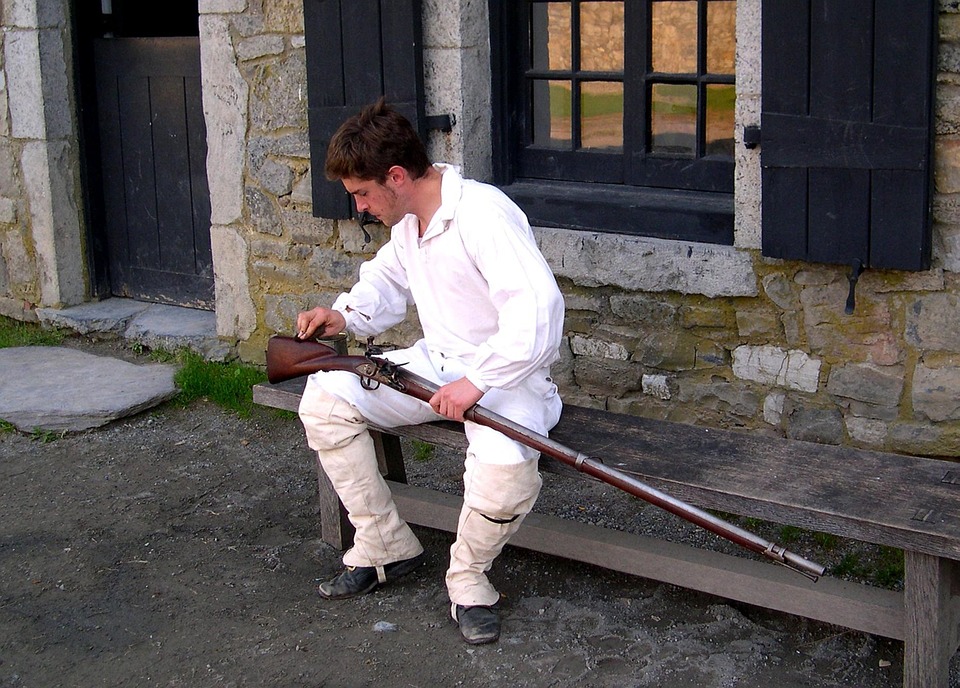
The law made every male between 18 and 45 part of the Militia of the day. This was usually one regiment plus officers for each county.

Law required every company meet once a year for drills. After this, the entire regiment met for a one day drill at the county seat or some other designated location.

In addition, one or more rifle regiments had company meetings. These men were required to wear uniforms. The rifle regiments and commissioned officers met at the county seat for “Officer’s Muster,” a two-day drill.

All the rifle regiments were required to meet annually for a regimental drill. These Military displays drew large crowds as a pleasant change from the daily routine. It was considered a general holiday.

Usually held in the fall, these “big musters” brought opportunities for horse races, foot races, and wrestling matches.

-Sandra Merville Hart


Sources

Welker, Martin. 1830’s Farm Life in Central Ohio, Clapper’s Print, 2005.


Sugar Making in the Early 1800s

maple-syrup-1169896_960_720

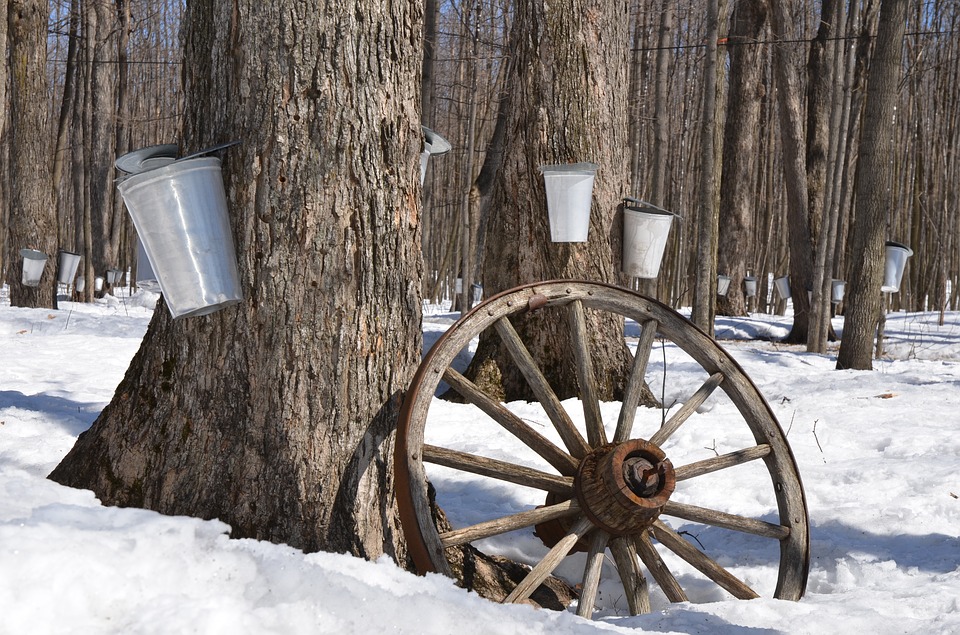
Maple or sugar trees provided sugar for early pioneers in the early 1800s. Log huts called Sugar Camps held either two big logs or a crude furnace of stones where they set iron kettles to boil sugar water.

The opportunity to chat with neighbors was part of the fun of making sugar. Neighborhood camps were usually built near each other to allow friends to socialize during the long process.

Pioneers used a gouge to tap trees in the winter. The ideal time for collecting sap varies with the part of the country, but was best when sunny days were above 40 degrees with frosty nights. A spile — a wooden peg used as a spigot — driven into the hole allowed sap to run into a wooden trough.

Gallons of collected sap boiled for hours. The process often continued all night. Children played while the sap boiled down.

Sap made a waxy form of sugar before it granulated and was often eaten in that way. The sap also made molasses.

Maple sugar and molasses, along with winter honey, sweetened pies and cakes in the days when families made most of their food.

Many areas still offer the experience of tapping trees, boiling sap, and tasting freshly-made maple syrup. Check for these opportunities in your area in the mid-winter.


-Sandra Merville Hart


Sources

“Maple Sugaring: Making Granulated Maple Sugar,” Back Yard Chickens 2015/06/10  http://www.backyardchickens.com/t/148932/maple-sugaring-making-granulated-maple-sugar.

“Frequently Asked Questions about Maple…,” Cedarvale Maple Syrup Company 2015/06/10 http://cedarvalemaple.com/faq.

Welker, Martin. 1830’s Farm Life in Central Ohio, Clapper’s Print, 2005.


Country Life in the 1830s

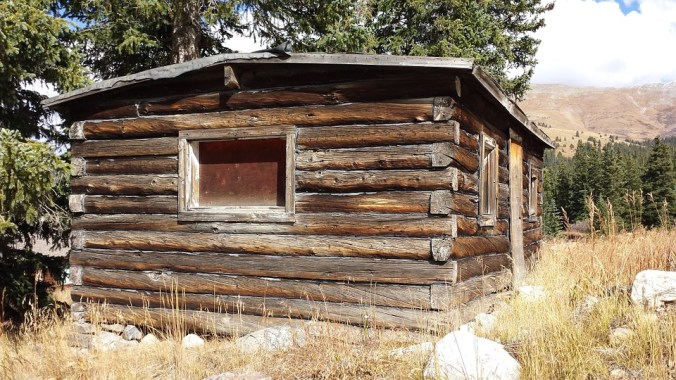
log-house-1045230_960_720Most country homes in the 1830s were log cabins covered with clapboards. The cabins contained two rooms, a garret (loft) used as a sleeping area, and a wide fireplace at one end. Mud and sticks formed the outside chimney.


Families spent most of their time around the family hearth in front of a blazing fire that warmed the cabin. Families read books, drank cider, talked, and told stories around the comforting warmth of this fire. They also entertained company there in the light of a lard lamp.


Log barns and stables were not large. Owners marked the ears of their livestock that ran outdoors year-round. Cows and hogs roamed the woods in the summer. Cows wore bells to help find them easily at milking time.


Women baked and cooked at the fireplace. There were no cooking stoves. An iron pot hung on a crane over the fire to boil dinners. Mush, a thick porridge, was a common meal cooked this way. Children often filled tin cups with mush for an evening meal.


Fire was very important in these homes. They didn’t use coal for heating in those days nor did they use lucifer matches for lighting. When the fire died out, someone walked to the nearest neighbor to “borrow fire” or used steel and flint to start a new one.


-Sandra Merville Hart


Sources


“The History of Matches,” About.com Inventors 2015/06/10  http://inventors.about.com/library/inventors/blmatch.htm.


“Clapboard,” Dictionary.com 2015/06/10 http://dictionary.reference.com/browse/clapboard.


“Lard Lamps,” Old Time Lamp Shop, 2015/06/10  http://collectlamps.com/lard%20lamps.html.


Welker, Martin. 1830’s Farm Life in Central Ohio, Clapper’s Print, 2005.