Egg Gruel

A recipe in an 1877 cookbook for Egg Gruel claimed to be good for treating a cold. It was included in a section titled “Food for the Sick.”

As a historical novelist, I’m always interested in learning tidbits from our history. Gruels were given to Civil War soldiers in hospitals.

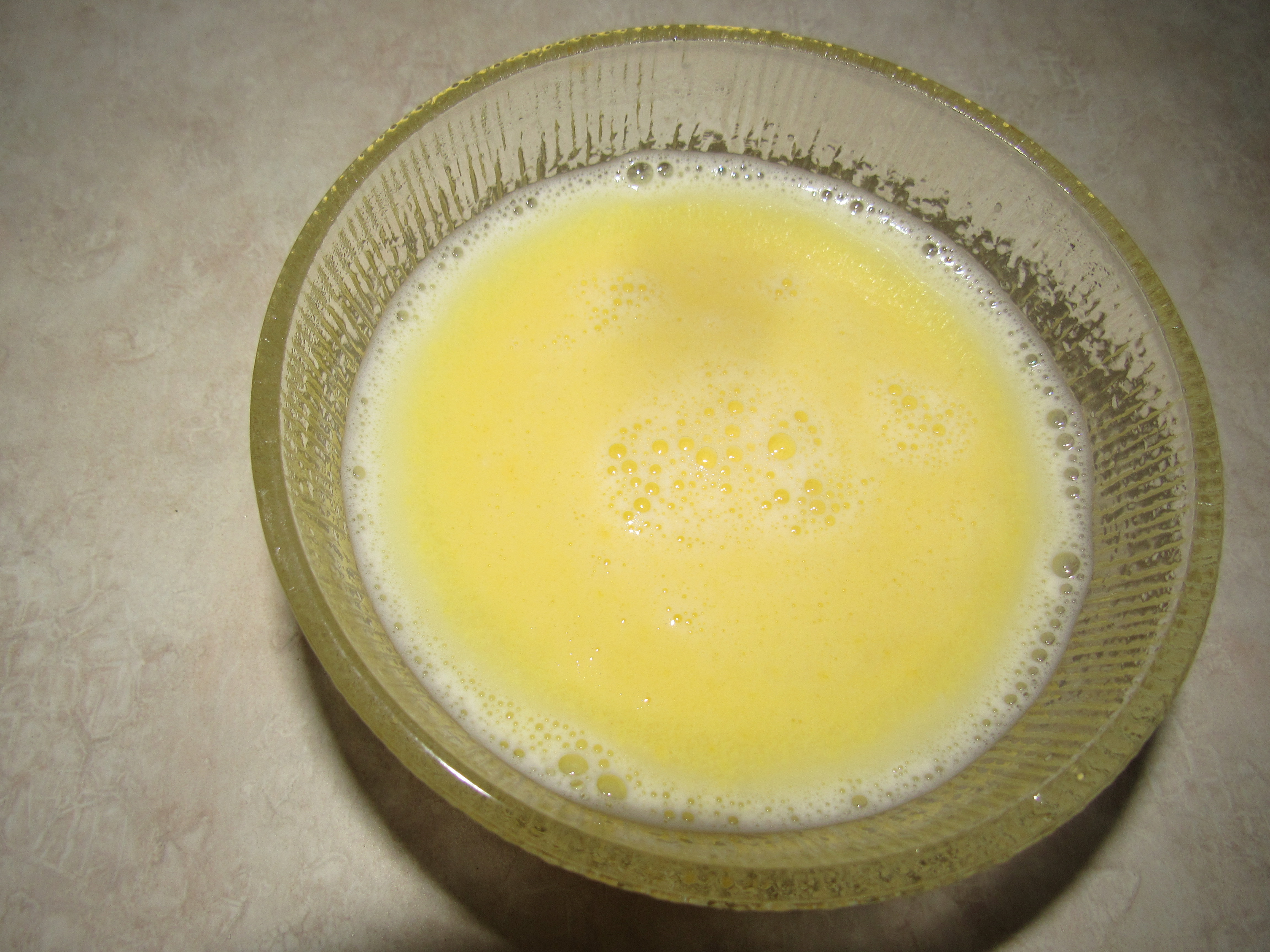
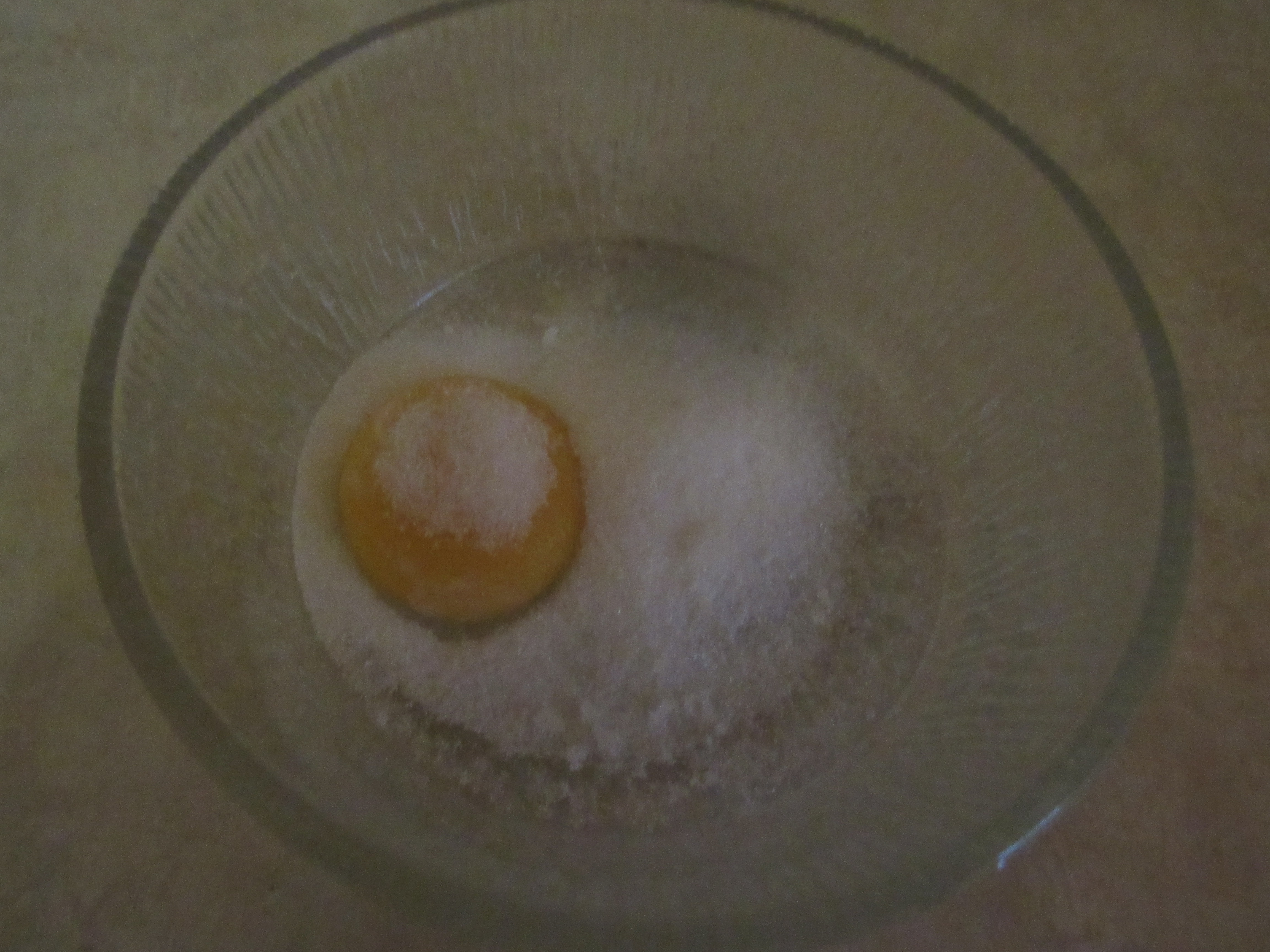
To make the gruel, take one egg and separate the egg yolk and white. Add a tablespoon of sugar to the egg yolk and beat.

Whisk the egg white separately. As there were no guidelines, I whisked until frothy. This worked well.

Stir a cup of boiling water into the yolk mixture.

Add the egg white. Add any seasoning you desire. I sprinkled salt over the mixture and stirred it once more.

It looked far more appealing than expected but I didn’t taste it. I don’t have a cold at the moment or I might have been tempted.

Good luck! I’d love to hear if you try this recipe.

-Sandra Merville Hart

Sources

Compiled from Original Recipes. Buckeye Cookery and Practical Housekeeping, Applewood Books, 1877.


Civil War Beef Tea

I’ve often read of nurses giving Beef Tea to severely wounded Civil War patients in my research so I was thrilled to find a recipe for it in an 1877 cookbook under the section “Food for the Sick.”

As a historical novelist, I’m always interested in learning tidbits from our history. It’s fun to add authentic details such as this one when a story requires it.

The recipe called for a pound of the best lean steak. I asked my butcher if stew beef was a type of steak. He explained that while it wasn’t a grilling steak, their stew beef was a type of steak taken from the shoulder so I used this.

The instructions were to put the beef in a glass jar, cover it tightly, and boil it slowly in water for 3 to 4 hours.

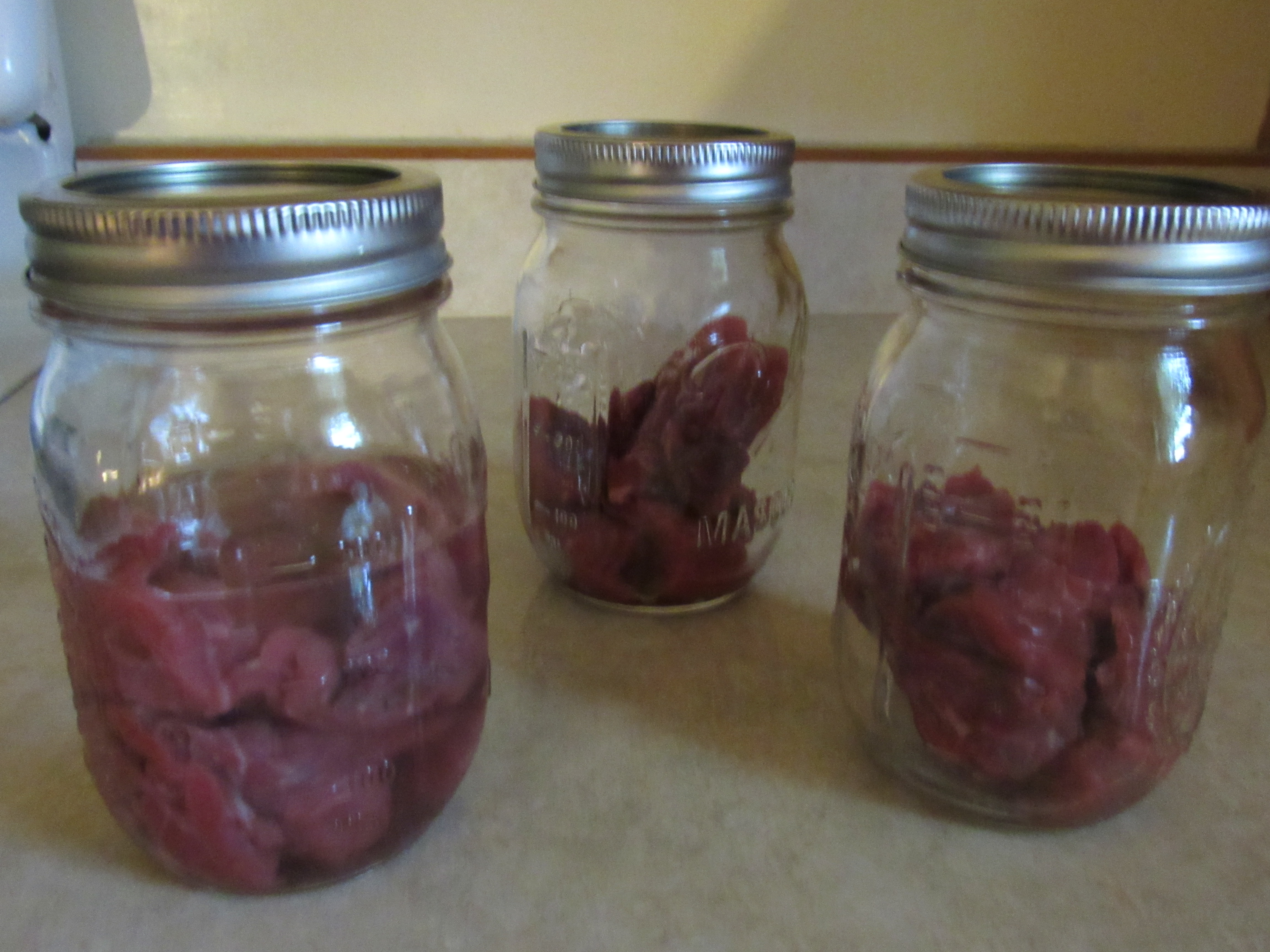
I divided the meat into 3 pint-sized Mason jars. It didn’t say anything about adding water to the meat. As an experiment, I added enough water to cover the beef in one jar only.

The lids were put on top. I half-filled a stewpot with cold water and placed the jars in the water. They toppled sideways. The 1877 cook advised tying them in place. I tied them to the handles individually.

I turned them on a medium heat, refilling with hot water occasionally as it boiled down. After 4 hours, the meat didn’t look like “white rags” as the recipe advised. It didn’t appear that way after 4 ½ hours of gently boiling in a jar.

I turned off the heat anyway and let it cool undisturbed.

When the jars had cooled, I removed them from the water. The amount of broth in the 2 jars with no added water wasn’t impressive. The third jar that started with about a ¼ cup of water held more broth but not a lot more.

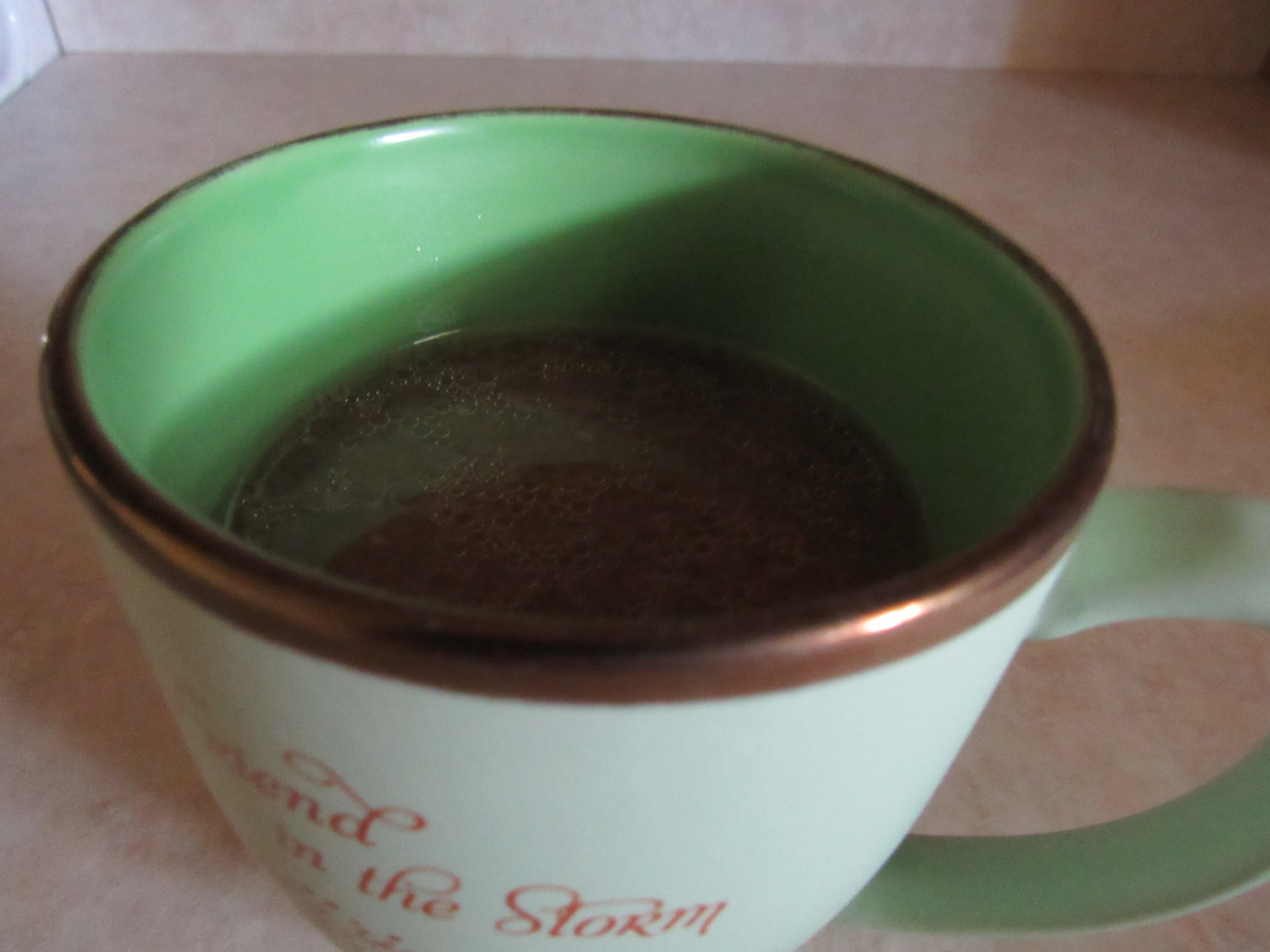
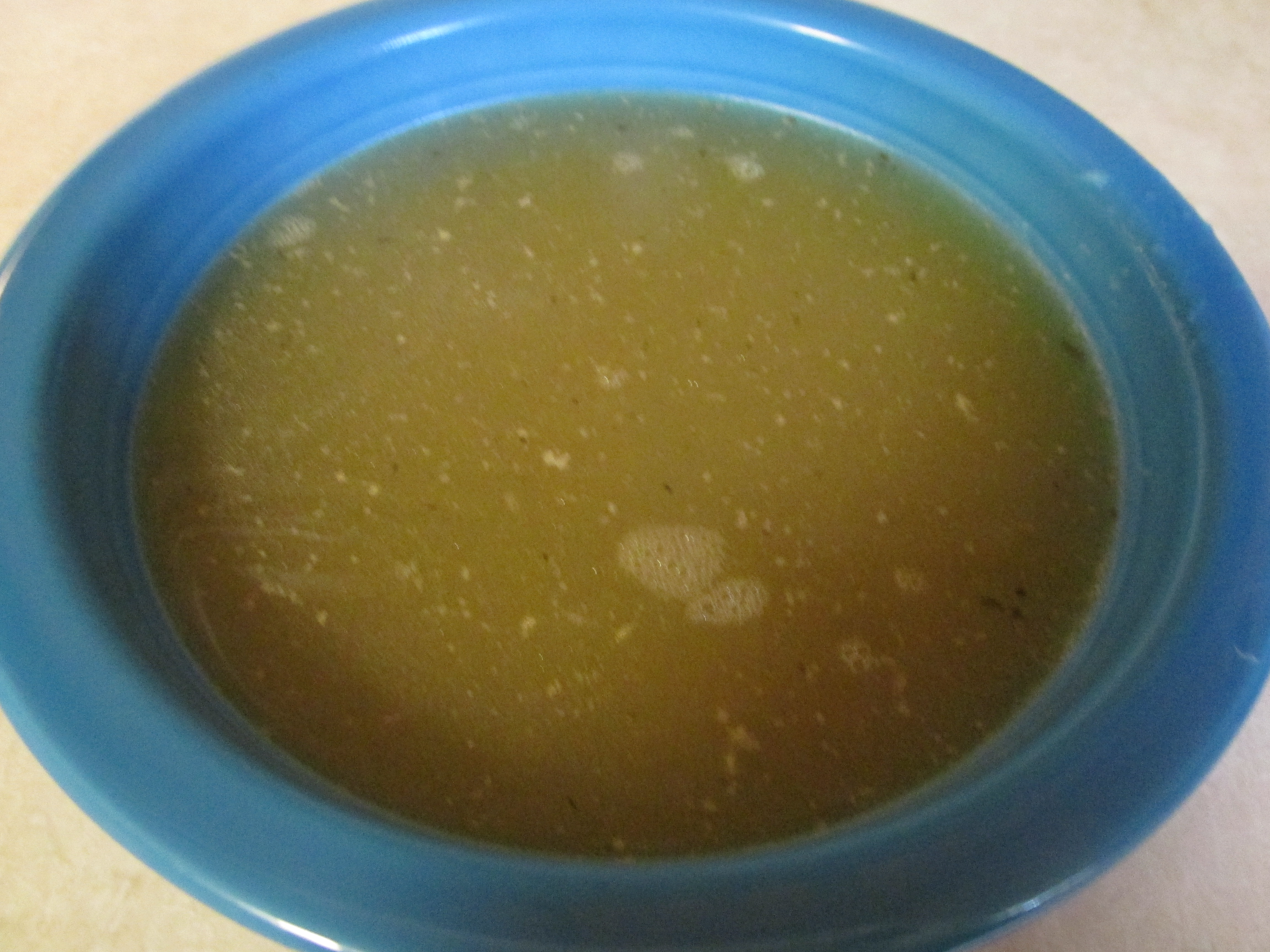
After straining the meat, I measured 1 ¼ cups of Beef Tea. I added ½ teaspoon salt. It tasted and looked like au jus. My husband, who loves his meat, liked the flavor but felt I’d added too much salt. If you try this recipe, maybe start with ¼ teaspoon of salt or season to taste.

I checked online to see if there were other beef tea recipes and found a few that are referenced in the sources. One served patients dry toast with the tea. Another suggested adding chopped raw meat to the drink when serving. Another offered the idea of placing the tea in a bowl over boiling water (double-boiler effect) to warm it before serving.

It may seem like a lot of time for little return. Civil War soldiers too weak to eat received lots of nourishment from this tea.

Good luck! I’d love to hear if you try this recipe.

-Sandra Merville Hart

Sources

“Beef Tea,” Vintage Recipes, 2017/05/10 http://www.vintagerecipes.net/books/plain_cookery_book/beef_tea_6.php.

“Beef Tea,” Vintage Recipes, 2017/05/10 http://www.vintagerecipes.net/books/fifty_soups/beef_tea_4.php.

“Beef Tea,” Vintage Recipes, 2017/05/10 http://www.vintagerecipes.net/books/bookofhouseholdmanagement/beef_tea_3.php.

Compiled from Original Recipes. Buckeye Cookery and Practical Housekeeping, Applewood Books, 1877.


Cream of Asparagus Soup

I found this recipe in The Fannie Farmer Cookbook, a book originally published in 1896. Fannie Farmer’s name is still well-known today.

Stock, water enriched by the food cooked in it, is an important ingredient in numerous soups. Homemade stock brings full-bodied flavor to recipes. The recipe for the chicken stock used in this recipe is found here.

To make this soup, finely chop enough onion to give 2 tablespoons and set aside.

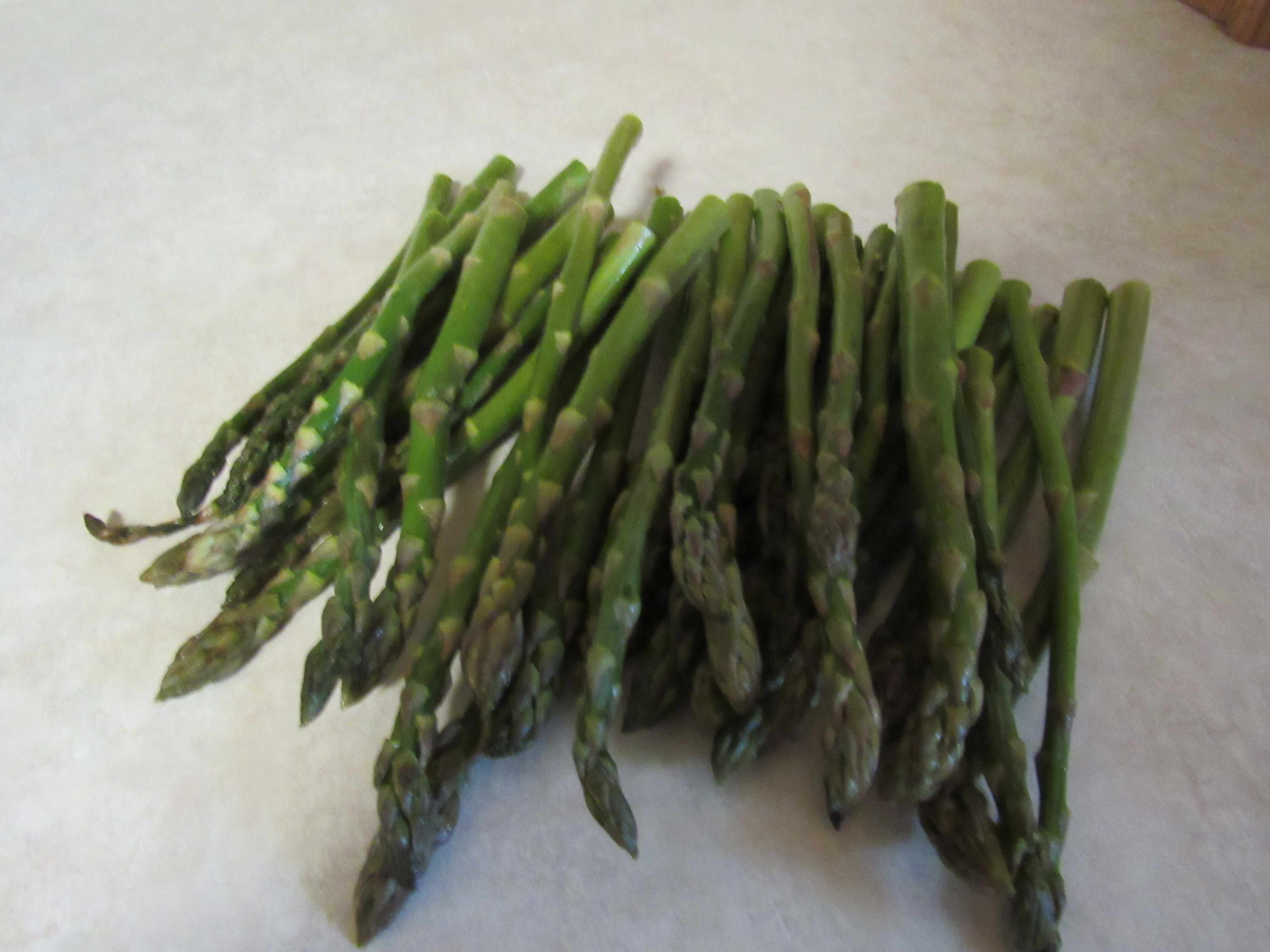
I used a pound of fresh asparagus, but frozen asparagus is also good. If using fresh, wash the vegetable and then chop off the coarse ends (about two inches from the end of the spear) and discard.

Boil 3 cups of water. Chop each asparagus spear a second time and drop the vegetables into boiling water. I cooked my asparagus for 4 minutes—about 1 minute too long as a few spears were limp. Next time I will boil them for 3 minutes.

Put a colander into a medium bowl and drain the asparagus. Reserve one cup of this water. The green liquid is filled with nutrients and flavor.

Cut off the asparagus tops. Chop them and set aside.

Pour the reserved water and 1 ½ cups of chicken stock or chicken broth into a large saucepan. (I used chicken stock.) Add 2 tablespoons of chopped onion to the liquid. Cook over a high heat until it begins to boil. Add the asparagus (without the reserved tops) and lower the heat to simmer for 5 minutes.

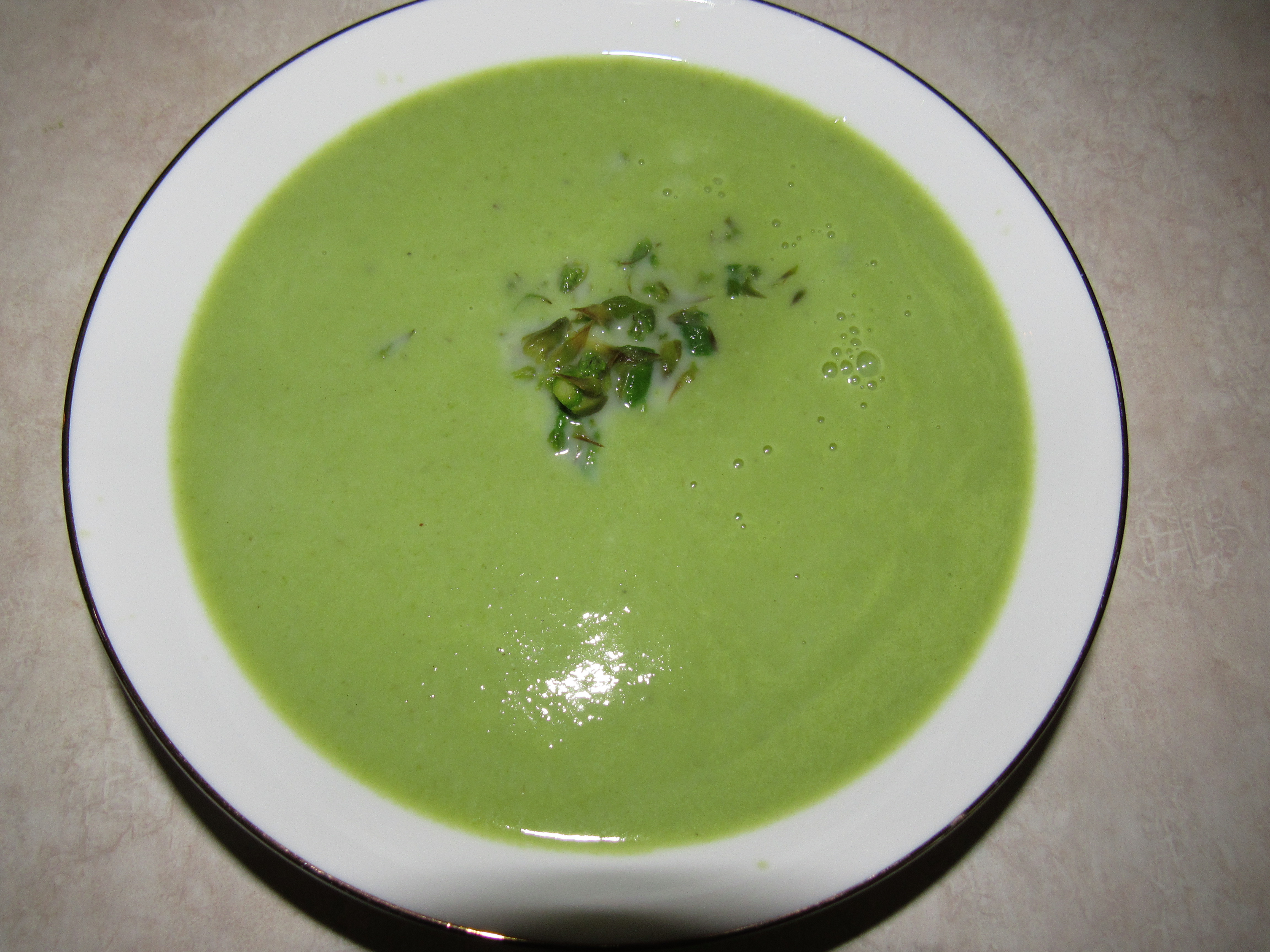
Remove from heat. Puree the asparagus with the broth in a blender or food processor. I used a blender and had to divide it into two batches to puree.

Run the pureed mixture through a colander one more time for a creamier soup. After rinsing the used saucepan, pour the soup inside. Add 1 cup of milk or heavy cream. (I used milk. Use cream if you prefer thicker soup.)

Salt and pepper to taste. A half teaspoon of salt wasn’t enough so I added more. A teaspoon of salt was about right for me, but this is purely a personal preference.

Heat the soup over a medium heat until hot.

Garnish the creamy soup with the reserved chopped asparagus tops. I thought it tasted delicious and will make it again.

This recipe makes 5 one-cup servings.

-Sandra Merville Hart

Sources

Revised by Cunningham, Marion and Laber, Jeri. The Fannie Farmer Cookbook, Alfred A Knopf Inc., 1983.


Cream of Carrot Soup

The Fannie Farmer Cookbook, originally published in 1896, has a lot of great recipes. This cream of carrot soup is surprisingly light and delicious.

Stock, water enriched by the food cooked in it, is an important ingredient in numerous soups. Homemade stock brings full-bodied flavor to recipes. The recipe for the chicken stock used in this recipe is found  here.

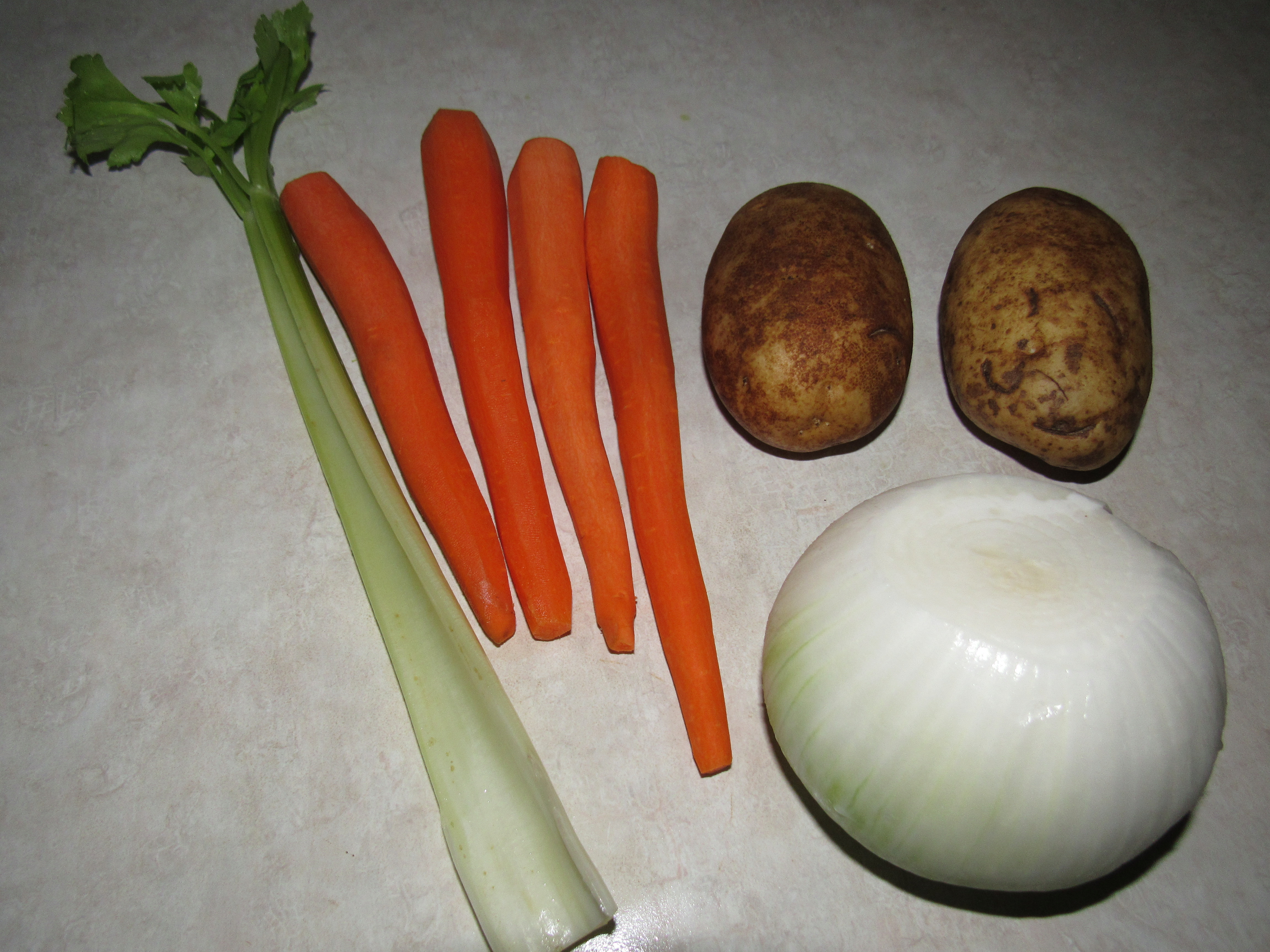
To make cream of carrot soup, chop 1 onion and 1 celery stalk with leaves. Peel and slice 4 carrots.

Melt 4 tablespoons of butter in a large saucepan. Stir in onion, celery, and carrots. Cook on a medium heat for 10 minutes, stirring occasionally.

While those vegetables are cooking, peel and dice 2 medium potatoes. Chop 2 sprigs of parsley.

Stir potatoes and parsley into the vegetables just until coated. Pour in 5 cups of chicken stock or chicken broth. (I didn’t have enough chicken stock so I used half of each.) Cook, partially covered, for about 20 minutes, until the potatoes are tender.

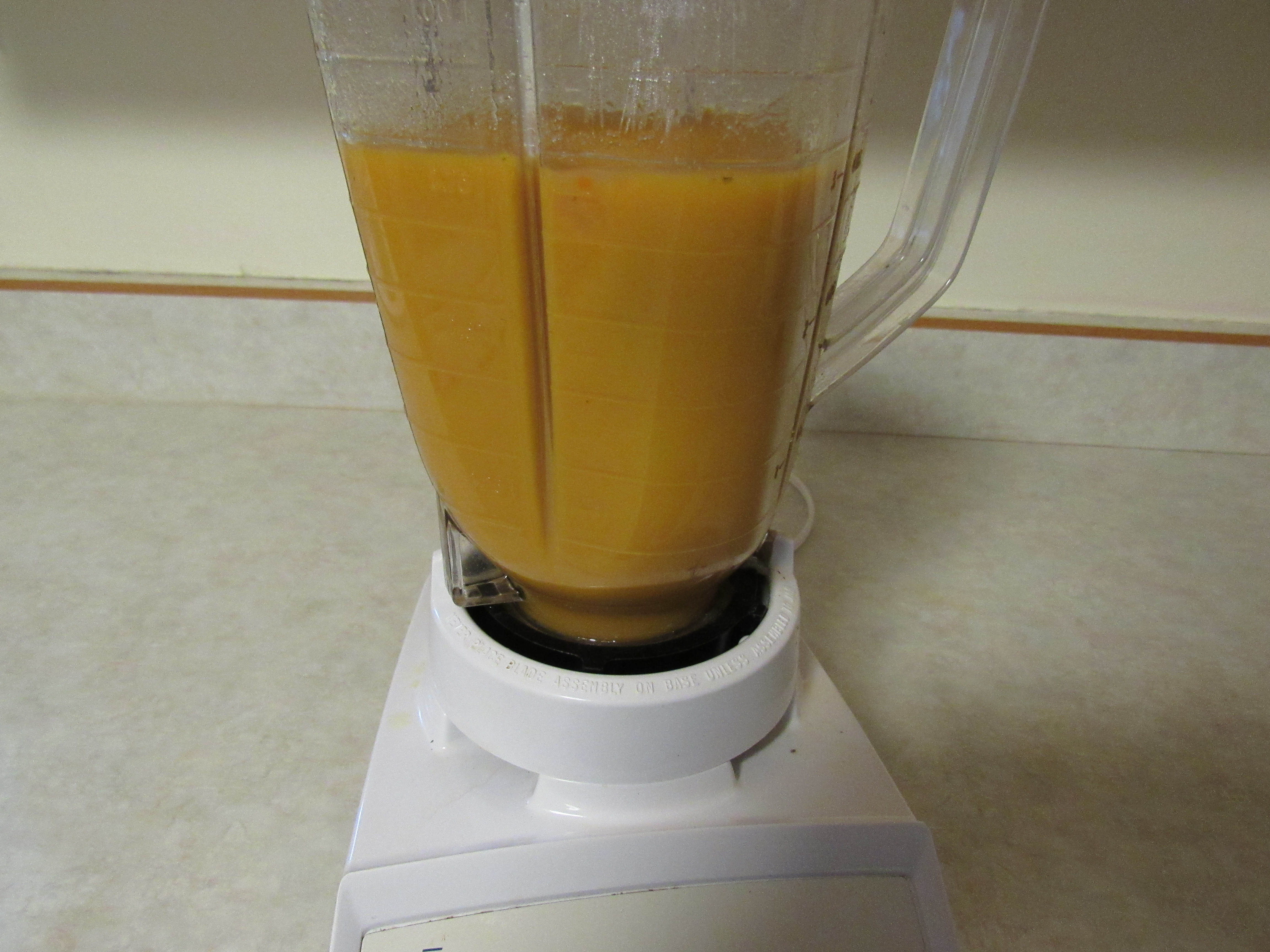
Puree the vegetables and broth in a food processor or a blender.

Pour the pureed liquid through a colander into a medium mixing bowl to catch anything the blender missed.

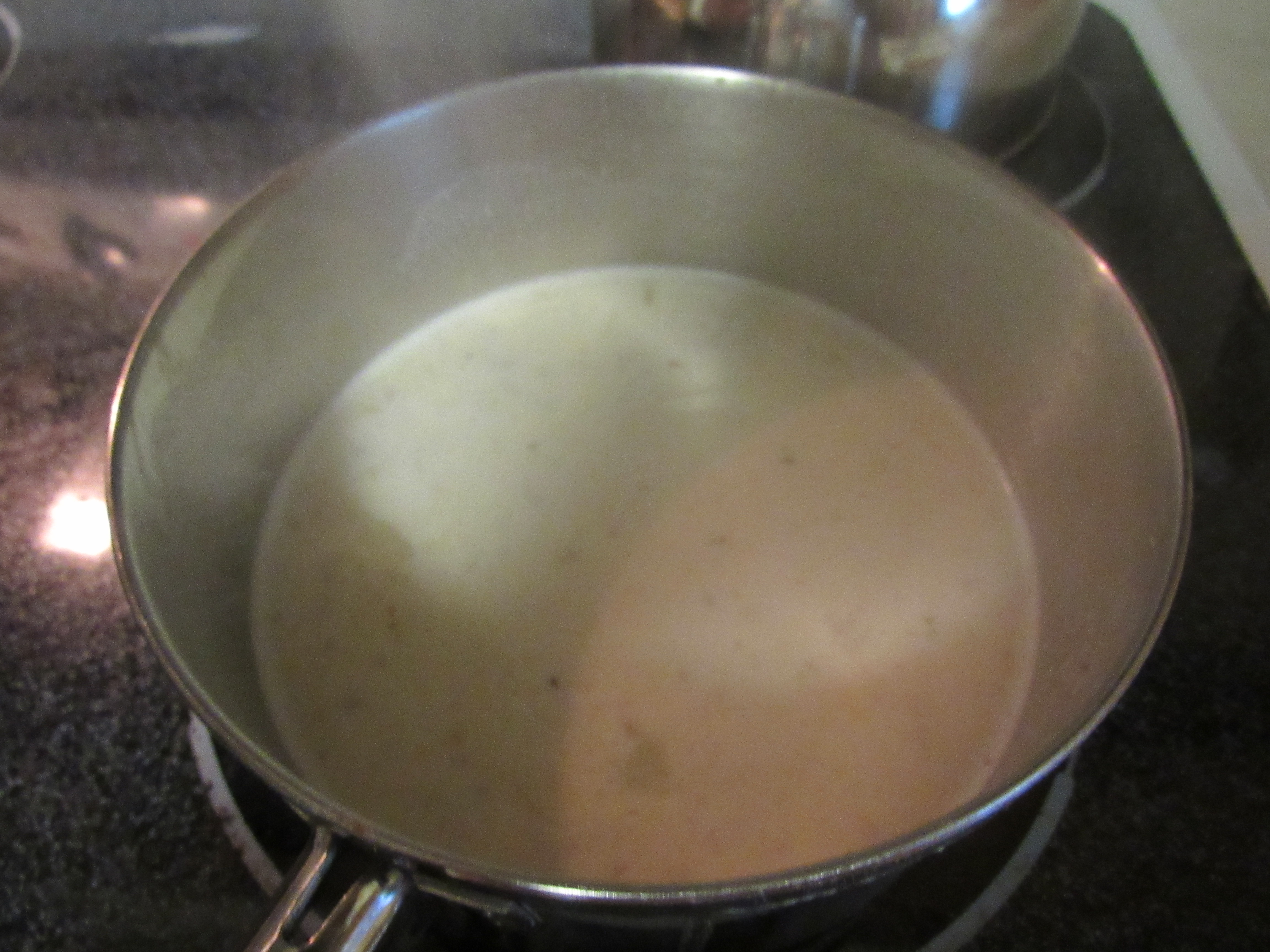
Rinse out the saucepan and then pour the soup back into it. Stir in 1 cup of heavy cream. Salt and pepper to taste. I used a teaspoon of salt.

Heat the soup over a medium heat until hot. Do not boil.

Garnish the creamy soup with a parsley sprig if desired. This delicious soup was worth the extra steps. I plan to make it again to serve to dinner guests.

This recipe makes 7 one-cup servings and can be served hot or cold.

-Sandra Merville Hart

Sources

Revised by Cunningham, Marion and Laber, Jeri. The Fannie Farmer Cookbook, Alfred A Knopf Inc., 1983.


Cheese Soup

I found this recipe in The Fannie Farmer Cookbook, originally published in 1896. Fannie Farmer’s name is still well-known today.

Stock, water enriched by the food cooked in it, is an important ingredient in numerous soups. Homemade stock brings full-bodied flavor to soups and sauces. The recipe for the beef stock used in this recipe is found  here.

To make this soup, finely chop enough onion to give 1 tablespoon.

Melt 1 tablespoon of butter over medium heat. Add the onion to the melted butter, cooking until the onion is limp. Stir in 1 tablespoon of flour. The recipe said to stir and cook this for 3 minutes, but mine started to brown after about 90 seconds. I’d suggest cooking this about 1 ½ minutes.

Slowly add 1 cup of beef stock (or 1 cup of beef bouillon or beef broth) and 2 cups of milk. Stirring frequently, heat until it boils.

Turn off the heat and stir in ¾ cup shredded cheddar cheese. To achieve a creamier consistency, I added 2 slices of American cheese.

The recipe then calls for 2 teaspoons of paprika. I tasted the soup without it and enjoyed the flavor. Then I added paprika, which gave the soup a bit of zing that I also liked. Try it both ways to see which you prefer.

Garnish with shredded cheddar cheese and a sprinkle of paprika. The color of the soup made me think it wasn’t going to taste “cheesy” enough, but it did. I liked it.

This recipe makes 3 one-cup servings. Enjoy!

-Sandra Merville Hart

Sources

Revised by Cunningham, Marion and Laber, Jeri. The Fannie Farmer Cookbook, Alfred A Knopf Inc., 1983.


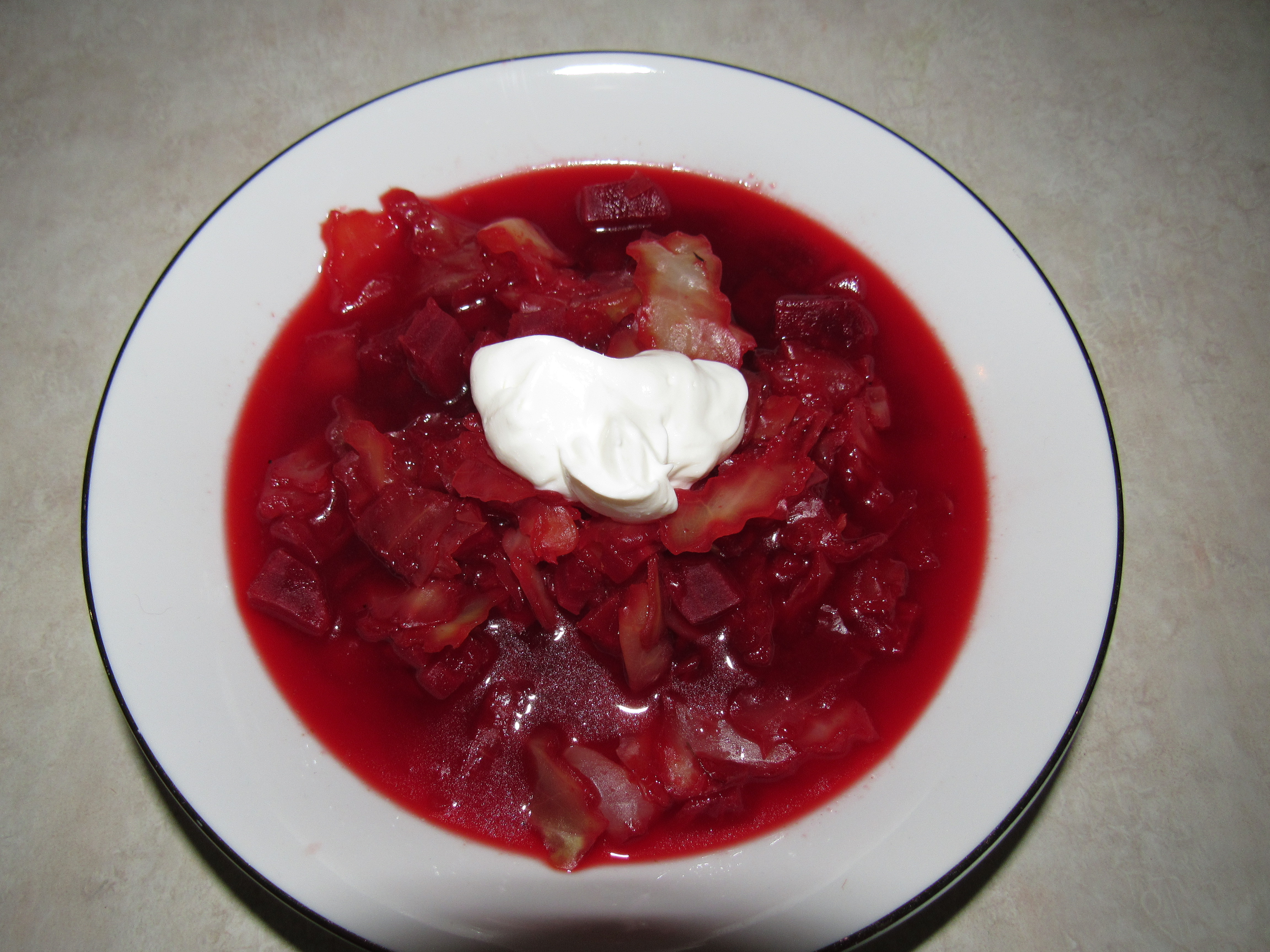
Cabbage and Beet Soup

I recently ran across The Fannie Farmer Cookbook in an antique store. This book was originally published in 1896.

Stock, water enriched by the food cooked in it, is an important ingredient in numerous soups. Homemade stock brings full-bodied flavor to recipes. The recipe for the beef stock used in this recipe is found  here.

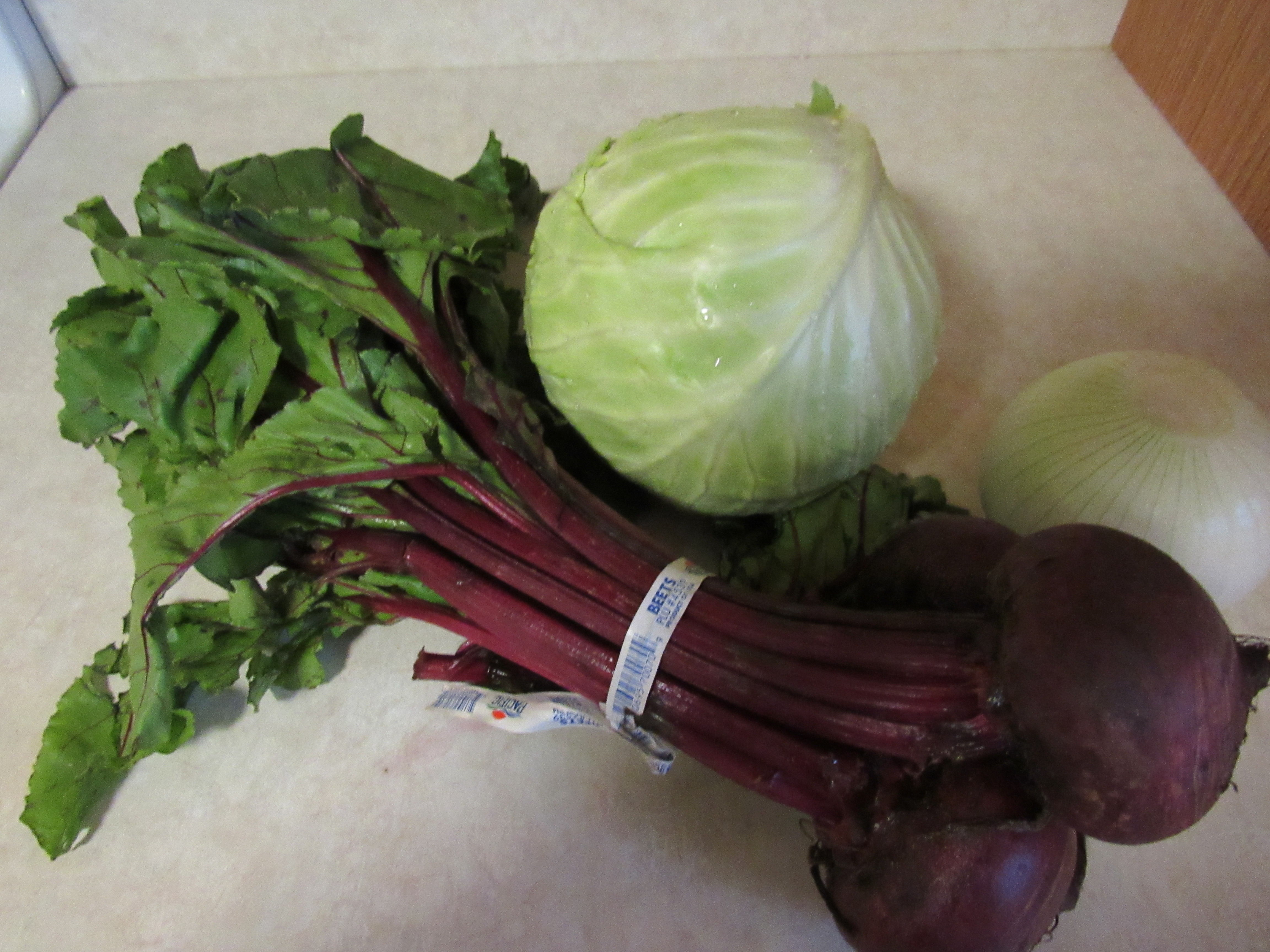
To make this soup, peel and dice 2 cups of raw beets. The beet juice briefly stained my hands, my counter, and my cutting board, but it washed off easily with dishwashing liquid.

Chop 1 onion. Coarsely chop 2 cups of cabbage. Place all three ingredients in a pot with 4 cups of beef stock or 4 cups of beef bouillon. (I used two cups of each, which worked very well. You may also use beef broth in place of the beef stock.)

Bring this to a boil. Lower the heat to simmer the soup for about 30 minutes. Cook a little longer if the beets are not tender. Replace liquid that evaporates during cooking with additional water or beef stock.

Remove from the heat. Add freshly ground pepper to taste and 2 tablespoons of cider vinegar. Salt to taste. (I added ½ teaspoon of salt and thought that was the perfect amount.)

When serving, you may add a teaspoon of sour cream to garnish. I tasted the soup with and without the sour cream. If there is no sour cream, another tablespoon of vinegar is needed. When I ate the soup with the sour cream, all the ingredients worked well together.

This is a delicious soup that I will make again.

-Sandra Merville Hart

Sources

Revised by Cunningham, Marion and Laber, Jeri. The Fannie Farmer Cookbook, Alfred A Knopf Inc., 1983.


Preparing Beef Stock

I recently ran across The Fannie Farmer Cookbook in an antique store. This book was originally published in 1896.

Fannie’s advised that making beef stock from bones without meat lacks flavor. Use marrow bones from the butcher if available. Request that these be cut into two-inch pieces.
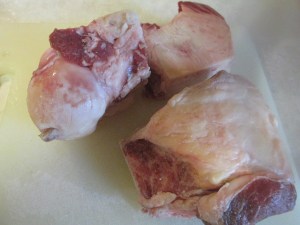
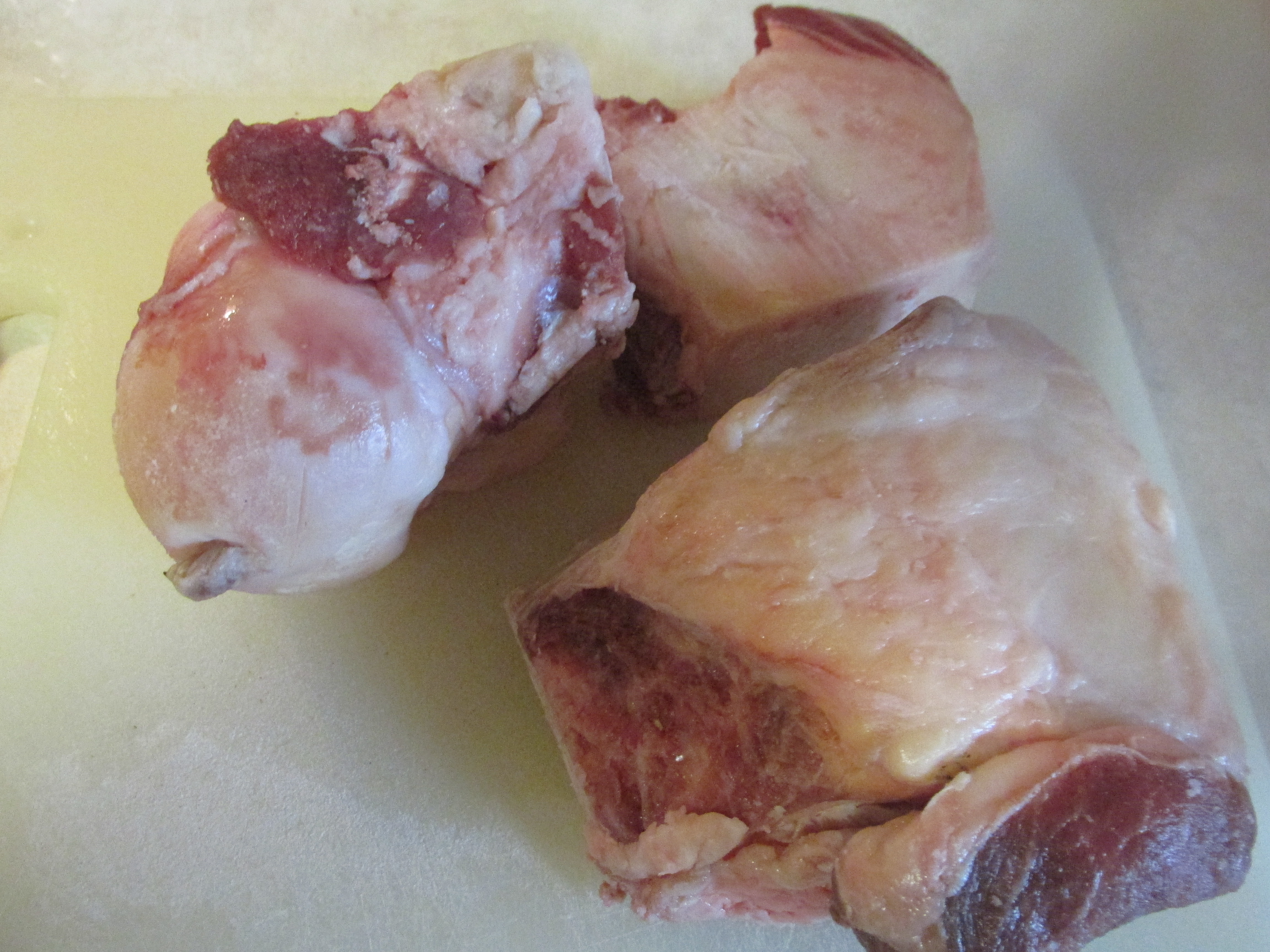
My local butcher didn’t have any marrow bones on hand, so he cut another bone into three chunks about the size of my palm. They weighed less than two pounds—the recipe called for two and half pounds with an equal amount of lean stew beef. I took what they had and purchased two and half pounds of stew beef.

Preheat oven to 450 degrees to brown meat, bones, and vegetables. According to Fannie, browning all these ingredients before cooking adds flavor and color to the stock.
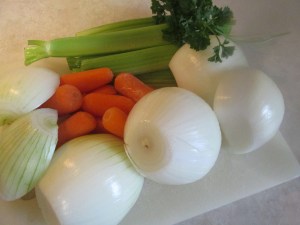
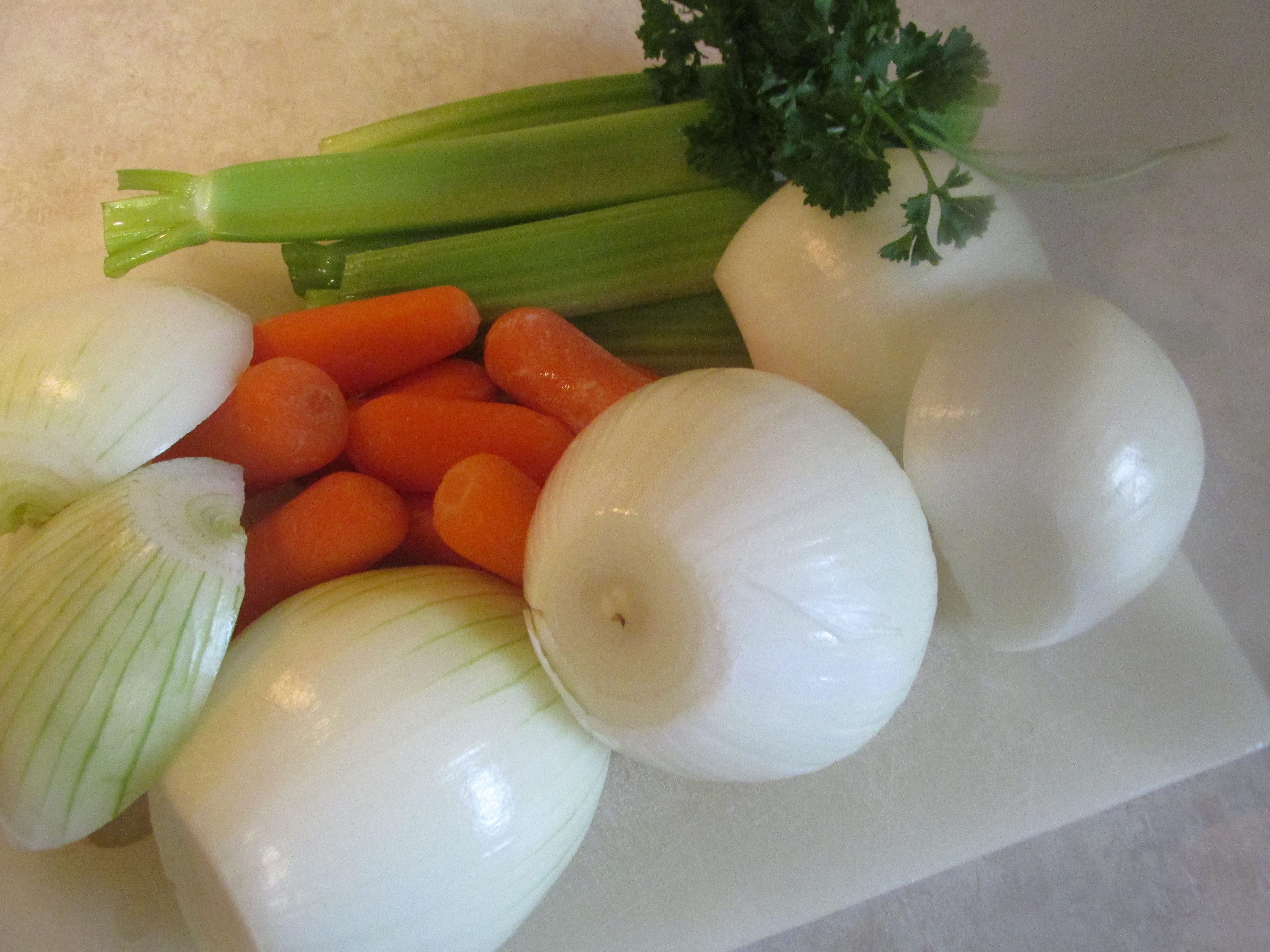
The recipe calls for 3 sliced onions. Having already made chicken stock, I knew that vegetables are discarded at the end as they are limp from the cooking process. I decided to save time and cut the onions in halves. Three celery stalks were cut in half. I set aside the onions, celery, and nine baby carrots.

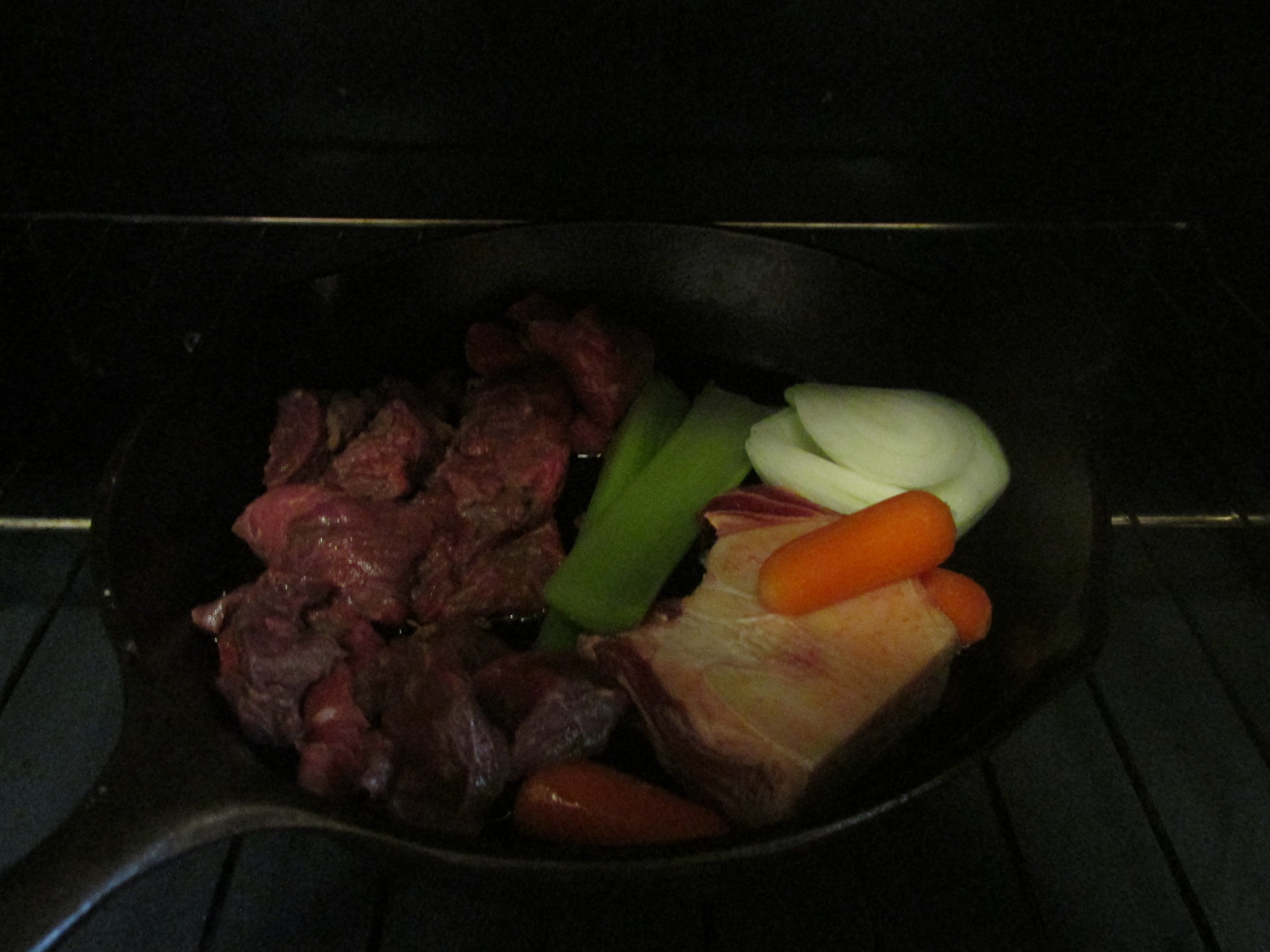
Fannie suggested using a roasting pan to brown the meat and vegetables in the preheated oven. In hindsight, that would be quicker because everything will fit at once. I used a cast iron skillet where all the ingredients didn’t fit. It took three different browning sessions to cook everything.

Heat 2 tablespoons of shortening or oil in the roasting pan or skillet. Add the bones and stew beef. Stir and turn these frequently. Add the celery, carrots, and onions after 10 minutes. Stir the vegetables and watch so that they don’t scorch. When the meat is browned, remove everything from the oven.
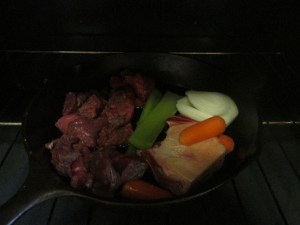
Carefully transfer meat, vegetables, and bones to a stock pot or large kettle.

Add a cup of boiling water to the roasting pan and stir to get all the scrapings off the pan. Then add this to the stock pot.

Add 1 teaspoon of dried thyme, a bay leaf, 2 sprigs of parsley, and 6 crushed peppercorns to the pot. Add 4 quarts of cold water.

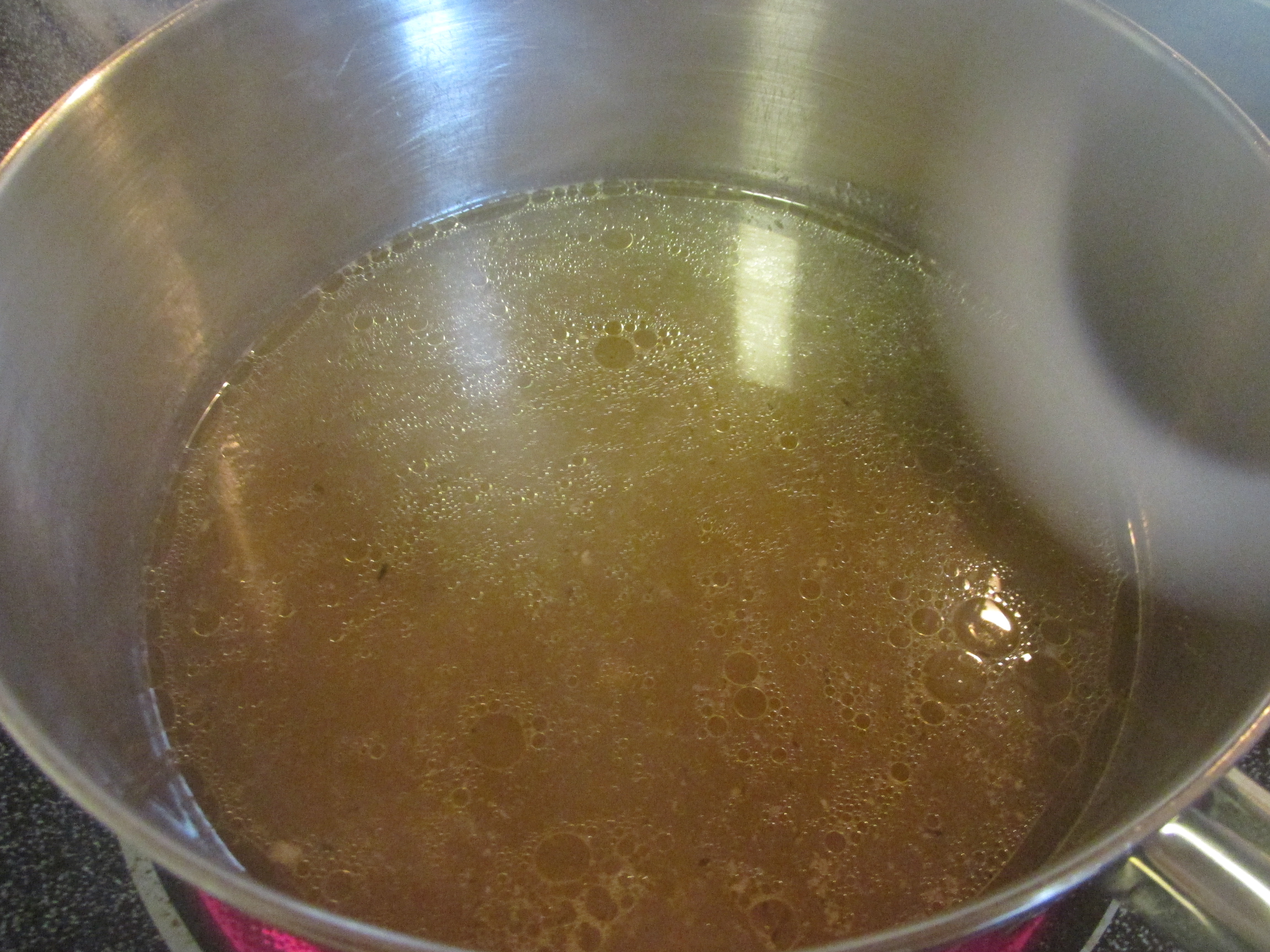
Cook on medium high heat until water begins to boil then reduce to simmer. Partially cover and simmer for 2 ½ hours. If you plan to use the stew beef in another recipe, remove it now and refrigerate for later use. I used a slotted spoon to take out the beef and scalded my hands a couple of times, so be careful.

Continue simmering for another 1 ½ to 2 ½ hours. The total simmering time is four to five hours.

Fannie suggests waiting to add salt until using the stock in a recipe. This allows for salty flavors of other ingredients.

Should you choose to season the stock itself, add salt to taste just before it is done.

Strain the stock and allow to cool, uncovered. Refrigerate or freeze until ready to use.

I don’t generally use a lot of onion in my recipes. I will only use one onion the next time I make beef stock, but I wanted to try Fannie’s recipe her way.

This stock is very aromatic while cooking. I will let you know how I use the stock and the beef in a future recipe and I’d love to hear from you, too!

-Sandra Merville Hart

Sources

Revised by Cunningham, Marion and Laber, Jeri. The Fannie Farmer Cookbook, Alfred A Knopf Inc., 1983.



Chicken Gumbo Soup Recipe

I prepared chicken stock using a recipe found in The Fannie Farmer Cookbook, giving me cooked chicken and chicken stock. I decided to make chicken gumbo soup.

4 cups chicken stock

1 cup okra, frozen or fresh

2 stalks of celery, sliced

½ cup carrots, bite-sized slices

1 can (about 16 ounces) diced tomatoes

½ cup uncooked rice, brown or white

2 cups cubed or shredded chicken

Salt

Pepper

Fresh minced parsley (optional)

As Fannie warned, my chicken stock gelled in the refrigerator. Also, it had only made about 3 ½ cups of stock. I added enough water to make 4 cups into a large kettle. I warmed this over medium heat until in liquid form again.

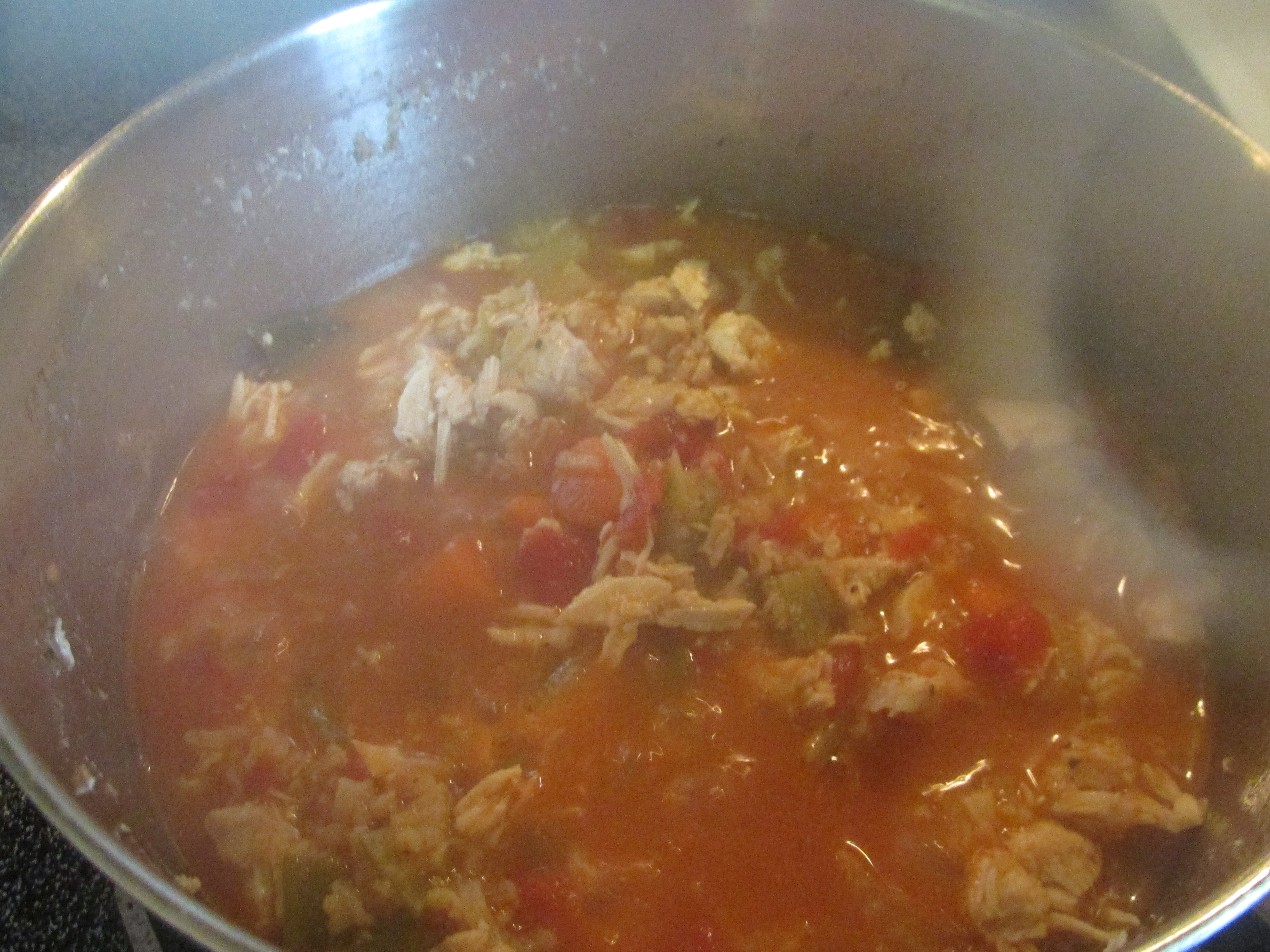
Add okra, celery, carrots, and tomatoes to the warmed stock. Stir in the uncooked rice. Cover and cook on medium heat for thirty minutes, stirring occasionally to keep the soup from sticking.

Reduce heat to low. Add chicken. Salt and pepper to taste. (Since I had not salted my chicken stock, I used a teaspoon of salt—the perfect amount for me.) Cook on low for about ten minutes to heat the chicken.

Garnish with a little minced parsley, if desired.

This made a hearty soup that I found delicious. One bowl is plenty for a meal.  I think an extra cup of stock would have been perfect, so I will use 5 cups of stock next time.

I’d love to hear from you if you try these recipes. Enjoy!

-Sandra Merville Hart

Sources

Revised by Cunningham, Marion and Laber, Jeri. The Fannie Farmer Cookbook, Alfred A Knopf Inc., 1983.


Preparing Chicken Stock

I recently ran across The Fannie Farmer Cookbook in an antique store. This book was originally published in 1896. Fannie Farmer’s name is still well-known today.

Reading Fannie Farmer’s recipe for stock intrigued me. I’ve made chicken broth from chicken but realized that is different from Fannie’s chicken stock.

Instead of making stock using chicken wings, necks, backs, and bones, I decided to use a whole chicken. This gave me boiled chicken to make soup for an easy supper the following day.

A local butcher cut up the chicken for me. Included in the package were the neck, heart, gizzard, and back. I used the legs, breasts, thighs, wings, neck, and back and discarded the rest.

Wash the chicken and put into a large pot, holding out the breasts and wings to be added later. Add eight cups of cold water. Cut one peeled onion in half and place in the pot. Add six baby carrots or peel two carrots and cut them into thirds.

Slice in half three celery stalks, including the leaves. Add a bay leaf, a teaspoon dried thyme, and six crushed peppercorns.

Cook on medium high heat until water begins to boil then reduce to simmer. Since white meat cooks more quickly than dark meat, add breasts and wings after the stock has simmered for twenty minutes.

Cover and simmer until chicken is done. Mine was ready in about an hour. Remove chicken from pot. Debone. Add bones and skin back into the stock and continue simmering.

Refrigerate the chicken for later use in another recipe.

The total simmering time is four to five hours, which includes the time it takes to cook the chicken.

Fannie suggests waiting to add salt until using the stock in a recipe. This allows for salty flavors of other ingredients.

Should you choose to season the stock itself, add salt to taste just before it is done.

Strain the stock and allow to cool. Refrigerate or freeze until ready to use. Stock made from bones will gel in the refrigerator. When the broth thaws out, skim off the top layer of fat.

This smells and tastes delicious, even without salt. The stock smells so aromatic and appetizing that your family may be hungry for supper a little early.

Enjoy!

-Sandra Merville Hart

Sources

Revised by Cunningham, Marion and Laber, Jeri. The Fannie Farmer Cookbook, Alfred A Knopf Inc., 1983.