Tyrell’s Special Hot Chocolate Recipe

Today’s post is written by talented author and dear friend, Carole Brown. I’ve enjoyed reading her cozy mysteries and can’t wait to read this one!

I love a man who cooks!

No matter whether it’s from the past (historical) or present day, there’s something manly and mannerly about that person. Western men usually knew how to prepare the basics: just enough to keep him alive, at least. In the military, many service people know that being able to cook is a necessity and at times a life saver. Today, I know many men who cook and enjoy it.

In writing With Music in Their Hearts, giving my male protagonist the ability to cook foods like scrambled eggs and hot chocolate would be an intimate detail about him that branched the difference in the way Tyrell and Emma Jaine were brought up and also set up a cozy setting for the fun action in the scene. When they come in from being outside, Tyrell offers to make hot chocolate for them.

Tyrell’s Special Hot Chocolate Recipe

1 large cup milk or water

1 Tablespoon of honey

1 Tablespoon of dark syrup, such as maple syrup

A pinch of salt

4-9 chocolate kisses (or about the same size of chocolate bits)

Optional: a dab of peppermint or stir with a peppermint stick

Pour chocolate drink in cup after heating on low fire.

Enjoy!

-Carole Brown

About Carole Brown

Besides being a member and active participant of many writing groups, Carole Brown enjoys mentoring beginning writers. She loves to weave suspense and tough topics into her books, along with a touch of romance and whimsy, and is always on the lookout for outstanding titles and catchy ideas. She and her husband reside in SE Ohio but have ministered and counseled nationally and internationally. Together, they enjoy their grandsons, traveling, gardening, good food, the simple life, and did she mention their grandsons?

Connect with Carole on her personal blog.

With Music in Their Hearts Blurb:

Angry at being rejected for military service, Minister Tyrell Walker accepts the call to serve as a civilian spy within his own country and searches for a murdering spy at the boarding house red-haired  Emma Jaine Rayner runs. Sparks of jealousy and love fly between them even as they battle suspicions that one or the other is not on the up and up.

Will their love survive the danger and personal issues that arise to hinder the path of true love?

Amazon


Three Ways to Develop Good Cooking Habits – Advice from Fannie Farmer

I recently ran across The Fannie Farmer Cookbook in an antique store. This book was originally published in 1896. Fannie Farmer’s name is still well-known today.

Fannie gave advice about cooking habits before giving any recipes in her cookbook. There may be some wisdom in that strategy. Here are three ways to develop good cooking habits that are still surprisingly relevant today.

Firstly, read the whole recipe before doing anything. This shows what you will do—think about the reasons why.  Preparation and/or baking times are included in most modern recipes; give yourself plenty of time to prevent becoming flustered.

When making a complete meal, decide what dishes can be prepared ahead of time—such as dessert. Consider your menu. What dish will take longest to prepare? This will help decide when preparations for the meal should begin. Study any unfamiliar recipes ahead of time.

Secondly, think about the season of the year when planning meals. Produce and meat are at their flavorful peak when fresh. Shop at the market for ingredients that are in season or “on special.” Don’t get your heart set on a particular recipe before finding what’s available at the grocery store. Fresh products make more flavorful dishes, so learn to be flexible.

Thirdly, don’t scorn leftovers. Instead, use your imagination to make a new dish.

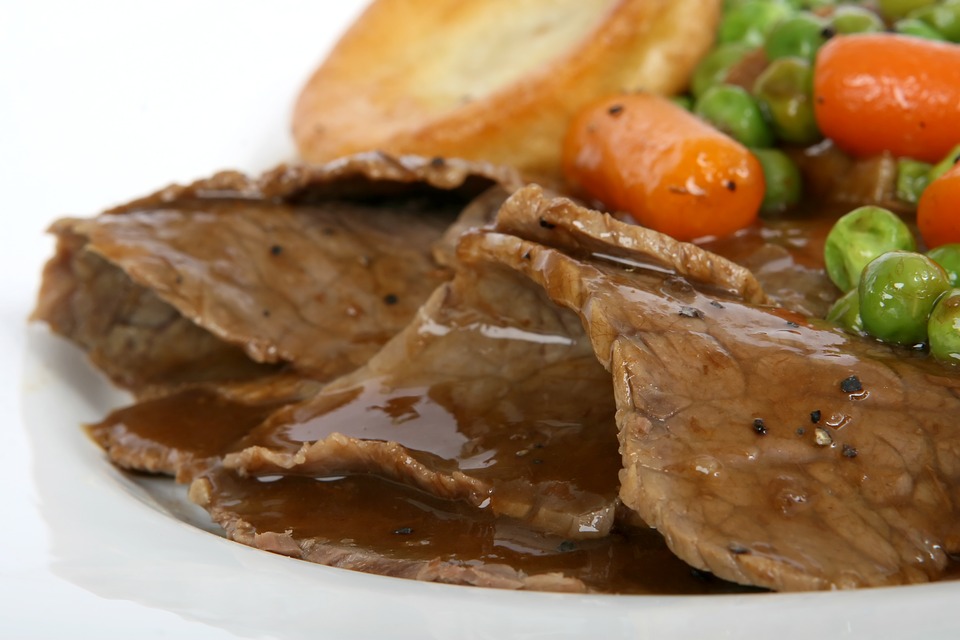
Fannie advises deliberately preparing twice the amount of meat required to feed your family. She used the example of pot roast. If there is a bone, use it to prepare soup another day along with leftover vegetables and a bit of the gravy.

Take a portion of the leftover pot roast the following day and ground it to make stuffed green peppers or stuffed eggplant. There should be enough to make a beef noodle casserole as well.

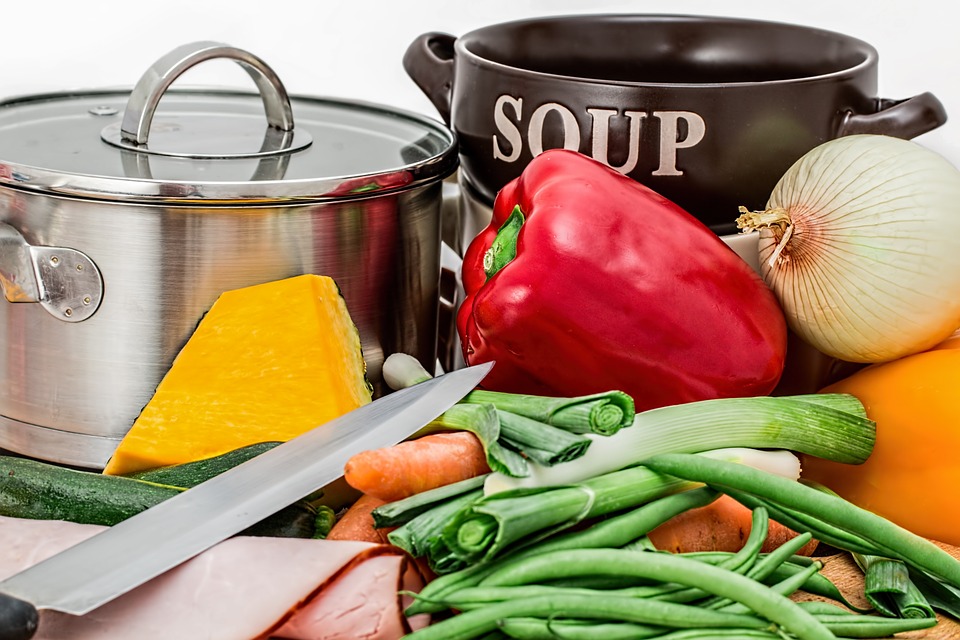
Don’t neglect to save the vegetables, sauce, and rice from meals. These ingredients may be used in omelets, salads, soups, and baked dishes. Be creative.

Great advice from the creative Fannie Farmer on developing great cooking habits!

-Sandra Merville Hart

Sources

Revised by Cunningham, Marion and Laber, Jeri. The Fannie Farmer Cookbook, Alfred A Knopf Inc., 1983.




Civil War: Confederate Remedy for Dysentery

As a writer of historical novels, I love to run across remedies used in past centuries. A wonderful book, Confederate Receipt Book, contains a few cures from the Civil War era.

A soldier’s remedy for dysentery (severe diarrhea) used only three everyday ingredients which were reported to be “efficacious” for these cases.

Dysentery killed more Civil War soldiers than any other diseases so it was a serious matter.

At that time, doctors often prescribed opium (paregoric, laudanum, or Dover’s powder) to treat dysentery.

Other medicines given to treat the disease were copper sulfate, oil of turpentine, lead acetate, and aromatic sulfuric acid. Surprisingly, laxatives were also used in the treatment—Epsom salts, calomel, ipecac, castor oil, and sulfate of magnesia. Calomel, also known as mercurous chloride, had terrible side effects: profuse salivation, loss of teeth, or—in severe cases—“mercurial gangrene.”

Strong medicines with unfortunate or fatal side effects could have led Confederate soldiers to search for a better cure. Or the lack of medical supplies might be the reason for trying a common cure. It’s also possible this simple cure had been around for years.

Whatever the case, the Confederate remedy for dysentery seems remarkably simple when compared to medicines listed above.

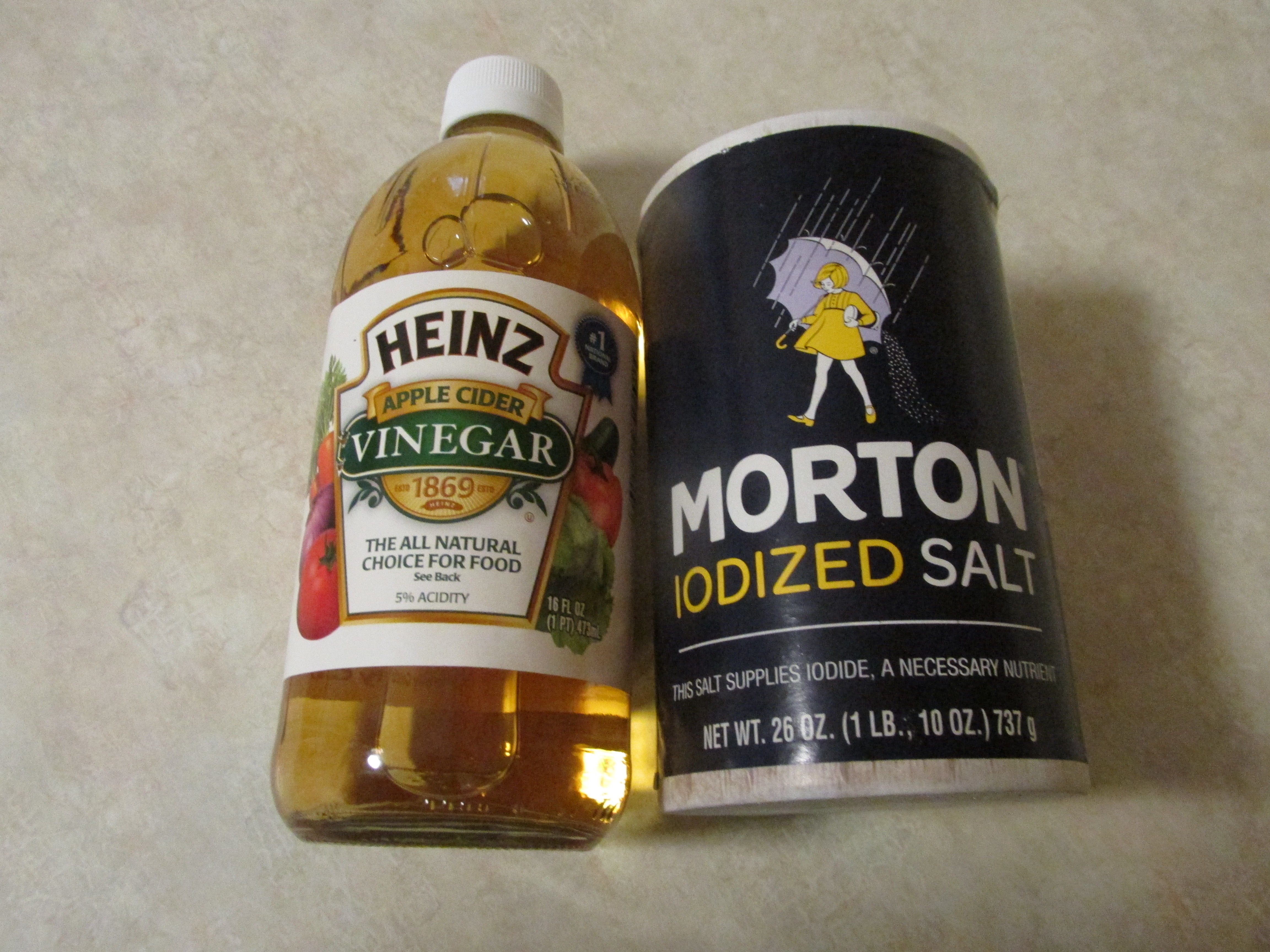
The instructions stipulate pure vinegar. The apple cider vinegar in my cabinet is diluted with water so that changes the experiment. This is merely a fun learning exercise since I’m not planning on treating dysentery, so this is not an issue.

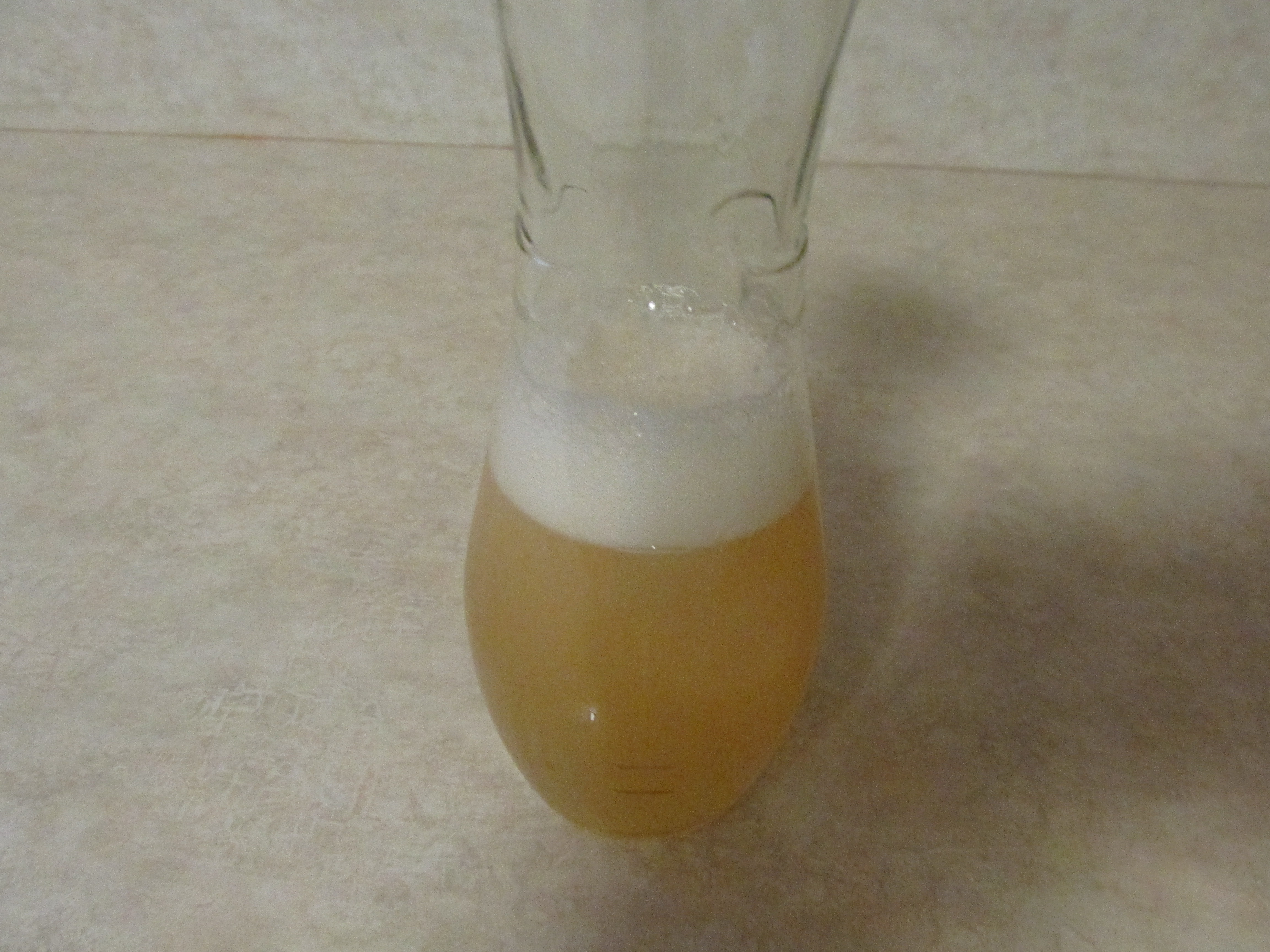
I took a cup of apple cider vinegar and poured it into a salad dressing cruet. (Use any jar that can be tightly closed.) I then added salt, a teaspoon at time. The soldiers’ recipe advises to add as much salt as the vinegar can ferment and work clear.

My vinegar didn’t foam until shaking it. I used 6 teaspoons of salt, but it might have held more.

The soldiers corked the salty vinegar liquid and set it aside. When needed, they boiled a gill of water (4 ounces), added a large spoonful of the medicine, and drank it. It was supposed to be effective for cholic (colic) and dysentery.

As always, consult physicians before using this medicinally.

I use these old cures only in my historical writing. I made this recipe but will not be taking it. I’m not recommending it. This is merely meant to be fun and educational.

-Sandra Merville Hart

Sources

A Compilation of Over One Hundred Receipts, Adapted to the Times. Confederate Receipt Book, Applewood Books, 1863.

Oates, Stephen B. A Woman of Valor: Clara Barton and the Civil War, The Free Press, 1994.


Civil War: Confederate Soldier’s Way To Relieve Asthma

As a writer of historical novels, I love to run across remedies used in past centuries. A wonderful book, Confederate Receipt Book, contains a few cures from the Civil War era.

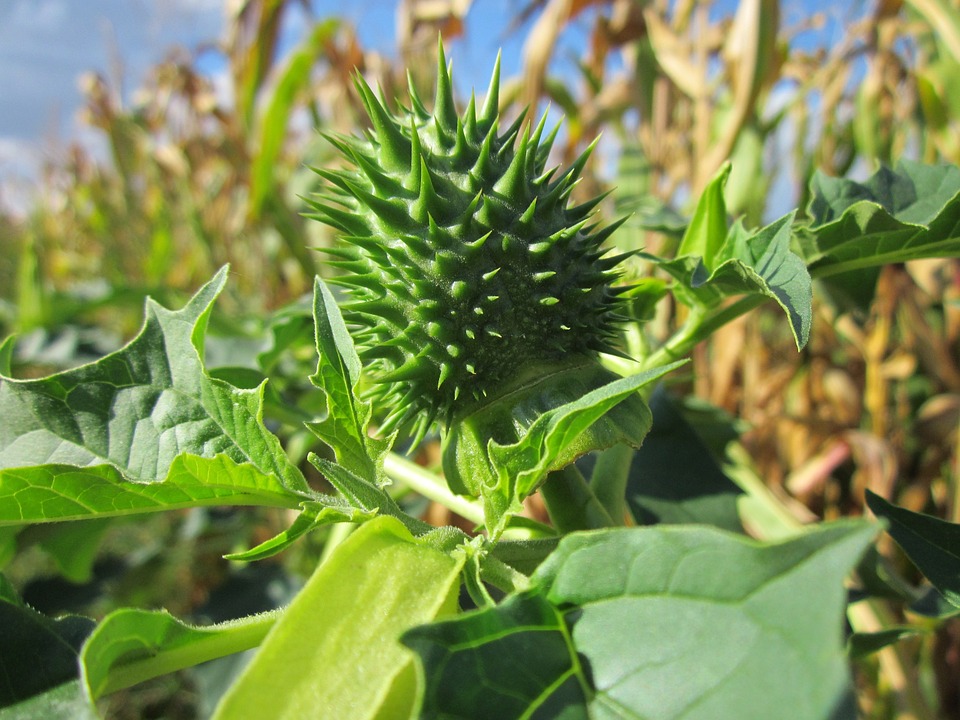
A recipe to relieve asthma called for stramonium leaves (also known as Jamestown weed) to be gathered before the frost and dried in the shade.

The dried leaves were then saturated in a “pretty strong solution of saltpetre.” There is no indication given as to how much saltpeter (a white powder with a salty taste) makes a strong solution. According to the Cambridge Dictionary, saltpetre is used in the preservation of meat as well as in the production of explosives and fertilizers.

The Confederate soldiers then smoked the saturated leaves. Inhaling the vapors helped loosen lung congestion. The soldiers cautioned that the fumes could strangle the patient if “taken too freely.”

It is not stated whether the soldiers rolled the leaves into a cigarette or inhaled them over a fire.

I wanted to know if stramonium was still being used to treat asthma these days.

This plant is considered poisonous if improperly prepared. In modern times, the juice is taken from the plant before seeds and flowers sprout. Then the juice goes through a process of dilution process. This removes the poisonous part.

It is used today to treat a variety of complaints, including asthma. It relieves chest tightness and a wheezy cough.

The home remedy sites stress that the plant is poisonous and must be prepared properly.

The soldiers also gave specific instructions about stramonium, such as drying the leaves in the shade and gathering them before the frost. They seemed to realize that the plant must be handled carefully to work best.

I don’t suggest following the soldiers’ recipe. There are too many warnings about the poisonous plant. As always, consult physicians before using this medicinally.

I use these old cures only in my historical writing. I have not followed this recipe or tried the cure. I’m not recommending it. This is merely meant to be fun and educational.

-Sandra Merville Hart

Sources

A Compilation of Over One Hundred Receipts, Adapted to the Times. Confederate Receipt Book, Applewood Books, 1863.

“Homeopathy: Stramonium, Thorn Apple/Devil’s-apple,” Herbs2000.com, 2017/03/11  http://www.herbs2000.com/homeopathy/stramonium.htm.

“Saltpetre,” Cambridge University Press, 2017/03/11 http://dictionary.cambridge.org/us/dictionary/english/saltpetre.

“Stramonium/Stram,” Home Remedy Central, 2017/03/11  http://www.homeremedycentral.com/en/homeopathic-remedies/homeopathy/stramonium.html.


Civil War: Confederate Remedy for Chills

As a writer of historical novels, I love to run across remedies used in past centuries. A wonderful book, Confederate Receipt Book, contains a few cures from the Civil War era.

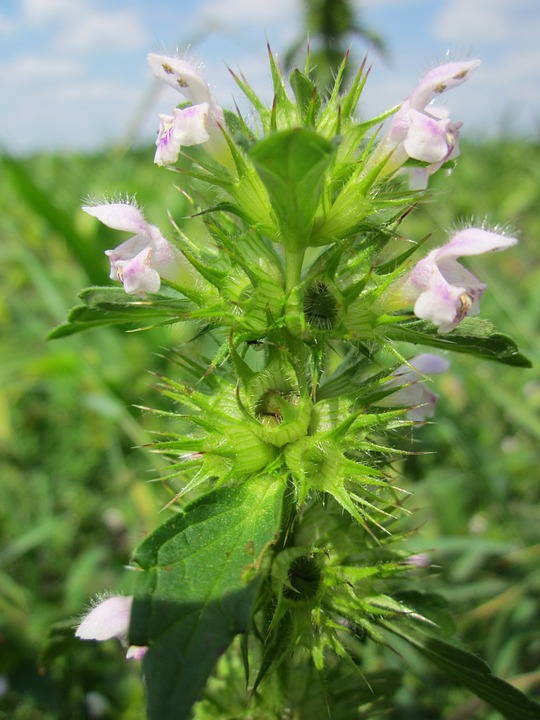
A common cure for chills was horehound, spelled hoarhound in the book. The soldiers believed that horehound, boiled in water and drunk as tea, was a “certain cure.”

People are usually running a fever when chilling. This leads me to believe that Confederate soldiers used the tea to reduce fever.

Is the herb still used medicinally today? Did the soldiers boil the leaves to make tea? The roots? The recipe does not say so I began researching.

Horehound is a bitter herb from the mint family. According to Mountain Rose Herbs, the part of the plant that is above the ground is dried and cut for use in teas and tinctures.

An article from Drugs.com supports this. Home remedies use the flower tops and leaves in bitter tonics to relieve the common cold.

The FDA ruled in 1989 that it didn’t find horehound, among others, to be useful in cough and cold medicines so products containing these ingredients had to be removed from the market.

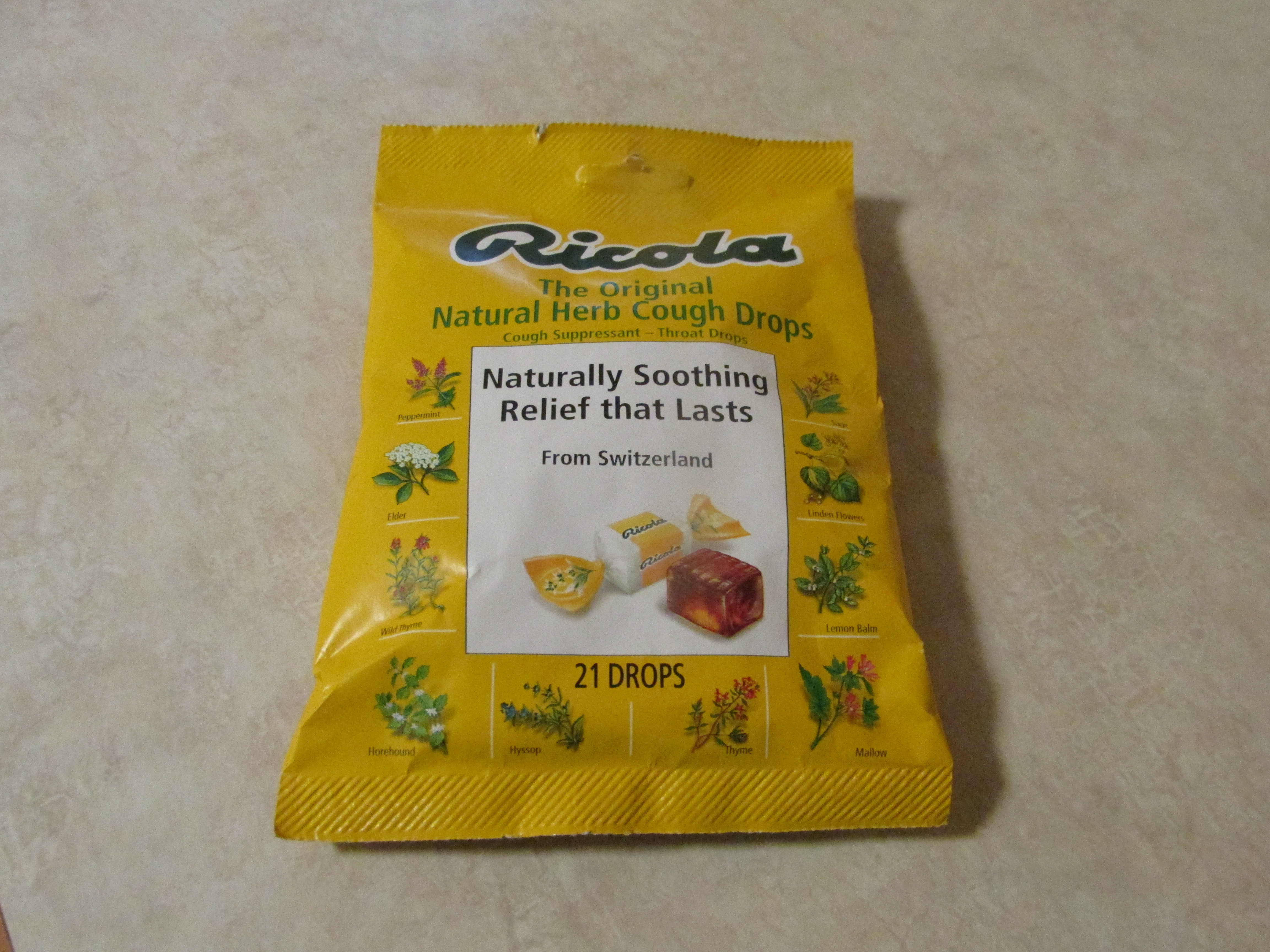
Ricola, a cough suppressant made outside the United States, contains the herb and is sold in the US.

In modern times, horehound may be found in candies, liqueurs, and cough drops.

The articles I read suggest that more research is required to evaluate the safety of horehound and is not recommended for pregnant and nursing women. Physicians should be consulted before using this medicinally.

I love to find these old cures so that I can use them in my writing. Those who volunteer as Civil War reenactors may also enjoy this information. I have not tried this tea as a cure for cold or fever and I’m not recommending it. This is merely meant to be fun and educational.

-Sandra Merville Hart


Sources

A Compilation of Over One Hundred Receipts, Adapted to the Times. Confederate Receipt Book, Applewood Books, 1863.

“Horehound,” Drugs.com, 2017/03/11 https://www.drugs.com/npc/horehound.html.

“Horehound,” Mountain Rose Herbs, 2017/03/11 https://www.mountainroseherbs.com/products/horehound/profile.

“Horehound Herb,” Naturalremedies.org, 2017/03/11 http://www.naturalremedies.org/horehound/.


Preparing Shuck Beans or “Leather Britches”

shuckbeansToday’s guest post is written by fellow author and friend, Rebecca Waters. Preparing and eating shuck beans is a childhood memory with her grandmother.

Our ancestors have found many ways to preserve food. It was a necessity. You may be familiar with processing vegetables by canning them or freezing them, but long before modern methods of preservation were available, many vegetables were stored in root cellars or dried and hung in on strings. Dried vegetables were then tied up in cloth sacks to keep through the cold winter months. Today, I offer the recipe for shuck beans, sometimes called “leather britches” because of their brown leathery appearance.

Preserving beans through drying:

Wash, dry, and remove the strings of freshly picked green beans. White Half Runners are best for this recipe.

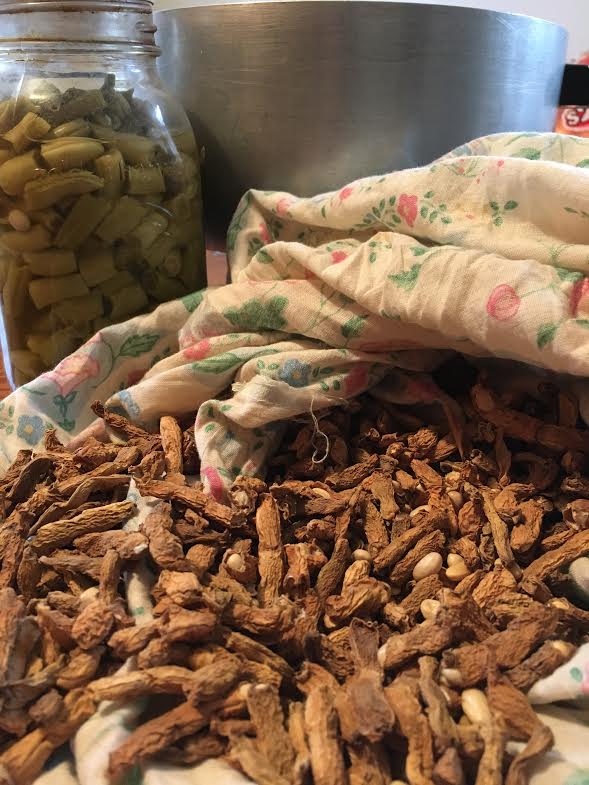
You can dry the beans either by breaking them up and spreading them out in the sun on a sheet to dry (bring them in every night before dew falls) or by stringing them whole on a thread and hanging them up to dry in the sun or in a dry attic.

Once they are dry they will rattle when shaken. The dried beans can be put in a pillowcase or tied up in a clean piece of cloth and stored until you are ready to cook them.

To prepare beans for cooking, put them in warm water and soak them overnight.

Wash them several times until the water runs clear.

Place the beans in a large kettle and cover with water. Add fatback or salt bacon to the beans. Add salt if needed. Cook two to three hours on low heat until tender.

Because the dried beans are light to carry, both Union and Confederate soldiers could, once camp was established, prepare the beans and indulge in a taste of home. Since shuck beans take a while to cook, this wasn’t a meal for soldiers on the march.

-Rebecca Waters

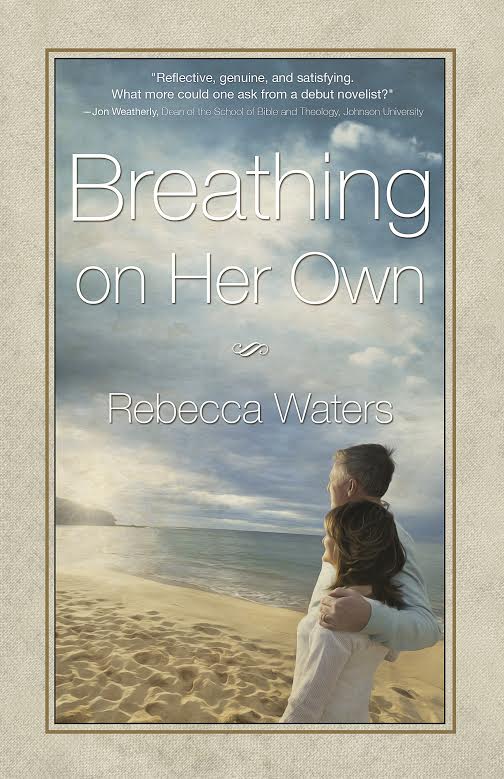
breathing-on-her-own-cover-copyBreathing On Her Own

Molly Tipton and her husband are looking forward to retirement but Molly’s life suddenly spirals out of control when her oldest daughter is involved in a terrible accident. An icy road and a sharp turn leave one woman dead, another clinging to life.

While two families grieve, details emerge that reveal Molly’s daughter was driving under the influence. As she prepares her daughter for the prospect of a vehicular homicide lawsuit, Molly discovers her oldest child is not the only one injured and under attack for past mistakes. If it is true time heals all wounds, what are we to do with our scars?

beckyAbout Rebecca:

Rebecca Waters’ freelance work has published in Chicken Soup for the Soul, Standard Publishing’s Lookout Magazine, The Christian Communicator, Church Libraries, and Home Health Aide Digest. Breathing on Her Own is Rebecca’s first novel. As a published author, she shares her writing journey in her weekly blog, A Novel Creation. To learn more about Rebecca or to read A Novel Creation, visit her website.

Lighthouse Publishing of the Carolinas   – Use coupon code SandraMHart for a 20% discount on Lighthouse Publishing books!


Sagamite – Confederate Soldier Recipe

blog-143

Recipes used to be called ‘receipts.’ Confederate soldiers published a fun book of recipes in 1863 called Confederate Receipt Book. I tried their recipe for Sagamite.

Actually, the recipe is called Indian Sagamite because it uses Indian meal. I was unable to find that type of meal at the grocery store.

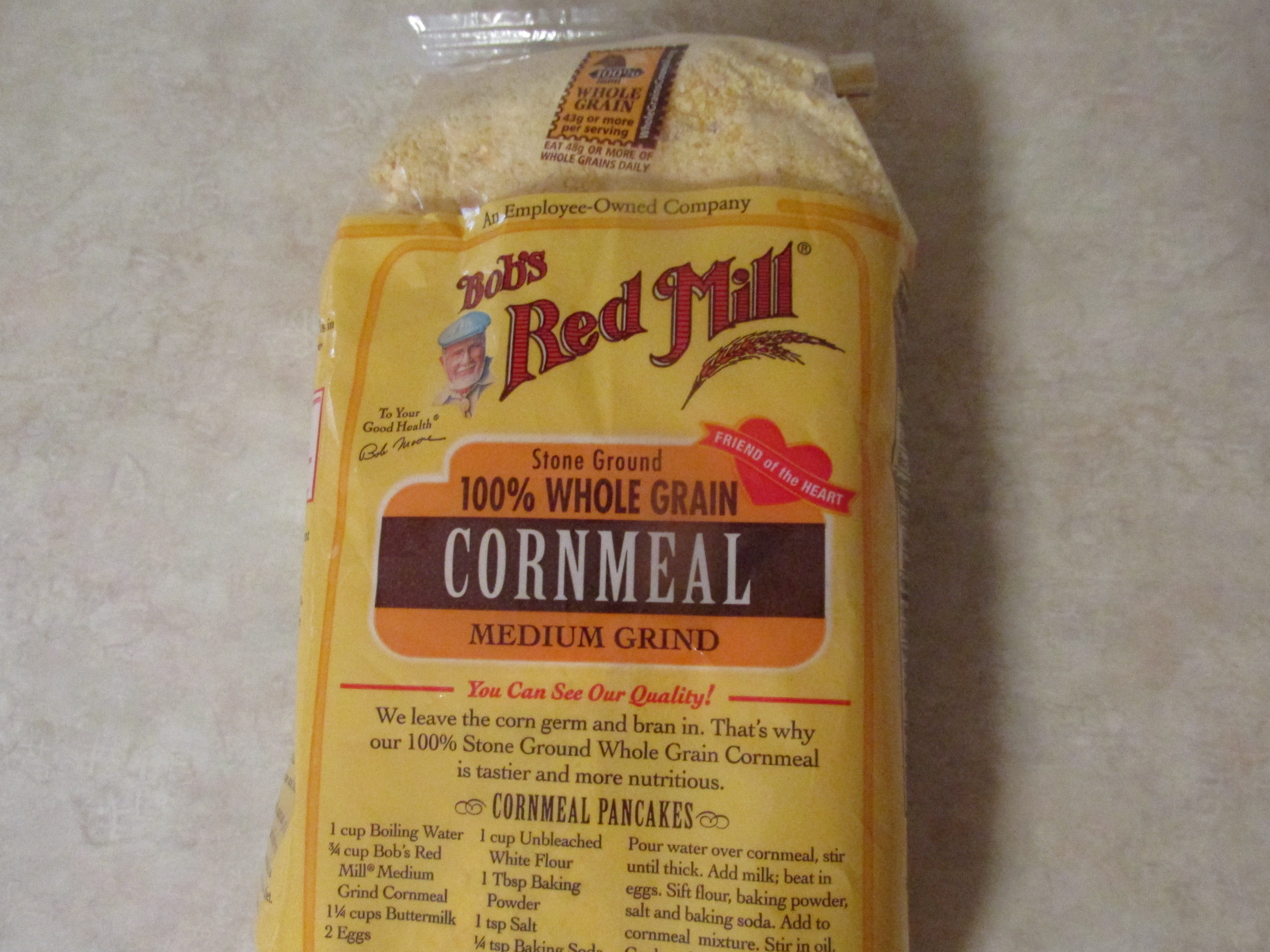
blog-132Thinking that self-rising meals weren’t something the soldiers had on hand, I chose whole grain corn meal. This meal is a little coarse and grainy—possibly closer to what the Confederates used.

Combine 1 ½ cups of meal and ½ cup of brown sugar.

Those were the only ingredients listed. Since the recipe called for browning it over the fire, I knew something else had to be added to make this into a cake. (Or perhaps they ate it as crumbs, but that seems unlikely.)

I considered adding milk, water, or butter to the mixture. I decided on water because soldiers didn’t often have milk or butter.

I added ½ cup of water. This made it a bit runny, so next time I will add ¼ cup of water to make thicker cakes.

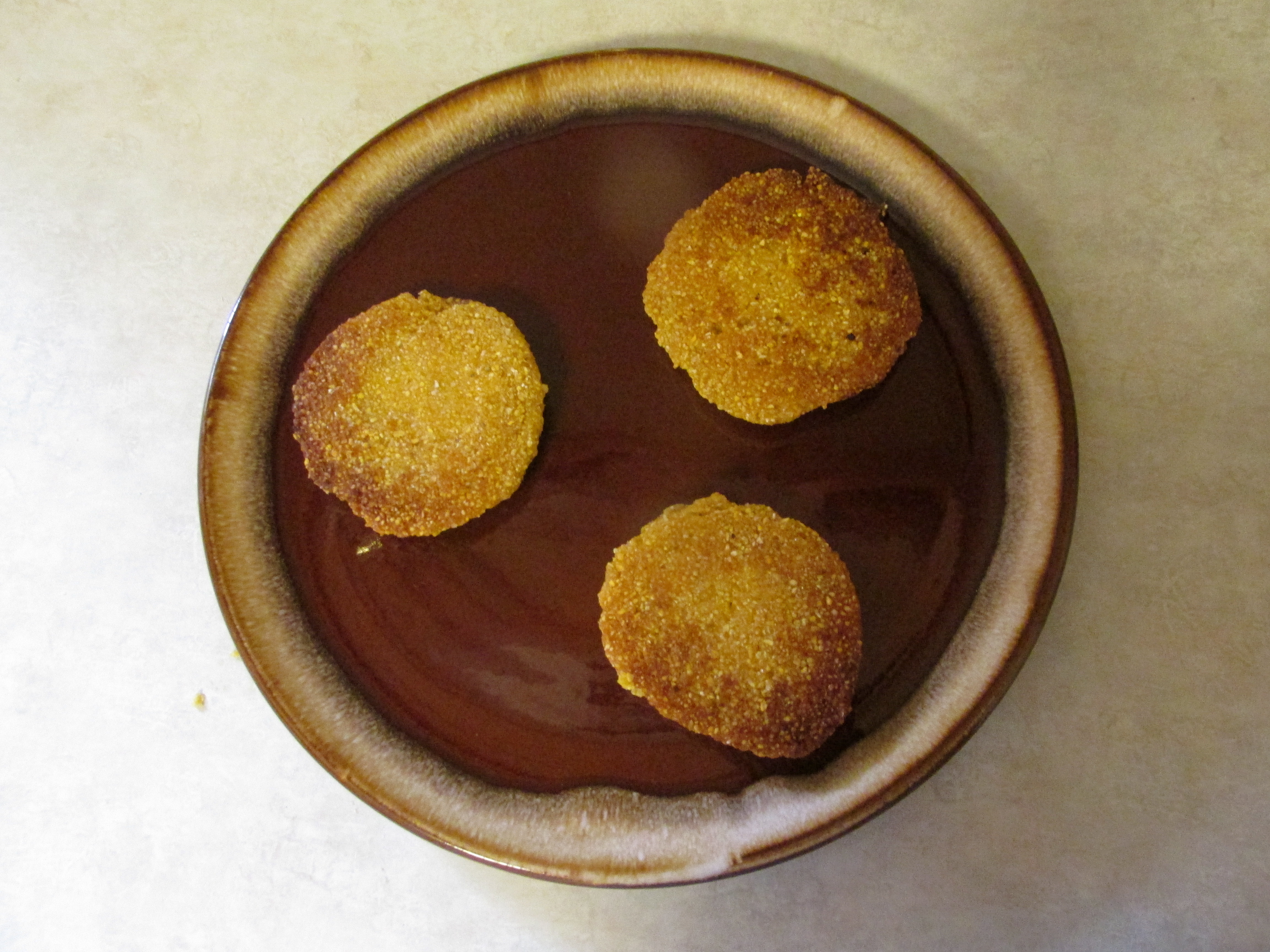
blog-139Add about a tablespoon of shortening to a skillet. Can use more if needed. When shortening melts, fry the cakes for 2 to 3 minutes on both sides over medium heat.

I enjoyed the flavor. It tastes like sweet, fried cornbread.

Soldiers ate small quantities of this while scouting—and probably on long marches. It didn’t require much to appease hunger and had the added benefit of satisfying thirst. I ate half of one of these cakes for lunch and noticed that it satisfied both my hunger and thirst. I ate a few bites of soup only because it was already cooked and didn’t need anything else. I was amazed that such a small amount of food made a meal.

If you try this, I’d love to hear if you had the same experience.

I imagined these cornbread cakes were handy on days of battle and added a scene with Sagamite in my upcoming Civil War novel, A Rebel in My House, that releases in July.

-Sandra Merville Hart

Sources

A Compilation of Over One Hundred Receipts, Adapted to the Times. Confederate Receipt Book, Applewood Books, 1863.

Apple Pie Recipe Without Apples used by Confederate Soldiers

blog-130

Recipes used to be called ‘receipts.’ Confederate soldiers were often low on supplies and had to make do with ingredients found nearby.

I found an intriguing recipe called “Apple Pie Without Apples” in an 1863 book, Confederate Receipt Book. I had to make this one.

The main ingredient is crackers. Civil War soldiers ate hard tack, which John D. Billings describes in his book, Hard Tack and Coffee, as “a plain flour-and-water biscuit.”

Billings, a Civil War soldier, had two of these crackers while writing his book that published in 1887. (It doesn’t say if the hard tack was baked during the war.) When measured, he found they were 3 1/8 inches by 2 7/8 inches and almost ½ inch thick.

This apple pie recipe uses crackers. The soldiers would have used hard tack because that was available.

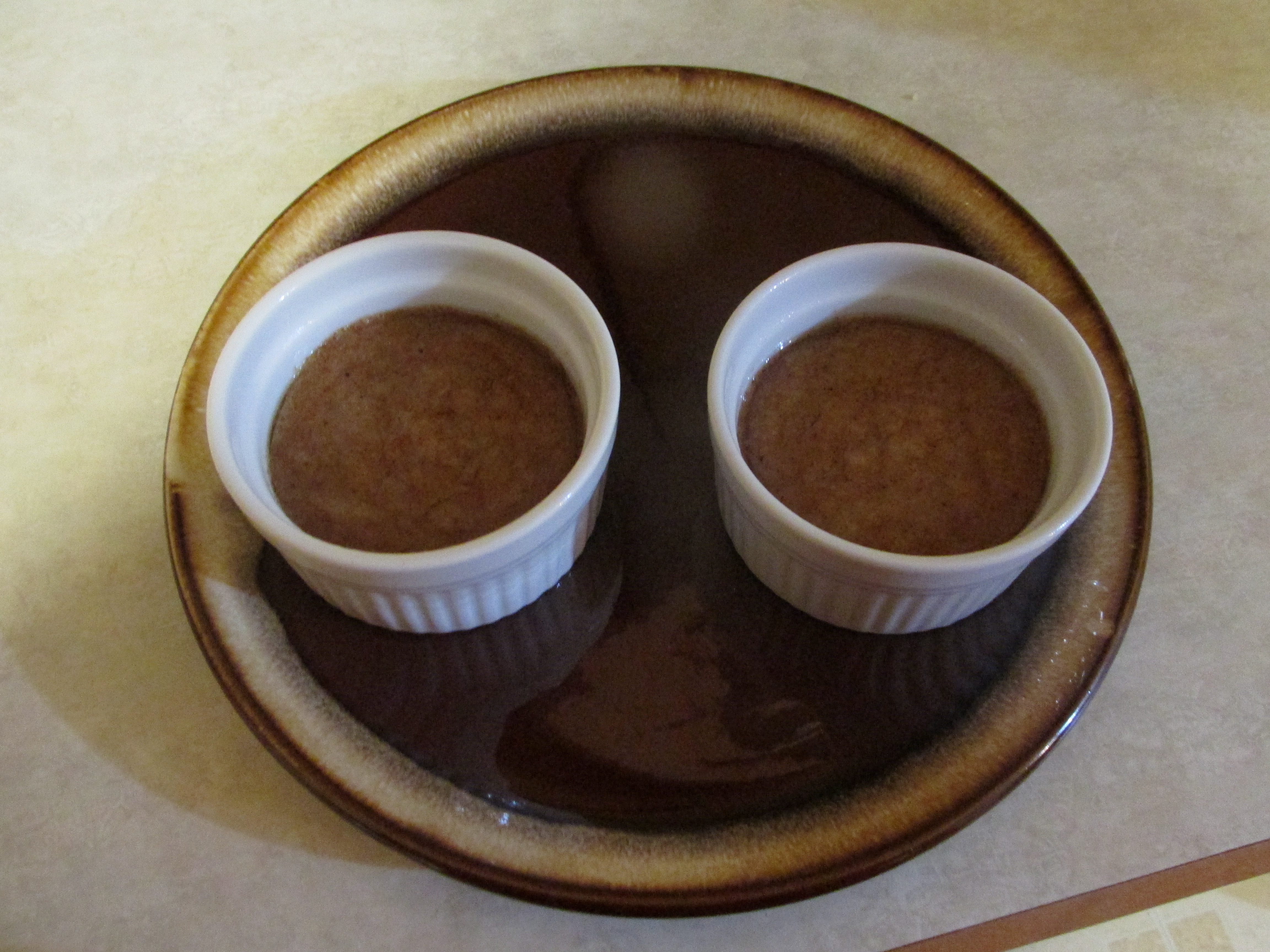
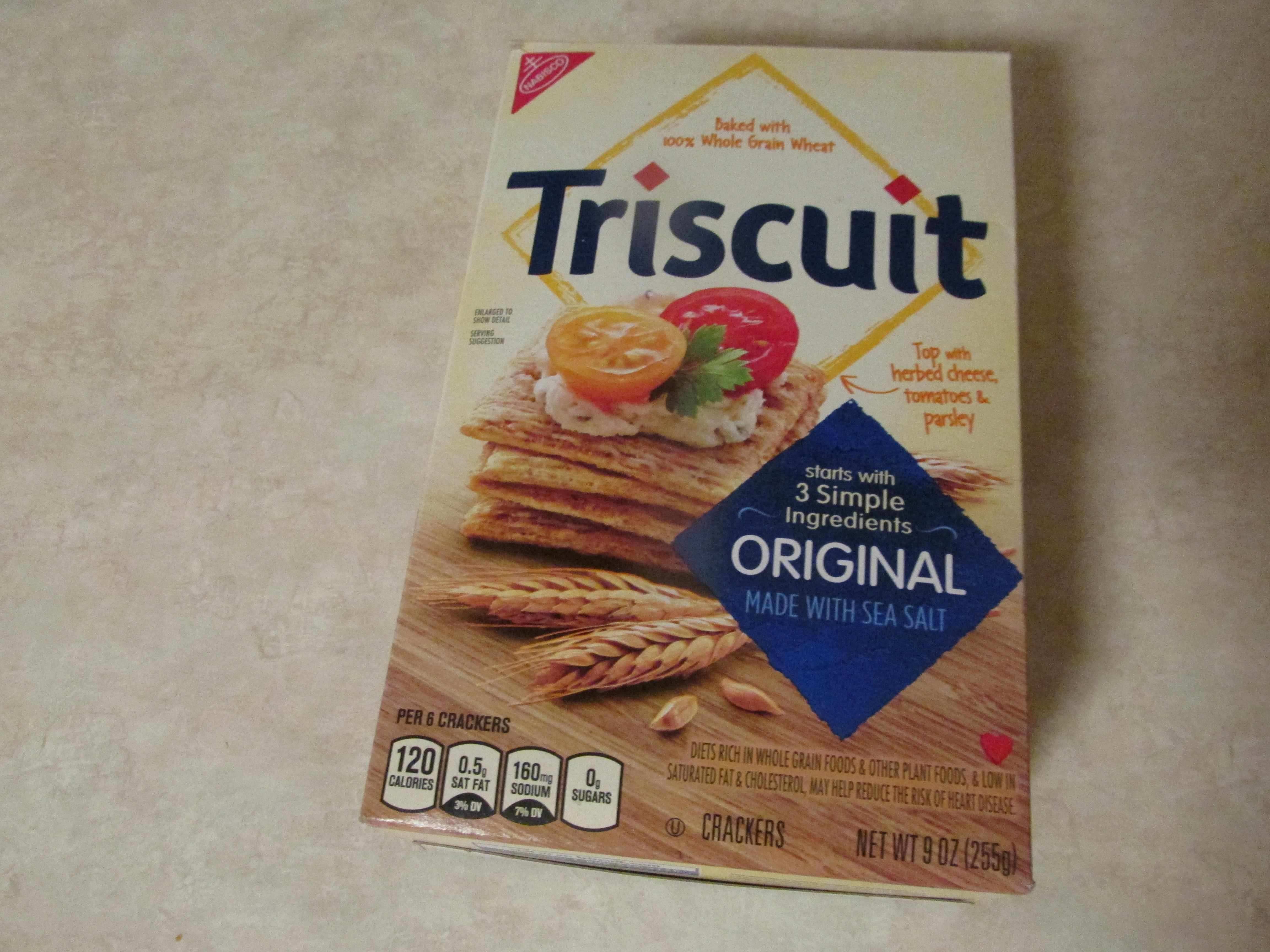
blog-127Place crackers in a small bowl. (Not having hard tack on hand, I thought Triscuits might be an acceptable substitute.  I used 20 of these crackers. Regular crackers would also be fine.) Soak these in water until soft. For our modern crackers, this takes about five minutes. I can’t imagine how long soldiers soaked the hard tack.

Empty excess water. Mash the softened crackers.

Add 1 teaspoon cream of tartar, ¼ cup sugar, 2 tablespoons melted butter, and ½ teaspoon nutmeg to the crackers. Mix together.

Spray ramekins with cooking spray. Spoon mixture into ramekins until about 2/3 full and bake at 350 degrees for 15-20 minutes.

My husband tried it first. “It’s strange. It doesn’t taste like apple pie.”

I had to agree. This recipe does not taste like apple pie. I didn’t really care for it.

Soldiers probably didn’t have cinnamon too often in camp but this spice would definitely enhance the flavor. In the next batch I added a teaspoon of cinnamon along with the nutmeg.

Both my husband and I agreed that cinnamon improved the “appleless” pie. Though it was a strange and unfamiliar dessert, I’m happy I tried it. It would make a fun dish at Civil War reenactments.

For the Confederate soldier starving for his mother’s apple pie, eating this dessert probably gave him a nostalgic taste of home.

-Sandra Merville Hart

Sources

A Compilation of Over One Hundred Receipts, Adapted to the Times. Confederate Receipt Book, Applewood Books, 1863.

Billings, John D. Hardtack & Coffee, University of Nebraska Press, 1993.


Biscuit Recipe Used by Confederate Soldiers

blog-124

by Sandra Merville Hart

Confederate soldiers were often low on supplies and food rations. They had to make do with ingredients found nearby.

Confederates published a fun book of recipes in 1863 called Confederate Receipt Book. I tried one of the biscuit recipes.

In reading the recipe before starting, one thing that struck me was that they used cream of tartar. Other food recipes called for tartaric acid. I hadn’t used that in biscuits and wondered if it was a readily-available ingredient for Southern soldiers.

A little research showed that many plants, including grapes, have tartaric acid, which is an organic acid. The process of making wine creates cream of tartar. It is a leavening agent.

Since food supplies were often scarce for Southern soldiers, it makes sense that they used whatever they had on hand and adapted it.

blog-110Measure 4 cups of all-purpose flour into a mixing bowl. Add 3 teaspoons of cream of tartar and mix thoroughly.

Add 2 tablespoons of shortening. Use a fork to cut the shortening into the flour mixture. It won’t look much differently after combined because it’s not a lot of shortening. Most modern recipes call for ½ cup or ¾ cup of shortening (or butter) but I wanted to try the Confederate soldiers’ recipe so I didn’t alter it.

Dissolve 1 teaspoon of baking soda into about 1 ½ cups of warm water. Stir and add to the dry ingredients to make a dough. If more water is needed, add a little at a time until the dough is the right consistency.

You may notice, as I did, that there is no salt in this recipe. I didn’t add any.

I imagined that soldiers baked their biscuits in a skillet. I greased the skillet with shortening—not cooking spray because the men in Civil War camps didn’t have that.

I baked my biscuits in a 425 oven for twenty minutes and then increased the temperature to 450 for another 4 or 5 minutes because they were taking longer than normal. I usually bake food at 425 if the recipe calls for 450 because it’s easy to burn. Next time I will bake these biscuits at 450 for 12 to 14 minutes or until lightly browned.

blog-117They rose nicely in the oven, almost doubling. They looked great. The consistency was really nice, but I missed the salt. It would have tasted better with a teaspoon of salt in the flour mixture.

I wondered at first if salt was often in short supply. Maybe that was the reason for omitting salt from biscuits.

Then another possibility occurred to me. Salting meat was a way of preserving it before refrigeration. If the meat was already salty, the soldier probably didn’t need it in the biscuits, too.

Most Civil War soldiers didn’t know much about cooking at the beginning of the war. Mothers, wives, and sisters usually did the cooking and baking back at home. The men adapted pretty well . . . and even published a few of their recipes!


Amazon page for Sandra Merville Hart


Sources

A Compilation of Over One Hundred Receipts, Adapted to the Times. Confederate Receipt Book, Applewood Books, 1863.

“Tartaric Acid,” Wikipedia.com, 2017/02/06 https://en.wikipedia.org/wiki/Tartaric_acid.

Charcoal Tooth Powder

toothpaste-1786388_960_720

Recipes used to be called ‘receipts.’ Confederate soldiers were often low on supplies and had to make do with ingredients found nearby.

Confederates published a fun book of recipes in 1863 called Confederate Receipt Book. It contains a variety of recipes for many things needed in an army camp. One of them is a recipe for making tooth powder from charcoal.

Charcoal is made by burning wood, so Confederate soldiers would have had an abundance of this in their army camps.

charcoal-powder-1053836_960_720To make tooth powder, pound charcoal in a mortar as finely as possible, or it could be ground in a mill. Sift it well.

Apply to teeth twice a week. According to Confederate soldiers, it kept teeth a beautiful white and also freshened breath. Gums also benefited from the treatment as it made them “firm and comfortable.”

Grinding charcoal in a mortar using small amounts of water kept the dust from flying around. It was also easier to use when stored in water.

There are currently charcoal toothpastes on the market. This old-fashioned tradition for cleaning teeth seems to be making a come-back but experts warn they don’t know the long-term effects.

Still, it’s fun to watch wisdom from the past making a reappearance from history.

-Sandra Merville Hart

Sources

A Compilation of Over One Hundred Receipts, Adapted to the Times. Confederate Receipt Book, Applewood Books, 1863.

“Charcoal,” Merriam-Webster, 2017/02/03 https://www.merriam-webster.com/dictionary/charcoal.

Mulpeter, Kathleen. “Is it safe to Whiten your Teeth with Activated Charcoal Toothpaste?” Health, 2017/02/03 http://www.health.com/oral-health/charcoal-toothpaste.