Making Soap

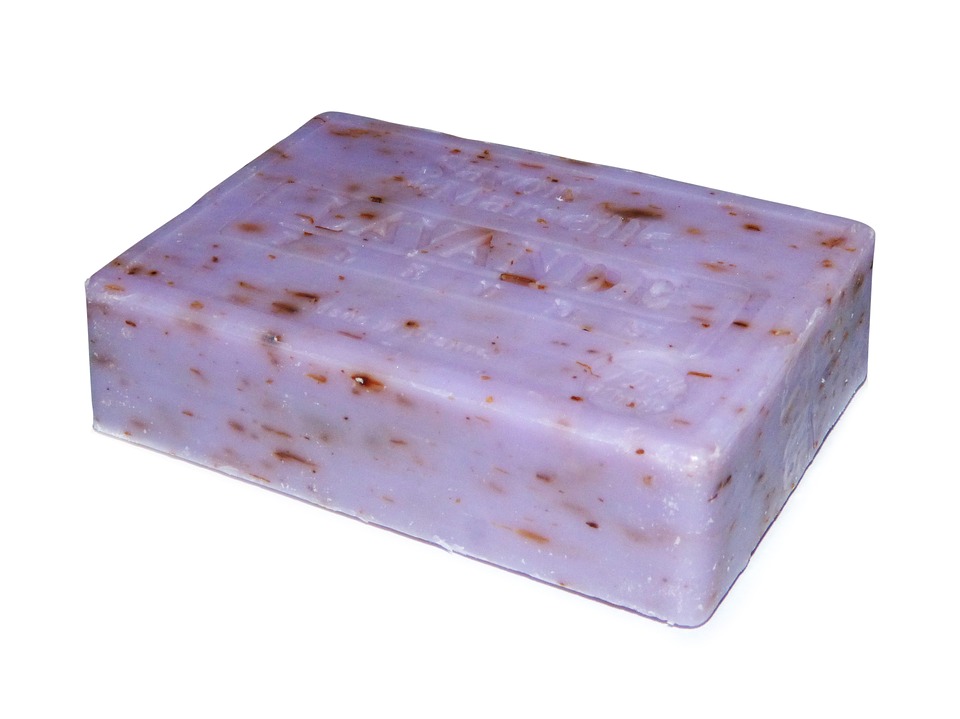
soap-1215027_960_720

Recipes used to be called ‘receipts.’ Confederate soldiers were often low on supplies and had to make do with ingredients found nearby.

Confederates published a fun book of recipes in 1863 called Confederate Receipt Book. It contains a variety of recipes for many things needed in an army camp. One of them is a recipe for making soap.

Boil 12 quarts of water and pour it over 5 pounds of “unslacked lime.” Terms and spellings of words changed over 150 years. I looked up unslaked lime, which is a white crystalline oxide.

Set aside the lime and water.

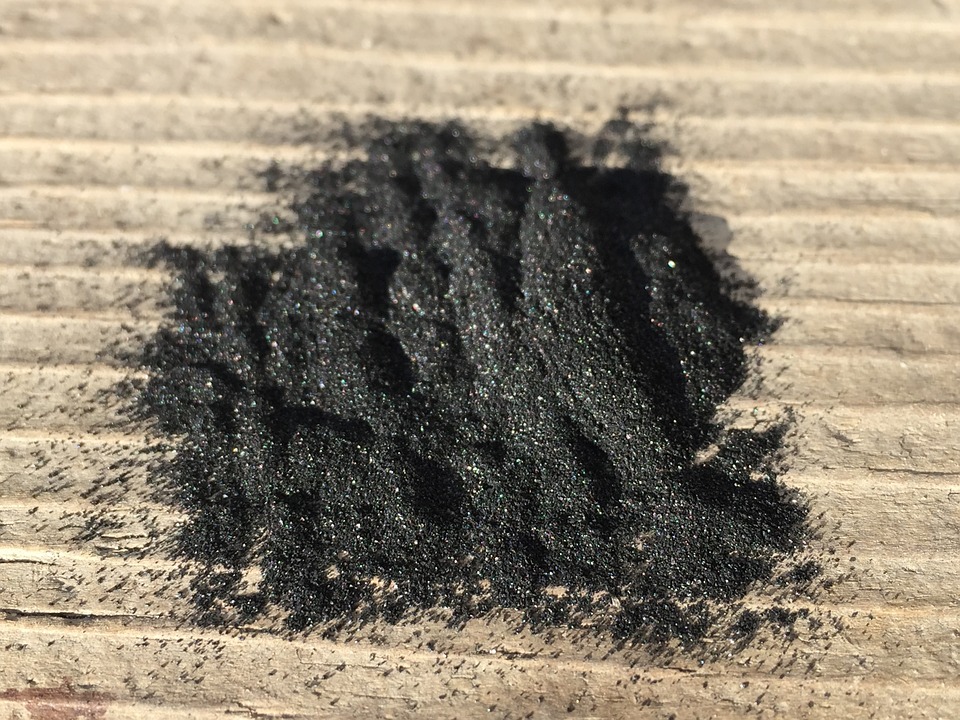
laundry-666487_960_720Boil another 12 quarts of water. Dissolve 5 pounds of washing soda in the boiling water. Baking soda, known as sodium bicarbonate, becomes washing soda by heating it.

Once the soda is dissolved, combine the mixtures together. Let it stand for 12 to 24 hours to allow chemicals to react.

After it sets for a day, carefully pour off all clear liquid without disturbing the sediment.

Add 3 ½ pounds of clarified grease and 3 or 4 ounces of rosin, which is a solid resin from pines.

Boil the whole mixture together for an hour. Pour to cool into pans.

Slice into bars for use.

There is no mention how much soap this recipe makes, but it seems like enough for many soldiers to walk away with a bar of soap.

-Sandra Merville Hart

Sources

A Compilation of Over One Hundred Receipts, Adapted to the Times. Confederate Receipt Book, Applewood Books, 1863.

“How do you turn Baking Soda into Washing Soda,” Reference.com, 2017/02/03  https://www.reference.com/home-garden/turn-baking-soda-washing-soda-9d1fdee9f330c19.

“Rosin,” Wikipedia, 2017/02/03 https://en.wikipedia.org/wiki/Rosin.

“Unslaked Lime,” WordNet Dictionary, 2017/02/03 http://www.webster-dictionary.org/definition/unslaked%20lime.


Sage Dressing Recipe

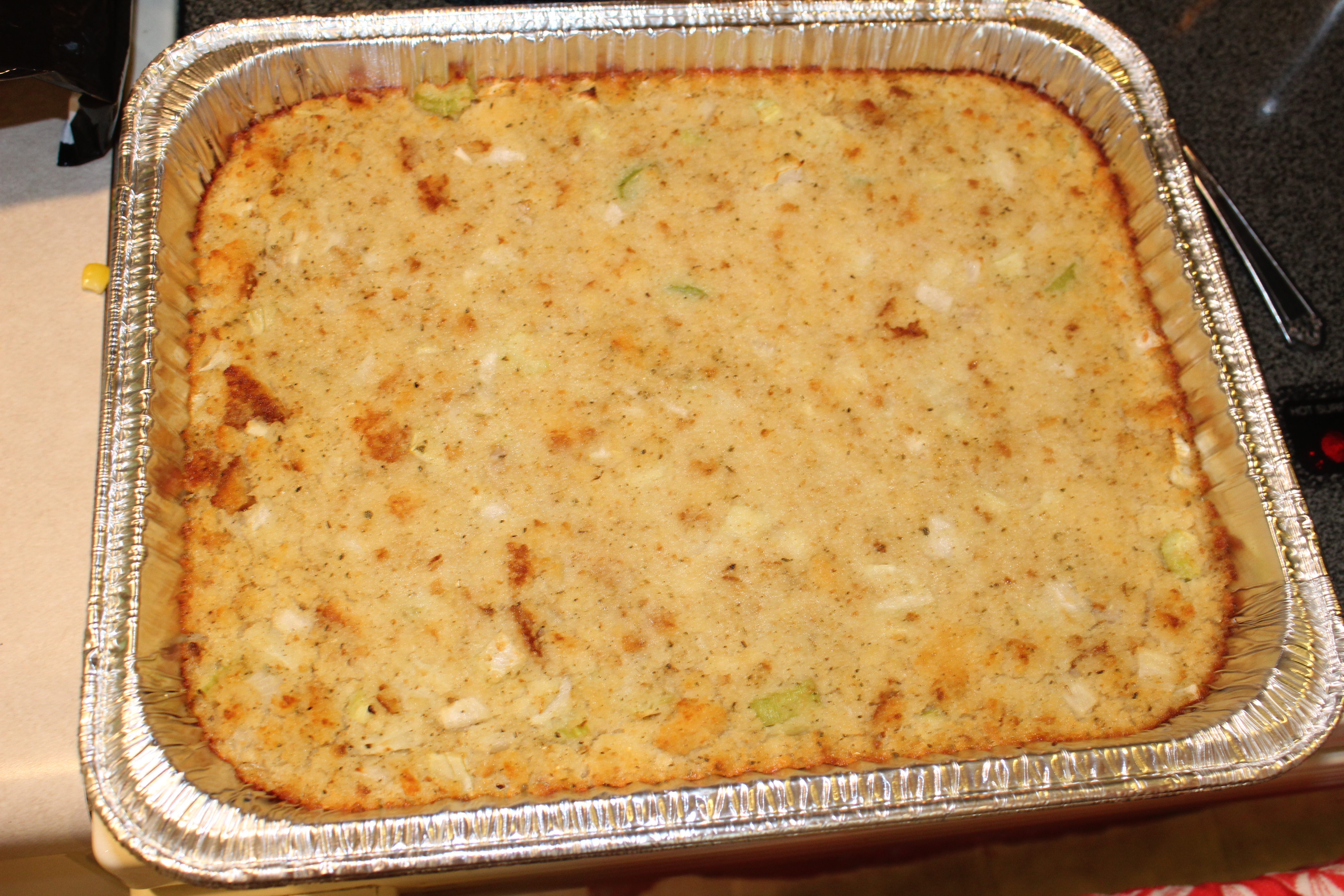
img_0099

A greatly anticipated part of every Christmas and Thanksgiving meal was my grandmother’s sage dressing. Everyone in my family loved this dressing. We wanted to learn how to make it just like her, but my grandmother was not a patient woman. She’d rather do it herself than teach her daughters or granddaughters how to prepare it.

It’s difficult to pass on the art of measuring the right amount of flour, sugar, or salt in your hand, but I persisted in my efforts to learn from the best cook I’ve ever known. To learn her ways, I measured a teaspoon of salt or other spices and put it in her hand so she could tell me if it “was enough” or “not near enough.” In this way, I learned this recipe from her.

Good dressing starts with good cornbread. My grandmother believed that making cornbread with buttermilk made it taste best. When planning to use cornbread for dressing, her advice was to add extra buttermilk for a moister bread. Make it ahead of time or even the night before because you must wait for the turkey to roast before making the dressing.

An 8×8 pan of cornbread makes enough dressing to feed about 15 in my home with leftovers.

(The recipe for cornbread is on the back of the corn meal package. It’s basically corn meal, vegetable oil, and buttermilk. I buy self-rising white corn meal.)

blog-093Once the turkey is out of the oven and cooled enough for you to work with it, gather all the turkey broth. These juices will go into the dressing.

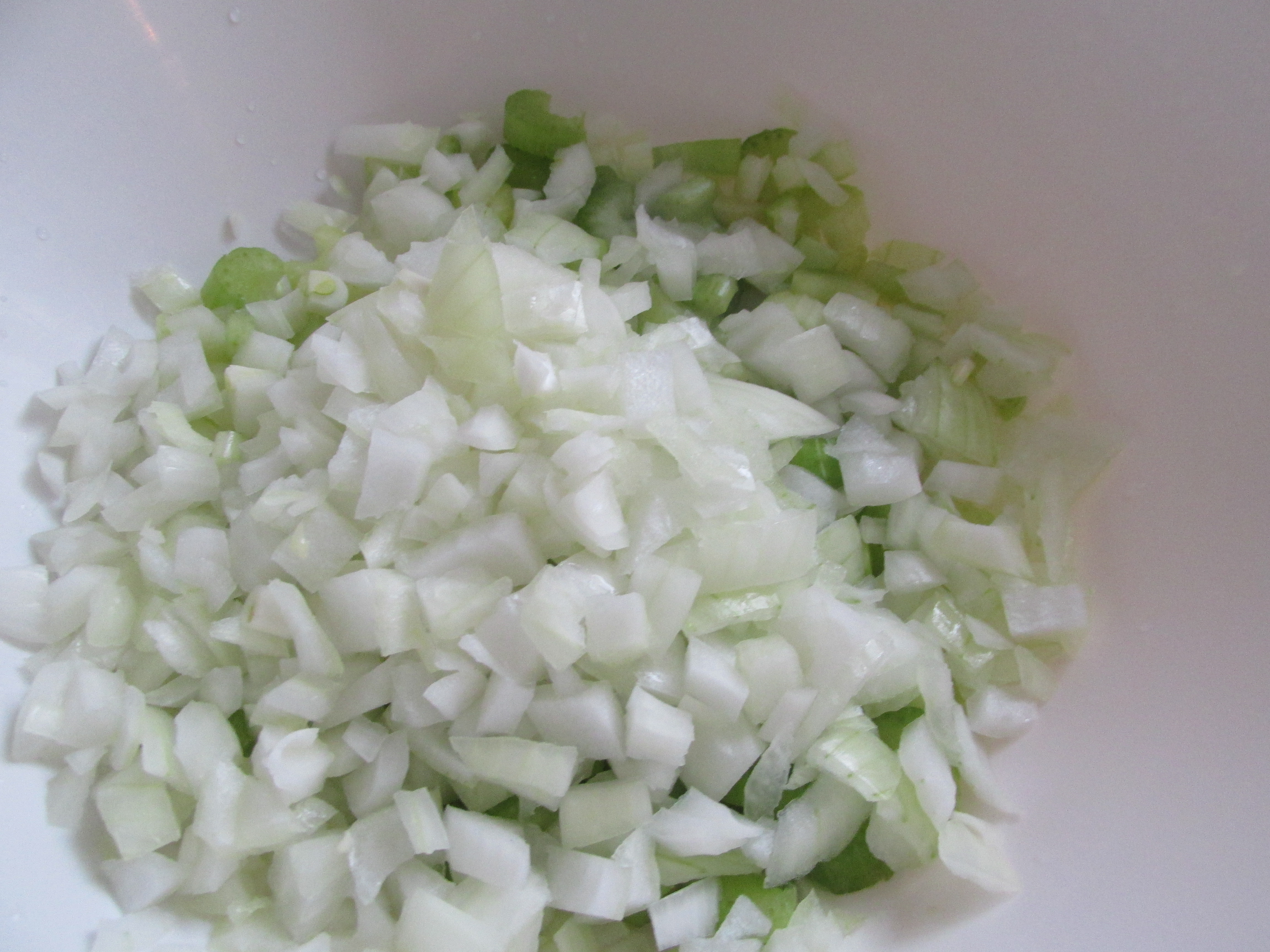
Crumble the baked cornbread into a large mixing bowl. Chop a medium onion and add. Cut four celery stalks into bite-sized pieces and add to the mixture.

img_0084Here’s the tricky part. I use a turkey bag to roast my turkey. Roasting this way usually gives me about 3 cups of juices. Start with about 3 cups of broth from the turkey—if you have that much—and stir. The best dressing is a little moist so it should look a bit runny. If not, add more broth. If it’s still dry after adding all the broth, you can add canned turkey stock or chicken stock. Turkey juices directly from your turkey give it the best flavor.

After this is mixed, add 2 teaspoons of sage or to taste. I usually taste the mixture a couple of times, adding a little at a time to get the perfect amount of sage.

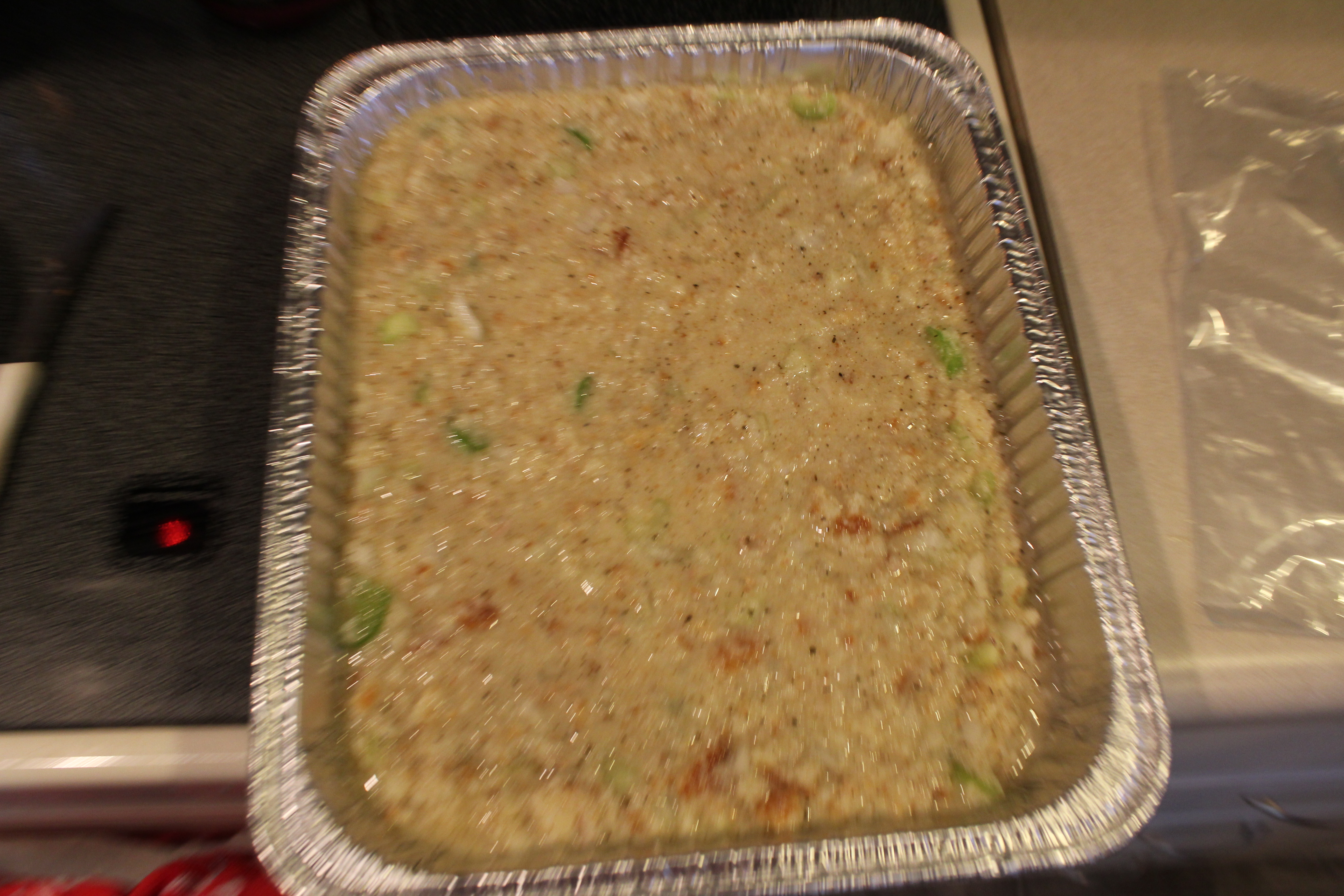
Choose a baking dish larger than the amount of cornbread prepared. For example, if the cornbread fit in a 8×8 pan, bake the dressing in a 13×9 pan. Bake in preheated 425-degree oven for 25-30 minutes or until lightly browned. Serve hot.

Hope your family enjoys this dressing as much as mine does.

-Sandra Merville Hart


Potato Pudding Recipe

blog-077

I found a recipe for potato pudding in an 1877 cookbook, Buckeye Cookery. I’d never eaten or even heard of this type of pudding and decided to try it.

The recipes in this cookbook generally leave a lot to the imagination, but ingredient measurements were given for this one.

Peel six potatoes, cut into small wedges and then cook them on the stovetop. When they are soft and fork-tender, mash them finely.

Separate 5 eggs and reserve 2 egg whites in another bowl. Beat egg yolks and stir into the potatoes. Add a cup of sugar and ½ cup of butter and stir well.

Beat 3 of the egg whites to a stiff froth. Fold into the potato mixture.

Grate one lemon rind and add this and its lemon juice and stir. Add 2 cups of milk or cream and ½ teaspoon of salt.

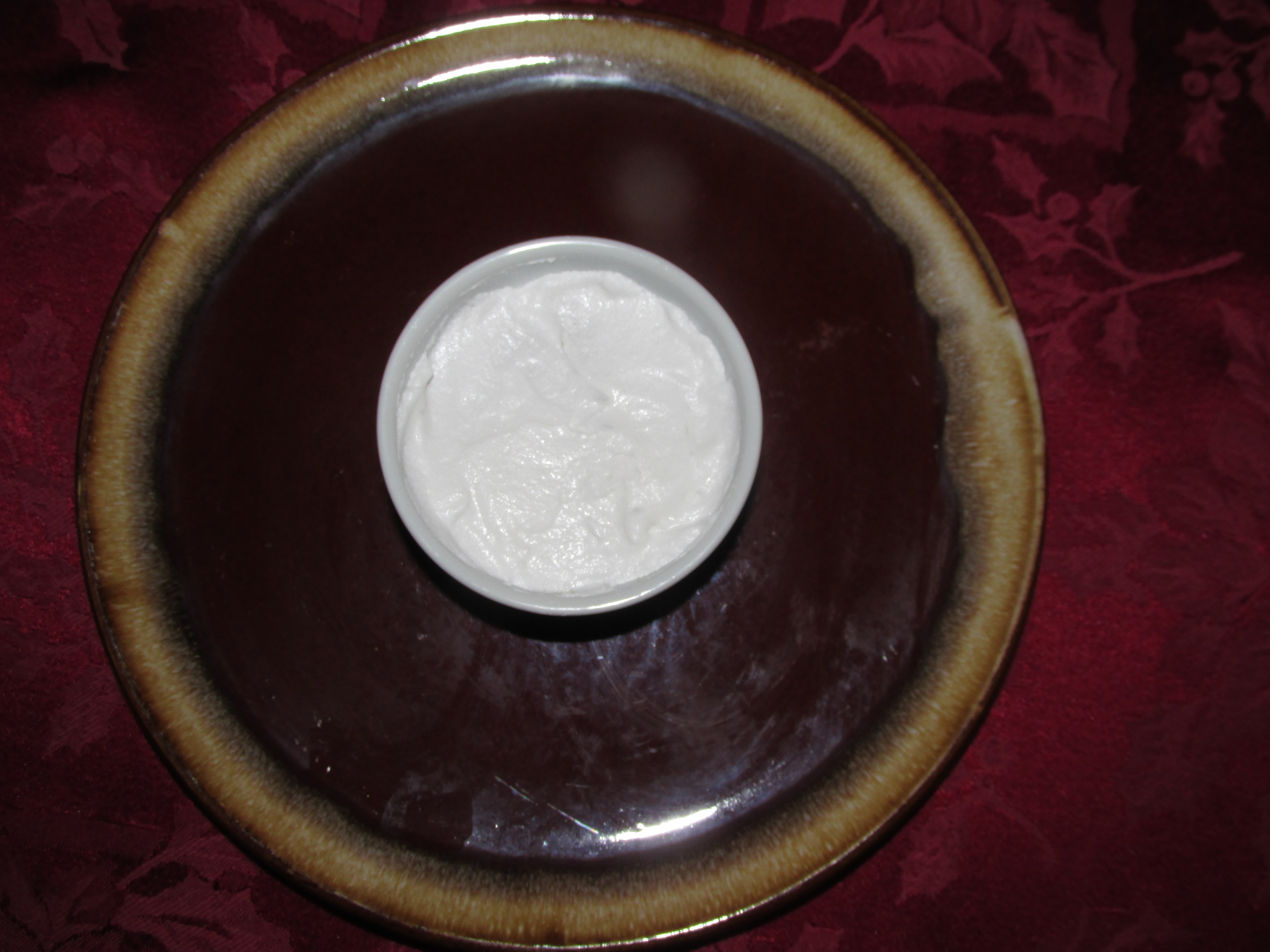
I baked it at 350 degrees for about an hour. Then I whipped the remaining 2 egg whites with 2 tablespoons of sugar until white and fluffy. This was used as icing for the pudding.

blog-069It smelled good but tasted strangely. Lemon and potatoes didn’t get along well together.

I decided to remake this recipe leaving out the lemon altogether. Instead I used cinnamon and nutmeg.

The quantities given made 6 single serving ramekins besides filling a medium baking dish. I chose to cut this down to a third of the quantities suggested.

Using 2 potatoes, 2 eggs, 1/3 cup sugar, 2 tablespoons butter, 2/3 cup milk, ½ teaspoon cinnamon, ¼ teaspoon nutmeg, and ½ teaspoon salt, I omitted the lemon components and followed the recipe above.

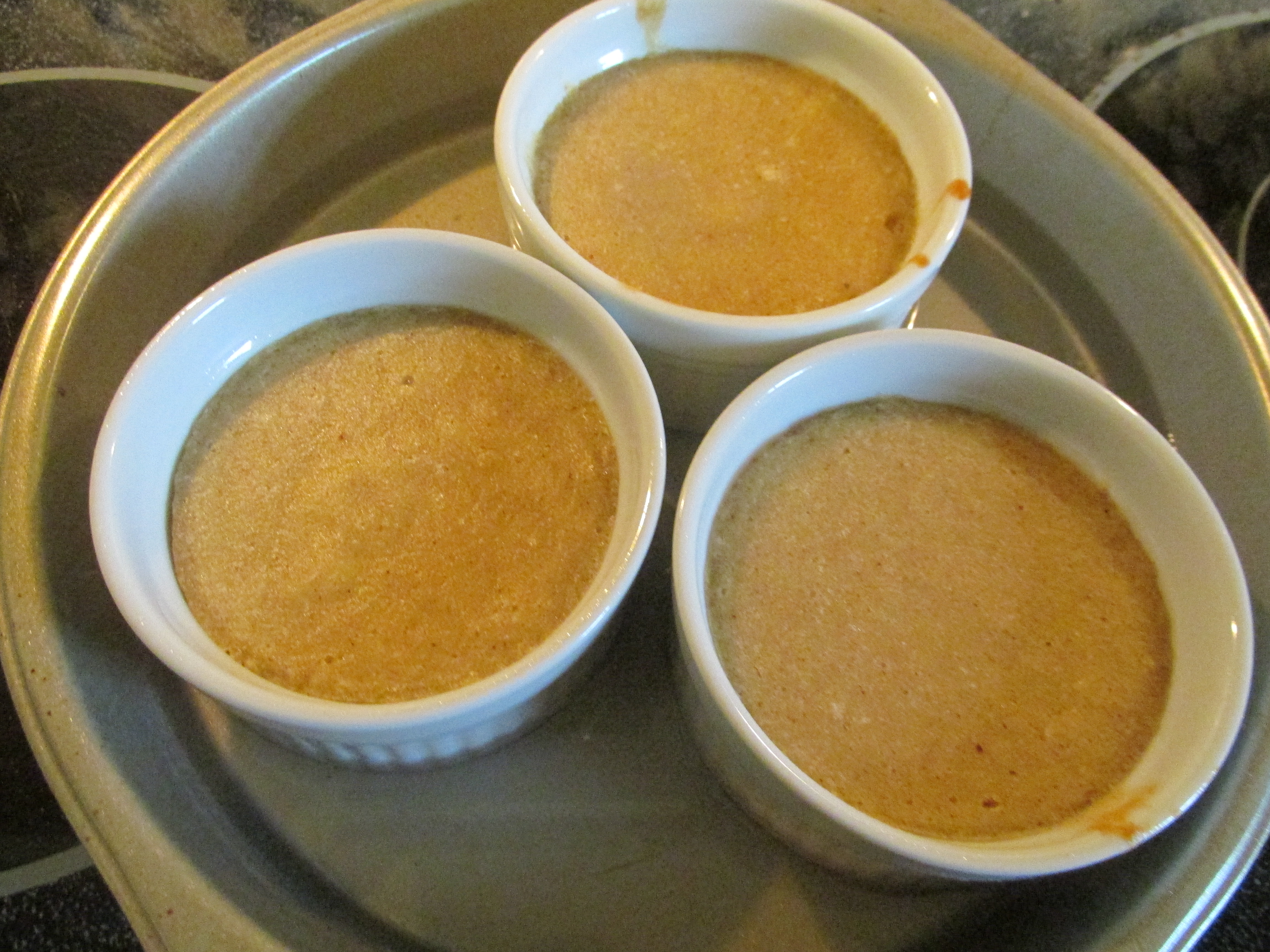
This mixture gave 5 ramekins, which were baked in a larger pan. The ramekins sat in an inch of hot water and baked in a 350-degree oven for 40 minutes. Then I whipped an egg white with a tablespoon of sugar and spread the meringue over the top.

This turned out much better. I refrigerated the pudding. Chilling it improved the flavor.

The original recipe is from 1877 cook, Mrs. Gov. Ingersoll from Connecticut.

-Sandra Merville Hart

Sources

Compiled from Original Recipes. Buckeye Cookery and Practical Housekeeping, Applewood Books, 1877.


Old-Fashioned Stack Cake Recipe

blog-046

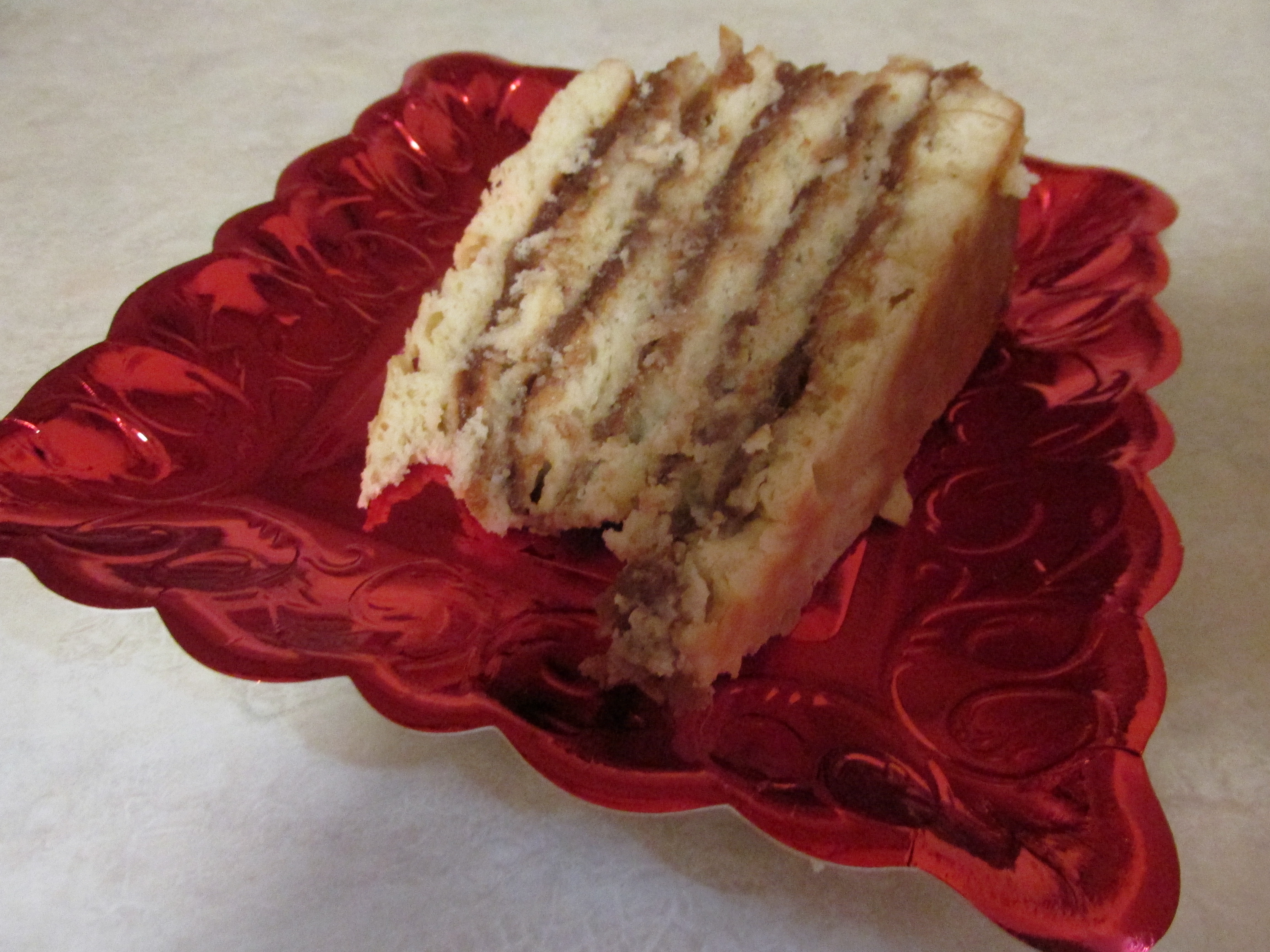
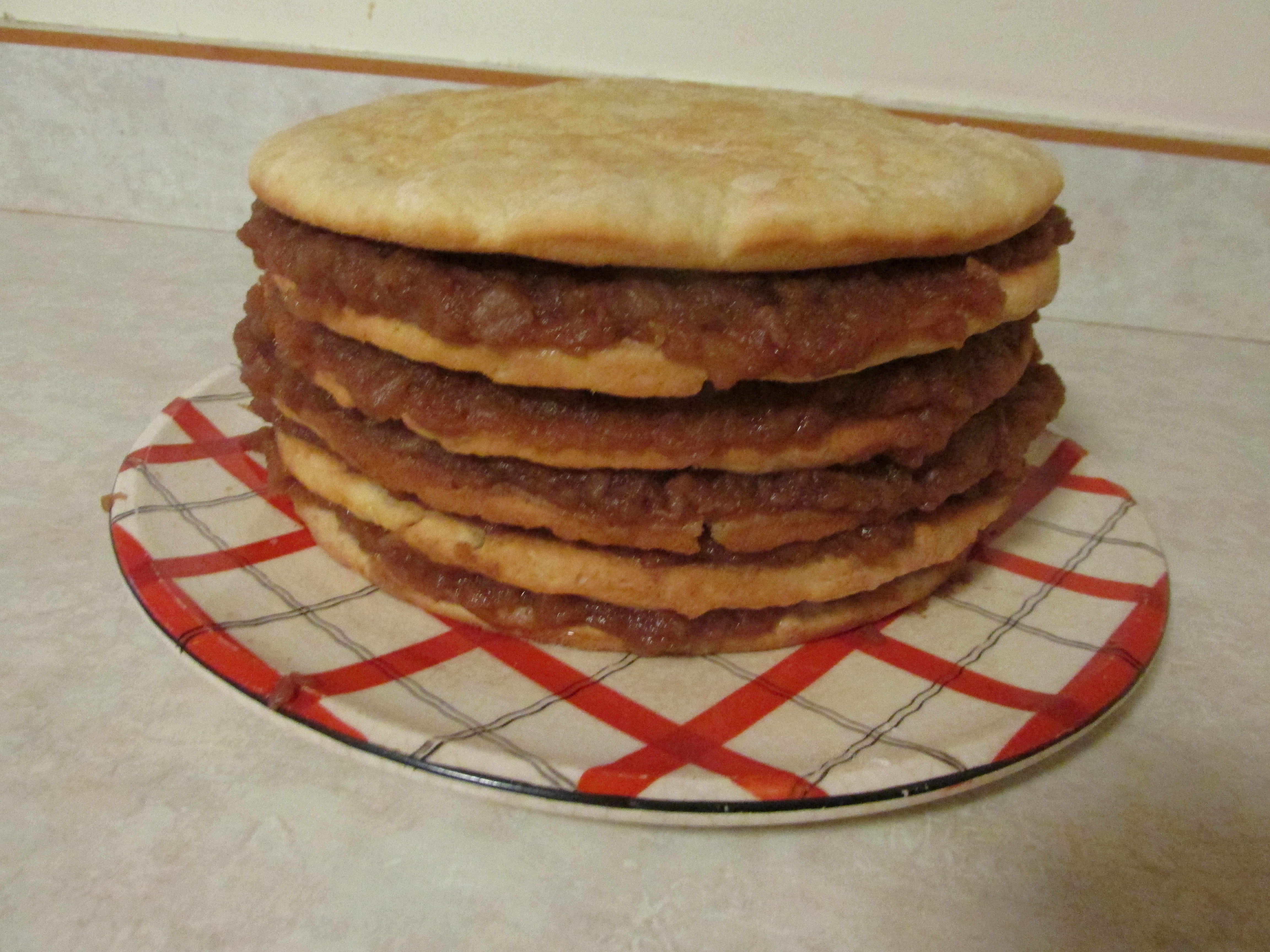
My grandmother made stack cakes every year at Christmas when I was little. She was an excellent cook and baker but wasn’t blessed with enough patience to teach her daughters and granddaughters how to make them.

She never measured anything. Cakes, biscuits, and pies were all made by sight and touch. She held salt in her hand to know how much to add. She rarely guessed wrong.

Unfortunately, she shooed us from the kitchen if we asked too many questions about how to make something. We tried to observe quietly but it was difficult to learn how to cook that way.

When she died, I feared that her wonderful recipe was gone forever. I tried to make it from memory and came fairly close on the apple filling but not the cake layers. I remembered them being thin, like a big soft cookie.

Both my sister and I found the recipe while visiting the Smokies.

blog-015For the apple filling between layers:

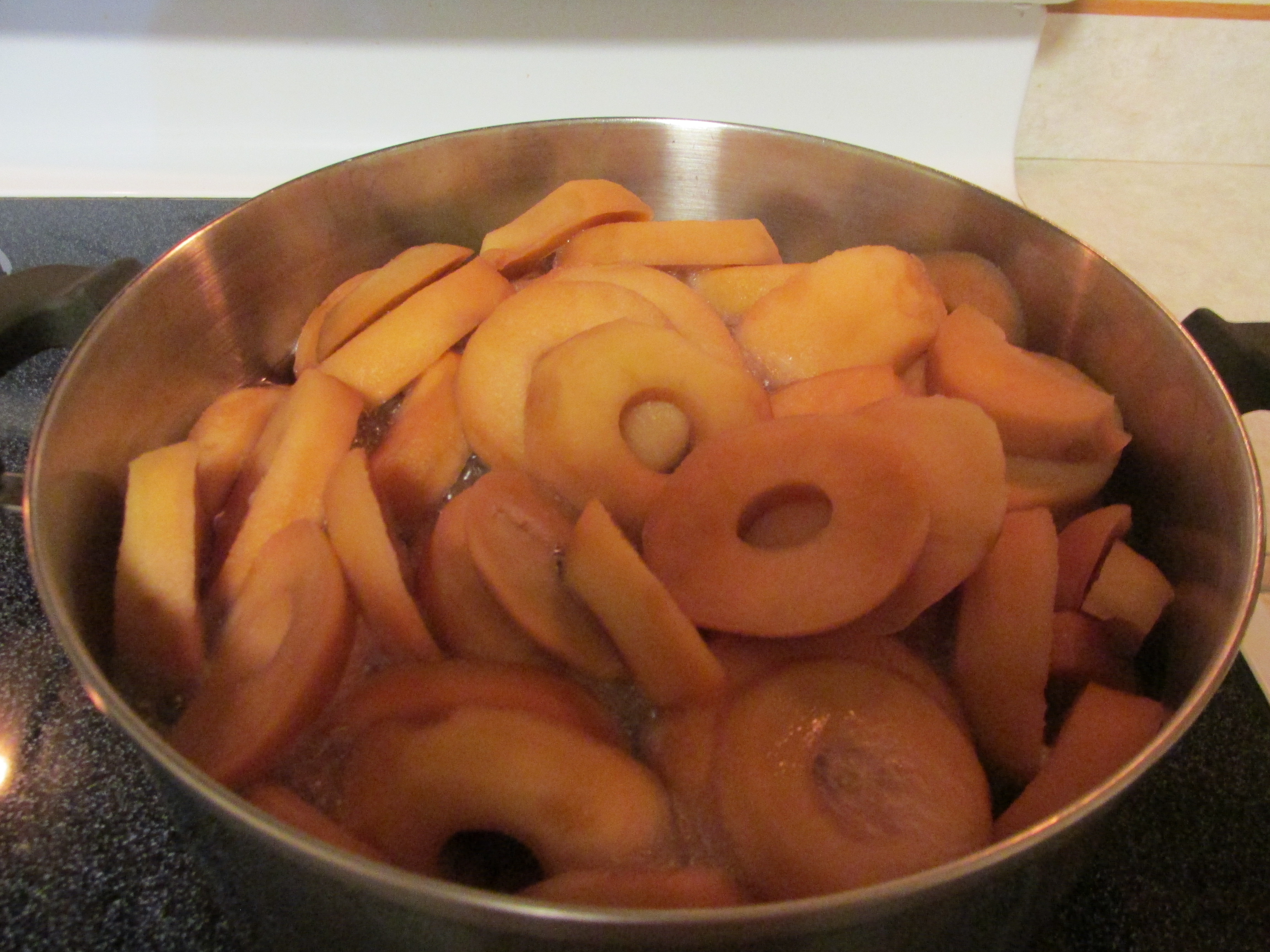
Arrange a pound of dried tart apples in a large kettle. Cover the apples with boiling water to soften. This make take a few hours or allow to sit overnight. I drained this water but I’m not sure it’s necessary.

Add enough water to almost cover the apples and cook over medium low heat about an hour or until tender. Drain almost all the water from the cooked apples and then mash. I kept about a cup of water in the pot with the fruit.

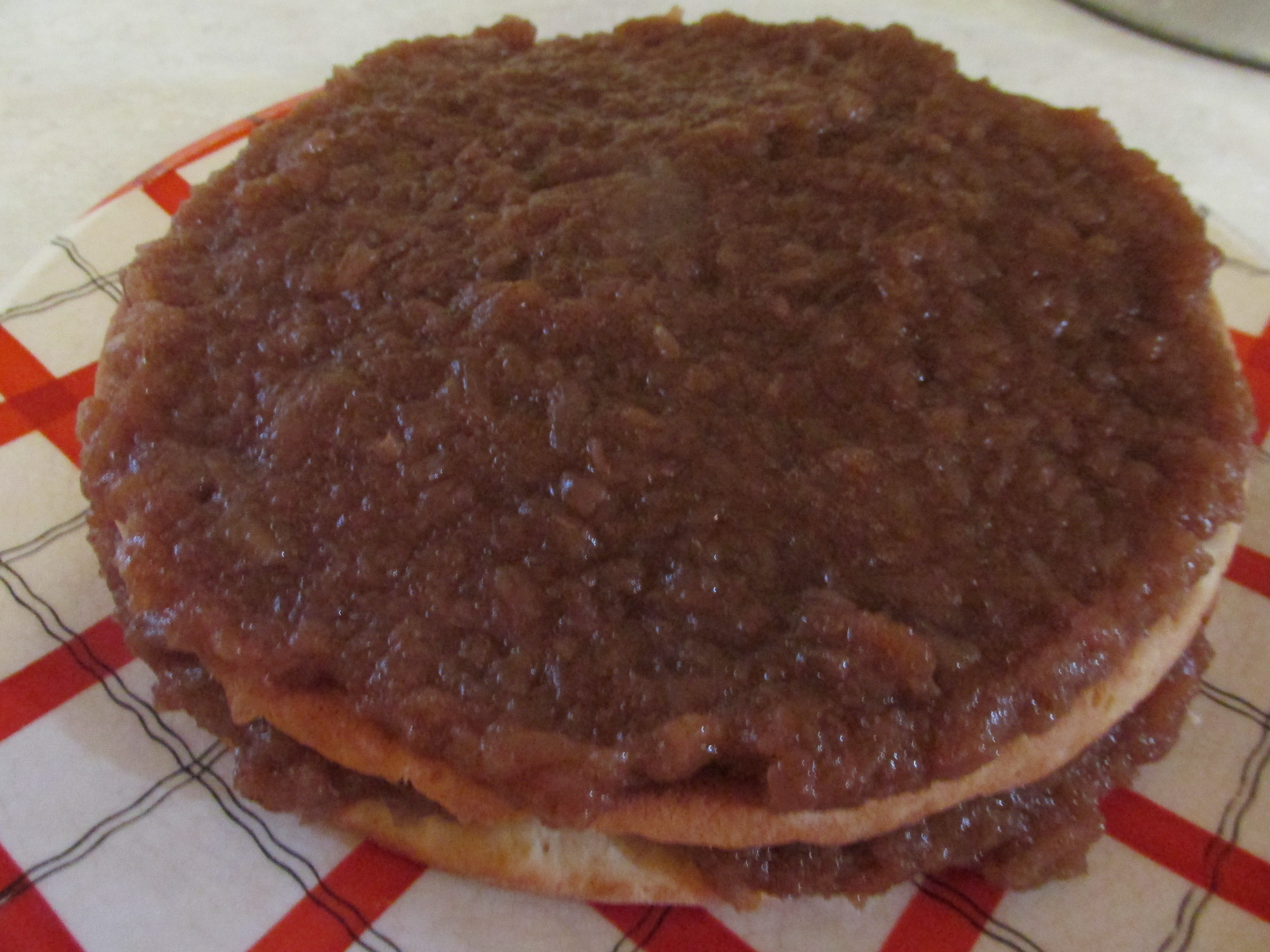
blog-018Add a cup of brown sugar, ¾ cup sugar, 3 teaspoons cinnamon, ½ teaspoon ground cloves, ½ teaspoon allspice, and stir well.

To make six cake layers:

Sift 3 ¾ cups all-purpose flour into a medium bowl. Add a cup of sugar, 4 teaspoons baking powder, ½ teaspoon baking soda, and 1 teaspoon salt. Mix together.

Beat two eggs in separate bowl and add to flour mixture. Then add a ½ cup soft butter, a cup of buttermilk, and 2 teaspoons of vanilla.

Mix into a soft dough and divide it into 6 parts. Spread about a ¼ cup of flour over a surface to roll out each layer. (The layers are so thin that I rolled it to about half the size needed, placed the dough into a cake pan prepared with cooking spray, and used my fingers to pat it to the sides.)

blog-029The instructions suggested baking in a 450-degree oven but I baked at 425 until lightly brown, about 11 to 12 minutes.

Spread each layer with the apple filling except the top layer. Cover and store at least half a day before serving.

My grandmother wrapped her cake in plastic wrap. Then she covered them with towels and stored them in a cool place about two days before slicing. I did the same in her honor.

blog-032My guests enjoyed the cake. It felt good to carry on my grandmother’s tradition.

-Sandra Merville Hart

Sources

The Tates. Hillbilly Cookin, C & F Sales, Inc., 1968.


Gumbo Recipe

blog-036

My husband and I invited a few friends over for an “old-fashioned” Christmas party.

I searched for a soup recipe and found one in an 1877 cookbook for Gumbo, submitted by Mrs. E. A. W.

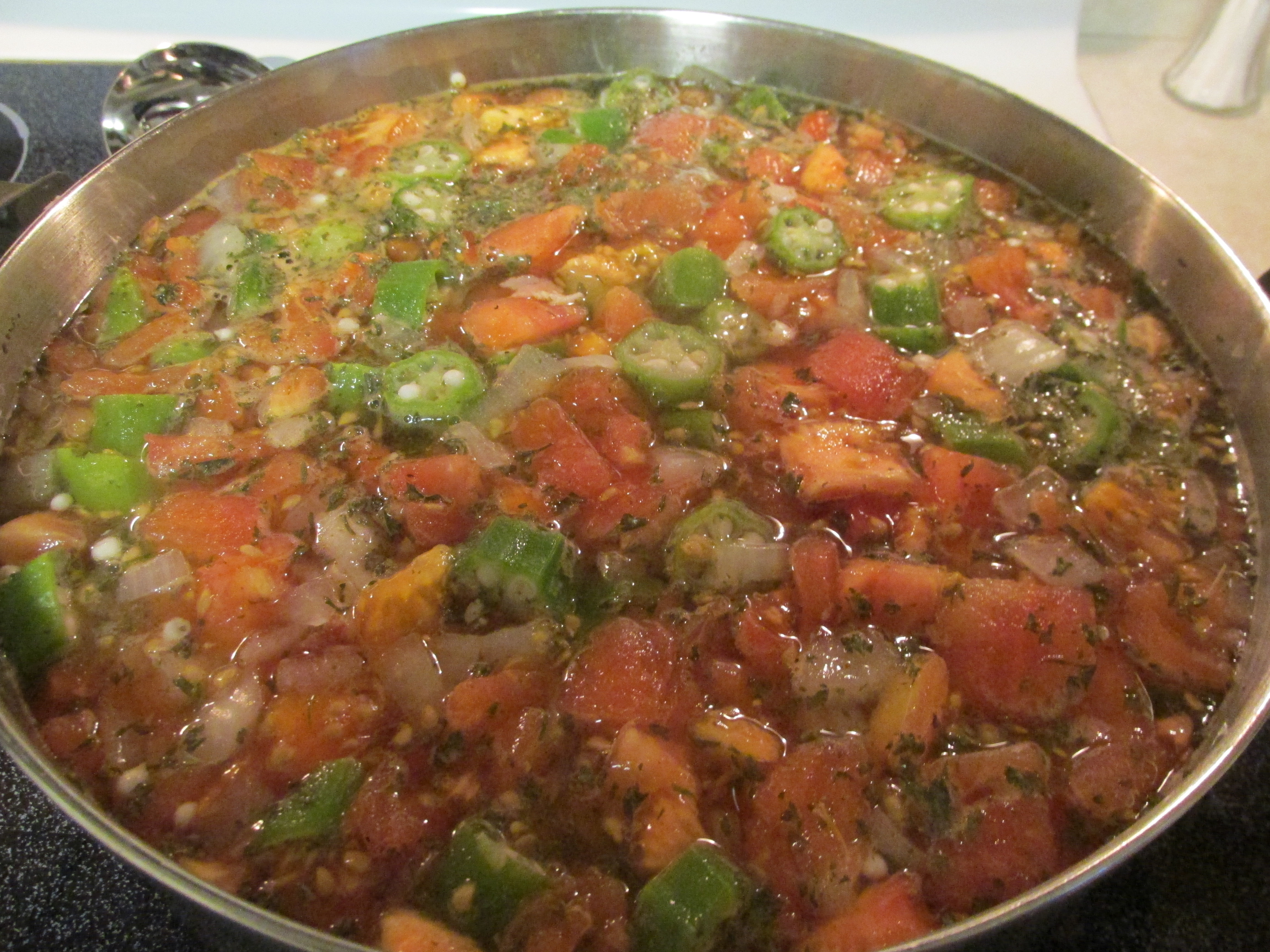
Peel and cut two quarts of tomatoes into bite-sized chunks and set aside.

I couldn’t find a quart of fresh okra in the middle of winter. Frozen cut okra worked well.

Dice a large onion. Fry three strips of bacon in a skillet until they just begin to sizzle. Add the diced onion to the skillet and sauté them together with a wooden spoon.

The bacon should begin to break apart. If it doesn’t, cut it into bite-sized pieces when finished with the sauté.

Pour this mixture into a large stockpot. This recipe filled my 7.5 quart pot. Add tomatoes, okra, two tablespoons parsley flakes, one teaspoon salt, and one teaspoon black pepper. I added chicken stock and then filled the pot the rest of the way with water.

I used medium heat until the gumbo started cooking, which took about thirty minutes at that quantity. Then the heat was lowered a bit to simmer for ninety minutes.

Our guests loved the soup. A dozen people ate a bowl with several returning for seconds. There was still enough gumbo to serve as lunch leftovers for a couple of days.

This is a comforting soup on a cold wintry day. Enjoy!

-Sandra Merville Hart

Sources

Compiled from Original Recipes. Buckeye Cookery and Practical Housekeeping, Applewood Books, 1877.


Simple Wassail Recipe

blog-041

My husband and I invited a few friends over for an “old-fashioned” Christmas party.

I wanted to serve wassail but couldn’t find a century-old recipe in any of my cookbooks.

I knew that wassail were warm mulled drinks from earlier research. Beverages became “mulled” when heated with spices and some type of sweetener.

Wassail later was made with mulled cider, cinnamon, nutmeg, ginger, and sugar. The toasted bread that topped the drinks centuries ago didn’t sound very appetizing so I decided against adding it.

Since I didn’t know the amount of spices used, I experimented with the following recipe. It turned out perfectly.

Wassail

1 gallon apple cider

2 sticks of cinnamon

¼ teaspoon ginger

½ teaspoon nutmeg

½ teaspoon whole cloves

Combine ingredients in a crockpot and turned the setting to low heat about two hours before serving. It may need to warm on high the last half hour until it reaches the desired temperature. Then return it to a lower setting to keep it ready to serve during the evening.

This was a yummy beverage on a cold evening!

-Sandra Merville Hart


Oh, Bring Us a Figgy Pudding

img_2498


by Sandra Merville Hart

We sing the familiar Christmas tune, “We Wish You a Merry Christmas,” every year. I realized that I had never eaten Figgie Pudding at the holidays or on any other occasion.

Searching through my cookbooks written in the 1800s didn’t produce a recipe for the pudding, which made me wonder when folks sang the song originally. Yet if carolers refused to leave until they received a serving, the dessert must taste delicious.

img_2488The song is believed to date back to England in the 1500s. Carolers sang to their neighbors with greetings of the season. They hoped wealthy citizens would give them a treat, such as figgy pudding, to reward their entertainment.

The song, “Here We Come A-wassailing,” asked for a drink from rich neighbors’ wassail bowl, an invitation to warm themselves around the fire, and maybe a pork pie. “We Wish You a Merry Christmas” issues a specific request—Figgie Pudding.

Apparently, the tradition of making this dessert at Christmas had faded by the nineteenth century, but I was still wanted to make the pudding.

I found a modern recipe on the Food Network site. Click here  to see the recipe.

img_2497I made the pudding as directed. The cook said that the ratio of ingredients half-filled eight ramekins. Mine hold six ounces, so I’m not sure what size ramekins the cook used because there was a lot of batter leftover. The remaining batter went into a casserole dish, so this recipe will feed about a dozen guests.

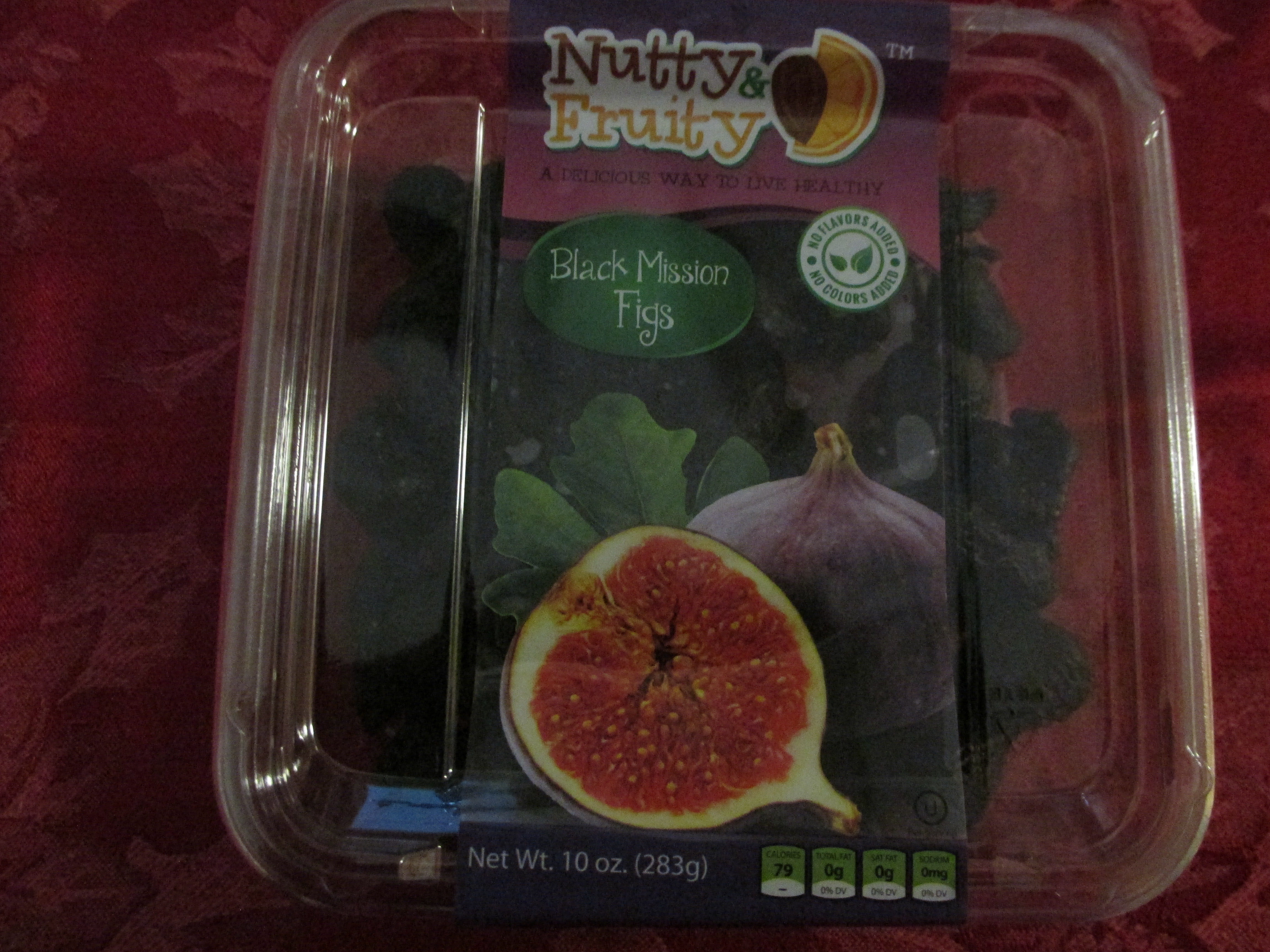
My husband and I both enjoyed the rich pudding with a hint of chocolate. The creamy sauce on top enhanced the flavor. The dates and figs flavored every bite.

If you try this, I’d love to hear about it.

“We Wish You a Merry Christmas and a Happy New Year!”

Sources

“Warm Sticky Figgy Pudding,” Television Food Network GP, 2016/10/25  http://www.foodnetwork.com/recipes/warm-sticky-figgy-pudding-recipe.html

“We Wish You a Merry Christmas,” Carols.org.uk, 2016/10/25  https://www.carols.org.uk/we_wish_you_a_merry_christmas.htm.

“We Wish You a Merry Christmas,” Wikipedia, 2016/10/25  https://en.wikipedia.org/wiki/We_Wish_You_a_Merry_Christmas.


What was Wassailing?

apple-989844_960_720

by Sandra Merville Hart

We often hear an old song at Christmas, “Here we come A-wassailing.” So what does this mean?

In Old English, the word wassail meant “be you healthy.”

Wassail were warm mulled drinks. The beverages became “mulled” when heated with spices and some type of sweetener. Early drinks were made with mead, where ale was sweetened with honey and then brewed. Crab apples were roasted and then added to the mead to create lambswool, a beverage. Folks drank lambswool to celebrate the wheat harvest on Lammas Day, an event observed by the English in August.

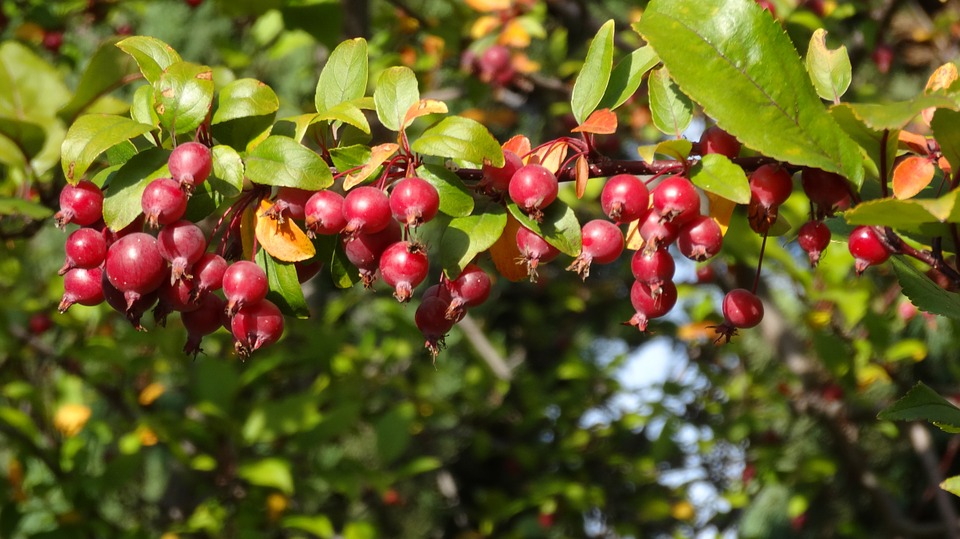
crabapple-193676_960_720Wassail later was made with mulled cider, cinnamon, nutmeg, ginger, and sugar. Toasted bread topped the drinks served in a large bowl shared by everyone.

Wassailing referred to the tradition of caroling, with folks singing Christmas carols to neighbors. They brought greetings of the season as well as wishes for good health.

Generosity abounded at Christmas, at least in the hearts of some of the wealthier English citizens. Orphans and beggars often traveled snowy roads to knock on doors. They offered to sing of good cheer for a drink from the owner’s wassail bowl.

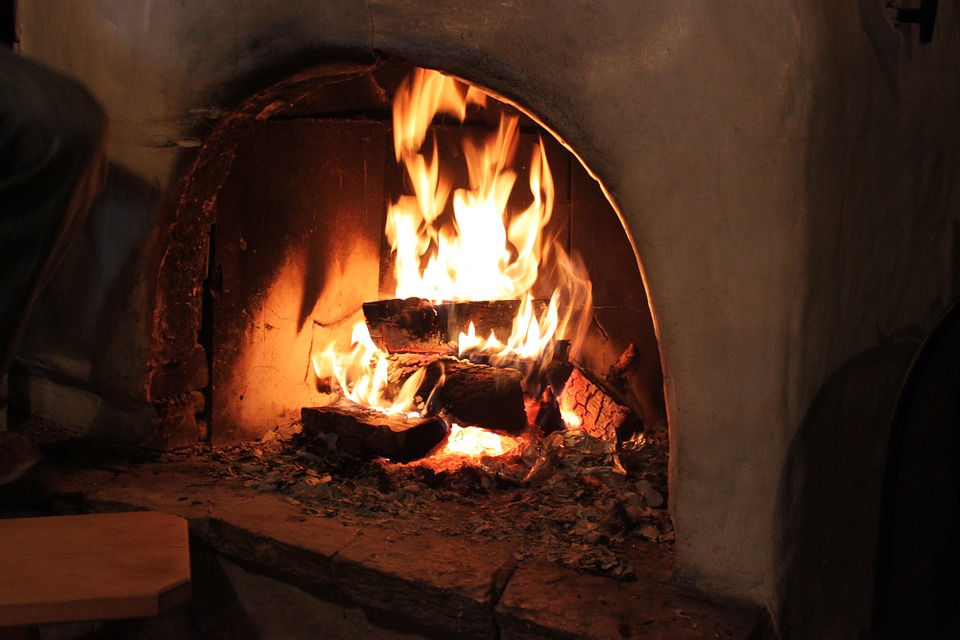
open-fire-885860_960_720They also hoped for a pork pie or an invitation to warm themselves around the fire.

The song also mentions their need of money: “We have got a little purse of stretching leather skin; We want a little of your money to line it well within.” The orphans hoped for pennies.

A hot drink on a cold winter’s night warmed the carolers’ spirits just as their songs cheered the listeners.

“Love and joy come to you”—Merry Christmas!

Sources

“Here We Come A-Wassailing,” Wikipedia, 2016/10/19 https://en.wikipedia.org/wiki/Here_We_Come_A-wassailing.

“Wassail,” Wikipedia, 2016/10/19 https://en.wikipedia.org/wiki/Wassail.


Ten Christmas Songs that Mention Food

candy-cane-488009_960_720

by Sandra Merville Hart

It’s that time of year again. Shoppers hear Christmas tunes in malls and stores while selecting the perfect sweater for Grandpa. Radio stations play familiar carols as commuters rush from one store to the next searching for the video game that tops their teenager’s wish list.

pumpkin-pie-520655_960_720We hum the tunes and suddenly remember that lunch was hours ago. It’s funny to think that several of our favorites mention food.

Here’s a list of ten traditional Christmas songs that mention food or drink:

  • “The Christmas Song” – Chestnuts roasting on an open fire
  • “Let it Snow” – And I’ve brought some corn for popping 
  • “It’s Beginning to Look a Lot like Christmas” – With candy canes and silver lanes aglow
  • “Over the River and Through the Woods” – Hurrah for fun; the pudding’s done, Hurrah for pumpkin pie.
  • “The Wassail Song” – Love and joy come to you, and to your wassail, too
  • “Sleigh Ride” – When they pass around the coffee and the pumpkin pie
  • “Rocking Around the Christmas Tree” – Later we’ll have some pumpkin pie
  • “It’s the Most Wonderful Time of the Year” – Marshmallows for toasting
  • “Home for the Holidays” – And some homemade pumpkin pie
  • “We wish you a Merry Christmas” – Oh, bring us a figgy pudding

 chestnuts-789518_960_720So if you find yourself a bit hungry while Christmas shopping, it may be the songs you are humming along to from the sound system!

Merry Christmas!


Sources

“Christmas Lyrics,” Mikeleal.com,  2016/10/19 http://www.mikeleal.com/christmas/songs.html.”


https://www.amazon.com/Sandra-Merville-Hart/e/B00OBSJ3PU/

Old-fashioned Plum Pudding

img_2482


by Sandra Merville Hart

In the spirit of traditional cooking and baking for Christmas, I searched for long-ago recipes made for the holiday feast. Plum pudding was often served at the meal. Though there were several recipes in an 1877 cookbook and one in an 1841 cookbook, they all had one thing in common—none of them used plums! No fresh plums, dried plums, or prunes were called for in any plum pudding. That surprised me.

img_2472I decided to try an 1840s recipe for plum pudding. Shopping for a few of the ingredients was challenging: currants, candied lemon, and candied citron were harder to find than raisins.

The pudding was to be boiled in a “fine, close linen cloth.” I intended to use cheesecloth, which advertised steaming as one of its culinary uses. The paper-thin weave on the cloth gave me second thoughts. Since I had baked One-two-three-four Pudding in the oven and then steamed it, I decided to do that instead with this plum pudding.

img_2473In a large bowl, cream together ½ pound of butter (2 sticks) and ½ cup of sugar. (The 1841 recipe called for a half-pound of chopped suet—the hard white fat found on kidneys and loins of sheep or cattle—but this can be substituted for butter.) Beat 4 eggs separately and add to creamed mixture. Then add one teaspoon each of nutmeg, cinnamon, and ground mace. Mix well.

Combine ½ cup flour, ½ cup bread crumbs, and 1 teaspoon of salt in a separate bowl. Add 1 cup of raisins to the dry mixture and coat them. (I used my hands instead of a spoon for this part.) Then add 1 cup of currants (these look like tiny raisins) and coat these as well.

Add a heaping tablespoon of candied lemon and a heaping tablespoon of candied citron to the dry mixture and stir to coat. (I forgot to add these until after baking, so I scattered them over the top before steaming. This worked fine, too.)

Use cooking spray on an 8×8 pan to bake the pudding at 375 degrees for 30 minutes. Then I steamed the plum pudding over a kettle of boiling water for two hours. (I will use a glass baking dish next time and steam it in the oven. My goal is to learn how our early bakers prepared recipes.)

img_2479For pudding sauce, cream together 4 tablespoons of butter and ½ cup of sugar. Then stir in a teaspoon of vanilla extract or use a ½ teaspoon of nutmeg if you prefer. Cook in a saucepan over medium heat until gently bubbling. Pour over individual servings.

With the candied fruit, it looked—and tasted!—a whole lot like those fruit cakes my dad used to purchase at Christmas. If you like fruit cakes, you will probably enjoy this plum pudding.

The sauce tasted delicious but those who don’t love vanilla as much as I do may prefer to use only a ½ teaspoon.

I’d love to hear if you try this recipe!

Sources

Hale, Sarah Josepha. Early American Cookery, Dover Publications, Applewood Books,  1996.