Roasting a Turkey over the Fire – 1840s Recipe

turkey-448992_960_720

Roasted turkey appears to be as popular for Thanksgiving dinner in the 1840s as it is today, though hard-working cooks prepared their meat a bit differently back then.

butter-1449453_960_720Hale suggested making the stuffing using two cups of bread crumbs and one cup of butter. (Minced suet—the hard white fat found on kidneys and loins of sheep or cattle—could be substituted for the butter. Modern cooks will likely choose butter.) Beat three egg yolks well and then add about a teaspoon of finely chopped parsley, a fourth of a grated nutmeg, and one teaspoon of powdered lemon peel. Add teaspoon of allspice and salt. This mixture is then added to the bread and butter until thoroughly combined.

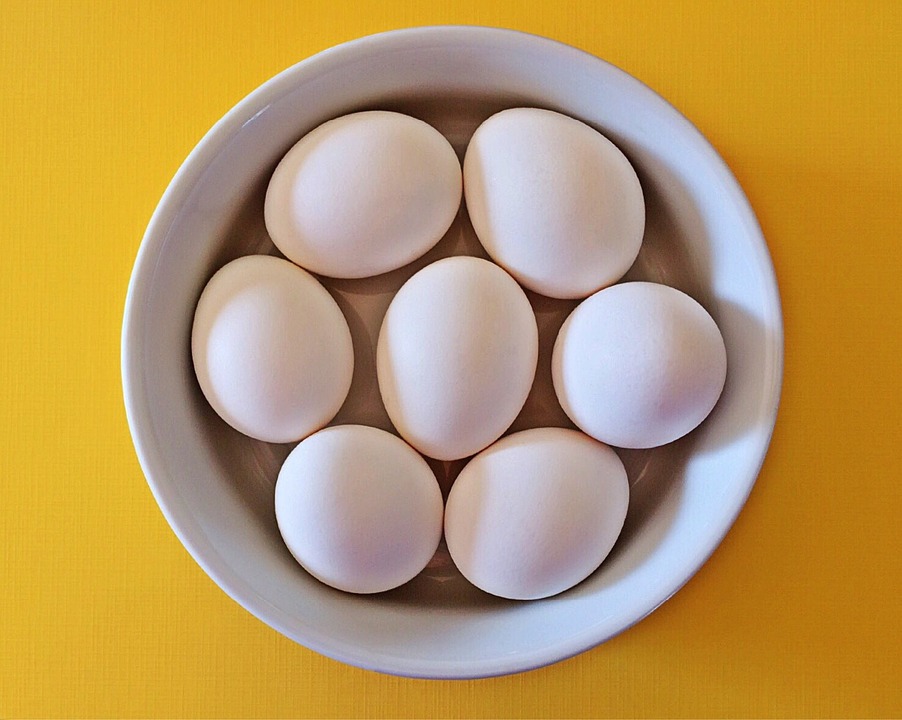
eggs-1278166_960_720She gave an alternate suggestion for stuffing: beat two egg yolks then combine with cup of sausage and a cup of bread crumbs.

Use either of these bread mixtures to stuff the turkey.

Dredge the turkey all over with flour then lay it in front of the fire with the stuffing side closest to the flame. The recipe does not mention a roasting pan though it seems likely they used something to protect the meat from scorching, possibly a cold gridiron as is used for broiling chicken in another recipe.

Hale mentioned that placing a strip of paper over the breast bone prevents scorching.

Until the turkey begins to produce drippings, baste with either butter or water with salt. Then use turkey drippings to baste the meat.

backdrop-22024_960_720When the meat is almost done, dredge it with flour once more and then baste it with butter.

Hale advises that large turkeys require three hours of roasting, though no mention was made of actual number of pounds.

Roasted turkey was often consumed with ham or tongue. Stewed cranberries were served as a side dish then as now.

-Sandra Merville Hart

Sources

Hale, Sarah Josepha. Early American Cookery, Dover Publications, 1996.


Stewed Carrots

img_2400

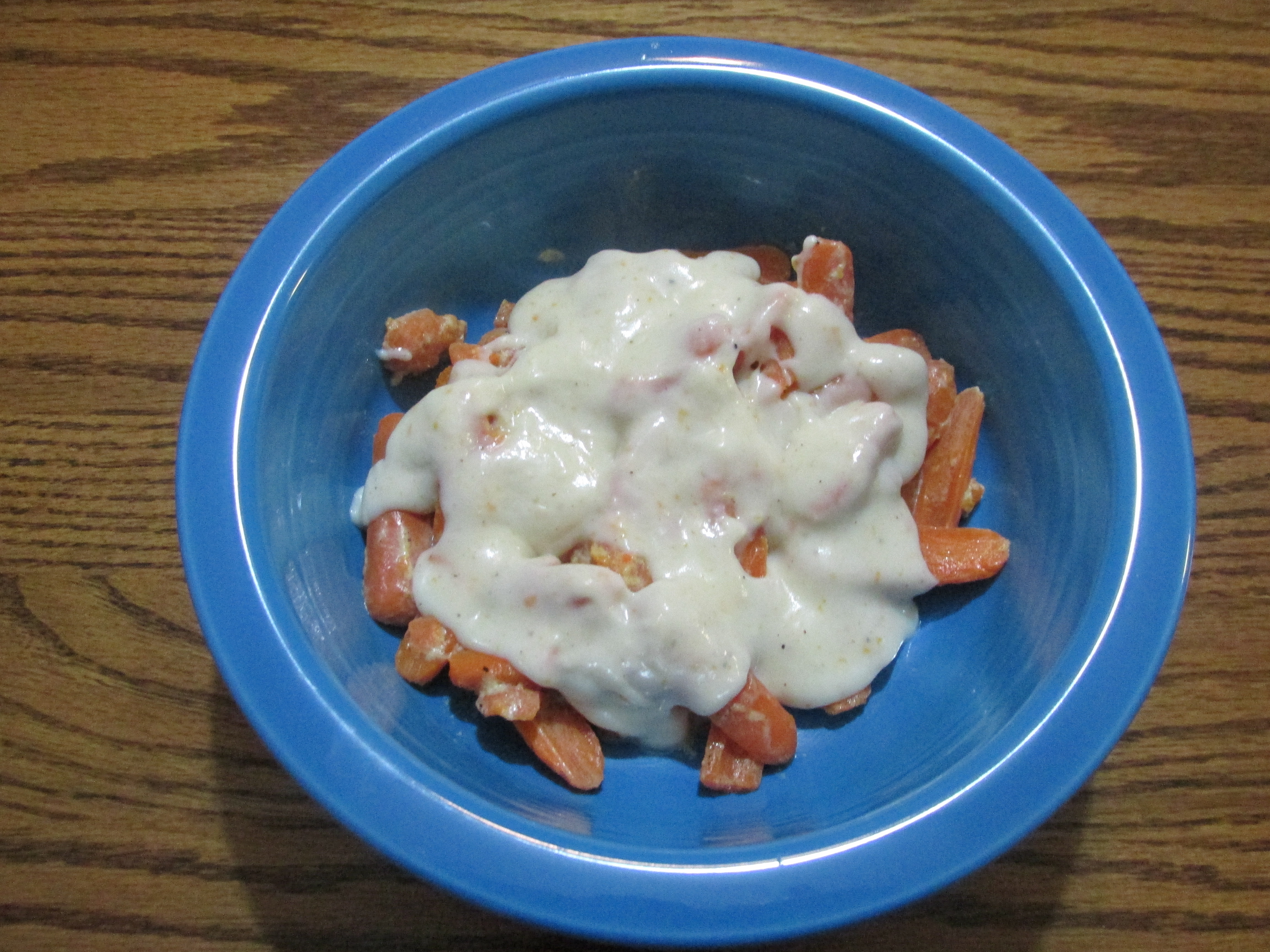
I know that a recipe for stewed carrots from an 1877 cookbook isn’t the most exciting dish, but this dish added a bit of flavor and interest to the vegetable.

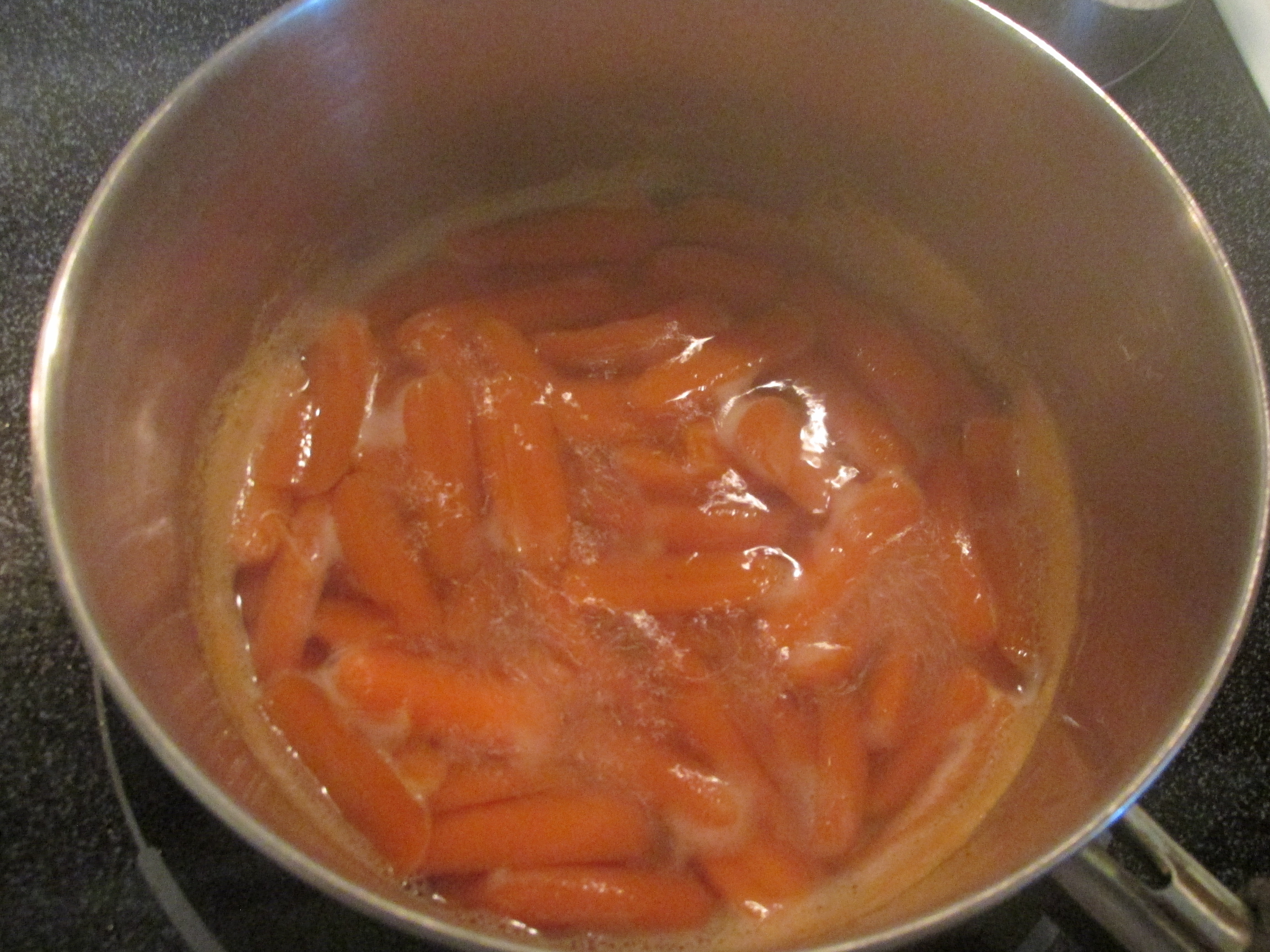
img_2392The carrots I had on hand were the peeled baby carrots. I sliced a half pound of these once lengthwise. Though I usually steam this vegetable, I boiled them as directed by Mrs. C.T.C. on a medium high heat. They were tender and ready for the next step in about a half hour.

In another saucepan, melt two tablespoons of butter and add about a cup of milk. Salt and pepper to taste and then cook over medium low heat for about 10 minutes, stirring often.

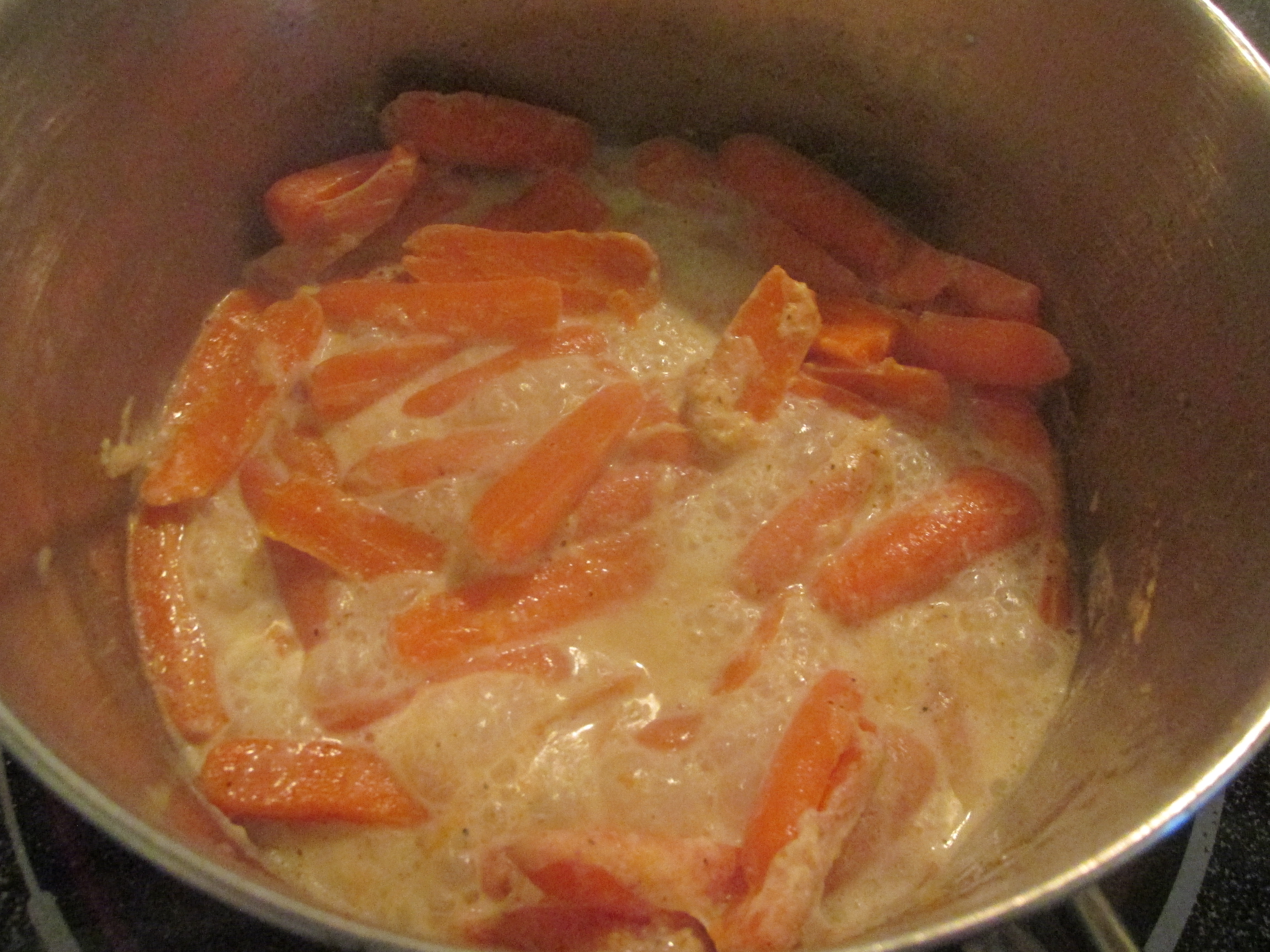
img_2394Remove the carrots by the pan with a slotted spoon into a serving dish. Dissolve a tablespoon of flour in about twice as much water and add to the creamy sauce left in the pot. (Use less flour if you don’t want the sauce to be as thick. Next time I will try a teaspoon of flour for pourable consistency.)

Stirring constantly, allow the gravy to boil at least a minute. Then pour it over the carrots and serve.

Both my husband and I liked carrots prepared this way. If you want to jazz up carrots at supper one evening, consider trying this recipe. The preparations took about an hour.

Enjoy! I’d love to hear if you try this recipe.

-Sandra Merville Hart

Sources

Compiled from Original Recipes. Buckeye Cookery and Practical Housekeeping, Applewood Books, 1877.


Salem Election Cake

img_2422

I ran across two recipes for Election Cakes in an 1877 cookbook. Both boasted that the recipes were over 100 years old. A recipe from the Revolutionary War era–what a fun discovery!

Election Day was a festive occasion as early as 1771. Pioneers celebrated the day with parades, balls, religious ceremonies, and food.

Some traveled far to vote. While folks awaited election results, they socialized. The best bakers loved to demonstrate their skills by participating in banquets. Ladies served huge Election Cakes with coffee and cider.

To get an idea of the quantity provided, one recipe called for thirty quarts of flour and fourteen pounds of sugar! Meant to feed a crowd, these cakes originally were a variation of fruitcake and bread.

My cookbook contained two different recipes for these cakes: Salem Election Cake and Old Hartford Election Cake. Wine, brandy, citron, and raisins were a few of the ingredients in the Hartford cake. The Salem recipe looked deceptively simpler so I tried to make this.
img_2414The original recipe, a simple listing of ingredients without instruction, calls for four pounds of flour—far too much for my needs so I cut that down to two cups.

It also called for a pint of yeast. The Hartford recipe gave measurements for distillery yeast; cooks had to use twice as much of home-brewed yeast. I ended up using far too much for the amount of dough.

My first attempt failed. The second try went better, but the cake failed to rise.
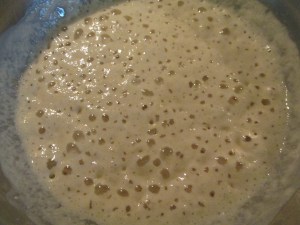
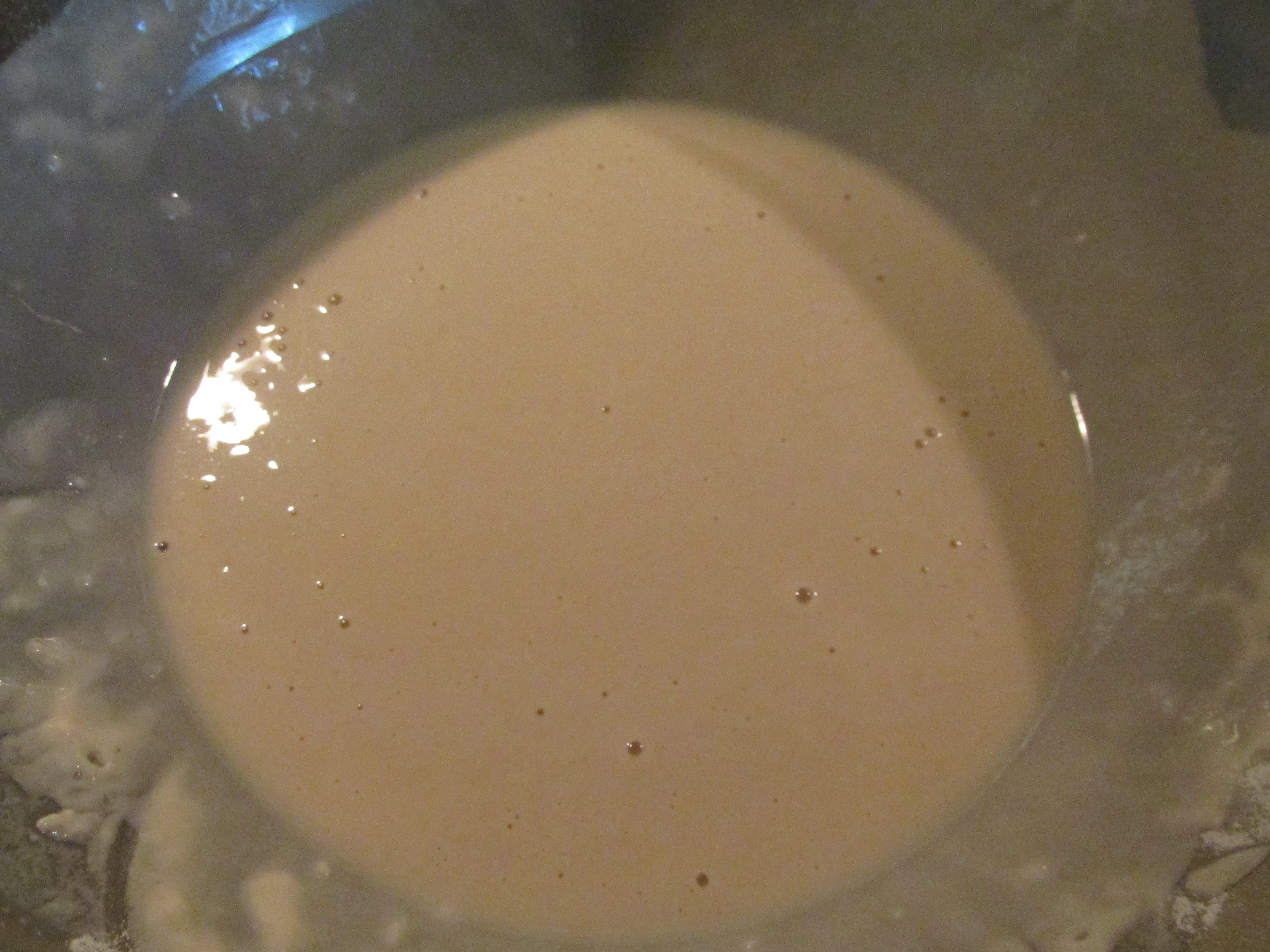
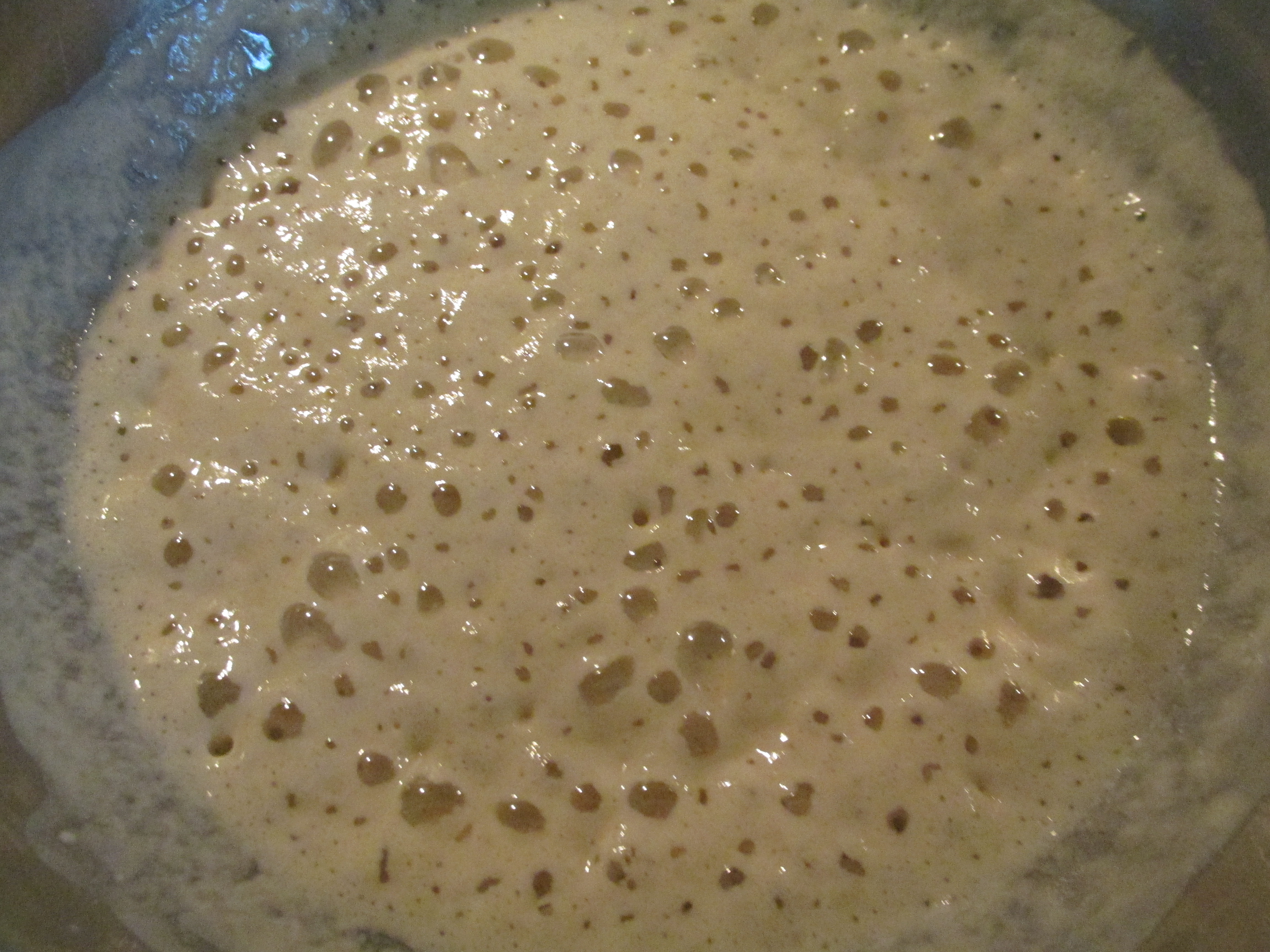
img_2417Then I found a recipe for sponge using our modern yeast on What’s Cooking In America. To ¾ cup warm water, two teaspoons of active dry yeast were added. After stirring, I added ¾ cup all-purpose flour and 1 tablespoon of sugar. This mixture was beaten for 2 minutes. I covered the bowl with plastic wrap and set in a warm place. It was bubbling in about 30 minutes.

While waiting for the sponge, ¾ cup of sugar was creamed with 4 tablespoons of butter. Two beaten eggs were mixed into the creamed sugar.

The original recipe simply calls for “spice.” This leaves the spices and measurements to the imagination.

In a separate bowl, I combined 2 cups of flour, 2 teaspoons cinnamon, 1 teaspoon nutmeg, ½ teaspoon ground cloves, ½ teaspoon ginger, and 1 teaspoon salt.

Though the cake is described as a fruitcake, there is no mention of adding fruit.

After the sponge reached the bubbling stage, I added it to sugar mixture and stirred it together. Then the dry ingredients were stirred in a little at a time.
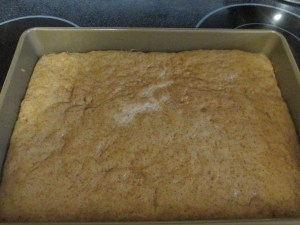
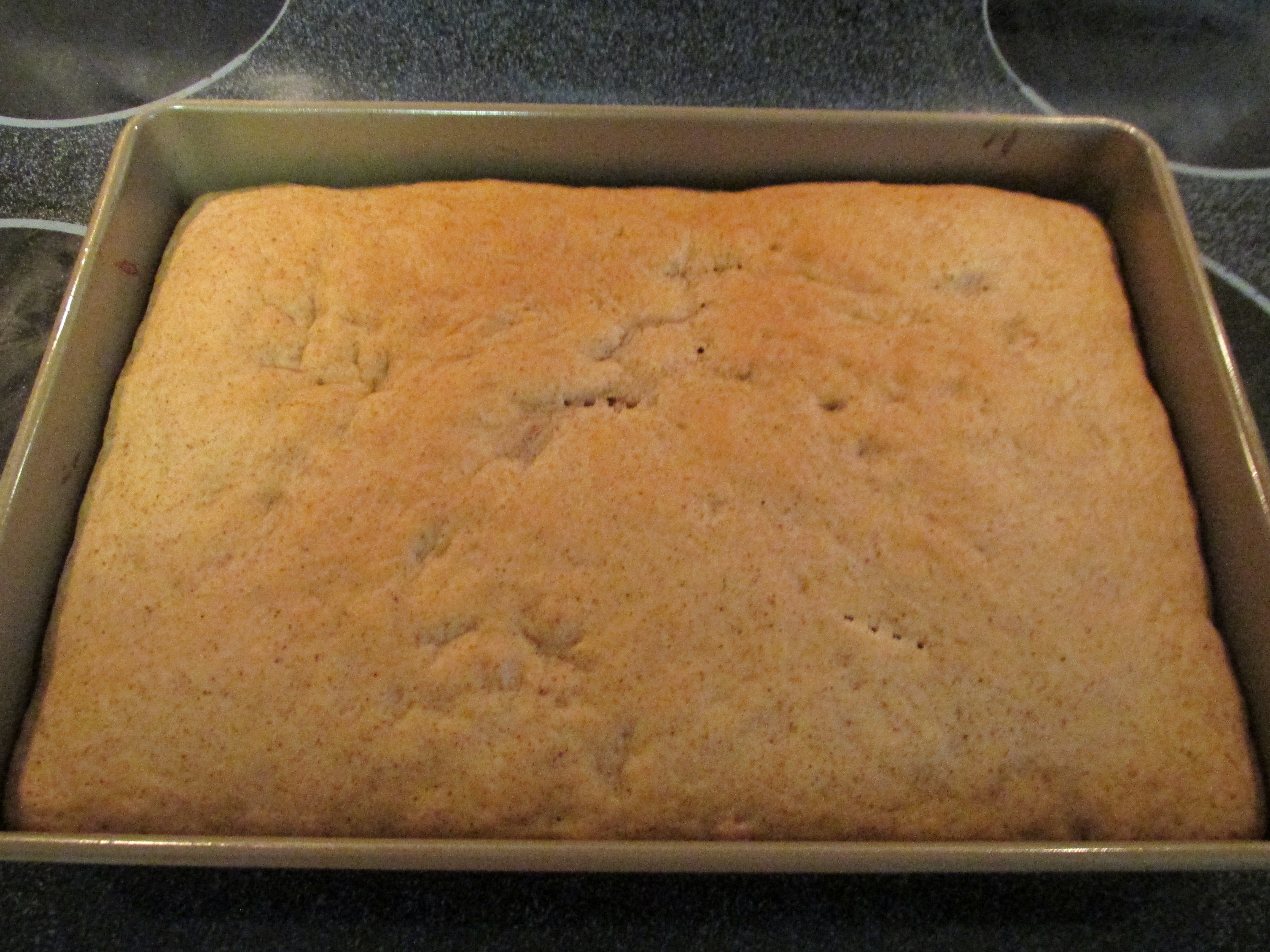
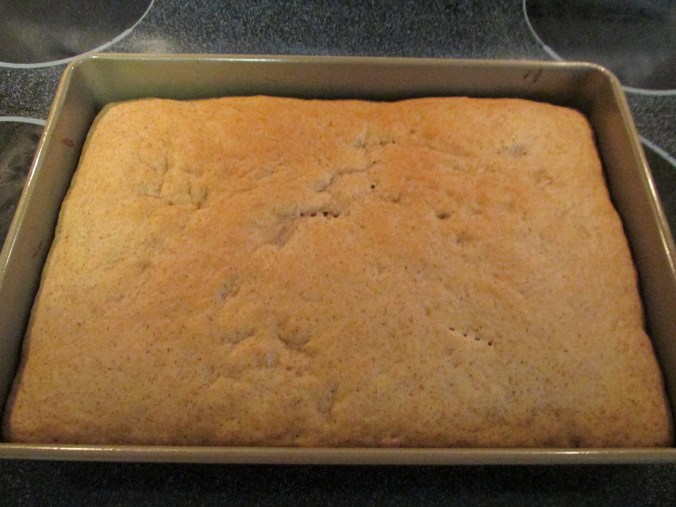
img_2420Place the cake into a pan before the final rise. I used a 13×9 pan. This looked way too large but the cake rises. It was covered with plastic wrap and set on a warm stovetop for three hours. The dough had doubled in size.

The cake baked in a 350-degree oven for twenty minutes. I liked the texture but it wasn’t spicy enough. Plums, raisins, and currants—well floured—were a few of the fruits in some early recipes. Adding one of these may be enough make a more flavorful cake.

Since this is cake/bread, no frosting was suggested in my cookbook. The addition of fruit might be enough.

Election Cakes seem to have gone the way of Election Day parades and balls. The recipe began disappearing from cookbooks around the 1940s.

Enjoy! I’d love to hear if you try this recipe.

-Sandra Merville Hart

Sources

Compiled from Original Recipes. Buckeye Cookery and Practical Housekeeping, Applewood Books, 1877.

“Election Day Cake and History,” What’s Cooking in America, 2016/10/09  https://whatscookingamerica.net/History/Cakes/ElectionCake.htm.

“Salem Dames, Election Cake, and More!” Salem Food Tours, 2016/10/09 http://www.salemfoodtours.com/2012/11/08/salem-dames-election-cake-and-november-news/#.V_rVVeArKM8.

“When Elections were a Piece of Cake,” Connecticuthistory.org, 2016/10/11  http://connecticuthistory.org/when-elections-in-hartford-were-a-piece-of-cake/.

Apple Custard

img_2382

A recipe in an 1877 cookbook for Apple Custard looked delicious. Since I had never made this type of custard, I decided to try it.

Mrs. G.W. Hensel of Quarryville, Pennsylvania, provided this recipe that calls for “mashed stewed apples.”

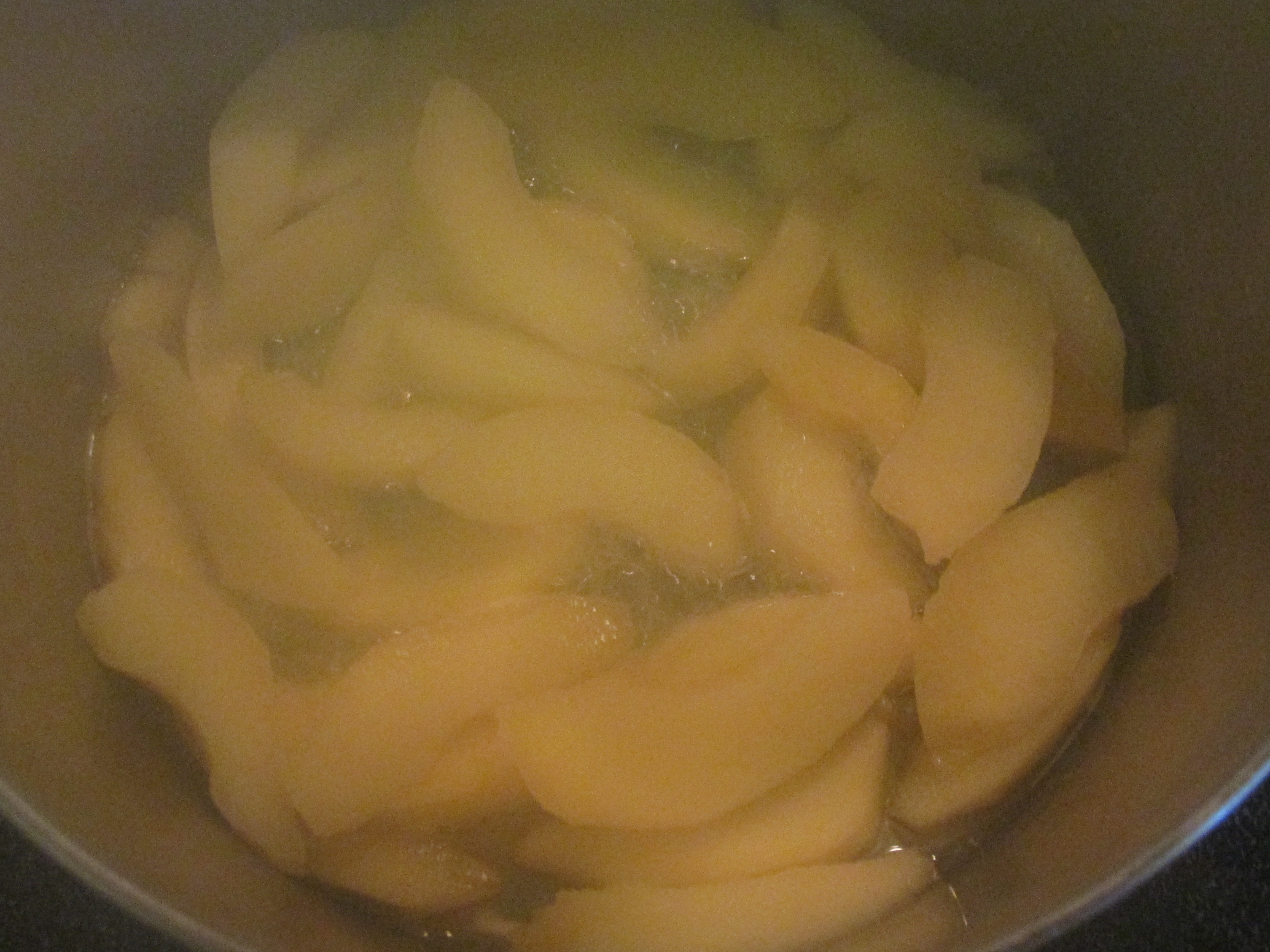
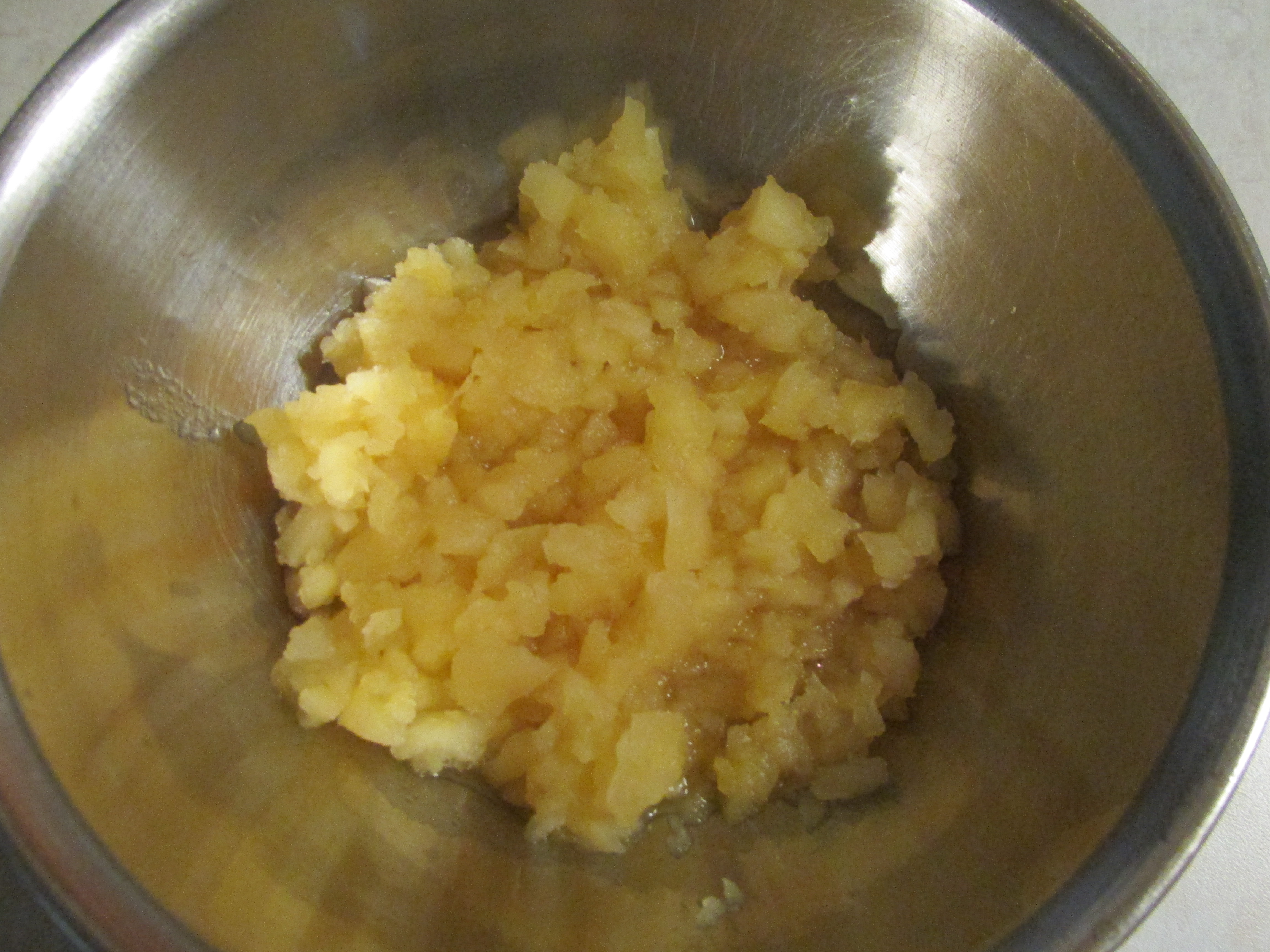
img_2380Eight ounces of apple slices cooked in water over medium heat for about fifty minutes. I replaced water as needed because the apples ran dry a few times. They cooked  until soft enough to mash. I set aside the apples to cool for a few minutes after mashing them.

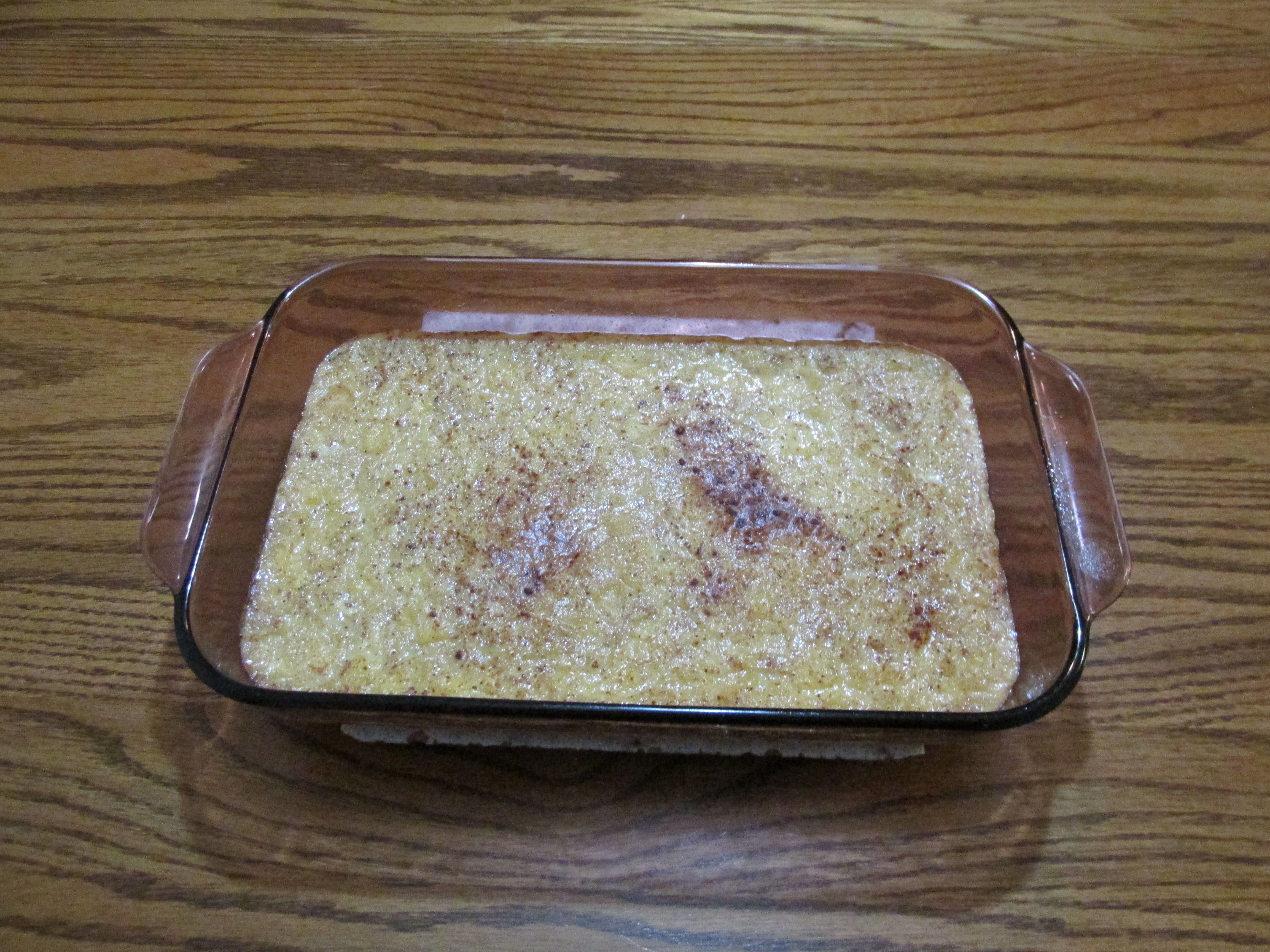
img_2381Add a half cup of sugar to the apples. Stir in one cup of milk and two beaten eggs. I interpreted a “little nutmeg” as a ½ teaspoon. Though it didn’t call for cinnamon, I added about ¼ teaspoon for a bit of added flavor. Then I sprinkled a little on the top for good measure.

Mrs. Hensel instructed cooks to bake the custard slowly. I set the oven to 300 degrees and hoped that was slow enough.

That temperature seems to work. It was very softly set after 45 minutes of baking. I left the custard in the oven for another 10 minutes when it was a bit firmer. After the custard cooled, I saw that it needed more time in the oven, maybe 30 additional minutes or more.

In addition to a longer baking time, the dessert also needed more apples. Next time I will try twice as many apples to the same ratio of other ingredients to see if the taste and texture improve. This one didn’t work for me.

Good luck! I’d love to hear if you try this recipe.

-Sandra Merville Hart

Sources

Compiled from Original Recipes. Buckeye Cookery and Practical Housekeeping, Applewood Books, 1877.


Lemon Butter

img_2376

A recipe in an 1877 cookbook for Apple Butter called for a barrel of new cider and three bushels of apples. At a loss to make that a workable size for a family, I kept searching and saw a recipe for Lemon Butter.

To my knowledge, I’ve never tasted this or even seen this sold in stores.

I combined ½ cup of sugar with two egg yolks. The zest and juice of one lemon was added to this mixture and placed in a kettle.

I used 4 tablespoons of butter for an amount “the size of two eggs.” In reality, it was probably twice that amount but we modern cooks love to cut down on fat and calories. I hoped it was enough.

img_2364The unmelted butter was added to the kettle. The instructions were to boil the mixture ten minutes so I set the burner to a medium high heat.

Bad idea.

Even with constant stirring, what started out as a pleasant yellow batter quickly scorched. After five minutes of boiling, the contents of the pan more resembled chocolate pudding. Needless to say, the whole mess ended up in the garbage with the pan soaking in the sink.

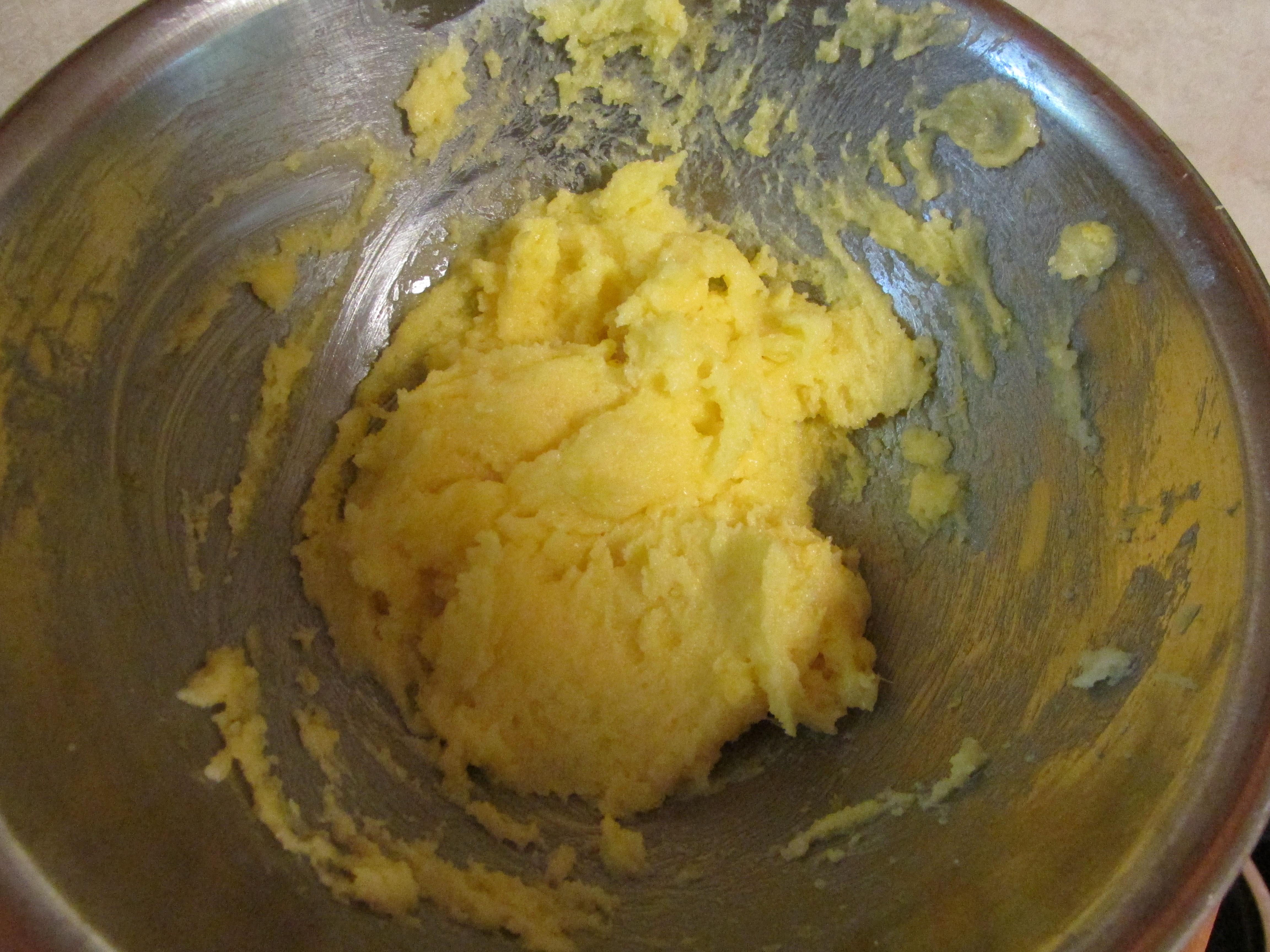
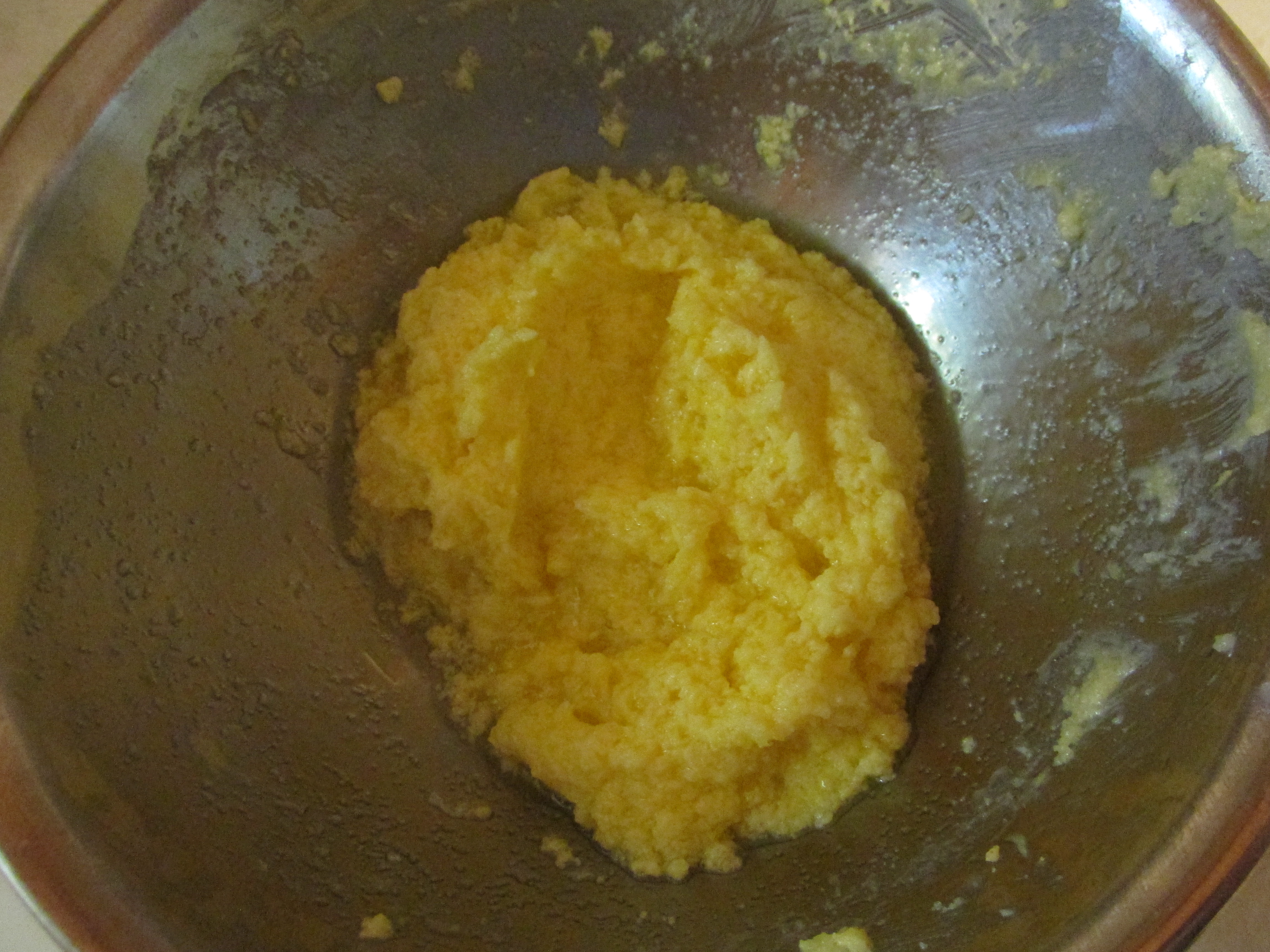
img_2368My second try saw a couple of changes. The ratio of ingredients was kept exactly the same. This time I creamed the sugar and butter together first. Beaten egg yolks were then added. After that, the zest and juice of one lemon were stirred into the mixture.

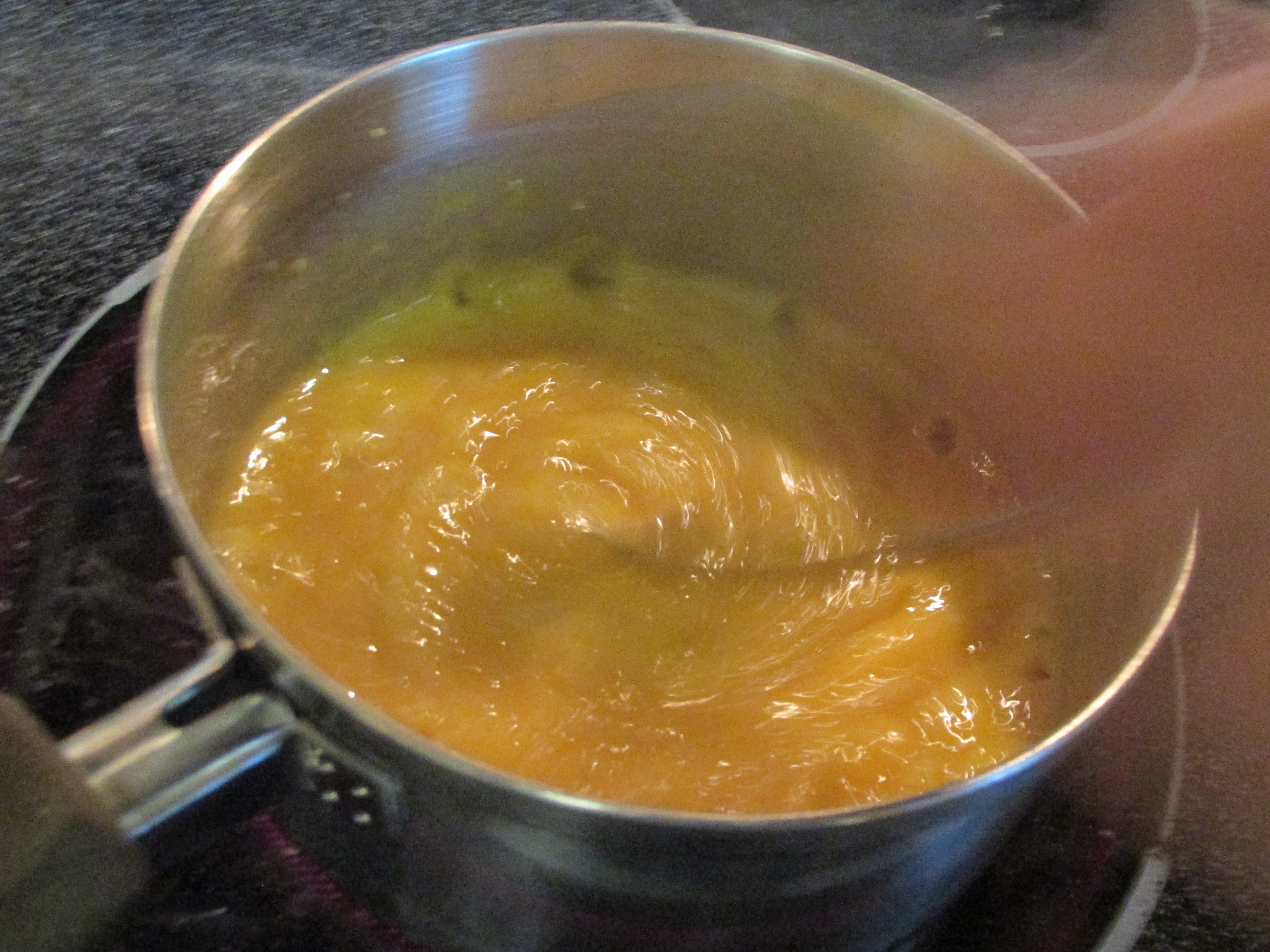
The burner started on a medium heat until the lemon butter began to bubble gently. Stirring constantly, the heat was lowered to maintain gentle simmering every time it started boiling harder. I cooked it for five minutes.

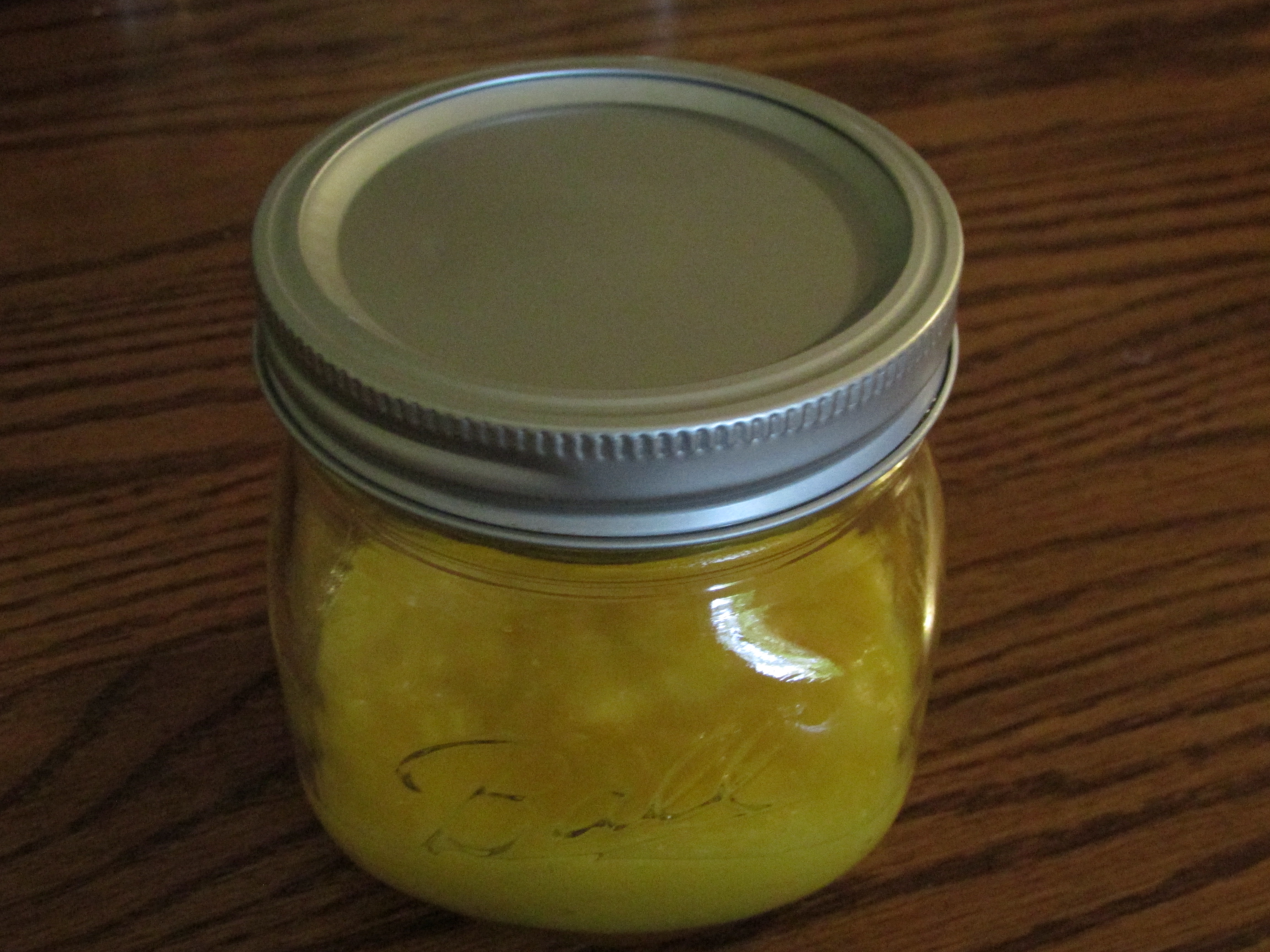
The butter didn’t scorch this time. I poured it into a pint-sized jar as it apparently keeps a long time. As you can see from the photo, it did not make a large quantity. The recipe suggested using lemon butter in tarts; this quantity would make one small tart.

img_2371Though the thick butter tastes delicious, I will double the butter added to the recipe the next time I make it. The lemon juice enhances the flavor yet loosens the batter. The extra butter should improve the consistency.

Good luck! I’d love to hear if you try this recipe.

-Sandra Merville Hart

Sources

Compiled from Original Recipes. Buckeye Cookery and Practical Housekeeping, Applewood Books, 1877.


One-Two-Three-Four Pudding

img_2358

I came across a fun recipe while leafing through an 1877 cookbook for One-Two-Three-Four Pudding. The title intrigued me enough to try it. I’m glad I did.

Mrs. C.A. Malin’s recipe calls for one cup of butter, two cups of sugar, three cups of flour, and four eggs. I’m guessing this combination gave the pudding its unique name.

Cream the sugar and butter together. Beat four eggs in a separate bowl then add to sugar and butter. Add one cup of milk and stir until blended.

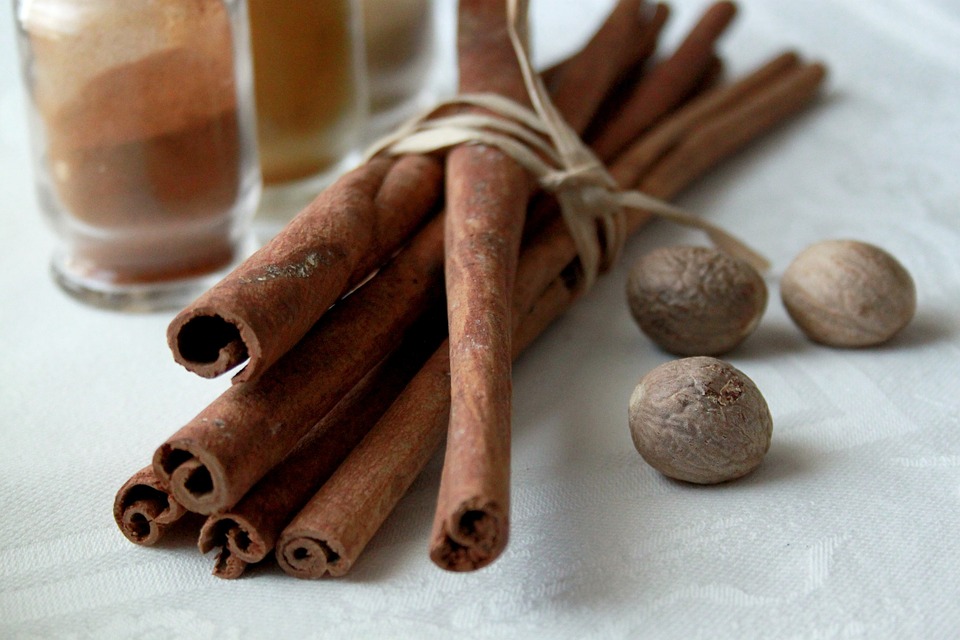
spices-834114_960_720Combine flour (I used all-purpose flour) with two teaspoons of baking powder. Stir in one teaspoon of nutmeg, the stir into the wet mixture. It will be a thicker consistency than cake batter.

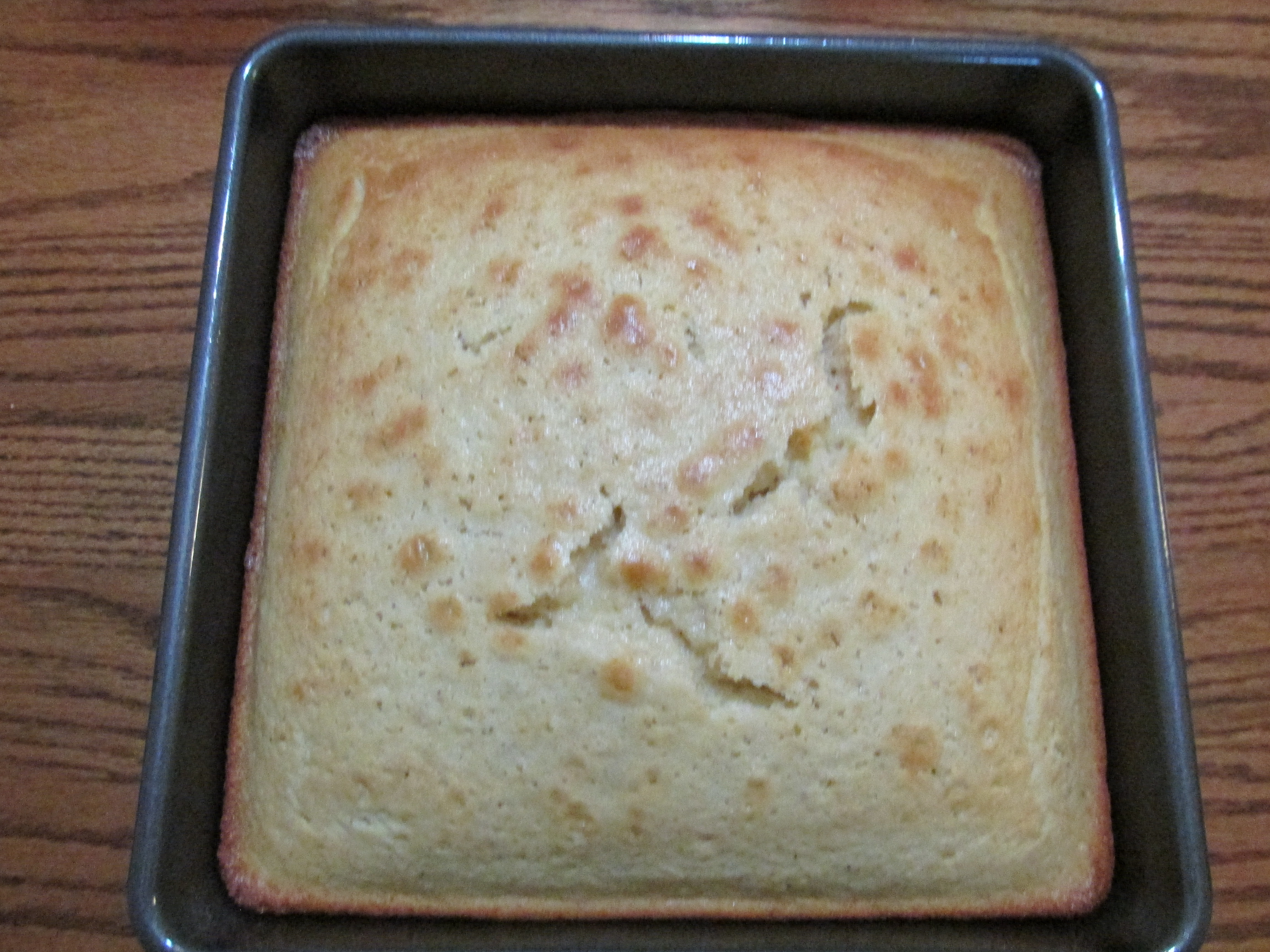
The recipe just said to bake the pudding in a cake or pudding mold. I baked mine in an 8×8 cake pan at 375 degrees until it was lightly browned, about thirty minutes.

Leave the baked pudding in the pan or mold until the next day. Then steam it over a kettle of boiling water for forty-five minutes. I had never done this before, but the pudding turned out very moist.

Mrs. Malin also suggest topping the pudding with hot sauce. I don’t think she meant something with jalapenos!

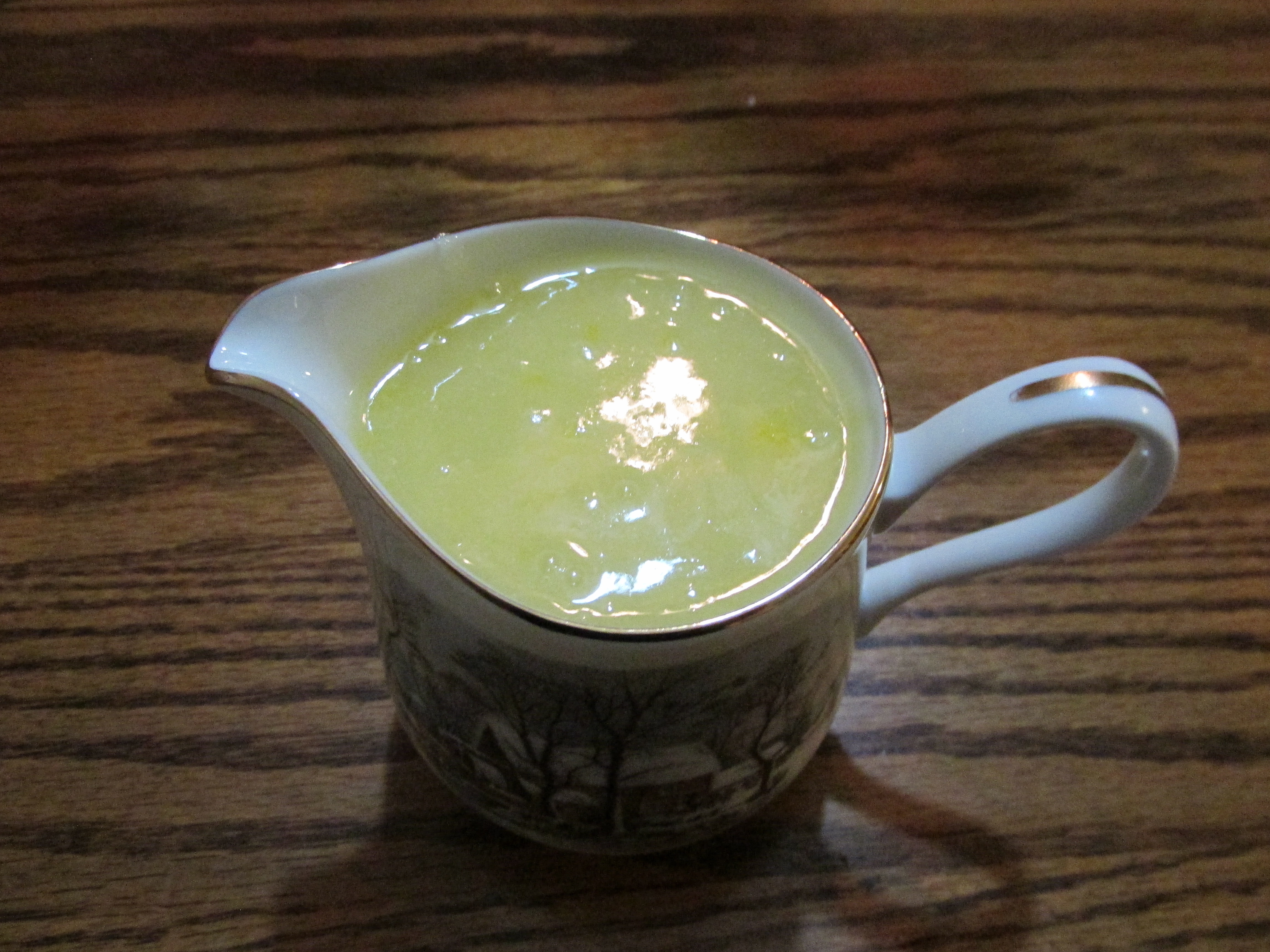
Another recipe had a suggestion for pudding sauce. I creamed together 4 tablespoons of butter and ½ cup of sugar. Then the baker could choose between adding nutmeg, vanilla extract, or lemon. I chose lemon.

img_2361I added the zest and juice of one lemon. (Next time I will cut the juice to ½ a lemon because it was a strong lemony flavor.) I creamed all this together and heated it in a kettle, stirring constantly. The warm sauce was then poured over individual servings.

I loved it, but the lemony sauce hid the nutmeg flavor of the pudding. When I ate the pudding with no sauce, the pleasant nutmeg made this a yummy dessert for me. I didn’t add any cinnamon to the pudding and didn’t think it needed it.

I’d love to hear if you try this recipe!

-Sandra Merville Hart


Sources

Compiled from Original Recipes. Buckeye Cookery and Practical Housekeeping, Applewood Books, 1877.


Baked Lemon Pudding from 1877 Recipe

IMG_2049

An 1877 cookbook, Buckeye Cookery and Practical Housekeeping, has several recipes for baked pudding. Since lemon desserts are among my favorites, I decided to prepare lemon pudding.

Mrs. M.J. Woods of Greensburg, Pennsylvania, an 1877 cook, provided a recipe titled Delicious Lemon Pudding.

The recipes in this cookbook are usually incomplete or unclear. For instance, Mrs. Woods asked cooks to “line dish with paste.” This was the first time I read this in a recipe and didn’t know what she meant so I sprayed my pie plate with cooking spray.

I used the juice and zest of one lemon with one cup of sugar. After separating two eggs, the yolks were added to the mixture along with three tablespoons of flour.

Mrs. Woods directed cooks to then add enough milk to “fill the dish.” I chose a cup of milk, which ended up working well for both the ingredients and my pie plate.

Nothing was said about heating the mixture on the stove so it went directly into a 375-degree oven.

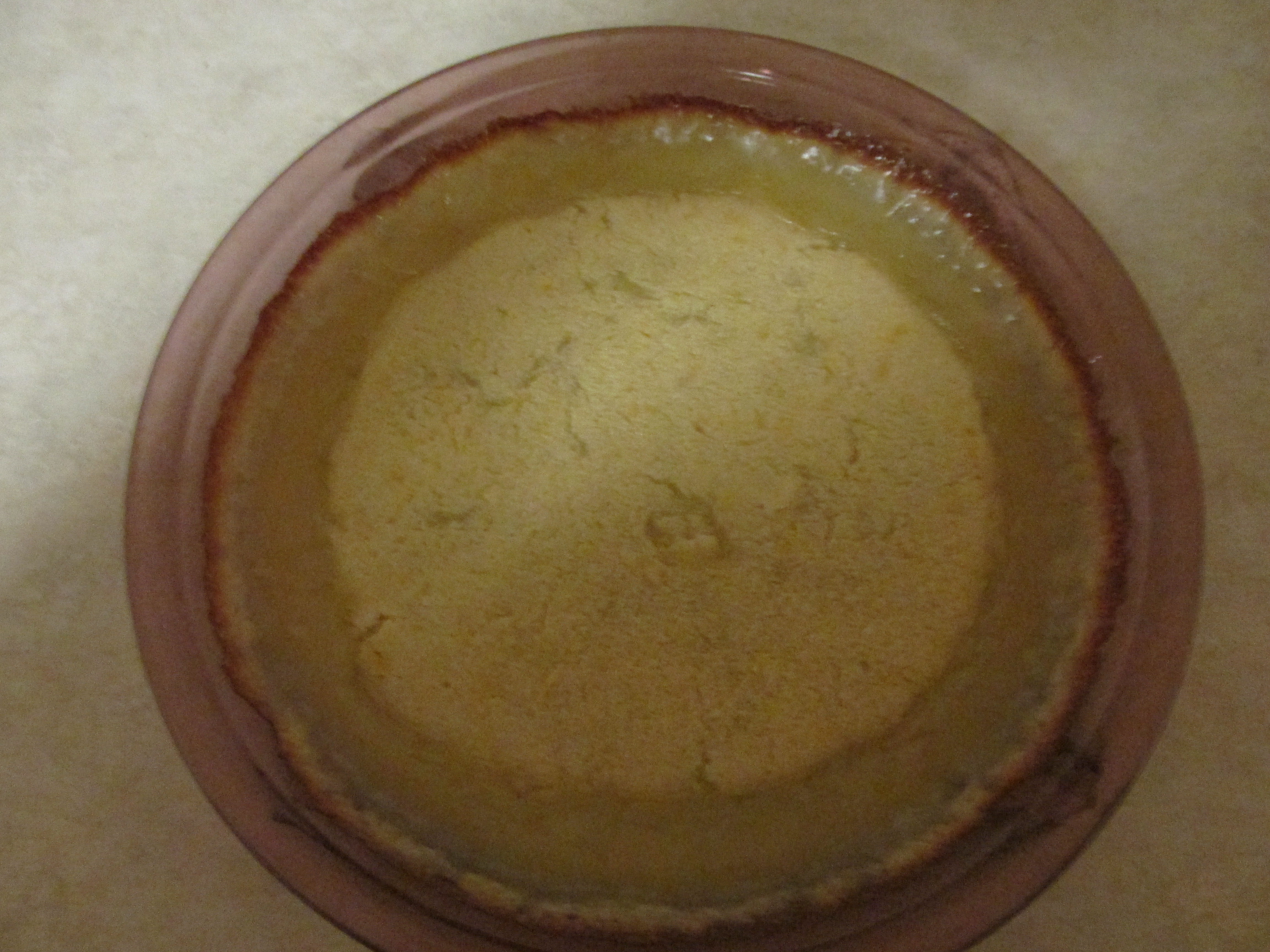
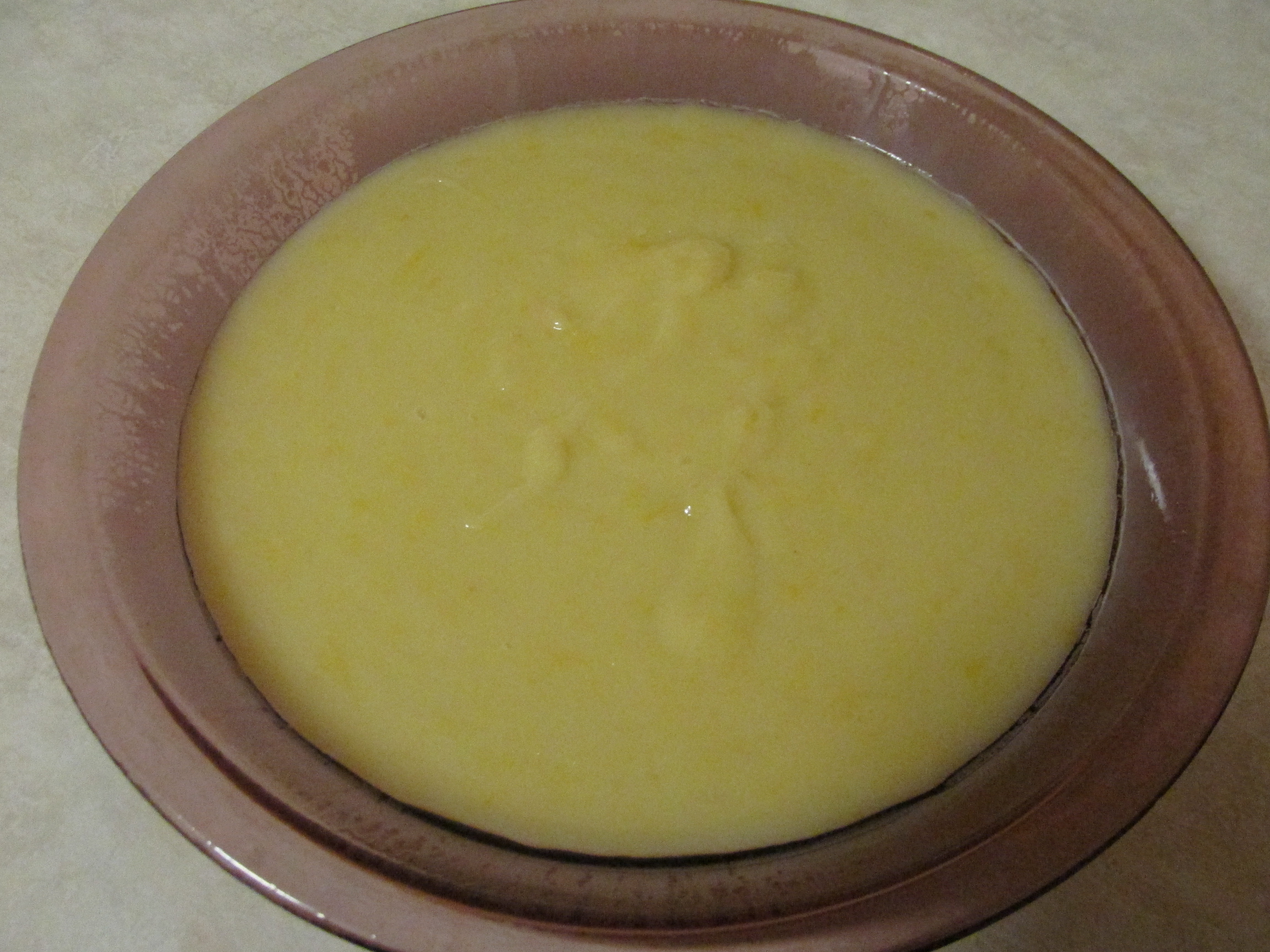
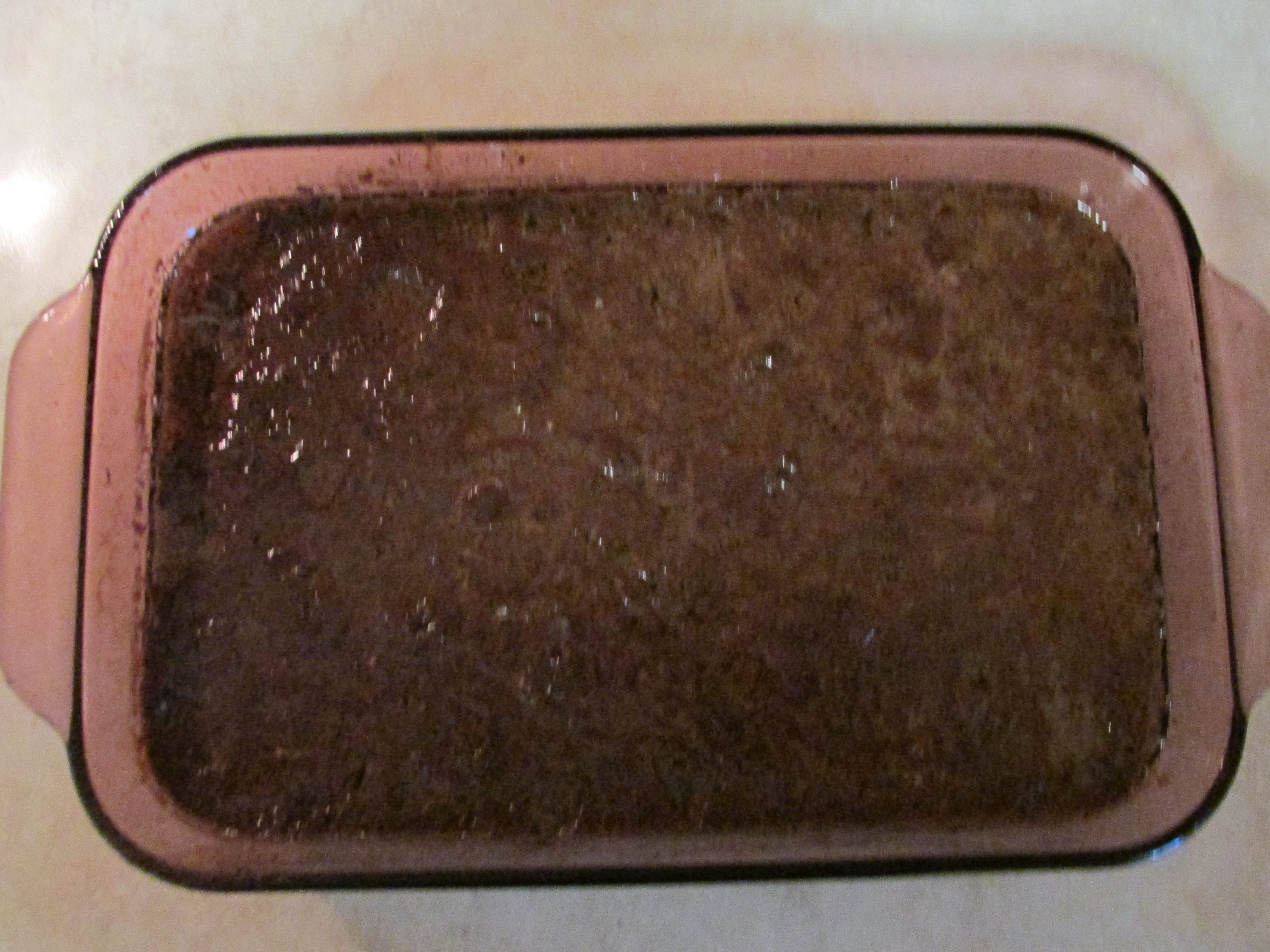
IMG_2038The pudding looked like the picture after twenty minutes. Something wasn’t right. The dessert also had a yummy lemon flavor yet tasted too sweet.

I made a second batch, decreasing the sugar to ¾ cup. This time I heated the mixture to a light boil then baked it. Twenty minutes later, the difference in texture improved as did the taste.

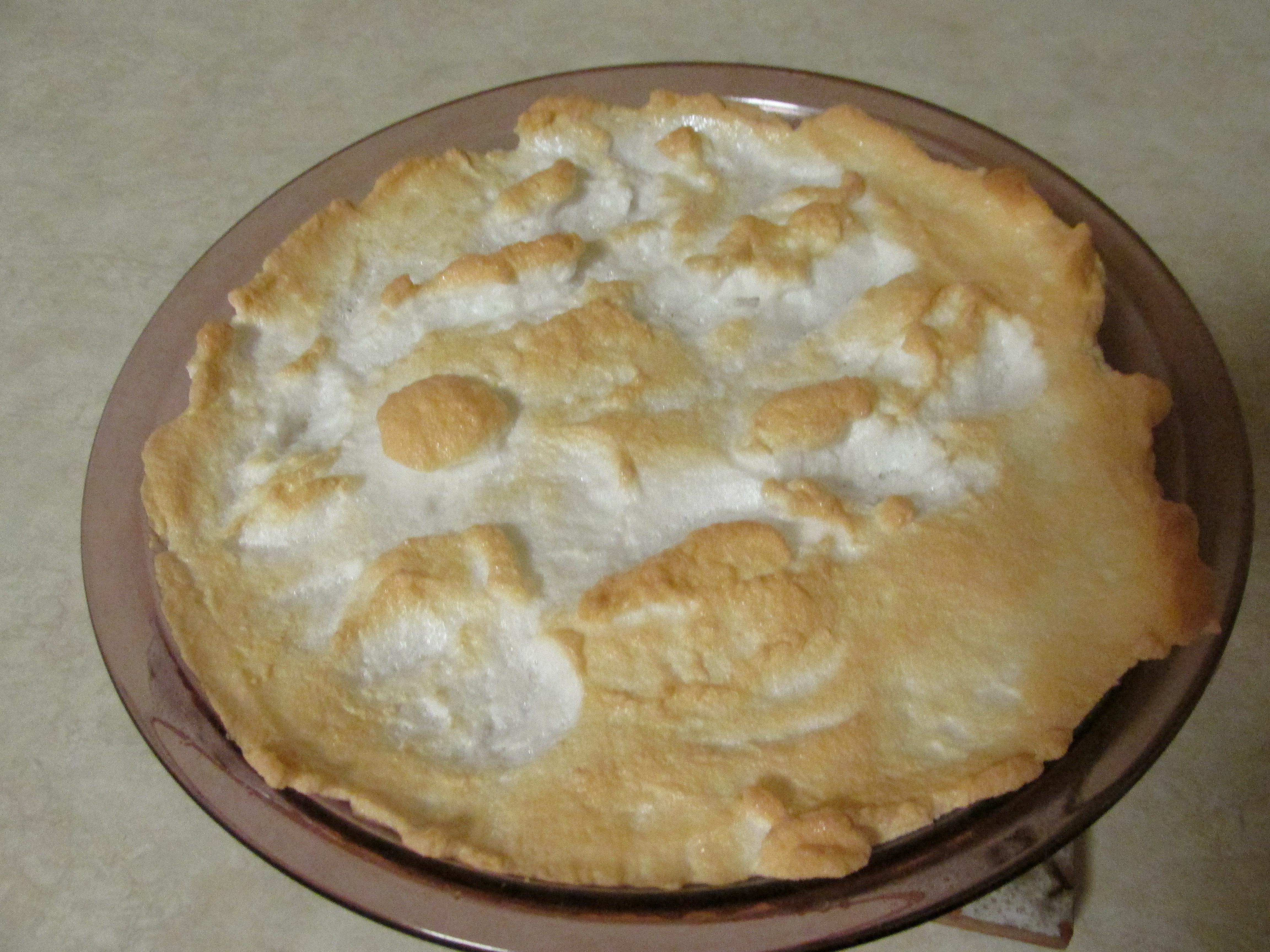
IMG_2040The dish also called for meringue. Beat two egg whites with four tablespoons of sugar. This ratio did not whip up even with a table mixer.

Using the whites of two medium eggs and two tablespoons of sugar – the correct ratio – didn’t work either. Three medium egg whites with two tablespoons of sugar worked beautifully.

I took the lemon pudding with meringue to a picnic. My friends found it delicious.

-Sandra Merville Hart

Source

Compiled from Original Recipes. Buckeye Cookery and Practical Housekeeping, Applewood Books, 1877.


Baked Chocolate Pudding Recipe from 1877

IMG_2031

An 1877 cookbook, Buckeye Cookery and Practical Housekeeping, has several recipes for baked pudding. I decided to prepare one for chocolate pudding.

The recipes in this cookbook generally leave a lot to the imagination, but ingredient measurements were given for this one.

I scalded 4 cups of milk with three ounces of unsweetened baking chocolate. While this cooled, I separated five egg yolks and set aside the egg whites for a meringue topping.

IMG_2026When the chocolate mixture cooled, the egg yolks were added along with one cup of sugar. The mixture was poured into a prepared baking dish.

No suggestions were provided for baking times or temperatures so I baked it at 350 until softly set, about 40 minutes.

In the meantime, five tablespoons of sugar were added to the egg whites and mixed at a high speed until white and fluffy, about two minutes in a countertop mixer.

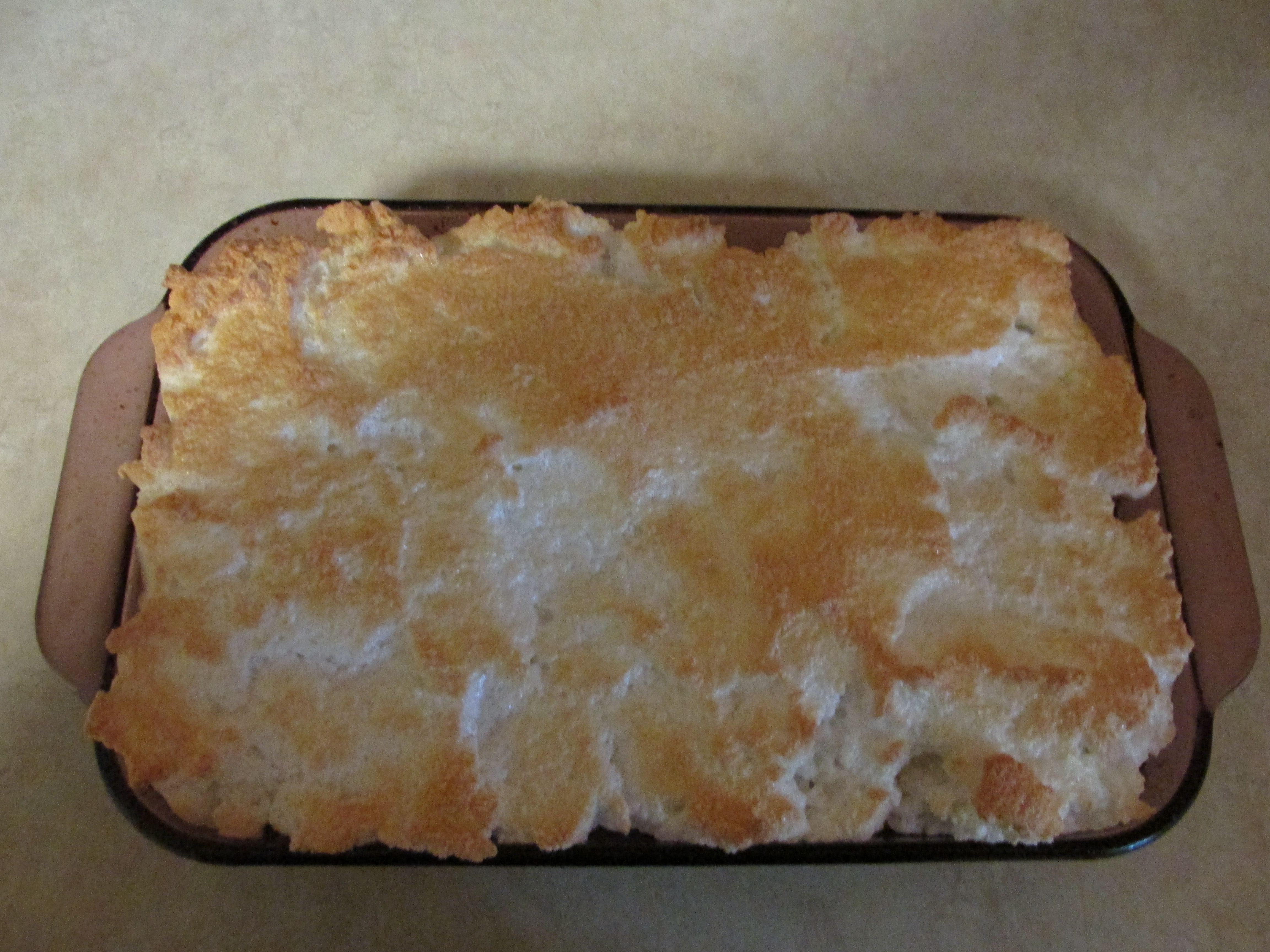
IMG_2021After the pudding cooled, this meringue was spread over the top and browned in a 425 oven.

My pudding was too runny. It was also too sweet, so I tried again.

I reduced the sugar to ¾ cup. I increased the oven temperature to 375 and baked about 40 minutes. The consistency thickened on the second batch of pudding, though it wasn’t as thick or smooth as I’m used to seeing.

The original recipe is from 1877 cook, Miss Greeley Grubbs of Richmond, Indiana.

I’m a chocolate lover. This chocolate pudding tasted yummy. If you want to reduce calories, leave off the meringue. I’d love to hear if you try it.

-Sandra Merville Hart

Source

Compiled from Original Recipes. Buckeye Cookery and Practical Housekeeping, Applewood Books, 1877.


Preserving Meat in the 1800s

salt-91539_960_720

Our ancestors met the challenge of preserving meat without modern refrigeration by curing, drying, pickling, salting, or packing in snow.

Fresh beef had to be consumed in two days during summer to prevent spoilage. Sprinkling the meat all over with pepper kept the flies away.

Tainted meat could be saved. After rinsing with cold water, use strong chamomile tea to wash it. Sprinkle with salt if the meat will be eaten the next day. Rubbing roughly-pounded charcoal over the meat removes the taint.

Meat lasted for weeks during the winter when packed in snow.

spice-370114_960_720Curing ham was a long process. Rub a mixture of salt, brown sugar, saltpeter, cayenne pepper, and allspice all over the ham and place in a barrel. After a week, cover meat with a brine of water, salt, and sugar. Wait four weeks then remove the ham from the brine and hang to dry another week. Then smoke the meat using hickory chips or corn cobs.

Salting was another way to preserve pork. A layer of salt covered the bottom of a barrel. The meat was sliced into strips then placed over the salt. Another layer of salt was added, then meat until all the pork was packed inside. A boiling hot brine then covered the pork. A weighted lid went on top.

Beef tongues marinated in a pickling brine for two weeks. Cooks then dried or smoked them.

-Sandra Merville Hart

Sources

Compiled from Original Recipes. Buckeye Cookery, Applewood Books, 1877.

Hale, Sarah Josepha. Early American Cookery: “The Good Housekeeper.” 1841, Dover Publications , Inc., 1996.


Two Nineteenth Century Cookbook Authors’ Advice on Beef

cow-31720_960_720

An 1840s cookbook author offered advice on the best way to prepare certain sections of beef. Following her terminology for the above graphic, here is the breakdown of the sections:

1 – Shin; 2 – Clod; 3 – Neck or Sticking Piece; 4 – Cheek; 5 – Chuck Rib; 6 – Middle Rib; 7 – Fore Rib; 8 and part of 11 – Sirloin; 9 – Brisket; 10 – Thin Flank; 11 – Part Sirloin and part Veiny Piece; 12 – Rump; 13 – Edge Bone; 14 – Buttock; 15 – Thick Flank; 16 – Mouse Buttock; 17 – Leg.

The modern sketch doesn’t totally match the 1841 drawing though it was pretty close.

Select fine, smooth grain on beef where lean areas are bright red. Fat should be white or almost white.

The round makes the best Beef Alamode. 1840s cooks deboned the beef, beat it, and the stewed it slowly in water with vegetables, bacon, and herbs. This meat may also be dried.

steak-1445124_960_720Sirloins make the best steaks. Ribs provide good steaks.

Chuck roasts or steaks, cut between the shoulder and neck, may be baked or stewed. Chuck ribs are often eaten as pot roasts.

Boil, corn, roast, or bake thick flanks.

Dry or corn the veiny piece.

Make soups from the shin and leg.

Pickle and smoke the tongue.

The leg, neck piece, and tongue may be used in mince pies. The neck is also good for corning.

1840s cooks realized that different cuts of beef taste better prepared certain ways, just as cooks today know.

-Sandra Merville Hart

Sources

Compiled from Original Recipes. Buckeye Cookery and Practical Housekeeping, Applewood Books, 1877.

Hale, Sarah Josepha. Early American Cookery: “The Good Housekeeper.” 1841, Dover Publications , Inc., 1996.