Today’s post is by talented editor, fellow author, and dear friend, Pegg Thomas. She shares her delicious seasonal recipe and tells us about her newest release. Welcome back to Historical Nibbles, Pegg!
This is a special date for me. November 25 was my grandfathers’ birthday. That’s right. Both grandfathers were born on this day 8 years apart. It’s also firearm deer season here in Michigan, and I spent many years on this date in a cabin in the woods near Pinestump Junction with my father’s father. It was a rustic cabin with a hand pump for water, a wood stove to cook on, and a little building out back for… well… you know. So many happy memories of baking cakes in that wood stove with the help of my great aunt and singing “Happy Birthday” when everyone returned to the cabin after a full day hunting in the woods. Memories of family, love, and all the best things of Fall.
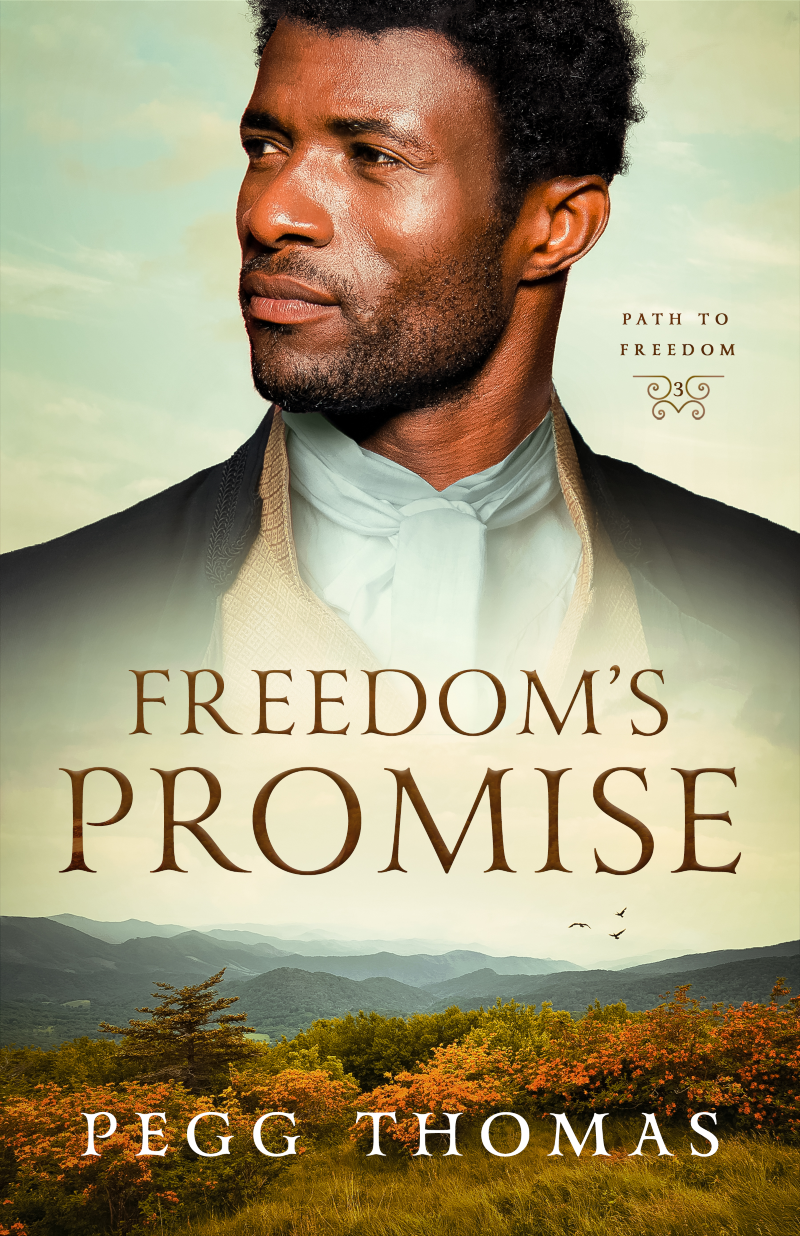
But this year, I’m celebrating a different way, with the release of Freedom’s Promise, book three in my Path to Freedom series. With this series, it’s best to read the books in order, but each is its own complete story. Here’s a back cover copy of Freedom’s Promise:
Zachary Brown has a prosperous dairy farm, good friends, and the respect of his neighbors and fellow Quakers in Mount Pleasant, Ohio. But something is lacking.
Someone to share his life with.
Daniel Whiteford lost everything that meant the most to him. It has brought him to a hard truth. He gave away his grandson four years ago to save the reputation of his family and business, but it wasn’t enough.
He wants the boy back.
When a fugitive slave shows up at the farm, Zachary recognizes the need to help others outside of his sheltered community. But there are dangers due to the laws that uphold slave owners’ rights. And then Daniel arrives—with a young slave girl.
A clash is coming to Mount Pleasant.
And as an extra for the release celebration, here is a yummy fall recipe!
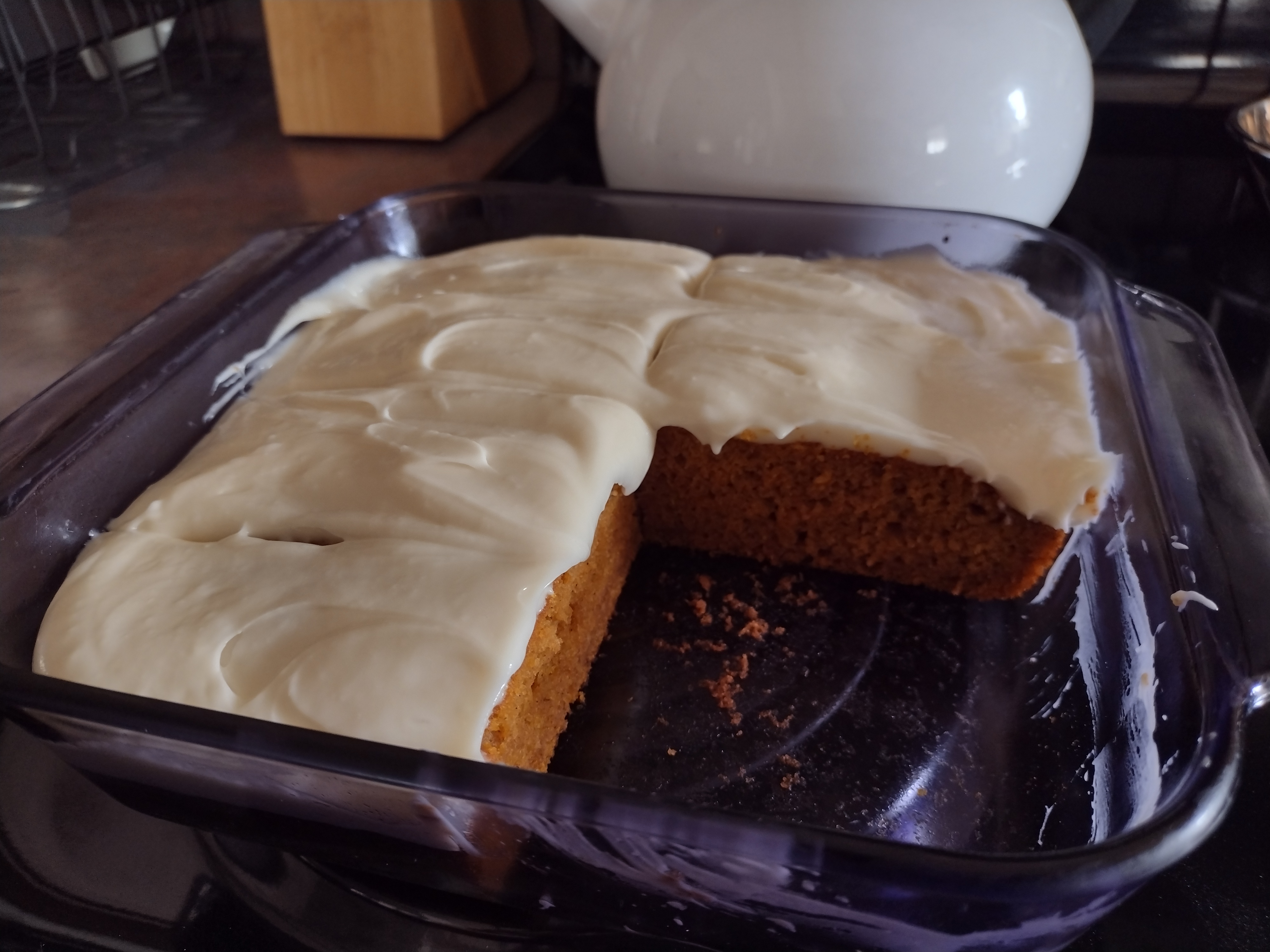
Taste of Fall Pumpkin Cake
2 large eggs
¾ cup sugar
1 cup pumpkin
1/3 cup oil
2 teas. pumpkin spice
1 teas. vanilla
1 cup flour (or 1/3 cup whole wheat and 2/3 cups white)
1 teas. baking powder
½ teas. baking soda
½ teas. salt
Mix in order given, bake in greased 9” square pan at 350 for 35 minutes. Frost with cream cheese frosting.
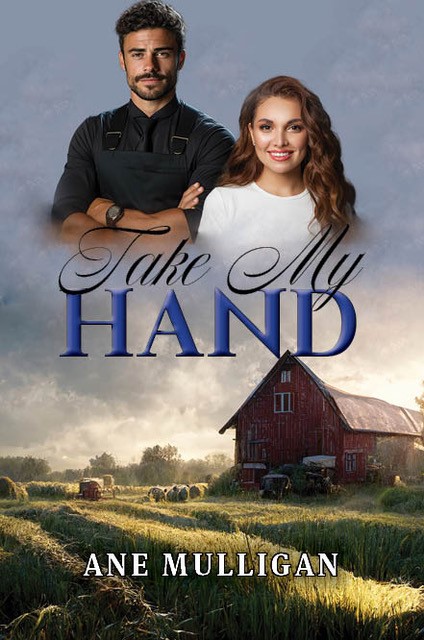
Ane Mulligan, welcome to Historical Nibbles! Ane is a talented author and dear friend. I love how her love of books and drama collide in Take My Hand, her new release. I can’t wait to read it! She is sharing a recipe for delicious Mulligan’s Meatloaf with us. Thanks for joining us today, Ane!
Nearly everyone has had meatloaf, but it has an interesting history, which has changed since the 1700s, when German immigrants brought meatloaf to the United States. It was first served as a breakfast food in New England. The first recorded recipe for modern American meatloaf dates back to the late 1870s. The recipe called for chopping up whatever meat was on hand, adding salt, pepper, onion, egg, and milk-soaked bread.
I have a series of books (The Georgia Magnolias series) placed in the Great Depression. I researched foods and found meatloaf became a household staple in the 1930s, when families were struggling to stretch their food. People combined ground meat with seasonings and stale breadcrumbs to create a flavorful and filling meal. Meatloaf became more creative and personalized in the 1950s and 60s, with recipes including sherry-barbecued, mushroom-stuffed, and spicy peach loaves.
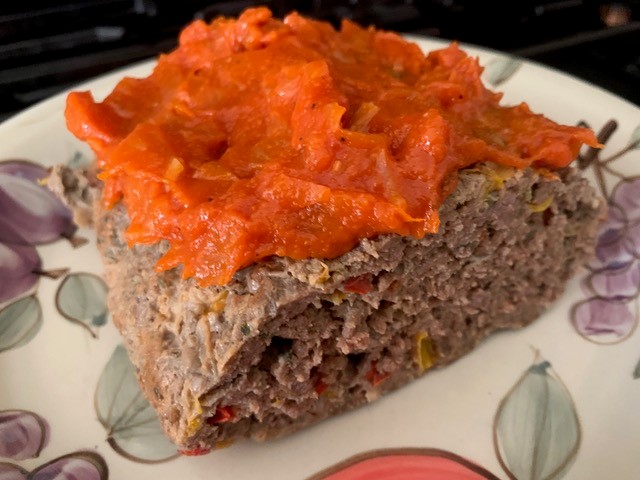
This is our favorite meatloaf recipe. We don’t measure when we cook; we simply use what feels right, then later adjust by taste.
Meatloaf:
1¼ -1½ lbs Ground beef, 65-70% lean. If you go higher, the meatloaf isn’t as juicy, and you can pour off the excess fat.
3 eggs
Italian bread crumbs
3 med onions, diced
1 red pepper, diced
1 yellow pepper, diced
Garlic powder
Dried parsley
Onion powder (yes, even if you add onions, it rounds out the flavors)
Salt & pepper
Red onion sauce:
1 med onion, diced
1C (or more) Ketchup
Garlic powder
butter
Instructions:
Sauté 2 onions and the peppers in butter. Mix in a large bowl; the ground beef, sauté mixture, bread crumbs, garlic powder, dried parsley, onion powder, and salt and pepper. Put in loaf pans or use parchment and form a loaf in that. We prefer this because the excess grease leaks out. Be sure if you use parchment to put it on a baking sheet. Bake at 375 for an hour.
When the meatloaf is done, set it aside and sauté the onion in butter with garlic powder. Add the ketchup and cook until hot and thick. Serve over slices of meatloaf.
Take My Hand
Dreams and futures are at stake.
Small town community theatre changed Marleigh Evans from a shy, timid girl into a confident young woman. Now she wants to pass that gift along to others and dreams of owning her own theatre. After years of searching, she’s found the perfect place in Sugar Springs to see her dreams realized … and transform her community.
Chef Gabe Sadler has grown irritated at his father’s business practices. His dream is to own a farm-to-table restaurant and enough land for a small urban farm. After years of searching, he’s found the perfect place in Sugar Springs to see his dreams realized, and he’s not used to anyone standing in his way.
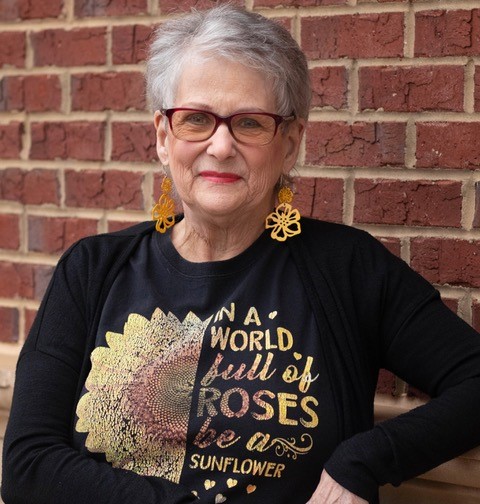
Ane Mulligan embraces life from a director’s chair—in community theatre and at her desk creating novels. Entranced with story by age three, at five, she saw PETER PAN onstage and was struck with a fever from which she never recovered—stage fever. One day, her passions collided, and an award-winning, bestselling novelist emerged. She believes chocolate and coffee are two of the four major food groups and lives in Sugar Hill, GA, with her artist husband and a rascally Rottweiler. You can find Ane on her website.
Linda Dindzans, dear friend and fellow author, shares two recipes that Jesus might have enjoyed. Also, she is celebrating her debut release of A Certain Man, a Biblical fiction novel I loved! Welcome to Historical Nibbles, Linda!
by Linda Dindzans
Writers of historical fiction who want to create a story that rings true must research many aspects of everyday life. One of the most fun topics for me to research is the foods that were consumed, how they were prepared, and who would have had access to them at the time of Jesus.
The basic diet throughout Roman Palestine included a daily portion of wheat or barley bread, a portion of lentils, peas, some olive oil, and a portion of dried figs or other produce. Fish was part of the diet for those near rivers or the sea but had to be salted for situations where transport was required. Only the wealthy would have been able to readily afford meat— goat, beef, lamb. Commoners would have served meat only at feasts, weddings, or other occasions of great significance.
Kitchens did not exist. In small houses, food was cooked out back over an open fire or in a fire pit. In larger houses, a cookfire would be maintained in a central courtyard and kitchen foodstuffs were kept in a storeroom. Only the wealthiest homes had a dedicated place to cook inside and a fiery oven.
Lentils were a nutrient-rich legume that had been cultivated for thousands of years and were consumed by Romans, Jews, and Samaritans. Lentils were considered almost as important as grain and are mentioned several places in the Bible. Jacob made Esau a red lentil stew for which he traded his birthright. They are listed among the foods brought to David and his followers when they were running from King Saul.
My debut novel, A Certain Man, set in ancient Samaria at the time of Jesus, mentions characters growing lentils, packing dried lentils to travel, or preparing lentil stew or soup, called “miqpah”, over a cookfire. The stew was often flavored with garlic and combined with other vegetables such as cabbage. What did lentil soup or stew taste like? Our modern diets are varied, so many of you may have an idea, but below is a tasty version you may enjoy.
The following recipe and photos are taken with permission from an excellent website https://thebiblecookbook.com. This site was created by Walterina Bindhu Jachin, a friend, who has combined Bible study and her love of cooking to place the many food items or meals mentioned in the Bible in both a spiritual and physical context. She has developed her take on those recipes to cater to today’s palate.
Jacob’s Red Lentil soup with Oats bread
Red Lentil Soup Recipe:
1 cup red lentils (You can substitute this with yellow or green lentils)
1 cup red beans, cooked
large red or white onion, chopped
Tbsp. tomato paste
5 cloves garlic, minced
1 tsp. paprika
1/2 tsp. whole cumin seeds
1/2 tsp. whole peppercorns
1 cup chicken stock (Optional: if you want a vegetarian version, you can use a veggie stock )
1 tsp. Serrano peppers or any green pepper of your choice
1 cup cilantro, chopped 2 Tbsp. ghee (clarified butter) salt – as desired
sour cream, for garnish
Method:
Wash and soak the lentils for 1 hr. before starting to cook.
Add the soaked lentils, salt, cumin, pepper, 1/2 of chopped onions and garlic, cilantro with 3 cups of water and pressure cook it for 3 whistles. If using a pot, let it simmer with the lid closed until the lentils are soft and mushy.
In a pan, add the ghee, and heat to medium. Once the pan is hot, add a pinch of whole cumin seeds, Serrano or green peppers, the remaining chopped onions, garlic and let it cook till the onions are transparent.
Add the tomato paste with a couple of teaspoons of water and once its heated through, add the chicken stock and red beans. Let this come to a boil and then add paprika and salt to taste.
At this stage, add the cooked mashed lentils and let the soup simmer on low for 20 minutes.
Sprinkle with the remaining cilantro, a dollop of sour cream and serve it hot with the Oat bread.
Optionally, you can serve this on rice or a side of pita bread. It’s not just delicious, but also simple and hearty. And NO… no matter how good it tastes, you cannot ask people to give up their rights in return for your soup. LOL!
Oats bread recipe:
Ingredients:
cup oats flour
cups whole wheat flour
1 packet Instant yeast
Tbsp. maple syrup or honey
1/4 Tsp salt
3/4 cup warm water
Tbsp. butter
Method:
1.Combine Maple syrup, yeast, with water and let it rise till you see it foaming
2. Add the flour, salt with the yeast mixture and combine it well to form a ball shaped dough 3. Cover it and let it rest in a warm place. I have kept my dough inside the oven with the oven switched off and the lights on.
After 30 minutes, punch the raised dough, knead it for 2 minutes and form into your desired shape and place it in the loaf pan. And let it rise again in the pan for 30 more minutes.
Melt the butter and apply half of the butter on the dough and coat all around it. Sprinkle some oats on top.
Preheat the oven to 350 and bake it for 35 minutes or until a knife comes out clean when you poke in the middle. Apply the remaining butter.
Let it rest for 15 minutes and slice it.
Linda again…For other delicious Bible-based recipes visit https://thebiblecookbook.com. I particularly like the fig pudding with raisin jam!
Blurb
Mara, motherless since birth, is a young Samaritan beginning to discover her love for Samuel—and his for her. Having suffered thirteen years in her drunken father’s house, more servant than daughter, soon she will be deemed mature enough to marry. Will her greedy father consider her heart when he brokers a match?
Linda Dindzans, M.D. is a writer with the heart of a healer who offers readers stories of redemption and restoration. Though her compelling characters inhabit the treacherous times of the Bible, Linda believes there is nothing new under the sun. The struggles of her characters still speak to hearts today. Connect with Linda on Facebook: Linda Dindzans, Author, and X:@lindadindzans.
Welcome back to gifted author, Pegg Thomas! Pegg was the editor for three of my early books. Her latest release, Henri’s Regret, published on July 1st! To celebrate, she has an offer for a free book. Read on to discover the details. She’s sharing a recipe for delicious Orange Muffins with us. Thanks for joining us today, Pegg!
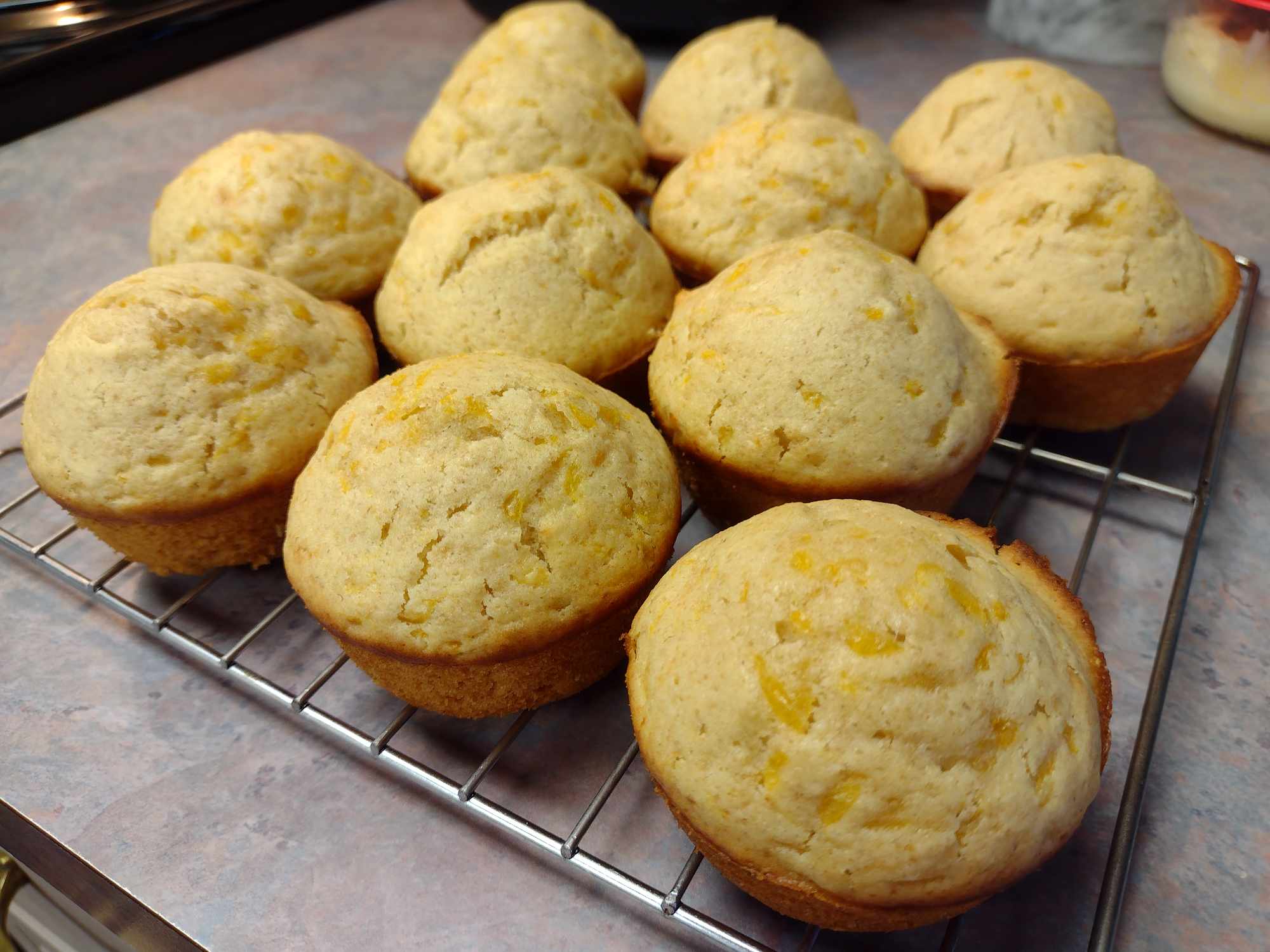
Prior to the invention of chemical leaveners—particularly baking powder—all breads were leavened by yeast. But once baking powder became popular in the mid-1800s, quick breads soared in popularity across America. Women didn’t have to plan the day before to have a yeast batter or dough ready for baking. Anyone could whip up a muffin batter or biscuit dough and have them out of the oven to serve within the hour. What a luxury!
I enjoy making muffins for breakfast, and these orange muffins are my favorite.
Orange Muffins
11oz can Mandarin oranges
1 egg
½ cup sugar
Milk
¼ cup oil
½ cup whole wheat flour
1 ½ cups all-purpose flour
1 Tbsp baking powder
½ teas salt
Preheat oven to 400 degrees. Grease a 12-slot muffin tin or use paper inserts. Drain liquid from oranges into a measuring cup. Add enough milk to measure 1 cup. (The milk will curdle.) Mix drained oranges with egg and sugar in a mixing bowl until orange segments break apart. Stir in liquid and oil. Add dry ingredients and stir just until blended. Distribute evenly into the 12 muffin slots. Bake for 15 – 18 minutes, until muffins are done. Remove immediately from the tin and cool on a wire rack.
Fun fact: the term English Muffin was coined in the U.S. by Samuel Bath Thomas in 1880.
Frenchman Henri Geroux can’t sign the oath of loyalty to the British after the end of the French and Indian War. He leaves his home behind and sets out on an adventure with his Ottawa friend, Dances Away. But heading west to trap beaver doesn’t mean he outruns his problems. Faced with a dangerous journey into an unknown land, he and Dances Away get caught up in more than they’d bargained for.
BIO:
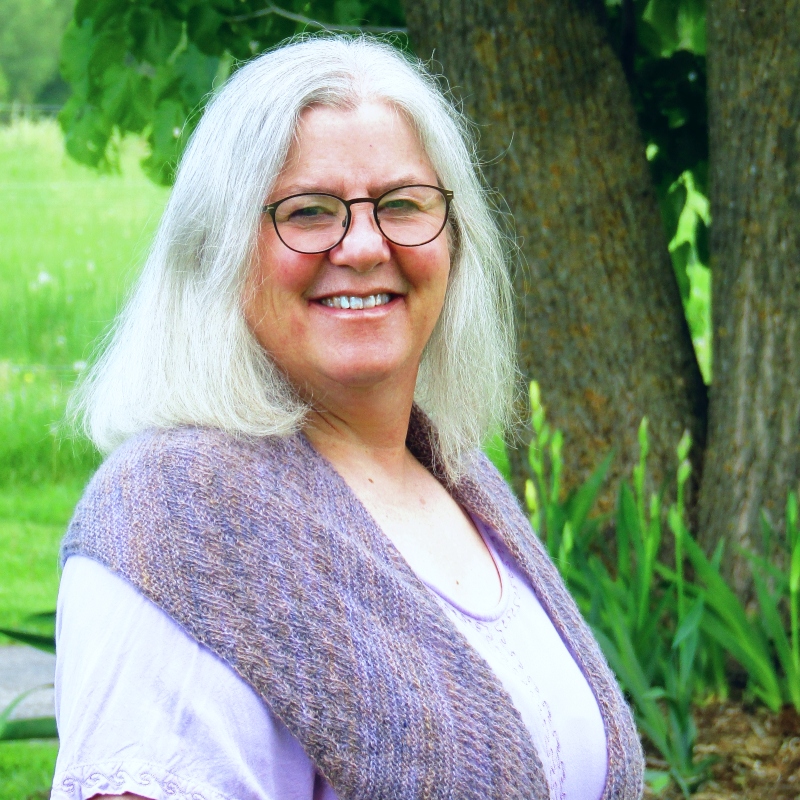
Pegg Thomas lives in Michigan’s beautiful Upper Peninsula with Michael, her husband of *mumble* years. Besides writing, she enjoys a variety of crafts including spinning sheep’s wool into yarn and knitting her signature wool shawls. Together, she and Michael enjoy camping, fishing, gardening, boat-nerding (you have to be a Great Lakes person to know about that), and thoroughbred horse racing.
A life-long history geek, it’s no surprise that historical fiction is her genre. Colonial America and the Civil War era are favorite time periods to both read and write. She often takes inspiration from her own family tree, with 3 of her grandparents having lineage going back in America to the mid-1600s. Her favorite type of book centers on a great fiction story surrounded by factual historical events.
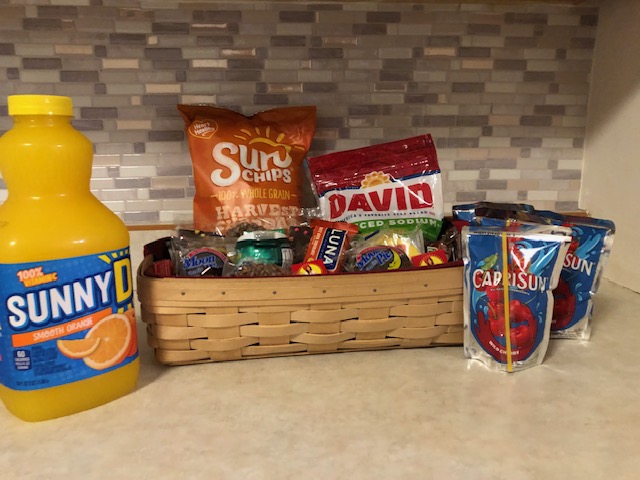
My plans are to head to my sister’s house to watch the eclipse. As there are children coming, I thought it would be fun to bring party snacks to this rare occasion.
It was fun to shop! I could not find Mars candy bars—they seem to be the first item hostesses went after! I did find moon pies but they were quickly disappearing too. The man ahead of me in line had three boxes of the treats to share with his son’s class at school.
My basket includes:
Eclipse Gum
Sun Chips
Sunflower Seeds
Star Crunch
Cosmic Brownies
Luna Nutrition Bars
Milky Way Candy Bars
Banana Moon Pies
Chocolate Moon Pies
Sun-maid Raisins
Orbit Gum
Beverages
Sunny Delight
Capri Sun
Another beverage idea is Sunkist Orange Drink.
An easy creative idea would be to make Rice Krispie Treats and cut them into star and moon shapes. Do the same thing with fruit.
Today’s post is written by fellow author and friend, Jennifer Allen. I love her mysteries and am looking forward to reading her newest release. Welcome back to Historical Nibbles, Jennifer!
by Jennifer Allen
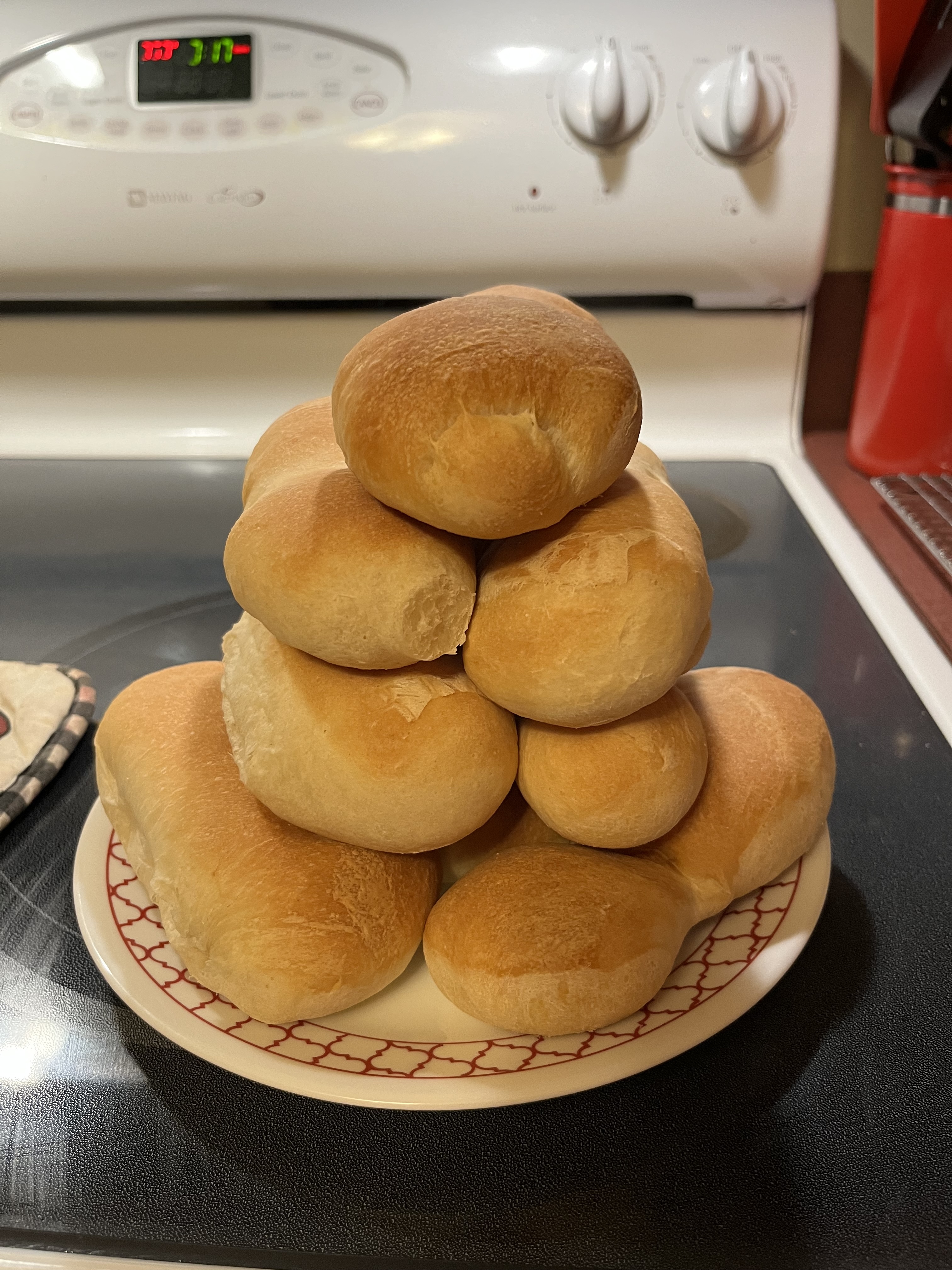
In the break room at my first “real” job in Zanesville, Ohio, I unpacked my lunch and took out an oblong roll.
A colleague looked at it and asked what it was.
“A pepperoni roll.” I was surprised. I’d grown up on pepperoni rolls. I thought everybody knew about them.
So my colleague asked what exactly is a pepperoni roll.
As I explained, I realized for the first time that pepperoni rolls are a regional food, hardly known outside eastern Ohio and West Virginia.
The History of the Pepperoni Roll
In the early 1900’s, many immigrants, including Italians, flooded into West Virginia to work in the coal mines. According to A Culinary History of West Virginia, a baker named Joseph Argrio noticed that the miners often wrapped bread around meat for their meals in the mine. He baked pepperoni into the bread, making a handy, no mess sandwich with a long shelf life.
Mr. Argrio’s bakery was in Fairmont, West Virginia. My mother’s family lived near there and in neighboring Harrison County. I don’t know when my grandmother began baking pepperoni rolls, but my mom always has and now I do.
Pepperoni rolls are the most convenient lunch I know. They don’t require refrigeration. They last at least 5 days on the counter, and then I put them in the fridge only to preserve the bread. My oldest takes a couple with him on the band bus when he has an away football game. They’re perfect for a meal or snack on a hike.
When I created my fictional family for my cozy mystery series, Rae Riley Mysteries, I had to make the grandparents come from West Virginia. Not only would that give my characters a history common with my own, I could include pepperoni rolls whenever I needed to.
Recipe
1 loaf of frozen dough, such as Rhodes, for a 9×5 pan (If you use homemade bread, use the amount for one loaf pan.)
48 slices of pizza pepperoni or 12-18 slices of deli pepperoni or 12-18 slices of stick pepperoni
(There are some people who prefer stick over slices. I always use small, sliced pizza pepperoni)
Thaw loaf.
Or
Make your preferred kind of bread. Let rise. Knead down. Then follow the steps below.
Preheat oven to 375 degrees. Grease or spray 1 cookie sheet.
Cut doubt into 8 roughly equal pieces.
Flatten one piece of dough until it is wide enough to lay 3 pizza pepperoni slices, overlapping.
Roll dough over pepperoni.
Lay 3 more slices.
Roll over dough and seal seams.
Place on cookie sheet. When 8 rolls are made, cover with light cloth and let raise for 2-3 hours.
Bake 10-13 minutes.
Eat when cooled to desired temperature.
Freeze leftovers if desired.
Some people add cheese and other ingredients but the original pepperoni roll was simply pepperoni baked into a roll.
BIO: JPC Allen started her writing career in second grade with an homage to Scooby Doo, and she’s been tracking down mysteries ever since. Her Christmas mystery “A Rose from the Ashes” was the first Rae Riley mystery and her latest Rae Riley novel, A Storm of Doubts released in March 2024. Online, she offers tips and prompts for every kind of writer. Follow her to her next mystery at Facebook, BookBub, and Goodreads.
BLURB: Twenty-year-old Rae Riley’s desire to help people in trouble puts her at odds with her newly-found father, Mal. When she extends that help to her con man uncle and the ex-wife of a family friend, she and Mal clash even more. Then the ex-wife disappears. Rae works to discover what really happened as her uncle makes Rae doubt she’s calling the right Malinowski “Dad”.
I decided to make brownies last week only to discover I didn’t any unsweetened chocolate in my pantry. There was an abundance of cocoa powder so I set about modifying my sister’s old recipe. It took a couple of batches before I settled on this recipe.
Ingredients
10 tablespoons of butter
¾ cup unsweetened cocoa powder
1 ¼ cups sugar
2 eggs
1 teaspoon vanilla
¾ cup all-purpose flour
½ cup chopped walnuts (optional)
Preheat oven to 350 degrees.
Simmer water in a large saucepan.
Place the butter in a metal or glass bowl. When the water is simmering, place the bowl over the top of the pan to melt the butter. Once the butter is melted, add the cocoa powder and sugar a little at a time, stirring with each addition.
Remove from heat. Set the bowl aside to cool for ten minutes.
Beat the eggs in a separate bowl and stir into the cooled mixture. Add the vanilla. Once those are all mixed together, stir in the flour, following with the walnuts, if desired. Mix well.
The chocolatey batter should be thick and creamy.
Prepare 8×8 baking pan with cooking spray. Pour chocolate batter into the prepared pan, spreading the mixture to the sides with a spoon.
Bake until a toothpick inserted in the center comes out clean, about 22-24 minutes. Allow brownies to cool and then cut into 16 squares.
This takes less than twenty minutes to prepare, not including baking time. It’s very easy to make brownies from scratch.
Using cocoa powder instead of unsweetened chocolate squares gave the brownies a richer, chocolaty flavor. Delicious and easy!
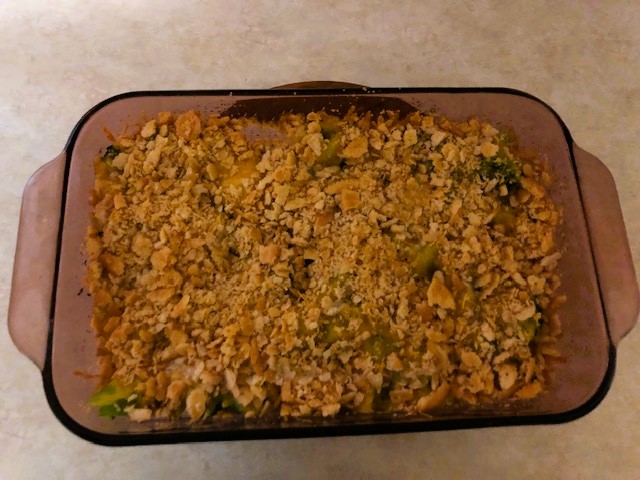
A restaurant near my home recently added broccoli casserole to their listing of side dishes. It’s delicious! I’ve ordered it three or four times before deciding to create my own version. It’s been a few years since I’ve made one because my husband doesn’t like broccoli. I can’t believe how well this new recipe turned out! It’s so easy! The longest part of the preparation was chopping the fresh broccoli florets and steaming them. It requires about twenty minutes to prepare, not including baking.
Preheat oven to 350 degrees.
INGREDIENTS
6 cups chopped fresh broccoli florets (3 heads)
½ teaspoon salt
½ cup shredded cheddar cheese
2 tablespoons shredded mozzarella cheese
2-3 slices Colby or American cheese
2 tablespoons butter, melted
Ritz crackers, about 15
In a medium saucepan, heat about ½ cup of water (should be enough water so that the water level is about an inch) to simmering boil. Add fresh broccoli, cover, and reduce heat to low and cook until almost tender or about 7 minutes.
(If using frozen broccoli, reduce the cook time to 4-5 minutes.)
Remove broccoli from heat. Drain.
Prepare a medium-sized casserole dish with cooking spray. Add the broccoli to the dish. Next, layer the Colby or American cheese (I used Colby) on top of the broccoli. It won’t completely cover the vegetable—it adds to the melted goodness of the other cheeses.
Next, sprinkle on the mozzarella cheese. Then sprinkle on the cheddar cheese. (You may not need the whole ½ cup, depending on the dish you use.)
Crumble the Ritz crackers over the top. Then drizzle the melted butter on top.
Bake in a 350 oven for about 20 minutes or until the crackers on top are lightly browned.
Delicious! The blend of the three cheeses absolutely melts in my mouth. It gives the casserole a bit of the creaminess that other recipes add with creamy soups or mayonnaise mixtures.
Since my husband doesn’t eat this vegetable, this side dish is sometimes my main meal for lunch. I love it and hope you will too.
Christmas dinner is a big meal at our house. We roast a turkey large enough to feed the family and provide leftovers for pot pies and sandwiches. There are plenty of side dishes with everyone’s holiday favorites. Dessert always includes at least pumpkin and chocolate pies. There are plenty of Christmas cookies too.
I thought this was a big meal until I read suggestions for Christmas dinners in an 1870s cookbook.
Here are the meats:
Clam soup, baked fish, Holland sauce;
Roast turkey with oyster dressing and celery or oyster sauce, roast duck with onion sauce, broiled quail, chicken pie
Salmon salad or herring salad, pickled cabbage, mangoes, French or Spanish pickles, Chili sauce, gooseberry catsup; and
Beets, sweet pickled grapes, and spiced nutmeg melon.
There were lots of dessert choices:
Christmas plum pudding with sauce, Charlotte Russe;
Pies—mince, peach, and coconut;
Cakes—citron, White Mountain, pound, Neapolitan, and French loaf;
Cookies—peppernuts, ladyfingers, centennial drops, almond or hickory nut macaroons;
Candy—coconut caramels, chocolate drops;
And even ice cream!—orange or pineapple
Beverage choices were coffee, tea, and Vienna chocolate.
If large families (grandparents, aunts, uncles, and cousins) prepared even a third of these dishes, they undoubtedly had one thing in common with us—leftovers!
Sources
Compiled from Original Recipes. Buckeye Cookery and Practical Housekeeping, Applewood Books, 1877.
When planning a family Christmas party, I decided to create a Christmas Tree as my veggie tray. It’s a popular appetizer with my family and I thought this would be a fun way to serve it.
Chopping and preparing the vegetables was the time-consuming part of this.
Prepare small florets of broccoli and cauliflower.
Slice a cucumber.
Cut celery into 3” inch stalks.
Slice carrots into discs.
Use grape tomatoes or cherry tomatoes as they are.
Slice a red pepper into thin strips.
Hint: If you are taking this veggie tray to someone’s home, put it together there as it will not stay as arranged on the car ride over.
I covered a large cookie sheet with aluminum foil as my serving dish.
Arrange broccoli with a few florets of cauliflower in a tree shape.
Possible ornaments are cucumber slices, carrots, and cherry tomatoes. I have a few family members who don’t like cucumbers or tomatoes, so I only used carrots as my ornaments.
Arrange red pepper strips as garland on the tree.
Celery stalks become the tree trunk.
Vegetables that some folks won’t eat can be stacked at the bottom of the tree to emulate gifts.
Tomatoes became the star on the tree.
As folks begin eating it, replenish the veggies to retain the “tree” shape. 😊
This was a hit at our Christmas party. It’s a fun way to encourage children to eat their veggies at a party!








 Sandra Merville Hart