Salem Election Cake

img_2422

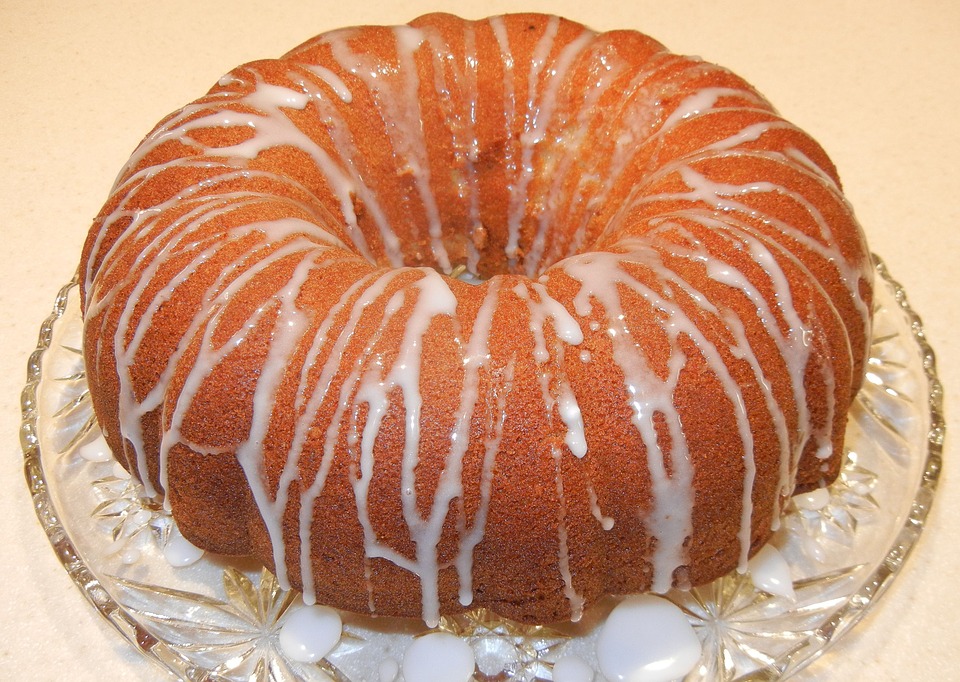
I ran across two recipes for Election Cakes in an 1877 cookbook. Both boasted that the recipes were over 100 years old. A recipe from the Revolutionary War era–what a fun discovery!

Election Day was a festive occasion as early as 1771. Pioneers celebrated the day with parades, balls, religious ceremonies, and food.

Some traveled far to vote. While folks awaited election results, they socialized. The best bakers loved to demonstrate their skills by participating in banquets. Ladies served huge Election Cakes with coffee and cider.

To get an idea of the quantity provided, one recipe called for thirty quarts of flour and fourteen pounds of sugar! Meant to feed a crowd, these cakes originally were a variation of fruitcake and bread.

My cookbook contained two different recipes for these cakes: Salem Election Cake and Old Hartford Election Cake. Wine, brandy, citron, and raisins were a few of the ingredients in the Hartford cake. The Salem recipe looked deceptively simpler so I tried to make this.
img_2414The original recipe, a simple listing of ingredients without instruction, calls for four pounds of flour—far too much for my needs so I cut that down to two cups.

It also called for a pint of yeast. The Hartford recipe gave measurements for distillery yeast; cooks had to use twice as much of home-brewed yeast. I ended up using far too much for the amount of dough.

My first attempt failed. The second try went better, but the cake failed to rise.
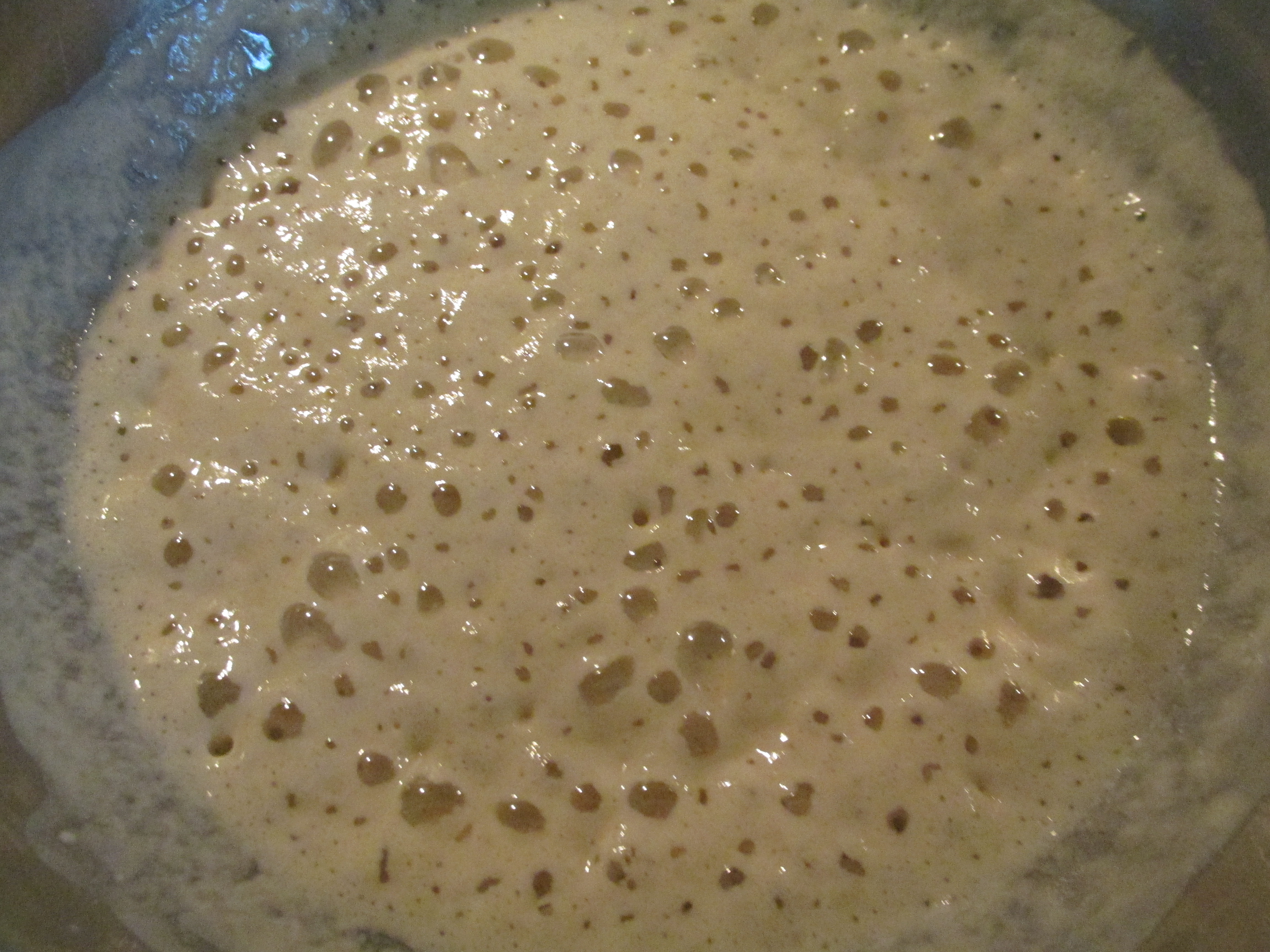
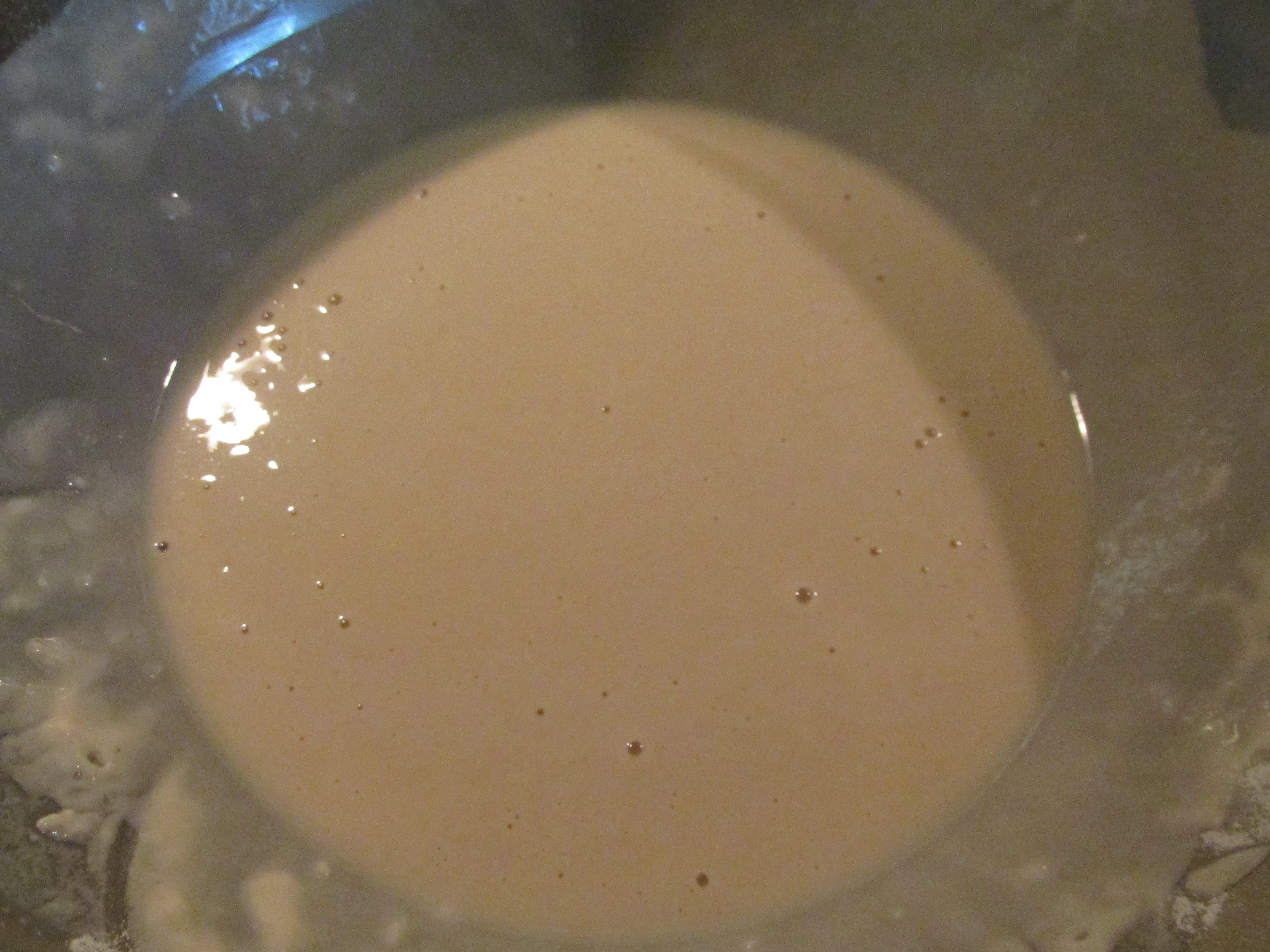
img_2417Then I found a recipe for sponge using our modern yeast on What’s Cooking In America. To ¾ cup warm water, two teaspoons of active dry yeast were added. After stirring, I added ¾ cup all-purpose flour and 1 tablespoon of sugar. This mixture was beaten for 2 minutes. I covered the bowl with plastic wrap and set in a warm place. It was bubbling in about 30 minutes.

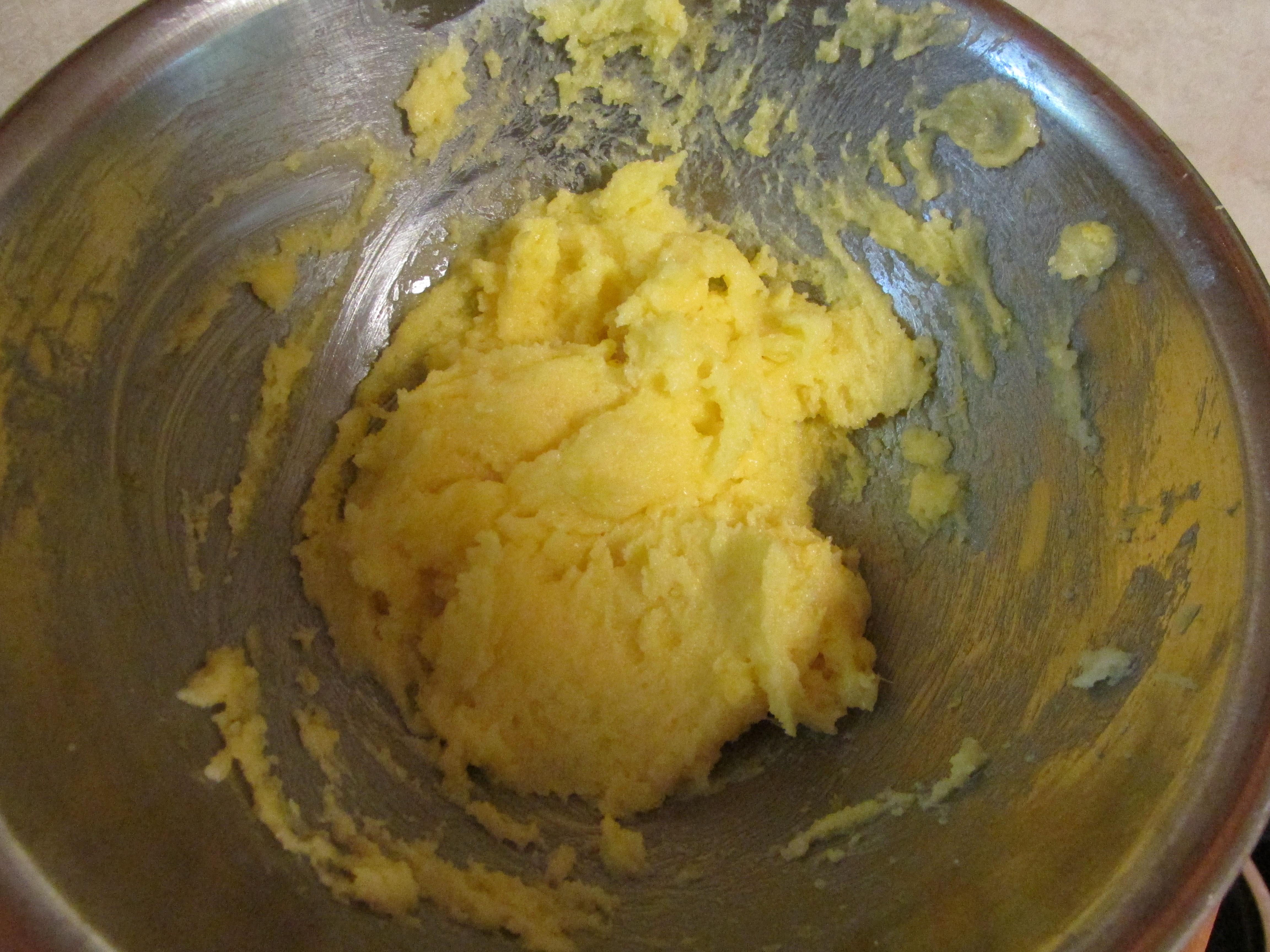
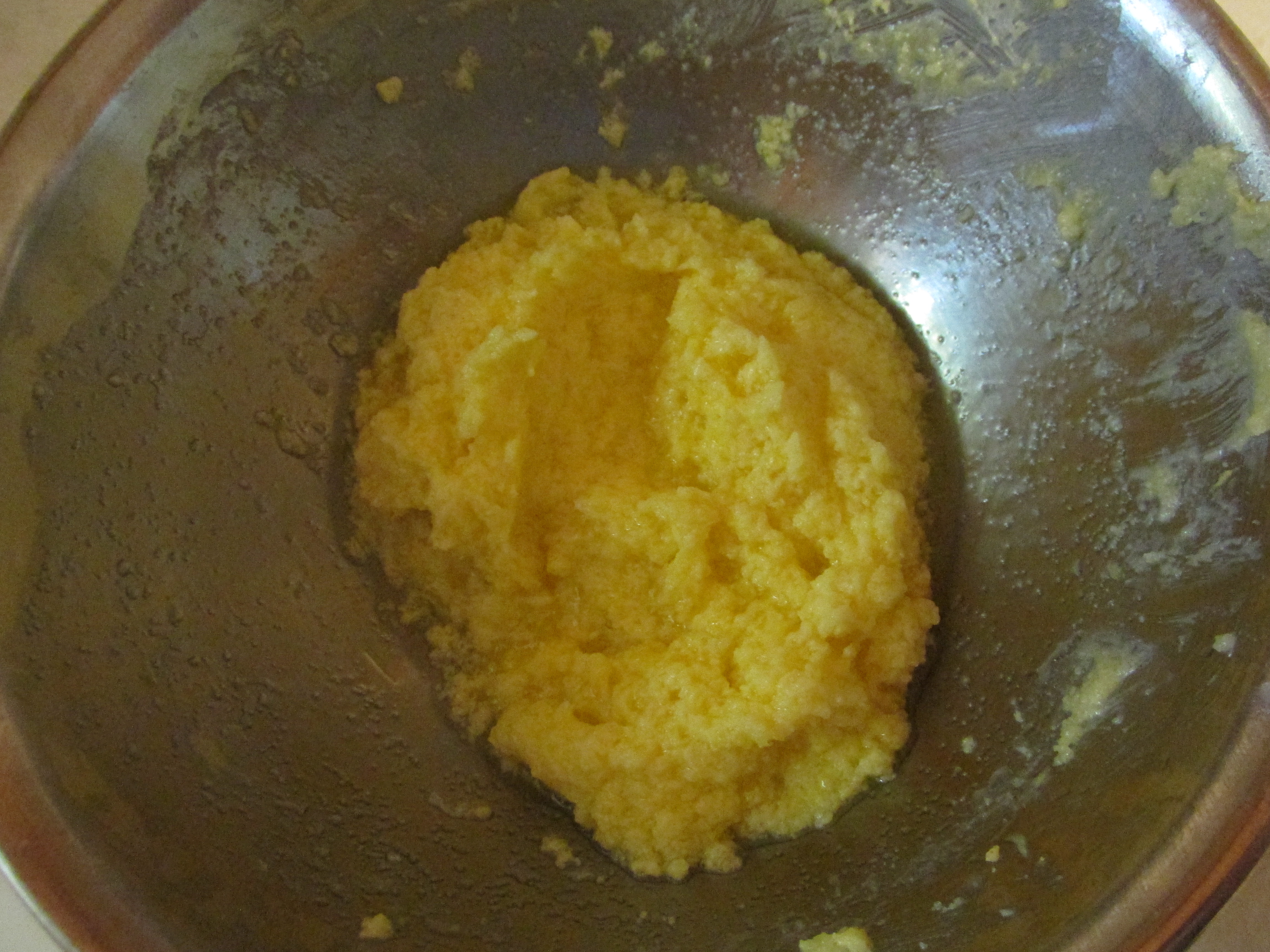
While waiting for the sponge, ¾ cup of sugar was creamed with 4 tablespoons of butter. Two beaten eggs were mixed into the creamed sugar.

The original recipe simply calls for “spice.” This leaves the spices and measurements to the imagination.

In a separate bowl, I combined 2 cups of flour, 2 teaspoons cinnamon, 1 teaspoon nutmeg, ½ teaspoon ground cloves, ½ teaspoon ginger, and 1 teaspoon salt.

Though the cake is described as a fruitcake, there is no mention of adding fruit.

After the sponge reached the bubbling stage, I added it to sugar mixture and stirred it together. Then the dry ingredients were stirred in a little at a time.

img_2420Place the cake into a pan before the final rise. I used a 13×9 pan. This looked way too large but the cake rises. It was covered with plastic wrap and set on a warm stovetop for three hours. The dough had doubled in size.

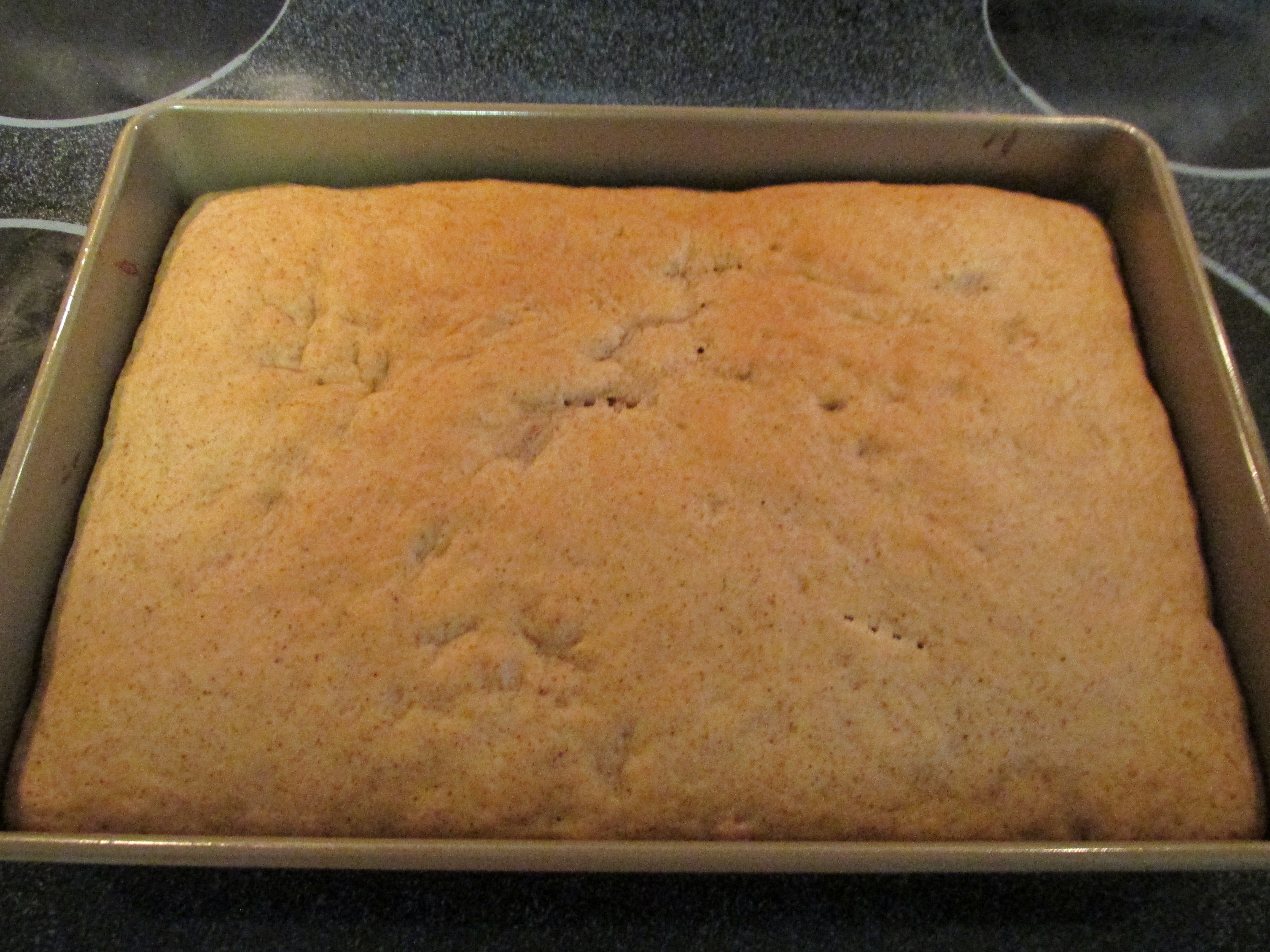
The cake baked in a 350-degree oven for twenty minutes. I liked the texture but it wasn’t spicy enough. Plums, raisins, and currants—well floured—were a few of the fruits in some early recipes. Adding one of these may be enough make a more flavorful cake.

Since this is cake/bread, no frosting was suggested in my cookbook. The addition of fruit might be enough.

Election Cakes seem to have gone the way of Election Day parades and balls. The recipe began disappearing from cookbooks around the 1940s.

Enjoy! I’d love to hear if you try this recipe.

-Sandra Merville Hart

Sources

Compiled from Original Recipes. Buckeye Cookery and Practical Housekeeping, Applewood Books, 1877.

“Election Day Cake and History,” What’s Cooking in America, 2016/10/09  https://whatscookingamerica.net/History/Cakes/ElectionCake.htm.

“Salem Dames, Election Cake, and More!” Salem Food Tours, 2016/10/09 http://www.salemfoodtours.com/2012/11/08/salem-dames-election-cake-and-november-news/#.V_rVVeArKM8.

“When Elections were a Piece of Cake,” Connecticuthistory.org, 2016/10/11  http://connecticuthistory.org/when-elections-in-hartford-were-a-piece-of-cake/.
Mark Twain Briefly Holds Property at Lake Tahoe


lake-tahoe-1606969_960_720

The Homestead Act of 1862 allowed United States citizens to file a claim for free federal land, up to 160 acres. This privilege allowed heads of households or adults 21 and over to pay a small registration fee and then live on that property continuously for five years. After that they owned the land. If the owner wanted quicker ownership, he paid $1.25 per acre after a six-month residency.

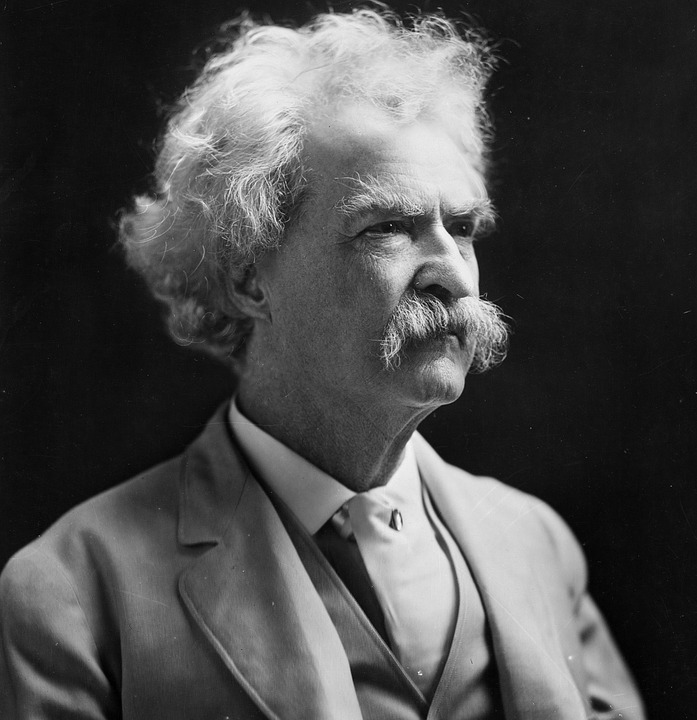
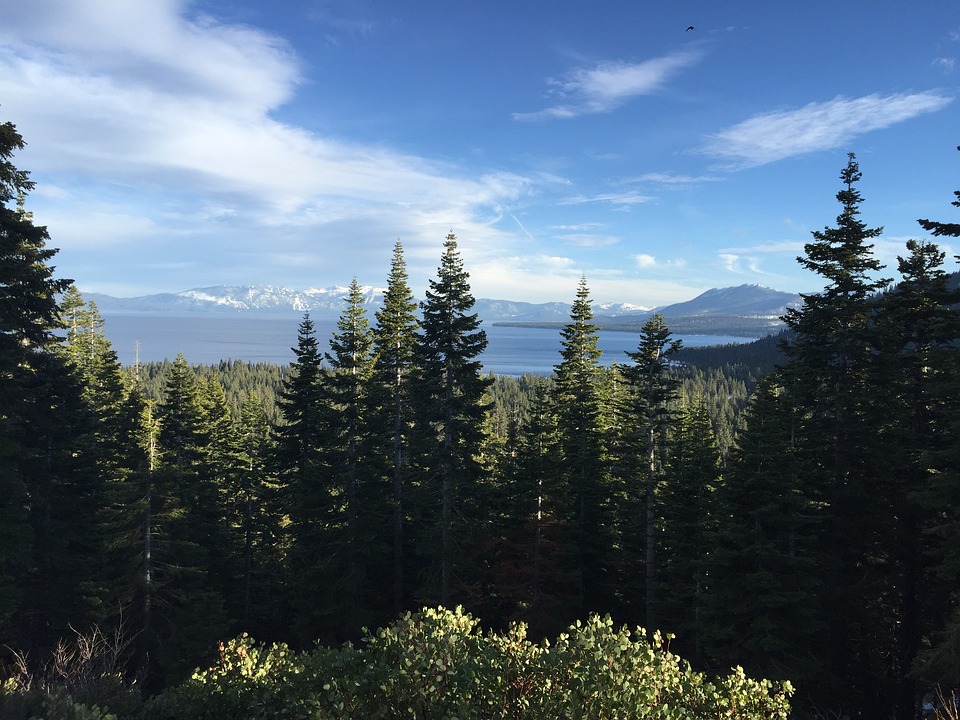
Mark Twain, along with a friend, set out for Lake Tahoe at the end of August with an axe strapped to his back. Brigade members, who were friends of theirs, had timber lands along the lake shore and a camp with provisions. Twain intended to take advantage of the law and build a wooden ranch while staying at the Brigade’s camp. Visions of wealth and dreams for a bright future put a spring in his step.

lake-tahoe-177933_960_720Twain described the bracing air at Lake Tahoe as being “the same the angels breathe.” While fishing in a boat, the clear water made the young men feel as if they floated on air.

After exploring the area, the friends claimed about three hundred acres of dense yellow pine timber land by posting notices on a tree. The next order of business to hold the land was to build a fence, or in this case, cut down trees so they fell to form an enclosure. After the men cut three trees apiece, they decided to “rest their case” there while hoping it was enough to meet the requirement.

lake-tahoe-1697573_960_720Then they turned their attention to building a log home that would be the envy of the Brigade property owners. The first log took so long to trim that the friends decided to build a sapling home. That proved to be a lot of work as well so they settled on a brush house and began living on their new property.

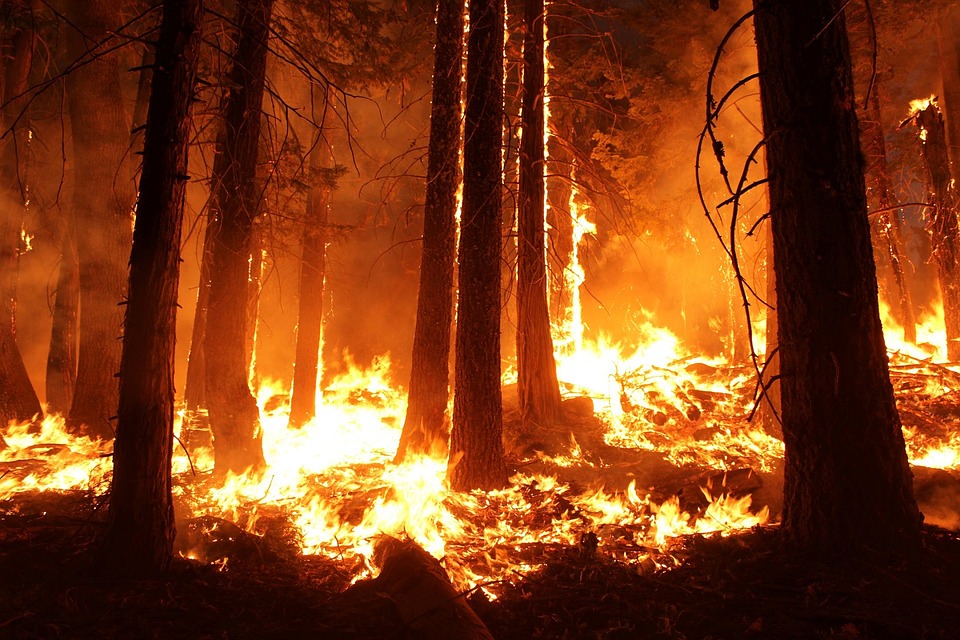
fire-1650781_960_720One evening, Twain lit a fire and then went to retrieve his frying pan to cook bacon for supper. In that short time, the fire took off “galloping all over the premises!” He and his friend, Johnny, retreated to a boat to watch helplessly as dry pine needles lit with fierce speed. Flames roared up nearby ridges.

wildfire-1105209_960_720The fire mirrored in the lake where a horrified Twain sat in his boat. His house and fence were burned up with no insurance. Provisions were gone but the blankets had been in sand and so were saved.

They returned to the Brigade’s camp and ate their provisions. Then Twain and Johnny returned to Carson to explain what happened to the Brigade owners, who forgave them after the pair paid the damages.


-Sandra Merville Hart


Sources

“Homestead Act,” History.com, 2016/09/29 http://www.history.com/topics/homestead-act.

“Homestead Act,” The Library of Congress, 2016/09/29 https://www.loc.gov/rr/program/bib/ourdocs/Homestead.html.

Twain, Mark. Roughing It, Penguin Books, 1981.

The Substitute Wife by Amanda Barratt – a Review

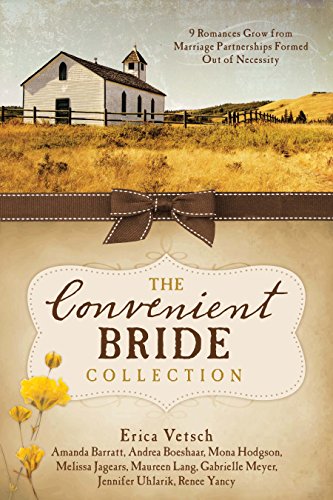
51clsivd2hlPart of the Convenient Bride Collection

The Substitute Wife by Amanda Barratt

Grace is the plain sister, the unnoticed one who can never hope to match the beauty of her sister, Audrey. Grace works as Audrey entertains her fiancé, Dr. Raymond McNair.

When Audrey leaves a note for the family and Raymond next to her wedding gown not to look for her, the humiliation felt by all leads to Grace walking down the aisle with Raymond.

Grace’s hopes that her new husband will fall in love with her are dashed when the unthinkable happens.

The setting and characters are believable and lovable in this enjoyable historical romance.

-Review by Sandra Merville Hart

Amazon

Apple Custard

img_2382

A recipe in an 1877 cookbook for Apple Custard looked delicious. Since I had never made this type of custard, I decided to try it.

Mrs. G.W. Hensel of Quarryville, Pennsylvania, provided this recipe that calls for “mashed stewed apples.”

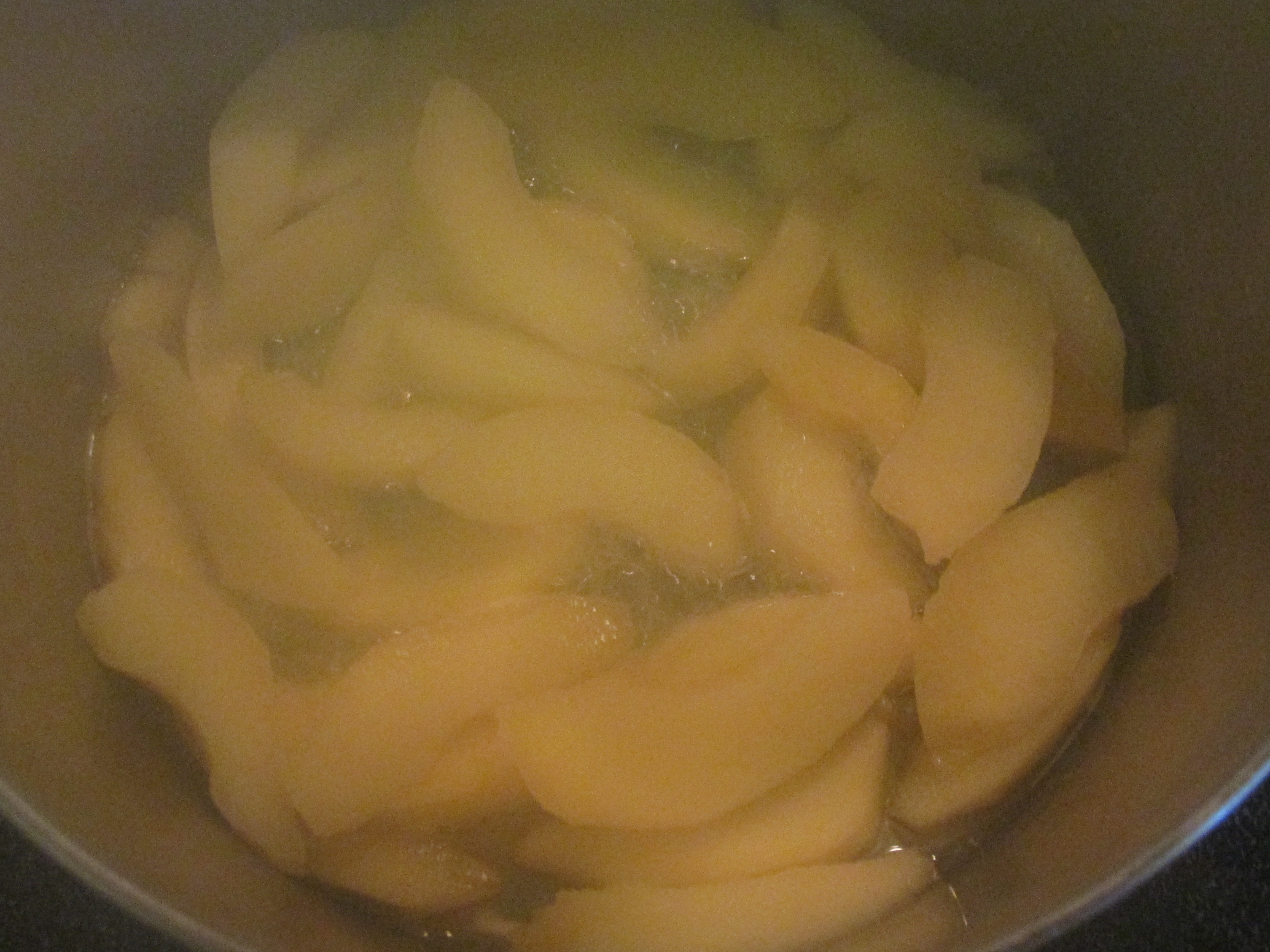
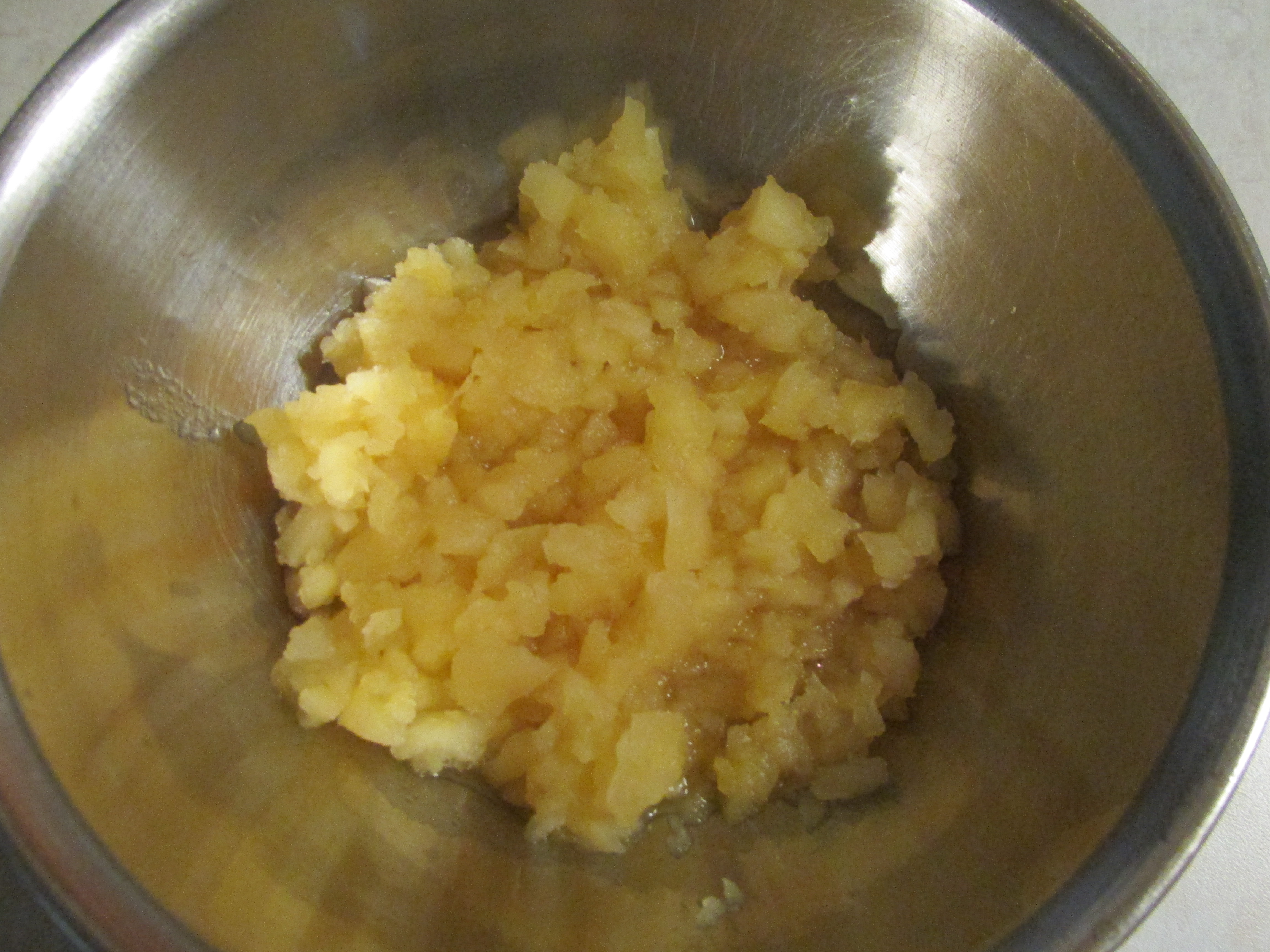
img_2380Eight ounces of apple slices cooked in water over medium heat for about fifty minutes. I replaced water as needed because the apples ran dry a few times. They cooked  until soft enough to mash. I set aside the apples to cool for a few minutes after mashing them.

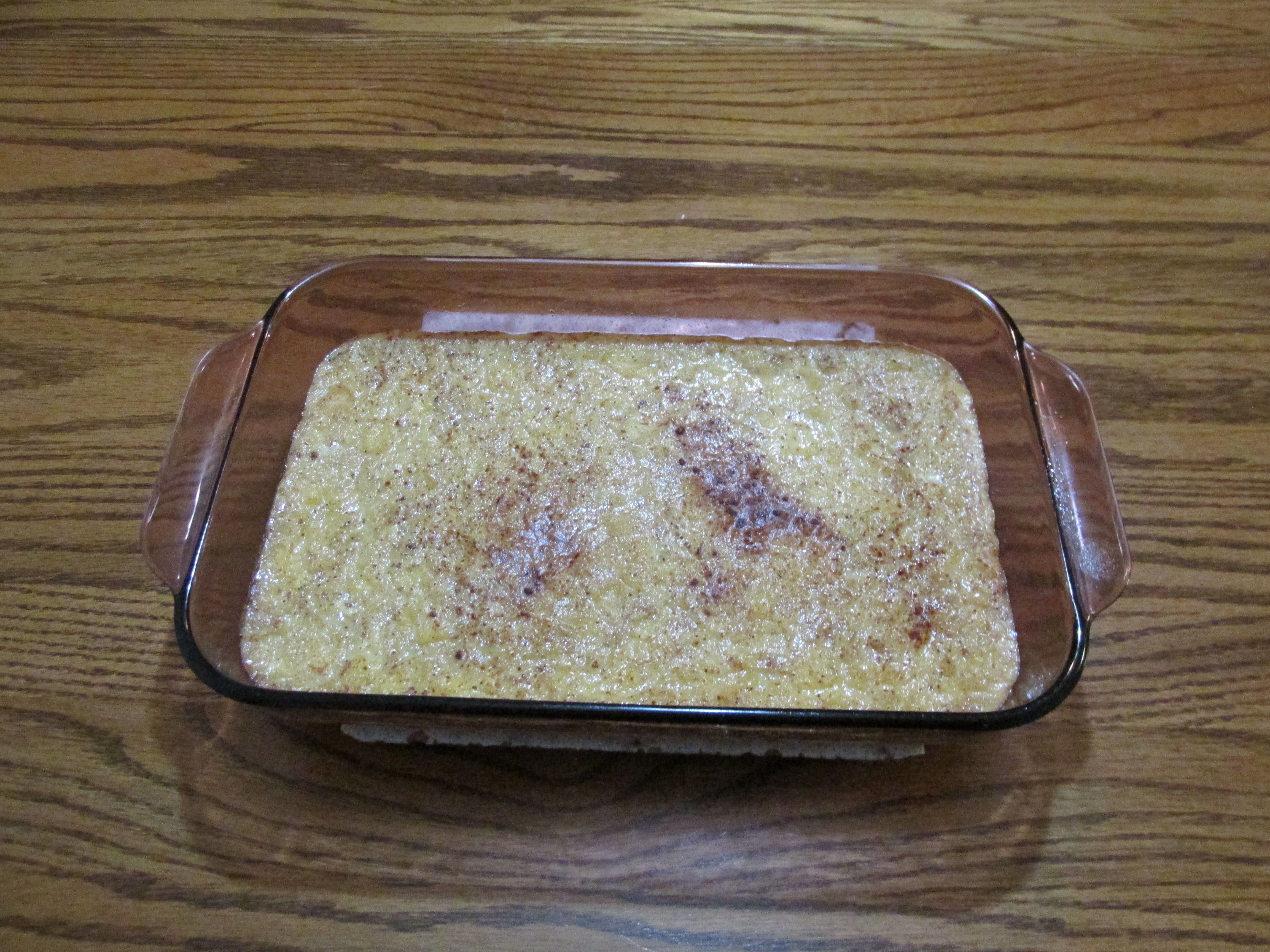
img_2381Add a half cup of sugar to the apples. Stir in one cup of milk and two beaten eggs. I interpreted a “little nutmeg” as a ½ teaspoon. Though it didn’t call for cinnamon, I added about ¼ teaspoon for a bit of added flavor. Then I sprinkled a little on the top for good measure.

Mrs. Hensel instructed cooks to bake the custard slowly. I set the oven to 300 degrees and hoped that was slow enough.

That temperature seems to work. It was very softly set after 45 minutes of baking. I left the custard in the oven for another 10 minutes when it was a bit firmer. After the custard cooled, I saw that it needed more time in the oven, maybe 30 additional minutes or more.

In addition to a longer baking time, the dessert also needed more apples. Next time I will try twice as many apples to the same ratio of other ingredients to see if the taste and texture improve. This one didn’t work for me.

Good luck! I’d love to hear if you try this recipe.

-Sandra Merville Hart

Sources

Compiled from Original Recipes. Buckeye Cookery and Practical Housekeeping, Applewood Books, 1877.


Mark Twain Writes of a “Soda Lake” on the Oregon Trail


oregon-264458_960_720

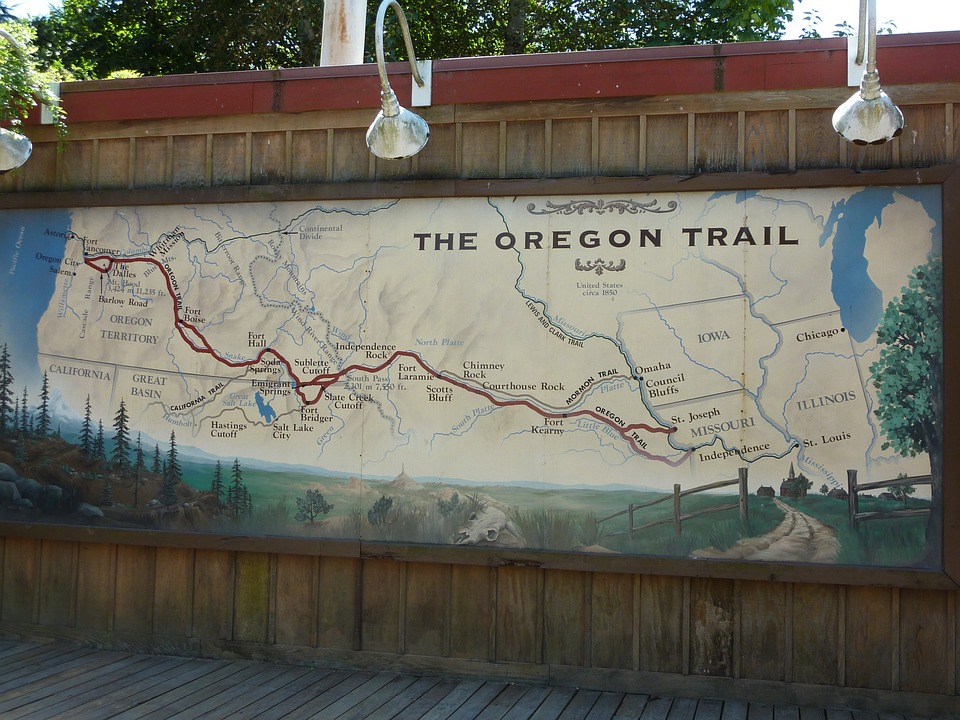
Mark Twain wrote of traveling by stagecoach on the Oregon Trail. One of the fascinating sights he talked about was a dry lake he called “Alkali” or “Soda Lake.” He saw these after passing Independence Rock, located in what is now Alcova, Wyoming.

img_2270The stagecoach driver informed him that Mormons traveled from Great Salt Lake City with wagons to shovel pure saleratus from the dry lake. The driver had seen them haul away two wagon loads a few days before Twain passed by. The Mormons sold the drug for twenty-five cents a pound, a nice profit for a product that cost only their labor.

Carried by the wind, the white powder blew into the travelers’ faces, irritating their eyes. Some early pioneers described the strong odor as smelling like lime or having an “acrid caustic smell.”

baking-soda-768950_960_720The shallow lakes were sometimes dry but might not be depending on the season. The water could be poisonous; animals that refused to stay away from it sometimes sickened and died from drinking it.

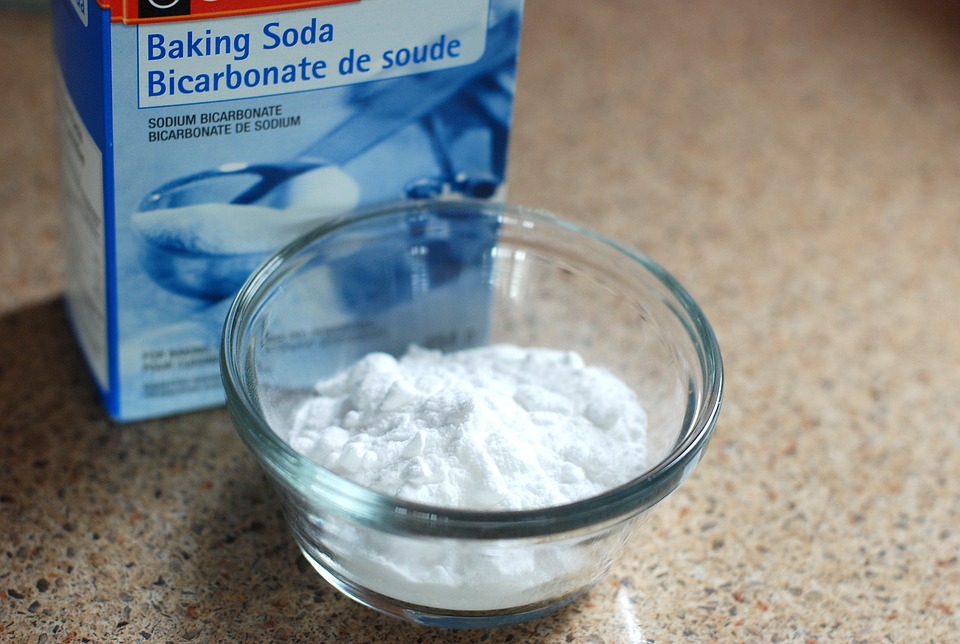
Saleratus, or bicarbonate of soda, is a white substance we know as baking soda. Bakers use it as a leavening agent for biscuits, pancakes, cakes, and cookies.

cake-596918_960_720When mixed with water, sodium bicarbonate may treat heartburn and acid indigestion but this comes with a caution: don’t use on a regular basis as an excess may cause Alkalosis.

Make a paste of baking soda and water to relieve pain of burns, insect bites, and stings. This paste also treats the itch caused by allergic reactions to poison oak, poison ivy, and poison sumac—or add a cup of baking soda to bath water.

Baking soda has been used in toothpaste for years and my mother used baking soda and water to brush her teeth when growing up.

mark-twain-391112_960_720What Twain called “Soda Lake” is now known as Playa Lake or Saleratus Lake and is easily seen from Independence Rock.

-Sandra Merville Hart


Sources

“Saleratus Lake,” The Wyoming State Historical Society, 2016/09/27 http://www.wyohistory.org/encyclopedia/saleratus-lake.

“Sodium bicarbonate,” The Free Dictionary by Farlex, 2016/09/27 http://medical-dictionary.thefreedictionary.com/saleratus.

“Sodium bicarbonate,” Wikipedia, 2016/09/27, https://en.wikipedia.org/wiki/Sodium_bicarbonate.

Twain, Mark. Roughing it, Penguin Books, 1985.


Carolina by Yvonne Lehman

41D5DWV4VEL._SX306_BO1,204,203,200_

Carolina: Mountain Man, Smoky Mountain Sunrise, Call of the Mountain, Whiter Than Snow (Inspirational Romance Collections)

Each of these stories are set in the Blue Ridge Mountains of North Carolina. They will make the reader experience all the emotions felt by believable characters. I enjoyed every story.

Four touching novellas by an award-winning author!

-Review by Sandra Merville Hart

Amazon

Lemon Butter

img_2376

A recipe in an 1877 cookbook for Apple Butter called for a barrel of new cider and three bushels of apples. At a loss to make that a workable size for a family, I kept searching and saw a recipe for Lemon Butter.

To my knowledge, I’ve never tasted this or even seen this sold in stores.

I combined ½ cup of sugar with two egg yolks. The zest and juice of one lemon was added to this mixture and placed in a kettle.

I used 4 tablespoons of butter for an amount “the size of two eggs.” In reality, it was probably twice that amount but we modern cooks love to cut down on fat and calories. I hoped it was enough.

img_2364The unmelted butter was added to the kettle. The instructions were to boil the mixture ten minutes so I set the burner to a medium high heat.

Bad idea.

Even with constant stirring, what started out as a pleasant yellow batter quickly scorched. After five minutes of boiling, the contents of the pan more resembled chocolate pudding. Needless to say, the whole mess ended up in the garbage with the pan soaking in the sink.

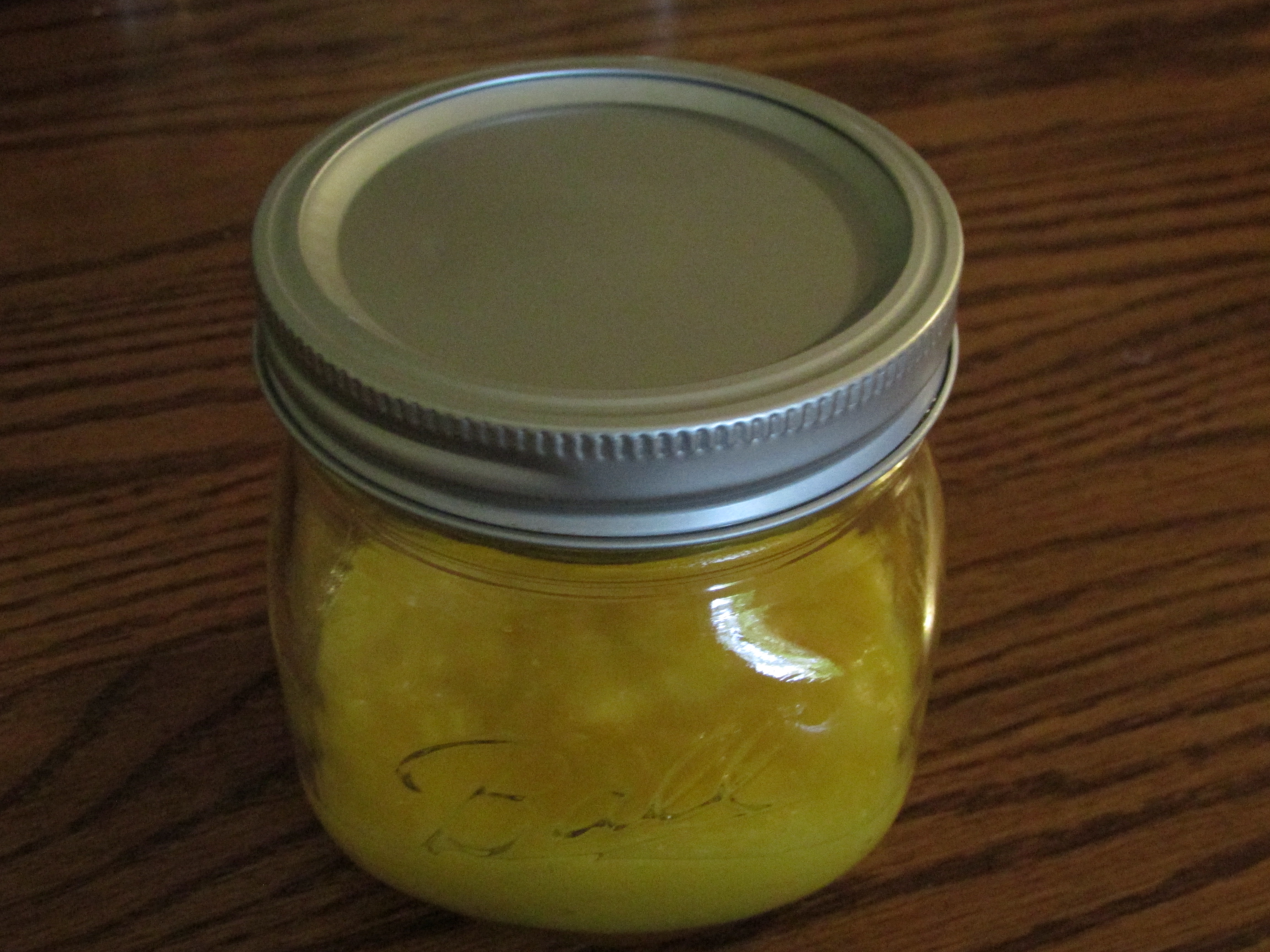
img_2368My second try saw a couple of changes. The ratio of ingredients was kept exactly the same. This time I creamed the sugar and butter together first. Beaten egg yolks were then added. After that, the zest and juice of one lemon were stirred into the mixture.

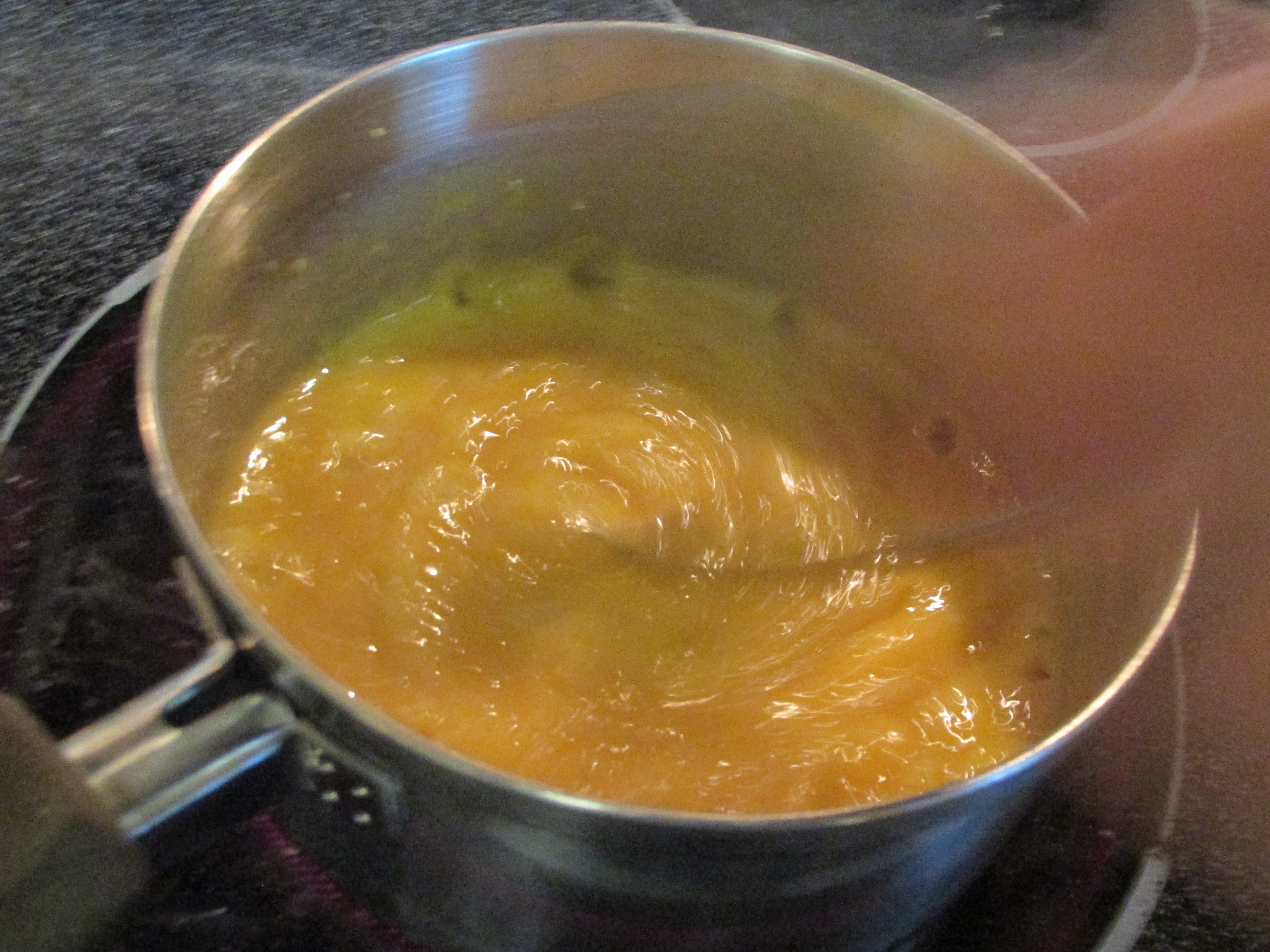
The burner started on a medium heat until the lemon butter began to bubble gently. Stirring constantly, the heat was lowered to maintain gentle simmering every time it started boiling harder. I cooked it for five minutes.

The butter didn’t scorch this time. I poured it into a pint-sized jar as it apparently keeps a long time. As you can see from the photo, it did not make a large quantity. The recipe suggested using lemon butter in tarts; this quantity would make one small tart.

img_2371Though the thick butter tastes delicious, I will double the butter added to the recipe the next time I make it. The lemon juice enhances the flavor yet loosens the batter. The extra butter should improve the consistency.

Good luck! I’d love to hear if you try this recipe.

-Sandra Merville Hart

Sources

Compiled from Original Recipes. Buckeye Cookery and Practical Housekeeping, Applewood Books, 1877.