Finding Treasures Along Historic Route 66

img_2236


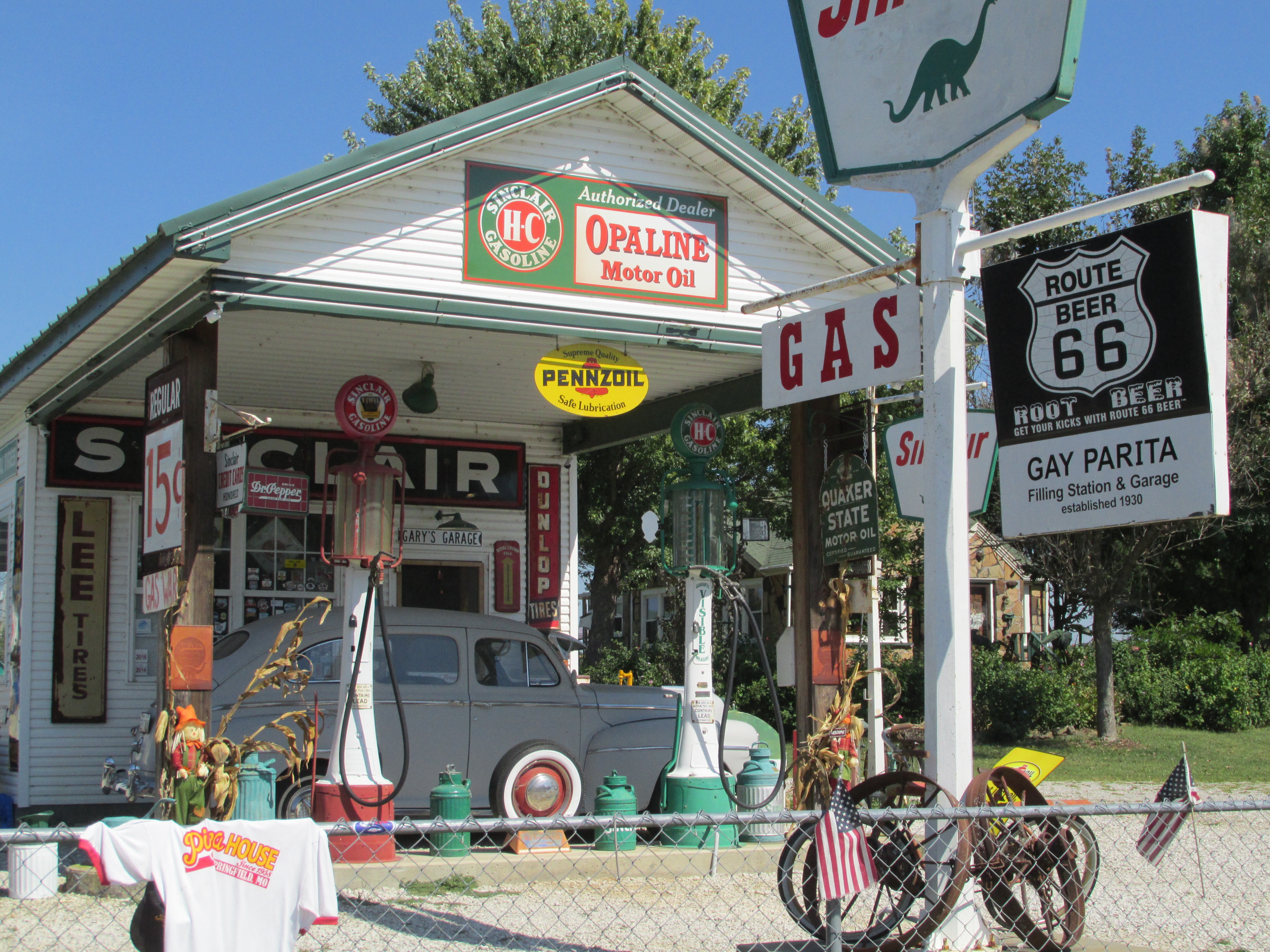
My husband and I set aside a day to explore the historic Route 66 on a recent vacation to Missouri. I hoped to find an old diner for lunch and experience a small part of what those early travelers found along the way.

The historic route began in Chicago, Illinois, and wound through eight states until it reached Los Angeles, California. Besides Illinois and California, the route went through Missouri, Kansas, Oklahoma, Texas, New Mexico, and Arizona.
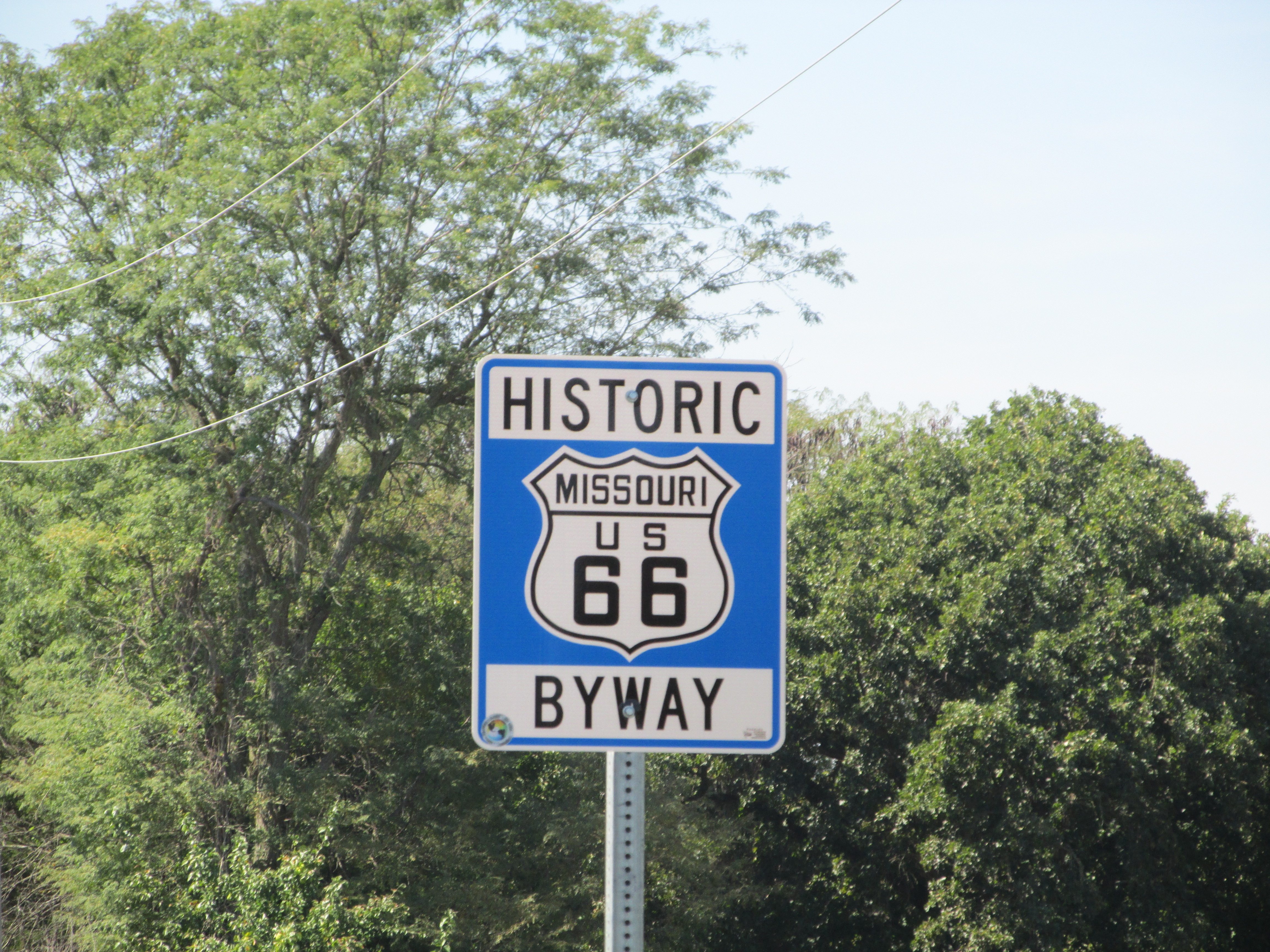
img_2233The road, which opened in 1926, spans over 2,300 miles. The greatest stretch of miles is in Oklahoma with 432; with only 13 miles, Kansas has the smallest distance covered.

Missouri, where my husband and I vacationed, contained 317 miles in its heyday. We picked up the route, which follows other state routes, at Springfield and quickly discovered lots of farms, cattle ranches, and small towns. I began to think that my hopes of eating at an old diner were not to be realized.
img_2242The towns on this historic section of Route 66 likely boasted of gas stations, motels, restaurants, and attractions that have long since closed. Once the interstates removed traffic from this route, the small businesses lost the majority of their customers and shut down.


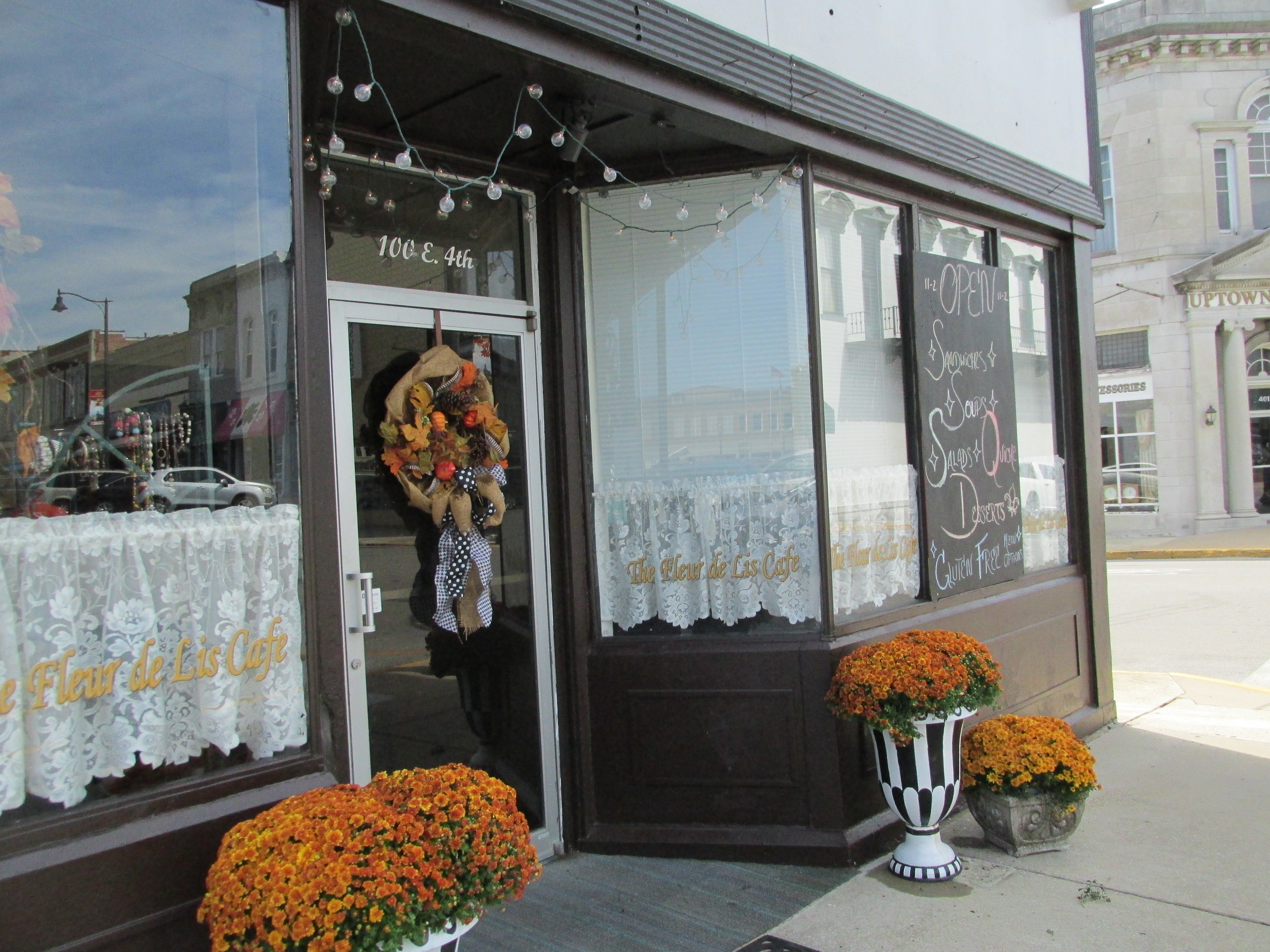
img_2247Our journey led us to the city of Carthage, Missouri. We quickly discovered that a Civil War battle that preceded the Battle of Bull Run took place in the town square. We ate at a quaint French café in the square that, though it wasn’t there at the time of the Route 66 travelers, delighted us with its friendly owners and menu. A motel, Boots Court, was a popular stopping place for weary travelers. The motel serves customers today and is being restored by current owners.

So we found unexpected treasures along the way in a few hours that convinced me there is more to be discovered.

The National Park Service has a website that lists a few of the old locations within each state along the historic route.

Though the entire route does not exist any longer, travelers can drive along the interstates to pick it up again in a few miles. It can take from two weeks to a month to drive it this way, depending on how much time is spent in different locations.

If your plans take you near the Historic Route 66, consider adding a few travel hours into the schedule and get off the highway for a little while. Check out the National Park Service’s listing for some diners or motels still in operation, and go back in time for a day.

-Sandra Merville Hart

Sources

“Historic Route 66 Travel Guide,” Route66Guide, 2016/09/26 http://www.route66guide.com/.

“Route 66 Map,” National Park Service, 2016/09/26 https://www.nps.gov/Nr/travel/route66/maps66.html.

 

One-Two-Three-Four Pudding

img_2358

I came across a fun recipe while leafing through an 1877 cookbook for One-Two-Three-Four Pudding. The title intrigued me enough to try it. I’m glad I did.

Mrs. C.A. Malin’s recipe calls for one cup of butter, two cups of sugar, three cups of flour, and four eggs. I’m guessing this combination gave the pudding its unique name.

Cream the sugar and butter together. Beat four eggs in a separate bowl then add to sugar and butter. Add one cup of milk and stir until blended.

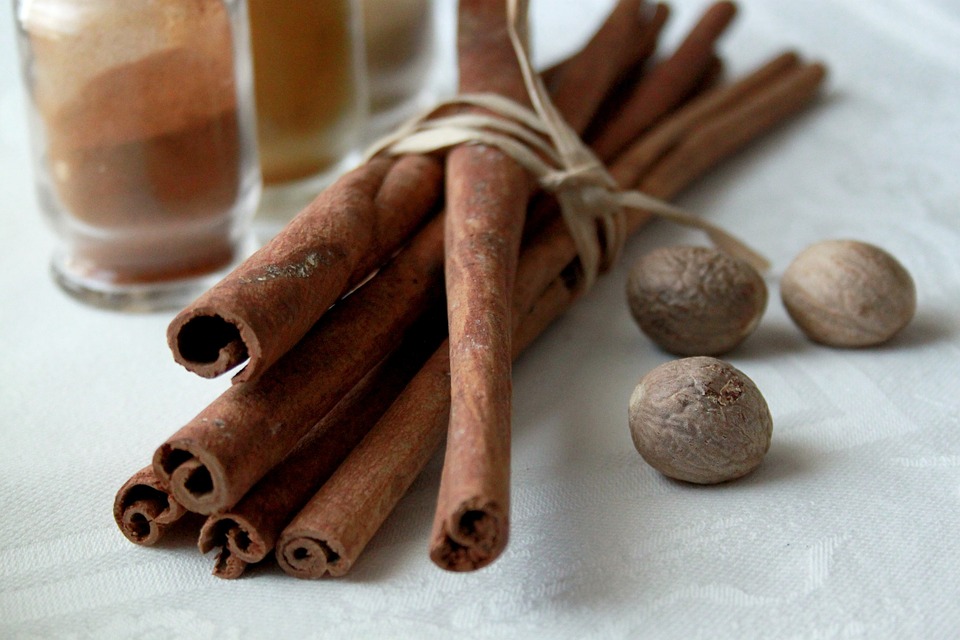
spices-834114_960_720Combine flour (I used all-purpose flour) with two teaspoons of baking powder. Stir in one teaspoon of nutmeg, the stir into the wet mixture. It will be a thicker consistency than cake batter.

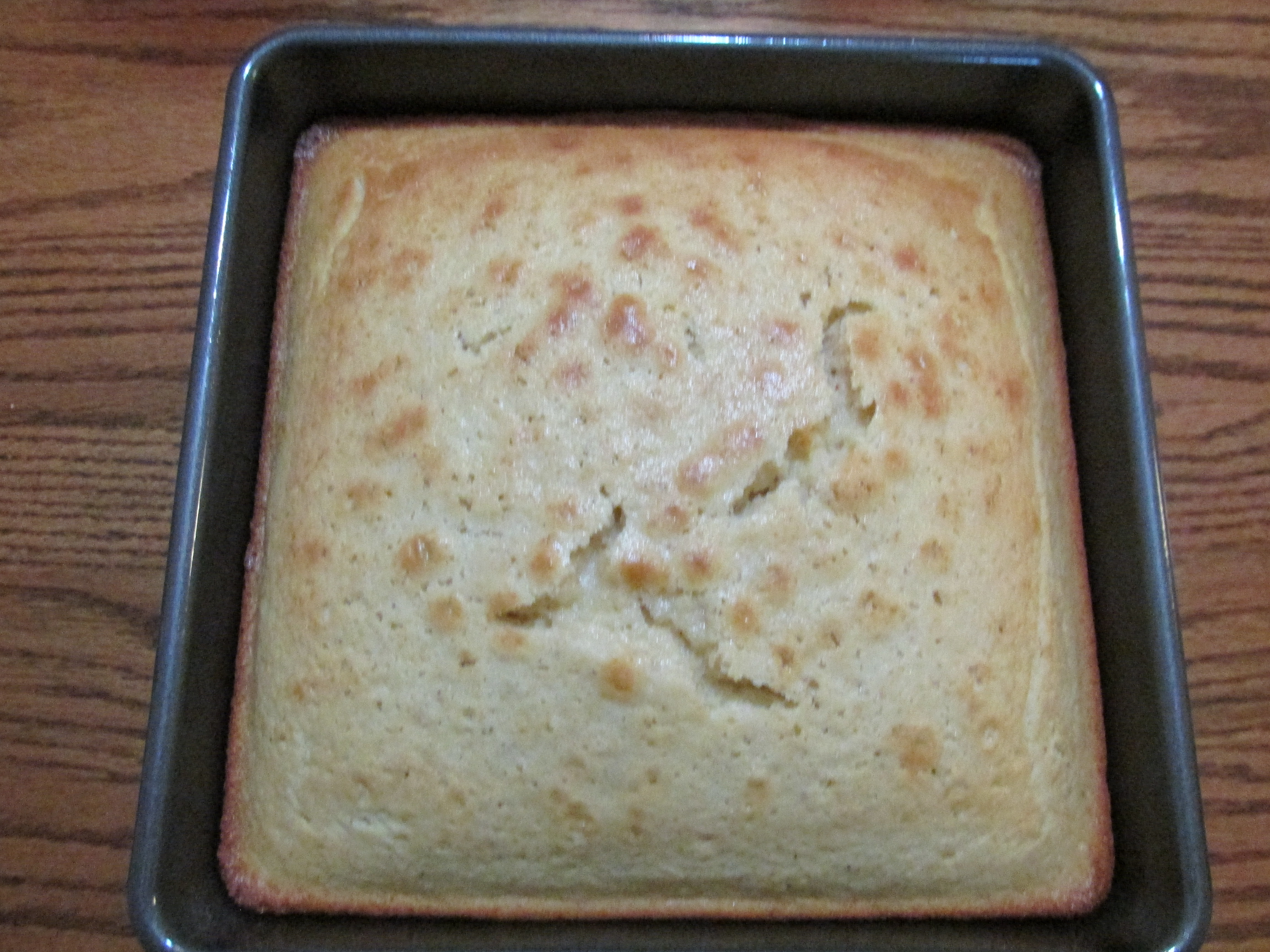
The recipe just said to bake the pudding in a cake or pudding mold. I baked mine in an 8×8 cake pan at 375 degrees until it was lightly browned, about thirty minutes.

Leave the baked pudding in the pan or mold until the next day. Then steam it over a kettle of boiling water for forty-five minutes. I had never done this before, but the pudding turned out very moist.

Mrs. Malin also suggest topping the pudding with hot sauce. I don’t think she meant something with jalapenos!

Another recipe had a suggestion for pudding sauce. I creamed together 4 tablespoons of butter and ½ cup of sugar. Then the baker could choose between adding nutmeg, vanilla extract, or lemon. I chose lemon.

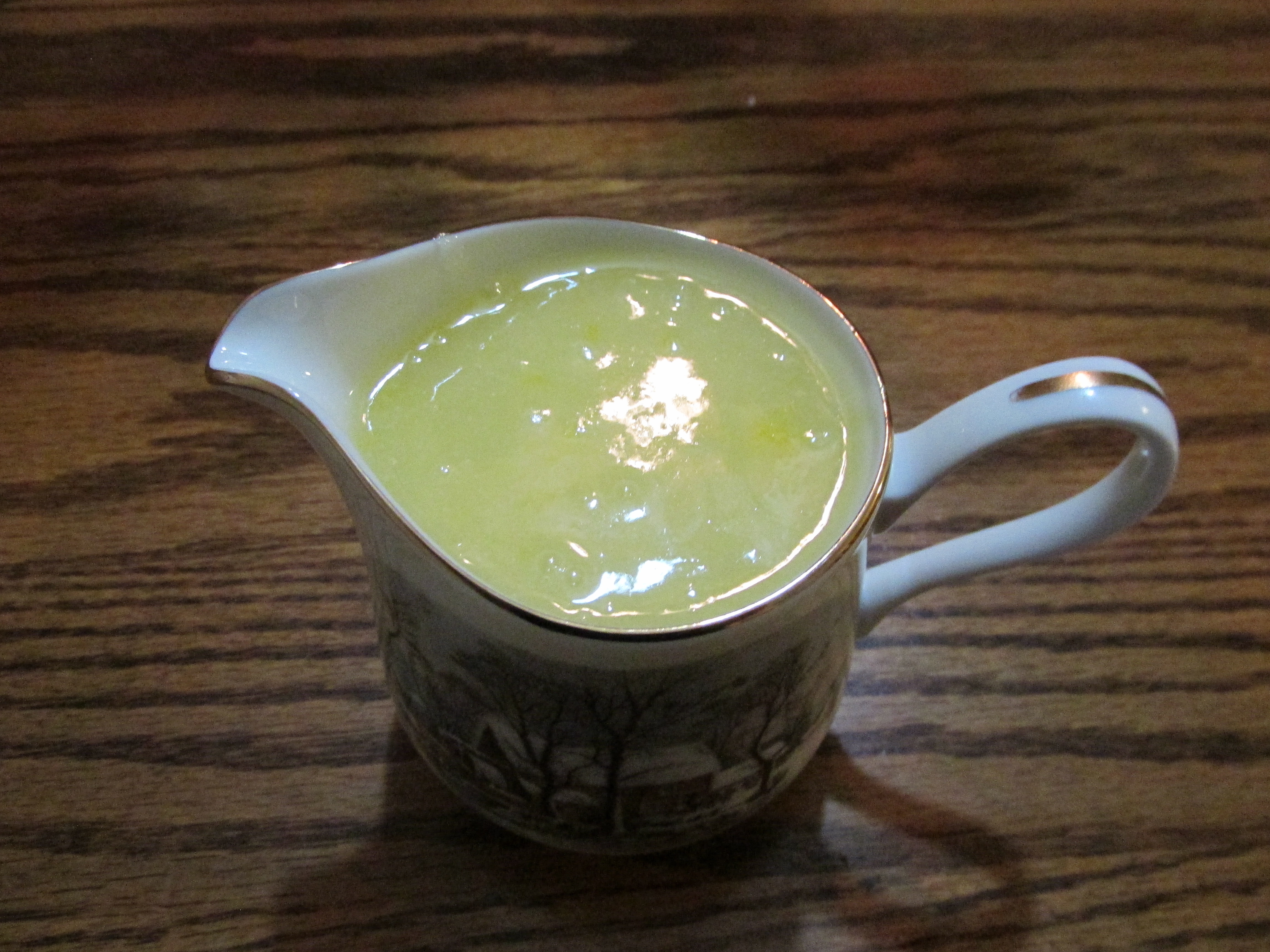
img_2361I added the zest and juice of one lemon. (Next time I will cut the juice to ½ a lemon because it was a strong lemony flavor.) I creamed all this together and heated it in a kettle, stirring constantly. The warm sauce was then poured over individual servings.

I loved it, but the lemony sauce hid the nutmeg flavor of the pudding. When I ate the pudding with no sauce, the pleasant nutmeg made this a yummy dessert for me. I didn’t add any cinnamon to the pudding and didn’t think it needed it.

I’d love to hear if you try this recipe!

-Sandra Merville Hart


Sources

Compiled from Original Recipes. Buckeye Cookery and Practical Housekeeping, Applewood Books, 1877.


Siege of Chattanooga

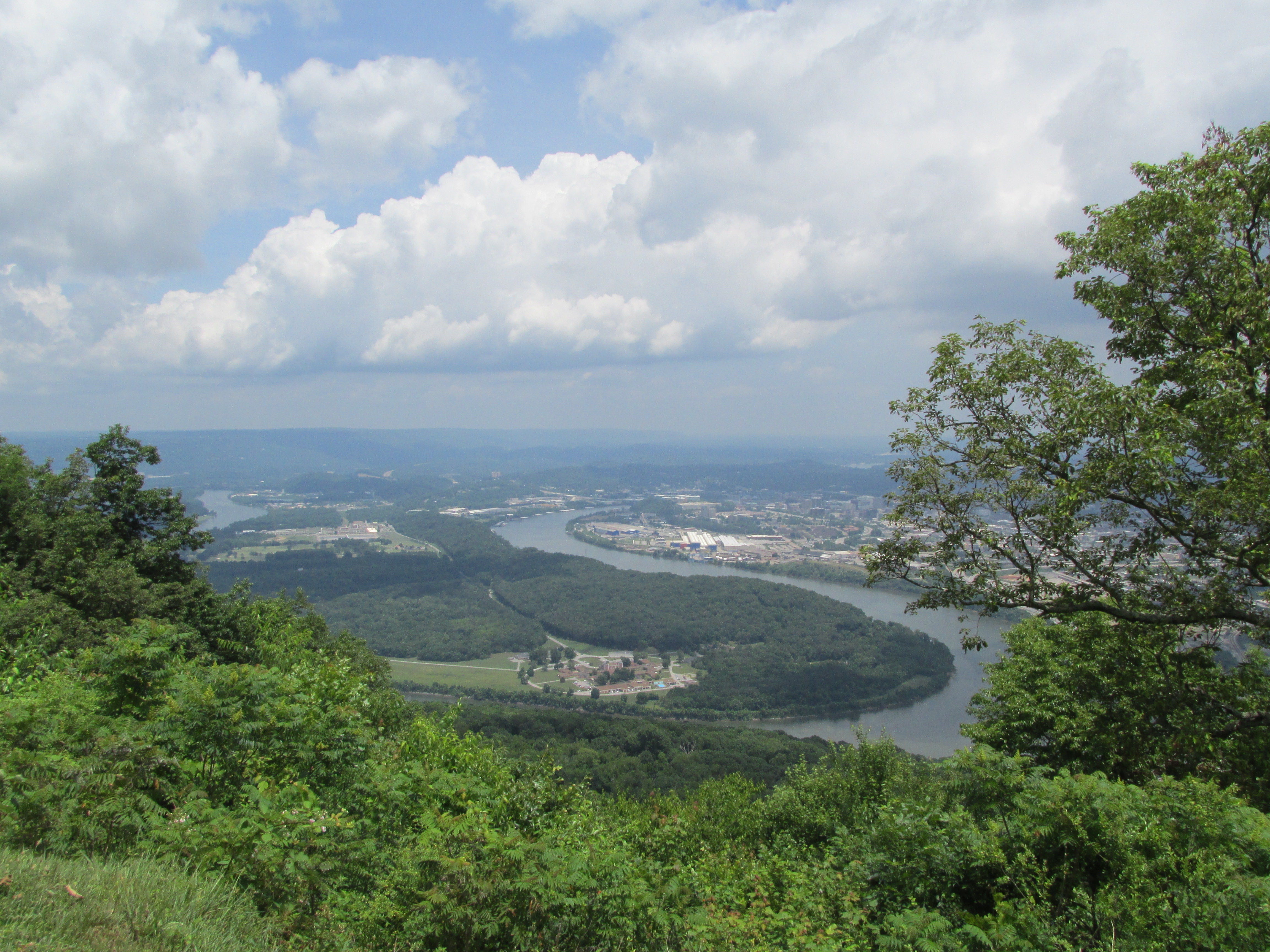
Beautiful view of the Tennessee River and Chattanooga from Point Park on Lookout Mountain

Beautiful view of the Tennessee River and Chattanooga from Point Park on Lookout Mountain

After the Confederates won the Battle of Chickamauga in September of 1863, Union generals anticipated an attack in Chattanooga. Those not working to build up fortifications waited in lines of battle to ward off an attack.

Another major battle didn’t come though some fighting erupted as the two armies met again. Southern soldiers took up positions on Missionary Ridge, which rose to about six hundred feet and formed a wall on the east side of Chattanooga. On the west side of the valley stood the impressive Lookout Mountain. Union General Rosecrans withdrew his troops from this mountain on September twenty-fourth.

Confederate cannons at Point Park Lookout Mountain with a view of Chattanooga and the Tennessee River in the background

Confederate cannons at Point Park Lookout Mountain with a view of Chattanooga and the Tennessee River in the background

The Confederate Army immediately occupied the dominant mountain that rose over two thousand feet above sea level. The southerners placed sharpshooters and artillery along the Tennessee River valley.

This blocked the flow of supplies to the Union Army in Chattanooga and placed them under siege.

Union soldiers waited anxiously for a truce to retrieve the wounded from Chickamauga and bury the dead. Confederate General Bragg allowed Union General Rosecrans to send ambulances and hospital supplies to the thousands of Northern wounded. These ambulance wagons crossed into Confederate lines where southern soldiers took over, picked up the wounded, and returned them as paroled prisoners of war.

Those who stood guard on the picket lines of both sides agreed not to fire on each other. This truce brought about socializing between the soldiers of both lines. They began trading coffee and tobacco or swapping newspapers. Soldiers crossed picket lines to play cards together, building tentative friendships that couldn’t last.

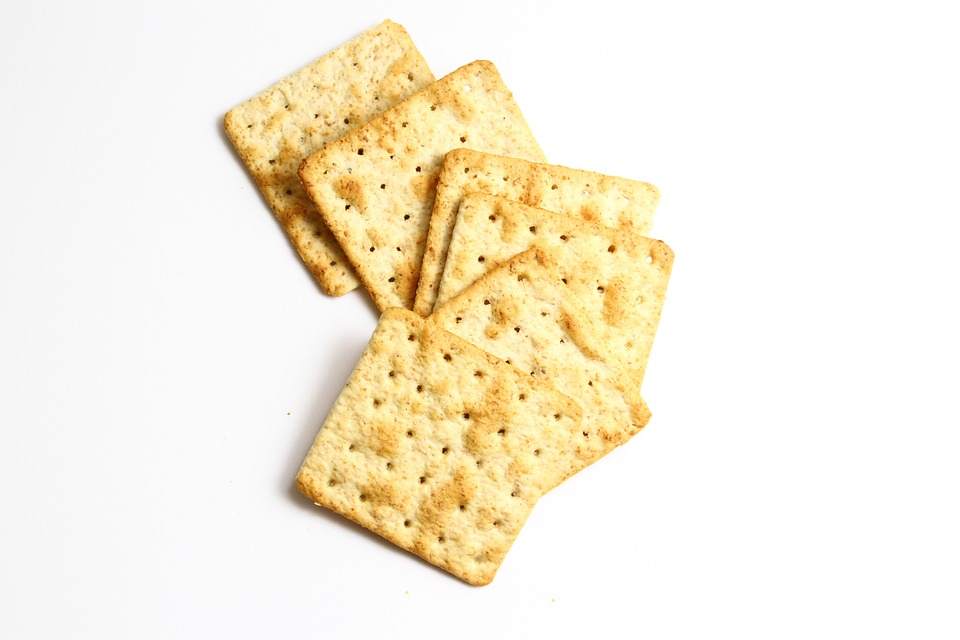
biscuit-crackers-973915_960_720Union supplies dwindled. Soldiers received half-rations of food. They built fortifications and worked harder than normal, but no one received sufficient food. This affected the animals. Mules and horses, so important in moving artillery and supply wagons, started dying by the dozens.

When the food was cut to quarter-rations, many wondered if they would all starve to death in Tennessee. Men lost too much weight to be healthy.

Ipresident-391121_960_720n mid-October, leaders in Washington combined the Departments of the Ohio, the Tennessee, and the Cumberland into the Military Division of the Mississippi and chose General Ulysses S. Grant to command it. Rosecrans was relieved of his command. Maybe Grant could unlock the siege and open supply lines.

IMG_0127After Union troops captured Brown’s Ferry, a supply route to provide food opened. The soldiers called it the “Cracker Line” for the hard squares of bread known as hard tack, a staple in their diet. A few days later, jubilant soldiers drew full rations. Only after stomachs were satisfied did some realize their dire circumstances. Before the shipment arrived, only four boxes of hard tack remained in the commissary warehouses.

Only then did they realize how close to starving the Union Army had come.

-Sandra Merville Hart

Sources

Korn, Jerry. The Fight for Chattanooga: Chickamauga to Missionary Ridge, Time-Life Books, 1985.

Sword, Wiley. Mountains Touched with Fire: Chattanooga Besieged, 1863, St. Martin’s Press, 1995.

Woodworth, Steven E. Six Armies in Tennessee: The Chickamauga and Chattanooga Campaigns, University of Nebraska Press, 1998.


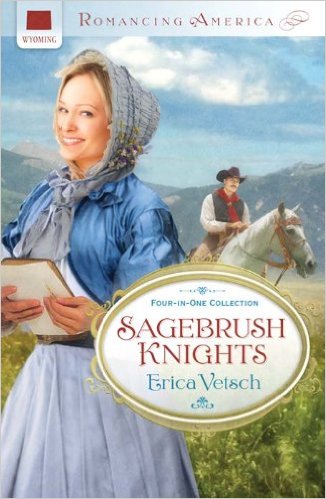
Sagebrush Knights by Erica Vetsch

51Ht6pLfnUL._SX324_BO1,204,203,200_

Four sisters offer themselves as mail-order brides after losing their father. The Wyoming Territory in 1874 gives them no other means of support. Luckily they all find husbands in Sagebrush.

One sister marries a man with a mischievous daughter. A second sister discovers her would-be husband has died. One sister longs to be special to her husband. Living as a wife of a sheep herder comes as a jolt to another.

Each one finds surprises. An enjoyable historical romance!

-Review by Sandra Merville Hart

Amazon

Baked Lemon Pudding from 1877 Recipe

IMG_2049

An 1877 cookbook, Buckeye Cookery and Practical Housekeeping, has several recipes for baked pudding. Since lemon desserts are among my favorites, I decided to prepare lemon pudding.

Mrs. M.J. Woods of Greensburg, Pennsylvania, an 1877 cook, provided a recipe titled Delicious Lemon Pudding.

The recipes in this cookbook are usually incomplete or unclear. For instance, Mrs. Woods asked cooks to “line dish with paste.” This was the first time I read this in a recipe and didn’t know what she meant so I sprayed my pie plate with cooking spray.

I used the juice and zest of one lemon with one cup of sugar. After separating two eggs, the yolks were added to the mixture along with three tablespoons of flour.

Mrs. Woods directed cooks to then add enough milk to “fill the dish.” I chose a cup of milk, which ended up working well for both the ingredients and my pie plate.

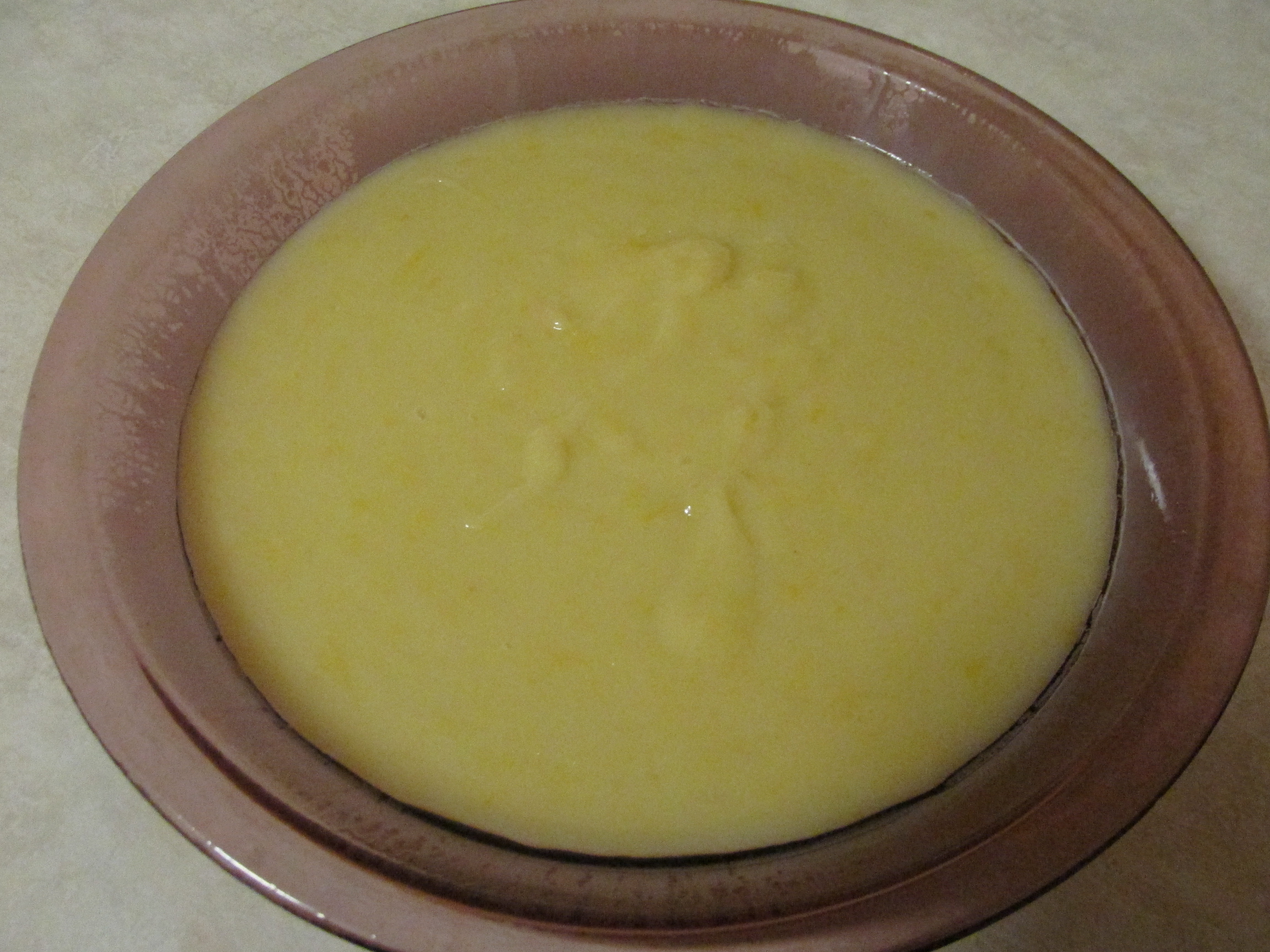
Nothing was said about heating the mixture on the stove so it went directly into a 375-degree oven.

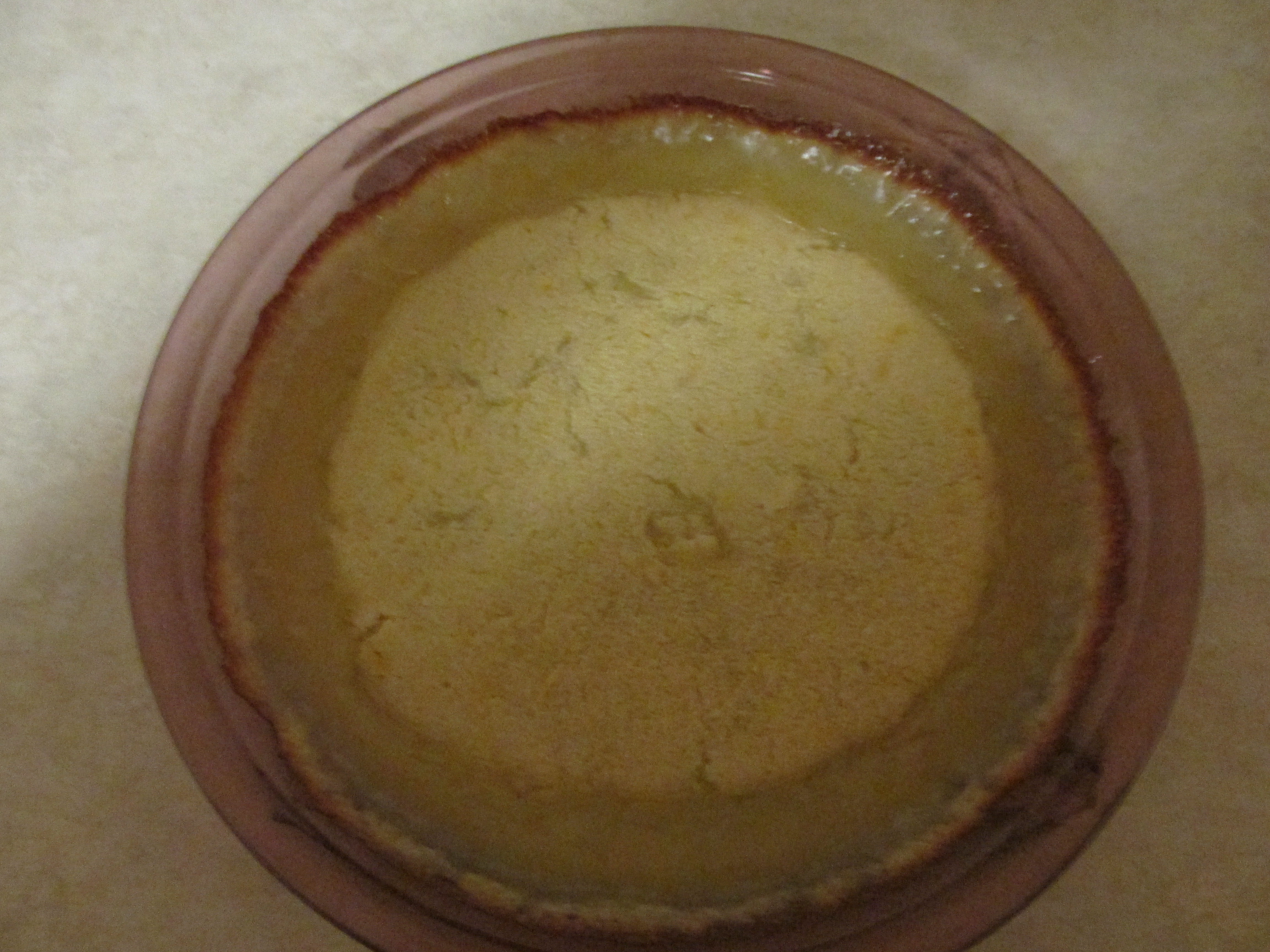
IMG_2038The pudding looked like the picture after twenty minutes. Something wasn’t right. The dessert also had a yummy lemon flavor yet tasted too sweet.

I made a second batch, decreasing the sugar to ¾ cup. This time I heated the mixture to a light boil then baked it. Twenty minutes later, the difference in texture improved as did the taste.

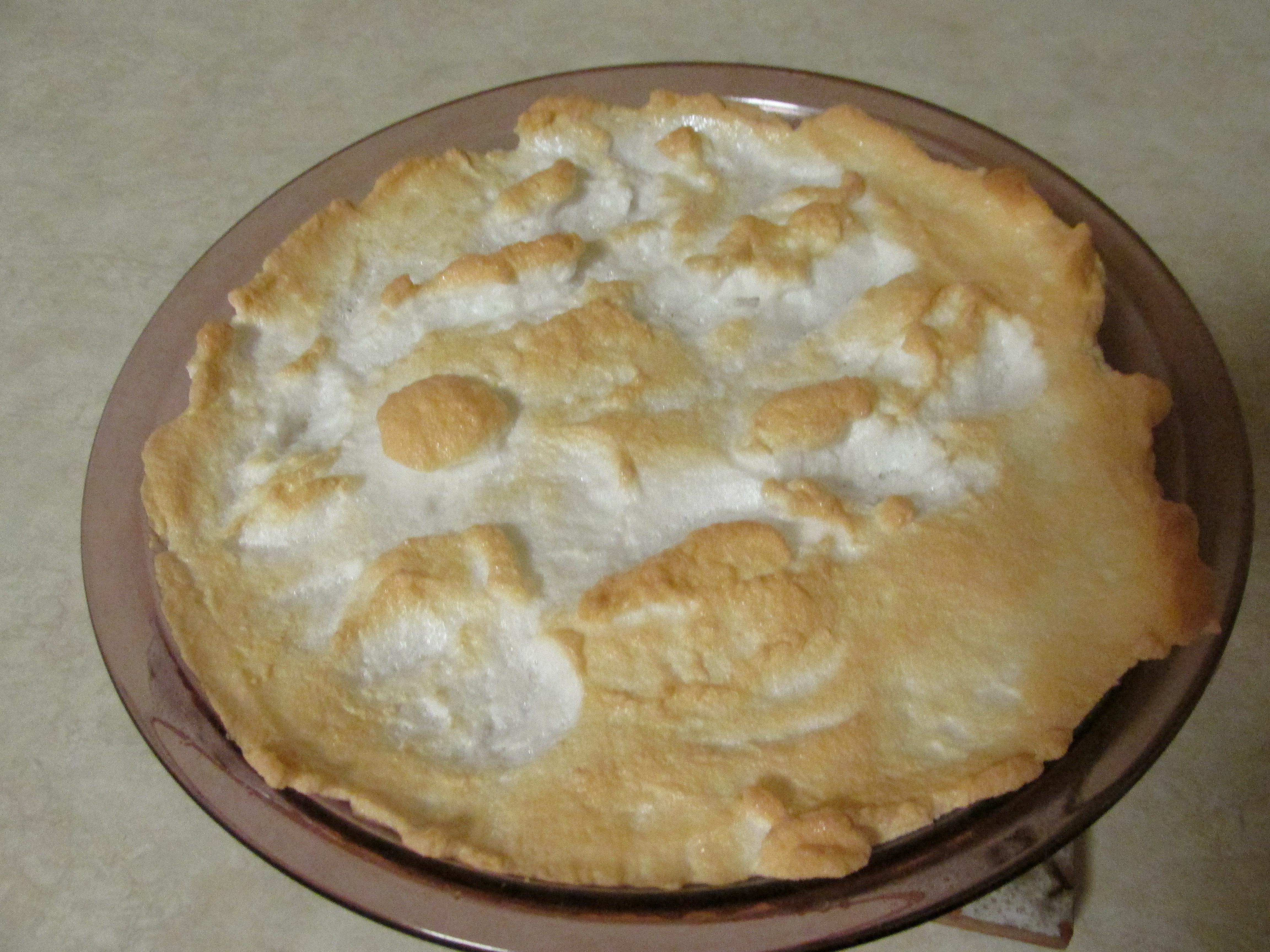
IMG_2040The dish also called for meringue. Beat two egg whites with four tablespoons of sugar. This ratio did not whip up even with a table mixer.

Using the whites of two medium eggs and two tablespoons of sugar – the correct ratio – didn’t work either. Three medium egg whites with two tablespoons of sugar worked beautifully.

I took the lemon pudding with meringue to a picnic. My friends found it delicious.

-Sandra Merville Hart

Source

Compiled from Original Recipes. Buckeye Cookery and Practical Housekeeping, Applewood Books, 1877.


This Week In History: Battle of Perryville

landscape-1259711_960_720

Wednesday, October 8, 1862

Confederate General Braxton Bragg led his army into Kentucky, a border state, in the summer of 1862. The largest battle fought in that state happened near Perryville at the Chaplin Hills; therefore, it is called the Battle of Perryville and the Battle of Chaplin Hills.

Buell’s Union troops in the rear didn’t hear cannons and musket fire from the front lines because of an atmospheric phenomenon that masked the noise. Buell didn’t hear the familiar combat sounds that would have prompted him to send in reserve soldiers.

This phenomenon also affected Bragg. Though the Southerners won, being outnumbered more than two-to-one and low on supplies prompted him to retreat.

This ended the Confederate invasion of Kentucky.

-Sandra Merville Hart

Sources

Long, E.B with Long, Barbara. The Civil War Day by Day: An Almanac 1861-1865, A Da Capo Paperback, 1971.

“Perryville,” Civil War Trust, 2016/08/03 http://www.civilwar.org/battlefields/perryville.html.

Beneath a Southern Sky by Deborah Raney

51xd3T06sEL._SX331_BO1,204,203,200_

Daria finally gives up hope of finding her husband alive in a remote area of South America after their baby is born. She mourns her missionary husband and learns to love again.

Her second husband, Cole, helps heal her sorrow. Then her first husband, Nate, is found alive. While rejoicing over finding Nate, Daria wonders which husband she is bound to.

It’s a terrible situation for Daria and her children that is not easily resolved.

This story stayed with me a long time after reading it.

-Review by Sandra Merville Hart

Amazon