2020 Angel Book Award Winners Announced

The Faith & Fellowship Book Festival announced the 2020 Angel Book Award winners at the conclusion of their online book festival on November 6th.

The Angel Book Awards recognize outstanding books written by Christian authors and published in the previous year. This year there were six categories: Nonfiction, Children’s, Youth Fiction, Historical Fiction, Mystery/Suspense, and Contemporary Fiction.



The winners are:

Nonfiction:

Third place – Know Thyself: The Imperfectionist’s Guide to Sorting Your Stuff

by Lisa Lawmaster Hess

Second place –This Much I Know … The Space Between by Sue Bowles

First place –I Am Cyrus: Harry S. Truman and the Rebirth of Israel by Dr. Craig Von Buseck


Children’s:

Third place –Good Night, Fireflies by Janet L. Christensen

Second place –God’s Protection Covers Me by Amy Houts

First place winner with a PERFECT SCORE –How Much Does God Love You? by Michelle Medlock Adams


Youth Fiction:

Third place –The Heart Changer by Jarm Del Boccio

Second place –Selah’s Stolen Dream by Susan Count

First place –The Crown and the Axe by Darcy Fornier


Historical Fiction:

Third place –Aiming for Love by Mary Connealy

Second place –The List by Buck Storm & Bill Perkins

First place  –Devotion by Olivia Rae


Mystery/Suspense:

Angel Book Honorable Mentions:

Deadly Guardian by Deborah Sprinkle

Murder in the Family by Ramona Richards


Third place –ROAR by Linda K. Rodante

Second place –The Gryphon Heist by James R. Hannibal

First place—The Silver Lode by Suzanne J. Bratcher


Contemporary:

Third place –The Death of Mungo Blackwell by Lauren H. Brandenburg

Second place—Chasing Dreams by Deborah Raney

First place— Meant for Her by Joy Avery Melville


For more information about the Angel Book Awards and the Faith & Fellowship Book Festival, visit www.ffbookfestival.com


Yolonda Tonette Sanders and Cindy Thomson

cofounders of the Faith & Fellowship Book Festival

Sandra Merville Hart, committee member
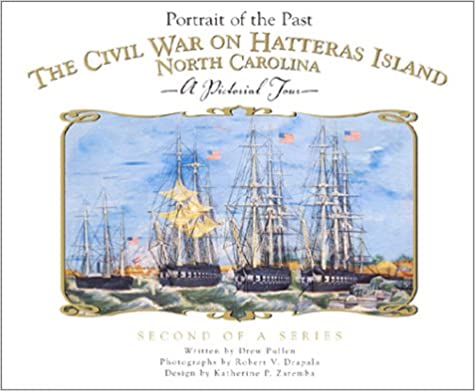
 

The Civil War on Hatteras Island, North Carolina by Drew Pullen

What a wonderful resource of information about the Civil War on Hatteras Island!

Many folks who visit the island on vacation have little idea about its rich history—and even less about what occurred at this strategic location during the Civil War.

I love the photos and sketches from the 1860s included by the author.

Portions of journals and letters from soldiers on both sides enrich this book’s value as a resource for historians, Civil War enthusiasts, and also for novelists like me who write during that time period.

Well-written. Recommend!

-Sandra Merville Hart

Amazon

Marshmallows


by Sandra Merville Hart

Marshmallow root has been used for at least 2,000 years to soothe respiratory and digestive issues. It’s been used in desserts, beverages, and cosmetics. Most mallows are edible and were a delicacy for Romans. Folks in other European countries boiled it and then fried it in butter and onions.

Marshmallow root (Althaea officinalis) is a flowering plant that grows along rivers and marshes. The root is a brown, fibrous husk. It produces mucilage, a substance similar to sap, that has been used as an herbal medicine to treat coughs, dry mouth, and to soothe skin irritations. It may reduce digestive issues like ulcers.

Dried marshmallow root can be used to make a cup of tea.

The marshmallows that we are used to eating today usually don’t contain marshmallow root and had its beginnings in France about 170 years ago. In 1900, corn syrup, egg whites, and water were heated along with marshmallow root and poured into molds.

I followed the Food Network’s recipe to make marshmallows, a new dish for me. I halved the recipe—a mistake because I used a 13 x 9 pan to rest them in and this made a thin layer of marshmallow. (If you halve the recipe, I suggest using a 8 x 8 pan.)

This mistake turned out to be a good thing.

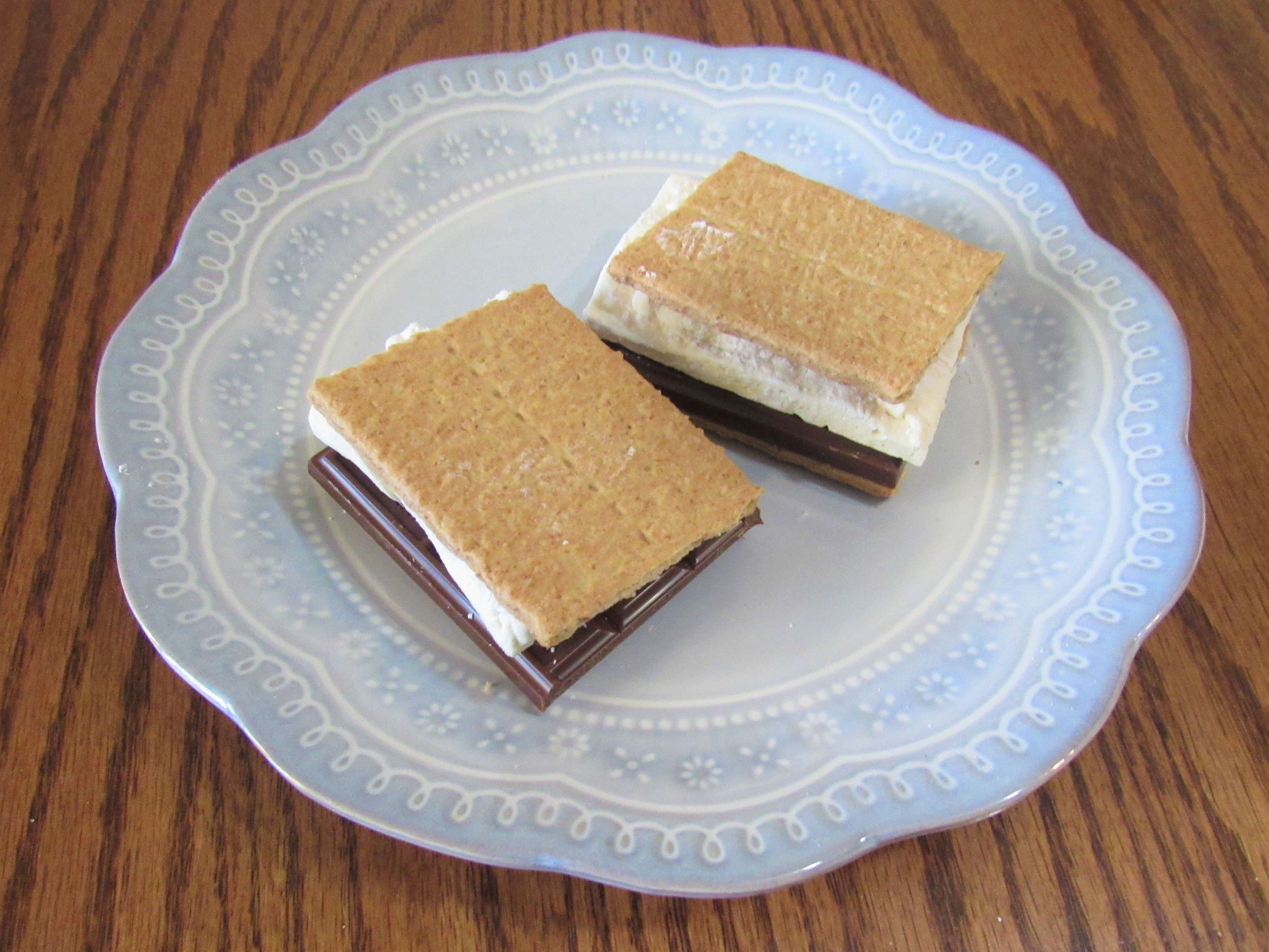
I needed to take a dessert to a family gathering so instead of slicing them into 1-inch squares, I sliced them into cracker-sized shapes for s’mores. It was perfect!

Family members loved this novelty dessert! If you want that “roasted over the fire” gooey taste, then layer a slice on top of a cracker, half of a Hershey’s chocolate bar and microwave for about 5 seconds. I preferred it unmelted (less messy) but everyone else preferred it melted.

Homemade marshmallows have to set for at least 4 hours or overnight so plan accordingly if you want to use them for your next campfire.

Sources

“Althaea (plant),” Wikipedia, 2020/10/12 https://en.wikipedia.org/wiki/Althaea_(plant).

“Homemade Marshmallows,” Food Network, 2020/10/12 https://www.foodnetwork.com/recipes/alton-brown/homemade-marshmallows-recipe-1953933.

“Marshmallow Root,” Mountain Rose Herbs, 2020/10/12 https://mountainroseherbs.com/marshmallow-root.

“What are the Benefits of Marshmallow Root?” MedicalNewsToday, 2020/10/12 https://www.medicalnewstoday.com/articles/324860.

Underground Railroad Location Inspires an Author

Fellow author and friend, Bettie Boswell, shares historical inspiration for her debut novel. Welcome to Historical Nibbles, Bettie!

by Bettie Boswell

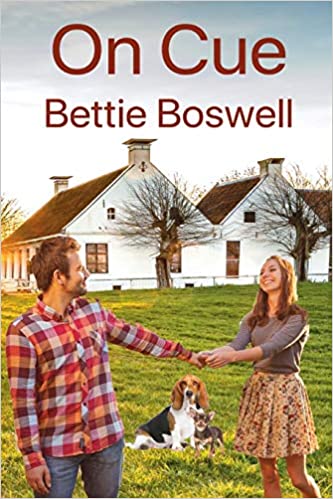
Setting is important to any story, and though my debut novel is a contemporary Christian romance, a historical backdrop plays a major role. My heroine in On Cue has written a musical involving her town’s involvement in the Underground Railroad, in order to save the local historical museum from financial ruin. One of the featured homes in the story was inspired by a real station on that road to freedom for many people escaping slavery, the Lathrop Home in Sylvania, Ohio.

For many years family lore claimed the home as part of a lesser used route to freedom in Canada but there was no actual proof until a renovation took place in the late 1930’s. The new construction uncovered a hidden room next to a brick oven in the basement of the Lathrop’s home. Lucian and Larissa Lathrop, the original home owners, held strong religious beliefs that led them to support the Underground Railroad despite laws that forbade their involvement. They along with their neighbors, David and Clarissa Harroun, helped the runaways by hiding them in that secret room or in the Harroun barn (now part of the Flower Hospital complex) and then made arrangements for the travelers to head north to Detroit where they could cross the river into Canada. David Harroun had a wagon with a false bottom so he could transport former slaves up and down the trail to freedom. There was a known slave catcher in the nearby Maumee area so the Sylvania families did face danger in their endeavors. Making the choice to save the life of a former slave proved their dedication to aide a fellow human.

In On Cue I renamed the home, Woodson House, but the spirit of the Lathrop house lives on as my inspiration.


Back Cover Blurb

When a college sweetheart used Ginny Cline’s dreams for his own glory, he stole her joy of composing music and her trust in men. Years later, encouraged by prayer and a chance to help the local museum, she dares to share her talents again. Unfortunately a financial backer forces her to place her music and trust into the hands of another man.

Theater professor Scott Hallmark’s summer camp benefactor coerces him into becoming the director of Ginny’s musical. The last thing he needs is another woman who uses him to get what they want, especially an amateur who has no idea what they are doing.

As Ginny’s interest in Scott grows, her confusion arises over Honey, a member of Scott’s praise band. Mix in a couple of dogs and quirky cast members for fun and frustration as the couple work together to discover that forgiveness and trust produce perfect harmony.

Amazon

About Bettie

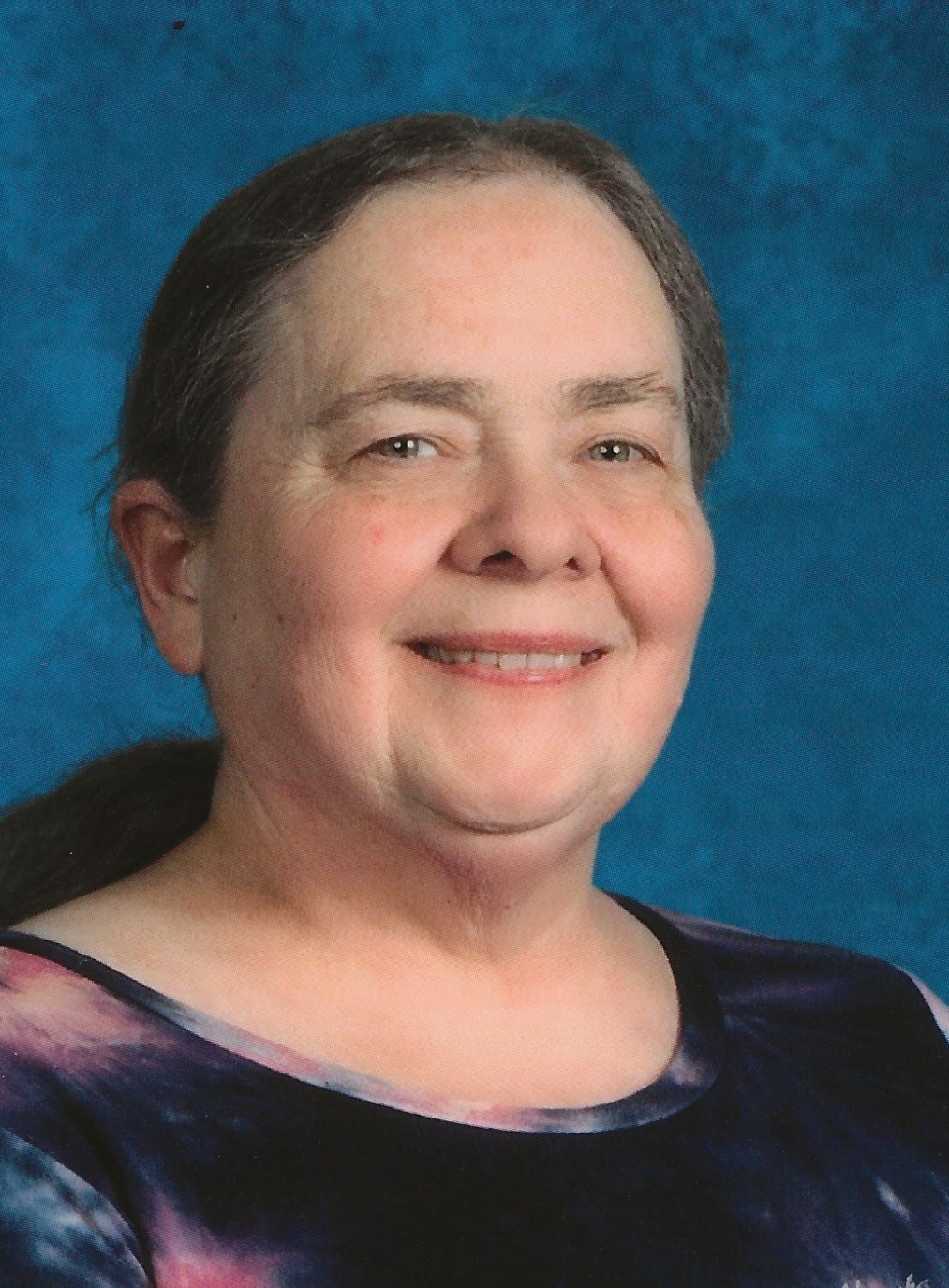
Bettie Boswell is an author, illustrator, composer, teacher of music and second graders, who lives with her minister husband and tuxedo kitty. She adores her two sons and her grandchildren. On Cue is her debut full length novel. She has published shorter works in anthologies, magazines, and the education market.

Daughters of Deliverance by Lorry Lutz

Kate Bushnell Series Book 1

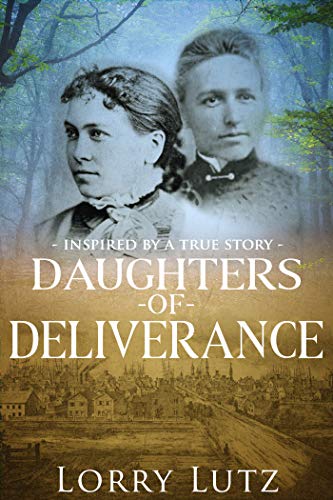
This book begins with Kate Bushnell as a teenager. Her father runs a lighthouse that saves countless lives. She wants to follow his example by saving lives as a doctor.

Before Kate completes her medical studies, she has an important conversation with a missionary to China. She is invited to serve their mission as a doctor.

Daughters of Deliverance spans several years. Kate, a devout Christian, feels that God calls her to one task for a time and then changes course.

Her path takes her to the red light district in Chicago where she meets women and young girls living a life from which they long to escape.

This book reads like a biography. A lot of historical figures grace the page of this book so I wasn’t surprised to read the author’s note and read the confirmation that this is biographical fiction.

Inspired by a true story, parts of the story are very tragic and tough to read. It was inspiring to learn about the women and men who worked tirelessly to bring change.

-Sandra Merville Hart

Lighthouse Publishing of the Carolinas

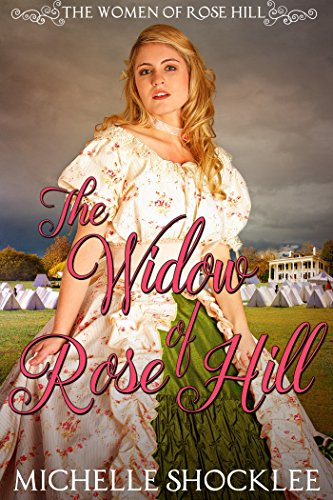
The Widow of Rose Hill by Michelle Shocklee

Book 2 of The Women of Rose Hill Series

The weight of running a plantation after the deaths of her husband and father-in-law is hard enough for Natalie Ellis without Union troops arriving on the doorstep of her Texas plantation. Not only does Colonel Levi Maish bring news that the war has ended, but also that the Confederates lost.

Levi takes pleasure in hearing the plantation owners read the proclamation that frees the slaves. The widow’s beauty and spirit can’t change the joy that spreads throughout the crowd. Though she offers them a job, most of them pack and leave within minutes.

Everything changes in an instant for Natalie and her young son. She adapts and even begins to change her mind about the handsome colonel who seems to want to help.

This honest, gripping story deals with the difficulties faced by Southerners and abolitionist Northerners as well as formerly enslaved people.

Well-written. Poignant. Tragic. Believable characters that pull readers along a difficult journey with them.

I’ll look for more books by this author.

-Sandra Merville Hart

Lighthouse Publishing of the Carolinas

Merle Smith Williams’s Famous Southern Meatloaf

by Sandra Merville Hart

I was so excited that friend and fellow author Debra DuPree Williams shared a recipe from her debut novel, Grave Consequences, that I asked her if I could share another one from her novel. Happily, she agreed.

I’m always happy to find a new recipe for meatloaf. This is her family’s recipe.

Merle Smith Williams’s Famous Southern Meatloaf

1 ½ pounds ground beef (use more if you have a big family)

1 cup cracker crumbs or stale bread broken into pieces (these days, I use canned breadcrumbs)

1 onion, chopped

½ bell pepper, chopped (I use red ones but you may use any or all colors)

½ cup shredded carrots

1 egg, slightly beaten

1 ½ tsp salt

¼ tsp pepper

½ can condensed tomato soup

Water if mixture seems too dry (add slowly, no more than ¼ cup at most)


Debra also included a tip from her dad: add 1 teaspoon baking powder to your meat mixture to keep it from drying out. This also works for hamburger patties. Thanks for the tip, Debra!

Combine all ingredients. Instead of using extra water, Sandra used extra tomato soup for enhanced flavor. Yum! Also, Sandra used Panko bread crumbs.

Form into a loaf and put it into a loaf pan.

Ingredients (for the topping)

½ cup ketchup

¼ cup dark brown sugar

1 tsp prepared mustard (the bright yellow kind)

Combine the above and spread over top of meatloaf.  Bake at 350 degrees for 45 minutes. Yields 8-10 servings.

Sandra’s note: my meatloaf needed an extra 10 minutes, so mine baked just under an hour.

Delicious! There’s a surprising sweet flavor until you remember about the brown sugar in the topping. The meat is moist and packed with vegetables. Shredded carrots are new ingredient for me to add to meatloaf and I liked it as an easy way to get an extra serving of vegetables.

My husband likes plain meats so I don’t often make meatloaf. I gobbled a couple of slices for supper one evening. Then it made a comforting sandwich for lunch 2 days before I froze the rest. That insures more meatloaf sandwiches in the future.

Thanks for allowing me to share this recipe with my Historical Nibbles family, Debra!

Sources

Williams, Debra DuPree. Grave Consequences, Firefly Southern Fiction, 2020.

It’s Show Time!

It’s a pleasure to welcome Ann Tatlock, a dear friend and gifted writer, to Historical Nibbles. Ann’s newest historical novel releases this month—what an amazing book! Read my review. Welcome to Historical Nibbles, Ann!

by Ann Tatlock

Who doesn’t love to be entertained? Most of us like to kick back of an evening and tune into our favorite live-streamed show or the latest movie to hit NetFlix or Hulu. But before the internet age bombarded us with entertainment options, before DVDs and videotapes, before televisions came into our homes and movie theatres came to Main Street, even before radio became popular, there was …Vaudeville!

In those days, stretching from the 1880s to the 1930s, people gathered to watch real live performers sing and dance, perform magic acts or animal acts or comedy routines or short plays, spin plates, juggle knives, recite poetry, do acrobatics. The possibilities were as endless as the talent crowding the theater bill.

Performers who joined Vaudeville troupes traveled specific circuits, some considered small-time, others big-time. The two largest were the Keith Circuit in the East, including the coveted Palace Theater in New York City, and the Orpheum Circuit in the West.

The life of these stage performers was far from glamorous. It was a peripatetic life as they journeyed the circuits, moving from one city to the next, often traveling all night by train to reach the next theater in time for tomorrow’s matinee. Seedy hotels were standard, and home-cooked meals were a rarity.

But hope of success drove them on. Whether they played the smallest house with the three-piece orchestra (a piano, a stool and a piano player) or a large 1,200-seat theater with full orchestra pit, Vaudevillians made sure the show went on because today’s performance might be their lucky break. From small-time, to big-time, to Broadway…that was the dream.

And certainly most of them dreamed of stardom. A few found it. Some went on to become successful on the radio, in the movies and, later, on television. Charlie Chaplin, Bob Hope, Judy Garland, Fred Astaire, George Burns and his wife Gracie Allen—these are just a few of the names from Vaudeville that are remembered today.

For every big star, though, there were many more “fallen stars,” whose lights burned out and whose names were forgotten. But they have stories too, untold yet still significant and often beautiful. It was these forgotten ones who inspired me to write The Names of the Stars.

The Names of the Stars is the story of Annalise Rycroft, a young girl who dreams of stardom even as she fears becoming lost to the “surplus population.” Against a backdrop of Vaudeville and the Spanish flu pandemic, Anna’s life is changed when she has an unexpected encounter with some of the characters from her favorite book, A Christmas Carol. Jacob Marley, Mr. Fezziwig, and Tiny Tim’s unnamed brother all work to assure Anna of God’s great love for every individual, no matter how seemingly insignificant.

Purchase link: Lighthouse Publishing of the Carolinas

Ann Tatlock is an award-winning novelist and children’s book author. In 2013, she founded Heritage Beacon, the historical fiction imprint of LPC/Iron Stream Media, and served as its managing editor for six years. She and her husband have one grown daughter and make their home in North Carolina. Please visit her website at www.anntatlock.com.

The Names of the Stars by Ann Tatlock

Annalise Rycroft’s family makes a hard living in a troupe of Vaudeville acts in 1918. Living in rundown hotels in cities across the United States is the only life the thirteen-year-old remembers. Anna longs for the audience applause known by her mother and uncles. It’s the only appreciation her family knows—yet stage-fright silences Anna’s angelic voice.

She doesn’t remember the father that her mother says she’s better off without. Nor does she have a home. Anna rereads her favorite book—A Christmas Carol by Charles Dickens—and fears she’s one of the “surplus population.”

Mother tells her to ignore nightmares about a baby that plague her. Dreams mean nothing to Mother unless they are of fame.

The author has skillfully woven an intricate, multi-layered story. Twists and turns deepen the web that entangles the characters.

Well-written. Thought-provoking. Honest. Tragic. Filled with surprises—and surprising wisdom.

One of the marks of a truly great story is that it digs its ways into your soul and pushes you to reevaluate. The story stays with you.

This is one of those stories. Highly recommend this book and this author!

-Sandra Merville Hart

Lighthouse Publishing of the Carolinas

Sandra Merville Hart’s Interview about the Western Theater

Recently, I was invited to interview for The Western Theater in the Civil War website with questions about my inspiration for writing historical novels and the Civil War in the Western Theater. The Battle of Franklin, Tennessee, which was such a tragic loss of life for the Southerners, is also highlighted.

I also answered questions about women disguising themselves as men to pose as Civil War soldiers, an important aspect of  A Musket in My Hands,  which is set in Tennessee, Georgia, Alabama, and Mississippi in 1864.

You can read the interview  here!