History of Pigeon Forge

by Sandra Merville Hart
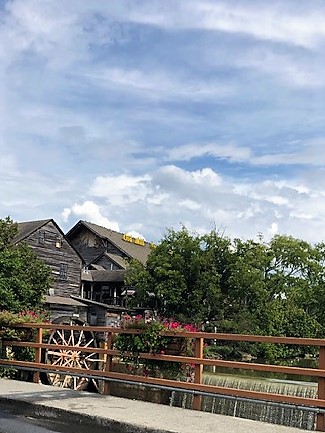
Like other tourists to the Smoky Mountains, my family has spent many happy days in Pigeon Forge, Tennessee. My parents, who used to live nearby, told me that it was a small tourist town into the 1970s. A recent vacation showed that every square foot along the main road is covered with restaurants, shops, motels, and shows. When did it change? And what is the history of the town?

Mordecai Lewis left Virginia and received 151-acre land grant from Governor Blount. In 1790, he built the area’s first forge on it. His son-in-law, Isaac Love, who inherited his property, built an iron forge along what’s now known as the West Fork of the Little Pigeon River in 1817. Iron bars, farming tools, and building equipment produced by this forge were sold throughout the country.

William Love and his brothers, sons of Isaac, built Lewis Mill (today’s Old Mill) near the forge in 1830. Farmers brought wheat, corn, and oats to make flour at the gristmill.

Beech trees lined the river, attracting huge flocks of passenger pigeons to nest in its trees and feast on beechnuts. Sadly, the once massive flocks of birds are now extinct.

When William Love was appointed postmaster with the post office inside the mill, Pigeon Forge received its name for his father’s forge and the passenger pigeons.

The mill was sold to John Trotter before the Civil War. He used his mill to support the Union. Clothing for Union soldiers in Gatlinburg were produced by secret looms on the second floor. Trotter used the third floor as a hospital.

The town’s population remained small—154 in 1907. Tourism increased in the mountains after the Great Smoky Mountains National Park was dedicated in 1940.

Rebel Railroad, Pigeon Forge’s first theme park opened in 1961. Klondike Katie, a coal-fired steam engine, was the main attraction. It changed ownership in 1970 and became Goldrush Junction. Another new owner in 1977 renamed it Silver Dollar City. Country singer Dolly Parton became a co-owner in 1982. Four years later, Dollywood opened.

Pigeon Forge became a city in 1961. Tourism boomed twenty-one years later. The city has grown rapidly to become a popular vacation location—a long way from a forge and a mill that was its claim to fame 190 years ago.

Sources:

“8 Huge Moments in Gatlinburg History and Pigeon Forge History,” Timber Tops Cabin Rentals, 2020/08/23 https://www.yourcabin.com/blog/moments-in-gatlinburg-and-pigeon-forge-history/.

Greve, Jeanette S. The Story of Gatlinburg, Premium Press America, 2003.

“History of Pigeon Forge, TN,” Smoky Mountain Navigator, 2020/03/23 https://www.smokymountainnavigator.com/explore-the-smokies/pigeon-forge/history-of-pigeon-forge-tn/.

“Our Old Mill: History in the Making,” The Old Mill, 2020/08/23 https://old-mill.com/our-history/.

“Smoky Mountain History: How Did Gatlinburg, Pigeon Forge and Sevierville Get Their Names?” Visit My Smokies, 2020/08/23 https://www.visitmysmokies.com/blog/gatlinburg/smoky-mountain-history-how-cities-got-their-names/.

“Step Back in Time at the Old Mill in Pigeon Forge,” Pigeon Forge.com, 2020/08/23 https://www.pigeonforge.com/old-mill/.
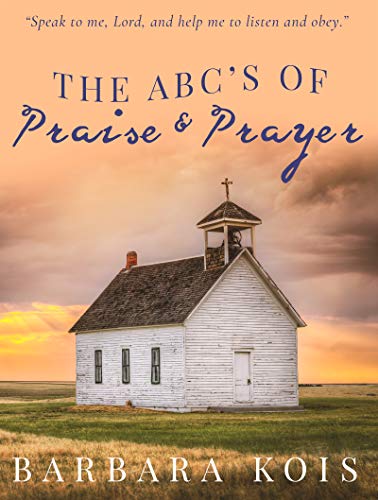
ABCs of Praise and Prayer by Barbara Kois

How 15 minutes with God can change your day

 I found this devotional book very creative.

First, each devotion begins with praise.

Second, each devotion focuses on a particular letter of the alphabet. For instance, the praise section of the letter ‘M’ uses words like Mighty, Majestic, Maker, and Matchless to describe God.

The devotional thought for each day also follows the letter theme—its title for ‘M’ is Mercy.

Scriptures are sprinkled throughout, along with prayers. Thought-provoking questions end each devotion.

I love that the author begins each section with praise to God. So often we come to God with heavy burdens. Beginning our time by praising Him shifts our focus.

Recommend.

-Sandra Merville Hart

Lighthouse Publishing of the Carolinas

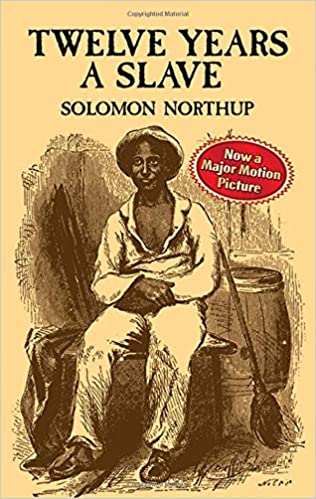
Twelve Years a Slave by Solomon Northup

A gripping true story!

Solomon Northup is a free man living in New York when kidnappers sold him into slavery. They had enticed him away from his home and family with offers to pay him for playing his violin entertaining their guests. As Solomon often earned extra money playing for parties, he was happy to travel with them.

They eventually ended up in Washington D.C., where the two men who had treated him as friend drugged him.

Solomon had a wife and three young children when he was kidnapped. They had no idea what happened to him for some time and, even then, did not know where he was—or that he’d been forced to live under another name.

The author tells his story honestly, providing names, locations, and excellent descriptions. This made it easy for folks to verify his story. The book contains language of the time and many of the names he was called are offensive.

Beautifully written. Poignant. Impossible to read this man’s story and not be touched by it.

-Sandra Merville Hart


Oregano

I add oregano to vegetable soup and cabbage soup. I love the aroma, which is enough to pique my appetite!

Of course, this is a popular seasoning in pasta dishes as well as pizza. Oregano can be chopped and added to pizza dough or bread dough.

This versatile seasoning may be used on fish, meat, sausages, in salads, marinades, and a variety of other dishes.

Dried oregano usually has more flavor but can grow stale if kept too long.

I was surprised to learn that the name is Greek and means “joy of the mountain.” Though the United States is now one of the leading producers of oregano, it was little-known until World War II soldiers, who had been stationed in Italy, returned home and talked about the herb.

Historically, both the Greeks and Chines used oregano for medicinal purposes.

It contains an antioxidant. It’s been used to treat colds, indigestion, diarrhea, and asthma.

Researchers are studying oregano for anti-inflammatory and anti-bacterial benefits. There is also some evidence that it may help fight some forms of cancer. Also, oregano may help those with Type 2 Diabetes to improve insulin resistance.

Of course, always consult your doctor before trying any of these as treatments.

-Sandra Merville Hart

Sources

Brazier, Yvette. “What are the health benefits of oregano?” Medical News Today, 2020/07/19 https://www.medicalnewstoday.com/articles/266259#nutrition.

“Oregano,” New World Encyclopedia, 2020/07/19 https://www.newworldencyclopedia.org/entry/Oregano.

The Story of Rose Haven

I am so excited that friend and fellow author, Debra DuPree Williams, is sharing a bit of background for her debut novel with us today. Welcome back, Debra!

By Debra DuPree Williams

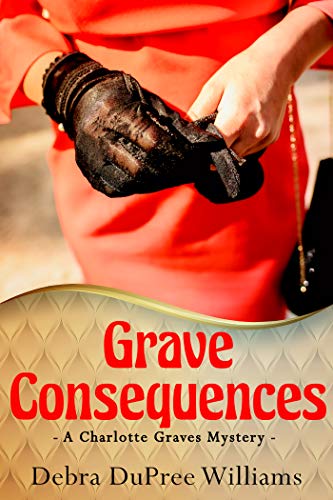
One of the main characters in my debut novel, Grave Consequences, is Rose Haven, the estate of Miss Marge Mayhew. It is situated out in the countryside near the fictitious town of Loblolly, Alabama.

Rose Haven was built prior to 1819 when Alabama became a state. At that time, Rose Haven was a simple four-room square home. Over time, it became the estate it is in 1968, the year in which the novel takes place.

Many people pass through Rose Haven’s doors. Secrets were overheard here. Lives began and ended here. Hearts found their way home and hearts were broken within her walls.

In all those years, Rose Haven has housed her share of stories, family members, and a few mysteries along the way. One big mystery that develops in Grace Consequences is that of a long-lost grave. Add to that a murder mystery.

Rose Haven is patterned after a home called Rose Hill, built by my brother-in-law’s Great-grandfather, David Jefferson Foshee, born about 1864. This home is quite lovely and is still standing in Red Level, Alabama.

My sister and her husband have never been inside as it slipped out of family ownership many years ago. I’ve seen the grounds and it is in a very pretty setting. Of course, I’ve taken poetic license to change its size and its surroundings. But, in my mind, I always think of Rose Hill. Sitting there in all her glory, on the outskirts of lovely little Loblolly.

Back Cover Blurb

Sometimes finding the living is more difficult than searching for the dead. 

In 1968, twenty-six-year-old Charlotte Graves wrestles with more than just her decision to return to her hometown, Loblolly, Alabama—she is also fleeing a broken heart, colliding headlong into a second one, and about to stumble onto a deadly secret.

Now settled back in Loblolly, Charlotte is hired to oversee the Woodville County Historical Society, a job she was born for. But no sooner has she banged the gavel to bring order to the first meeting than she is accused of being incompetent to lead the group by her old nemesis, Boopsie Sweets. Later that night, she finds herself arrested by her old beau, the current deputy sheriff, Roan Steele, for killing Boopsie.

After being released on bail, Charlotte uses her skills as a genealogist to leap into the investigation. And when Charlotte goes digging up dirt, she unearths a long-kept family secret. Will it lead to Boopsie’s murderer … or to grave consequences for Charlotte and her family?

About Debra

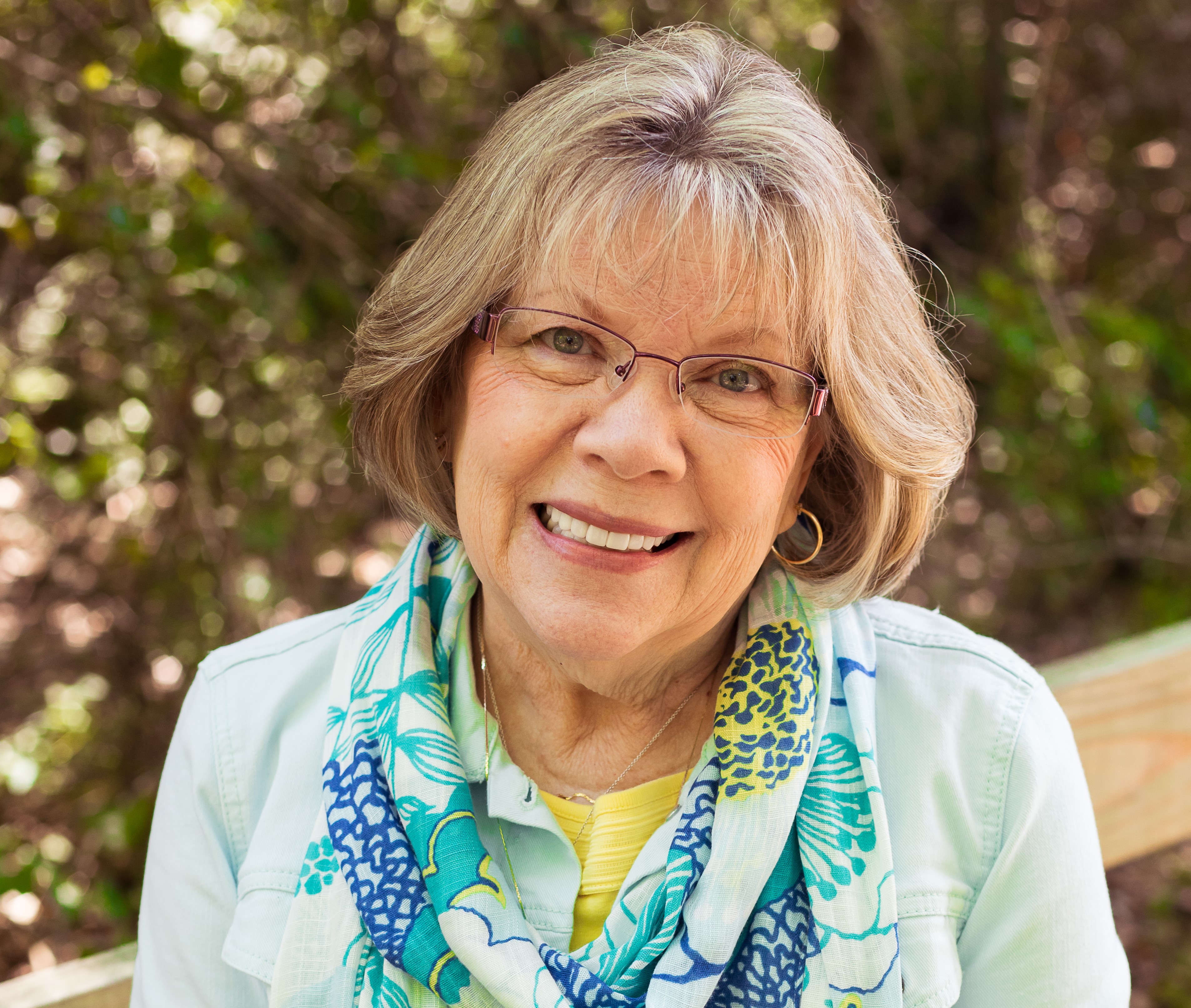
Debra DuPree Williams is an award-winning author whose work has appeared in Yvonne Lehman’s Stupid Moments, Additional Christmas Moments, Selah Award finalist, Moments with Billy Graham, and Michelle Medlock Adams’s Love and Care for the One and Only You, expanded edition, in addition to other publications. When she isn’t busy writing, you will likely find Debbie chasing an elusive ancestor, either through online sources or in rural graveyards. Debbie is a classically-trained lyric coloratura soprano whose first love is Southern Gospel. She’s been married forever to the best man on earth, is the mother of four sons, mother-in-law of one extraordinary daughter-of-her-heart, and DD to the two most intelligent, talented, and beautiful young ladies ever. Debbie and her husband live in the majestic mountains of North Carolina.

Connect with Debra on her blog.

Amazon


In the Shadow of Salem by Donna Gawell

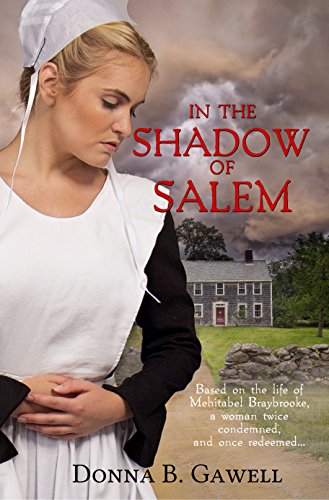
This book is based on the life of Mehitabel Braybrooke Downing. The author’s note reveals that few facts are known about her. A story was crafted using many actual historical figures and what is known of their lives.

Readers first meet Mehitabel as a prisoner in 1692. She’s been accused of witchcraft in her hometown of Ipswich, Massachusetts, during the Salem Witch Trials. Joan, the woman she has always referred to as Mother, is then arrested. Lifelong resentments invade the prison cell with her.

The author then goes back in time to show what soured their relationship from the very beginning.

Told in first person, the story gripped me from the beginning. I couldn’t put it down for long as I had to know what happened to a mistreated young girl who made unwise choices.

Recommend!

-Sandra Merville Hart

Lighthouse Publishing of the Carolinas


Never the Same by Steven James

Stories of those who encountered Jesus

What an amazing book!

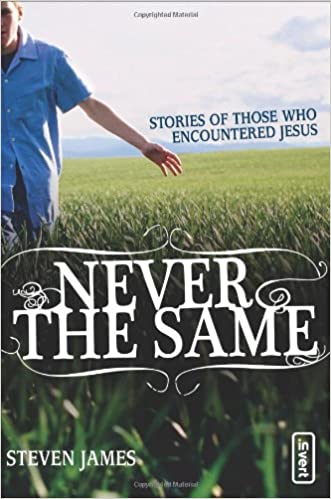
Readers will meet a few of the people who interacted Jesus during his thirty-three years on this earth. And, as the author demonstrates so beautifully, you can’t meet Jesus and remain unchanged.

Unexpected folks tell events of Jesus’s life are told by unexpected people who were there, allowing readers a fresh look into stories they may have read in the past.

Each chapter, written in first person, reveals the reactions of those who were there—with plenty of surprising emotions. Readers may find a piece of themselves within the pages.

Insightful.

Thought-provoking.

Inspiring.

A must-read.

-Sandra Merville Hart

Amazon


Bubble Solution

This pandemic has made us scramble to find items that used to be in ready supply. One of them—at least for my family—has been bubble solution.

My grandchildren are the perfect age to love chasing bubbles around my yard. Current conditions have curtailed activities for all of us. Because we have been staying at home more than usual, our bubble machine has gone through over two gallons of bubble solution this summer.

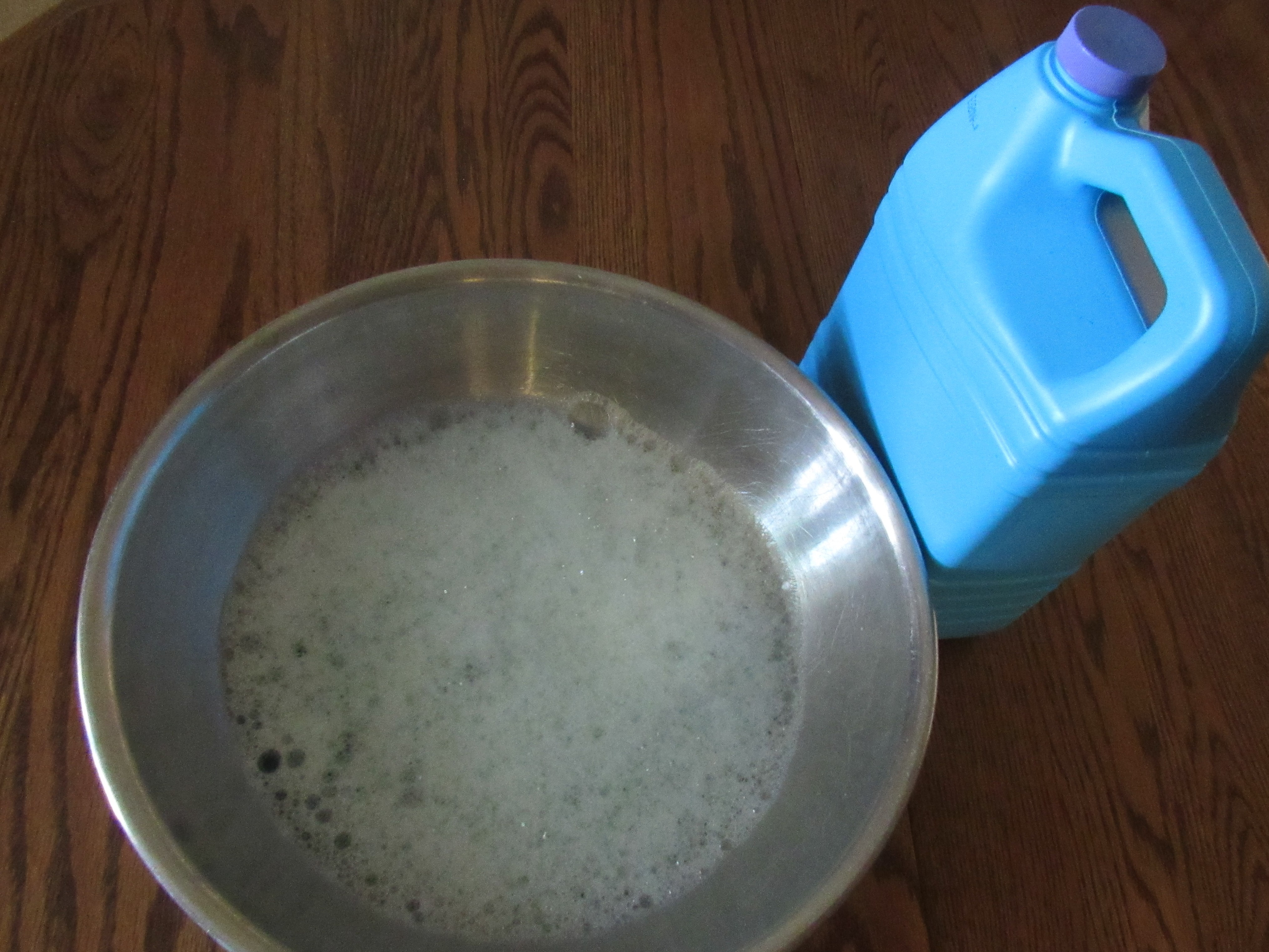
Here’s a simple recipe that mostly fills a standard large bottle of bubble solution. Save those old bottles and make your own.


Use a medium-sized bowl.

1 ½ cups dish soap

4 ½ cups water

2 tablespoons sugar


Combine these together gently or you’ll have lots of bubbles in the bowl. Mine turned out a little sudsy and I set it aside for a few minutes. 😊

Store in a bottle until ready to use.

We’ve already tested this recipe and it works great. Enjoy!

-Sandra Merville Hart

Cuyahoga Valley National Park

by Sandra Merville Hart

Cuyahoga Valley National Park, established in 2000, is one of our newest national parks. It’s just a short drive from Akron or Cleveland in Ohio, and about 2,500,000 people visit each year.

The winding Cuyahoga River is a U-shaped river. Cuyahoga means “crooked” in the Iroquois language. The unique part about this river is that, for twenty-two miles, it flows both north and south. The river winds past farmland, forests, and rolling hills.

Over 50 square miles of forest, deep gorges, waterfalls, and wetlands can be seen in Cuyahoga Valley National Park. Rangers are available at the Boston Mill Visitor Center so it’s suggested that tourists begin their visit there.

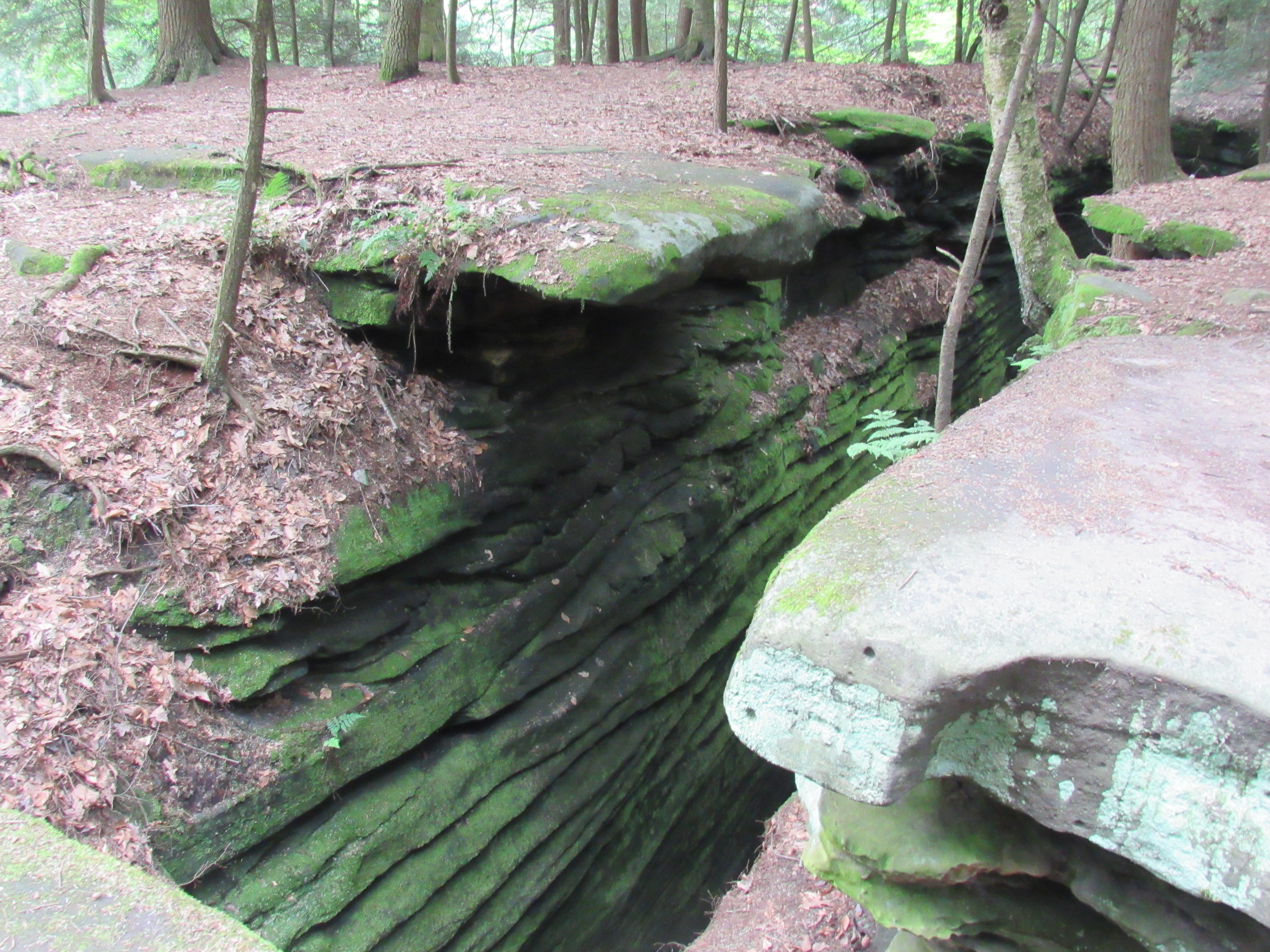
Take a 2.2-mile hike to see the Ledges, which is located along sandstone cliffs. Our family enjoyed the surprising thin sheets of rock found at the Ledges. These is also an overlook on the trail with a view of the valley.

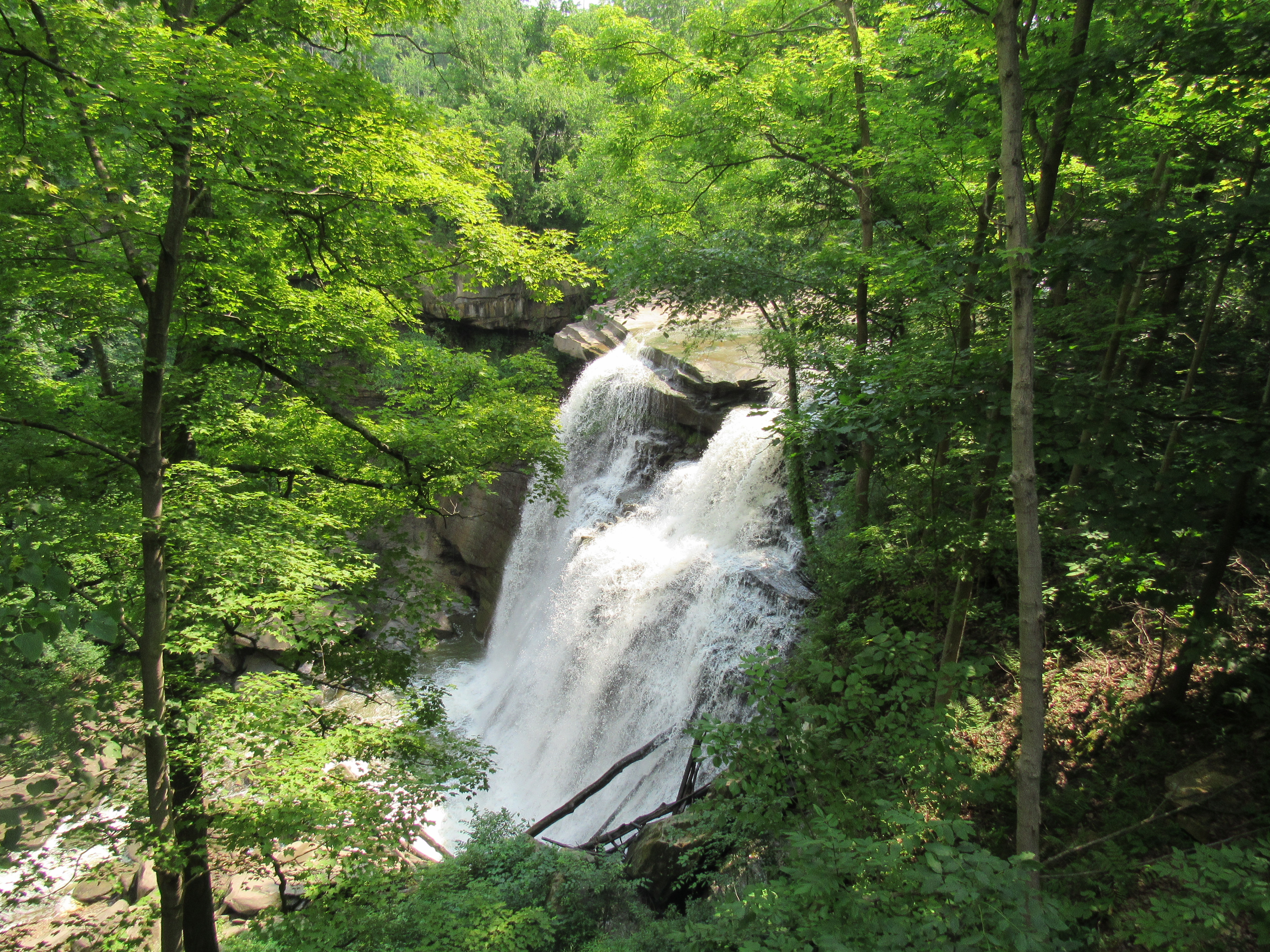
Brandywine Falls is a popular destination in the park. The 60-foot waterfall is well worth the hike, which varies in length depending on where you park.

Beaver Marsh is a great place for bird watching.

Another tourist attraction at the park is the Ohio & Erie Canal that runs through it. Built in the early 1800s by German and Irish immigrants, twenty miles of the canal is within the park. Hike or bike along the Towpath Trail that mules used to pull the canal boats over century ago. Parts of the trail are open for horseback riders.

Though the Cuyahoga Valley Scenic Railroad is currently closed due to Covid-19, it’s another wonderful way to enjoy the beautiful scenery. Fish in the Cuyahoga River, the lakes, and the ponds inside the park. Canoeing and kayaking are other activities.

There are many hikes in the park of various lengths and difficulty. For hikes to waterfalls, take the Brandywine Falls Trail or the Blue Hen Falls Trail.

Bring a picnic lunch. There’s a great shelter at the Ledges where our family ate the picnic we had packed. Bring plenty of water because it’s not available at all locations.

Families may camp at the park and there is also a bed and breakfast for those who prefer to sleep indoors.

Some wildlife living in Cuyahoga Valley are beavers, bald eagles, yellow warbler, raccoons, belted kingfisher, great blue heron, and the red-winged blackbird.

Sources:

“Cuyahoga Valley: National Park, Ohio,” National Park Service, 2020/07/19 http://www.nps.gov/cuva/index.htm.

Flynn, Sarah Wassner. National Geographic Kids: National Parks Guide U.S.A., National Geographic Society, 2012.

McHugh, Erin. National Parks: A Kid’s Guide to America’s Parks, Monuments, and Landmarks, Black Dog & Leventhal Publishers, Inc., 2012.

Palmerlee, Danny; Bendure, Glenda; Friary, Ned; Karlin, Adam; Matchar, Emily; Sainsbury, Brendan. Discover USA’s Best National Parks, Lonely Planet Publications, 2012.

The Valley Guide: Summer/Fall 2020/June 1 – November 30, National Park Service.


Good Night, Fireflies

Rachel Pellegrino, founder and publisher of Little Lamb Books, highlights one of their books for us today. Welcome back, Rachel!

by Rachel Pellegrino

Based in Texas, Little Lamb Books is a premiere children’s publishing company striving to shepherd the next generation of faithful readers by encouraging their faith in God, inspiring their love of reading, and delighting their imagination through colorful and creative literary works.

Launched in 2015, Little Lamb Books has two main goals: 1) to create literary content from a biblical worldview for elementary, middle grade and young adult readers and 2) we want to invigorate the lives of young readers by creating a catalog filled with a variety of titles that mix friendship, family, and faith with biblical parallels, everyday lessons, and strong characters and storylines.

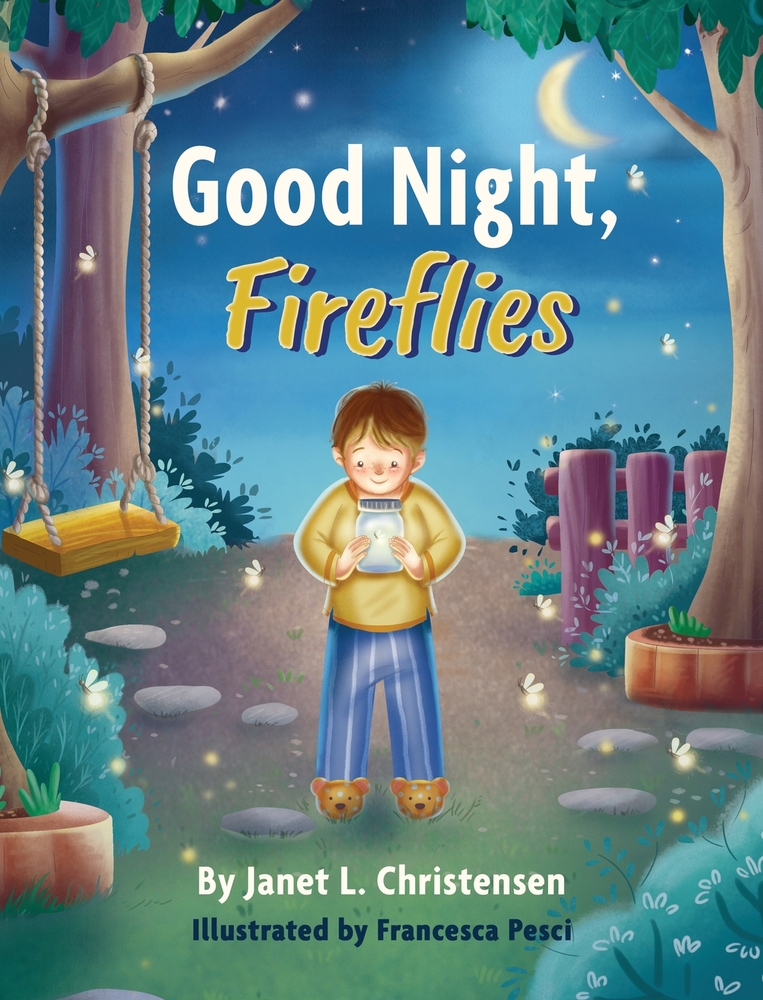
We know that every child struggles to face some type of fear, whether it’s the fear of the dark, being alone, thunderstorms, or just being in front of a crowd. We partnered with author Janet L. Christensen to produce Good Night, Fireflies and tell the story of a young boy named Landon and how he conquers his fear. Good Night, Fireflies was just recently named a finalist in the 2020 International Book Awards.

Landon can’t sleep when the shadows turn ordinary things in his room into spookies and creepies! His fears are put to rest one memorable summer evening when his daddy teaches him an important lesson about God’s everlasting, ever-present love: just like the fireflies, God doesn’t disappear when the lights go out.

Through the power of prayer, Landon learns that he can call on God whenever he’s scared and find comfort in the love of his Father.

Beautifully illustrated by Francesca Pesci, Good Night, Fireflies helps answer the question even adults have: How do we know God’s always with us?

We enjoy producing books like Good Night, Fireflies because at Little Lamb Books we believe that reading is important and families should have choices for wholesome, clean, AND entertaining stories to read together. Be sure to request a copy at your local library and order a hard cover or paperback from our online shop, Bookshop, Barnes and Noble, Amazon, and wherever children’s books are sold.

Bio: Rachel Pellegrino is the owner and publisher of Little Lamb Books, an award-winning publisher of children’s books. Launched in 2015, Little Lamb Books has produced almost a dozen titles, all of which have won national awards, including two golds in the Benjamin Franklin Awards. Rachel is passionate about collaborating with fellow publishers as well as empowering authors to be successful. Based in Texas, Rachel talks with her hands, offers individual author coaching, prefers Pepsi to coffee, and has a growing plush lamb collection much to her daughter’s delight.