Civil War Southern General Hospitals

Around 1,000 Southern women nursed ill or wounded Confederate soldiers during the Civil War, most of them working in their own towns and neighborhoods.

These resourceful women started wayside hospitals near railroad depots to care for ailing or wounding soldiers. The Confederacy soon took over all military hospitals.

Seeing the benefit of women serving in hospitals, the Confederacy passed laws to designate women in positions at military hospitals.

Two matrons were given oversight of the hospital’s food and medicine, each woman earning $40/month. Two assistant matrons laundered patients’ bedding and clothing for $35/month. Two ward matrons served each ward by feeding, administering medications, and bathing patients. Earning $30/month, ward matrons also assisted in letter writing. Nurses received $25/month.

There were 13 general hospitals in North Carolina by war’s end. Fairgrounds Hospital in Raleigh was the first general hospital established in the state, but it later became known as General Hospital #7, with a total of 3 in Raleigh.

Other cities/towns with general hospitals were Kittrell Springs, Fayetteville, Salisbury, Greensboro, Charlotte, Wilmington, Goldsboro, and Wilson.

Pettigrew Hospital (General Hospital #13) in Raleigh was specifically built as a hospital, the only one in North Carolina with this distinction. It had 400 beds, a bathhouse, guardhouse, dispensary, laundry, and stable.

Pastors often announced when several cars of wounded were expected at churches and then gave the congregation an intermission so that those who wanted to leave and prepare food for the soldiers could do so.

-Sandra Merville Hart

Sources

Downey, Tom. “Wayside Hospitals,” South Carolina Encyclopedia, 2017/07/04 http://www.scencyclopedia.org/sce/entries/wayside-hospitals/.

“North Carolina Nursing History,” Appalachian State University, 2017/07/04, https://nursinghistory.appstate.edu/civil-war-and-reconstruction-1861-1876.


Mulled Buttermilk

“Excellent for convalescing patients” was the way a recipe in an 1877 cookbook described mulled buttermilk.

Given the date of the cookbook, wounded soldiers during Civil War probably received this drink in hospitals. As a historical novelist, I’m always interested in learning tidbits from our history. It’s fun to add authentic details such as this one when a story requires it.

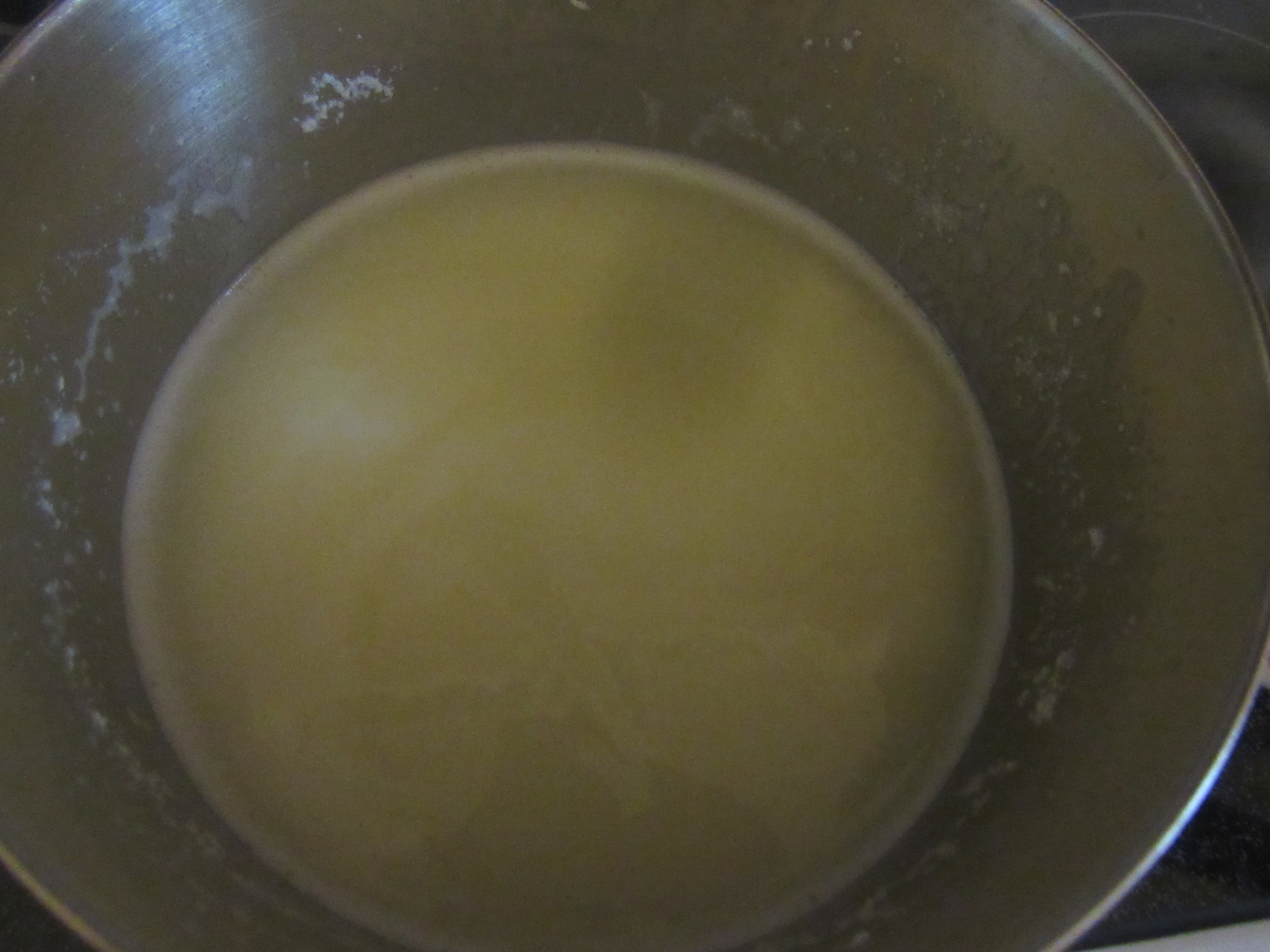
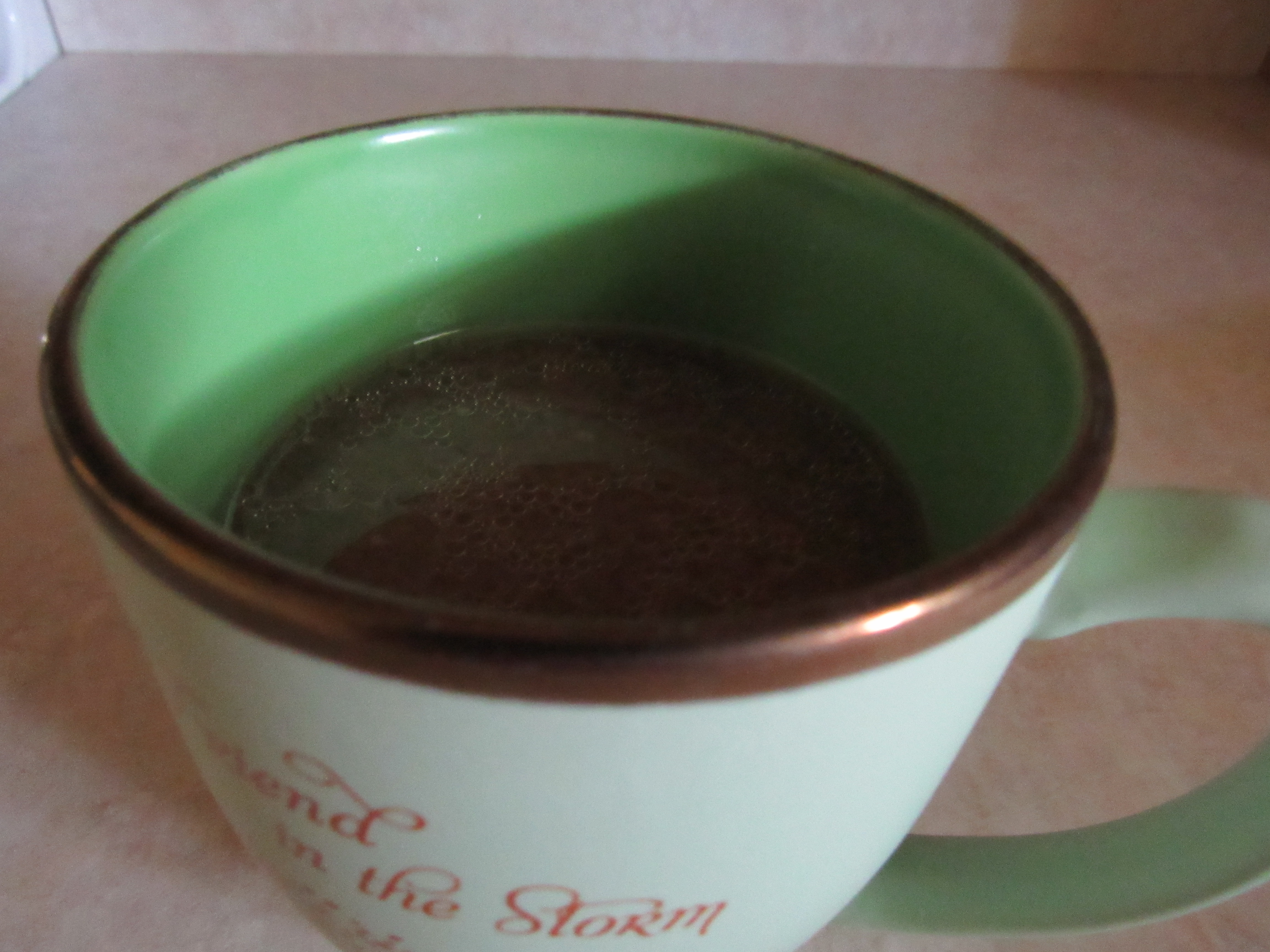
Boil a cup of buttermilk over a medium high heat. The consistency of the milk completely changes. The thick, creamy liquid thins to a grainy consistency of water.

Beat one egg yolk. Temper the yolk by stirring in a couple of tablespoons of the hot buttermilk. Add the tempered yolk to the boiling buttermilk. Stir and allow the mixture to return to a boil. I stirred the mixture while cooking.

Pour into a glass and drink. I allowed it to cool slightly before trying it. One sip was enough. I did not like this.

There is a second recipe for mulled buttermilk.

Forgetting the egg yolk, put a heaping tablespoon of flour into a glass. Pour in 1/3 cup of cold buttermilk and stir well. If this is not enough liquid for the flour to assimilate into the liquid after a brisk stir, add more buttermilk—a tablespoon at a time—until it is combined into a thick,  pourable liquid. Set this aside.

When the cup of buttermilk initially boils, add the buttermilk thickening to the saucepan. Return to a boil, cooking an additional minute to make sure the flour is done.

I really liked this second alternative. The thicker beverage tasted better to me.

And it is good for patients. If you lived one hundred fifty years ago, you would have drunk mulled buttermilk when you were sick.

Good luck! I’d love to hear if you try this recipe.

-Sandra Merville Hart

Sources

Compiled from Original Recipes. Buckeye Cookery and Practical Housekeeping, Applewood Books, 1877.


Civil War Refreshment Saloons

Barzilai Brown, a grocer at the corner of Washington Avenue and Swanson Street in South Philadelphia, had a heart for weary Union soldiers marching past his store in the spring of 1861. He saw a lot of them from his location near the Navy Yard at the waterfront and also departing for the South on the Philadelphia, Wilmington & Baltimore Railroad.

Brown decided to do something. He gave food to traveling soldiers. His generosity grew and on May 27, 1861, the Union Volunteer Refreshment Saloon was established to distribute drinks, food, paper, and stamps. Seeing a need to not only feed troops, the saloon added a hospital to its services in September, 1861.

Another saloon also established in 1861, Cooper Shop Volunteer Refreshment Saloon, was located at 1009 Otsego Street near the railroad.

These volunteer establishments provided soldiers far from their loved ones with comforts of home: washing facilities, meals, writing materials, sleeping areas, directions, information on places of interest, army contacts, and hospital care. Dining halls contained long tables and dining bars where soldiers stood to eat.

Troops passed through Philadelphia at all hours of the day and night. “Fort Brown,” a cannon outside the Union Volunteer Refreshment Saloon, fired a signal shot to call women volunteers living near the Navy Yard to the saloon when regiments were expected.

Most of these ladies, though responsible for their households, came to the refreshment saloons to cook meals and wash dishes. They worked long hours—often all night—to feed soldiers, sailors, freedmen, and refugees.

The Cooper Shop Refreshment Saloon fed 400,000 men and cared for about 7,500 patients. Union Volunteer Refreshment Saloon served 1,025,000 meals to over 800,000 men with nearly 15,000 hospital patients. All this was paid for with donations—no government funds.

To think that one man started all this by doing what he could to meet the needs of exhausted troops. They were hungry—he had food in his grocery store.

Barzilai Brown sought to feed heroes … and became one himself.

-Sandra Merville Hart

Sources

Brockett, L.P. MD and Vaughan, Mary C. Woman’s Work in the Civil War: A Record of Heroism, Patriotism and Patience, Zeigler, McCurdy & Co., 1867.

“Civil War Volunteer Refreshment Saloons,” The Library Company of Philadelphia, 2017/07/03 http://digital.librarycompany.org/islandora/object/Islandora%3ACVVRS?display=list.

“Samuel B. Fales collection of Union Volunteer Refreshment Saloon papers,” The Historical Society of Pennsylvania, 2017/07/03  http://hsp.org/sites/default/files/legacy_files/migrated/findingaid1580fales.pdf.


Civil War Camp Letterman: Caring for Gettyburg’s Wounded

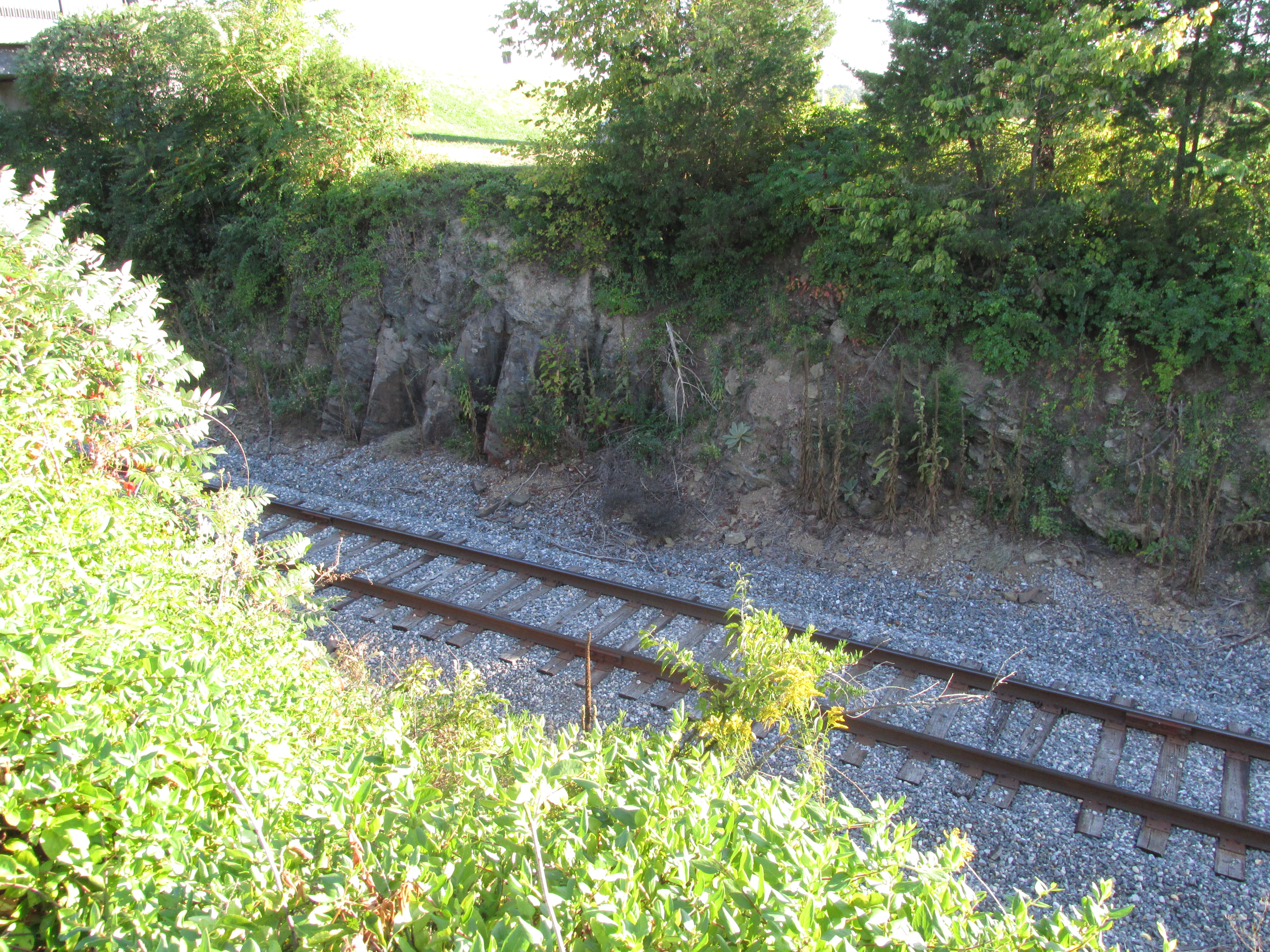
Railroad cut, Gettysburg battle, July 1, 1863

Medical Director Jonathan Letterman shipped tents, supplies, and provisions to Adams County—where Gettysburg resides—on the evening of July 1, 1863, the first day of the Battle of Gettysburg. He ordered that a general hospital be established there on July 5th. Confederate and Union wounded would be provided transportation to the hospital for treatment.

The army erected tents on George Wolf’s farm on York pike approximately one and a half miles east of Gettysburg. Railroad tracks adjacent to the property made it easy to deliver supplies and transport patients to Washington, Philadelphia, and Baltimore.

Surgeons, nurses, supply clerks, quartermasters, and cooks staffed the general hospital, known as Camp Letterman, when it was ready in mid-July. Infantry guarded Confederate patients and supplies.

Almost forty folding cots each with mattresses and linens fit in rows of tents. Camp Letterman held five hundred white tents with only ground as the floor. Trains brought supplies to warehouse tents set up near the railroad. A large cookhouse in the middle of camp gave cooks a place to prepare nutritious meals such as soup and bread.

Wounded from both sides arrived at camp in ambulances where they were assigned beds. The hospital camp was filled by late July. It housed over 1,600 wounded soldiers. Hundreds more continued to receive medical care in temporary hospitals in Gettysburg.

A morgue and cemetery near camp were established by the army. An army chaplain gave them a Christian burial.

Yet most of Camp Letterman’s patients survived. Surgeons worked around the clock while treating the seriously wounded. When patients recovered enough to travel to city hospitals, Sanitary Commission workers assisted the army in transporting them to the railroad depot. They waited a long time for the single Gettysburg railroad line.

-Sandra Merville Hart

Sources

Sheldon, George. When the Smoke Cleared at Gettysburg: The Tragic Aftermath of the Bloodiest Battle of the Civil War, Cumberland House, 2003.
 

Buttermilk Stew

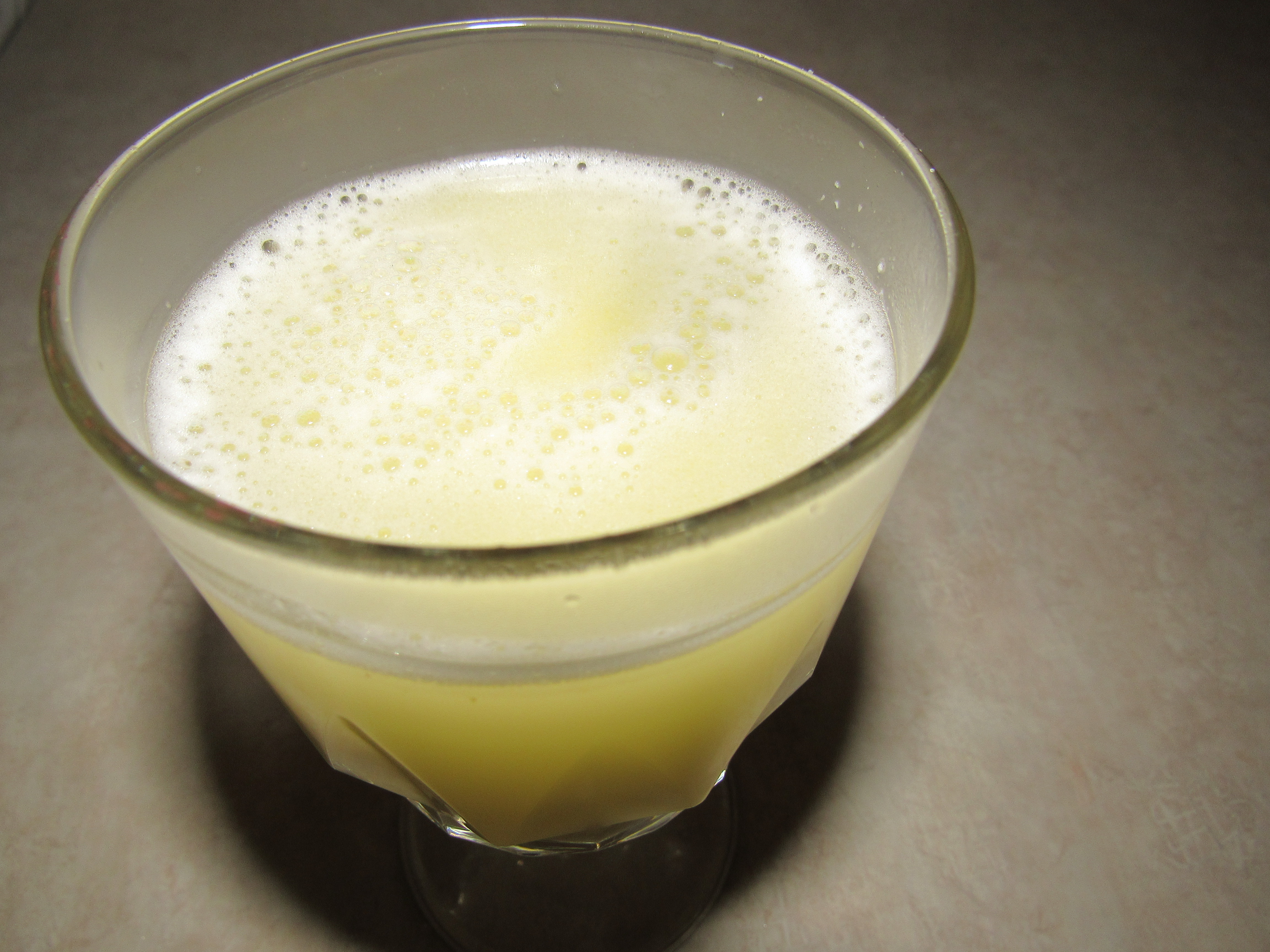
A recipe in an 1877 cookbook for Buttermilk Stew was included in a section titled “Food for the Sick.”

Research involves a lot of reading for historical novelists, but I don’t remember reading about this type of stew. Civil War nurses and cooks likely fed it to wounded soldiers. I love learning about our history. It’s fun to add authentic details like this when a story requires it.

Boil one pint of buttermilk over a medium high heat. I allowed it to boil less than a minute before removing from the heat. The consistency of the milk completely changed. The thick, creamy liquid thinned to a grainy consistency of water.

A “small lump of butter” called for in the original recipe became a tablespoon of butter to this modern cook.

When that melted, I added 2 tablespoons of sugar—a complete guess as the recipe said to “sweeten to taste.” I added more because adding ginger was an option. Ginger has such a strong flavor.

I added ¼ teaspoon ground ginger. Cooks may substitute honey for sugar.

The consistency remained like water as it cooled. It had a very strange flavor. It tasted like buttermilk though different. The sugar overpowered the ginger, so I’d suggest decreasing it to only a tablespoon. Ginger is optional.

After only a couple of sips, I pushed it aside. It wasn’t terrible. I can understand that thinning out the buttermilk made it easier for ailing patients to digest.

Good luck! I’d love to hear if you try this recipe.

-Sandra Merville Hart

Sources

Compiled from Original Recipes. Buckeye Cookery and Practical Housekeeping, Applewood Books, 1877.

Citizens of Gettysburg in the Aftermath

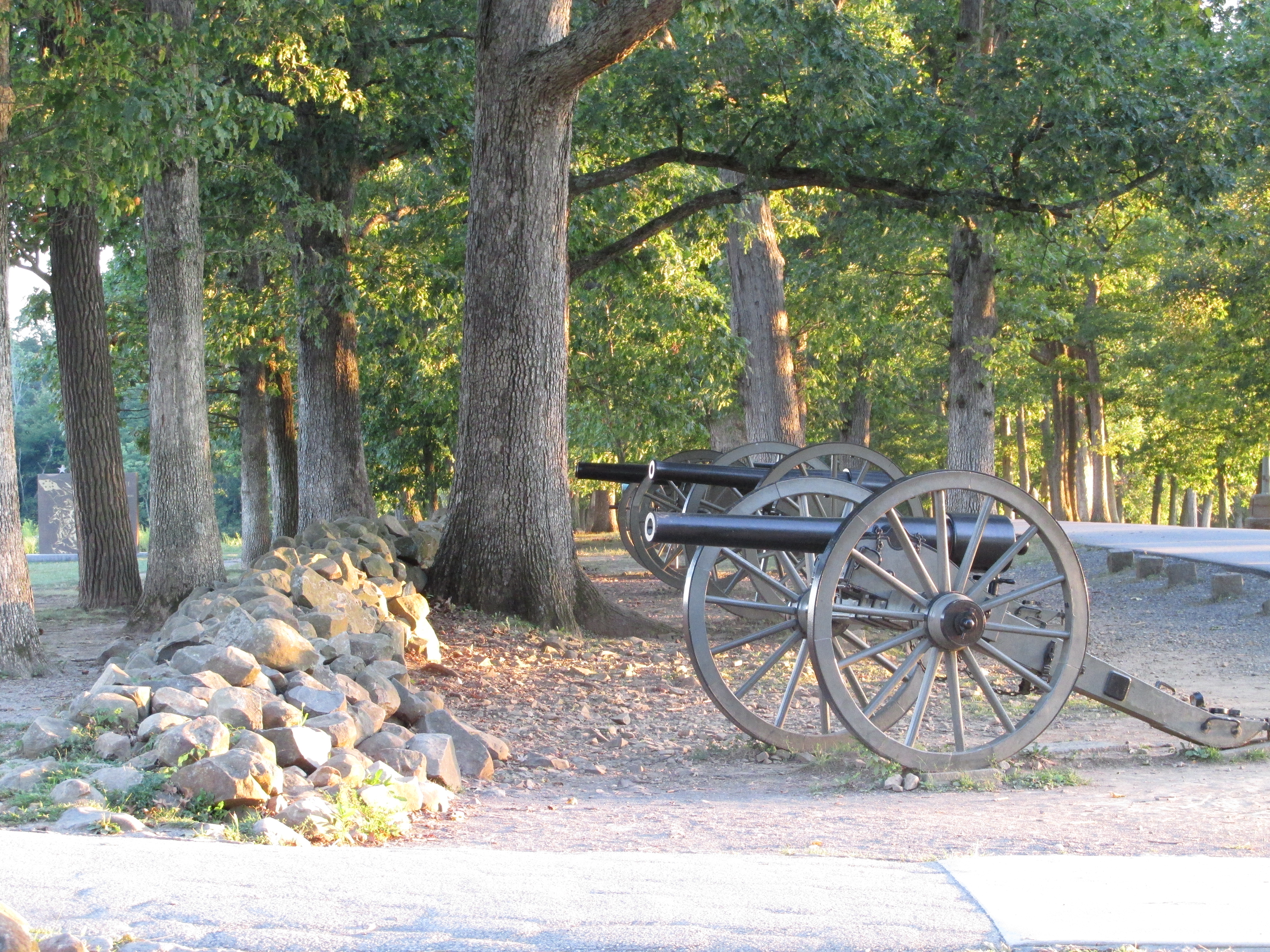
Confederate cannons at North Carolina Memorial, Gettysburg Battlefield

“We do not know until tried what we are capable of.” Sarah Broadhead, Gettysburg citizen, wrote this on July 7, 1863—just four days after the battle ended.

An undated article in Adams County Sentinel reported that the town was one vast hospital. Wounded soldiers filled churches, colleges, the seminary, the courthouse, and many homes. Houses and barns outside of town were filled with thousands of Rebels, left behind when their army retreated. Citizens were doing everything in their power for them.

The Sanitary Commission took over the Fahnestock store, a one-hundred-foot long building in the center of town. They filled it with provisions and clothing, which were distributed to soldiers in the hospitals. Sarah Broadhead praised the work of both the Sanitary Commission and the Christian Commission. Private contributions enabled both organizations to provide generously for the injured men.

Nellie Auginbaugh remembered the Union and Confederate sympathizers who came to town. They couldn’t visit hospitals until taking the oath of allegiance. Some resented the requirement and refused, but others took the oath.

According to Mary Cunningham Bigham, someone at her father’s farm on Emmitsburg Road baked bread to feed the soldiers every day for six weeks. Every soldier able to walk stood in line for the bread hot from a brick oven. The family used all of their 25 barrels of flour stored in the barn.

Visitors came to town to search for loved ones, help the wounded, or to satisfy their curiosity. Sarah Broadhead’s home stayed full and she had to turn people away. One man felt grateful to have a chair to sit on in front of a hotel.

There were no church services while the wounded soldiers occupied the churches. On July 12th, Sarah Broadhead didn’t even feel like she had a Sunday. Not only were there no services, but trains also continued to run and confusion reigned.

The battle had affected the whole town.

-Sandra Merville Hart

Sources

Slade, Jim & Alexander, John. Firestorm at Gettysburg, Schiffer Military/Aviation History, 1998.

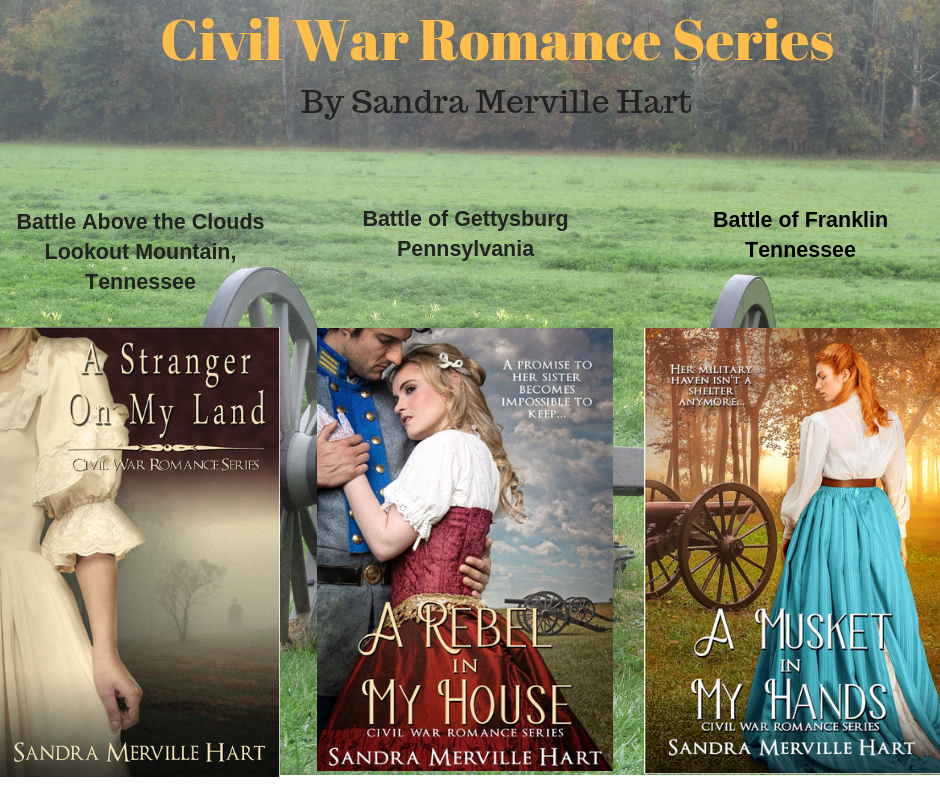
Sandra’s newest Civil War romance novel, A Rebel in My House, is set during the Battle of Gettysburg. It shows what the townspeople endured through the eyes of a Gettysburg seamstress and a Tennessee soldier (Heth’s Division, Archer’s Brigade, 7th Tennessee) left behind in the retreat.


Tamarind Water

The Battle of Gettysburg took place in the small Pennsylvania town on July 1-3, 1863. After the fighting stopped, wounded soldiers filled the homes, churches, barns, and courthouse.

There were so many that soldiers from both sides lay in the fields where they were shot until someone found them. Citizens rallied heroically to meet the monumental challenge.

Folks from the U.S. Sanitary Commission and the Christian Commission arrived in Gettysburg to help. They provided supplies for the hospitals and the town’s citizens. A general tent hospital, Camp Letterman, was set up in mid-July to care for Union and Confederate wounded.

One of the Sanitary Commissioners wrote of volunteering at Camp Letterman. He remembered that the wounded arrived to the newly-established hospital thirsty. Volunteers gave them tamarind water from pails. The soldiers loved the “beautiful drink.”

The only recipe I could find for tamarinds in my 1877 cookbook was “Tamarind Whey,” which used milk. The same recipe stated that a tablespoon of tamarinds could be added to water instead of milk.

Being new to tamarinds, I needed a bit more information. I found a recipe for Tamarind Water on the Foot Network site that I followed.

My husband found dried tamarinds at a specialty food store. The outer layer must be peeled off before cooking. The fruit inside is sticky.

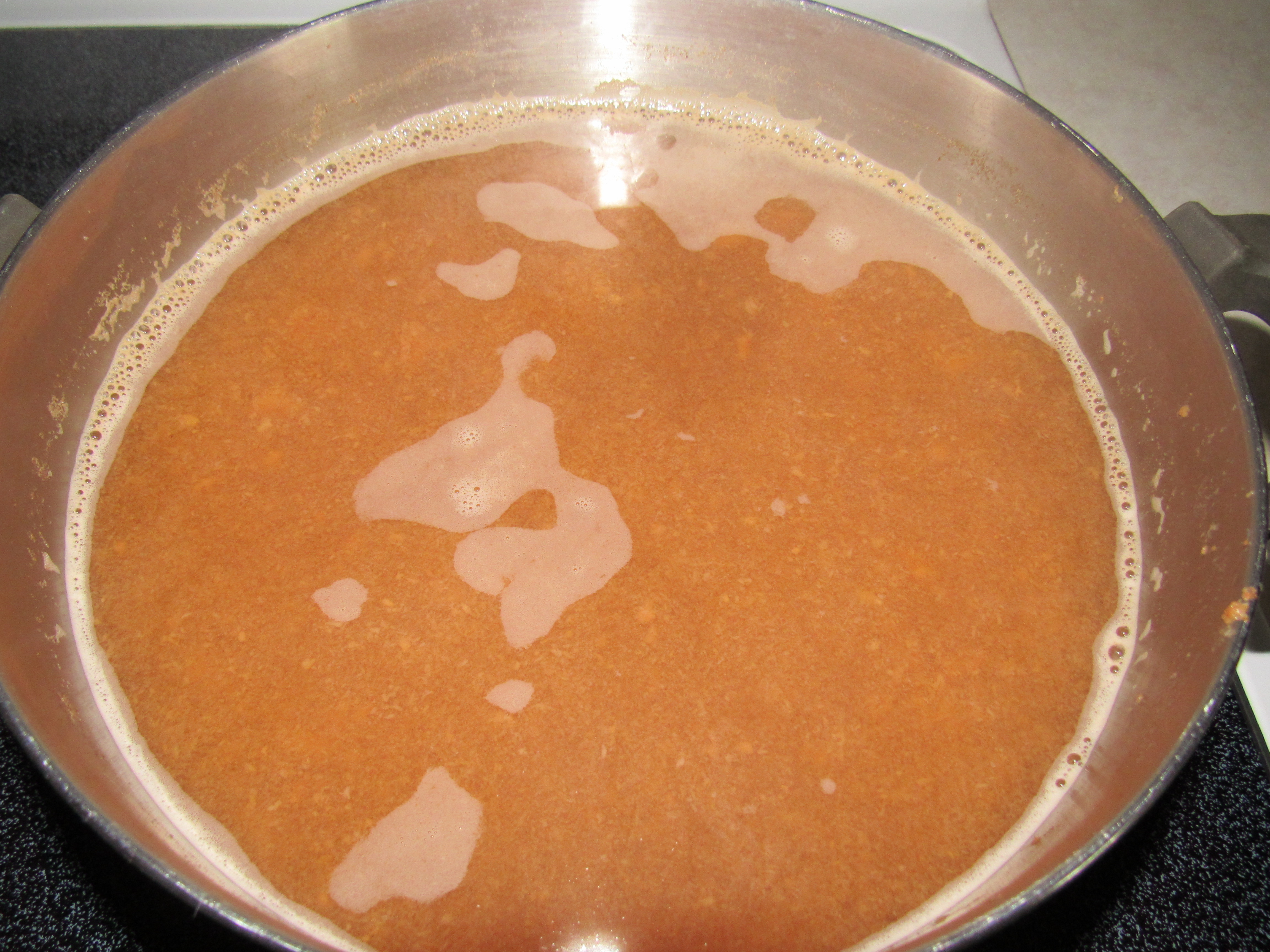
I cooked the fruit as directed and let it cool. I drained it first in a colander and then a second time in a wire strainer.

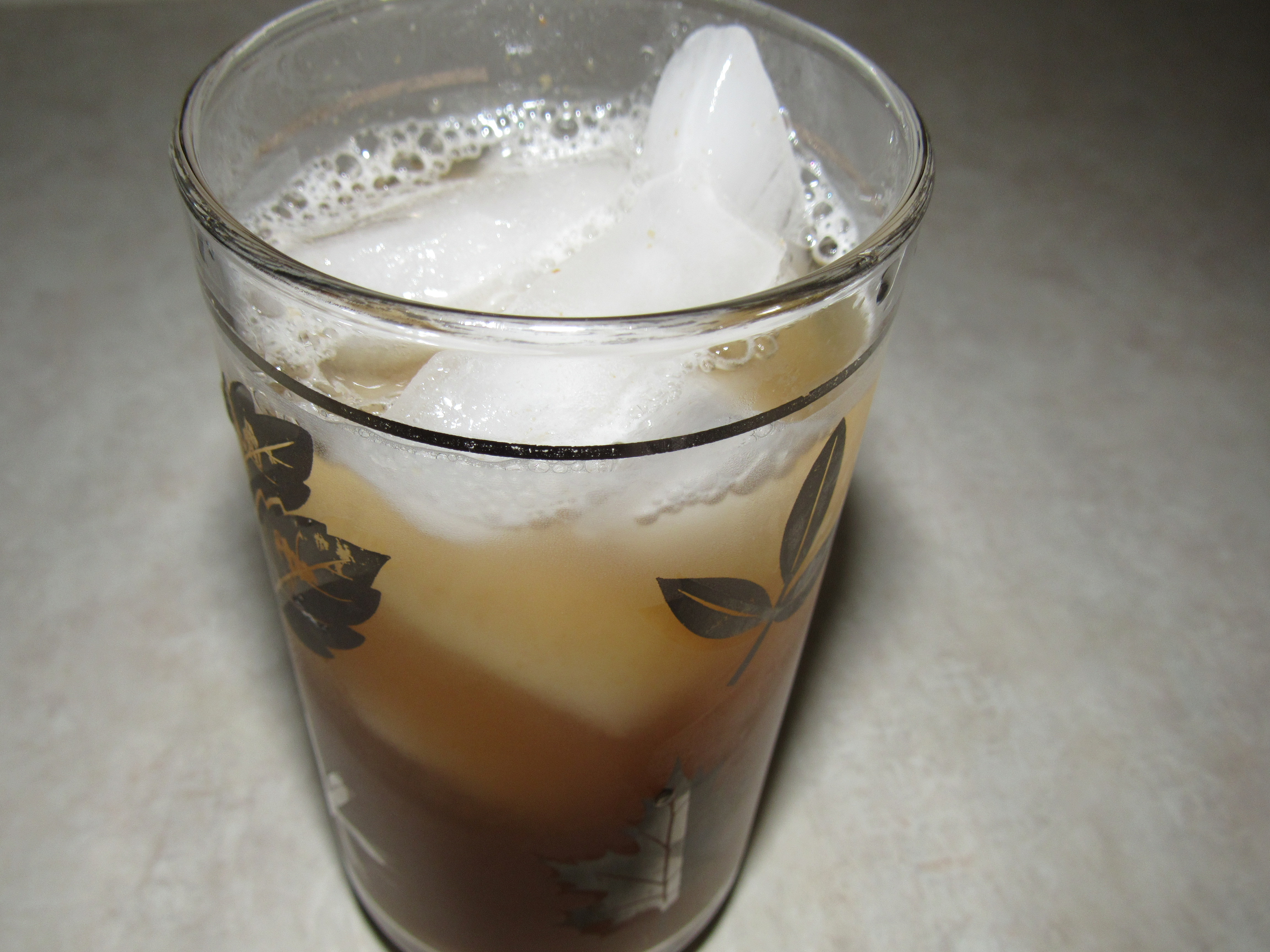
The drink, when iced, resembles the color of iced tea. The unfamiliar flavor was too strong for me. I didn’t really like the beverage.

Using perhaps half the amount of tamarinds would be enough for my taste. A tablespoon for 2 quarts of water—now that I know how to prepare it—might be too weak.

The taste reminds me of a very strong tea. I haven’t tasted anything else that compares to it. Several people tried the drink. One person liked it. He downed the drink, saying that it reminded him of a special blend of tea.

I can well believe that this drink comforted parched Civil War soldiers on a hot summer’s day.

-Sandra Merville Hart

Sources

Compiled from Original Recipes. Buckeye Cookery and Practical Housekeeping, Applewood Books, 1877.


Milliken, Mary Sue & Feniger, Susan. “Tamarind Water,” Food Network, 2017/05/11 http://www.foodnetwork.com/recipes/tamarind-water-recipe.


Sheldon, George. When the Smoke Cleared at Gettysburg, Cumberland House, 2003.


A Pastor’s Perception After Gettysburg

Stone wall on Confederate side of battle – Gettysburg Battlefield

Reverend William G. Browning joined a group of ministers who arrived at Gettysburg by train on Friday, July 10th,  just one week after Pickett’s Charge. The Methodist pastor helped nurse wounded at the hospitals.

Homes, churches, and other public buildings housed the wounded. Union and Confederate wounded “lay side by side as brothers” in some hospitals.

An offensive odor permeated the air. Fences lay flattened. Bullets and shell destroyed homes and trees.

Browning visited the battlefield. He found a rebel field hospital in a barnyard. Confederate officers and soldiers who had been too severely wounded to retreat in their army’s ambulances were left behind. Browning saw more misery there than he ever expected or hoped to see again.

Some of the dead had been moved to a nearby field. Yet others who had died of their wounds remained in the barn and the barnyard with their dying comrades. No one had carried the corpses away.

The sufferers were unattended. Arms and legs heaped near a board used as a surgeon’s table. Wretchedness and despair filled the faces of the wounded.

Browning, though not a nurse, walked among them and did whatever he could to relieve their suffering. While there, he asked why they enlisted.

Two men answered that they were led into it.

Browning figured they were as sincere as any Union soldier. The Southerners felt wronged. They defended themselves from an oppressor.

Browning felt strangely fascinated when walking the battlefield. He stepped over broken guns, hats, bayonets, coats, and cartridge boxes. He saw many dead men who hadn’t yet been discovered. Many lay where they fell.

He found the marker of one of his parishioners in a field. He noted the area so that family and friends could find it, which they later did.

He preached at a memorial service for that parishioner on August 2, 1863. He used 2 Samuel 1:19 for his text: “The beauty of Israel is slain upon thy high places: how are the mighty fallen!”

-Sandra Merville Hart

Sources

Gragg, Rod. The Illustrated Gettysburg Reader: An Eyewitness History of The Civil War’s Greatest Battle, Regnery History, 2013.


Confederate Generals Hill and Heth Doubt Pettigrew’s Report

Confederate First Lieutenant Louis G. Young, aide to Brigadier General James J. Pettigrew, accompanied his commander on reconnaissance on June 30, 1863. They planned to search Gettysburg for shoes and other army supplies.

Major General Henry Heth, Pettigrew’s Division commander, ordered him not to attack any portion of the Army of the Potomac. If he encountered a home guard, he could drive them away easily.

While on his way to Gettysburg, a spy of General Longstreet’s warned Pettigrew that Brigadier General John Buford’s Federal cavalry division held the town.

Pettigrew sent a message to General Heth requesting instructions. Heth reiterated his previous orders yet expressed doubt that the Army of the Potomac was in the area. Pettigrew withdrew.

He left Young, his aide, and Lieutenant Walter H. Robertson in the rear to watch Buford’s Cavalry, who followed their retreat from a distance.

Young easily watched them follow on the rolling countryside. The two officers hid on ridges where they could see and not be seen until the Union cavalry was 300 to 400 yards away. Then the pair rode into the open. Union troops halted until the Confederate soldiers rode away before following again.

This happened several times. Both sides observed the other without attacking.

Pettigrew reported what he’d seen to Heth and to Lieutenant General A.P. Hill, the corps commander. Neither believed that their enemy was nearby in force.

They called in Young to question him. He verified that the troops he saw were well-trained.

They didn’t believe him either.

The two generals’ disbelief was so emphatic that Young doubted any of the other commanders believed Pettigrew—including General Archer, who led Heth’s Division with his Tennessee Brigade to Gettysburg the following morning, July 1st.

-Sandra Merville Hart

Sources

Gragg, Rod. The Illustrated Gettysburg Reader: An Eyewitness History of The Civil War’s Greatest Battle, Regnery History, 2013.


Civil War Beef Tea

I’ve often read of nurses giving Beef Tea to severely wounded Civil War patients in my research so I was thrilled to find a recipe for it in an 1877 cookbook under the section “Food for the Sick.”

As a historical novelist, I’m always interested in learning tidbits from our history. It’s fun to add authentic details such as this one when a story requires it.

The recipe called for a pound of the best lean steak. I asked my butcher if stew beef was a type of steak. He explained that while it wasn’t a grilling steak, their stew beef was a type of steak taken from the shoulder so I used this.

The instructions were to put the beef in a glass jar, cover it tightly, and boil it slowly in water for 3 to 4 hours.

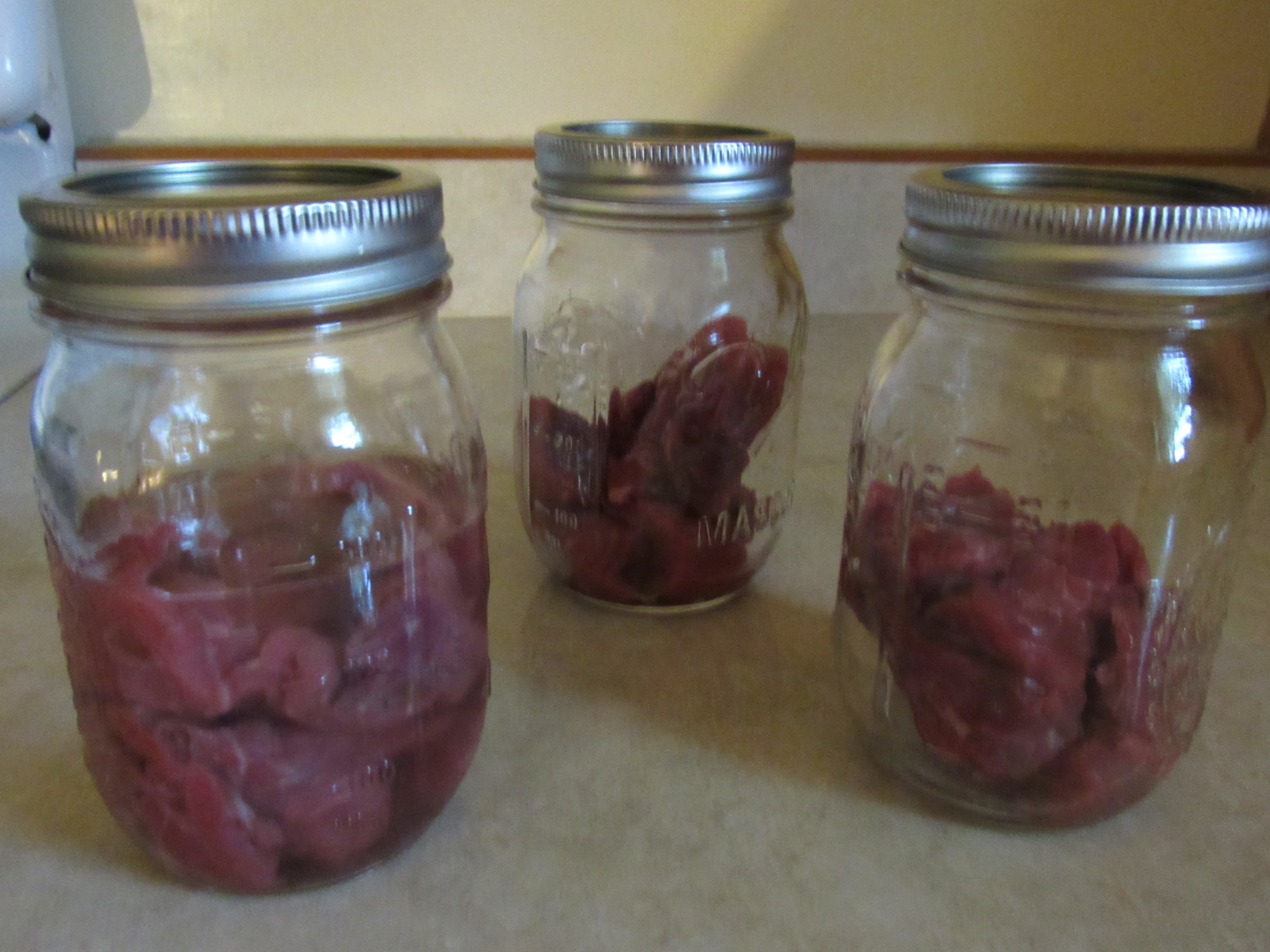
I divided the meat into 3 pint-sized Mason jars. It didn’t say anything about adding water to the meat. As an experiment, I added enough water to cover the beef in one jar only.

The lids were put on top. I half-filled a stewpot with cold water and placed the jars in the water. They toppled sideways. The 1877 cook advised tying them in place. I tied them to the handles individually.

I turned them on a medium heat, refilling with hot water occasionally as it boiled down. After 4 hours, the meat didn’t look like “white rags” as the recipe advised. It didn’t appear that way after 4 ½ hours of gently boiling in a jar.

I turned off the heat anyway and let it cool undisturbed.

When the jars had cooled, I removed them from the water. The amount of broth in the 2 jars with no added water wasn’t impressive. The third jar that started with about a ¼ cup of water held more broth but not a lot more.

After straining the meat, I measured 1 ¼ cups of Beef Tea. I added ½ teaspoon salt. It tasted and looked like au jus. My husband, who loves his meat, liked the flavor but felt I’d added too much salt. If you try this recipe, maybe start with ¼ teaspoon of salt or season to taste.

I checked online to see if there were other beef tea recipes and found a few that are referenced in the sources. One served patients dry toast with the tea. Another suggested adding chopped raw meat to the drink when serving. Another offered the idea of placing the tea in a bowl over boiling water (double-boiler effect) to warm it before serving.

It may seem like a lot of time for little return. Civil War soldiers too weak to eat received lots of nourishment from this tea.

Good luck! I’d love to hear if you try this recipe.

-Sandra Merville Hart

Sources

“Beef Tea,” Vintage Recipes, 2017/05/10 http://www.vintagerecipes.net/books/plain_cookery_book/beef_tea_6.php.

“Beef Tea,” Vintage Recipes, 2017/05/10 http://www.vintagerecipes.net/books/fifty_soups/beef_tea_4.php.

“Beef Tea,” Vintage Recipes, 2017/05/10 http://www.vintagerecipes.net/books/bookofhouseholdmanagement/beef_tea_3.php.

Compiled from Original Recipes. Buckeye Cookery and Practical Housekeeping, Applewood Books, 1877.