Civil War Women: Rebecca Littlepage Thwarts a General

by Sandra Merville Hart

Confederate General Henry Wise replaced Colonel Christopher Tompkins as commander of the Kanawha forces. Marching from Richmond, he arrived in Kanawha County on June 26, 1861. Wise soon stayed in Kanawha House Hotel’s best room.

Fort Sumter had been fired upon two and half months earlier.

The small Virginia town of Charleston was of strategic importance to Wise. He decided to claim a stone mansion surrounded by a thousand acres of farmland as his headquarters.

He should have run the idea by the lady of the house, Mrs. Rebecca Littlepage.

Confederate troops camped near a farm owned by the Littlepage family. Soldiers used the farm’s grain, sugar, bacon, molasses, and horses.

Wise strode to the home and told Mrs. Littlepage he intended to take her mansion as his headquarters. The spunky woman refused to release her home. The general threatened to blow the house down.

He returned with artillery. A crowd followed. Rebecca stood on the front step with her children around her. Wise told her to leave. She refused.

The general ordered his soldiers-some of them family friends—to fire upon the house. The men refused his command. Wise left that day.

Instead of taking over the home, his soldiers camped on the family’s property. Fort Fife, a one-hundred-square foot fort, was built on a hill overlooking the stone mansion. The location gave wonderful views of the Kanawha Turnpike, its junction with the road to Parkersburg, and the James River.

Adam Littlepage, Rebecca’s husband, became the quartermaster officer of the 21st Virginia. He died in a duel and never returned to the stone mansion home that his wife fought so bravely to preserve.

Sources

Egnatoff, Daniel et. al. “Littlepage Mansion-Charleston Civil War Trail.” Clio: Your Guide to History. September 19, 2019. Accessed February 1, 2021. https://theclio.com/entry/4901.

Mortimer, Gavin. Double Death: The True Story of Pryce Lewis, the Civil War’s Most Daring Spy, Walker & Company, 2010.


Euphemia Goldsborough, Confederate Nurse at Gettysburg

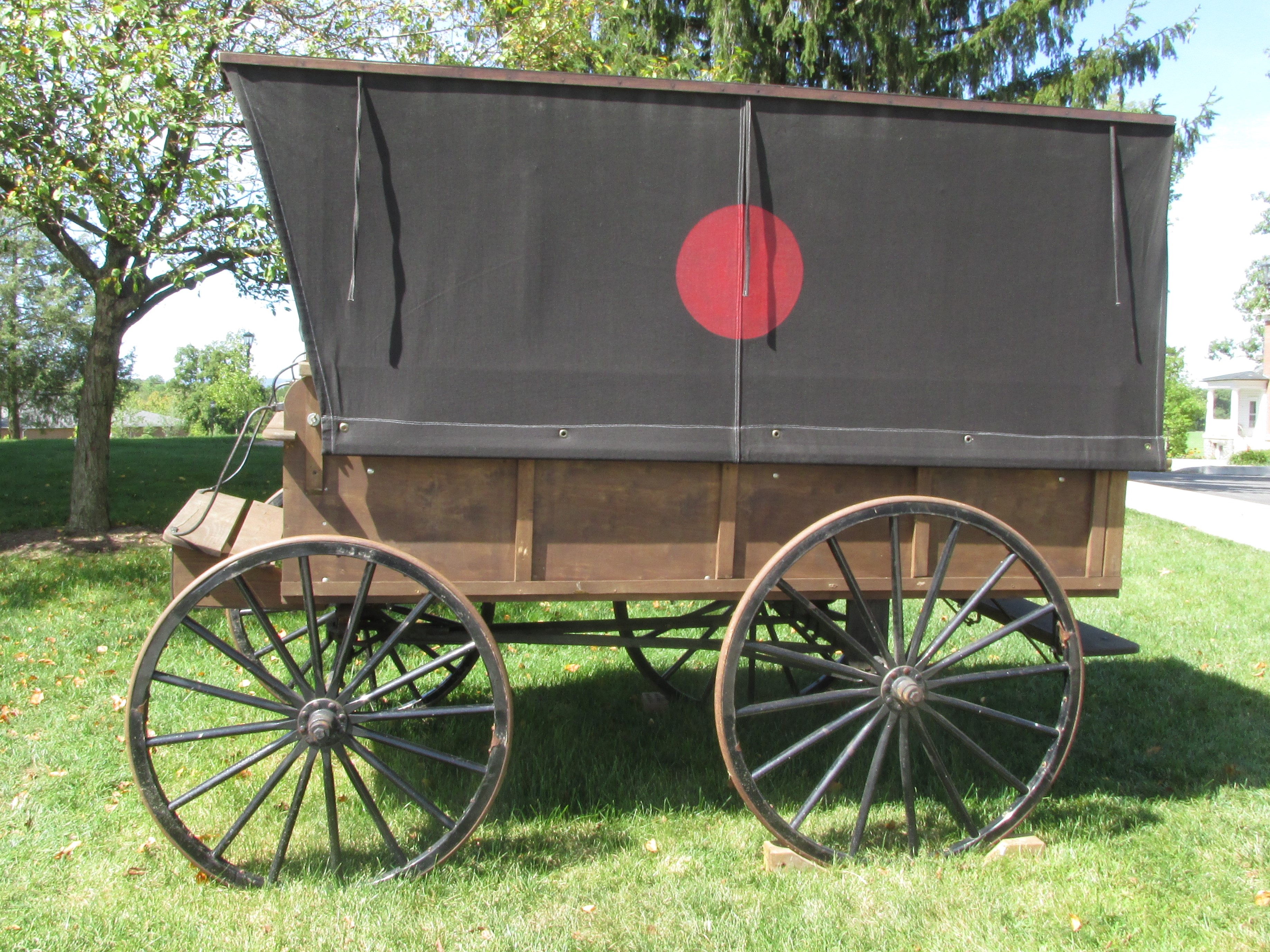
Ambulance outside Lutheran Seminary, Gettysburg.

by Sandra Merville Hart

Euphemia Goldsborough learned of the terrible battle at Gettysburg that took place July 1-3, 1863, and wanted to help nurse the wounded.

She lived in Baltimore, Maryland, and it wasn’t an easy place for a Southern sympathizer to live in 1863. Citizens leaving the city were required to take an oath of allegiance to the Union before a pass would be issued.

General Robert E. Schenck, who commanded the Middle Department and VIII Corps in Baltimore, declared martial law in Baltimore on June 29, 1863. The next day he made it mandatory for anyone leaving the city to have a pass signed by the provost marshal.

Union and Confederate wounded were brought to Baltimore after the battle. Anyone visiting the hospitals had to be completely loyal to the Union. Another order, passed on July 10th, stated that no Confederate soldiers could be entertained in homes or any place other than his assigned hospital.

Under those circumstances, Euphemia’s devotion to the South didn’t allow her to nurse wounded soldiers in Baltimore. She decided to go to Gettysburg.

It’s unclear how she and dozens of other women accomplished leaving Baltimore because the railroads had suspended travel. She also needed a pass—after taking an oath of allegiance—to leave by boat on the Patuxent, Potomac, or West River. Perhaps she disguised herself or hid with the supply wagons headed to the battlefield.

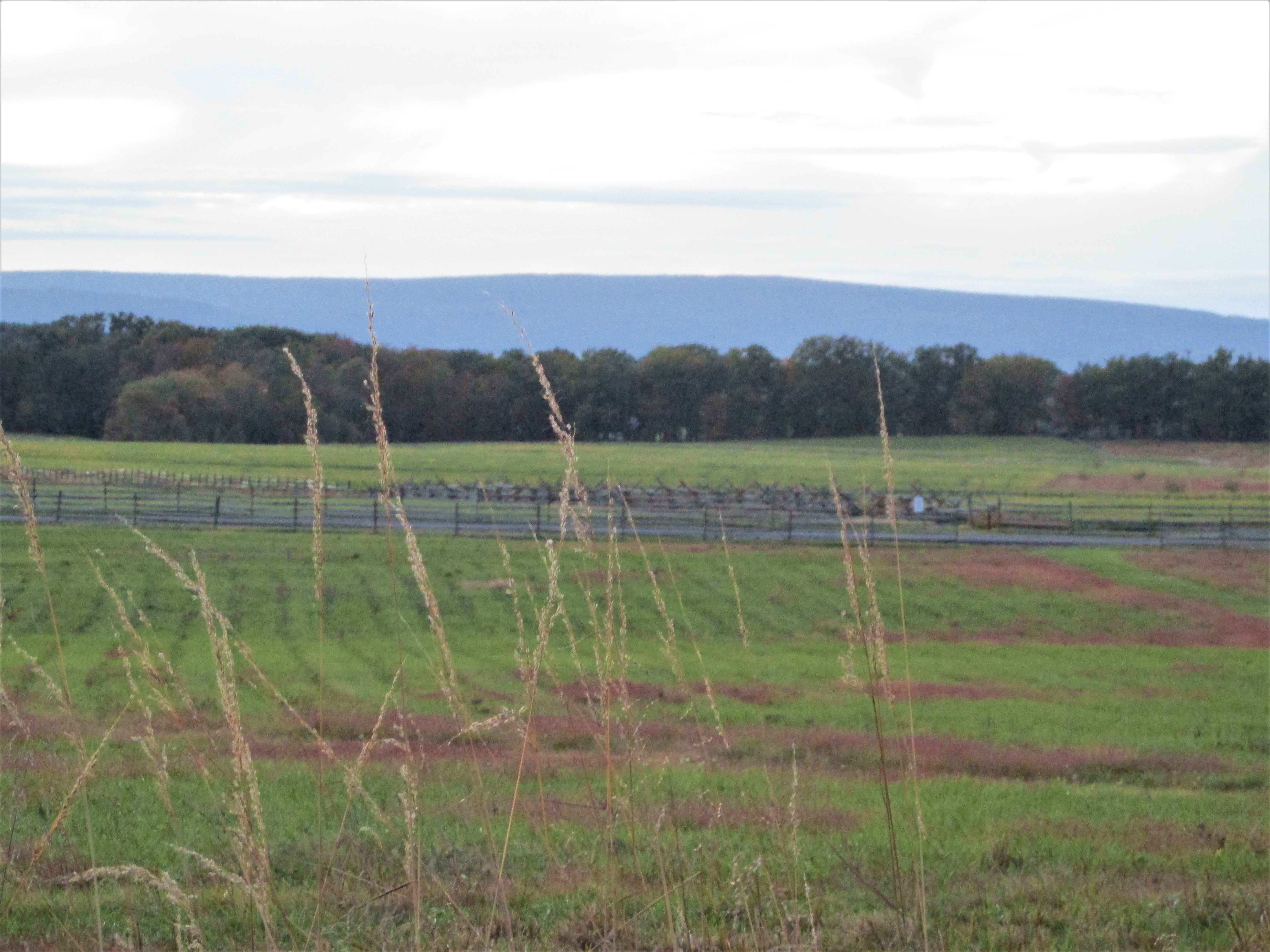
Valley where Pickett led a charge, Gettysburg Battlefield

Regardless of how she got there, she was a nurse at the temporary hospital at Pennsylvania College Hospital by July 18th. Wounded soldiers, some missing limbs, lay on bare floors without pillows.

Colonel Waller T. Patton, 7th Virginia, was one of the wounded there. An artillery shell ripped part of his jaw away during Pickett’s Charge on July 3rd. To aid his breathing, the unconscious man had to be propped up to have any chance to live. Unfortunately, there was no way to prop him.

Euphemia volunteered. She sat on the floor with her legs stretched out in front of her. Surgeons placed his back against hers. Fearing her slightest movement might cause the officer to suffocate, she fought the numbness that soon set in. All through the long night, she sat motionless in the candlelight.

Despite heroic efforts to save him, Colonel Waller T. Patton died on July 21st. His obituary in Richmond’s Daily Enquirer mentioned that he’d been tenderly nursed by a Baltimore woman. Perhaps the article was speaking of Euphemia. When she met the officer’s family in Richmond a few months later, they offered her the hospitality of their home while she was in their city. She thanked them but refused the gracious offer.

Civil War nurses made many sacrifices for their heroic patients. Gettysburg wounded were soon moved to Camp Letterman, a large tent hospital outside town where Euphemia had one hundred patients—fifty Union and fifty Confederate soldiers. She kept hospital books that were autographed by some of her patients. She also had letters and poems from them.

WWII General George S. Patton is a name many recognize. Colonel Waller T. Patton was his great-uncle.

Sources

Conklin, E.F. Exile to Sweet Dixie: The Story of Euphemia Goldsborough Confederate Nurse and Smuggler, Thomas Publications, 1998.

“Waller T. Patton,” Wikipedia, 2021/01/28 https://en.wikipedia.org/wiki/Waller_T._Patton.

Wilson, Laurel. “A Gun with a Story: Waller Patton’s Civil War Pistol,” Gettysburg Compiler, 2021/01/28 https://gettysburgcompiler.org/2017/05/10/a-gun-with-a-story-waller-pattons-civil-war-pistol/.


Last Confederate Surrender

by Sandra Merville Hart

Most people believe the Civil War ended when Confederate General Robert E. Lee surrendered his Army of Northern Virginia to Union General Ulysses S. Grant at Appomattox on April 9, 1865. Not exactly. There were several other Confederate armies that had to surrender.

Rather than surrender, Colonel John S. Mosby, leader of “Mosby’s Raiders,” disbanded his cavalry troops on April 21, 1865.

General Joseph E. Johnston’s Army of Tennessee surrendered at the Bennett Place to Union General Sherman with the final agreement signed on April 26, 1865.

Lieutenant General Richard Taylor surrendered his  Department of Alabama, Mississippi, and East Louisiana to Union Major General Edward Canby at Citronville, Alabama, on May 4, 1865.

Major General Dabney Maury surrendered his  Confederate District of the Gulf  to Union Major General Edward Canby at Citronville, Alabama, on May 4, 1865.

Brig. General M. Jeff Thompson surrendered his  Sub-District of Northwest Arkansas at two Arkansas locations, Wittsburg and Jacksonport, on May 11, 1865.

Brig. General William T. Wofford surrendered his Department of North Georgia    to Union Brigadier General Henry M. Judah in Kingston, Georgia, on May 12, 1865.

Lieutenant General Edmund Kirby Smith, commander of Trans-Mississippi Department, signed a surrender aboard the USS Fort Jackson just outside Galveston Harbor on June 2, 1865.

Cherokee General Stand Watie surrendered his First Indian Brigade at Doaksville on June 23, 1865.

After General Lee’s surrender, the other Confederate armies soon followed.

Yet the last surrender may surprise you, for this one didn’t even take place in the United States.

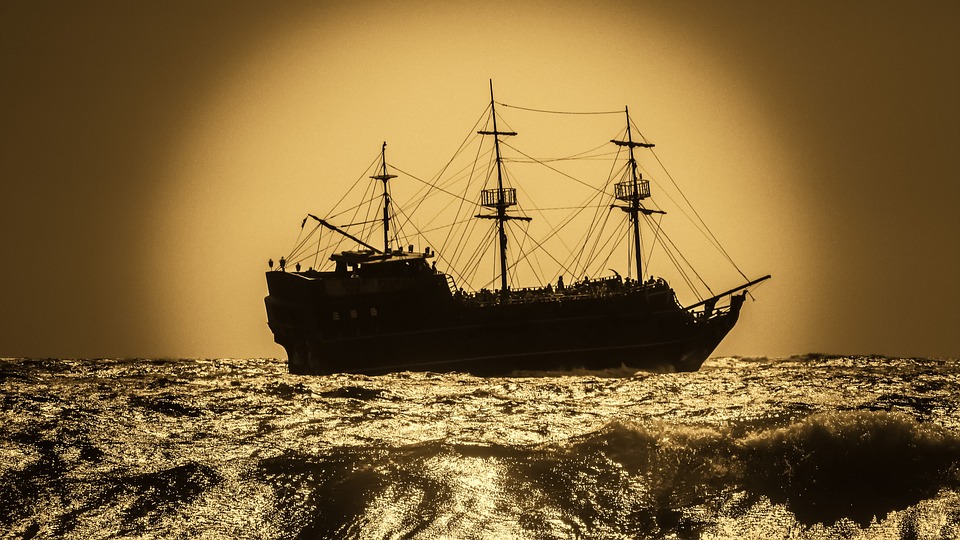
The CSS Shenandoah was purchased in England for the Confederate States Navy in 1864. Formerly the Sea King, the ship was converted to a warship in the Atlantic Ocean near the Spanish coast. Confederate Lt. James Iredell Waddell commanded the ship.

Waddell renamed the ship CSS Shenandoah. It required at least 150 men to sail and operate the warship. When he left the coast of Spain, he had only recruited 43 men for his crew. Since the ship’s task was to disrupt Union shipping, Waddell and his officers decided to increase its crew from the capture of Union ships.

They sailed toward the Cape of Good Hope and then toward Melbourne, Australia, successfully capturing Union ships, cargo, and crews. Some ships were burned or sunk and others were ransomed. The officers and crew of CSS Shenandoah had been quite successful in pursuing Union merchant ships when they had to stop for repairs on January 25, 1865, in Melbourne, Australia.

The crew grew from captured crew members just as Waddell had hoped.

After repairs were completed, Waddell sailed the Pacific Ocean in search of the American whaling fleet and captured ships near the equator in April. The CSS Shenandoah had set sail for the Bering Sea when General Robert E. Lee surrendered at Appomattox on April 9, 1865, though Waddell, being in the middle of the ocean, was unaware of this first of several surrenders. He continued his pursuit of Union merchant ships.

Upon reaching the Bering Sea on June 21st, the CSS Shenandoah captured two whalers the next day. Captain Francis Smith of the William Thompson informed Waddell that the war had ended. Waddell didn’t believe him and burned both the William Thompson and the Euphrates as Union ships.

If the war had ended as Captain Smith claimed, future capture of Union ships risked a charge of piracy. Unconvinced, Waddell continued his mission.

Thirty-eight ships had been captured or destroyed by the CSS Shenandoah when Waddell learned of the war’s end from a source he trusted. The crew of the Barracouta, a British ship, gave him the news on August 2, 1865.

Hoping to escape being charged with piracy and hung, Waddell sailed for Liverpool, England. The 9,000-mile voyage took three months. The ship’s crew, fearing capture if it replenished supplies at a port, never stopped. Union ships pursued the CSS Shenandoah the whole journey.

Waddell surrendered in Liverpool to the HMS Donegal on November 6, 1865. It was the final surrender of the Civil War.

Sources

History.com Editors. “CSS Shenandoah learns the war is over,” A&E Television Networks, 2020/12/28 https://www.history.com/this-day-in-history/css-shenandoah-learns-the-war-is-over.

Marcello, Paul J. “Shenandoah 1864-1865,” Naval History and Heritage Command, 2020/12/28 https://www.history.navy.mil/research/histories/ship-histories/confederate_ships/shenandoah.html.

Plante, Trevor K. “Ending the Bloodshed,” Prologue Magazine National Archives, 2021/01/04 https://www.archives.gov/publications/prologue/2015/spring/cw-surrenders.html.


Radford Gatlin’s Store Gives a Town a Name


by Sandra Merville Hart

Settlers from the eastern states of North Carolina, South Carolina, and Virginia had lived in the area of Tennessee now known as Gatlinburg almost a half-century before Radford Gatlin arrived.

North Carolinian Radford Gatlin came to White Oak Flats with his wife and a slave woman in 1854. He purchased property around the mouth of Roaring Fork Creek that extended over from what later became known as Burg Hill to Huckleberry Ridge. He built a home and a store on his land.

Gatlin, a shrewd businessman, hauled merchandise from Sevierville on horseback or on his shoulders because there were no wagon roads. He stocked large quantities of coffee, salt, sugar, guns, axes, rifles, and ammunition—items in great demand. Residents at the time recalled the heavy, clear-toned cowbells sold by the store.

A deeply religious man, Gatlin established a church and called it New Hampshire Baptist Gatlinites. About half the folks attended at first. Crowds dwindled as hard feelings arose against the overbearing and antagonistic preacher. The Gatlins were charged with abusing their servant.

Soon he was forbidden to preach at the church. Around this time, his barn burned. He accused Elisha Ogle of setting the fire. Ogle sued. Gatlin lost and had to sell his land to repay money borrowed to defend himself.

Gatlin paid grant fees on a claim of 50,000 acres that extended to the top of the Great Smokies over toward Maryville in 1855, and it was recorded in Sevierville at the county’s courthouse.

Dick Reagan, the postmaster, was one of Gatlin’s friends. In 1856, the post office was in Gatlin’s store and Reagan named it Gatlinburg in his friend’s honor.

Gatlin’s slave fell ill and died. She is buried in a field about twenty feet east of where Ogle Brothers’ Store once stood. Jane Huskie and James Bohannon are also buried there. Both women are in unmarked graves.

Sentiment in the mountains during the 1850s was for the Union while Gatlin was strongly outspoken in support of the Confederacy. As the Civil War approached, Gatlin gave such a bitter speech that masked men severely beat him one night and ordered him to leave.

No valid claims were found for his vast acreage. Some belonged to prior claims and some was even across North Carolina’s state boundary. Destitute, he left Gatlinburg in 1859 or 1860.

Gatlin moved to Fultonville where he started a school. He wrote textbooks–a reader and a speller–that he used there as a teacher. One of the families kept an old receipt from Gatlin for $4, the cost of their son’s quarterly tuition.

Sources:

“8 Huge Moments in Gatlinburg History and Pigeon Forge History,” Timber Tops Cabin Rentals, 2020/08/23 https://www.yourcabin.com/blog/moments-in-gatlinburg-and-pigeon-forge-history/.

“Gatlinburg, Tennessee,” Wikipedia, 2020/08/24 https://en.wikipedia.org/wiki/Gatlinburg,_Tennessee.

Greve, Jeanette S. The Story of Gatlinburg, Premium Press America, 2003.

“Smoky Mountain History: How Did Gatlinburg, Pigeon Forge and Sevierville Get Their Names?” Visit My Smokies, 2020/08/23 https://www.visitmysmokies.com/blog/gatlinburg/smoky-mountain-history-how-cities-got-their-names/.

“The Story of Gatlinburg,” Gatlinburg Convention and Visitors Bureau, 2020/08/23 https://www.gatlinburg.com/the-history-of-gatlinburg/.

When Gatlinburg was known as White Oak Flats


by Sandra Merville Hart

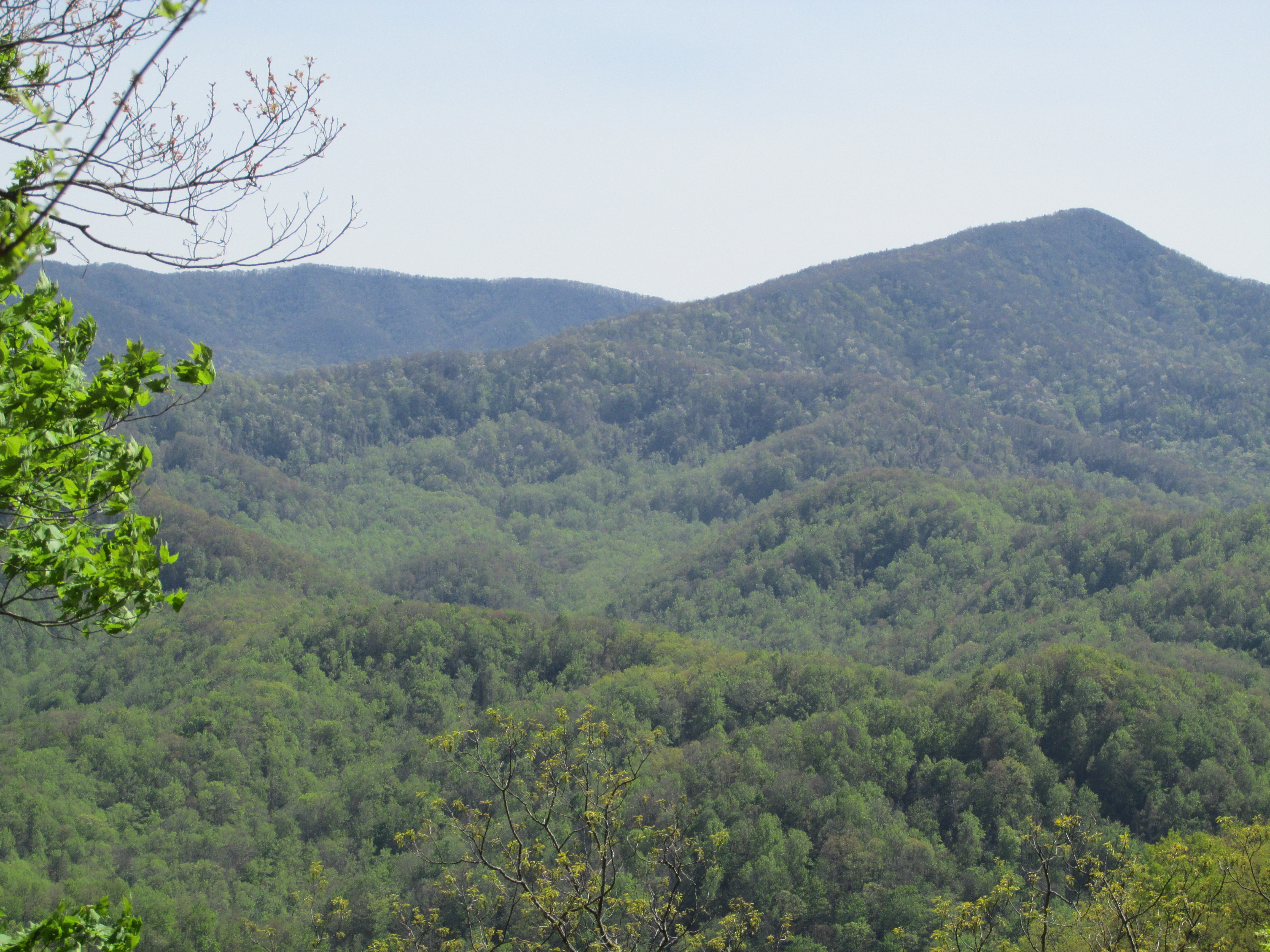
Indian Gap Trail was a footpath that Cherokee traveled to hunt in the Smoky Mountains. It connected to a trail that followed the West Fork of the Little Pigeon River through what is now Sevierville, Pigeon Forge, and Gatlinburg over the mountains into North Carolina.

There were many settlers in Sevier County when Sevierville became the county seat in 1793. William Oglesby came to the Gatlinburg area from Edgefield, South Carolina. He cut and notched logs to build a cabin with the help of the Cherokee. Then he returned home for his family. Unfortunately, he caught malaria and died in 1803.

Martha Jane Huskey Oglesby, his widow, brought her family to the mountains and found the logs as her husband left them four years earlier and built a cabin. They shortened their name to Ogle.

Jane’s oldest daughter, Rebecca, was already married when they arrived. She and her husband James McCarter settled in what’s now called Cartertown. Isaac Ogle, Jane’s oldest son, owned 50 acres around Mill Creek.

By 1802, Richard Reagan had moved with his family from Virginia. Daniel Wesley Reagan was born on October 15, 1802, the first child born in the new settlement that was soon to be called White Oak Flats for the area’s abundance of white oak trees.

Pioneers settling in White Oak Flats around this time were John Ownby, Jr. and Henry Bohanon. Other early family names are Whaley, Trentham, Pinckney, and Maples.

There were no wagon roads. The pioneers carried their possessions over rough trails to make a home in the Smoky Mountains. They chopped down trees to plant crops and build cabins and barns.

James Bohannon was the first person to die in White Oak Flats. While carrying a heavy sack of maple sugar across a foot log bridge on the Pigeon River, he fell off and drowned.

Cherokee and Creeks resented their presence—it caused fights and friction. Gradually the Native Americans left the Smokies.

Many early residents may have been Revolutionary War soldiers who received fifty acres of land from North Carolina. (Tennessee had been part of North Carolina during the war.) Soldiers brought warrants with them, paying 75 cents for their property. The Sevier County Courthouse burned in 1824, losing all records, so this can’t be proven except by family tradition.

Worship services were first held out-of-doors until a church was built where the roads crossed. (Ogle Brothers’ store later stood there.)

Folks continued to move to the area. A second church was built near the mouth of Mill Creek on river road. This five-cornered building served the community as a church and school from 1816—35. They then built a log building, The White Oak Flats Baptist Church, on the Bearskins Creek bank in 1835.

The post office moved to Radford Gatlin’s store and White Oak Flats became known as Gatlinburg in 1856.

Sources:

“Gatlinburg, Tennessee,” Bearskin Lodge, 2020/08/24 https://www.thebearskinlodge.com/gatlinburg-history/.

“Gatlinburg, Tennessee,” Wikipedia, 2020/08/24 https://en.wikipedia.org/wiki/Gatlinburg,_Tennessee.

Greve, Jeanette S. The Story of Gatlinburg, Premium Press America, 2003.

“The Story of Gatlinburg,” Gatlinburg Convention and Visitors Bureau, 2020/08/23 https://www.gatlinburg.com/the-history-of-gatlinburg/.

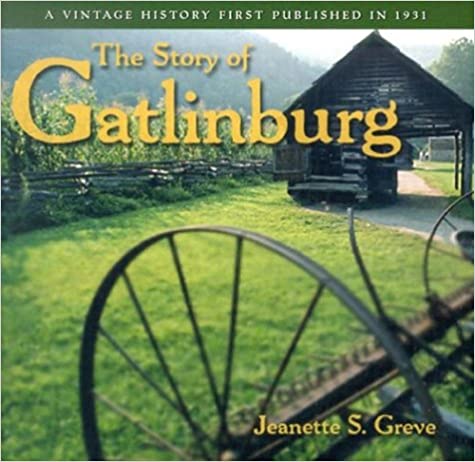
The Story of Gatlinburg by Jeanette S. Greve

A vintage history first published in 1931

What a treasure this book is to readers interested in the history of Gatlinburg and the Smoky Mountains!

I purchased this book on one of my family vacations to Gatlinburg. I knew the city’s popularity has exponentially grown in last fifty to sixty years and wondered about its humble beginnings.

This book demonstrates that growth while giving readers many details about how the first settlers lived. If you have roots or family ties to the area, you may discover more about your ancestors.

As a historical author of Civil War romances, I loved the information about the Battle of Gatlinburg. I learned the town was occupied during the war. The author provides officer’s names and specific regiments in the area—wonderful details for researchers.

Folks interested in the history of Gatlinburg as well as those who love learning America’s history will enjoy this book. A treasure!

-Sandra Merville Hart

Amazon

History of Pigeon Forge

by Sandra Merville Hart

Like other tourists to the Smoky Mountains, my family has spent many happy days in Pigeon Forge, Tennessee. My parents, who used to live nearby, told me that it was a small tourist town into the 1970s. A recent vacation showed that every square foot along the main road is covered with restaurants, shops, motels, and shows. When did it change? And what is the history of the town?

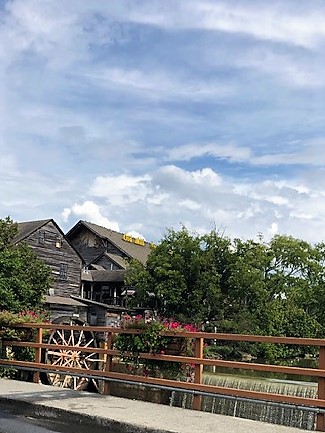
Mordecai Lewis left Virginia and received 151-acre land grant from Governor Blount. In 1790, he built the area’s first forge on it. His son-in-law, Isaac Love, who inherited his property, built an iron forge along what’s now known as the West Fork of the Little Pigeon River in 1817. Iron bars, farming tools, and building equipment produced by this forge were sold throughout the country.

William Love and his brothers, sons of Isaac, built Lewis Mill (today’s Old Mill) near the forge in 1830. Farmers brought wheat, corn, and oats to make flour at the gristmill.

Beech trees lined the river, attracting huge flocks of passenger pigeons to nest in its trees and feast on beechnuts. Sadly, the once massive flocks of birds are now extinct.

When William Love was appointed postmaster with the post office inside the mill, Pigeon Forge received its name for his father’s forge and the passenger pigeons.

The mill was sold to John Trotter before the Civil War. He used his mill to support the Union. Clothing for Union soldiers in Gatlinburg were produced by secret looms on the second floor. Trotter used the third floor as a hospital.

The town’s population remained small—154 in 1907. Tourism increased in the mountains after the Great Smoky Mountains National Park was dedicated in 1940.

Rebel Railroad, Pigeon Forge’s first theme park opened in 1961. Klondike Katie, a coal-fired steam engine, was the main attraction. It changed ownership in 1970 and became Goldrush Junction. Another new owner in 1977 renamed it Silver Dollar City. Country singer Dolly Parton became a co-owner in 1982. Four years later, Dollywood opened.

Pigeon Forge became a city in 1961. Tourism boomed twenty-one years later. The city has grown rapidly to become a popular vacation location—a long way from a forge and a mill that was its claim to fame 190 years ago.

Sources:

“8 Huge Moments in Gatlinburg History and Pigeon Forge History,” Timber Tops Cabin Rentals, 2020/08/23 https://www.yourcabin.com/blog/moments-in-gatlinburg-and-pigeon-forge-history/.

Greve, Jeanette S. The Story of Gatlinburg, Premium Press America, 2003.

“History of Pigeon Forge, TN,” Smoky Mountain Navigator, 2020/03/23 https://www.smokymountainnavigator.com/explore-the-smokies/pigeon-forge/history-of-pigeon-forge-tn/.

“Our Old Mill: History in the Making,” The Old Mill, 2020/08/23 https://old-mill.com/our-history/.

“Smoky Mountain History: How Did Gatlinburg, Pigeon Forge and Sevierville Get Their Names?” Visit My Smokies, 2020/08/23 https://www.visitmysmokies.com/blog/gatlinburg/smoky-mountain-history-how-cities-got-their-names/.

“Step Back in Time at the Old Mill in Pigeon Forge,” Pigeon Forge.com, 2020/08/23 https://www.pigeonforge.com/old-mill/.

Early Exploration of the Grand Canyon

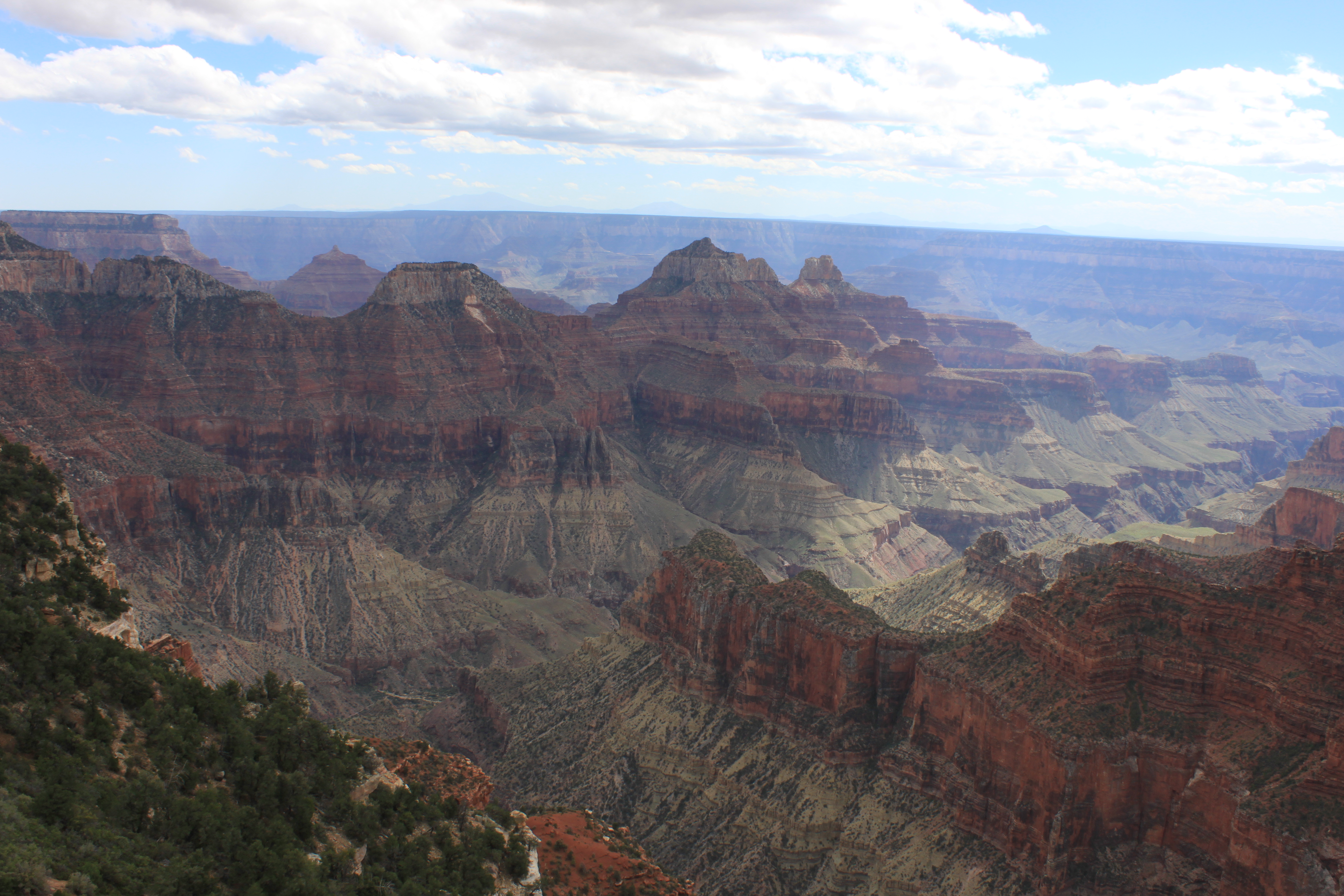
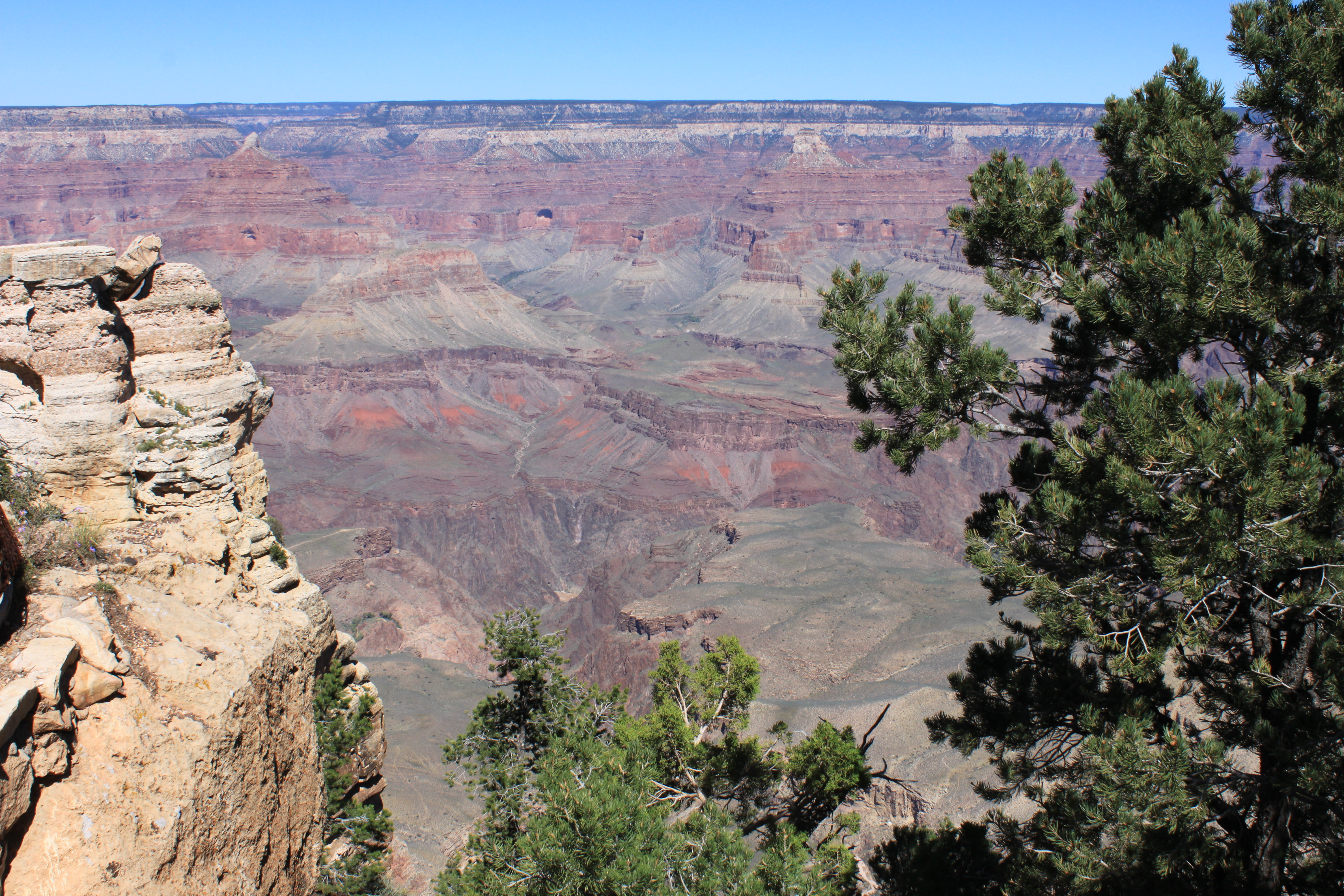
Rugged terrain hindered early exploration of the Grand Canyon.

Francisco Vazquez de Coronado and his army weren’t searching for the Grand Canyon when they arrived at the Hopi Mesas in 1540. Their ultimate goal was to find the Seven Cities of Cibola. Hoping that a “great river” would provide water passage to the Gulf of California, Coronado sent about a dozen soldiers under the leadership of Garcia Lopez de Cardenas to find it.

Hopi guides, warned not to give useful tips about the area by their leaders, escorted them to the Grand Canyon—not the Seven Cities of Cibola, but one of the Seven Natural Wonders of the World.

Observing the canyon, possibly from the South Rim, Cardenas and his soldiers accurately estimated it to be 8 – 10 miles to the other side. The Colorado River a mile below appeared about 6 feet wide—it’s actually 300 feet wide and averages a depth of 40 feet within the Grand Canyon.

Though they had found a waterway to the Gulf of California (the Colorado River flows through the Grand Canyon and eventually reaches the gulf,) the wide river and whitewater rapids weren’t the easy route they’d envisioned. These early Spanish explorers never even made it to the canyon floor. Three soldiers made it about a third of the way down the canyon and then realized the river was much wider than it looked from the rim. They climbed back up the rugged terrain and reported that the river wasn’t navigable for their ships. Cardenas and his men returned to their army and reported an impassable barrier.

In 1857, United States War Department government wanted to explore an upriver route from the Gulf of California. Lt. Joseph Ives led an expedition from the Colorado River Delta near the gulf eastward along the Colorado River in the steamboat Explorer, which struck a rock in the rapids below Black Canyon before reaching the Grand Canyon. A skiff transported his party another 30 miles. Then they walked into the canyon at Diamond Creek.

Ives wasn’t impressed with the Grand Canyon, declaring it “altogether valueless.”

Geologist John Strong Newberry, also on expedition, didn’t agree. His talks with Geologist John Wesley Powell sparked that army man’s interest. In 1869, Major Powell, a Civil War veteran, began explorations later known as the Powell Expeditions. Mountain men, Civil War veterans, and ex-trappers accompanied him. Four boats left Wyoming on the Colorado River toward the Grand Canyon. Rapids in the Lodore Canyon cost them equipment and food when one boat sank.

Powell’s next expeditions was more successful and included scientists, a photographer, and an artist. Photographs, illustrations, and systematic notes detailed rock formations and archaeological locations. They generated public interest.

Geologist Clarence Dutton conducted a geological survey in 1880-81.

In 1882, Santa Fe Railroad reached Flagstaff, Arizona. A year later, tourists traveled by stage coach to the Grand Canyon next year.

Nearly 6 million tourists visited the Grand Canyon last year, though it’s a less arduous trip these days!

-Sandra Merville Hart

**Photos courtesy of Photographer Keith Adams.

Sources:

“Colorado River,” Wikipedia, 2020/04/09 https://en.wikipedia.org/wiki/Colorado_River.

“Grand Canyon: People,” National Park Service, 2020/04/06 https://www.nps.gov/grca/learn/historyculture/people.htm.

“Grand Canyon Trivia,” Grand Canyon Expeditions Company, 2020/04/09 https://www.gcex.com/grand-canyon-trivia/.

History.com editors. “Grand Canyon,” History, 2020/04/06 https://www.history.com/topics/landmarks/grand-canyon.

“History of the Grand Canyon,” Wikipedia, 2020/04/06 https://en.wikipedia.org/wiki/History_of_the_Grand_Canyon_area.

“Joseph Christmas Ives,” Wikipedia, 2020/04/09 https://en.wikipedia.org/wiki/Joseph_Christmas_Ives.


Transplanted Tree at the Alamo

My husband and I traveled to San Antonio, Texas, last year. While there, we visited the Alamo. In addition to the historical significance of the battle fought there in 1836, we walked through its beautiful gardens.

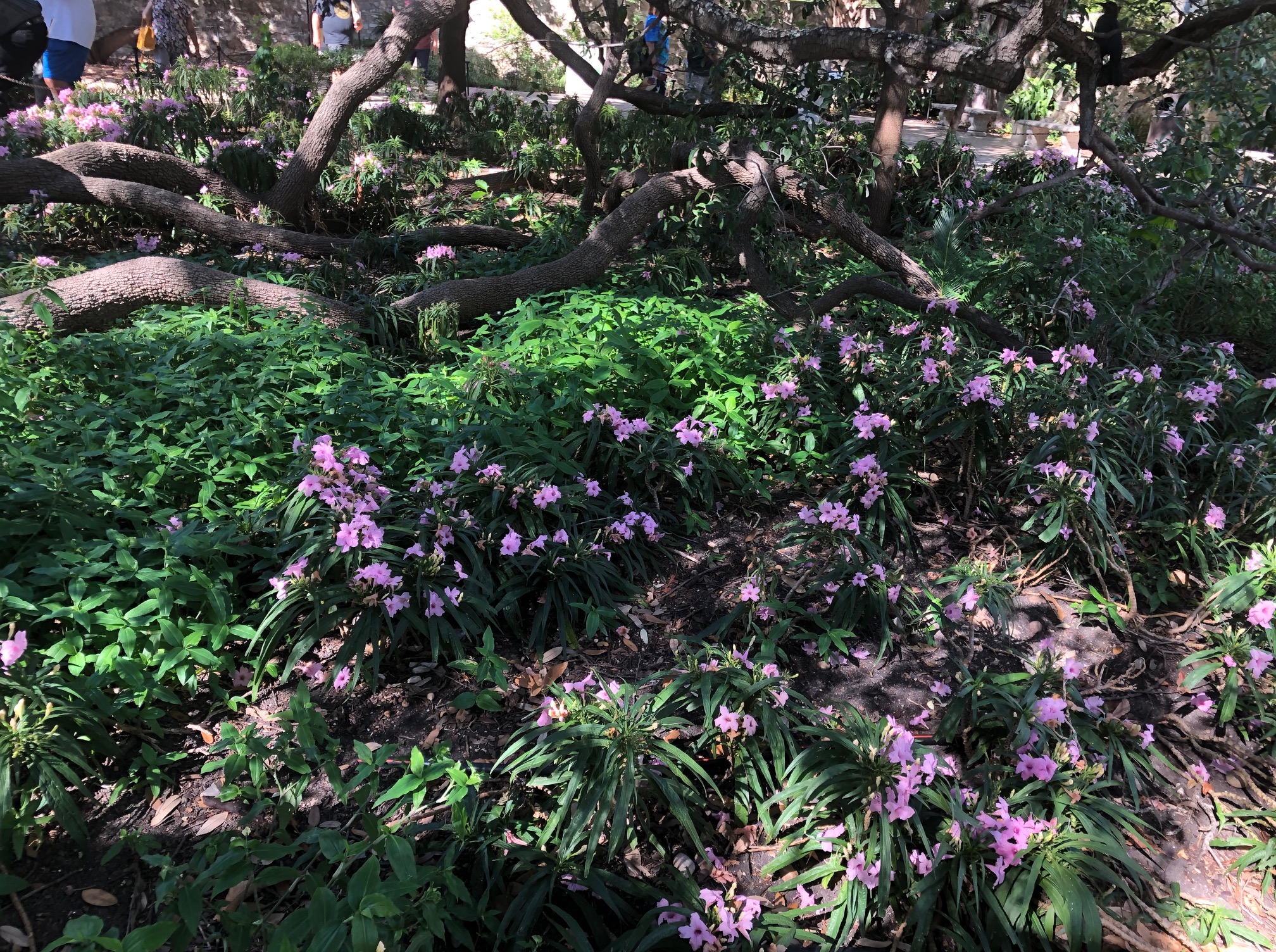
One of the trees caught my eye. The oak tree had been transported in 1912. What makes that more significant is that the large tree was already forty-years-old at the time! The tree has been alive since 1872.

In 1912, Walter Whall accomplished a feat by moving a large tree. He carefully dug up the tree and removed dirt from the roots. It was loaded onto a cart. Four mules pulled the heavy tree through the streets. Avoiding knocking against telegraph and power lines were Whall’s greatest challenge with the transport.

The Alamo Live Oak has flourished in the Alamo’s courtyard for 108 years. Sitting beside an abandoned well, heavy limbs rest against the ground at points and then reach toward the sky again.

The tree’s circumference measures 12 feet, 9 inches and it stands at just over 39 feet. An impressive history for a tree that somehow demands notice.

May it thrive another 148 years.

-Sandra Merville Hart

Sources

Maeckle, Monika. “Heritage Tree: Live Oak at the Alamo,” Rivard Report, 2020/01/03

Heritage Tree: Live Oak at the Alamo


Rico, Sharon. “Remember the Alamo (and its gardens),” Daily Republic, 2020/01/03 https://www.dailyrepublic.com/all-dr-news/solano-news/local-features/local-lifestyle-columns/remember-the-alamo-a-visit-to-its-gardens-colorful-worthwhile/.


A Manual of Etiquette With Hints on Politeness and Good Breeding

Sophia Orne Johnson (1826-1899) wrote under the pen name of Daisy Eyebright. Her book, A Manual of Etiquette With Hints on Politeness and Good Breeding, originally published in 1868.

This book is a wonderful look at society in the United States shortly after the Civil War. It covers etiquette for the home with advice for children’s behavior and learning polite manners.

Social visits, behavior in traveling, table etiquette, dinner parties, letter-writing, the art of conversation, evening entertaining, and weddings are some of the topics covered.

Even marriage advice is given and, may I say, times have certainly changed!

I enjoyed reading this book as a lens into society and the way people lived 150 years ago. This is also the time period of my next Civil War series. This book offered many gems and even a few plot ideas for my research.

Lovers of history will enjoy this glimpse into the past.

-Sandra Merville Hart

Amazon