1870s Comparative Value of Fuel

I’ve learned from other sources—family and friends who have experience with wood-burning stoves or bonfires—that some woods burn faster than others. I found a great table in an 1877 cookbook grading woods on their value as fuel.

Shellbark Hickory topped the list at 100.

Pig-nut Hickory was second on the list at 96.

White Oak was rated at 84 while Yellow Oak was 60.

White Ash was 77 and White Elm was 58.

The only Maple wood listed was Hard Maple—59.

Red Oak—69; White Beech—65; and Black Birch—62.

Chestnut trees grew in abundance in the 1877 and were graded as 52.

White Birch was graded as 48.

I’d always heard that pine wood burns hot and fast. This book rated Yellow Pine as 54 and White Pine (the lowest grade mentioned) as 42.

The cookbook author noted that some woods, hickory being one of them, received their value from the “heat of the coals after burning.”

Even the same type of woods can vary in density. Trees grown in open areas on dry land are best.

I remember walking through the forest with my dad as a child. He showed me how to tell the different species of trees—the bark and the shape of the leaves were the biggest clues. Yet the height and width of the trees are also considerations.

Interesting!

-Sandra Merville Hart

Sources

Compiled from Original Recipes. Buckeye Cookery and Practical Housekeeping, Applewood Books, 1877.

1870s Liquid Measures

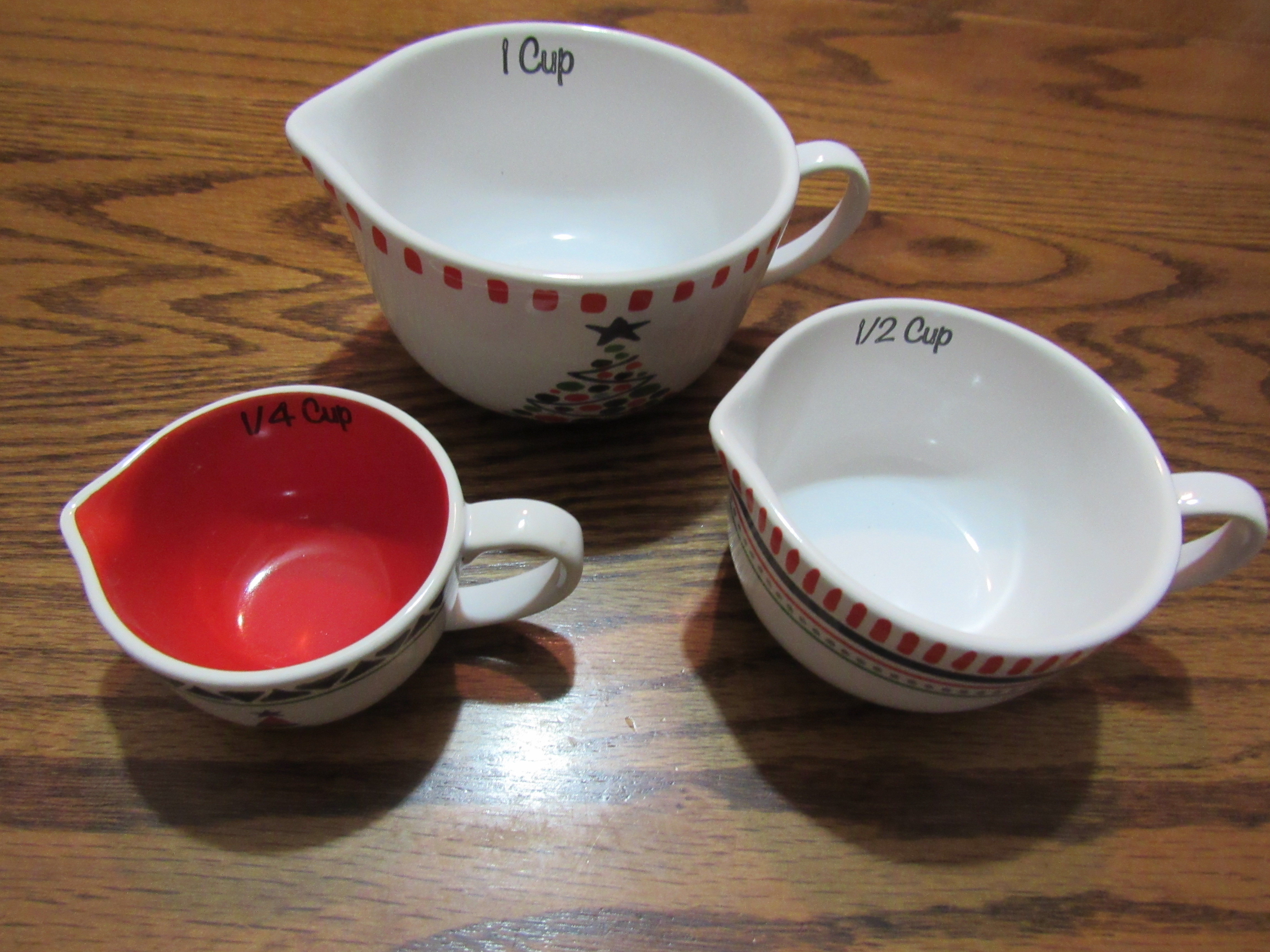
Leafing through a cookbook from 1877, I found a great table of liquid measures. Some of these are common measures today while others were better known by our great-great grandparents.

1 teaspoon full = 45 drops of pure water at 60 degrees Fahrenheit. (This measure was included due to the varied sizes of teaspoons.)

1 teaspoon = about 1 fluid drachm

4 teaspoons = 1 tablespoon or ½ fluid ounce (today’s measures are 3 teaspoons = 1 tablespoon so this shows the change in measuring spoon size over the years)

1 ounce = 8 fluid drachms (1/4 gill)

1 pint = 16 fluid ounces (4 gills)

16 tablespoons = ½ pint

1 tea-cup = 8 fluid ounces (2 gills)

4 tea-cups = 1 quart

1 common-sized tumbler holds about ½ pint (8 ounces)

4 gills (gi.) = 1 pint

2 pints = 1 quart

4 quarts = 1 gallon

The cookbook author mentions old French measures for liquids used “1 tea-cup equals 4 fluid ounces or 1 gill.” The author does not say how many years ago that measure had been used. The tea-cup was about twice that size in the 1870s.

These important variations make it challenging to figure out ingredient measurements for historic recipes.

Interesting!

Has anyone run across recipe measuring in gills or drachms?

-Sandra Merville Hart

Sources

Compiled from Original Recipes. Buckeye Cookery and Practical Housekeeping, Applewood Books, 1877.

I’ve Brought some Corn for Popping


“I’ve brought some corn for popping.” This line from the beloved Christmas carol “Let it Snow” started me wondering when the tradition of popping corn began.

People have known how to pop corn for thousands of years. Ears of popcorn were discovered in the Bat Cave in New Mexico that are about 4,000 years old. Found in 1948 and 1950, a penny is larger than the smallest of these ears while others are about 2 inches long.

Popcorn remnants discovered in Mexico have been dated to around 3600 BC.

Surprising, right?

One-thousand-year-old popcorn kernels found in North Chile still pop.

Aztec Indians in the 16th century used popcorn for ceremonial headdresses and necklaces. Young women danced a popcorn dance wearing popcorn garlands on their heads.

Pearls or Nonpareil were names that the kernels were sold under on the United States eastern coast in the 19th century.

Popcorn ground with cream or milk was a popular dish for breakfast in the late 19th and early 20th centuries.

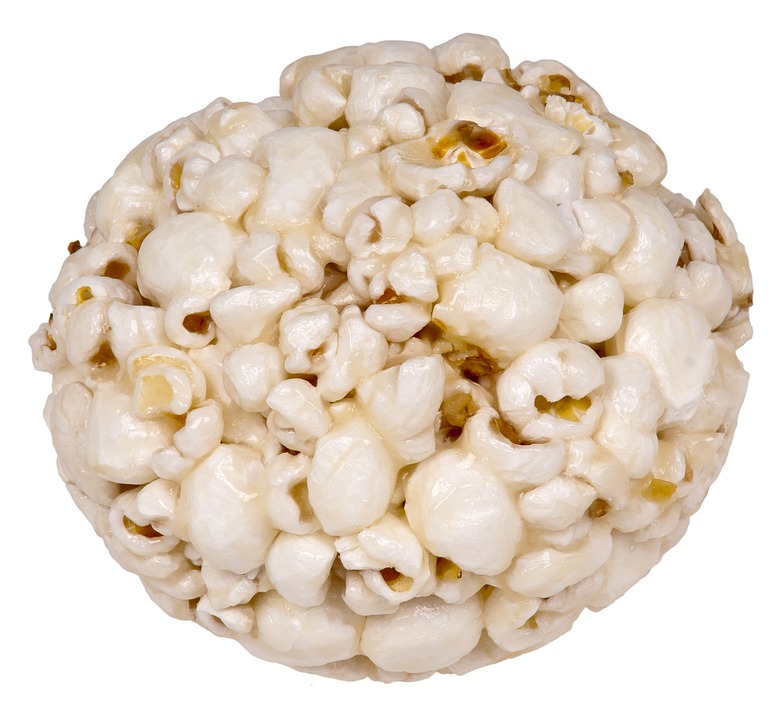
Popcorn balls became beloved Christmas gifts in the 19th century. These were also used in decorating mantles and Christmas trees. Stringing popcorn was also popular as garland.

Street vendors pushed carts with steam or gas-powered poppers to sell popcorn at fairs and parks. The aroma alone must have sold the treat at outdoor festivities.

Popcorn was so inexpensive—5 or 10 cents a bag—that sales actually increased during the Great Depression. Selling popcorn at movie theaters increased the snack’s popularity.

Microwave popcorn made the snack a modern convenience since the 1980s.

Sources

“Early Popcorn History,” Popcorn.org, 2018/11/02

https://www.popcorn.org/Facts-Fun/History-of-Popcorn.

“Popcorn,” Wikipedia, 2018/11/02 https://en.wikipedia.org/wiki/Popcorn.

Pumpkin Pie: A Holiday Tradition


by Sandra Merville Hart

Hurrah for pumpkin pie is a line from a song often sung at Christmas— “Over the River and Through the Woods.” Originally published in 1844, this song shows the long-standing tradition of eating pumpkin pie during the holidays.

December 25th is National Pumpkin Pie Day!

The Church’s observation of meatless days led to eating more pie at the Christmas season—often fish pies. Fruit pie became popular in the 1500s with the lowering of sugar prices. The nobility enjoyed them on holidays and special occasions.

Others soon began to eat pies but kept the custom of baking them on holidays and other special occasions.

Pumpkin pie recipes are found in English cookbooks from the seventeenth century though American cookbooks generally didn’t have them until the early 1800s. Pumpkin pie soon became a staple at Thanksgiving.

Pumpkins are harvested in the fall, making them a natural addition to holiday dinners. Our family has pumpkin pie at both Thanksgiving and Christmas.

The world’s largest pumpkin pie was baked on September 25, 2010 at the New Bremen Pumpkinfest in Ohio. The pie had a diameter of 20 feet!

I am including a link to the recipe for my mom’s delicious pumpkin pie.

Enjoy!

Sources

“History of Pie: Why do we eat Pie During the Holidays?” Marie Callenders, 2018/11/05 https://www.mariecallendersmeals.com/articles/history-pie-why-do-we-eat-pie-during-holidays.

“National Pumpkin Pie Day,” Holiday Insights, 2018/11/05 http://holidayinsights.com/moreholidays/December/pumpkinpieday.htm.

“Pumpkin Pie,” Wikipedia, 2018/11/05 https://en.wikipedia.org/wiki/Pumpkin_pie.


Chestnuts Roasting …


by Sandra Merville Hart

Chestnuts roasting on an open fire …

I love listening to “The Christmas Song” during the holidays. Roasting chestnuts must have been a beloved holiday tradition for many families in days gone by.

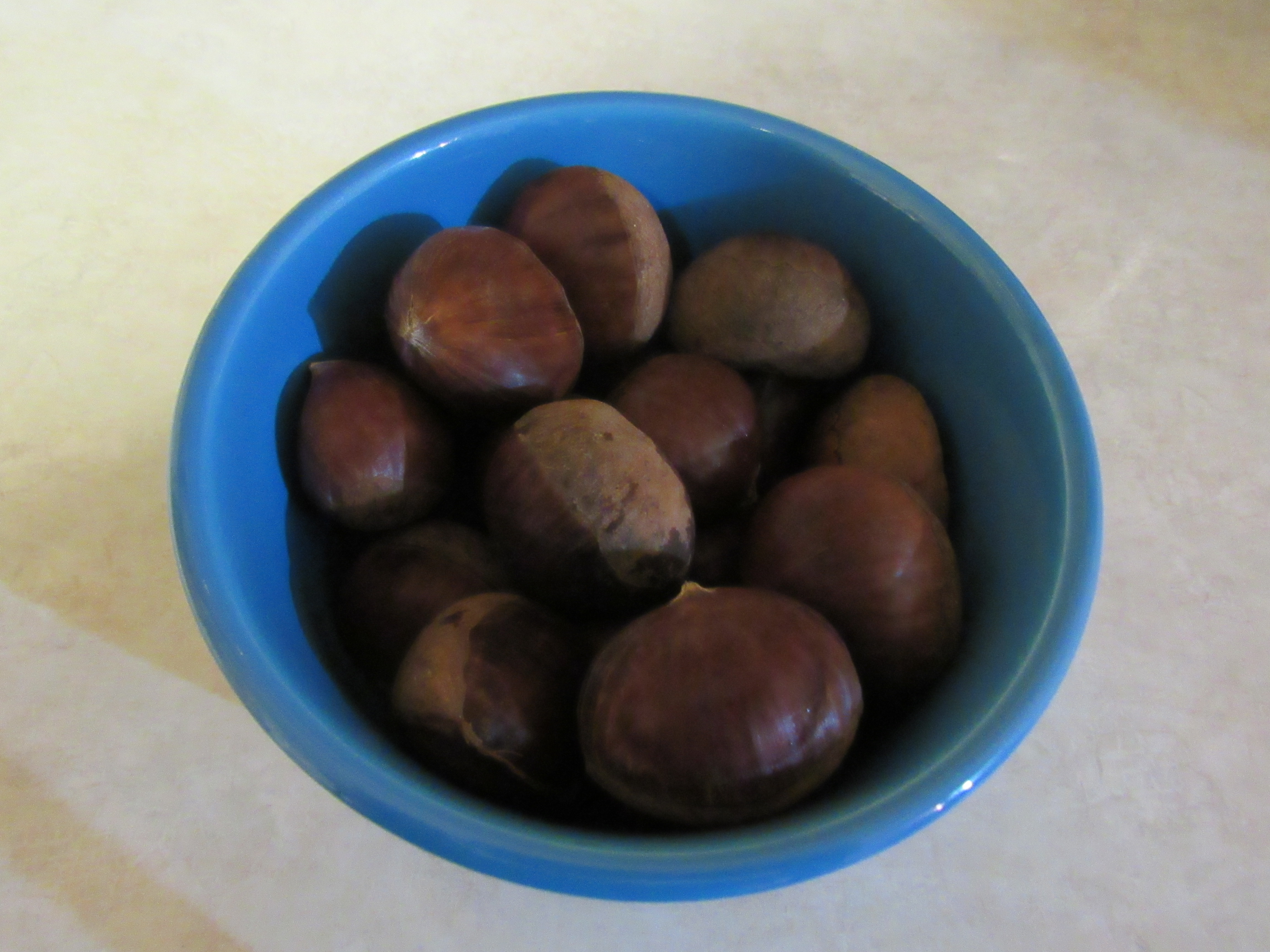
American chestnut trees once grew in abundance in the United States—so many, in fact, that they made up almost 25% of the forest. Tragically, an Asian blight attacked the trees, virtually wiping them out from 1920 – 1940. About 4 billion trees died.

There is a bit of good news–scientists working on ways to save them from extinction are making some progress.

Today, China leads the world on chestnut production.

Chestnuts are harvested in the fall and winter. When buying them, look for a shiny brown exterior. Make sure they are firm. Refrigerate until ready to use.

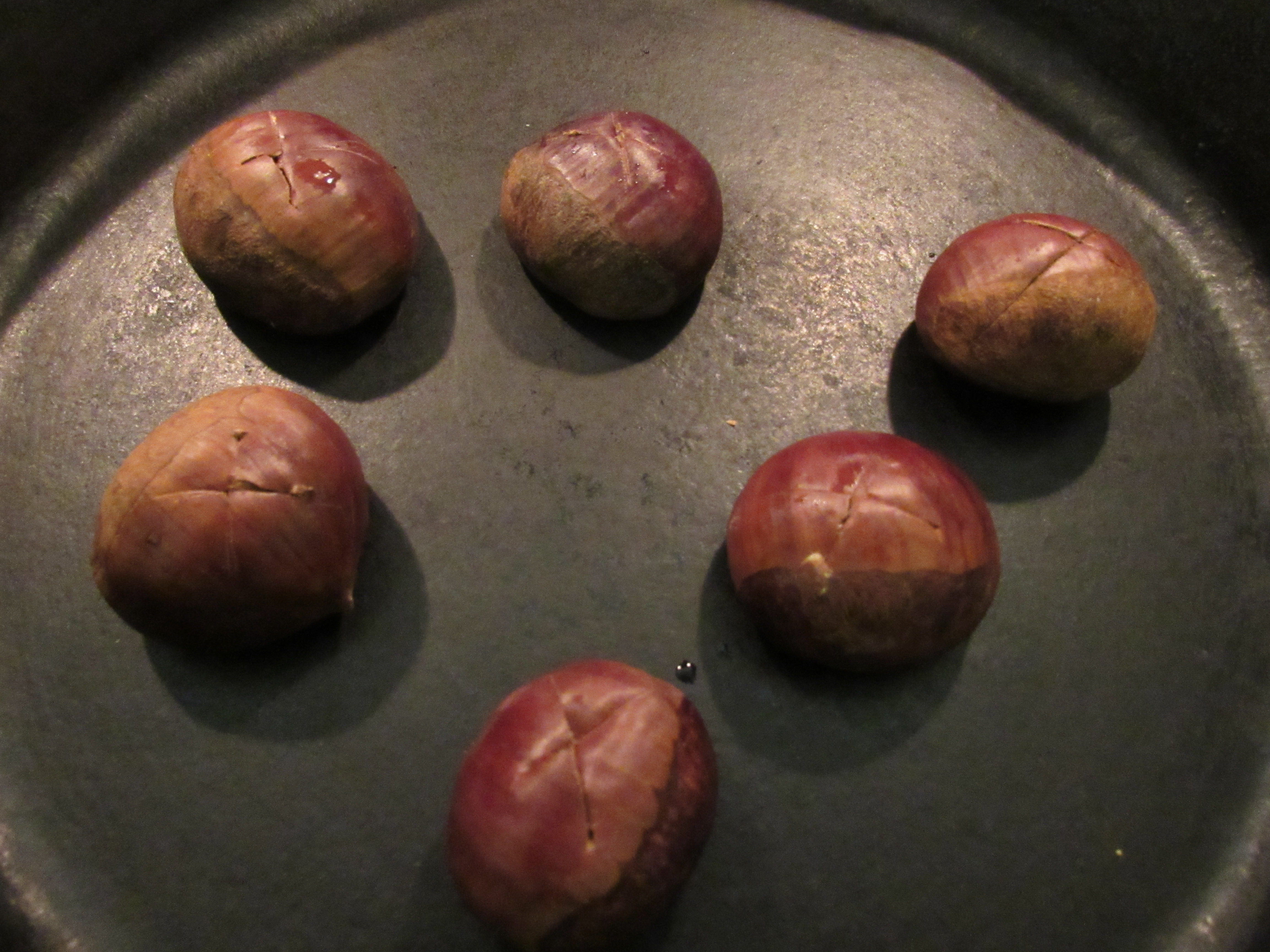
I had never roasted chestnuts on the fire or the oven, yet sources suggested roasting them in the oven as more reliable. I followed this advice.

Preheat oven to 425 degrees.

Wipe chestnuts with a wet cloth.

IMPORTANT: Cut an X with a sharp paring knife, placing the slits on the rounded side. (One of my chestnuts popped inside the oven even with an X cut into the side. I will make the slits a bit larger next time.)

I placed the chestnuts in a cast iron skillet for roasting from 10 – 30 minutes. (Some sources suggested roasting at 450 for 15-20 minutes.)

I set the timer for 10 minutes to check it. Shells peel back while cooking. Watch for the meat to turn a caramel color to show that it’s done.

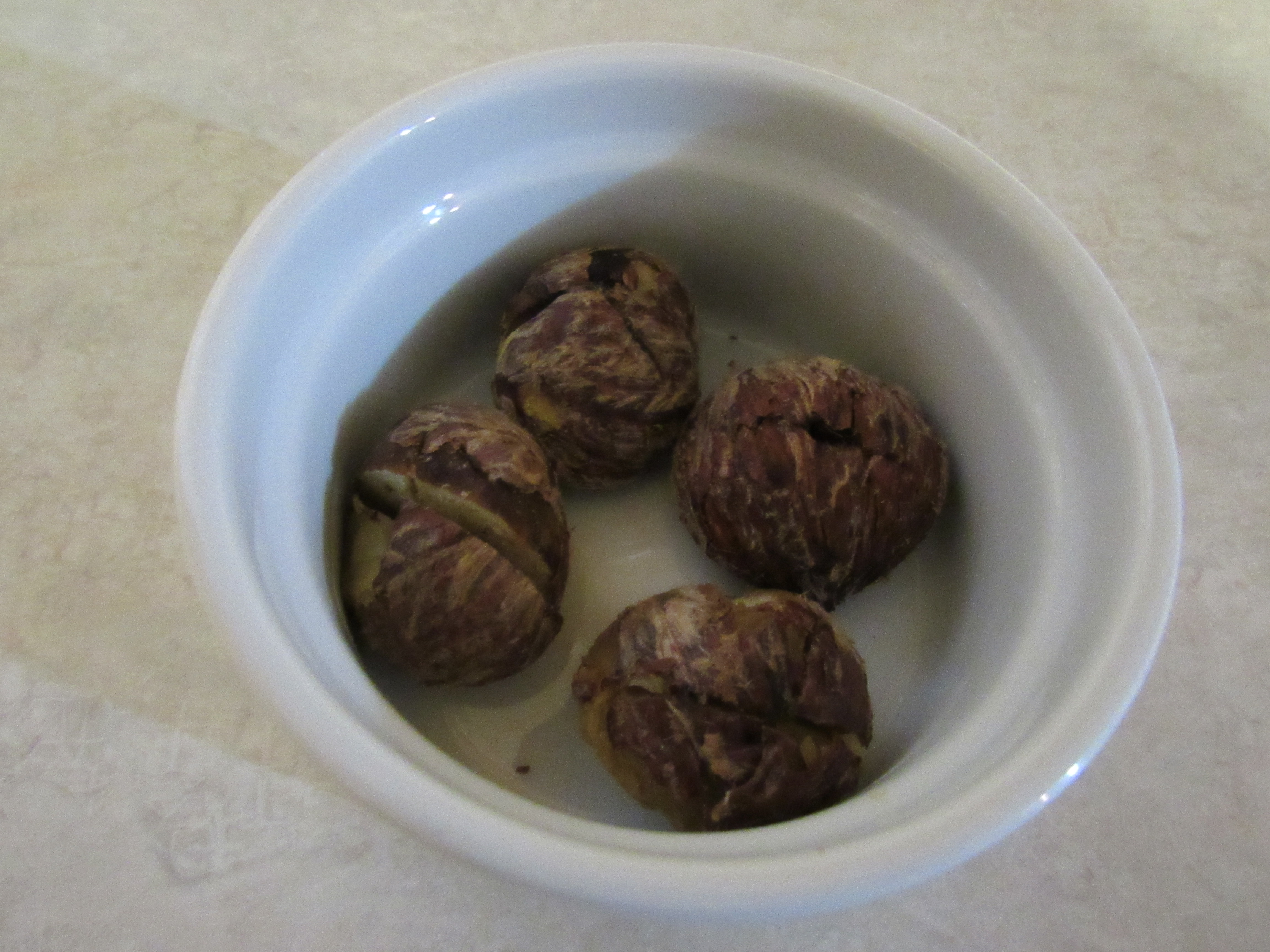
I roasted a batch for 25 minutes. One chestnut popped in the oven about 30 seconds before I retrieved them, so I think I left them in a bit too long. I’ll try 20 minutes the next time.

Peel the outer shell off to reveal the browned meaty portion. The consistency reminded me of a baked potato—and the flavor reminded of sweet potatoes, not the nutty flavor I expected.

I have a few chestnuts left in my fridge. I want to roast these over a fire one evening soon.

I’d love to hear if you try roasting them!

Sources

Boros, Phyllis A. “Roasting Chestnuts: a holiday tradition for many,” Connecticut Post, 2018/11/04

https://www.ctpost.com/news/article/Roasting-chestnuts-a-holiday-tradition-for-many-2402856.php.

Smith, Pat. “Chestnuts Roasting on an Open Fire, a bygone tradition,” Newark Advocate, 2018/11/04 https://www.newarkadvocate.com/story/news/local/2015/11/25/chestnuts-roasting-open-fire-bygone-tradition/76377700/.


Vogel, Mark R. “Chestnuts Roasting on an Open Fire,” FoodReference.com, 2018/11/04

http://www.foodreference.com/html/chestnuts-roasting-a1209.html.


“How to Roast and Peel Chestnuts,” MarthaStewart.com, 2018/11/04

https://www.marthastewart.com/276336/how-to-roast-and-peel-chestnuts.

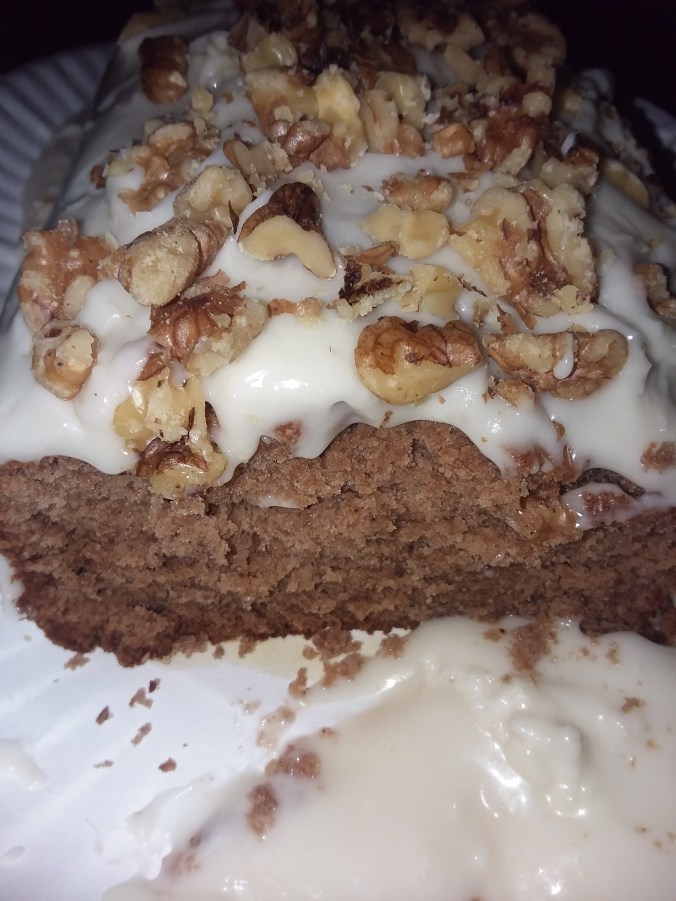
Gingerbread Loaf Recipe

Today’s post was written by fellow author and dear friend, Carole Brown. Her gingerbread recipe sounds delicious! Welcome back to Historical Nibbles, Carole!

During WWII most people’s food was rationed. Luxuries such as nuts, milk, sugar and eggs were sometimes hard to come by making delights like gingerbread non-available throughout the war. Everyone was touched by the rationing and all encouraged to participate in “giving up” for the soldiers and the war.

In Christmas Angels, elderly Mr. Albert, Abigail’s boarding house neighbor shares his loaf of gingerbread that another resident (Dana) had given him. Though reluctant to eat any of his treat, knowing how hard the ingredients were to come by, Abigail can’t resist. Both Mr. Albert and Abigail enjoy a special blessing through Neighbor Dana’s generosity.

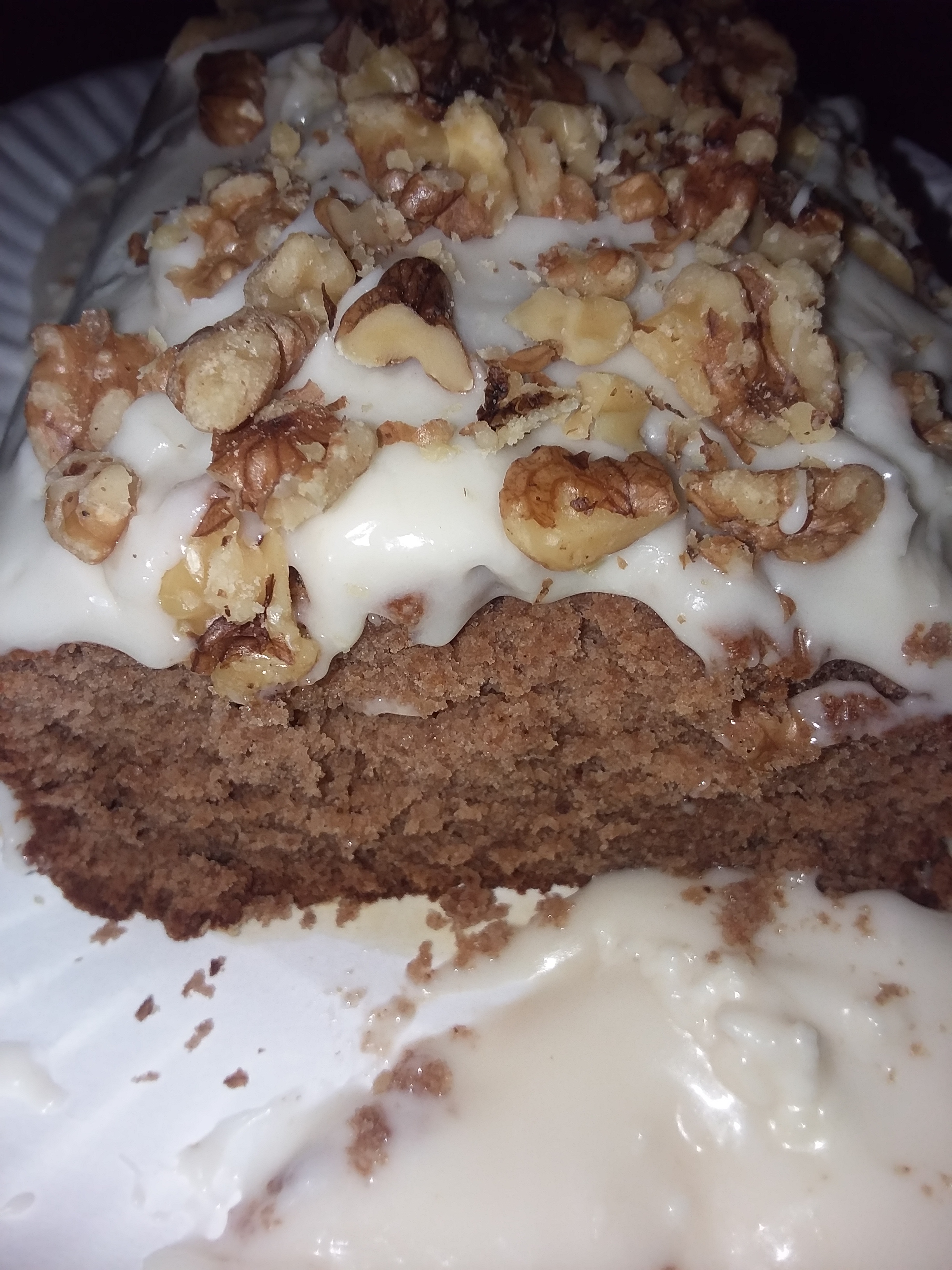
 May you be blessed as you feast on this moist, delightfully spiced dessert.

 Gingerbread Loaf

Ingredients for the loaf:
1 stick real butter, at room temperature
1 cup sugar
1/2 tsp vanilla extract
1 large egg
1 cup of applesauce
1 1/2 cups all-purpose flour
1 tsp baking soda
1 tsp salt
2 tsp ground ginger
2 tsp ground cinnamon
1 tsp ground cloves
1/2 tsp nutmeg
chopped walnuts, for topping (optional)

for the frosting:
1/2 block (4 oz.) cream cheese, room temperature
1 tsp vanilla extract
1 1/2 – 2 cups powdered sugar

Preheat oven to 350F degrees. Spray a 9×5 loaf pan lightly with nonstick cooking spray (or shortening and flour). Using a stand mixer or an electric mixer, cream together the butter and the sugar until fluffy.

Beat in the vanilla and the egg. Blend in the apple butter (or applesauce.)

Slowly add the flour, baking soda, salt, and spices (ginger, cinnamon, cloves and nutmeg.)

When everything is mixed, pour the batter into your loaf pan. Bake for about 55 minutes until it is risen and a toothpick comes out clean. Let cool completely on a rack before frosting.

To make the frosting, beat the cream cheese with the vanilla and then add 2 cups of the powdered sugar and beat until smooth and creamy. Add a little more sugar if it’s not as thick as you like.

-Carole Brown
Christmas Angels Blurb

Her mother called her a failure, and maybe she was. Her husband was gone—in the service, yes, but if he loved her—really loved her, why didn’t he write? Or call? Or send the money she needed?

She was scared too, afraid of being alone, and though she loved this sweet little bundle of joy—her baby—well, was she smart enough and strong enough to raise her? She didn’t mind doing without all the nice things she’d love to have, but not being able to provide luxuries like Christmas trees, ornaments and presents for her baby girl was beyond enduring.

What she needed was a miracle…and that wasn’t going to happen.

Amazon link

Carole’s Bio:

Besides being a member and active participant of many writing groups, Carole Brown enjoys mentoring beginning writers. An author of ten books, she loves to weave suspense and tough topics into her books, along with a touch of romance and whimsy, and is always on the lookout for outstanding titles and catchy ideas. She and her husband reside in SE Ohio but have ministered and counseled nationally and internationally. Together, they enjoy their grandsons, traveling, gardening, good food, the simple life, and did she mention their grandsons?

Find her on her blog!
 

Rye Coffee

As the Civil War continued, food became scarce for folks in the South. Southerners also had a hard time obtaining coffee. They seemed to be just addicted to the beverage—especially soldiers—as people are today so they searched for substitutes. Rye was one of the substitutes.

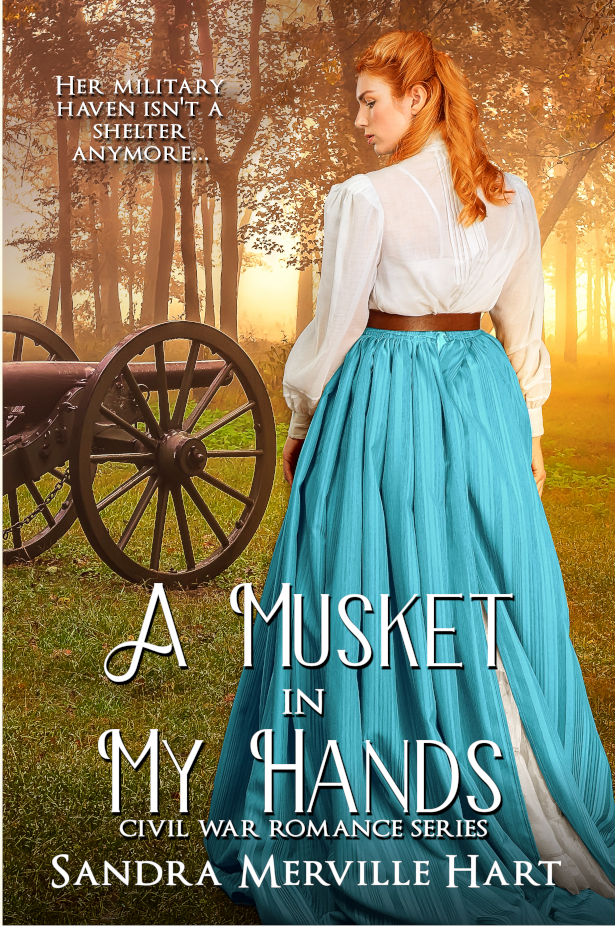
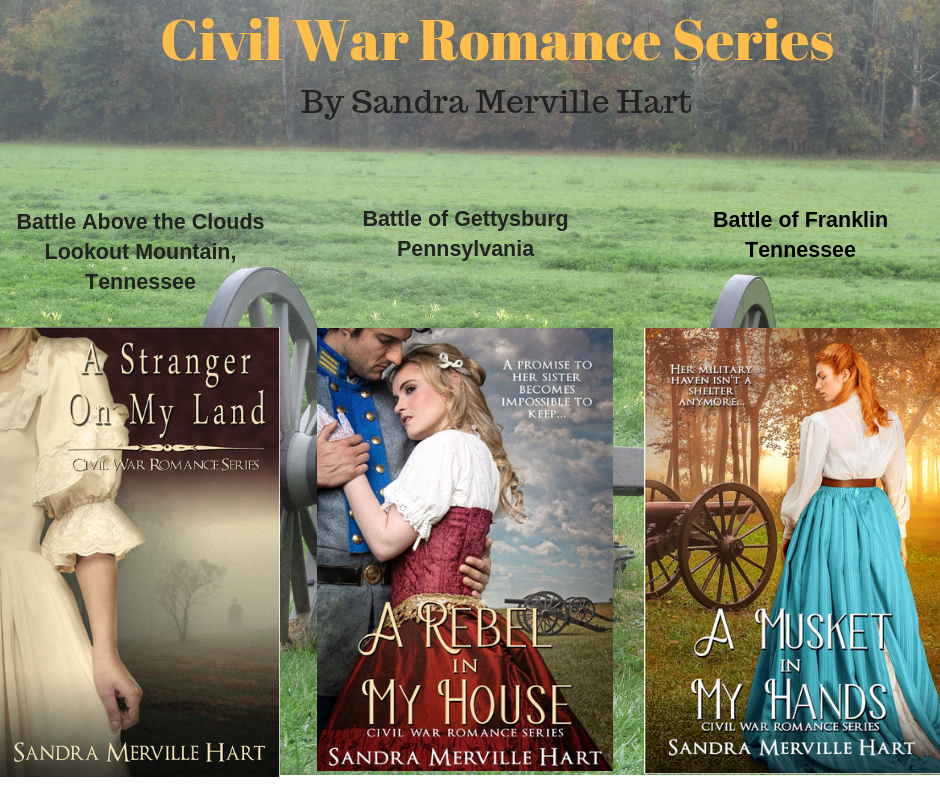
In an early scene in my Civil War romance, A Musket in My Hands, the protagonist, Callie, does not have coffee beans to make her pa a cup of coffee. Instead she offers to fix him a cup from rye that she’d boiled and dried.

Though I am not a coffee drinker, I wanted to prepare rye for coffee. There is a recipe in Confederate Home Cooking.

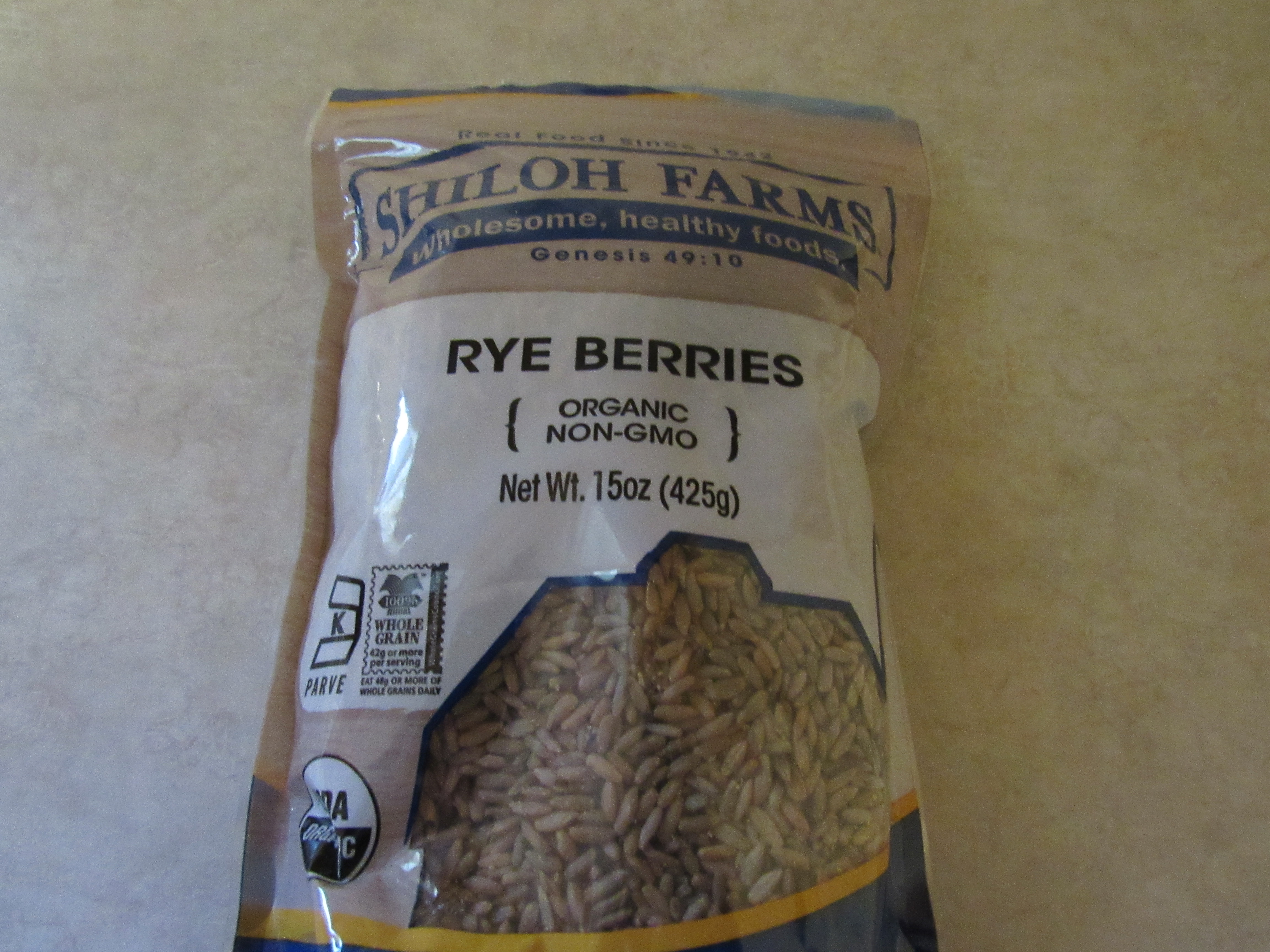
Finding rye berries was the greatest challenge. A specialty food store near me sells them.

I’ve never seen or tasted rye coffee so this was a learning process. The recipe mentioned “parching” after drying, so I reached out to Southern cooks for help with this term. Parching means roasting, which makes sense. (Thanks, Charlotte and Debra!)

I boiled ¼ cup of rye on a medium high heat for 10 minutes. By experimenting, I discovered that longer than 10 minutes begins to split the grain, which the recipe advises against.

Boiling softened the grain, expanding it over double the original size. The water was a clear, brown broth.

The rye was drained and then set aside while I lined a cookie sheet with parchment paper. The oven was preheated to 275 degrees to dry the rye.

After spreading a thin layer of rye over the parchment paper, I set the cookie sheet into the oven, stirring the rye every five minutes. After 10 minutes, most of the grain was dry. After 15 minutes, it was removed from the oven.

While the oven preheated to 450 degrees, the rye was transferred onto a fresh piece of parchment paper on the cookie sheet.

Because the oven was so hot, I kept a close eye on the roasting process, checking the rye every 2 minutes. After 10 minutes, I removed them from the oven.

Many homes in the Civil War era had coffee grinders. I don’t own one so I ground the roasted rye with a rolling pin. Worked pretty well.

Then I experimented with how soldiers in camp might have made the coffee. Using 1 teaspoon of ground rye in each case, I tried the following:

1) Poured boiling water into a cup with the rye and let it steep about 5 minutes.  (left side of main photo)

2) Boiled water with rye—strongest coffee flavor. (middle)

3) NOT the way soldiers made coffee but applicable for folks today—a single-serving coffee maker. (right side of main photo)

All of these tasted like coffee to me. Granted, I am not a coffee drinker, but I agree that this probably worked well as a coffee substitute for soldiers. Though #2 made the strongest coffee, the others tasted almost as strong.

Tasting the beverage made me wonder if roasting it 2 minutes less would enhance the flavor. I will try roasting for only 8 minutes next time.

This was a fun experiment! I’d love to hear if you try it.

-Sandra Merville Hart

Sources

Mitchell, Patricia B. Confederate Home Cooking, 2014.

Sweet Potato Biscuits

Sweet potatoes were a staple food during the Civil War. They grow in humid warm areas. Many large plantations had root cellars to store them.

When the leaves begin yellowing in fall, farmers harvest the roots. After brushing the sweet potatoes clean, the curing process begins. Potatoes are stacked in the field and covered with sand. Farmers leave them alone for weeks. Once the curing process is done, they may be stored several months.

Sweet potatoes may be baked, boiled, stewed, mashed, or fried. They were often used in pies, cakes, and puddings. As in the case of Civil War soldiers in my historical romance,  A Musket in My Hands, many Southerners liked sweet potato biscuits. I had to try them.

For my sweet potato biscuits, I followed the recipe of a well-known modern Southern cook—Paula Deen. Here’s the link to her recipe.

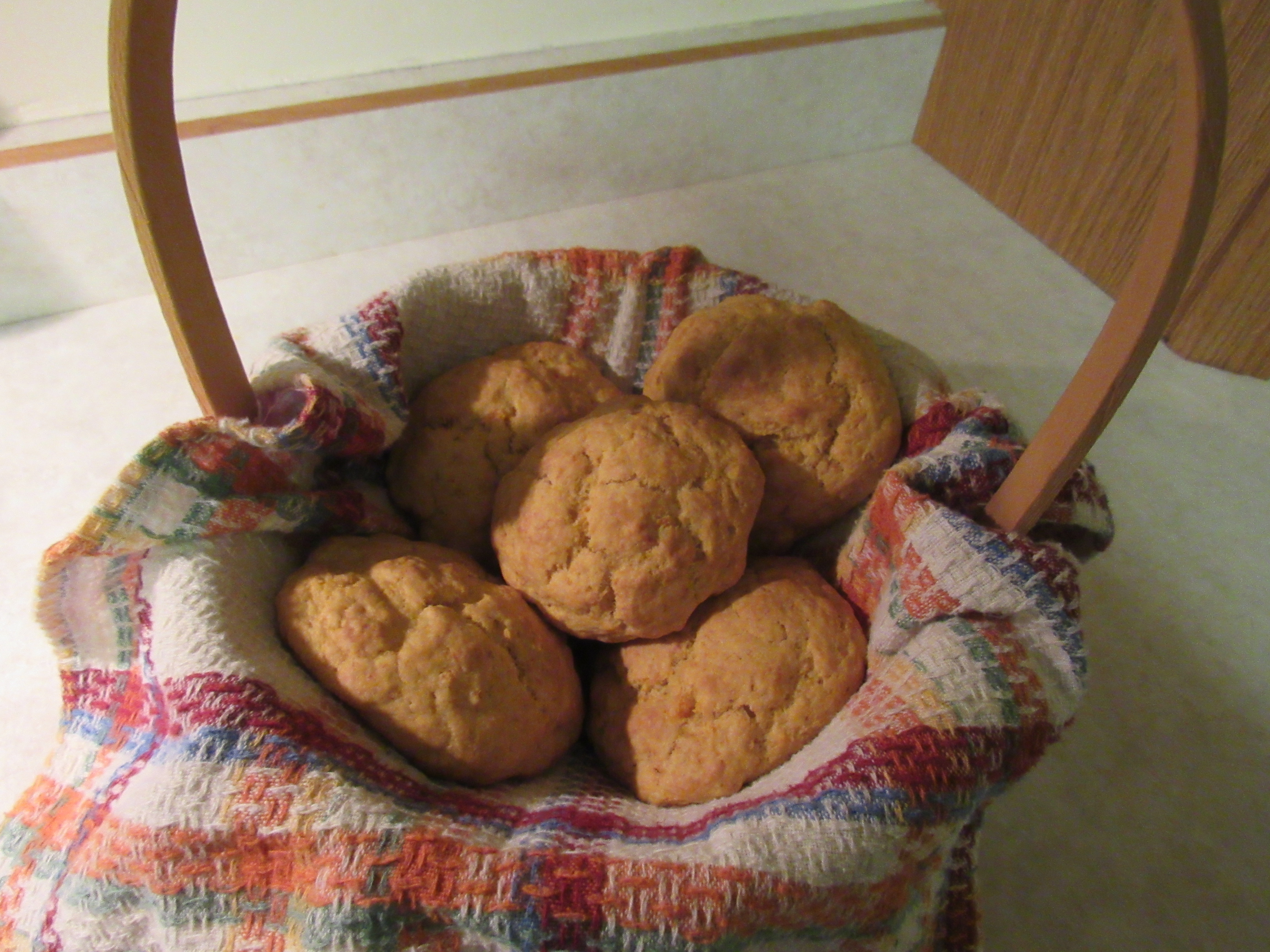
My dad preferred large home-made biscuits so I tend to follow his wishes even now that he’s not here to eat them. This recipe, meant to make 15-18 biscuits, made 5 large biscuits for me.

This was my first time eating this type of biscuit. They are delicious! The sweet potato flavor is light and pleasant, enhancing the biscuit without overpowering it.

I am already thinking ahead to holiday gatherings where I can bring them. Thanksgiving?

I’d love to hear if you try it.

-Sandra Merville Hart

Sources

Deen, Paula. “Sweet Potato Biscuits,” Paula Deen, 2018/09/27 https://www.pauladeen.com/recipe/sweet-potato-biscuits/.

“Food,” History Central, 2018/09/27 https://www.historycentral.com/CivilWar/AMERICA/food.html.

“Sweet Potato,” Encyclopedia.com, 2018/09/27 https://www.encyclopedia.com/plants-and-animals/plants/plants/sweet-potato.

Corn Oysters Recipe

Around the time of the Civil War, corn fritters were commonly called corn oysters because the fritters resembled fried oysters.

Callie, my female protagonist in my Civil War romance A Musket in My Hands, made corn fritters several times while masquerading as a soldier in the Confederate Army of Tennessee. When I found this recipe shared by Mrs. H.B.S. in Buckeye Cookery and Practical Housekeeping, I looked forward to trying it.

I cut the corn off two ears of corn. It yielded 1 ½ cups of corn so I modified the recipe in the book for this amount of the vegetable.

Stir ¾ cup milk into 1 ½ cups of fresh corn. Add ¼ cup flour, 1 teaspoon butter, and 1 beaten egg. Salt and pepper to taste—I added ¼ teaspoon of each.

A cast iron skillet or griddle works well for frying the fritters. Heat the skillet over medium high heat and then lower to medium while cooking. Melt about 1 tablespoon of butter in the skillet.

Use a tablespoon to drop batter into the skillet. The batter is very runny and it flattens out like a small pancake. Watch carefully as it browns quickly. Then flip it over. This seems to be an acquired art as I tore several fritters while turning them.

But boy, are they tasty! I loved the fresh corn and lightly fried flavor.

This is a quick, easy recipe. The longest part of the preparation is slicing corn off the cob—and that does not take long. I will make them again.

I’d love to hear if you try it.

-Sandra Merville Hart

Sources

Compiled from Original Recipes. Buckeye Cookery and Practical Housekeeping, Applewood Books, 1877.


Stuffed Baked Fish

Today’s post is by talented editor and fellow author, Pegg Thomas. Welcome back to Historical Nibbles, Pegg!

My story in The Great Lakes Lighthouse Brides collection, Anna’s Tower, is set on Thunder Bay Island near Alpena, Michigan. There was a thriving fishing village there in the 1800s, so I went looking for a fish recipe that might have been enjoyed by Anna and the rest of the characters living at Thunder Bay Lighthouse in 1883.

From Cement City Cookbook, Alpena, Michigan, 1910

STUFFED BAKED FISH

After cleaning fish, wipe out inside and rub in a little salt. Make a dressing of raw potatoes, chopped fine, and season with salt, pepper, onion and poultry savory. Stuff the fish with this dressing, sew it up and dredge with flour. Pepper and salt the whole and put pieces of pork or butter over the top, and 1 cup of water. Bake slowly 1 1/2 hours. Garnish the whole with chip potatoes or lemon.

My first challenge was finding a whole fish. It seems that not one single grocery or market in the county sells whole fish. That left one option … catching our own.

A call to our friend, Steve Benedict, resulted in a Friday evening spent on a pontoon at Lake Winyah. My husband caught a 16” small mouth bass, and Steve caught a 20” walleye. I caught a perch that was, ahem, a little under optimum size. Two fish were more than enough.

I’ve never been very good at following recipes. I view them as loose guidelines. To be historically accurate, we should have left the heads on the fish. But today’s diner has a bit of an aversion to an entrée that stares back from the platter. So the heads were removed. I grated the potatoes instead of chopping fine. It was faster. I have no idea what poultry savory is, so I used salt, pepper, and a little rubbed sage. The recipe doesn’t say whether or not to cover the roasting pan, so I did. A slow oven is about 325 degrees, and that worked out perfectly at an hour and a half.

Then, just to be bold and daring, I invited Steve and his wife plus another couple from church to come to dinner and be guinea pigs. Because if I’m going to have an epic fail, I want witnesses. Thankfully―it wasn’t! It was very tasty. If I ever do it again, I’ll omit dredging the fish in flour. And, to be honest, I’d probably fillet the fish and sew the two fillets together. I’m spoiled. I like the bones removed before the fish is cooked. Still, it was fun to play with this recipe from yesteryear.

-Pegg Thomas

Anna’s Tower is Pegg’s novella, part of The Great Lakes Lighthouse Brides collection.

 Blurb:

Anna’s dream of running the lighthouse was difficult enough to achieve, but then a Russian stowaway was left on the island, and that complicated everything.

Amazon

 About Pegg

Pegg Thomas lives on a hobby farm in Northern Michigan with Michael, her husband of *mumble* years. A life-long history geek, she writes “History with a Touch of Humor.” When not working or writing, Pegg can be found in her barn, her garden, her kitchen, or sitting at her spinning wheel creating yarn to turn into her signature wool shawls. Connect with Pegg on her blog at https://peggthomas.com/.