1877 Housekeeper’s ABCs


Buckeye Cookery and Practical Housekeeping, written in 1877, is full of recipes and helpful advice to housekeepers. I found this wonderful list of “easy-to-remember” advice because it is written alphabetically.

 Apples—Keep in a dry, cool place without freezing.

Brooms—These will stay soft and pliant if kept in the cellar.

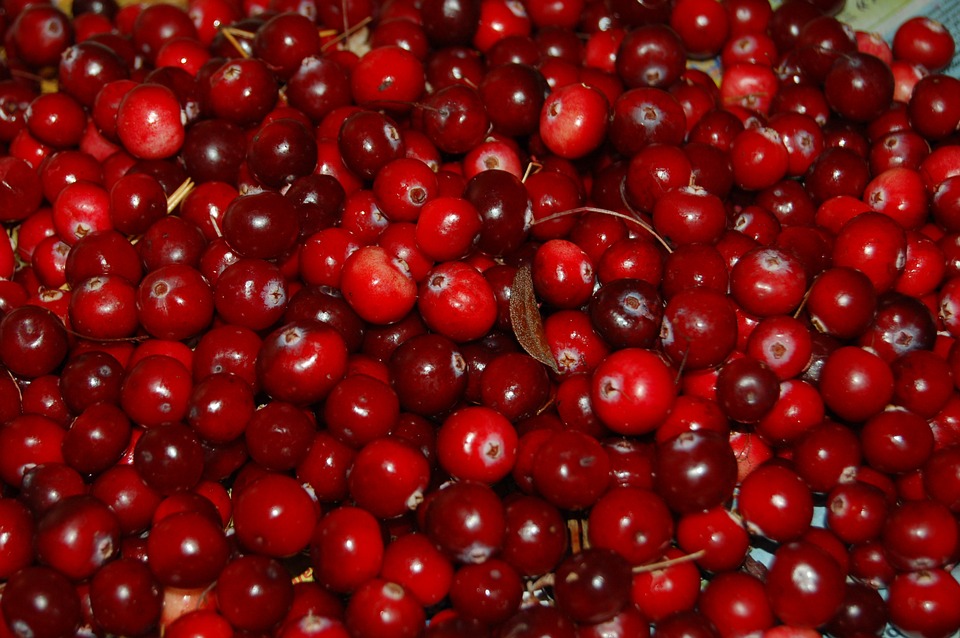
Cranberries—Store in water in the cellar. Change water monthly.

Dish—When baking cakes, set a dish of hot water in the oven to prevent cakes from scorching.

Economize—You’ll never beg if you economize health, time, and means.

Flour—Cover securely to keep flour cool and dry.

Glass—Stir 1 tablespoon of ammonia into 1 quart of water to clean glass.

Herbs—Gather herbs when they begin to blossom and store in paper bags.

Ink Stains—To remove ink stains, wet the stain with spirits turpentine. (Spirits of Turpentine is made by distilling resin from live trees.) Wait 3 hours and then rub.

Jars—“To prevent, coax ‘husband’ to buy ‘Buckeye Cookery.’”

Keep—Keep an account for all supplies with cost and date of purchase.

“Love lightens labor.”

Money—When someone gives you change, count it carefully.

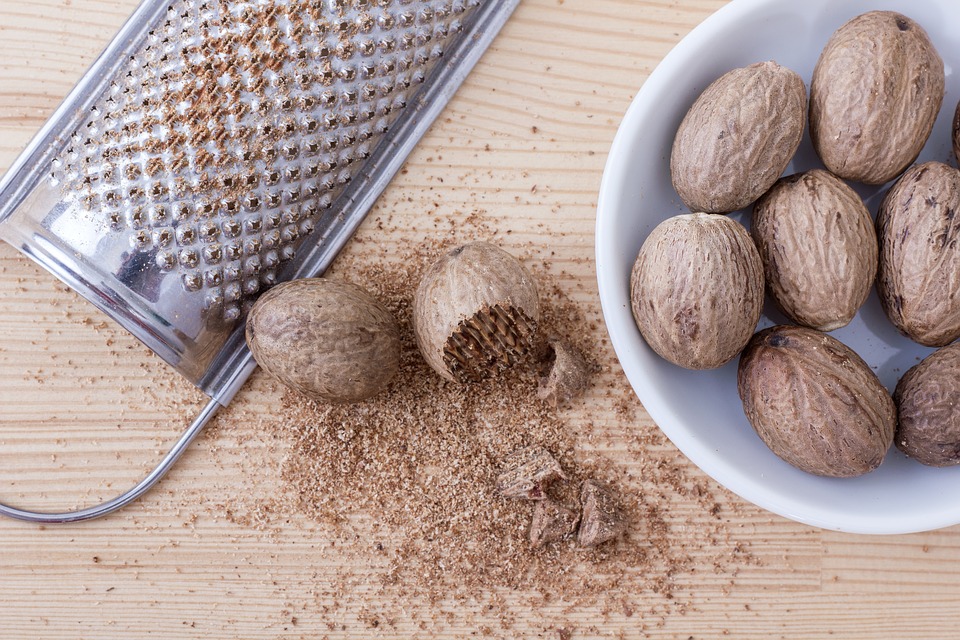
Nutmeg—To find out if nutmeg is good, put a small hole in it with a pin. Oil will run out if it’s good.

Orange and Lemon Peel—Dry it, pound it, and then store in corked bottles.

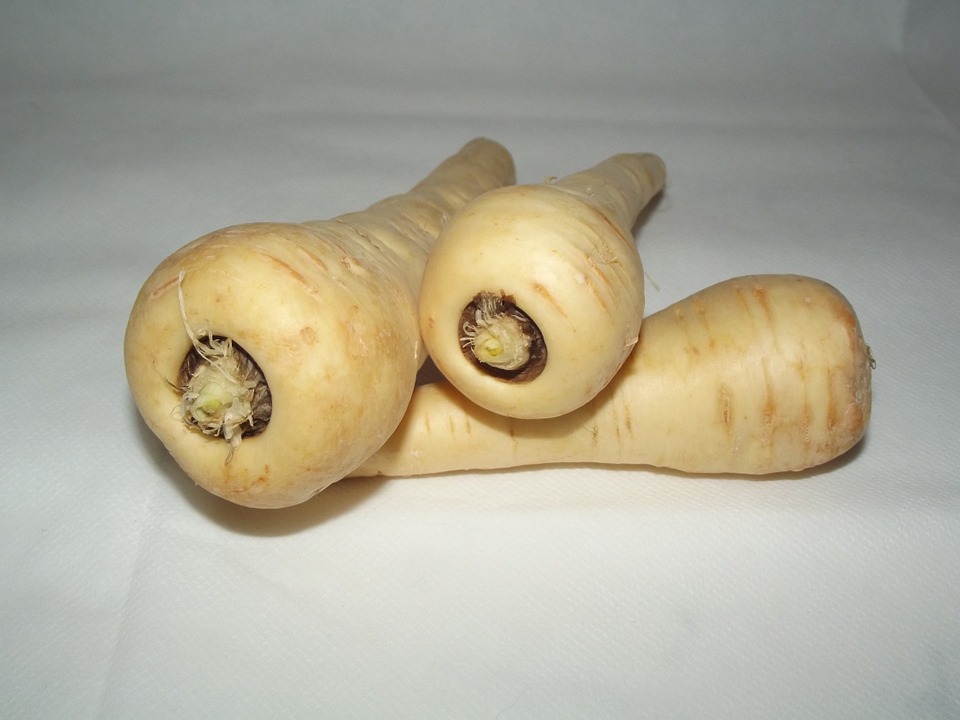
Parsnips—Dig parsnips in the spring.

Quicksilver and an egg white destroys bedbugs.

Rice—Choose large, fresh rice. Old rice may have insects.

Sugar—Granulated sugar is best for general use.

Tea—”Equal parts of Japan and green are as good as English breakfast.”

Use—Make a cement of salt, ashes, and water to fix cracks in stove.

“Variety is the best culinary spice.”

“Watch your backyard for dirt and bones.”

Xantippe—Don’t be like her. (Xanthippe was the wife of Socrates. She had an argumentative spirit.)

Youth—Best kept by a cheerful spirit.

“Zinc-lined sinks are better than wooden ones.”

 What a list! Some of this advice is outdated but much is still useful today. A few of these were too precious not to quote directly, which is shown by the quotes.

I’ve not heard of the bedbug cure using quicksilver. Bedbugs aren’t a new problem. I wouldn’t be surprised if this works.

Hope you enjoy this blast from the past.

-Sandra Merville Hart

Sources

Compiled from Original Recipes. Buckeye Cookery and Practical Housekeeping, Applewood Books, 1877.
“Turpentine,” Wikipedia.org, 2018/07/24 https://en.wikipedia.org/wiki/Turpentine.

“Xanthippe,” Wikipedia.org, 2018/07/24

https://en.wikipedia.org/wiki/Xanthippe.


1870s Treatment for Baldness

I’m always searching for interesting or little-known tidbits from our past. I found treatments for baldness in an 1870s cookbook that I’d love to share.

Caution: These were treatments or cures from 140 years ago. I’m not a medical professional and make no claims to how well they work nor am I advising anyone to try them.

According to the 1870s writer, hair loss indicates a scalp disease. The cure? Dip the head into cold water twice daily then rub with a brush until it glows.

If the hair is too long to rub with a brush:

  • Make a wash of 3 drachms (1 drachm = 1/8 ounce) pure glycerin and 4 ounces of limewater. (Limewater is a diluted solution of calcium hydroxide. It has nothing to do with the fruit.)
  • Brush hair until it glows.
  • Rub the glycerin/limewater wash into the roots.
  • After using this solution for 2 to 3 weeks, add ½ ounce of tincture of cantharides to it. (Warning for modern-day readers: Cantharidin is poisonous if taken internally. It’s considered an extremely hazardous substance. Further, Scientific American warns that it injures the hair and “should never be used.”)
  • Treat the area with this solution once or twice daily. If the area grows tender, stop using.

If the baldness is in spots, dip a soft toothbrush in distilled vinegar and brush the area twice daily.

This information is passed along for the entertainment of my readers. If you read this in one of my historical novels, you’ll know where I found the information!

-Sandra Merville Hart

Sources

Compiled from Original Recipes. Buckeye Cookery and Practical Housekeeping, Applewood Books, 1877.

“Cantharidin,” Wikipedia.com, 2018/07/29 https://en.wikipedia.org/wiki/Cantharidin.

“Drachm,” Oxford University Dictionary, 2018/07/29

https://en.oxforddictionaries.com/definition/drachm.

“Hair Tonic,” Scientific American, 2018/07/29 https://www.scientificamerican.com/article/hair-tonic-1853-06-04/.

“Limewater,” Wikipedia.com, 2018/07/29 https://en.wikipedia.org/wiki/Limewater.

What is Pie Plant?

I found a recipe for Pie-Plant Pie in an 1877 cookbook. I had never heard of this before and did some research.

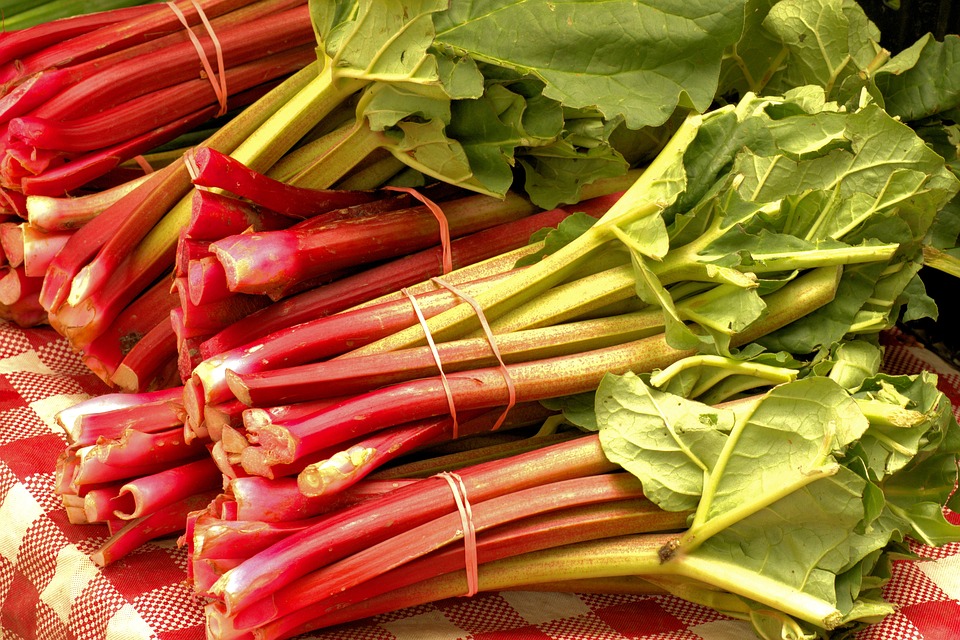
Rhubarb was referred to as pie plant over 100 years ago. It first came to North America in the late 1700s. Early on, it was mostly eaten in pies, which gave rhubarb its nickname.

Though rhubarb is a vegetable, may consider it a fruit because it is cooked in tarts, pies, and sauces.

Hothouse rhubarb is generally pink or pale red with yellow-green leaves. This type is sweeter and milder than the field grown variety, which are red with green leaves.

Never eat the leaves. They contain oxalic acid, poisonous to humans.

The stalks are crisp, similar to celery. The vegetable has a tart taste.

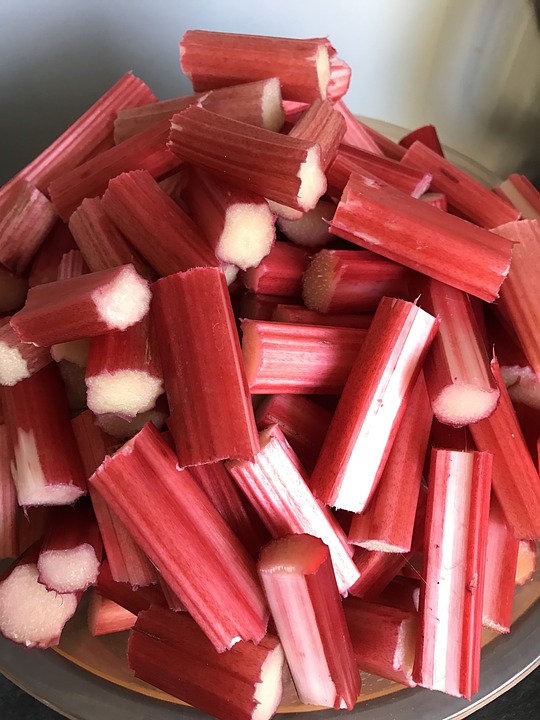
When cooking, cut the stalks in small pieces. It can be stewed in water with sugar until soft. Because the vegetable is highly acidic, don’t use aluminum pots to cook it. Rhubarb has a lot of water so not much water is needed in cooking.

Make a rhubarb sauce with such spices as ginger, cinnamon, and nutmeg, usually eaten cold.

Because of the acidic qualities, store only in glass or stainless steel. The stalks may be stored and refrigerated in sealed plastic bags for one week. It also freezes well.

Whenever I see pie-plant in an old recipe, I’ll know they mean rhubarb.

-Sandra Merville Hart

Sources

Compiled from Original Recipes. Buckeye Cookery and Practical Housekeeping, Applewood Books, 1877.
Land O’Lakes Test Kitchen. “The ‘Pie Plant:’ All About Rhubarb,” Land O’Lakes, Inc., 2018/07/23

https://www.landolakes.com/expert-advice/the-pie-plant-all-about-rhubarb/.

“Rhubarb,” Wikipedia.com, 2018/07/23 https://en.wikipedia.org/wiki/Rhubarb.


Southern Tomato Pie Recipe from 1877

I had six tomatoes in my fridge that I needed to use. I found a recipe for tomato pie that called for green tomatoes. These were ripe, but I’ve never been a big fan of green tomatoes anyway. I decided to make the pie, substituting red for green tomatoes.

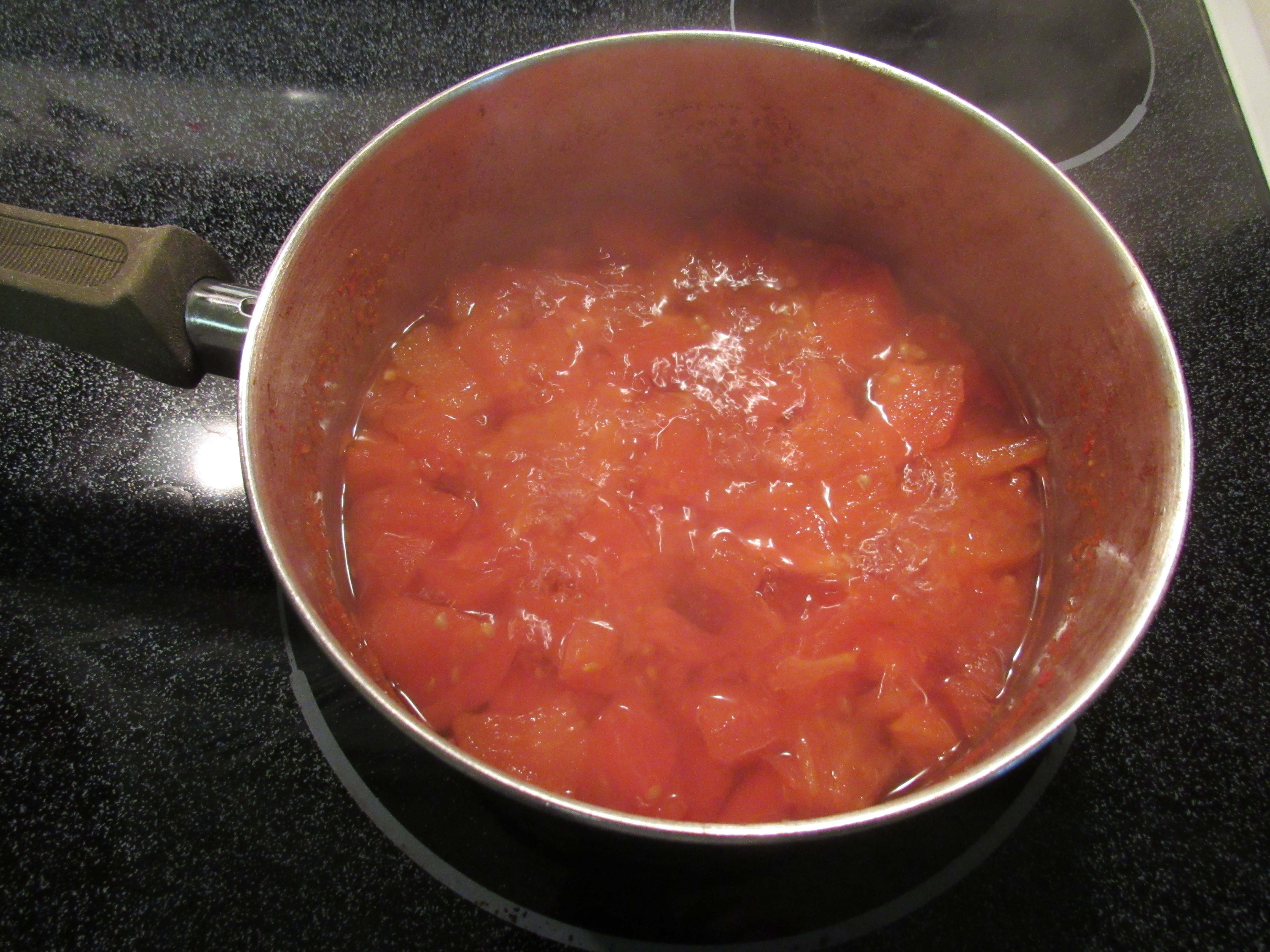
Wash and slice tomatoes without peeling them. Put the tomatoes in a medium-sized saucepan with about a cup to a cup and a half of water. Cook over medium low heat until they start to become tender, about 15 minutes.

Remove from burner. Stir in 1 tablespoon butter and 2 tablespoons sugar. The 1877 cook then says “flavor with nutmeg.”

I cringed a little, unsure how this spice would taste with tomatoes. I added ½ teaspoon nutmeg.

Prepare double-crust pie dough.

Hint: I learned a little trick from another 1877 cook when baking liquidy pie fillings: Mix 3 tablespoons of flour with 2 tablespoons of sugar. Sprinkle this over the crust. You may only use 1/3 to ½ of this mixture. It keeps the bottom crust from getting soggy.

Using a slotted spoon, add stewed tomatoes to bottom crust. Then arrange the top crust over the tomatoes and add holes with a knife.

Bake at 375 degrees for 40 to 45 minutes.

I tasted the pie warm from the oven (not hot) and also cold. I liked them both.

The small amount of sugar in the pie didn’t make it too sweet. There was just a hint of nutmeg. If you’d like more, add 1 teaspoon of nutmeg instead of ½ teaspoon to the stewed tomatoes before baking.

Tomatoes are one of my favorite foods but I don’t like them roasted. I was surprised how much I liked this pie.

I’d love to hear if you try it.

-Sandra Merville Hart

Sources

Compiled from Original Recipes. Buckeye Cookery and Practical Housekeeping, Applewood Books, 1877.


Mom’s Pie Crust Recipe

I have to confess when baking pies I usually save time by purchasing pie crust, but sometimes I make it from scratch. My mind goes back to childhood days and my mom’s pies. She made her own pie crust. She taught me how to make it.

This is her recipe for an 8 or 9-inch double pie crust.

Ingredients 

1 ½ cups sifted flour

½ teaspoon salt

½ cup shortening

4 to 5 tablespoons water

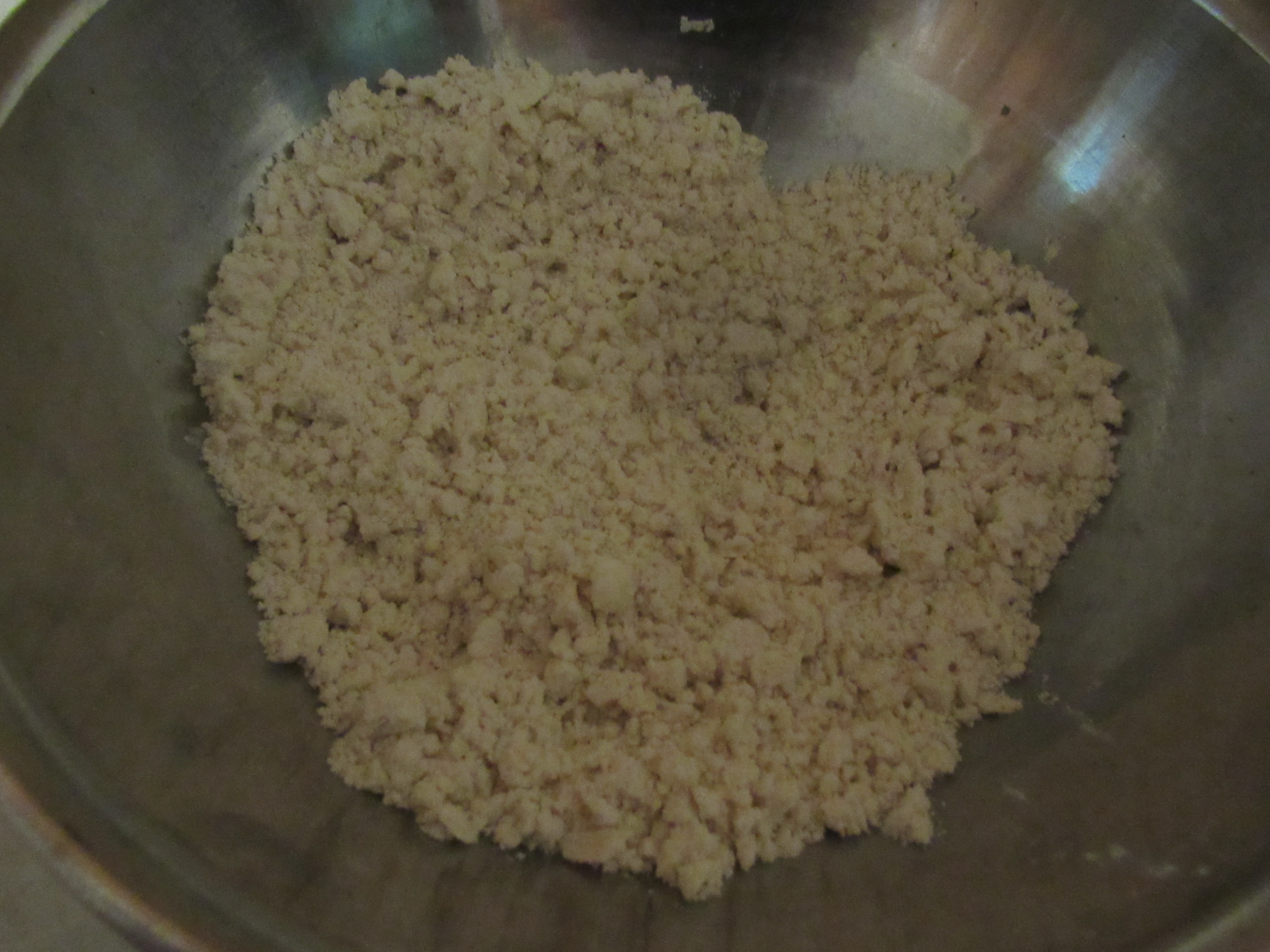
Sift together the flour and salt. Cut in the shortening (she always used Crisco … so do I) with a pastry blender or a fork until the pieces are the size of small peas.

Stir in 4 tablespoons of water. Add another tablespoon of water if ingredients are too dry. (I always need the extra tablespoon of water.)

Divide the dough in half.

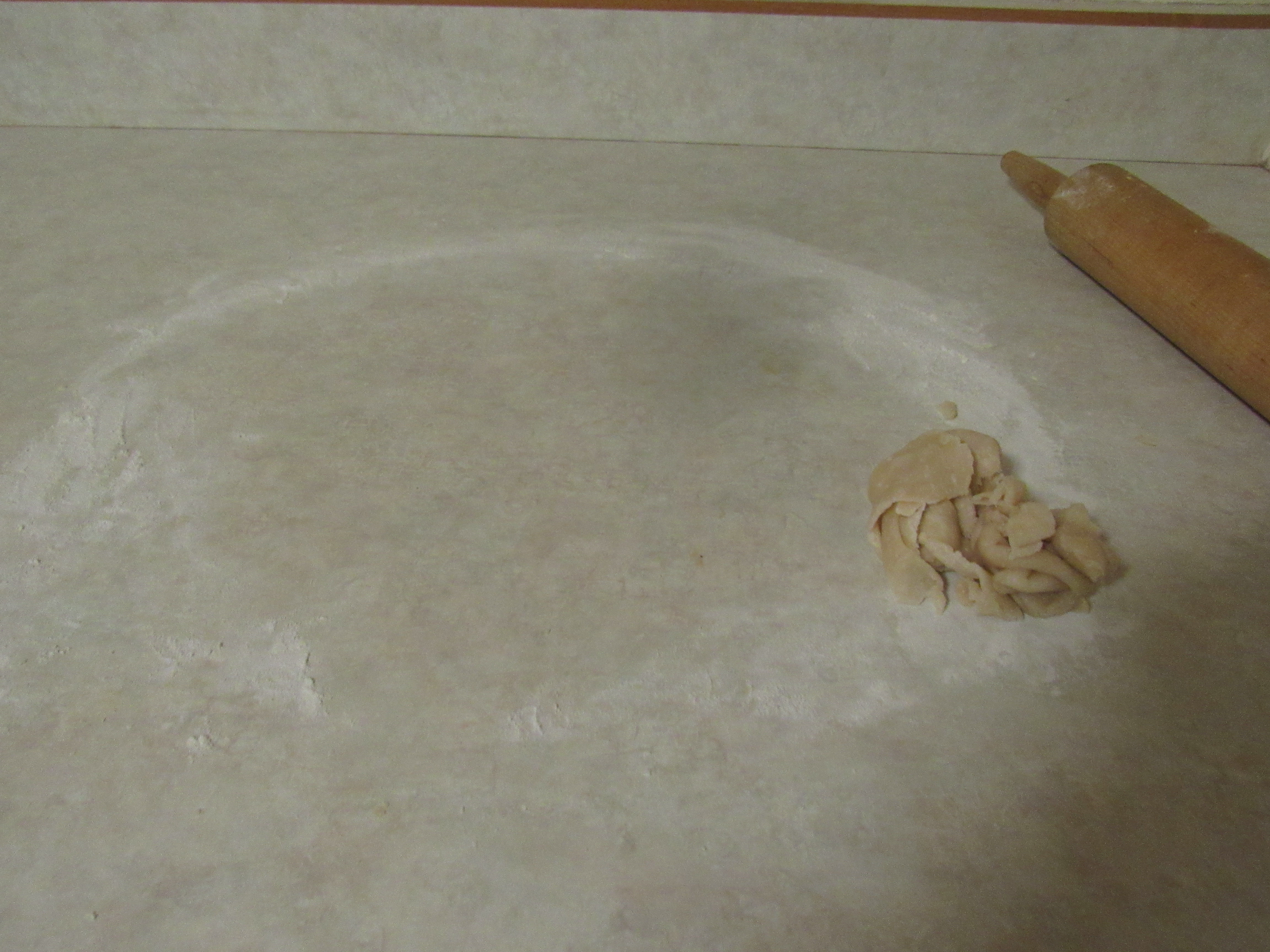
Sprinkle clean counter surface lightly with flour. Rub a little flour over a rolling pin to prevent it from sticking to the dough.

Plop the dough in the middle of the floured surface. Flatten it a bit with your hand to get it started. Then take the rolling pin and, starting from the center with each stroke, roll smoothly toward the side. Alternate strokes to each side and top and bottom.

Roll dough until it is the right size for your pie dish. Layers will be thin. I’ve found that it helps to gently fold the crust in half before picking it up and arranging in on the pie dish.

If you’re like me, you have a little more on one side than another. After the crust is in place, follow the edges with a fork to cut off the excess.

My mom usually dipped a fork in flour and made a pattern with it around the edges. I use my thumbs to make a pattern.

Poke a few holes in the bottom crust and around the sides using a fork.

Hint: Save the excess dough to clean the flour off the counter. That’s another hint from my mom.

Enjoy!

-Sandra Merville Hart


Peach Cobbler Recipe from 1877

I bought 4 large peaches from a neighborhood vegetable and fruit stand. It’s the middle of a hot summer and a great time for a peach cobbler. There is a recipe for it by Miss S. Alice Melching in my cookbook from 1877.

Alice’s original recipe made a cobbler 9×18 so I halved the ingredients. It called for canned fruit so I cooked the peaches.

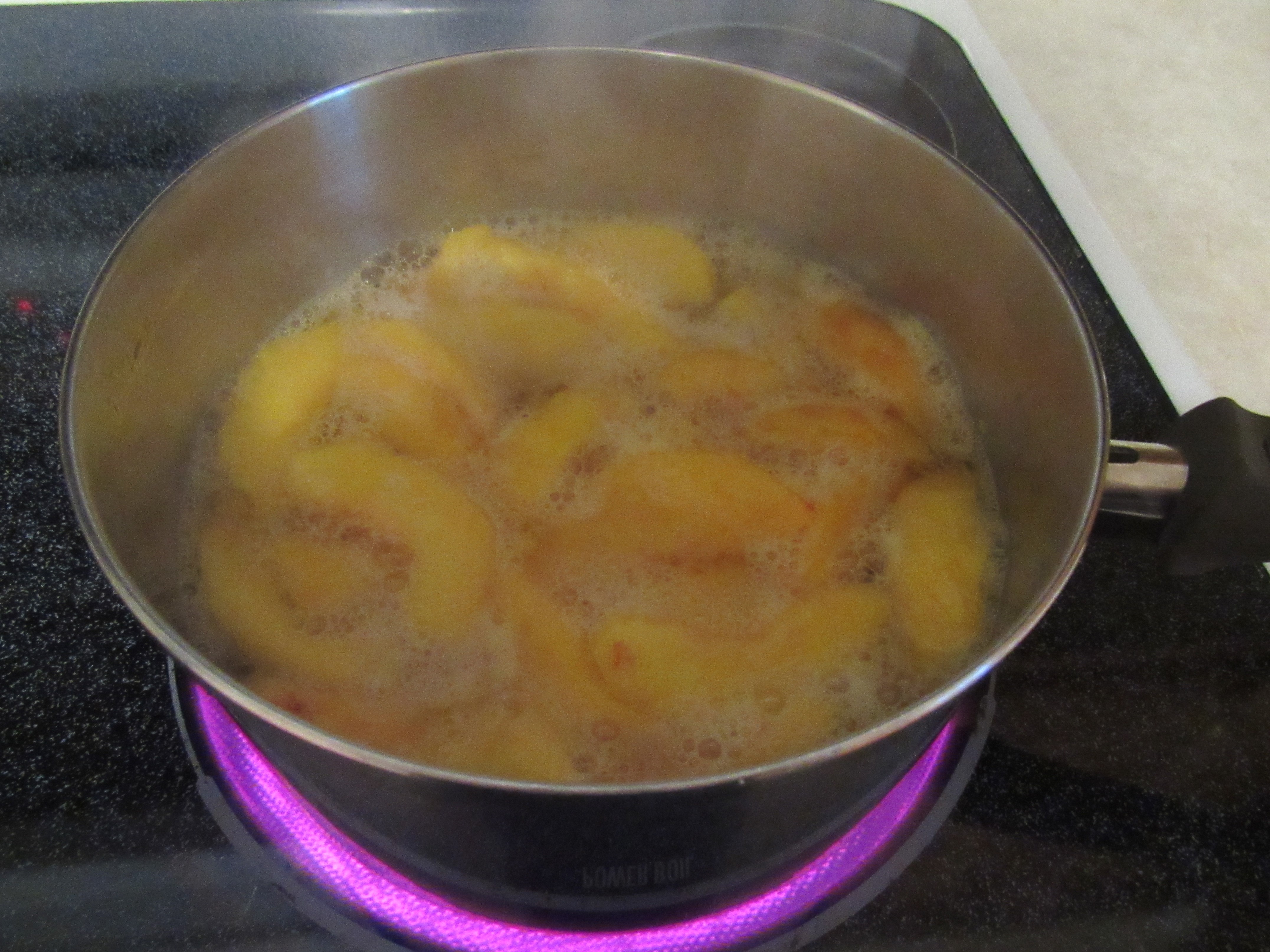
Peel and slice the peaches. Put them in a kettle with just enough water to cover them. Cook over medium heat. When it comes to a low boil, continue cooking about 5 minutes. Remove from heat. The water has become a very light syrup.

To make pie crust for the cobbler, add 2 cups all-purpose flour, 1 teaspoon baking powder, and ¼ teaspoon salt into a medium-sized mixing bowl. Melt 2 tablespoons of lard (I used Crisco shortening) and stir into the dry ingredients. Stir in 2/3 to ¾ cup of milk or water (I used milk) until it is the right consistency for pie crust, which is not too wet and all dry ingredients have been incorporated.

Divide the dough into 2 sections—roughly 1/3 and 2/3. The smaller section is the top crust.

Lightly flour the surface and rolling pin. Then roll into a thin pie crust. Arrange it on the bottom and sides of your dish (I used a 9×9 casserole dish.)

Mix 3 tablespoons of flour with 2 tablespoons of sugar. Sprinkle this over the crust to keep the fruity filling from seeping into the lower crust.

With slotted spoon, remove peaches from kettle. Arrange these over the crust. I took ¼ cup of the syrupy peach water and poured it over the peaches. The original recipe didn’t call for this, but this small amount of liquid added flavor and moisture without destroying the crust.

Sprinkle ¾ cup sugar over the peaches.

Roll out the rest of the dough and place it over the top. A lattice top will work nicely too.

Bake at 400 for 25 – 30 minutes or lightly browned.

The peaches cooked perfectly except … there weren’t enough of them. I’d double the amount of peaches for the same sized dish next time. Adding extra syrup (cooking water) to the dish was an excellent call. I added ¼ cup—next time I’d do at least ½ cup, especially with more fruit.

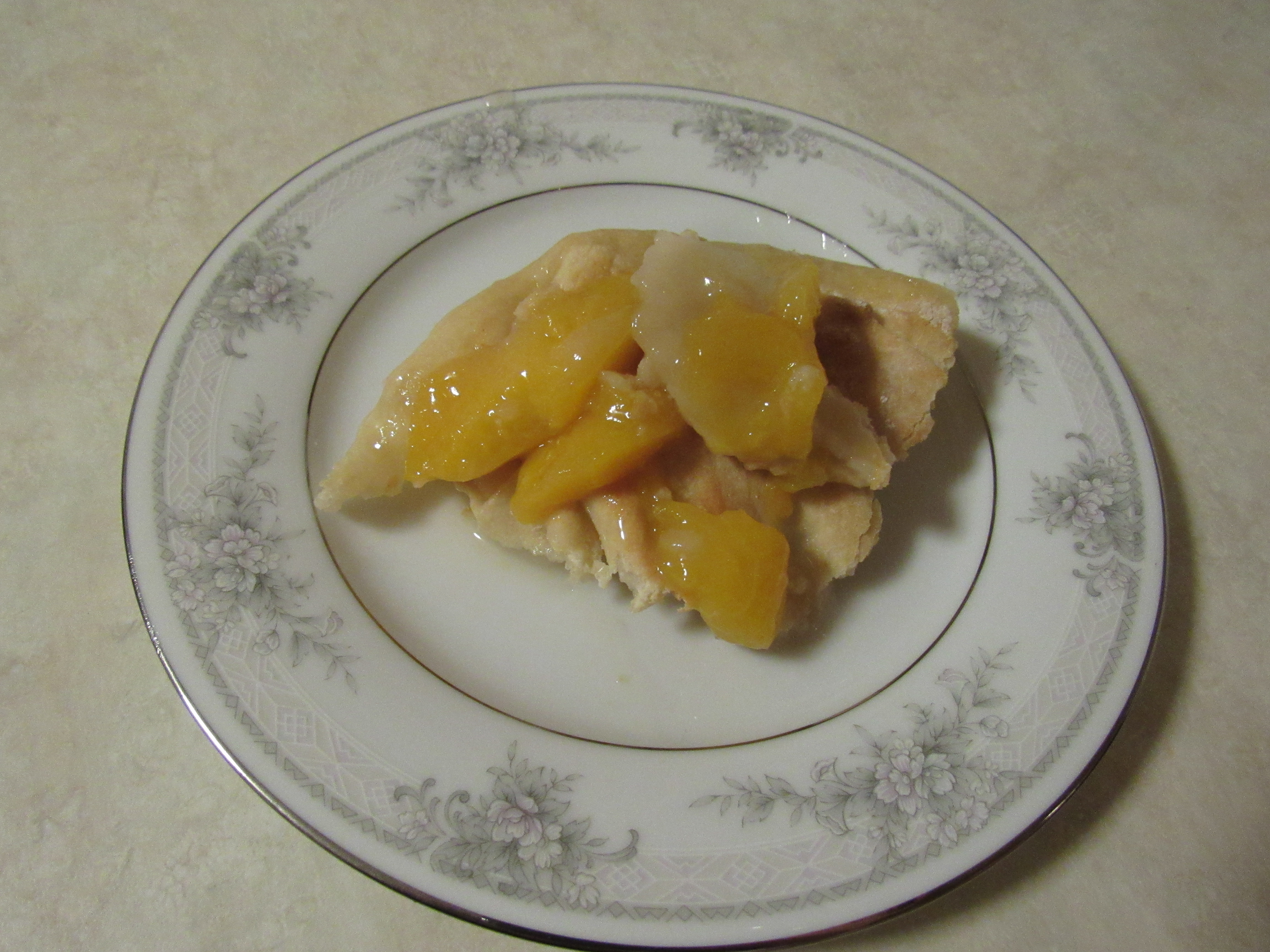
The cobbler tasted delicious, with a wonderful peach aroma and flavor. I will make this summery dessert again.

Blackberries, apples, and other fruit can be substituted. If using fresh fruit, cook the fruit for about 5 minutes as above; if canned, there is no need to cook it before baking.

-Sandra Merville Hart


Sources

Compiled from Original Recipes. Buckeye Cookery and Practical Housekeeping, Applewood Books, 1877.


Blueberry Bread Recipe

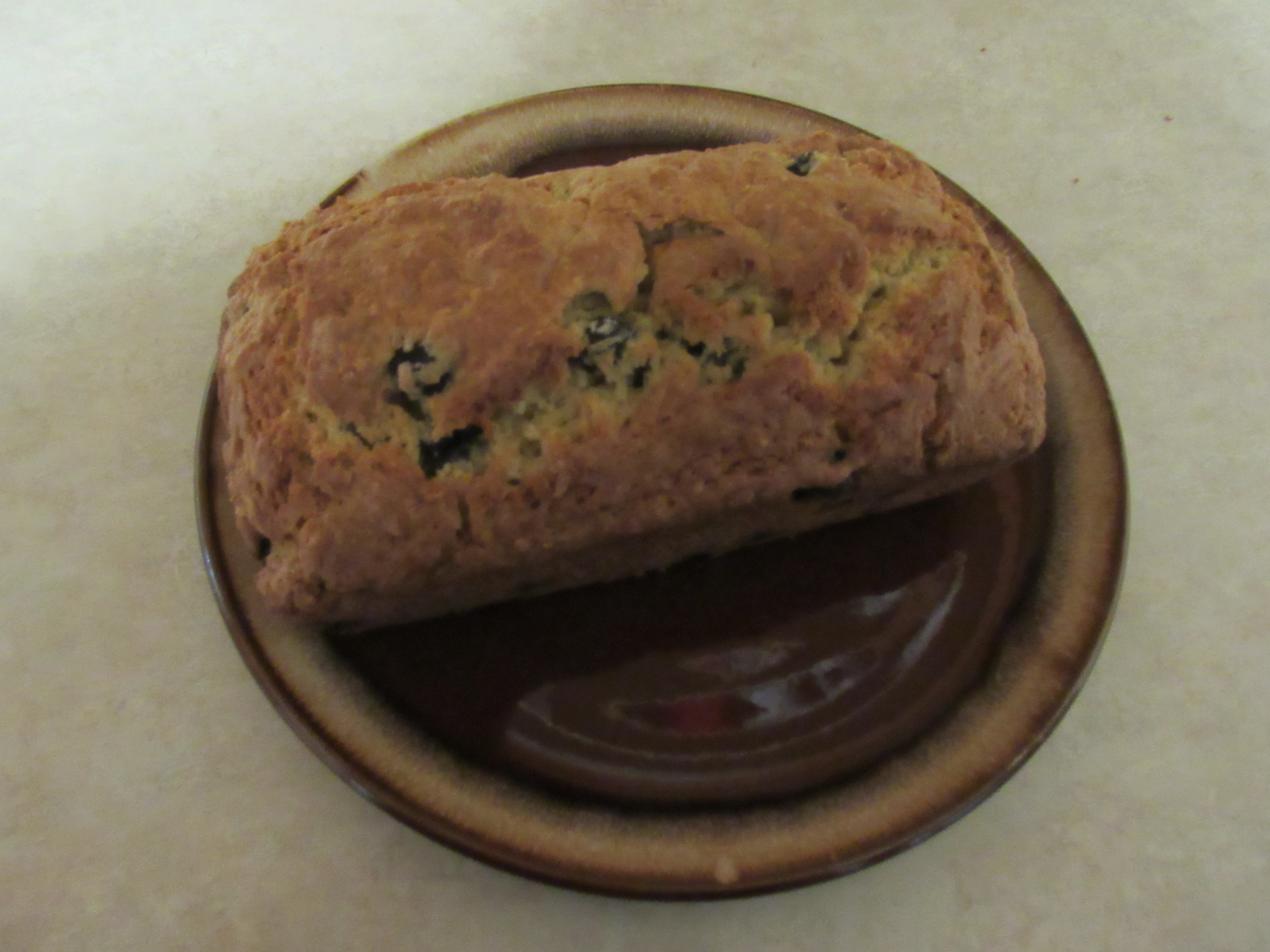
I go through seasonal cycles in cooking. Right now, I’m looking for recipes with blueberries. I’ve made this delicious blueberry bread with a couple of modifications from a 1950 Betty Crocker’s Picture Cook Book many times.

Preheat oven to 350 degrees. Prepare a bread baking pan with cooking spray.

Rinse and drain 1 cup of fresh blueberries on a paper towel. Gently pat them dry.

Sift 2 cups of all-purpose flour into a medium mixing bowl. Add 1 teaspoon of baking powder, ½ teaspoon of baking soda, and ½ teaspoon of salt and stir. Set aside.

Hint: Add blueberries to the flour. A gentle toss coats the fruit with flour. Remove the berries from the flour with your clean hands or a slotted spoon and set aside for a moment. This coating will prevent the fruit from all settling at the bottom of the batter during baking.

In a separate bowl thoroughly blend 2/3 cup sugar and ¼ cup butter until all the sugar is incorporated into the butter. Pastry blenders work well for this. (The recipe calls for 1/3 cup of shortening—I always substitute butter for the shortening. 1/4 cup of butter instead of 1/3 works well.) Beat 2 eggs and stir into the creamed mixture.

Optional: Add the zest of one lemon and ½ teaspoon of lemon extract to the batter for a light lemony flavor.

Gently fold in prepared blueberries to the batter and 4 tablespoons of milk.  

Stir dry ingredients into the sugar mixture. Another tablespoon of milk will probably be needed to make thick batter. Spoon the batter into the prepared baking pan.

Bake at 350 degrees for 50 to 60 minutes.

Many people prefer to eat a slice of this delicious bread with cream cheese. It’s also good without it.

I substitute other fruits for the blueberries, such as apples, bananas, pumpkin, blackberries, and cranberries. You can also substitute orange zest and orange extract for the lemon—or leave it out altogether.

-Sandra Merville Hart

Sources

Betty Crocker’s Picture Cook Book, Macmillan and General Mills, Inc, 1950.


Iced Blueberries Recipe from 1877

Flipping through the fruit section of a cookbook from 1877, I found a recipe for Iced Currants. The cook suggested that cherries and grapes can be substituted for currants.

So why not try blueberries this way?

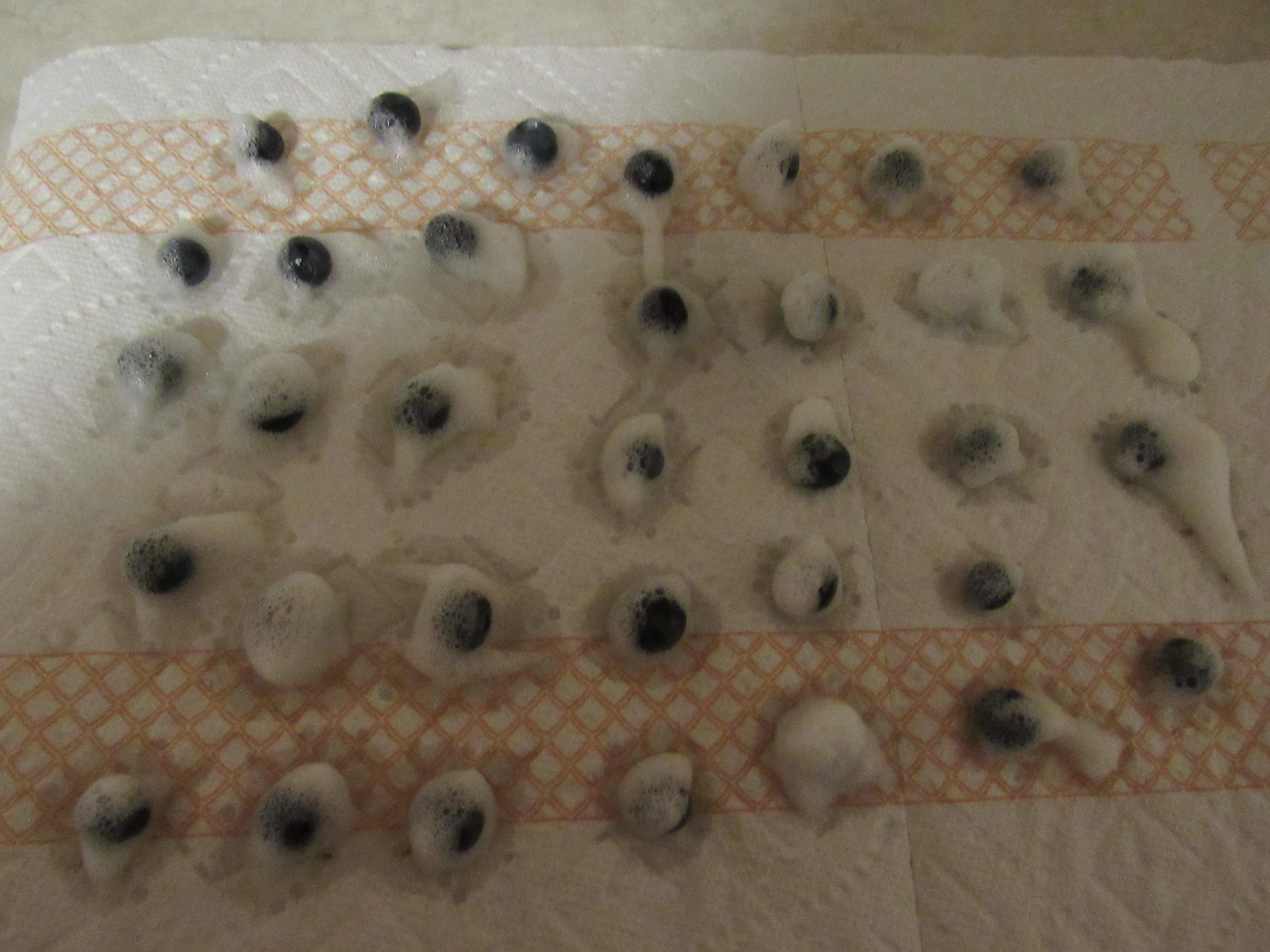
Wash and drain ½ cup of blueberries on a paper towel.

Separate 3 egg whites into a mixing bowl. Beat them. I used a hand mixer for this easy recipe.

The cook suggests using a sieve for the next part, which I don’t own. I used a baking rack covered with paper towels.

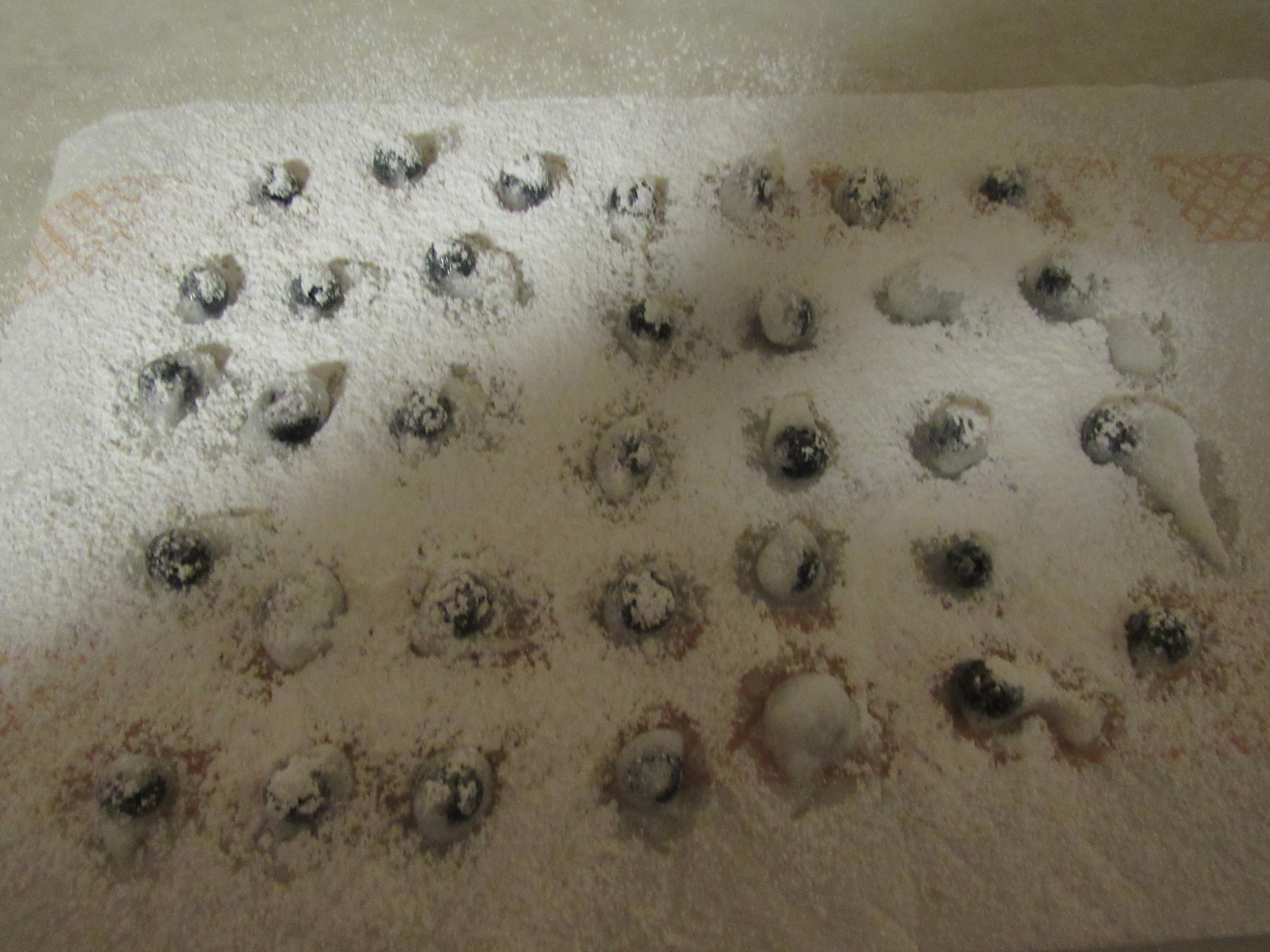
Dip each blueberry into the beaten egg white mixture and set on the baking rack so that the fruit doesn’t touch. Sift a thick layer of powdered sugar over them. The cook didn’t mention waiting for the berries to set so the blueberries still had a frothy coating from the egg whites when I covered them. The froth kept the sugar from sticking.

I tried again, this time giving the berries an hour to set before sprinkling on powdered sugar. Still too frothy to hold the sugar coating.

What do they say about third time is the charm? The next time I dipped a batch of blueberries individually into the egg whites, I stayed away from the frothy part. I rolled the blueberries in powdered sugar to achieve an even coat. Perfect!

Tip: Don’t beat the egg whites. Give them a little whisk. Don’t sprinkle but roll the fruit in powdered sugar.

Delicious! A light, sweet healthy snack in about five minutes.

I’d try this with blackberries and raspberries as well.

I’d love to hear if you try this recipe with other fruits.

-Sandra Merville Hart

Sources

Compiled from Original Recipes. Buckeye Cookery and Practical Housekeeping, Applewood Books, 1877.


Blueberry Buckle Recipe

I go through seasonal cycles in cooking. Right now, I’m looking for recipes with blueberries. I’ve made this delicious blueberry buckle coffee cake from a 1950 Betty Crocker’s Picture Cook Book several times but it’s been a while.

Preheat oven to 375 degrees. Prepare an 8 x 8 baking pan with cooking spray.

Rinse and drain 2 cups of fresh blueberries on a paper towel. Gently pat them dry.

Sift 2 cups of all-purpose flour into a medium mixing bowl. Add 2 teaspoons of baking powder and ½ teaspoon of salt and stir. Set aside.

In a separate bowl thoroughly blend ¾ cup sugar and ¼ cup butter until all the sugar is incorporated into the butter. Pastry blenders work well for this. (The recipe calls for ¼ cup of shortening—I always substitute butter for the shortening.) Add 1 egg, ½ cup milk, and stir. Set aside.

Hint: Add blueberries to the flour. A gentle toss coats the fruit with flour. Remove the berries from the flour with your clean hands or a slotted spoon and set aside for a moment. This coating will prevent the fruit from all settling at the bottom of the batter during baking.

Stir dry ingredients into the sugar mixture. Once combined, gently fold in the prepared blueberries. Pour the thick batter into the prepared baking pan.

Next, prepare a crumb mixture as a topping. Mix together ½ cup sugar, 1/3 cup all-purpose flour, and 1 teaspoon cinnamon. (The recipe calls for ½ teaspoon cinnamon—I’m always generous with this spice.) Then thoroughly blend in ¼ cup of butter with a pastry blender. Sprinkle this crumb mixture over the batter.

Bake 45 to 50 minutes. Enjoy!

This is a delicious blueberry coffeecake for breakfast or brunch.

-Sandra Merville Hart

Sources

Betty Crocker’s Picture Cook Book, Macmillan and General Mills, Inc, 1950.


Miss Kay’s Banana Pudding Recipe

A couple of years ago, one of my Christmas gifts was a cookbook that I’d placed on my wish list—Miss Kay’s Duck Commander Kitchen by Duck Dynasty’s Kay Robertson.

Miss Kay dedicates chapters to favorite recipes for her husband, her sons, her grandchildren. She has chapters on Louisiana cooking, Christmas, and cooking wild game. I love reading her introductions and her tips. She allows cooks to get to know a bit about her and the family she loves to cook for. It’s one of the best cookbooks I’ve used!

My favorite recipe so far is for banana pudding. Delicious! It’s the best banana pudding I’ve tasted—and coming from a family of Southern cooks, that’s saying something.

This pudding is not difficult to make but it is time consuming. Allow at least an hour and a half. Gathering and combining like ingredients ahead of time will help as you need to stir the pudding the whole time it cooks. The pudding becomes very thick and creamy from cooking slowly in a double boiler. (I don’t have a double boiler … a metal mixing bowl over a simmering pan of water works well.)

Just before serving, I add dollops of whipped topping. I used the kind from a can because it looks prettier.

I recently attended a funeral. I doubled this recipe and brought this to the gathering afterward. One guest told me it was the best pudding she’d ever eaten—“and I’m old so I’ve tasted a lot of puddings!”

Blessing a member of the grieving family made it worth the time.

This is a great dessert to take to summer picnics and family gatherings.

This is only one of the wonderful recipes found in Kay Robertson’s cookbook—well worth having on your shelf!

-Sandra Merville Hart


Sources

“Ms. Kay’s Banana Pudding Recipe,” Louisiana Culinary Trails, 2018/05/15 https://www.louisianatravel.com/culinary/recipes/ms-kays-banana-pudding-recipe.

Robertson, Kay with Chrys Howard. Miss Kay’s Duck Commander Kitchen, Howard Books, 2013.