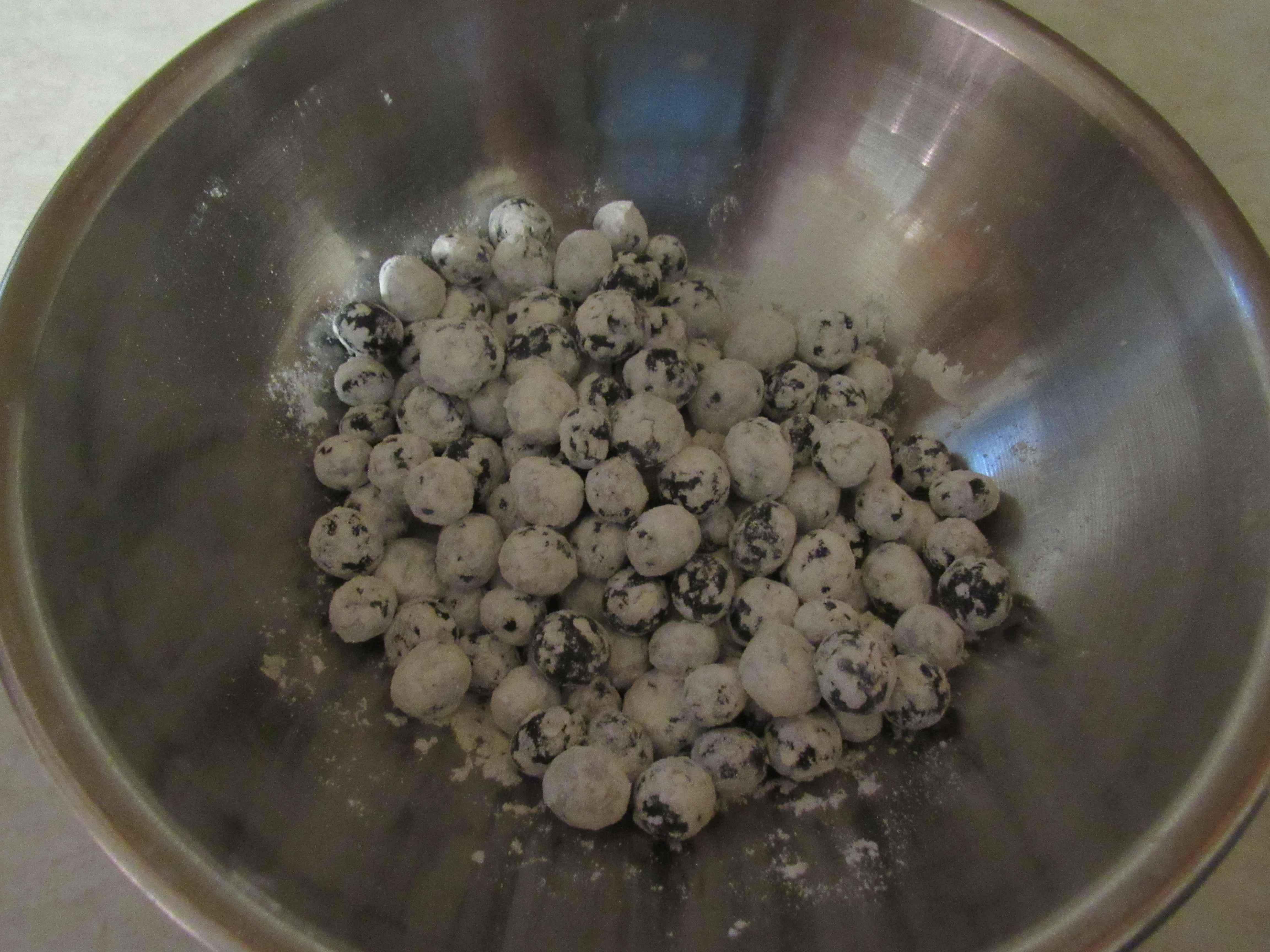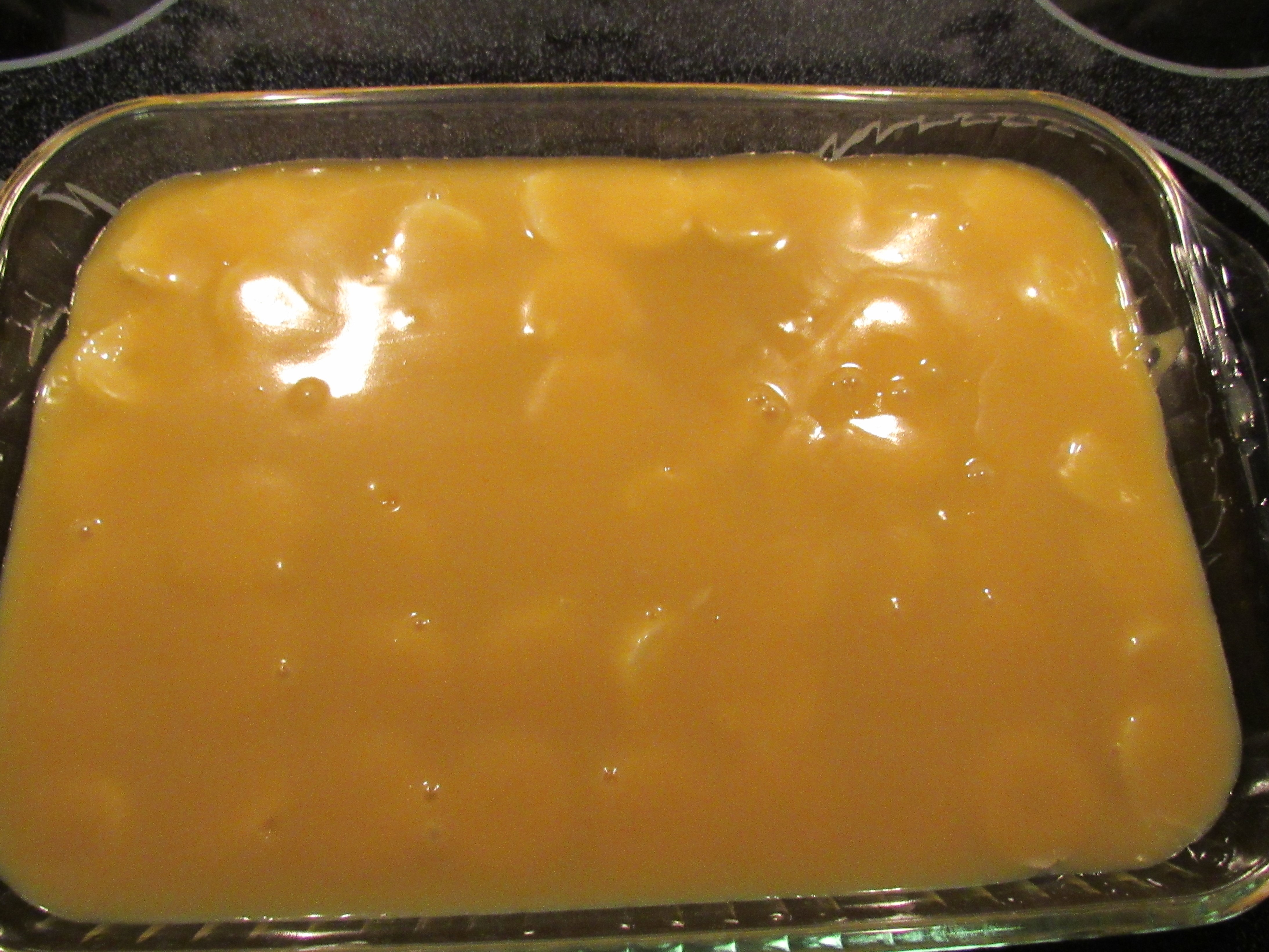
Lemon Cake Recipe from 1877

Wanting to make a dessert for the gathering of a few friends, I found a recipe for lemon cake in my 1877 cookbook. I love lemon desserts and decided to try this recipe originally submitted by Miss M. B. Fullington.

I have to confess that I had to make this dessert twice. Miss Fullington didn’t give a lot of details with her instructions. Since the recipe calls for 7 eggs, I went through a lot of eggs to get this right. The batter consistency for this first batch was all wrong—not at all the creamy texture I expected. When I noticed that the cook hadn’t even mentioned baking the cake, I realized that a few important details were missing.

I tasted the batter—buttery with nice hint of lemon. I decided to remake with a couple of changes that I will note along the way.

Set aside 2 cups of flour in a bowl. If using all-purpose flour as I do, add 1 teaspoon of baking powder and 1 teaspoon of salt.

Separate 7 eggs with the yolks in one bowl and reserve the whites in another. Beat the egg whites until light and fluffy. Set aside.

In a mixing bowl, add 2 cups sugar, the zest of 2 lemons, the juice of 1 lemon, the egg yolks, and ¾ pound butter (3 sticks—I know! It’s a lot of butter. They ate more butter than we do now. I followed Miss Fullington’s recipe but believe it would still work with less.) The recipe does not call for lemon extract, but I added 1 teaspoon of the extract to enhance the flavor—good call!

Beat these ingredients together, adding a little flour at a time. Then fold in the beaten egg whites. My mixer has a FOLD button that works wonderfully for this.

This time the batter was light and creamy with the perfect amount of lemon flavor. Yum!

Preheat oven to 350 degrees. Prepare a cake pan with cooking spray. If using a 13 x 9 pan, bake about 35 – 40 minutes until toothpick inserted in center comes out clean. If using an 8 x 8 pan, bake about 50 – 60 minutes.

I made white icing following Betty Crocker’s Vanilla Buttercream Frosting recipe.

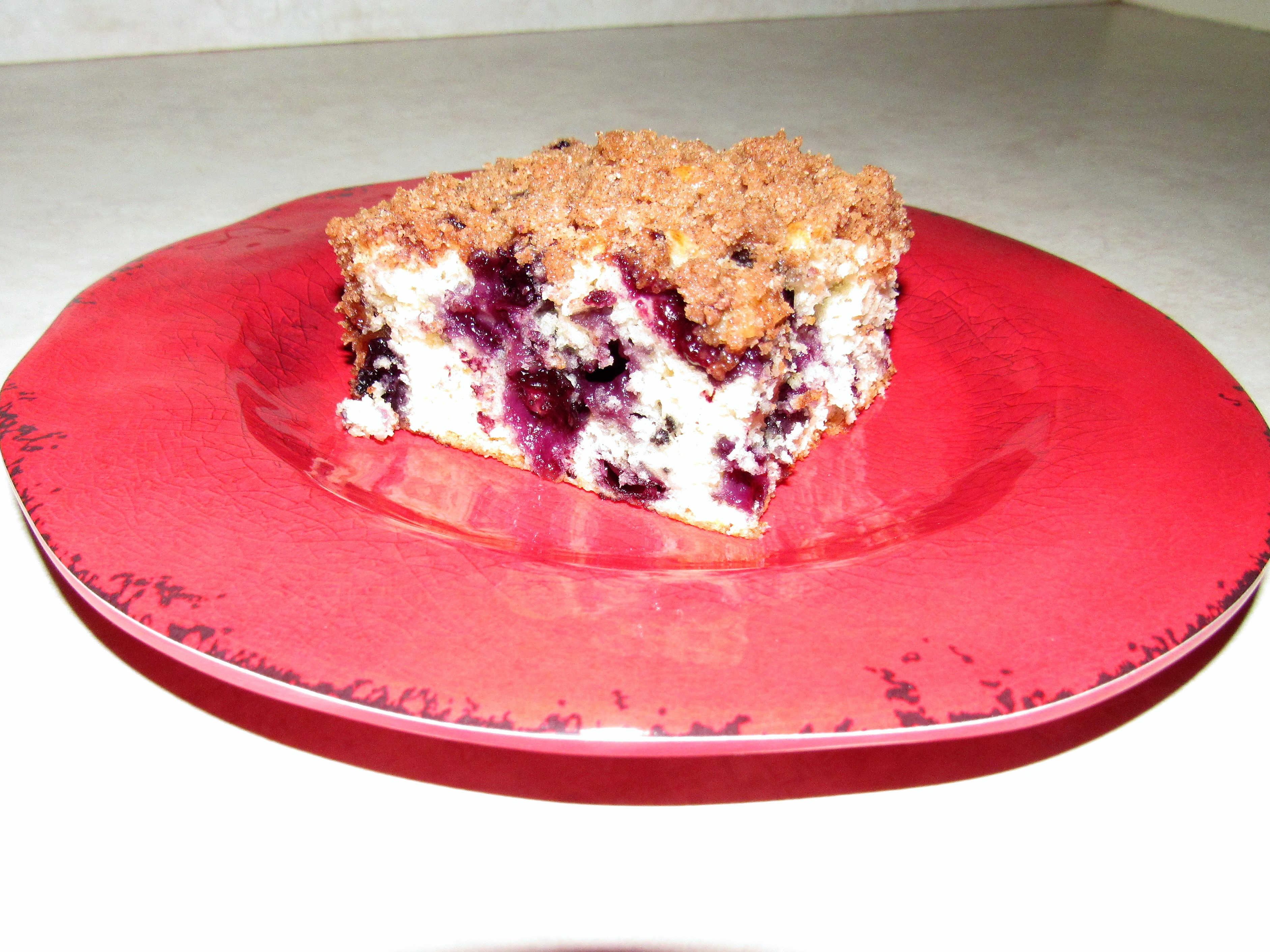
The whole cake tasted delicious. It has a wonderful buttery lemon flavor. Loving the lemony dessert, my guests ate every last crumb on their plates.

One person mentioned that he tasted an eggy flavor. I agreed. In my opinion, the number of eggs can be reduced to four or five. Also, the amount of butter can be reduced–perhaps to about ½ cup.

I’d love to hear if you try it.

-Sandra Merville Hart

Sources

Compiled from Original Recipes. Buckeye Cookery and Practical Housekeeping, Applewood Books, 1877.


Bina’s Stewed Corn Recipe from 1877

While searching for a vegetable to make for a family gathering, I found a recipe for stewed corn in my 1877 cookbook. It uses fresh corn. It was delicious! You might want to make extra for a large crowd because many folks will come back for seconds.

This recipe is based off 3 pints of corn and I had no idea how many ears of corn made that much. I purchased 8 ears of corn and, to my surprise, that made 3 pints!

Shuck the corn and remove the corn silks. Rinse the corn.

Shave the corn off the ears with a sharp knife. Always work toward the bowl. I start about halfway down the ear and then turn it over and do the other side. Don’t shave the vegetable so closely that you cut the cob.

Hint: A large deep bowl or pot works best for shaving the corn off the cob as it splatters.

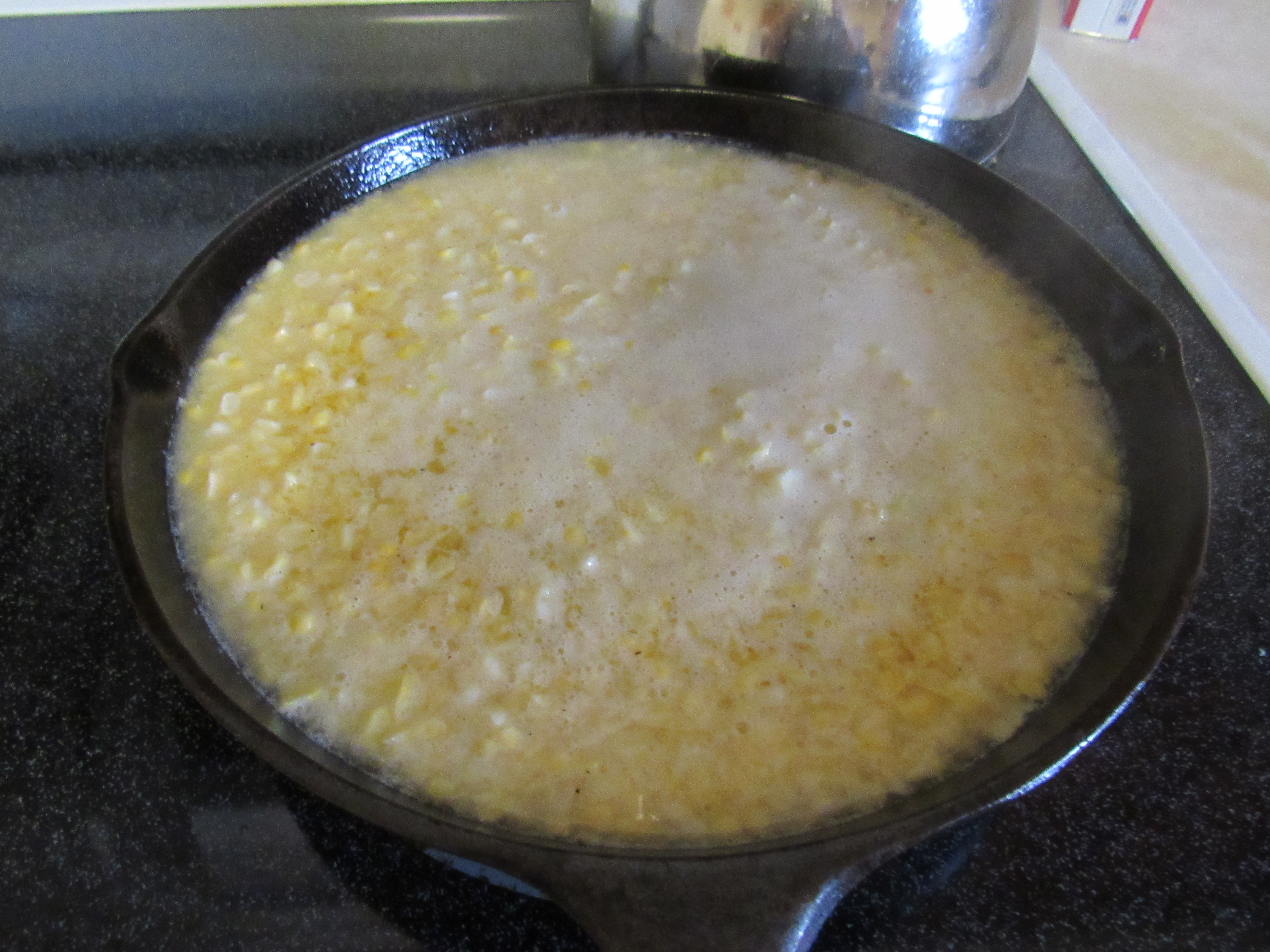
Pour the kernels into a cast iron skillet. Add just enough water to cover the corn. Add 3 tablespoons of butter, 1 teaspoon of salt, and pepper to taste. (My husband isn’t big on pepper so I used 1/8 teaspoon.)

Cover and cook over a medium low heat about 45 minutes. Stir occasionally. Add more water if necessary because the corn shouldn’t brown. The aroma as it cooks will make you hungry!

Meanwhile, stir 1 teaspoon of flour into ½ cup of cream. Add this cream mixture to the corn in the last 3 to 5 minutes of cooking. Stir and replace the lid.

Bina, the original cook, served this with roast beef, escalloped tomatoes, and mashed potatoes.

Delicious! Everyone complimented the corn dish and went back for second and third helpings. It was so good that I warmed it up and ate some for breakfast the next day. Yummy!

It’s so hard to find ways to make vegetables like corn into a special side dish. This recipe earned compliments at my house and chances are good it will earn them at yours.

I’d love to hear if you try it.

-Sandra Merville Hart

Sources

Compiled from Original Recipes. Buckeye Cookery and Practical Housekeeping, Applewood Books, 1877.


Apple Meringue Pie Recipe from 1877

While searching for a dessert to make for a family gathering, I ran across a recipe for apple meringue pie in my 1877 cookbook. Intrigued by a dessert I’d never heard of, I decided to try it.

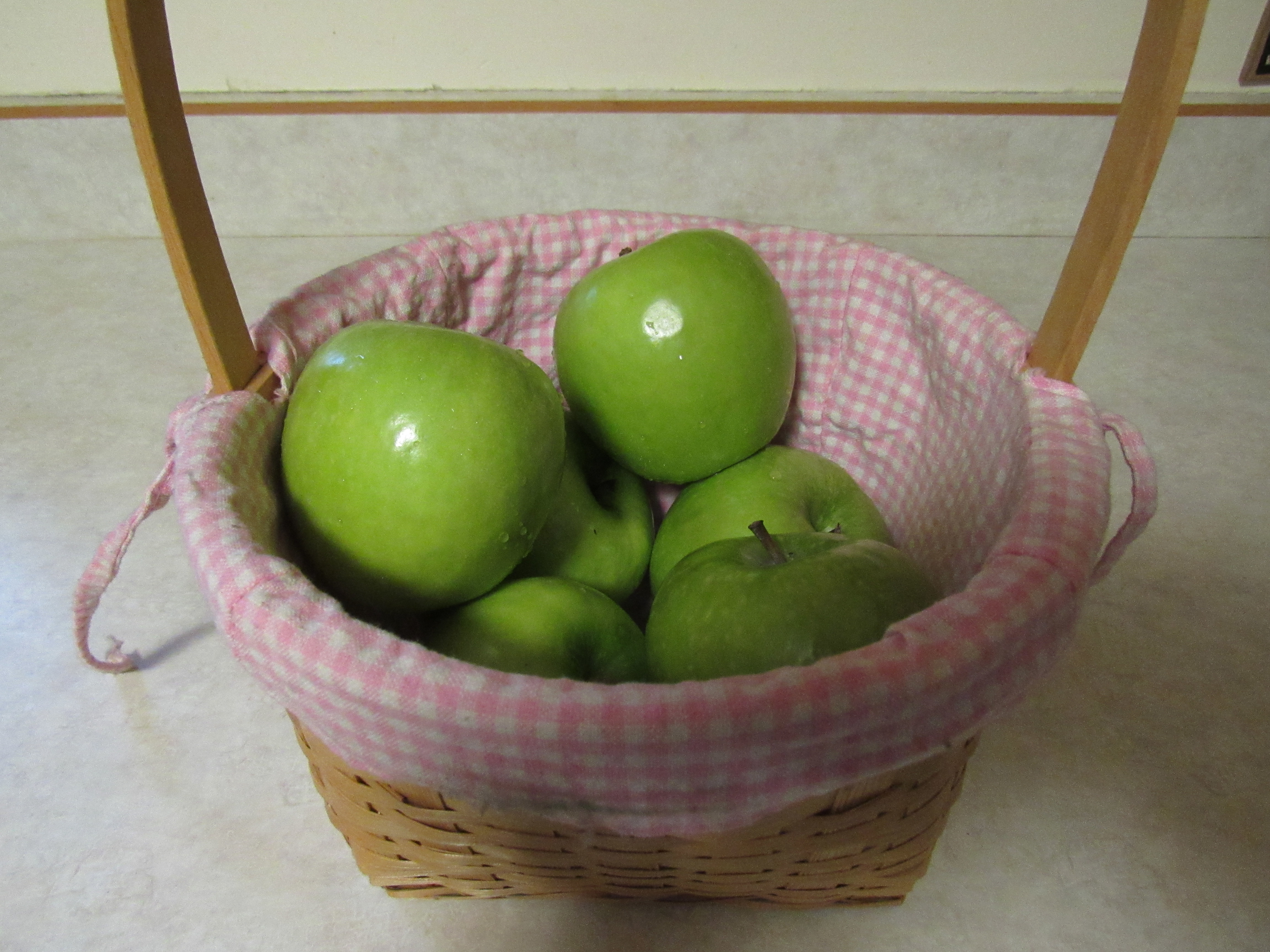
The recipe calls for tart apples so I used Granny Smith. For apple pies that I’ve made in the past, three large apples made one pie. Since these apples would be “stewed” before going into the pie shell, I used twice that amount. This made enough filling for a large 9” pie.

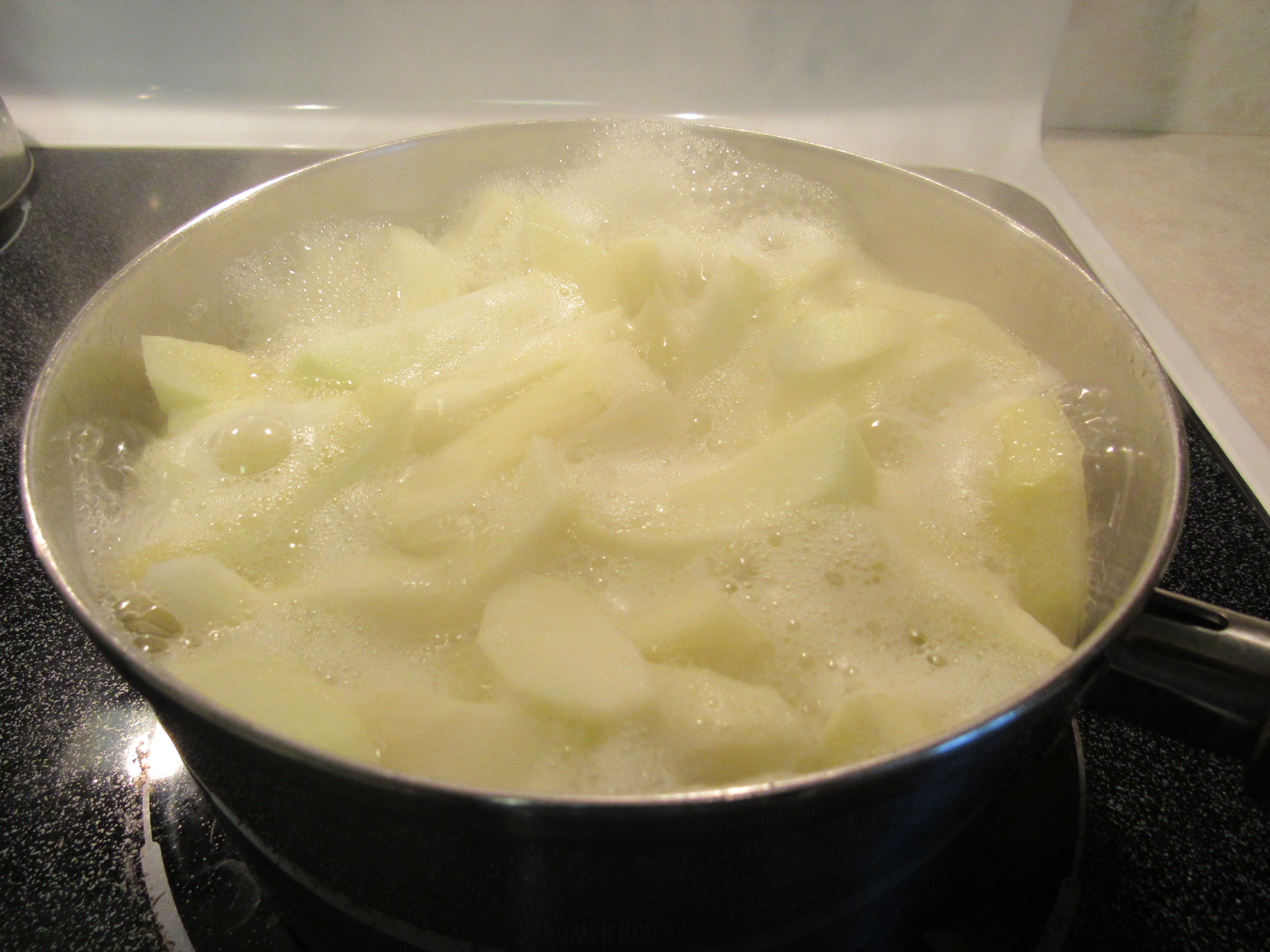
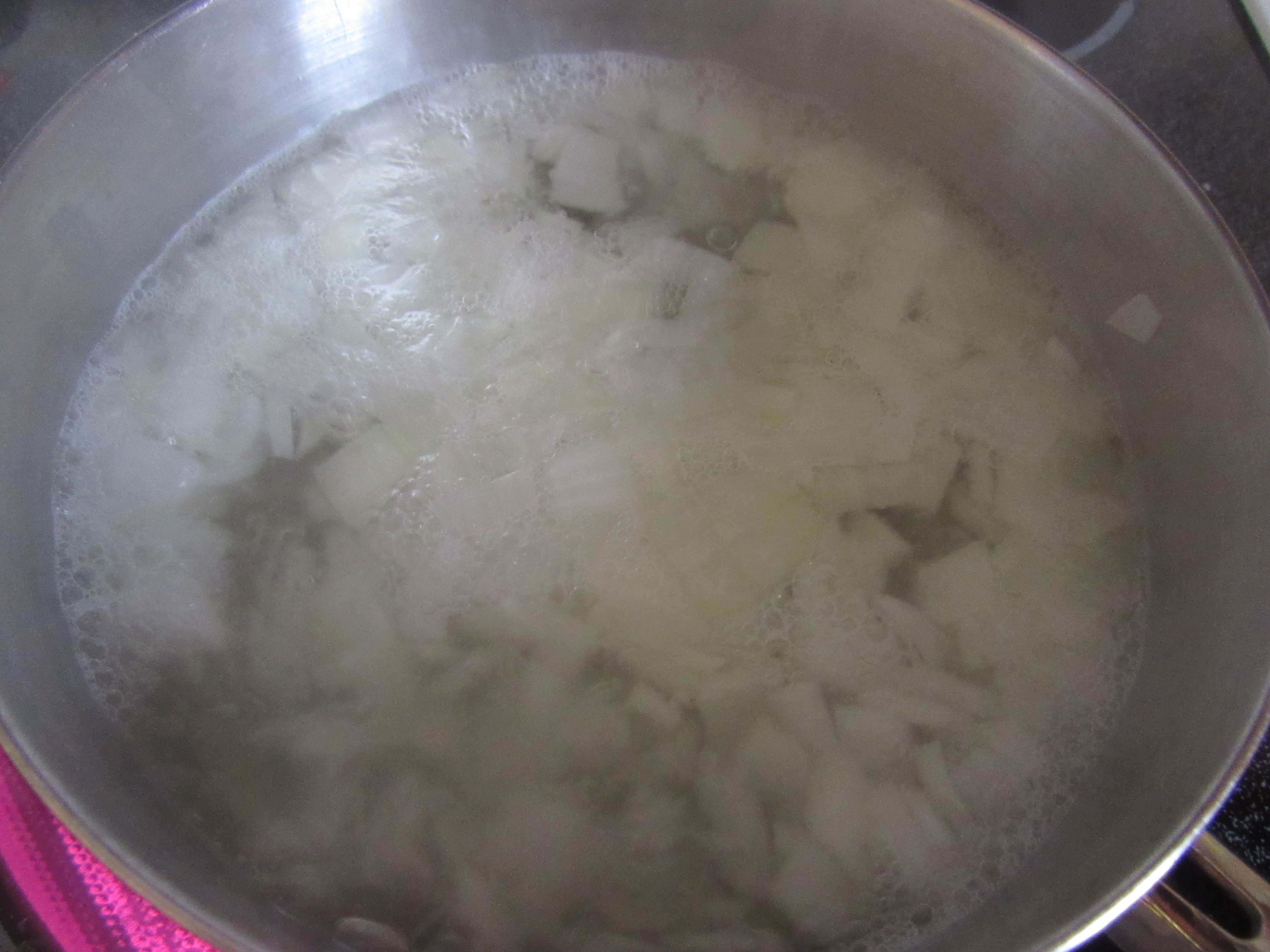
Peel and slice the apples. Place them in a large saucepan and add water but don’t cover the apples. Cook over a medium heat until tender, about 15 to 20 minutes. The aroma took me back to childhood memories of my grandmother’s cooking.

Remove from heat. Drain excess water. Mash the cooked apples. Add a teaspoon of nutmeg. After tasting the mixture with a spoon, I felt it needed a teaspoon of cinnamon so I added that. It gave the apples a nice flavor.

Hint: To prevent fruit juices from soaking into the pie crust, beat an egg and lightly brush a little onto the unbaked shell. 1877 cooks dipped a cloth into the egg mixture, but I used a pastry brush.

Poor the apple mixture into a prepared unbaked pie crust and bake at 375 degrees for about 35 minutes or until the shell is done and the apples are set.

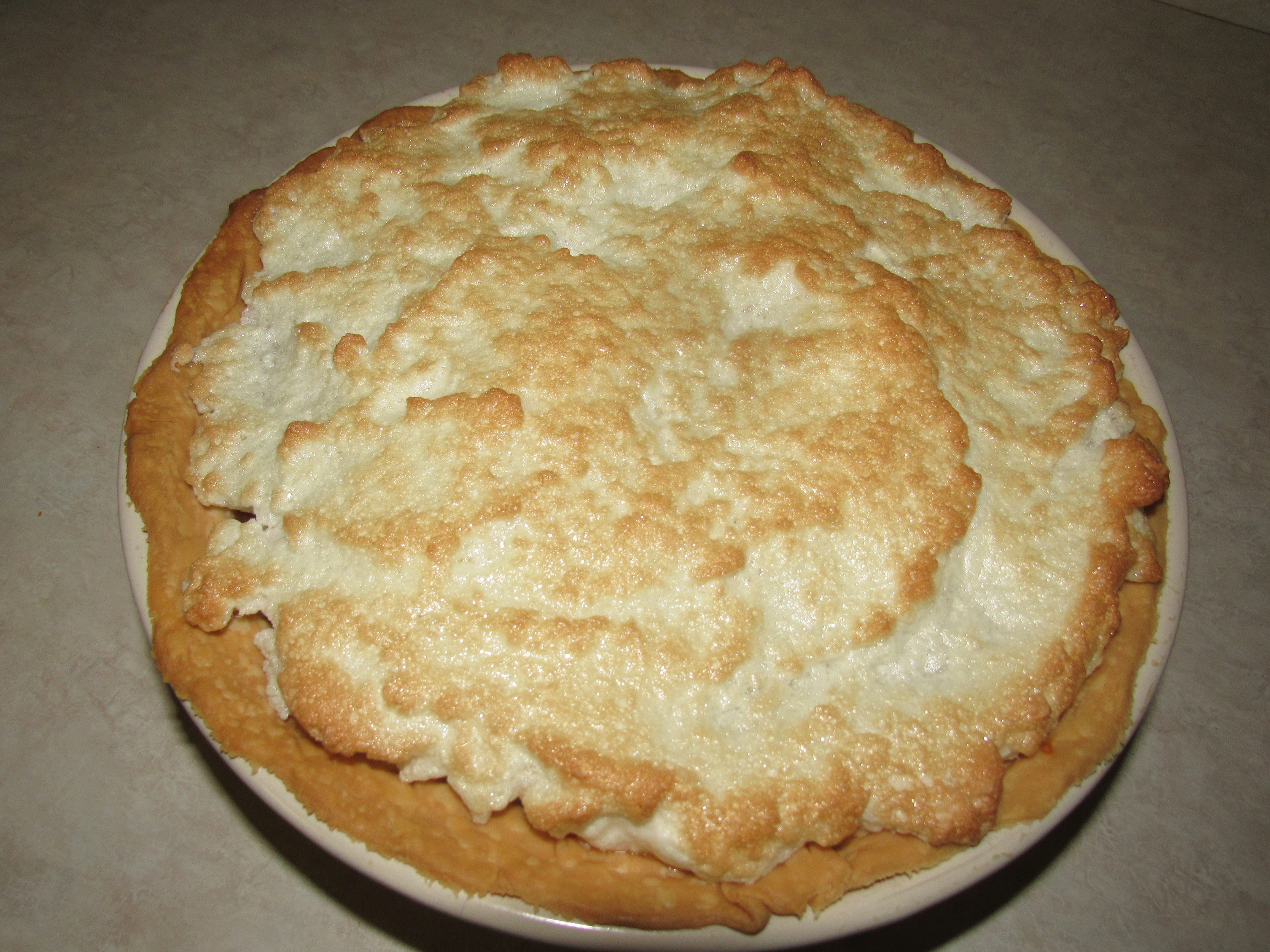
For the meringue: Beat 3 egg whites, 3 tablespoons powdered sugar, and ½ teaspoon vanilla until “it will stand alone.”

Allow the baked pie to cool about ten minutes then cover the pie with the meringue. Increase the oven temperature to 400 and return the pie to the oven just until the meringue is lightly browned. This may take five minutes but keep watching so as not to burn it.

Refrigerate after the pie cools and serve cold.

None of my guests had heard of an apple meringue pie. The novelty and the taste appealed to everyone. The dessert took me back to my grandmother’s cooking. I liked it. I had always used sugar as opposed to powdered sugar for meringues and was a little nervous about how it would work. The powdered sugar took a little longer to whip but tasted good.

The cook advises that peaches can be substituted for apples when in season. That sounds really delicious so I plan to make it with peaches.

I’d love to hear if you try it.

-Sandra Merville Hart

Sources

Compiled from Original Recipes. Buckeye Cookery and Practical Housekeeping, Applewood Books, 1877.


Ambrosia Recipe from 1877

I leafed through my 1877 cookbook for a dish to take to a family Easter meal and stumbled across this recipe for ambrosia. A little different from the modern version, fruity—it was perfect.

For this dish, you can peel and slice one pineapple. Mrs. Theo Brown, the original cook, advised that the canned pineapple was equally as good, so I used pineapples chunks and then sliced them in half.

Peel six to seven sweet oranges, removing the seeds and core. Slice the larger sections in two.

Combine the oranges and pineapple and mix them well.

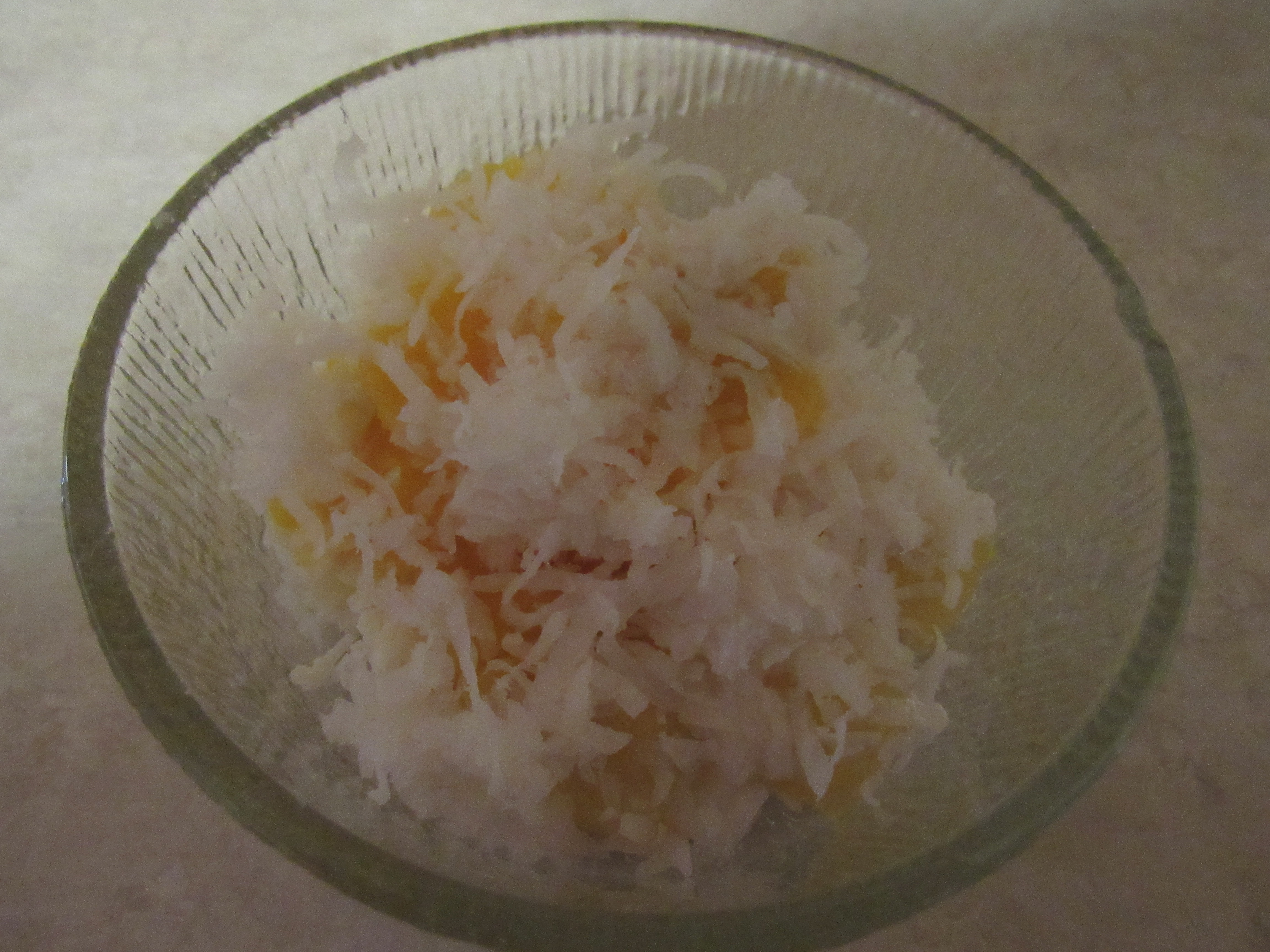
Choose a deep, round serving bowl to allow for 2 or 3 layers. Start with a layer of fruit then top it with grated coconut. (I used packaged sweetened coconut because that was all that was available at the grocery store.) Sprinkle powdered sugar over the coconut. (Mrs. Brown called this “pulverized sugar.”) You don’t need a lot, especially when using sweetened coconut.

Then add another layer of fruit and coconut and top it with a sprinkling of powdered sugar. My serving dish held 2 layers and it was plenty.

Guests found this citrus dish refreshing—much lighter than modern versions that can call for sour cream, heavy cream, and mini marshmallows.

I liked it very much. The powdered sugar gives the dish a sweet flavor. I plan to make it again. An easy dish to take to a picnic or family gathering.

I’d love to hear if you try it.

-Sandra Merville Hart

Sources

Compiled from Original Recipes. Buckeye Cookery and Practical Housekeeping, Applewood Books, 1877.


Celery Sauce for Boiled Fowls

To my knowledge, I had never eaten celery sauce. This looked like an easy recipe from an 1841 cookbook.

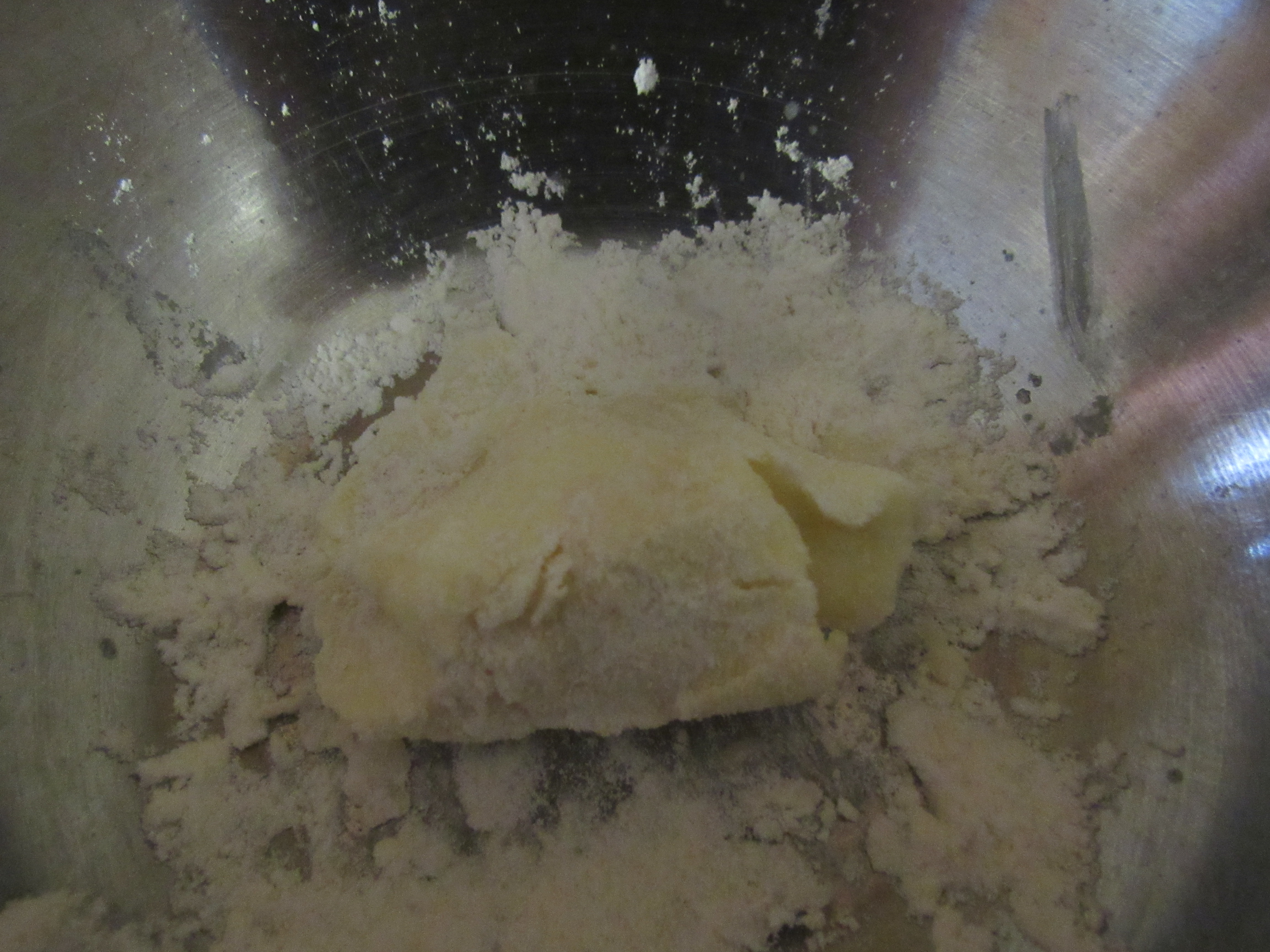
Take a tablespoon of butter and knead it into about a teaspoon of flour. The flour quickly works into the butter—if it’s not really cold.

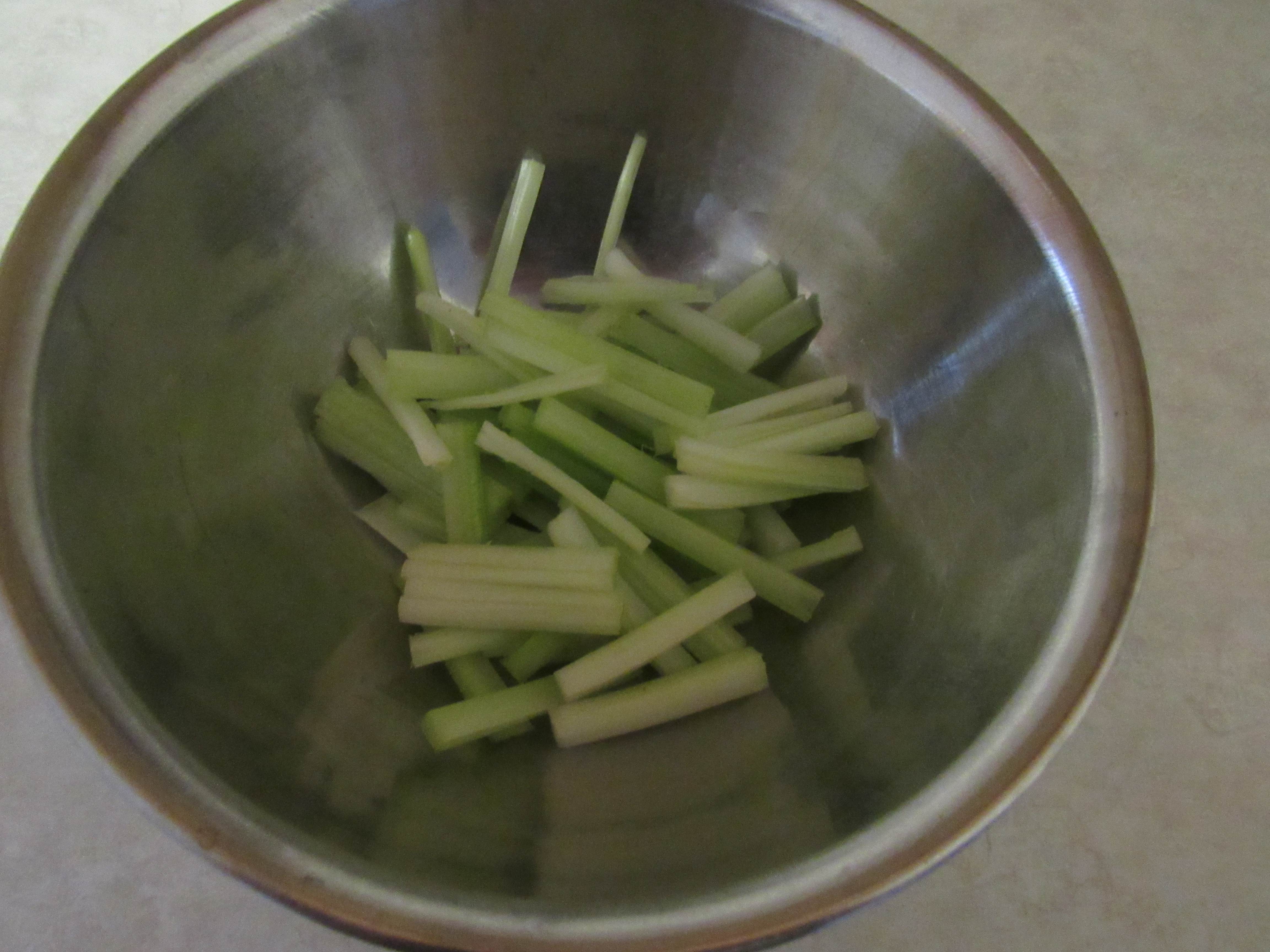
Wash 2 celery stalks. Cut the stalks into 2-inch sections and then slice them lengthwise.

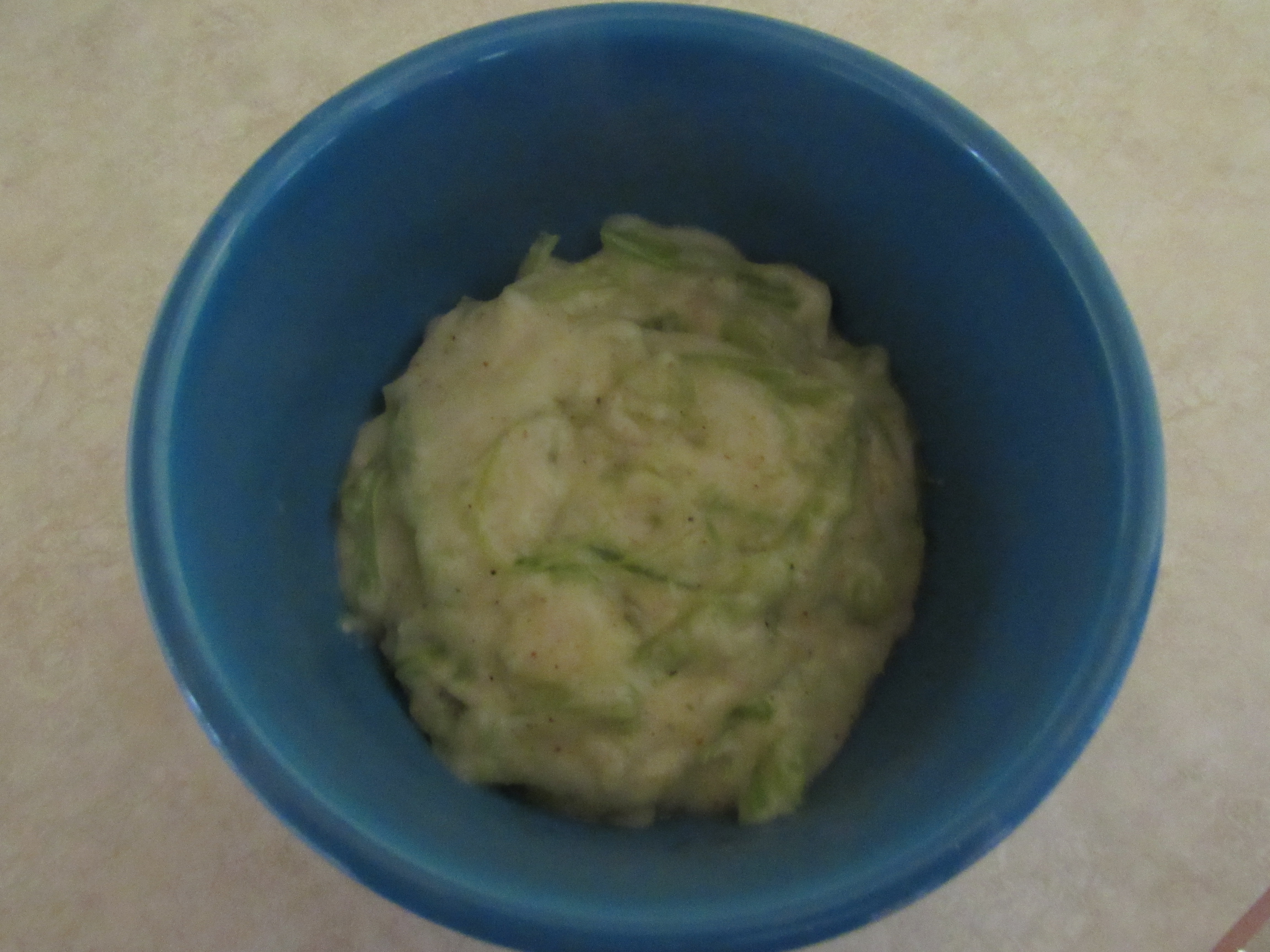
In a small saucepan, cook the celery in a little water until tender. (The 1841 cook advises that weak gravy can be substituted for water. I used water.)

Once the celery is the desired tenderness, drain out a bit of the water until about 1/3 to ½ cup of water remains. Then, while still in the pot, add the kneaded butter. Stir as the butter melts. If it doesn’t thicken to the consistency of gravy, add more kneaded butter.

Add ¼ teaspoon of mace, a pinch of salt, and pepper to taste.

This is a tasty sauce on chicken. I think it would also be good on turkey.

Adding juice from a lemon was optional so I tried it first without it. There is tangy flavor from the seasonings that is really delicious.

Then I added juice from a lemon. The strong zesty flavor is good, but it overpowered the other seasonings. So, it comes down to personal preference.

I’d love to hear if you try it.

-Sandra Merville Hart

Sources

Hale, Sarah Josepha. Early American Cookery, Dover Publications, Inc., 1996.


White Sauce for Boiled Fowls

This looked like an easy recipe from an 1841 cookbook, so I thought I’d give it a try.

Take a tablespoon of butter and knead it about a teaspoon of flour into it. The flour quickly works into the butter.

Whip a teaspoon of cream with 1 egg yolk and set aside.

In a small saucepan, add ½ cup of milk with the butter. Heat over medium heat until the butter melts.

Add the egg mixture. Stirring constantly, heat until boiling. Let it boil a minute or two to cook the flour and egg.

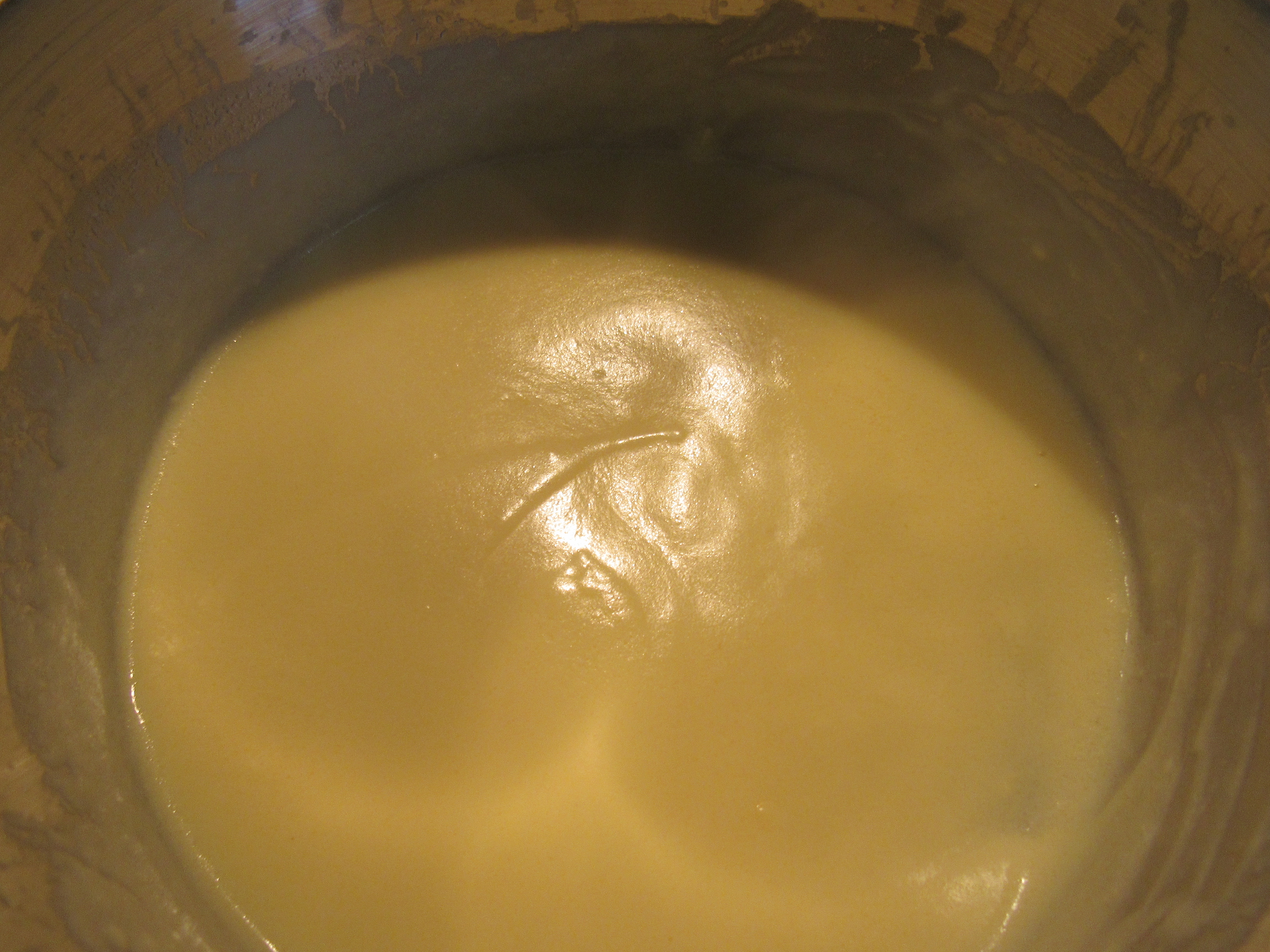
This becomes a beautiful light and creamy sauce.

Delicious! My husband and I tried it on chicken. We both liked it, though I felt it needed a tiny bit of salt.

I will be making this again.

I’d love to hear if you try it.

-Sandra Merville Hart

Sources

Hale, Sarah Josepha. Early American Cookery, Dover Publications, Inc., 1996.


Bread Sauce Recipe from 1841

When I saw this recipe under the “Gravies” section in an 1841 cookbook, I thought I’d give it a try.

Finely chop a small onion. This recipe calls for onion that “has been boiled in three waters.” The cook didn’t explain why this was important.

In a small saucepan, boil the onion in water. When it begins to boil, remove from heat and strain the onion through a colander. Return onion to the pan with fresh water. Repeat until the onion has boiled in three waters.

Set the strained onion aside.

In a small saucepan, add 1 cup of milk and ½ cup of bread crumbs. Heat on medium high just until boiling. Then stir in the reserved onion. Reduce heat to simmer the mixture for 20 minutes, stirring occasionally.

The recipe called for butter the size of a walnut. I guessed this to be about 3 tablespoons. After the mixture simmers about 20 minutes, add 3 tablespoons butter. Return to a boil and then remove from the heat.

I tried this on chicken and expected to enjoy the flavor more than I did. The onion flavor was pretty strong … not my favorite. The grainy consistency of the sauce might pair better with roast beef.

I’d love to hear if you try it.

-Sandra Merville Hart

Sources

Hale, Sarah Josepha. Early American Cookery, Dover Publications, Inc., 1996.


Egg Sauce Recipe from 1841

When I saw this recipe under the “Gravies” section in an 1841 cookbook, it didn’t look very appetizing. I sometimes eat boiled eggs for breakfast and thought this was worth a try.

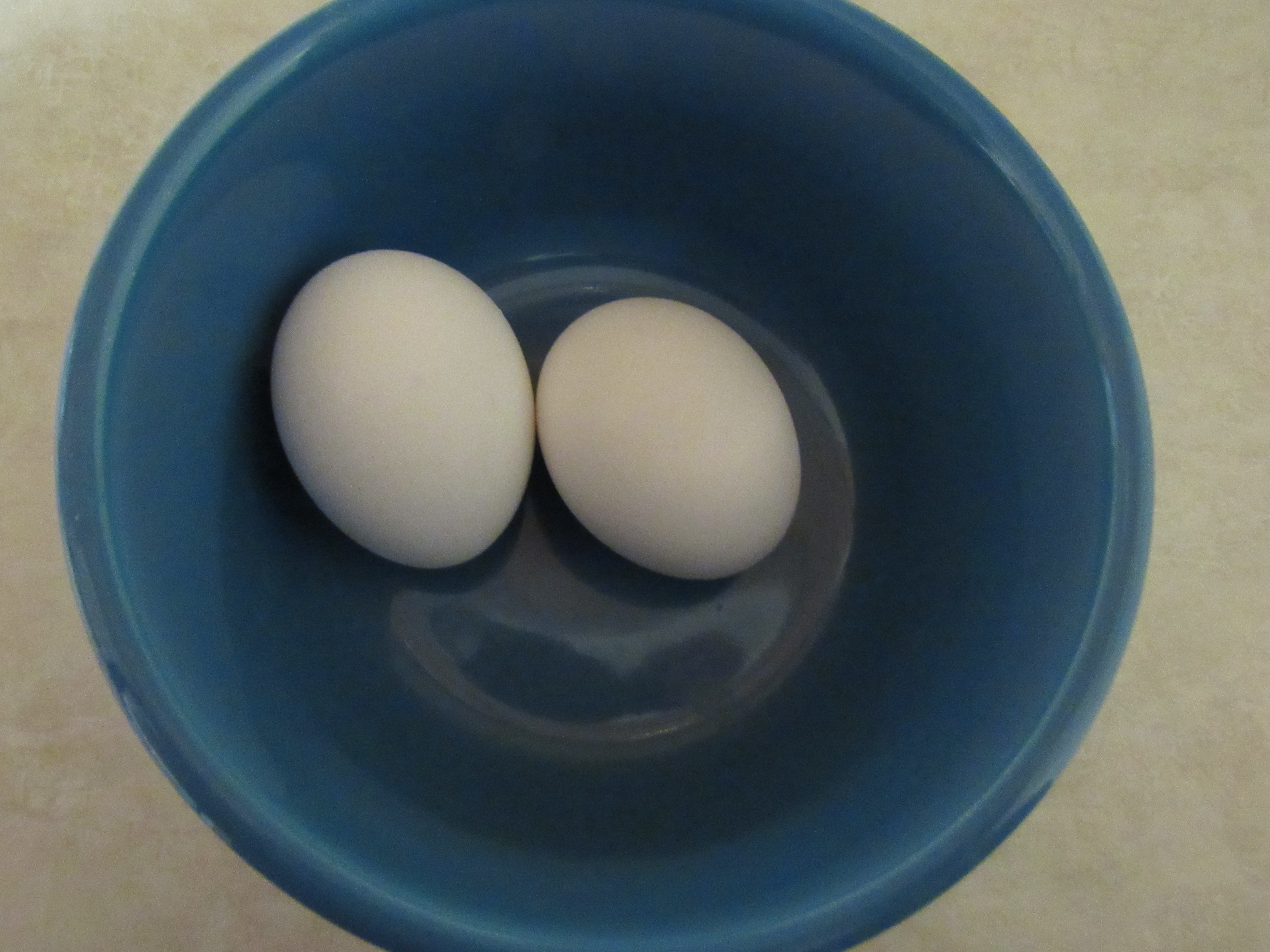
Hard boil two eggs. When cooled, chop them and set aside.

Cut a ¼ cup of butter into small pieces. Put these in small saucepan with a heaping teaspoon of flour and 1 tablespoon of milk.

Stir the ingredients and melt on a medium heat.

Once melted, add 6 tablespoons of water and stir.

Let the mixture cook without stirring for 1 minute. Then pick up the pan and let the melted butter roll around the butter. Set it back on the burner and leave it alone for another minute. Roll the mixture again.

Repeat this until it begins to simmer, probably two or three times. Then do nothing until the mixture boils. It will be as thick as cream when done.

Stir in the reserved eggs.

I tried this egg mixture on chicken. Yummy! The egg sauce was even delicious by itself, though I added a little salt to the finished dish.

I’d love to hear if you try it.

-Sandra Merville Hart

Sources

Hale, Sarah Josepha. Early American Cookery, Dover Publications, Inc., 1996.


Melted Butter Recipe from 1841

I thought melted butter was simply … melted butter.

It was so fun to find this recipe listed under “Gravies” in an 1841 cookbook. I had to try it.

The cook advises to always use the best quality of sweet butter.

Cut a ¼ cup of butter into small pieces. Put these in small saucepan with a heaping teaspoon of flour and 1 tablespoon of milk.

Stir the ingredients and melt on a medium heat.

Once melted, add 6 tablespoons of water and stir.

Let the mixture cook without stirring for 1 minute. Then pick up the pan and let the melted butter roll around the pan. Set it back on the burner and leave it alone for another minute. Roll the mixture again.

Repeat this until it begins to simmer, probably two or three times. Then do nothing until the mixture boils. (Mine took about 2 minutes.) It will be as thick as cream when done.

My husband and I tried this on chicken. Yummy! My husband is a picky eater and he found it delicious, too.

Yay! We found a new idea for dinners simply by adding this butter.

I’d love to hear if you try it.

-Sandra Merville Hart

Sources

Hale, Sarah Josepha. Early American Cookery, Dover Publications, Inc., 1996.


Delicate Cake Recipe from 1877

Delicate cakes sound as if they are light and airy. I found this recipe in an 1877 cookbook and decided to try it.

Since the original recipe called for 6 eggs, I halved the ingredients.

Cream ¼ cup butter with 1 cup sugar. Whisk 3 egg whites until frothy and add to the mixture. Add the zest of one orange or lemon. (I used an orange.)

In a separate bowl, combine 1 ½ cups flour, ½ teaspoon cream of tartar, and ¼ teaspoon baking soda. (The recipe doesn’t call for salt but add ½ teaspoon of salt if using all-purpose flour.)

Stir flour mixture into wet ingredients, alternating with 1/3 cup milk + 1 tablespoon.

Prepare a springform baking pan with cooking spray. Add batter and bake at 350 until done, about 25 to 30 minutes.

I drizzled a glaze (powdered sugar mixed with a little water) on each serving. This is a delicious cake with a delicate hint of orange. I plan to make it again.

This recipe is from Miss Mary E. Miller.

I’d love to hear if you try it.

-Sandra Merville Hart

Sources

Compiled from Original Recipes. Buckeye Cookery and Practical Housekeeping, Applewood Books, 1877.