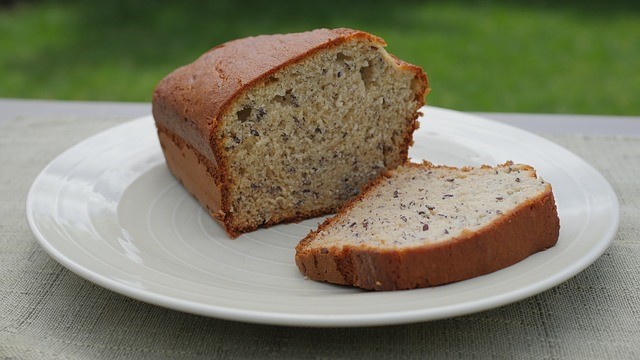
Banana Bread

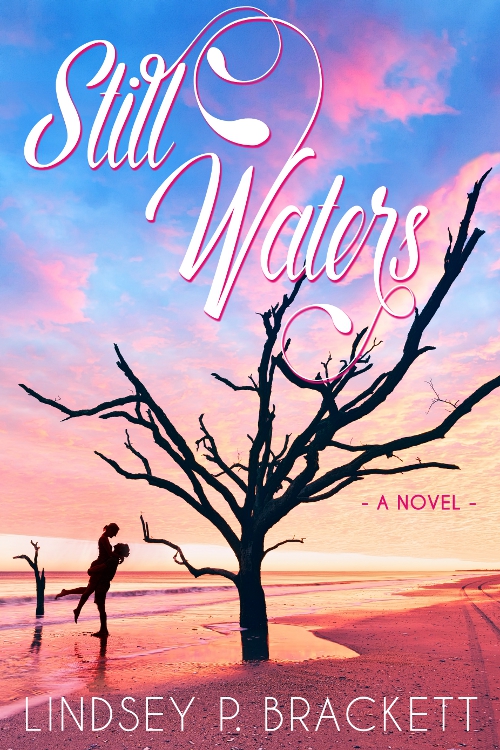
Today’s post is written by fellow author, Lindsey Brackett. Her debut novel, Still Waters, released in 2017. Looking forward to reading this book, Lindsey!

Her granddaughter lifted the wicker tray with its bounty of porcelain and banana bread.

“Found yourself a snack, did you?” Annie followed her over to the glass doors that welcomed sunlight and ocean views into her home at every meal.

Cora Anne bent her head over the tray as she inhaled. “Banana bread might be my only weakness, Nan.”

“Oh, sweetheart, if only we all had but one.” –Still Waters, Lindsey P. Brackett

Growing up in a household full of kids (I’m the oldest of seven) run by a southern cook (my mom has every issue of Southern Living Best Recipes from the ’80s), I learned my way around the kitchen. My mom needed to feed a large family economically and efficiently. No wonder so many of her recipes were recreations of what her mother cooked in the post-WW II days when my grandparents were scraping out a living on the Colleton County, South Carolina tobacco farm.

Banana bread has long been a staple of southern households, dating back to the Depression era days when no scrap of food would be wasted. Creative cooks discovered the mashed banana improved the flavor, texture, and quality of a quick bread—and it could feed a family.

Nan’s Banana Bread (adapted from Land of Cotton)

1 stick unsalted butter

1 ½ cups sugar

2 eggs

1 cup ripe bananas, mashed (usually 2 bananas)

2 cups flour

½ tsp baking powder

¼ tsp baking soda

½ tsp salt

¼ cup buttermilk

1 tsp vanilla

1/2-1 cup nuts (optional)

Preheat oven to 300 degrees. Cream butter and sugar, add eggs one at a time, mixing well each time. Add bananas. Sift dry ingredients together (yes, sifting is worth it.) Add flour mixture alternately with buttermilk. Stir in vanilla and nuts if desired. (My mother favored pecans or walnuts.) Bake in a greased 5×9 inch loaf pan (or two smaller pans) for 75 minutes. Check for doneness in the middle with toothpick or knife. If wrapped in plastic, this will keep for several days. Make it a dessert by topping with cream cheese frosting.

This is a very forgiving recipe. I’ve used all sorts of flours, plain milk, half and half, and twice the bananas. So far it’s been impossible to mess up except for one key—don’t over bake.

–Lindsey P. Brackett

Bio:

Award-winning writer, Lindsey P. Brackett “just writes life” in the midst of motherhood. Her debut novel, Still Waters, a Lowcountry story about the power of family and forgiveness, released in 2017. Called “a brilliant debut” with “exquisite writing,” Still Waters also received 4-stars from Romantic Times.

Lover of all things literary and Southern, Lindsey makes her home—full of wet towels, lost library books, and strong coffee—at the foothills of Appalachia with her patient husband and their four rowdy children.

Connect with her at her blog or on Facebook: Lindsey P. Brackett, Instagram: @lindseypbrackett, or Twitter: @lindsbrac.


The Problem with Teacups

My blog is called “Historical Nibbles” for the historical recipes shared on Mondays and the “A Peek into Our Past” historical articles shared on Thursdays. My desire is to bring to light little-known facts from American history so this knowledge our ancestors attained will not be forgotten.

I love to try old recipes from over a century ago, but these can be difficult to follow. Ingredient measurements are one of the challenges.

For instance, recipes from an 1877 cookbook can call for a tea-cup of raisins, a small half cup of butter, three cups of flour, or one and a half tea-cups of sugar.

The same recipe may call for one cup of brown sugar and a half-pint of molasses. A half-pint in modern measurements is one cup. If one cup was the same as a half-pint for the 1877 cook, why didn’t she say, “one cup of brown sugar, one cup of molasses” when writing the recipe?

Another cook wrote that “a tumbler and a half of sliced citron may be added.” How big was a tumbler in 1877? Did tumblers vary in size?

Another recipe calls for one cup of sugar and two small cups of flour. Is a “small cup” different from a tea-cup? Was “one cup” perhaps 12 ounces and the “small cup” 8 ounces?

It’s a guessing game. Sometimes I guess wrong and have to prepare the recipe a second time.

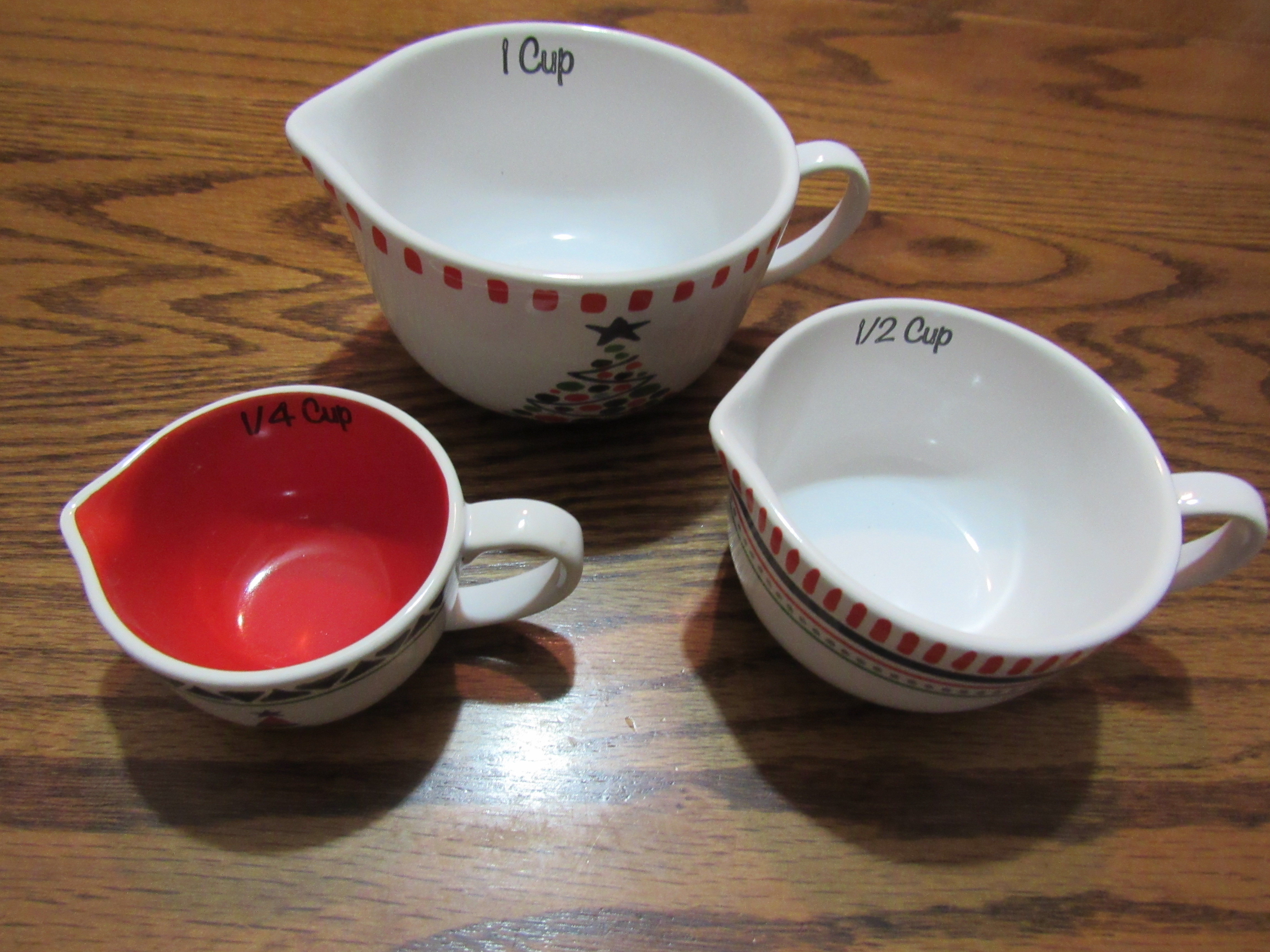
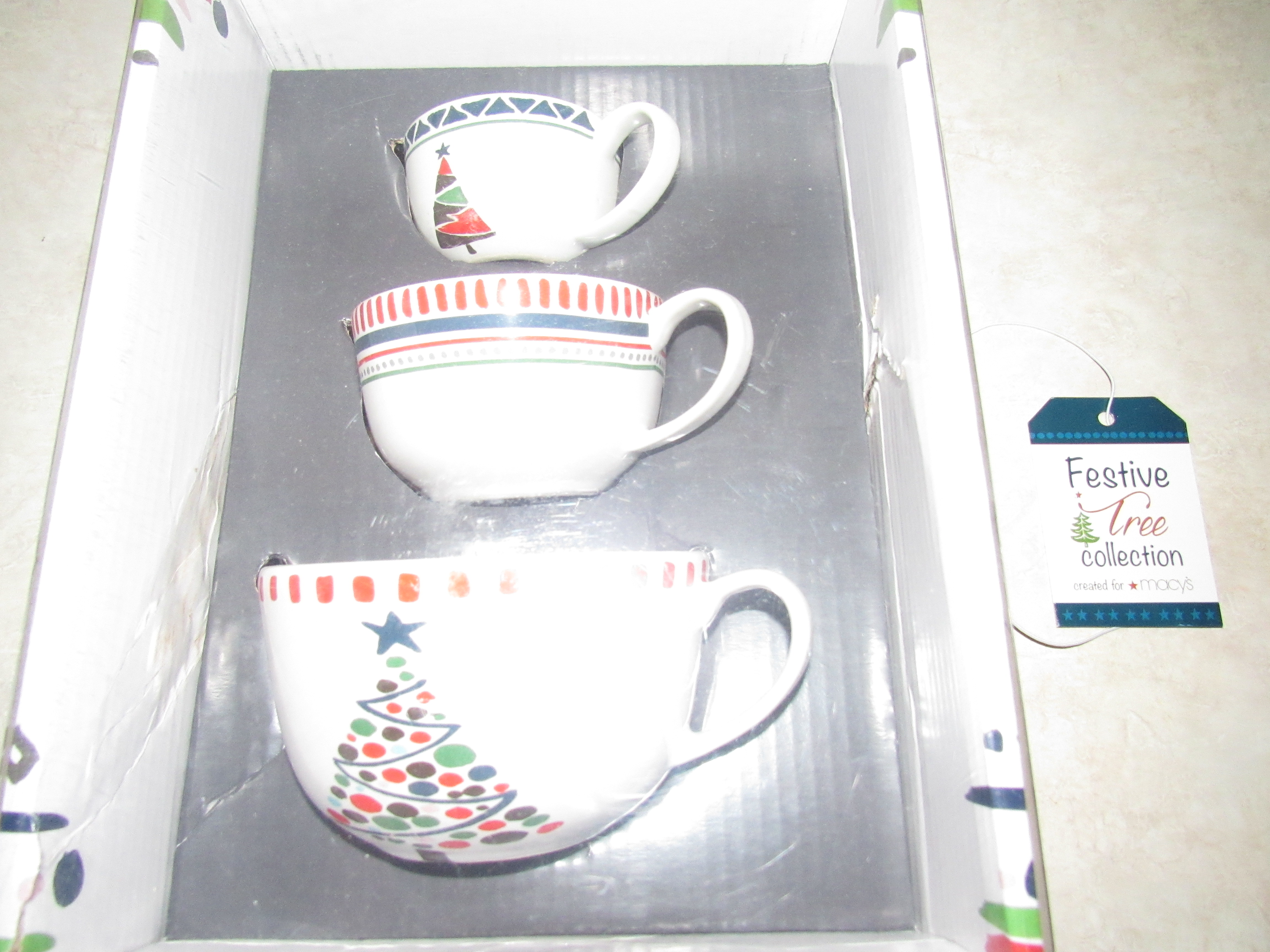
I went shopping for one last gift on Christmas weekend and found a Festive Tree Collection of 3 measuring cups at Macy’s. My thoughts immediately flew to the old recipes calling for a “small tea-cup” and “half tea-cups.”

The collection’s historic flair appealed to me and, on a whim, I bought a Christmas gift for myself. You may see a photo now and then using these measuring cups as I struggle to read the minds of historic cooks!

-Sandra Merville Hart

Sources

Compiled from Original Recipes. Buckeye Cookery, Applewood Books, 1877.


Blackberry Blanc-Mange Recipe from 1877

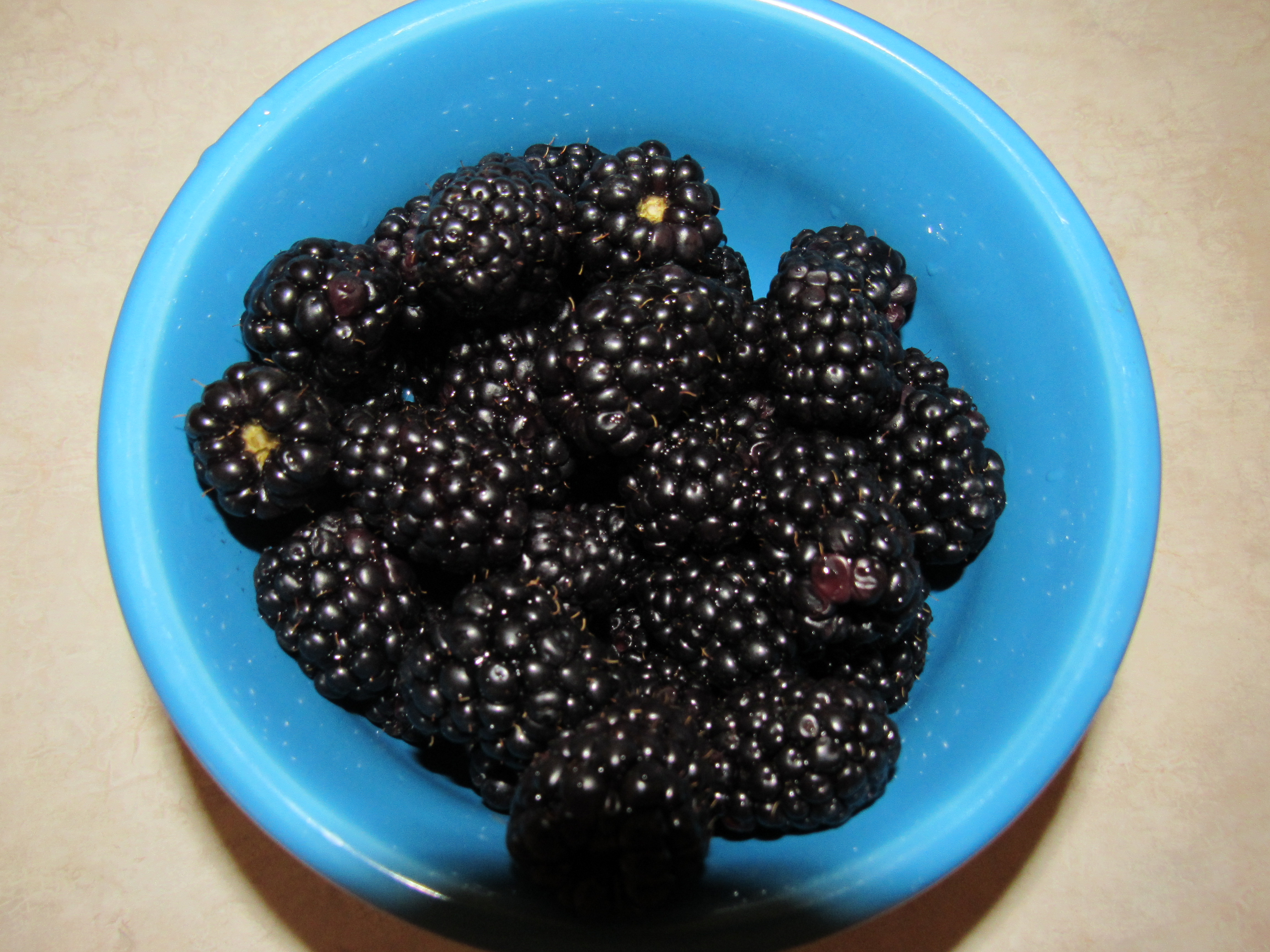
I found a recipe for Raspberry Blanc-Mange in an 1877 cookbook that had been submitted by Mrs. J.P. Rea of Minneapolis, Minnesota. Mrs. Rea suggested that other fruit could be substituted for raspberries. Since I had fresh blackberries in the fridge, I used blackberries.

Blancmange is a new dessert to me. I’d never made or eaten it. This sweet dessert is usually made with milk and sugar. Cornstarch, gelatin, and Irish moss—a seaweed found near Ireland—are used to thicken the blancmange.

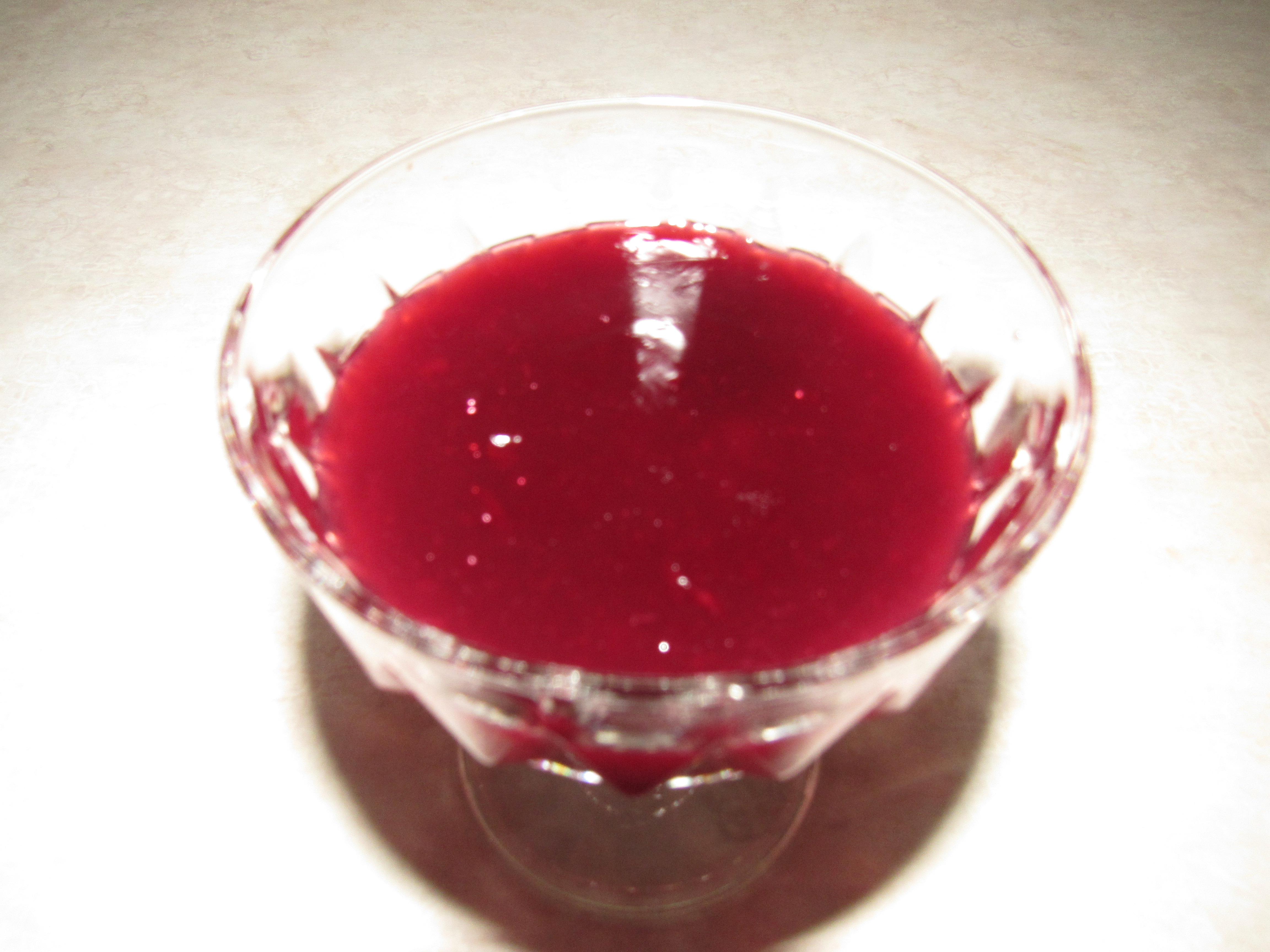
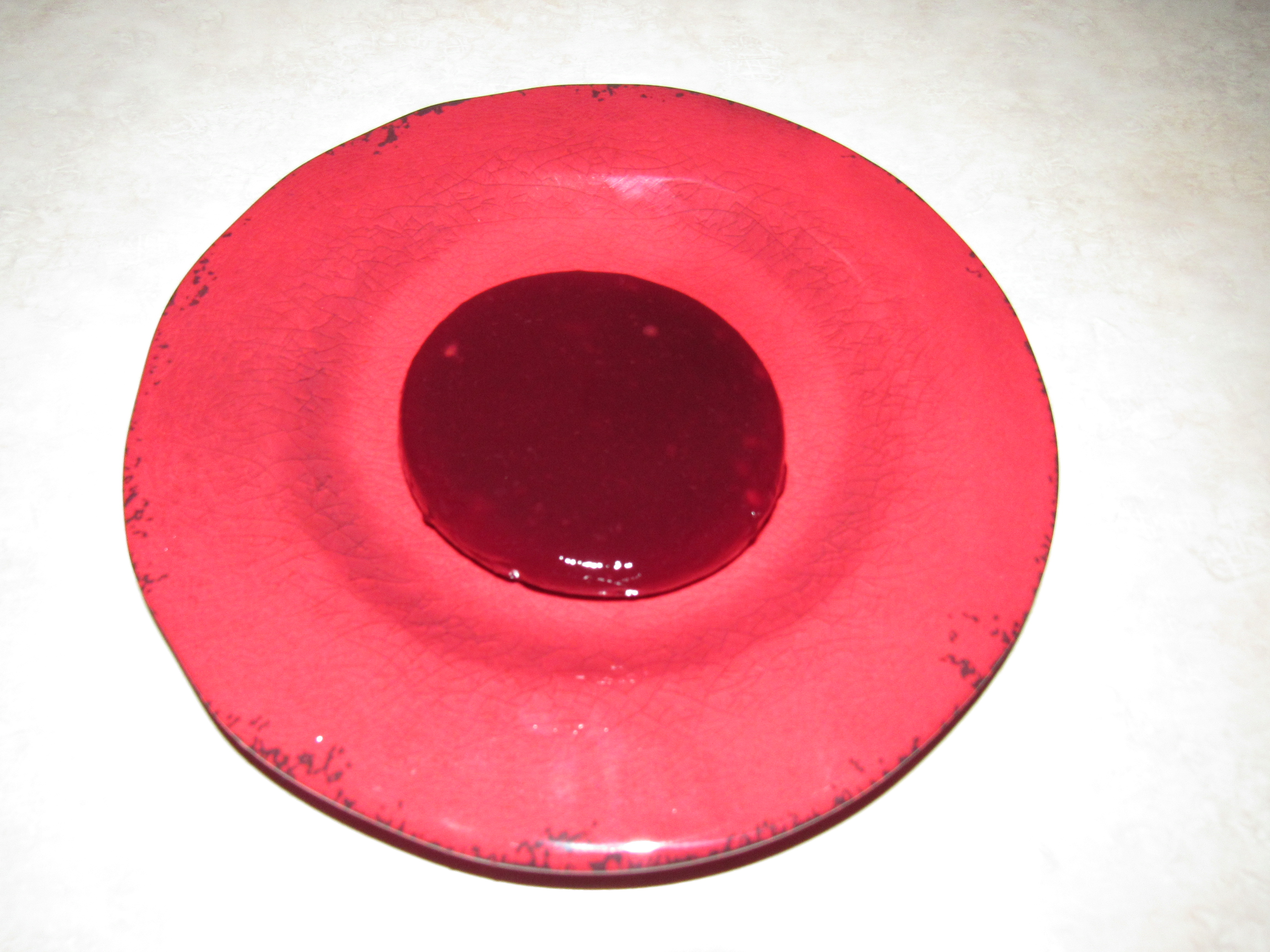
The dessert is traditionally white, but this fruity recipe is a rich burgundy color.

As with most of the recipes in the 1877 cookbook, there is a lot of guesswork. It didn’t suggest how much fruit to “stew” in the first step.

I washed 12 ounces (1 ½ cups) of fresh blackberries and put them in a medium saucepan. I added a cup of water, which ended up being a good amount for this amount of fruit.

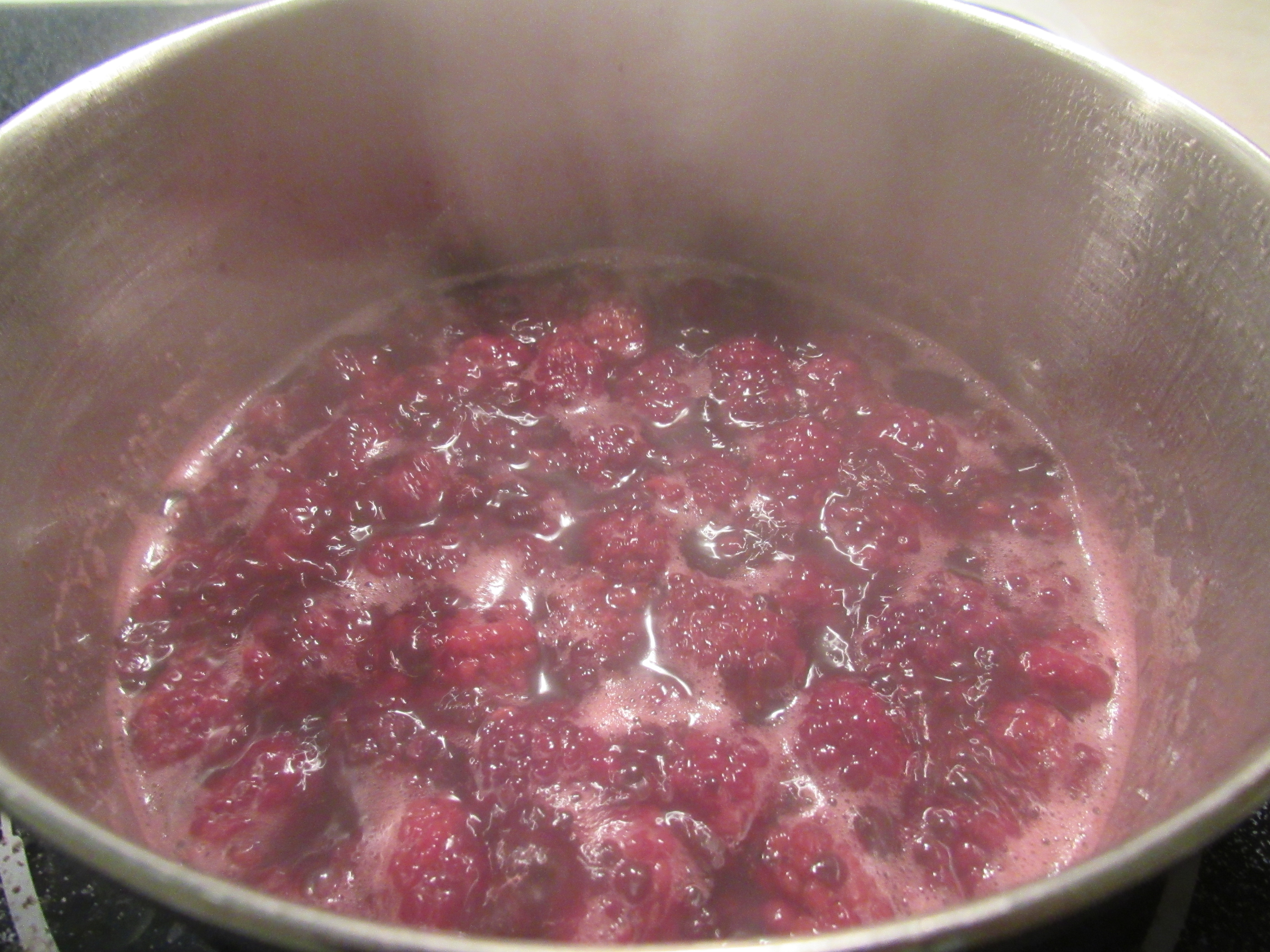
These cooked on a medium heat. After they began a slow boil, I cooked them around 8 – 10 minutes, long enough to extract the flavorful juices from the blackberries.

Strain the fruit. Discard the blackberries and return the juice to the pan. There will be a little more than the amount of water added in the beginning.

In a small bowl, add 2 tablespoons of cornstarch per pint of juice. Mine made a little over a cup, so I used 1 tablespoon of cornstarch. To this add twice the amount of water—2 tablespoons of water for mine. Stir and set aside.

Mrs. Rea suggested sweetening the juice to taste. Having no idea how sweet blancmange is, I stirred in ¼ cup of sugar. When this mixture begins to boil on a medium heat, drizzle in the reserved cornstarch mixture. It thickens immediately.

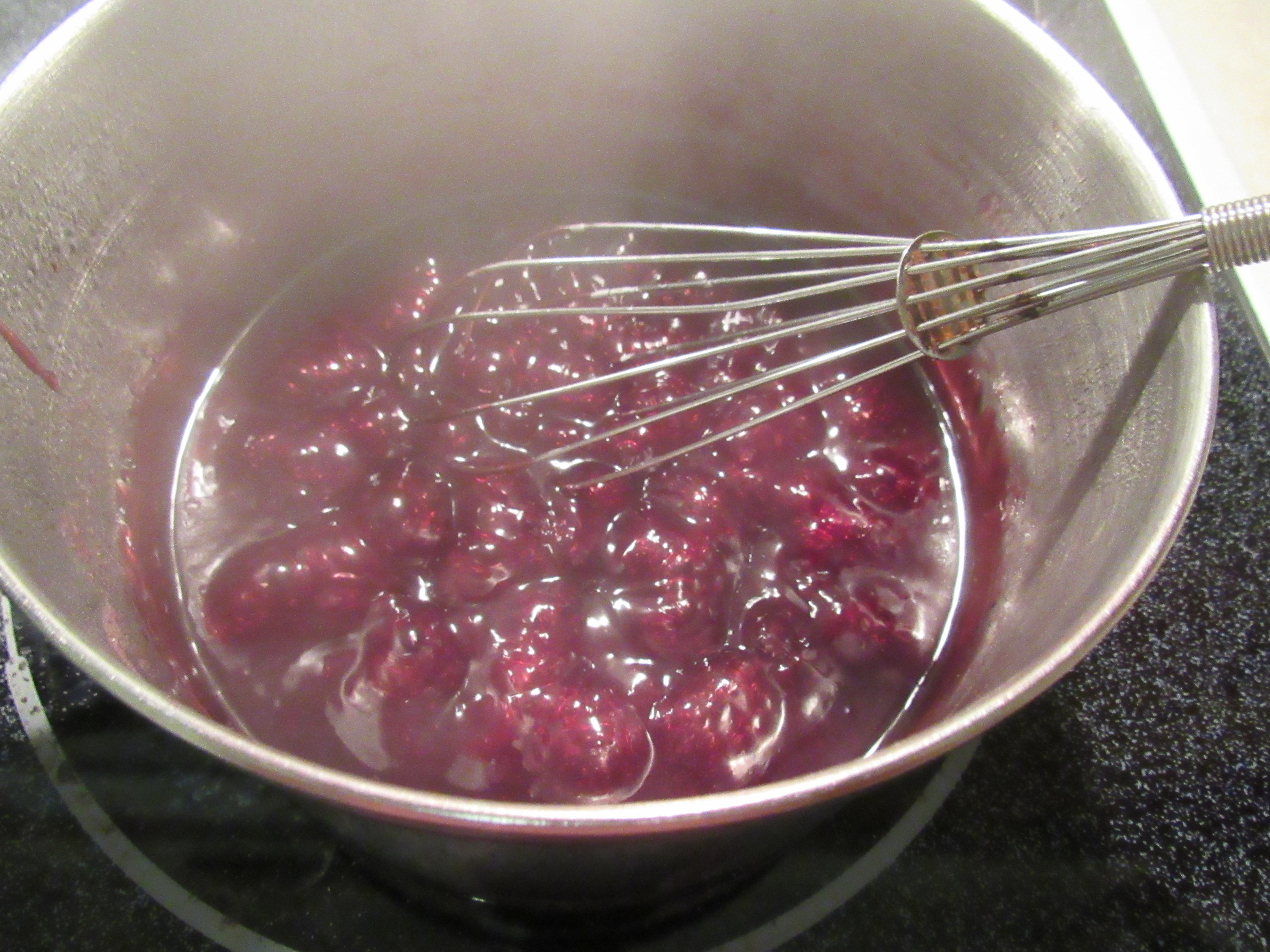
Whisk constantly while it continues to boil for another minute or two. Remove from heat.

Rinse molds in cold water and add the blancmange. Chill for at least 2 hours to allow the dessert to set.

Twelve ounces of blackberries made 2 servings. Adjust the quantities for the number of servings desired.

Turn the mold onto a serving plate. Mrs. Rea suggesting eating it with cream and sugar. I liked it plain.

Though it didn’t turn out overly sweet, I will reduce the amount of sugar next time to 2 tablespoons for 2 servings.

I loved the rich color of the blancmange. I like blackberries and the refreshing taste took me back to summer days of eating cobblers and jams. I will reduce the amount of sugar next time to 2 tablespoons for 2 servings.

I’d love to hear if you try this recipe with other fruits.

-Sandra Merville Hart

Sources

“Blankmange,” Wikipedia, 2018/01/13 https://en.wikipedia.org/wiki/Blancmange.

Compiled from Original Recipes. Buckeye Cookery and Practical Housekeeping, Applewood Books, 1877.


Mulligan Stew Recipe


One of my favorite meals that my grandmother made was Mulligan stew. She had no patience to teach anyone how to make it. Fortunately, my brother also liked it. He observed her preparations for the stew and then wrote them down.

3 pounds stew beef

6 to 8 medium-to-large potatoes

2 medium onions, chopped

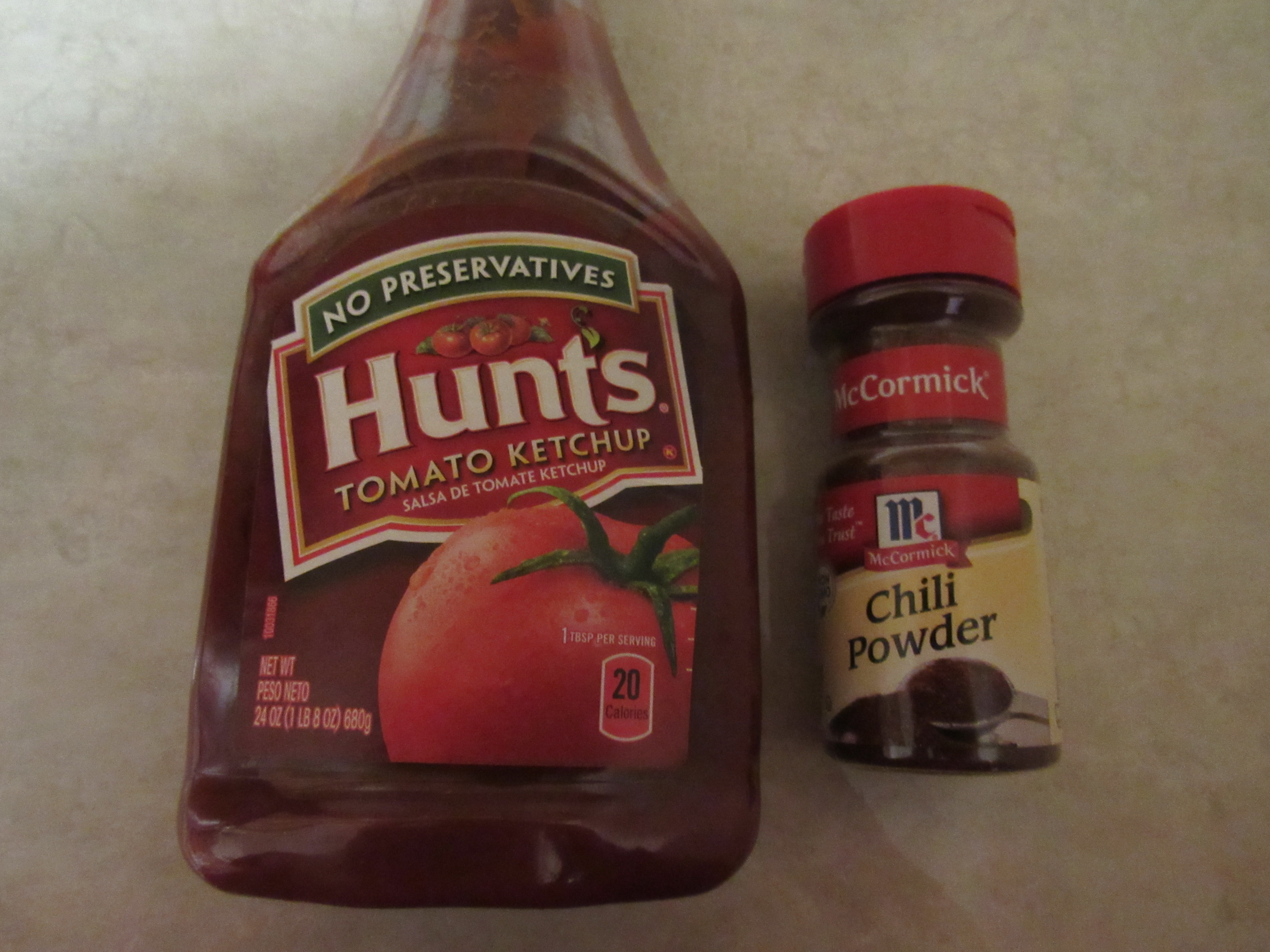
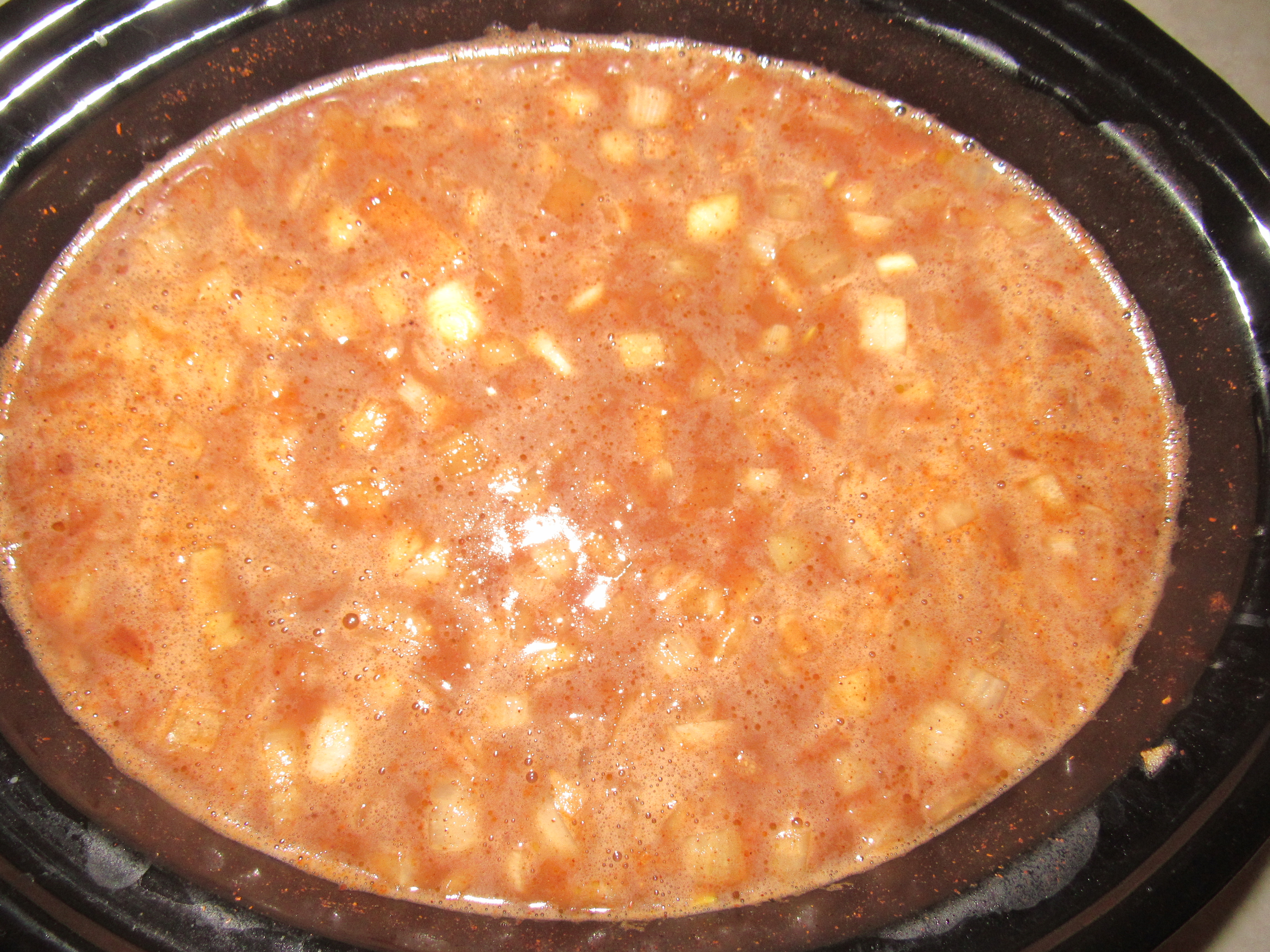
1 cup tomato catsup

3 to 4 tablespoons chili powder

Salt to taste

Butchers often slice beef into two-inch square chunks. That’s too large for a spoon and gave me lots of trouble as a child eating this in my soup.

One thing I do (that my grandmother didn’t) is cut the stew beef into bite-sized portions before cooking.

Rinse the meat and add to a large pot. Cover with cold water. Add a teaspoon of salt or season to taste. Cook over medium heat until almost done, about 45 minutes.

I use 8 potatoes because I love them in this stew. Peel and cut potatoes into spoon-sized portions.

When the meat is almost done, add potatoes and onions. Stir in a cup of catsup. If you add too much, the stew has a sweet taste. (You may prefer that taste. I modify recipes all the time. I’d suggest trying this amount of catsup the first time and see what you think.)

Add 3 to 4 tablespoons of chili powder. I used closer to 4 tablespoons in mine. Stir well.

Continue cooking until the potatoes are tender.

If you cook this in a crock pot, add all ingredients at the beginning and stir well.

I served the stew with rolls.  My grandmother served them with bread. Some people prefer crackers.

My brother asked me to make this stew on a recent visit. He said it was seasoned perfectly. High praise from someone who remembers my grandmother’s stew!

I’d love to hear if you try this recipe. Enjoy!

-Sandra Merville Hart


Black-Eyed Peas for New Year’s Day

Growing up, my dad insisted we eat black-eyed peas on New Year’s Day. I didn’t like them. He said we had to eat them for good luck in the New Year.

Of course, forcing down a spoon of the peas seemed a small price to pay for a year’s worth of good luck so I always ate them.

This year I decided to search for a more exciting way to cook them than just seasoned with salt and pepper.

I made Black-eyed Peas and Rice, a recipe found on the Food Network.

I didn’t have any curry powder so I didn’t add that seasoning. I also used a whole 15-ounce can of black-eyes peas instead of making 8 ounces from dried peas. I just wanted to try out the recipe ahead of time to see if I wanted to make this on New Year’s Day. Otherwise I followed the recipe as is.

Using canned black-eyed peas worked great. I love rice dishes and this one didn’t disappoint me. I tasted the peas along with the strong flavor of the soy sauce.

I will be making this dish for supper.

What traditional dish will you eat to begin the year?

-Sandra Merville Hart

“Black-eyed Peas and Rice,” Food Network, 2017/11/26 http://www.foodnetwork.com/recipes/black-eyed-peas-and-rice-recipe-1937541.


Happy Birthday, Jesus Cake

The tradition of birthday cakes for Jesus began over 500 years ago when desserts were a rare treat.

Children looked forward to baking a cake to celebrate Jesus’s birthday. Moms often hid little gifts inside the batter. Children found tiny toys like marbles or even a coin in their servings.

The cake itself contains special meaning. White cake symbolizes the sinless life of Jesus. I followed a yummy vanilla cake recipe from the Food Network for my white cake recipe.

The cake rises while in the oven to represent His resurrection.

Red icing reminds folks that Jesus died to save us from our sins. I made a basic buttercream frosting and tried to dye it red using red food coloring. The icing became bright pink.

My sister, who sometimes decorates cakes, suggested using red paste, which is available at cake and candy decorating specialty shops. Next time I will purchase this paste to create red icing.

The light of a single candle reminds us of the star the Wise Men followed to Bethlehem. Candlelight also means that Jesus is the light of the world.

I wrote “Happy Birthday, Jesus” on my bright pink frosted cake. I gave the children red and green M&M’s to decorate their own piece. It was a hit.

Merry Christmas!

-Sandra Merville Hart

“Basic Vanilla Cake,” Food Network, 2017/11/01 http://www.foodnetwork.com/recipes/food-network-kitchen/basic-vanilla-cake-recipe-2043654.


Wacky Cake Recipe

I thought I’d share a few family recipes around the Christmas holidays. My grandmother used to make a wacky cake, probably earning its name from preparing the dessert in the baking pan.

Ingredients

1 ½ cups all-purpose flour

½ teaspoon salt

1 teaspoon baking powder

1 cup sugar

3 tablespoons cocoa

1/3 cup vegetable oil (may use melted shortening)

1 tablespoon vinegar

1 teaspoon vanilla

1 cup cold water

Preheat oven to 350 degrees. Prepare an 8×8 baking pan with cooking spray.

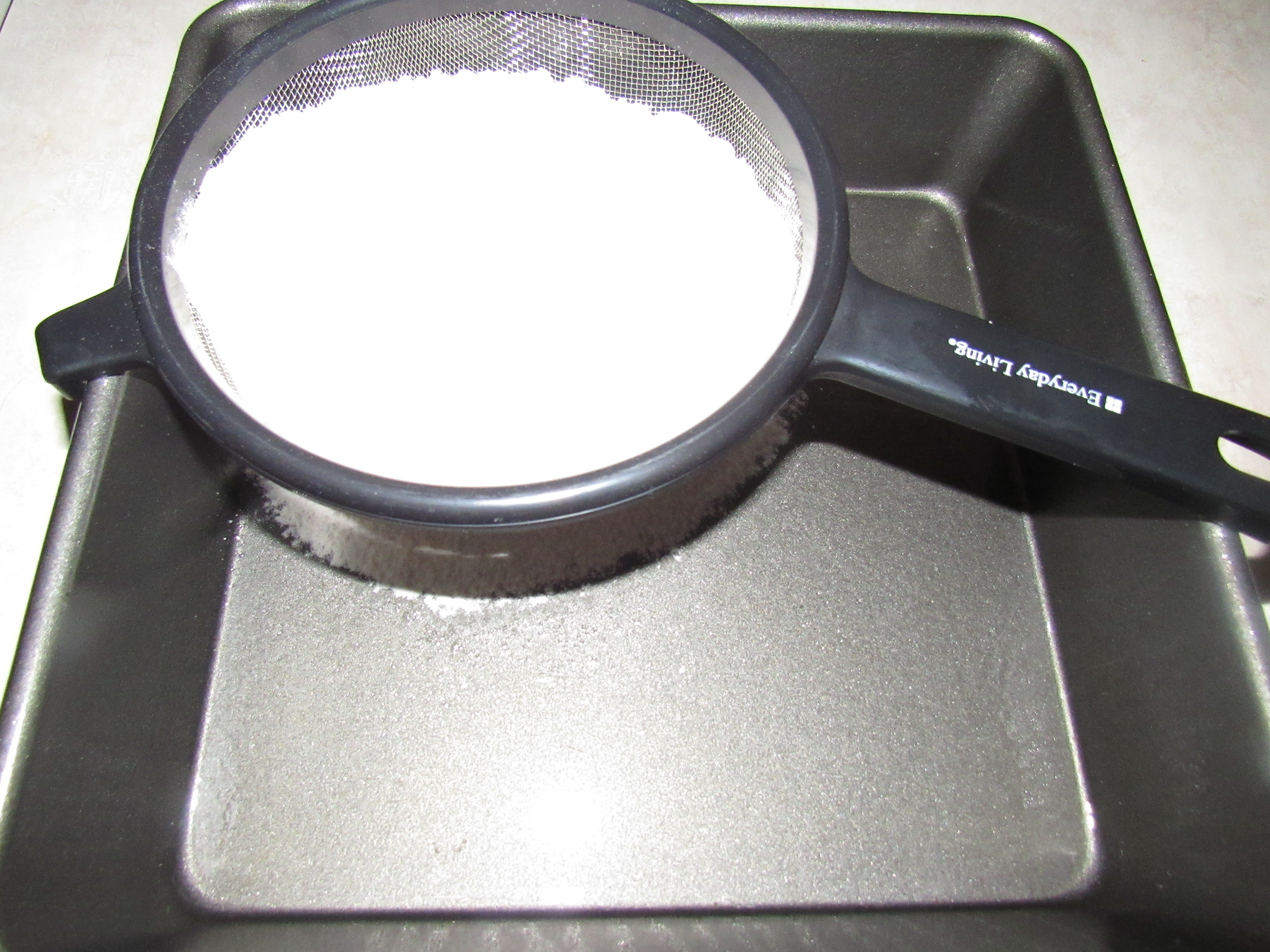
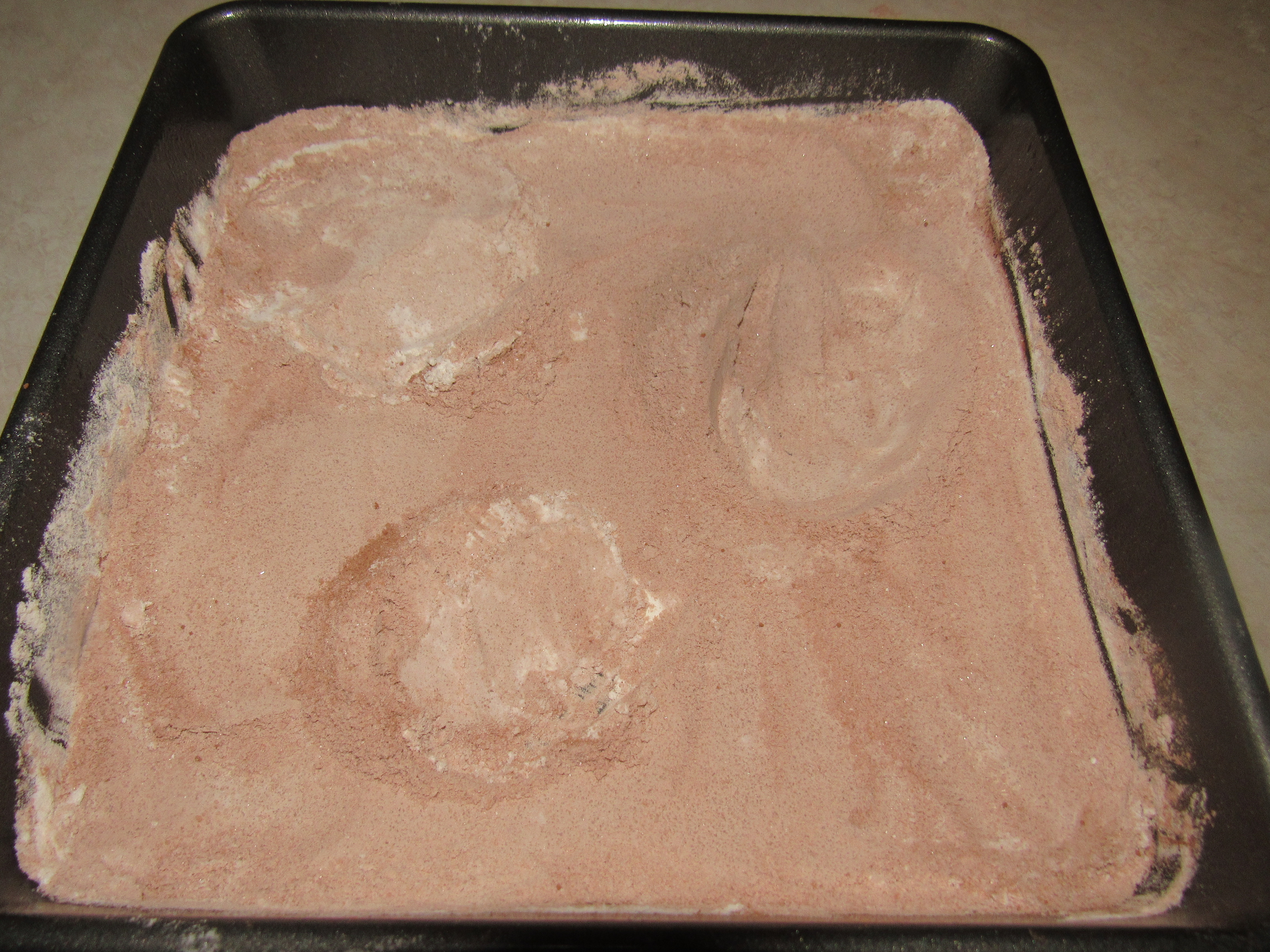
Sift dry ingredients into the baking pan and mix well. Make three holes and pour oil, vanilla, and vinegar into separate holes. Pour water over the top.

Mix well. My grandma used a fork to combine the wet and dry ingredients. It took about two minutes to stir the mixture, but do not beat.

Bake at 350 for 30 minutes. Leave the cake in the pan.

Frosting ingredients

½ cup sugar

½ cup milk

2 tablespoons butter

1 ½ tablespoon flour

½ cup coconut

½ cup nuts (optional)

½ teaspoon vanilla

Combine all ingredients except vanilla in a saucepan and cook on a medium heat until the frosting thickens. This takes 2 – 3 minutes. Remove from heat. Add vanilla and stir well. Tip–if  you omit the nuts, you can increase the amount of coconut to 1 cup. Or,  you may omit the coconut and use 1 cup of chopped nuts.

The frosting is almost pourable consistency. Frost cake while still warm.

This is a delicious, dense chocolate cake and would be a fun recipe to make with elementary-aged children. Thanks for the recipe, Grandma!

I’d love to hear if you try this. Enjoy!

-Sandra Merville Hart


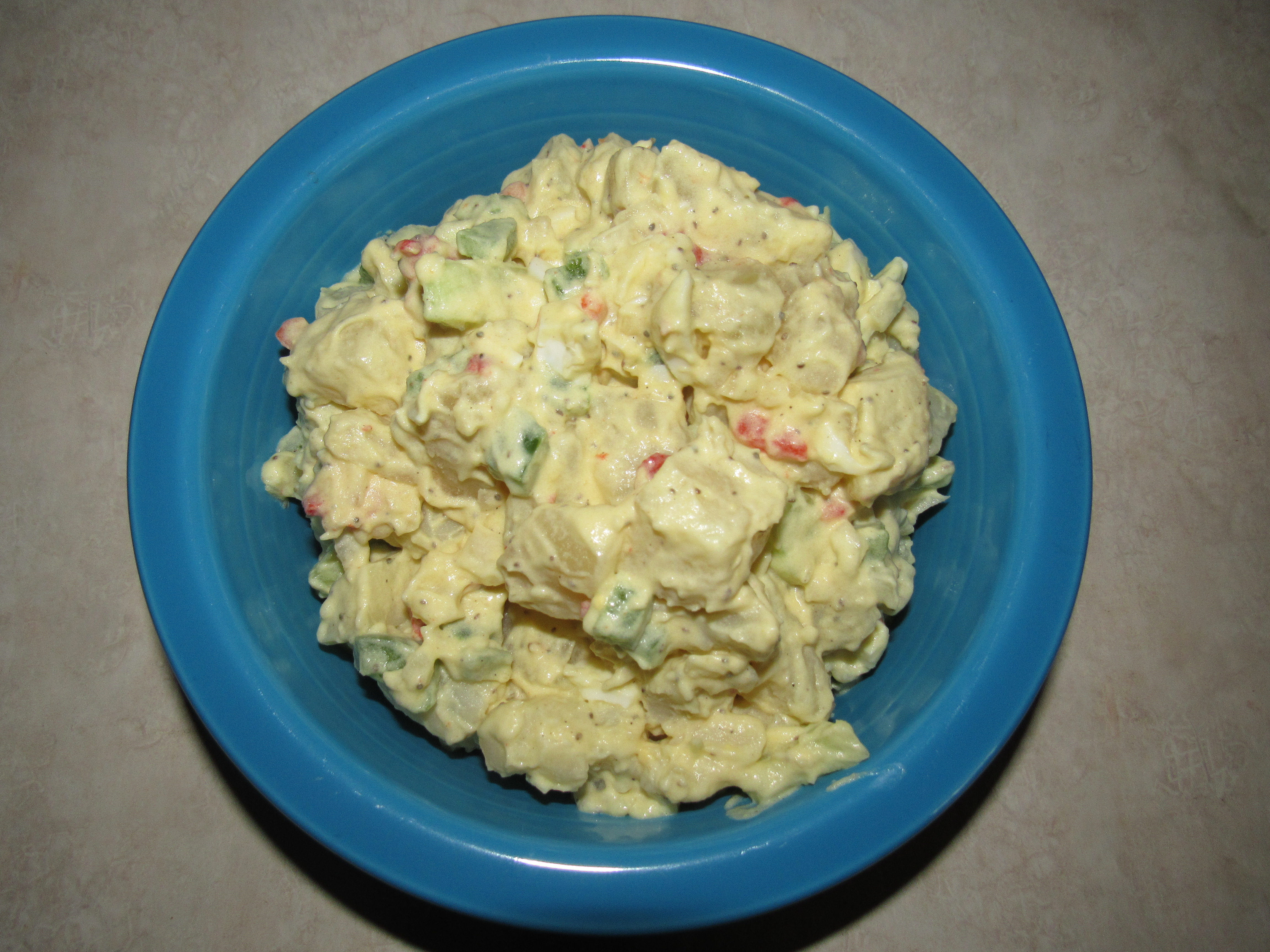
Calico Potato Salad Recipe

I thought I’d share a few family recipes around the Christmas holidays. This is a potato salad that I made often as a teenager and recently rediscovered.

Because of its festive colors and unique flavor, this potato salad makes a fun and tasty addition to holiday meals.

Ingredients

6 cups diced, peeled, cooked potatoes

½ cup diced cucumbers

½ cup chopped onion

¼ cup chopped green pepper

3 tablespoons canned pimentos

1 ½ teaspoon salt

¾ teaspoon celery seed

¼ teaspoon pepper

2 eggs, hard-boiled

½ cup whipping cream, whipped

½ cup mayonnaise

2 tablespoons vinegar

1 tablespoon prepared mustard

My aunt gave me a tip about making potato salad when I was a child. Boil unpeeled potatoes to keep your potatoes from turning to mush in the pot. When done, pour out the hot water and run cold water into the saucepan. Then drain and set aside to dry and cool. This is the way I still cook potatoes for potato salad.

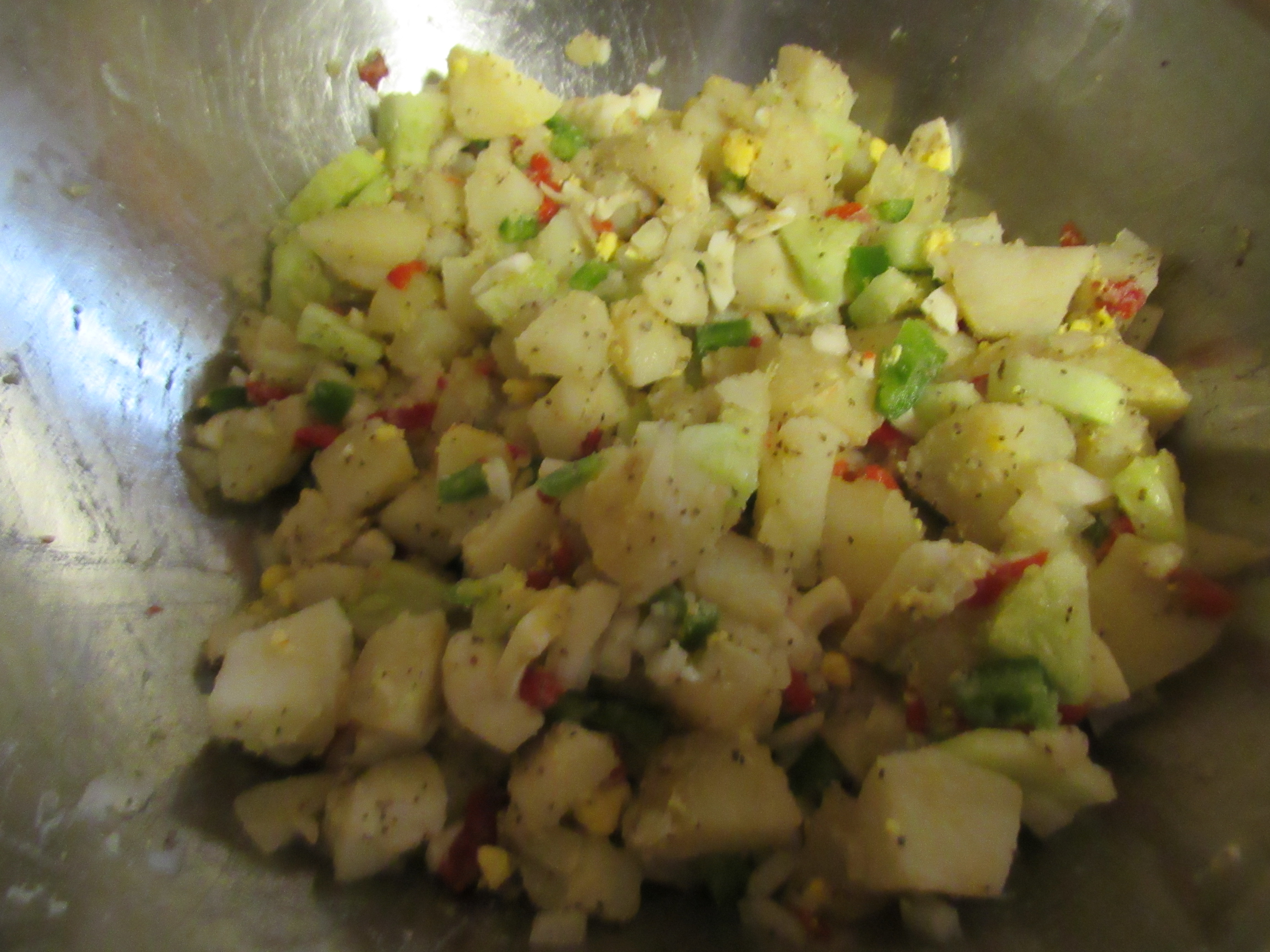
While the potatoes cook, chop onion, green pepper, cucumber. Then peel and dice the potatoes when they cool.

Combine first 8 ingredients. Chop eggs and stir into the potato mixture. Chill until about ½ hour before serving.

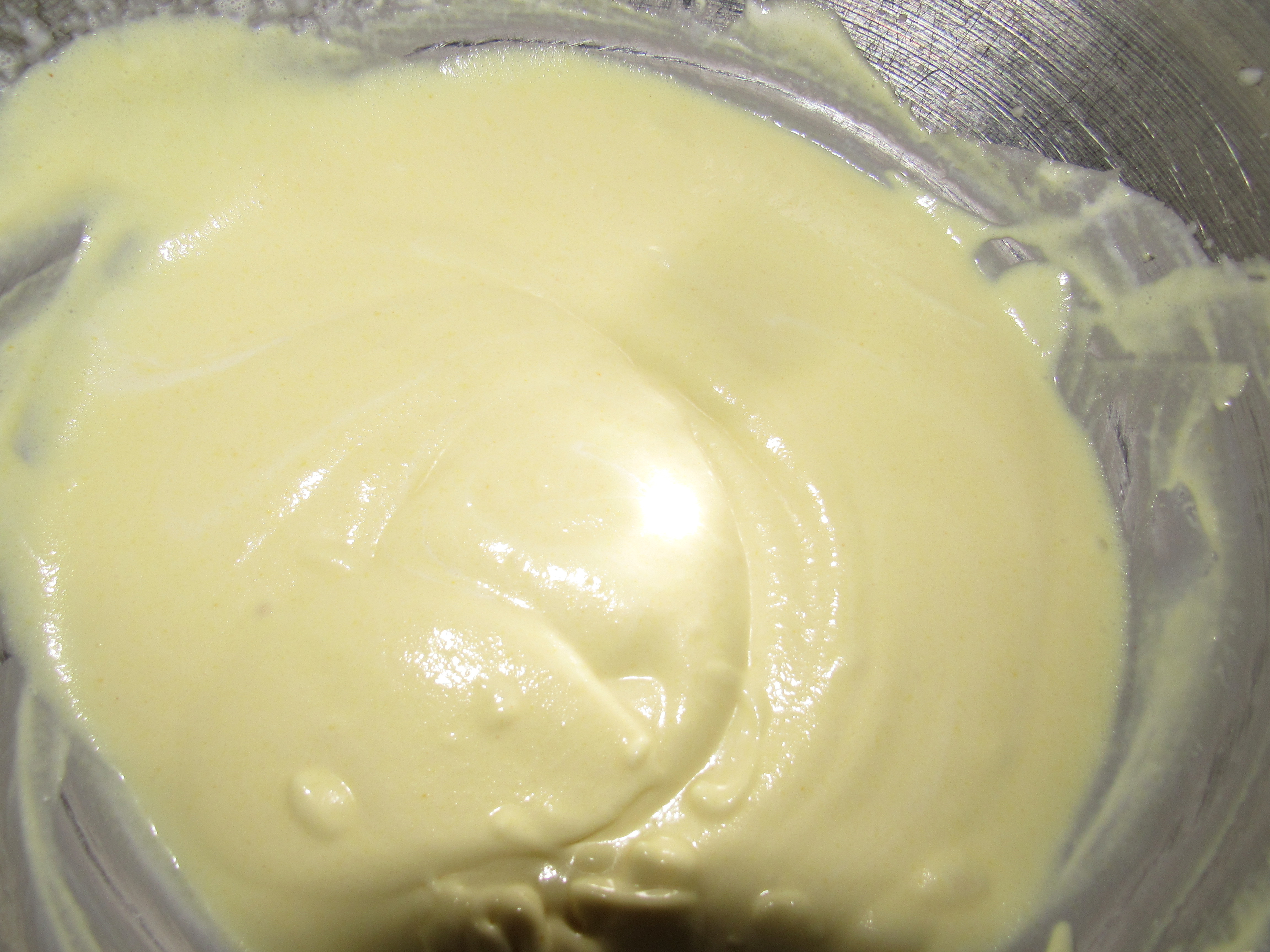
Whip the cream with a mixer in a separate bowl. Then add mayonnaise, vinegar and mustard to the whipped cream. The mixture becomes very creamy.

Stir creamy mixture gently into potato salad about ½ hour before serving.

Delicious! This is not your typical potato salad. It has a light, refreshing flavor that works well for festive potlucks around the holidays.

I’d love to hear if you try this. Enjoy!

-Sandra Merville Hart


12 Christmas Traditions You can Begin this Year

by Sandra Merville Hart

Like so many others, I love the Christmas season! Children look forward to doing the activities they enjoyed last year. Adults also like the nostalgia of specific traditions and activities.

Here are a few things that are fun to do every year. Maybe there is a new idea tucked inside this list for you!

12)  Send out Christmas cards. It’s still nice to be remembered around the holidays—especially if your loved ones live far away. Some folks decorate their homes and apartments with Christmas cards.

11)  Buy or make a new ornament or Christmas decoration. My husband and I began this annual tradition as a newly married couple. Children love this one!

10)  Decorate your home for Christmas. I love the fresh smell of a real tree every year, but my husband is not a fan. Whether you put up a tree or not, a few decorations add to the festive mood of the holiday.

9)    Decorate a Gingerbread house. Perhaps you are about as artistic as me. Thankfully there are gingerbread kits you can buy. The children in your life will love decorating a house with candy that they can eat afterward!

8)    Listen to Christmas music as you drive around looking at Christmas lights. My family had very little money growing up, but we did this every year—a special memory.

7)    Donate a gift to a charity or needy family. If this gift involves shopping, include your child if feasible. They will feel part of the giving.

6)    Looking for gift ideas for your children? Take them to a toy store. Observe the items where they linger longest. Then write down ideas when they aren’t looking.

5)    Treat yourself to a meal out after a long day of shopping. Even if it’s fast food, you won’t have to cook!

4)    Plan an evening to watch Christmas movies/shows with family or friends. Serve holiday desserts or popcorn. This can be an easy holiday gathering. Just have fun.

3)    Bake and decorate Christmas cookies. Include your children. Praise their efforts and creativity. Invite grandparents if you like. The whole house will smell wonderful.

2)    Visit a Nativity.

1)    Attend Christmas Eve services.

What is your favorite holiday tradition?


Holiday Peas & Rice Recipe

I thought I’d share a few family recipes around the Christmas holidays. This is a dish that my grandmother on my dad’s side used to make.

Ingredients

½ cup long grain rice—not minute rice (I used organic brown rice)

1/8 teaspoon sage

2 tablespoons butter or margarine

1 can chicken broth

1 cup frozen peas

2 tablespoons diced pimentos

Melt butter in a medium saucepan. Stir in sage. Add rice and sauté in the melted butter for about a minute or until it begins to brown.

Stir chicken broth into the rice mixture and bring to a boil. Then reduce to low heat. Cover and simmer.

After simmering for 15 minutes, add peas and cook about 10 minutes longer or until done, stirring occasionally. Remove from heat and let it set, covered, for five minutes to allow the rice to soak up any remaining broth.

Stir in pimentos. This recipe makes 6 ½ cup servings. Double it to serve a larger crowd.

This dish has just a hint of sage that I found to be a refreshing change. If you like a bit more, increase this seasoning to a ¼ teaspoon when adding to the melted butter in the beginning, but remember that sage has a strong flavor. A little goes a long way.

This vegetable dish has festive green and red colors that will complement holiday meals. Thanks for the recipe, Grandma!

I’d love to hear if you try this. Enjoy!

-Sandra Merville Hart