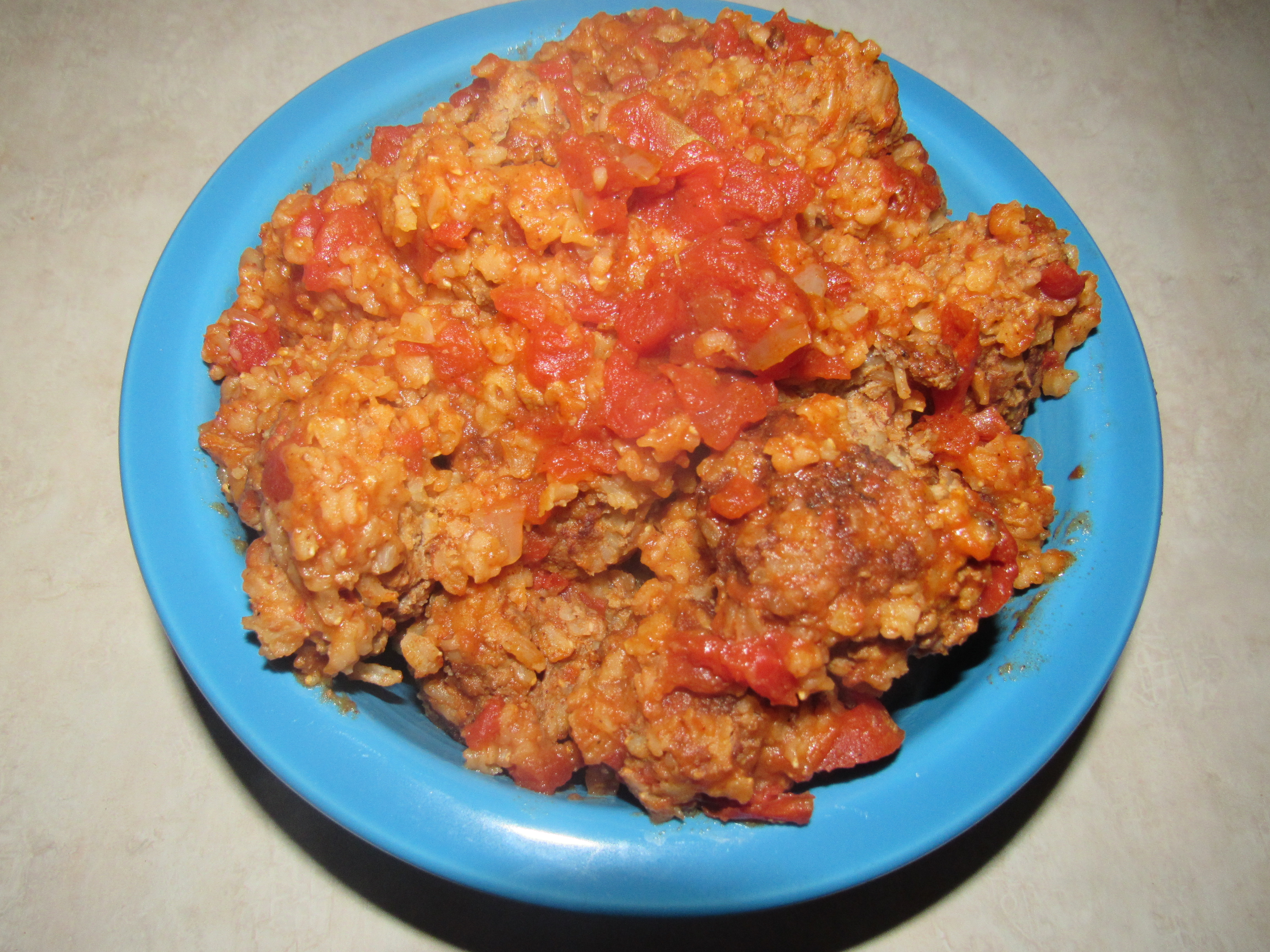
Chili Porcupine Meatballs Recipe

I’ve been craving a dish that my mother used to make when I was a child. My mother passed away a few years ago. My sisters didn’t have the recipe so I despaired of ever tasting this meal as she made it again.

Then I found the recipe in an old family cookbook. I couldn’t wait to try it. Yum! It was as delicious as I remembered so I decided to share it with you around the Christmas holidays.

Ingredients

Meatballs

1 pound lean ground beef

1 pound lean ground pork

1 egg, beaten

½ cup milk

2/3 cup long grain rice (not minute rice)

1 teaspoon chili powder

2 teaspoons salt

Sauce

2 cans diced tomatoes

4 cups water

2 tablespoons chopped onion

1 teaspoon salt

1 teaspoon chili powder

½ cup long grain rice

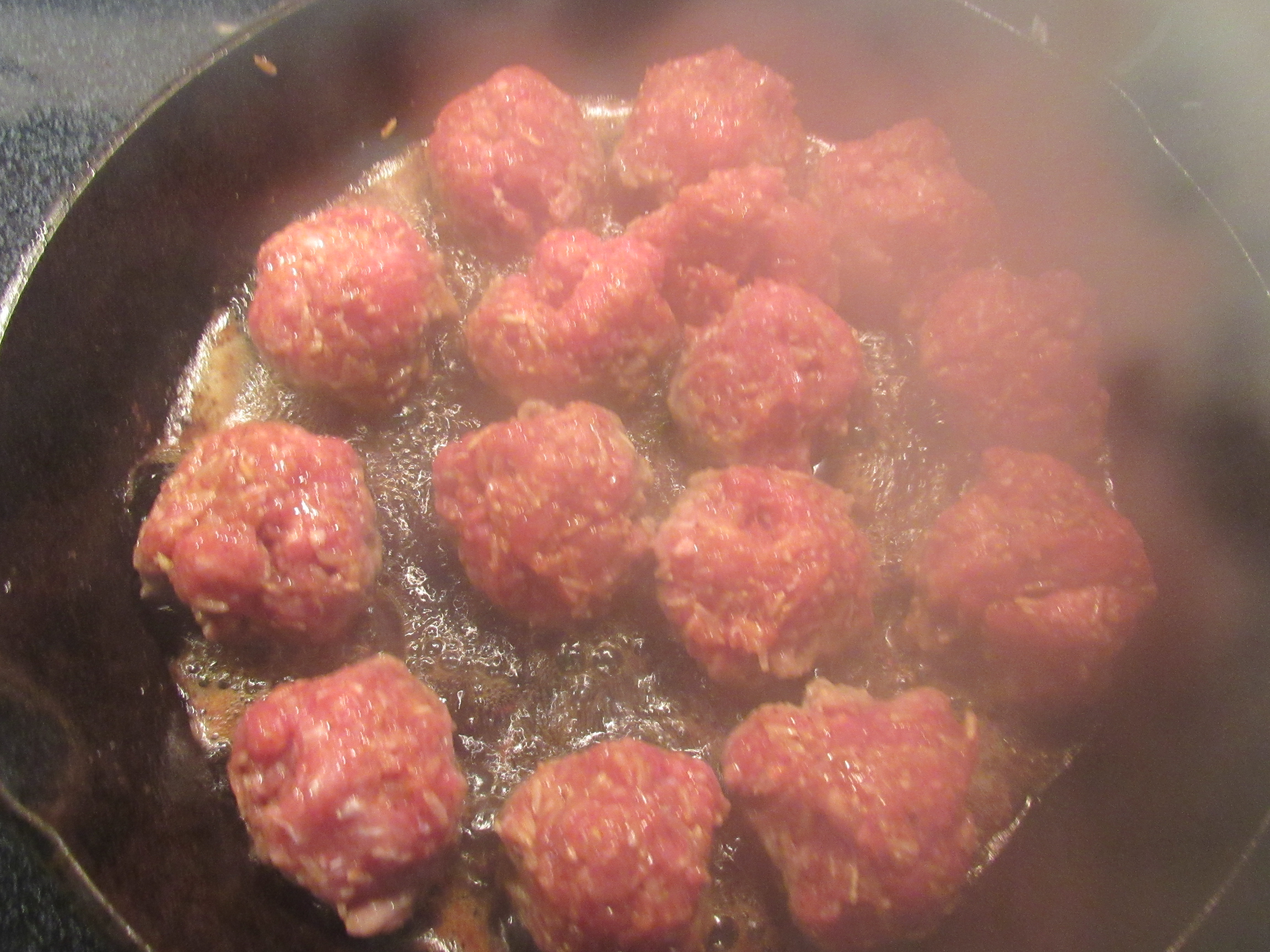
Mix the meats together. (You might as well use your hands—a method my grandmother taught me. Sometimes spoons just don’t work as well as your fingers.) Beat the egg in a separate bowl and then add egg, milk, 2/3 cup rice, 1 teaspoon chili powder, and 2 teaspoons salt to the meat mixture. Mix well. Form into 1 ½ inch meatballs. (My batch made about 25 meatballs.) Melt about 2 tablespoons of shortening into a skillet. Brown meatballs in batches and drain on a paper towel. Add shortening as needed for browning.

For the sauce, add tomatoes, onions, and water with the remaining rice and seasonings into a large stockpot. Bring the sauce to a boil then gently add meatballs to the pot. Reduce to low heat. Cover. Cook about 1 1/2 hours. Stir occasionally. Add water as needed.

I could barely wait until the meatballs cooled to dish up a serving. A wave of nostalgia struck me as I ate. It was almost as if my mother had cooked for me one last time.

Enjoy this comforting meal on a cold day!

-Sandra Merville Hart


Cream Soup Recipe

This recipe for Cream Soup was found in an 1877 cookbook under “Food for the Sick.”

A few common ingredients made this an easy recipe for cooks and nurses to give to patients. It was probably given to wounded soldiers during Civil War.

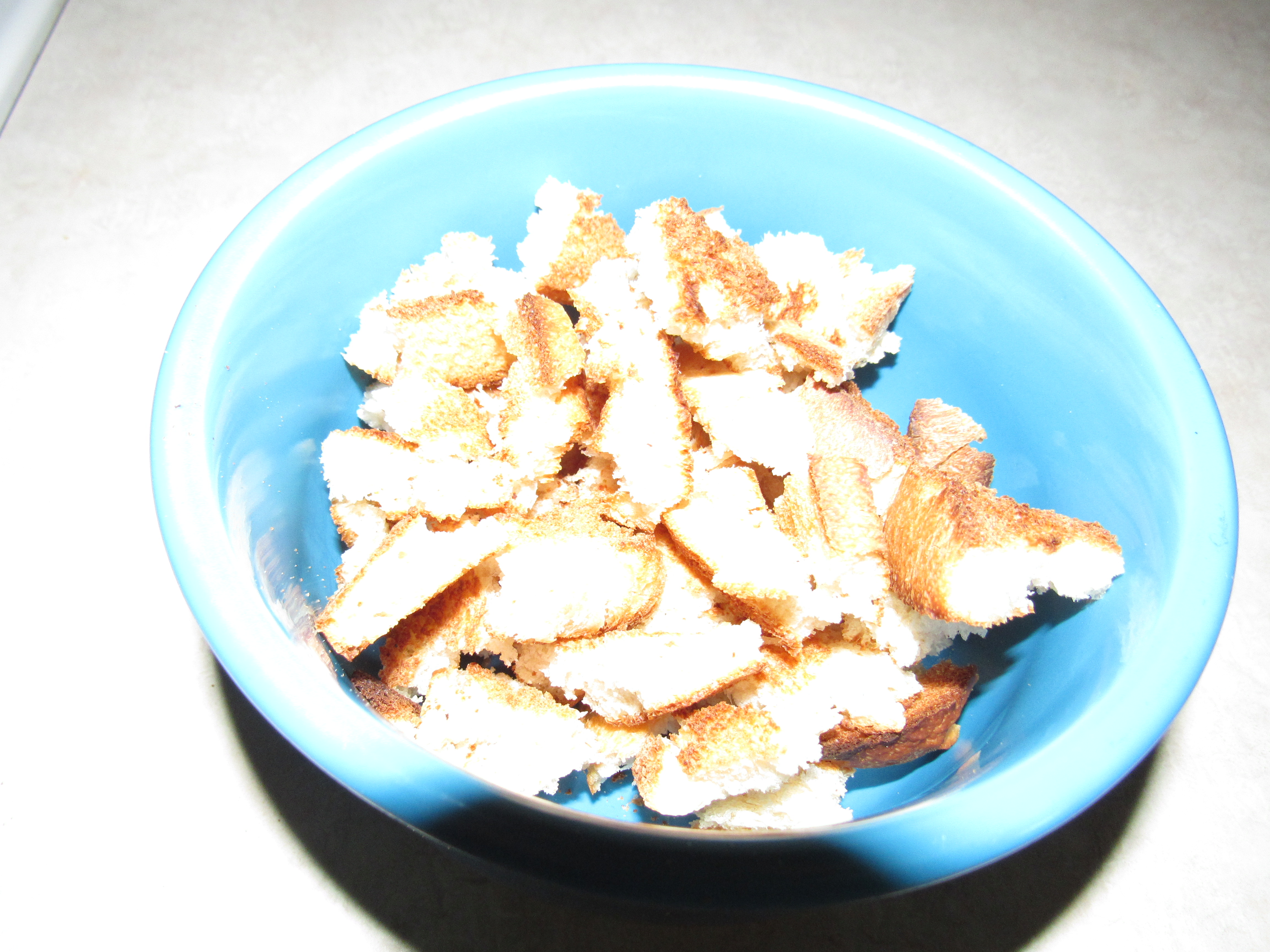
The main ingredient is toasted bread, which was heartier 150 years ago than white bread readily available on grocery store shelves. I made a loaf of white bread in my bread machine and baked it in the oven. This gave me bread slices with denser consistency.

I toasted sliced bread “very brown” under the oven broiler. It felt more authentic than sliding them into a toaster.

Pour two cups of boiled water into a medium-sized serving bowl. Add ½ cup of heavy cream and ¼ teaspoon of salt and stir.

Break two slices of toast into pie. Pour the cream broth over the pieces in a serving bowl.

Eat immediately.

I tasted this soup. It surprised me how much I like it—possibly because I really like the homemade bread.

For this reason, I feel that any of the hearty breads you love would work well in this soup. Feel free to experiment with your favorite breads. If you buy the bread, this soup can be ready to eat in about 10 minutes.

I’ve often eaten toast when sick as well as serving it to my daughter. Cream and nourishing bread—I understand why this was given to convalescing patients.

I’d love to hear from you if you try this dish. Enjoy!

-Sandra Merville Hart

Sources

Compiled from Original Recipes. Buckeye Cookery and Practical Housekeeping, Applewood Books, 1877.


Cherry Tarts Worthy of a Love Story

Today’s post is written by fellow author, Sandra Ardoin. I enjoyed reading her Christmas historical romance where the heroine is a baker. Sandra shares a recipe from the time period of her book. Welcome, Sandra!

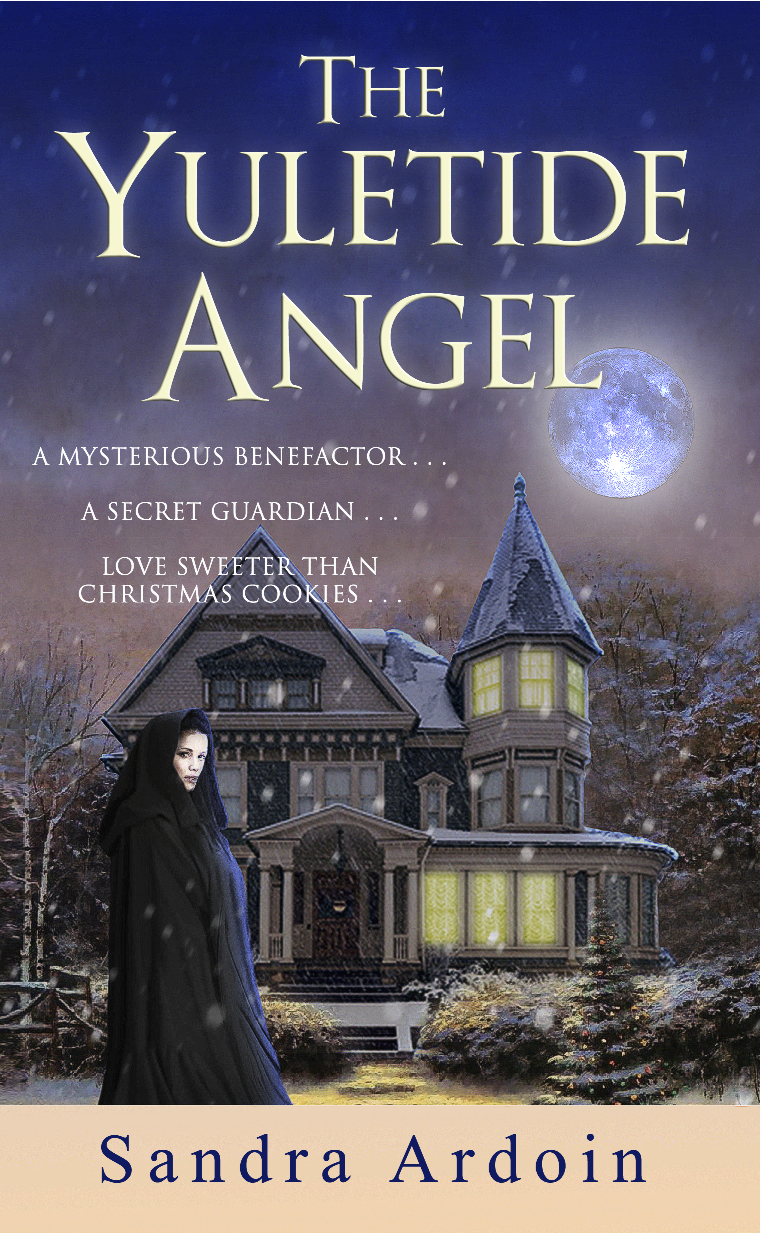
 Unlike my heroine in The Yuletide Angel, I’m not much of a cook. Oh, I can do it. It simply isn’t something I enjoy. However, I don’t hesitate to collect recipes. Go figure.

When I discovered Violet Madison possessed the joy of baking, it left me with a question. What recipes would she prepare in 1890? So, I went to one of my favorite resources for 19th–century research: Google Books. Did you know the site holds over two centuries-worth of tested and tried recipes (or receipts) printed in old magazines and cookbooks? I found the following in a digitalized version of Warner’s Safe Cook Book: Compiled Especially for Warner’s Safe Yeast Company, 1887.

Here is the recipe Violet might have used, as stated on page 301 of the company’s cookbook (punctuation is mine):

CHERRY TART NO. 2

“Line patty pans or pie plates with puff paste. Stew the desired quantity of cherries with a liberal amount of sugar and a little water. Add a tablespoonful of flour for a pint of the stewed cherries. Fill the shells and bake in a quick oven. When the crust is done remove from the oven. Dust with powdered sugar when serving. Dried cherries make excellent tarts. They require to be soaked for several hours before being heated and must then cook very slowly and for only a short time.”

The term patty-pans threw me. If it did you, too, don’t fret. It’s another term for a miniature tart pan, the kind you’d find in stores today. As for the “puff paste” or pastry, if you’re dieting, you might want to rethink this one, since it contains a heart-stopping amount of butter.

Shy, little Violet certainly knew the way to a man’s heart: sweets. But her cherry tart was only one of the reasons Hugh Barnes fell in love with The Yuletide Angel.

-Sandra Ardoin

BIO:

Sandra Ardoin writes inspirational historical romance. Her Christmas novella, The Yuletide Angel, and the Grace Award-winning novel, A Reluctant Melody are available on Amazon. Visit her at www.sandraardoin.com and on the Seriously Write blog. Connect with her on Facebook, Twitter, Google+, Goodreads, and Pinterest. Sign up for her newsletter.

Available on Amazon

BLURB:

It’s Christmastime 1890 and someone ventures out at night to leave packages at the homes of the needy. Dubbed the Yuletide Angel, no one knows the identity of this mysterious benefactor. No one, except Hugh Barnes, who finds himself drawn to the outwardly shy but inwardly bold Violet Madison.

But a phantom figure lurks in the shadows, prepared to clip the wings of the young woman who risks her safety to help others.

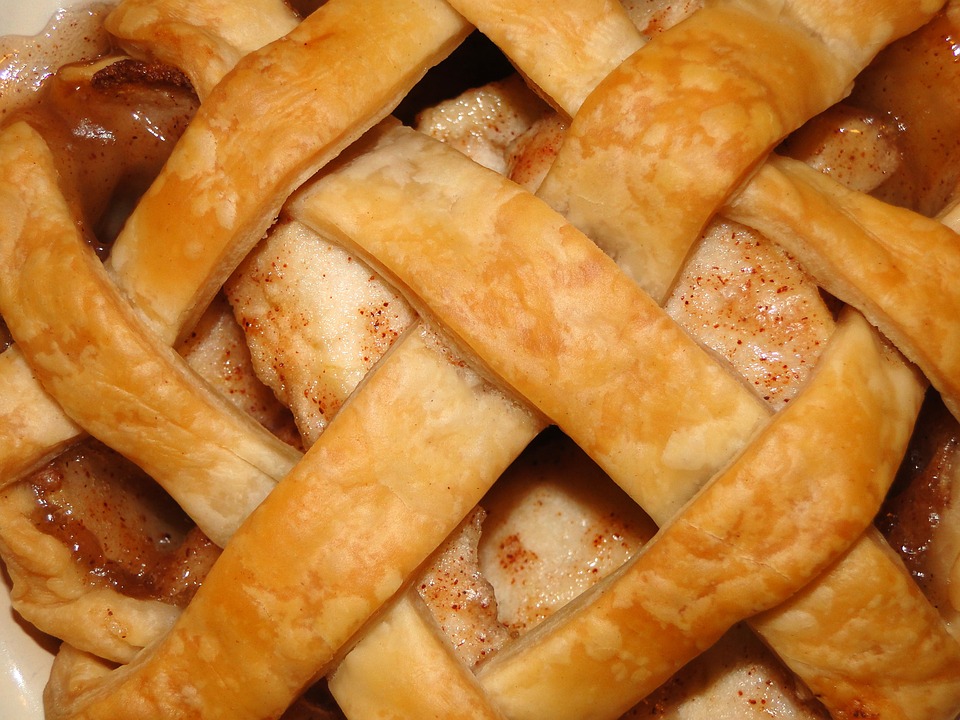
Widow Jones’ Apple Pie


Today’s post is written by fellow author Amber Schamel. This recipe is from her book, Dawn of Liberty. Welcome, Amber!

Sam says: I’ve convinced Mrs. Jones to share with us the recipe for her special apple pie. She prepared this for John Hancock and myself when we fled from the battle of Lexington as told in A Shot at Freedom in the Dawn of Liberty Short Story Collection.

 “What a feast. You have outdone yourself, Madam,” Hancock said with a smile.

“For dessert, I’ve one of my special apple pies in the oven, just for you, John.”

At those words, Hancock’s face split into a huge grin. “Well then, shall we commence?”

 Widow Jones’ Apple Pie

 YIELD: 8 Servings

Ingredients:

2 Pie Crusts

1/2 c. Brown Sugar

3 T. Wheat Flour

1/4 t. Salt

1 1/2 t. Cinnamon Spice

1/2 t. Clove Spice

5 c. Thinly Sliced Apples (Your variety of choice)

6 T. Butter

1 T. Lemon Juice (optional)

Instructions:

Begin by mixing sugar, flour, salt and spices together in a bowl. Next, poke holes in the bottom pie crust with a fork to prevent bubbling. Place apples inside the bottom crust. Sprinkle sugar mix over apples.

Cut the butter into pats and distribute them on top. Sprinkle lemon juice evenly over the pie.

Finish preparation by cutting the second pie crust into strips and weaving it over the top.

Bake at 450 for 5 minutes, then reduce heat to 350 and bake for 30-35 minutes.

Serve warm.

-Amber Schamel

Dawn of Liberty Blurb

Liberty comes with a price. Can a fledgling nation bear the cost?

British forces advance upon a struggling colonial army. The time of decision has come. Declare independence, or give up the fight. The weight of a nation rests on Samuel Adams’ shoulders as he joins the delegates of the Second Continental Congress. Can he raise the cause of Liberty above the fear of the King’s wrath in the hearts of his countrymen?

Three riveting short stories follow Samuel Adams as he struggles through the events surrounding the Declaration of Independence and evokes the Dawn of Liberty.

Amazon

Amber’s Bio:

Amber Schamel writes riveting stories that bring HIStory to life. She has a passion for travel, history, books and her Savior. This combination results in what her readers call “historical fiction at its finest”.  Her title, Dawn of Liberty, was awarded the 2017 CSPA Book of the Year award in Historical Fiction. She lives in Colorado and spends half her time volunteering in the Ozarks. Amber is a proud member of the American Christian Fiction Writers Association. Visit her online at www.AmberSchamel.com/ and download a FREE story by subscribing to her Newsletter!

Connect with Amber on Facebook,  Twitter, Pinterest, and Goodreads. 

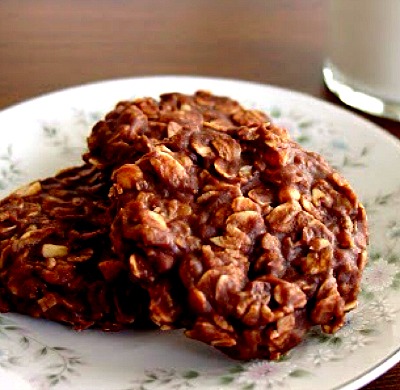
Oh, Honey, Those are Preacher Cookies

Today’s post is by fellow author, Nan Jones.  Welcome to Historical Nibbles, Nan, and thanks for sharing this recipe. I love to find quick, no-bake cookie recipes!

The fellowship hall smelled divine. Fried chicken, squash casserole, fresh green beans, and homemade biscuits were just a few of the delectable treats offered at the homecoming potluck dinner at church. The dessert table overflowed with temptation that I couldn’t wait to succumb to.

Just left of center on the long dessert table was a platter of chocolate cookies — the likes of which I had never seen. “Miss Ina Mae, what are these?” I asked. We were the new pastor and wife at this small Baptist church in the mountains of western North Carolina.

“Oh, honey, those are preacher cookies.”

Preacher cookies? I had never heard of them before that day. But for the past twenty-five years, every church pot-luck dinner has offered a platter full of these delicious nibbles.

Curious about the history, I discovered that these simple no-bake cookies derived their name from real life. Legend has it that Preacher Cookies got their name many years ago when it was common for preachers to visit their church members often. Housewives in the mountains could look out and see the preacher riding on his horse toward her home from a good distance away. Because of the simplicity of the recipe and common household ingredients, she could have the cookies prepared by the time he got to the house. Served up with a fresh cup of coffee, the preacher man received a special blessing.

Recipe for Preacher Cookies

½ cup butter

4 tablespoons unsweetened cocoa

2 cups sugar

½ cup milk

1/8 teaspoon salt

3 cups quick cooking oatmeal

¼ cup peanut butter

1 teaspoon vanilla extract

Mix the cocoa powder, butter, sugar, milk, and salt in a medium saucepan. Bring to a rolling boil and boil for 1 minute. Remove from heat. Add the peanut butter, vanilla, and oatmeal. Stir well. Drop by spoonfuls onto wax paper and allow to cool.

-Nan Jones

About Nan Jones:

Nan Jones is an author/speaker who uses the words of her heart to assist fellow Christians in discovering the Presence of God in their darkest hour. Her book, The Perils of a Pastor’s Wife was a 2016 Selah finalist and her blog, Beyond the Veil, won first place in the Foundation Awards at the 2017 Blue Ridge Mountains Christian Writers Conference. Nan is also a monthly contributor to Inspire a Fire, a far-reaching inspirational blog. When Nan isn’t writing, she enjoys leading prayer retreats, teaching bible studies or sharing God’s faithfulness as keynote speaker for special events. You may visit Nan at her website or her Facebook ministry page. For personal communication you may email Nan.

The Perils of a Pastor’s Wife Blurb

Have you been hurt by the church? Have you felt abandoned by God in the lonely fires of ministry? The Perils of A Pastor’s Wife will speak to your deepest wounds and help you find God’s Presence through it all. Sweet Sister—somewhere, somehow, somebody knows. You are not alone.

The Perils of a Pastor’s Wife is available on Amazon and LPC Books. 

Baking Contests and Snickerdoodles

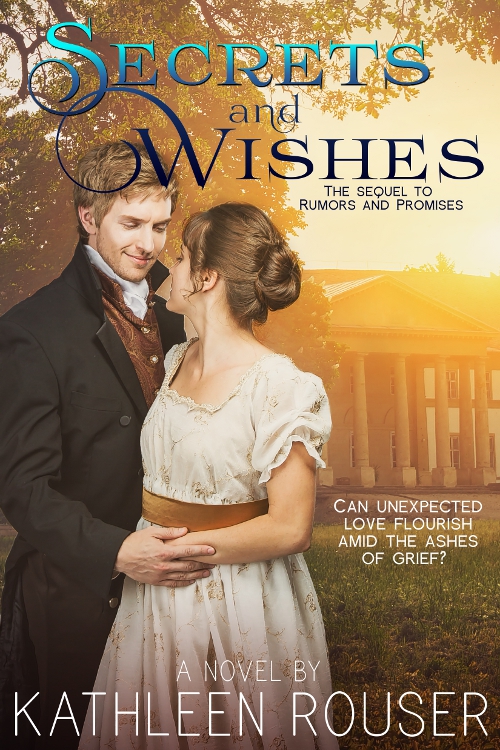
Today’s post was written by fellow author, Kathleen Rouser. She is providing the Snickerdoodle recipe from her novel, Secrets and Wishes. Welcome to Historical Nibbles, Kathleen!

Increasing the vanilla in her favorite snickerdoodle recipe while adding toasted chopped pecans to the dough and the cinnamon sugar made for the delightful crunch and a nutty taste, which had won her second place in the recipe contest. (From Maggie’s musings in Secrets and Wishes.)

There’s nothing more all-American than baking competitions. So many old-fashioned books and movies portray a baking contest at a county fair or a church picnic. The real-life Pillsbury Bake-Off began in 1949. Cookbook collections for charity go back farther than that. I was also inspired by the mention of a story contest sponsored by the fictional Rollings Reliable Baking Powder in the Anne of Green Gables book series by Lucy M. Montgomery.

So why not combine some great traditions to come up with the Silver Leaf Flour Company’s “Don’t Rest on Your Laurels” baking contest in 1901? Maggie Galloway wins second-place for her pecan snickerdoodles, earning her a pin to be presented by the Midwest Regional Director, Giles Prescott and her original recipe would be published in their national cookbook. Maggie seems born to bake.

Just the name ‘snickerdoodles’ is fun! It conjures up images of sitting by a warm oven while scents of cinnamon sugar waft through the air in a cozy kitchen. Some of the earliest documented mentions of snickerdoodles were found in cookbooks from late 1800s.

There’s some debate as to where the name ‘snickerdoodle’ originated. Some think that it’s derived from a Dutch or German word meaning ‘snail-shaped’ while others believe the name came from New England where it’s inhabitants liked whimsical names for cookies. Either way, Maggie is quite sure God gave her the spark of creativity to add vanilla and nuts to a beloved treat enabling her to place in the contest.

Maggie Galloway’s Pecan Snickerdoodles

½ cup butter, softened

1 cup sugar

¼ teaspoon baking soda

1/4 teaspoon cream of tartar

1 egg

1 teaspoon pure vanilla extract

1 ¼ cup flour

½ cup chopped toasted pecans

Cinnamon sugar mixture:

2 tablespoons sugar

1 tablespoon finely chopped toasted pecans

1 teaspoon ground cinnamon

Preheat oven to 375 degrees F and lightly grease cookie sheet.

Beat butter until creamy. Add 1 cup sugar, baking soda, and cream of tartar, mixing well.

Beat egg and vanilla into the mixture. Slowly add flour and chopped pecans to the mixture.

Set dough in the refrigerator (or the icebox in Maggie’s day) for at least a half an hour to make it easier to handle.

While you’re waiting, mix the cinnamon sugar ingredients together with the 1 tablespoon finely chopped pecans.

When the dough is ready, roll into small balls and roll in cinnamon sugar/nut mixture.

Place a couple of inches apart on the cookie sheet and bake for 9-11 minutes, only until slightly golden brown along the edges. Yield is approximately two dozen cookies.

-Kathleen Rouser

About Secrets and Wishes:

More than fists fly after a fight between Philip and Zeke. When their widowed parents, Maggie Galloway and Thomas Harper meet, they begin a prickly acquaintance. Independent Maggie has placed in a national baking contest and wants to open a bakery to provide a future for her and Philip. Grieving and disorganized Thomas seeks to bring up his unruly brood in Stone Creek, and grow his pharmacy business in peace. After he becomes gravely ill, Maggie is enlisted to nurse him back to health, and takes his children in hand. She eventually helps Thomas organize his shop. As friendship blossoms so does love. They team up to defeat a charlatan who’s dangerous elixir brings tragedy to Stone Creek. Humiliating circumstances, brought about by the former beau who brings Maggie’s baking prize from the flour company, force Maggie to consider leaving town. Thomas wants to offer her an alternative, but is he too late to declare his love to the angel of mercy who has captured his heart?

Where to find Secrets and Wishes on Amazon: http://tinyurl.com/y757a5b2

Bio:

Kathleen Rouser is the award-winning author of Rumors and Promises, her first novel about the people of fictional Stone Creek, Michigan, and the novella, The Pocket Watch. She is a longtime member of American Christian Fiction Writers. Kathleen has loved making up stories since she was a little girl and wanted to be a writer before she could even read. She longs to create characters who resonate with readers and realize the need for a transforming Savior in their everyday lives. She lives in Michigan with her hero and husband of nearly 36 years, and the sassy tail-less cat who found a home in their empty nest. Connect with Kathleen on her website, on Facebook, and on Twitter @KathleenRouser.

New Mexican Culture Cuisine

Today’s post is written by fellow author, Norma Gail. Her novel, Land of My Dreams, is set mainly in Scotland, but also in New Mexico—two locations dear to her heart. She lives in New Mexico and shares two yummy recipes with us from her home state. I can’t wait to try these. Welcome back to Historical Nibbles, Norma!

For those who live there, New Mexico is a bit of heaven. Admitted as the 47th state in 1912, it is a high-altitude land of arid, sun-kissed deserts and spectacular, forested mountain peaks under crystalline, azure skies.

Unique in culture, the Navajo, Apache, and Pueblo peoples of Native American origin were its only inhabitants prior to the early 1540’s. Subsequently claimed by Spain, Mexico, and partially by the Republic of Texas, portions became a US territory in 1848 through the Treaty of Guadalupe Hidalgo with the rest acquired by the Gadsden Purchase of 1853.

This conglomeration of cultures created a culture and cuisine unique in the world. Beans and corn are staples, with the locals fiercely defending the state’s largest agricultural crop of red and green chiles as the best in the world. True New Mexicans are notorious chile snobs.

Below, you will find two of my personal favorite recipes, primarily from Native American influence.

-Norma Gail

Posolé

(pō-sō-lāy)

(A traditional stew of hominy, meat, and chile)

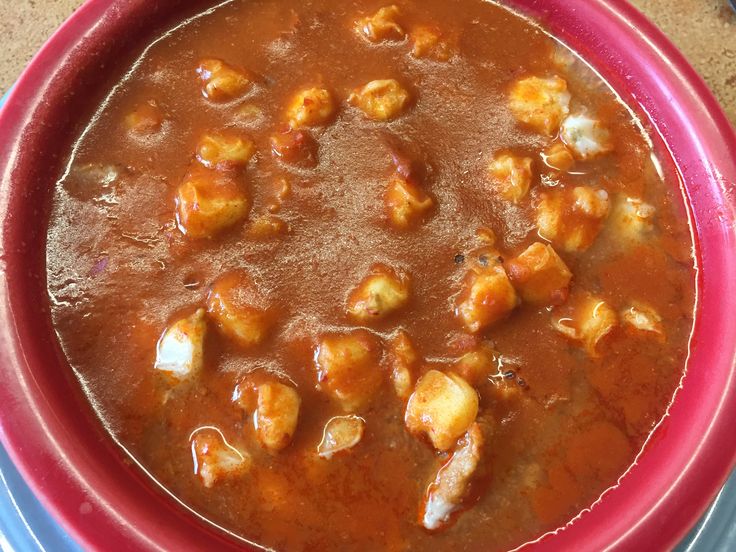
1-2 lb. pkg posolé (hominy)

4 dried chile peppers (red)

4 cans (12-16 oz.) of green chilies (frozen can be substituted)

Juice of one lime

2 lbs. of lean pork, cut in ¾” cubes

1 lb. lean beef (optional)

1 medium onion, diced

3 cloves of garlic

2 tbsp of salt

1 tsp of black pepper

1-16 oz. can of stewed tomatoes, diced

½ tsp celery salt

2 tsp cumin

Rinse posolé in cold water. Place in a large stockpot and cover with at least 2 quarts of water. Simmer 1-2 hours, until posolé kernels pop.

Brown meat and onions until onions are tender. Place all ingredients in a large crockpot or stockpot on stove, cover with water, and simmer 6-8 hours, covered, adding water as necessary. Flavor is enhanced by cooking a day early, refrigerating overnight, and reheating.

Serves 8-10. This will freeze well, though chili tends to become hotter over time.

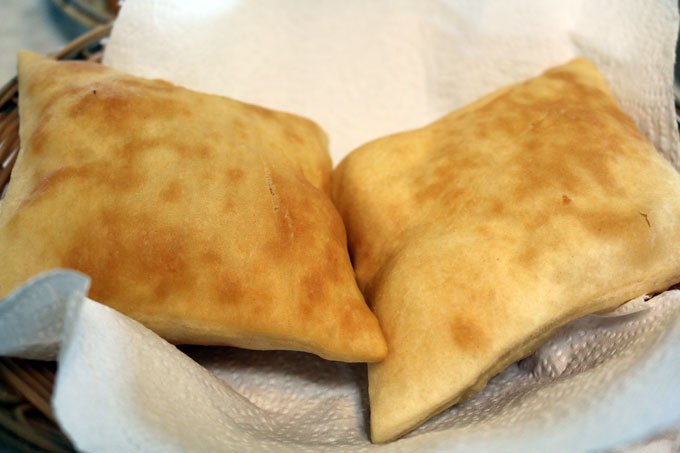
Sopapillas

(So-pă-pē-yas)

1 ¼ cup scalded milk

4 cups of flour

1 ½ tsp salt

1 tsp baking powder

1 tbsp sugar

1 tbsp shortening

1 pkg dry yeast

¼ cup warm water

Scald milk and cool to room temperature.

Combine dry ingredients and cut in shortening. Dissolve yeast in warm water and add to the cooled milk.

Make a well in the center of the dry ingredients, add liquids and work into a dough.

Knead dough 15-20 times and set aside approximately 10 minutes.

Roll dough to ¼ inch thickness or thinner. Cut in squares or triangles.

Deep fry in melted shortening at 420° until golden-brown. Fry only a few at a time so oil stays hot. If the oil is hot enough, they will puff almost immediately. Puffing is enhanced by bouncing gently in oil during frying. Turn to brown both sides evenly.


Author bio:

Norma Gail’s contemporary Christian romance, Land of My Dreams, set in Scotland and her home state of New Mexico, won of the 2016 Bookvana Religious Fiction Award.

A Bible study leader for over 21 years, you can connect through her blog, or on Facebook, Twitter, Pinterest, Instagram, Goodreads, or Amazon.


Creole Soup

I recently ran across The Fannie Farmer Cookbook in an antique store. This book was originally published in 1896.

Stock, water enriched by the food cooked in it, is an important ingredient in numerous soups. Homemade stock brings full-bodied flavor to recipes. The recipe for the beef stock used in this recipe is found here.

This recipe calls for 2 tablespoons of bacon fat. My husband sacrificed (😊) and fried some bacon to provide this for my soup.

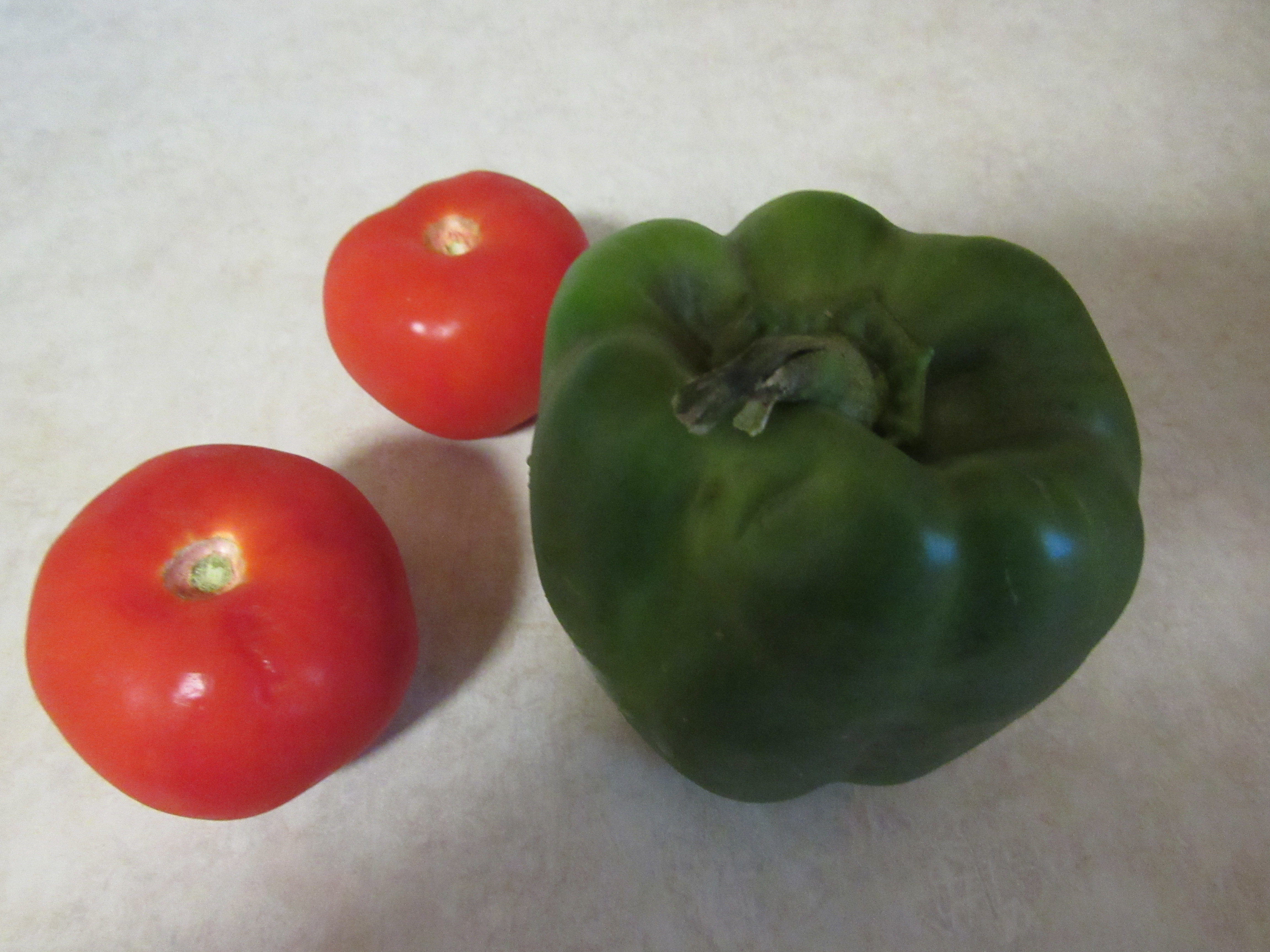
To make this soup, chop enough onion for 2 tablespoons. Finely chop a green pepper to provide 2 tablespoons. Peel and chop tomatoes for 1 cup required for the soup.

Melt 2 tablespoons of bacon fat in a large saucepan. Stir in onion and green pepper. Cook on a medium low heat for 5 minutes, stirring occasionally.

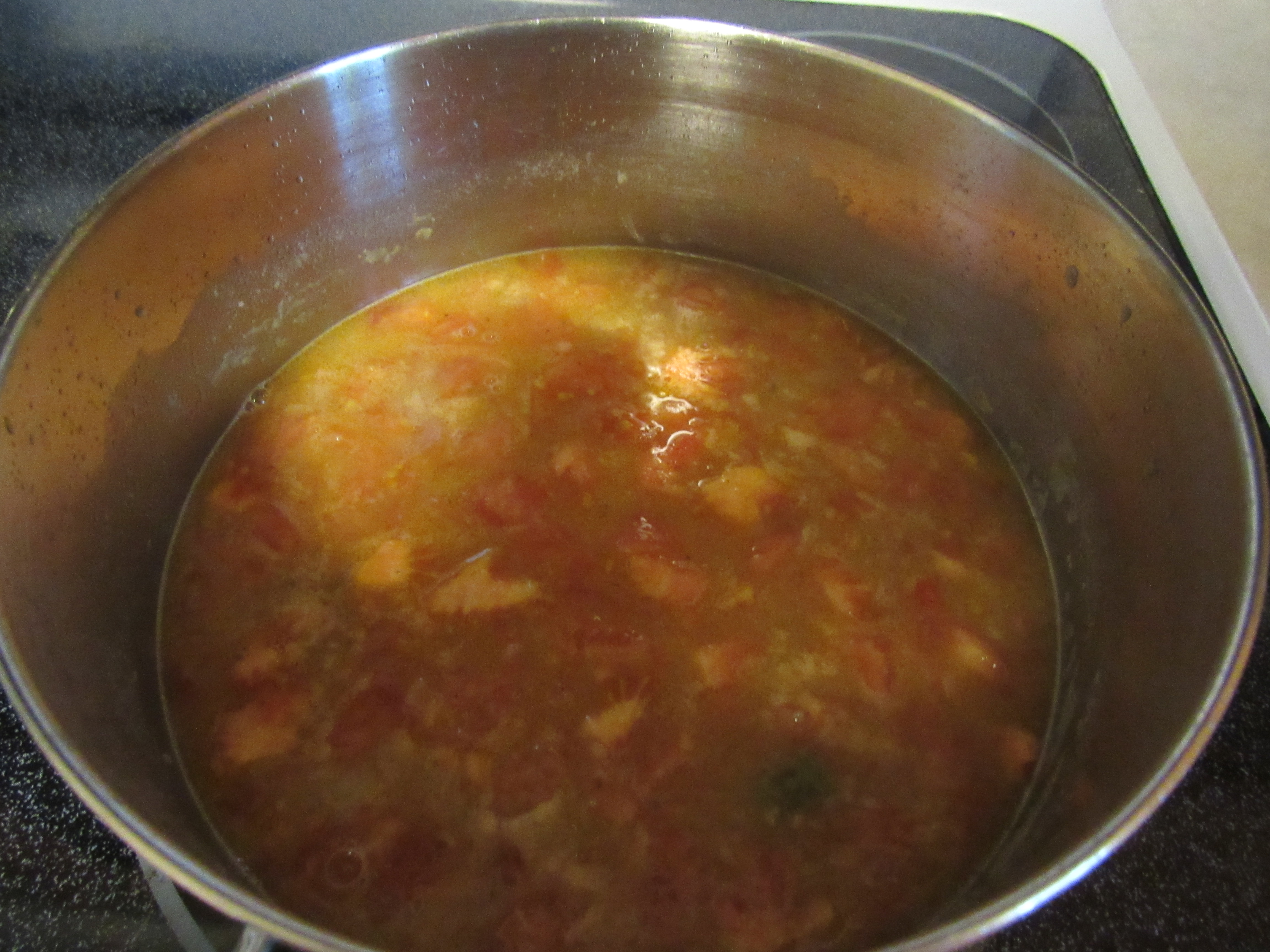
Stir in 2 tablespoons of flour and cook for 2 minutes. Stir in tomatoes and 3 cups of beef stock or beef broth. (I used beef stock.) Heat this to gently bubbling. Then lower heat to simmer for 15 minutes.

Strain soup and then return the broth to the saucepan. Add ½ teaspoon of ground pepper, 1 tablespoon of prepared horseradish, and ½ teaspoon of vinegar. Add 1 teaspoon of salt or salt to taste.

I’ve never tasted Creole Soup before—I loved it! This is a delicious, tangy soup.

Serve hot. This recipe makes 3 one-cup servings.

-Sandra Merville Hart

Sources

Revised by Cunningham, Marion and Laber, Jeri. The Fannie Farmer Cookbook, Alfred A Knopf Inc., 1983.


Cornmeal Gruel Recipe

This is Dr. Davenport’s recipe, found in an 1877 cookbook under “Food for the Sick.”

Dr. Davenport, Milford Center, Ohio, used this recipe thirty years earlier. He shared this “old and very valuable recipe” with 1877 cooks. Gruels were often given to sick or wounded Civil War soldiers.

Boil 3 pints of water.

Stir 2 tablespoons of cold water into 2 tablespoons of cornmeal. Add to the boiling water with a pinch of salt.

Reduce to medium heat and cook for 20 minutes.

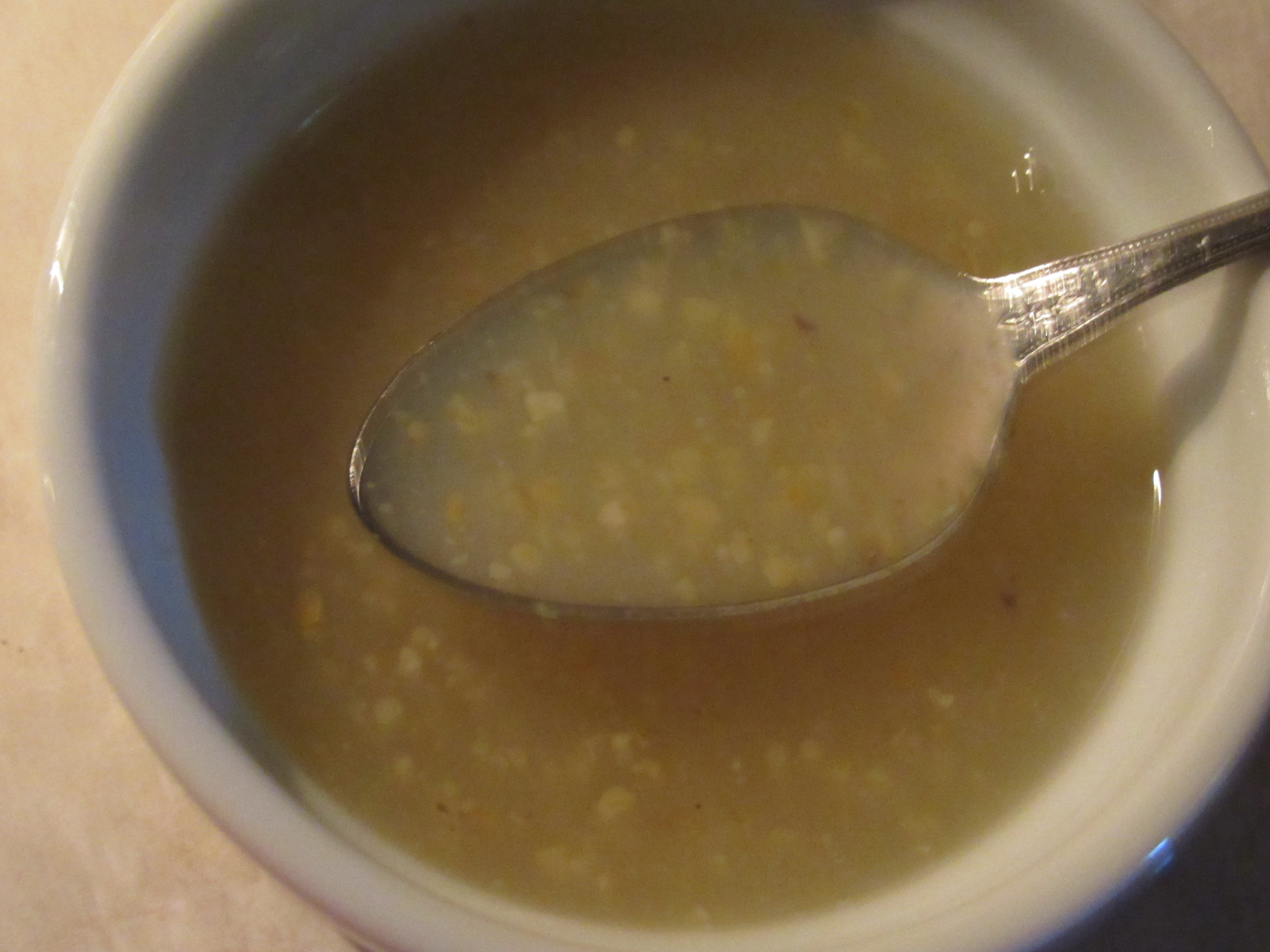
Remove from heat. Let it settle. If the patient is very sick, pour off the water on top and serve this way. The broth is grainy and a bit thicker than might be expected.

It tasted okay.

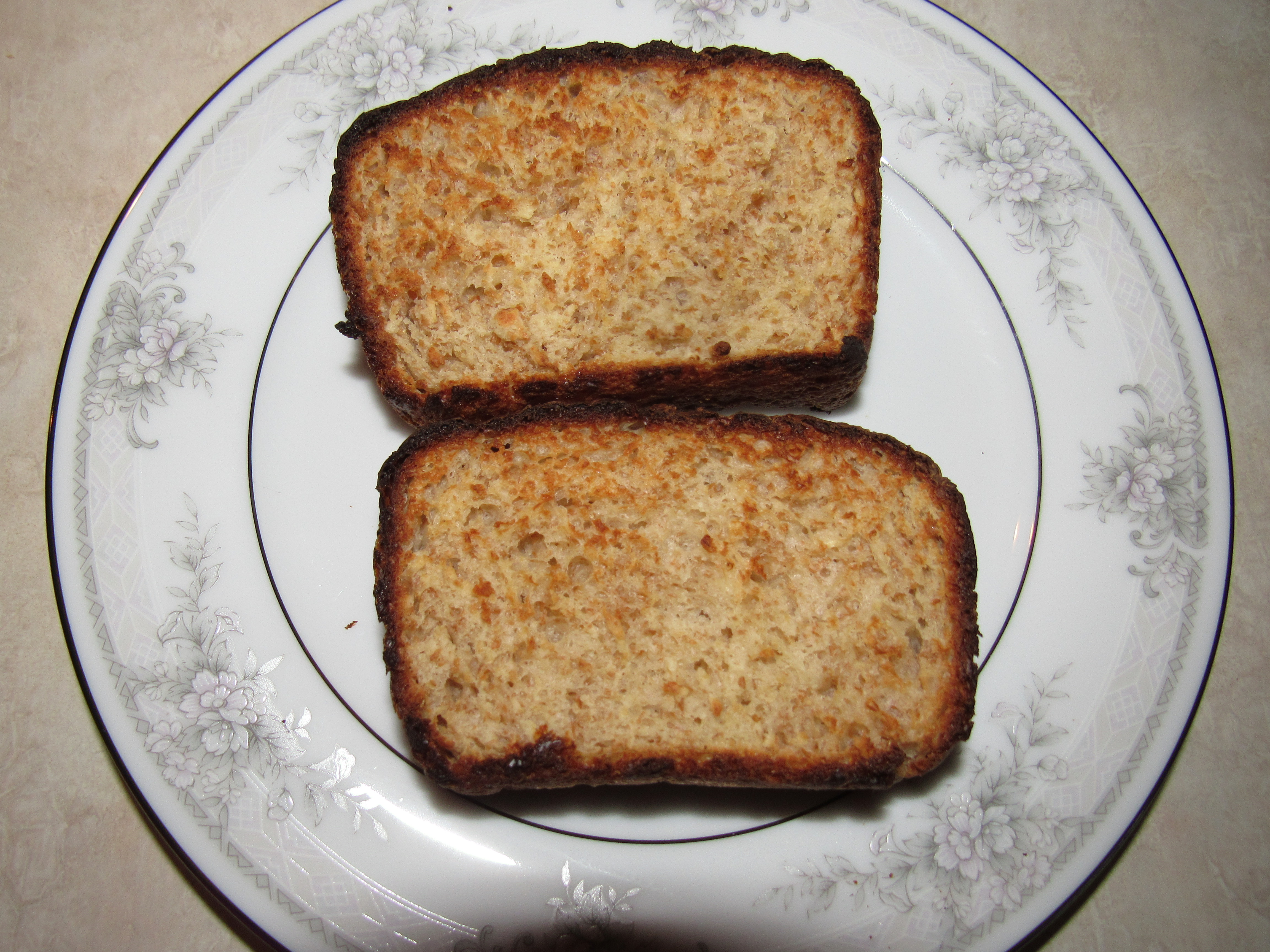
If this broth will be given to a convalescing patient, toast a piece of bread. They ate hearty breads 150 years ago, so buy a dense bread such as Italian bread. I made my own. I baked some delicious  Bran bread  and toasted two slices for this gruel.

Pour the broth into a bowl. Add 2 tablespoons of light or heavy cream, 2 teaspoons of sugar, ½ teaspoon of cinnamon, and 1/8 teaspoon of ginger. Nutmeg can be substituted for the ginger. Stir well.

Break the toast into pieces and add to the gruel.

Eat immediately.

The broth has a pleasant, sweet taste. I’m not a cereal lover, but broths with bread added have a little in common with cereals.

Dr. Davenport found these to be a nourishing meal for those on a laxative diet. Hmm. Maybe just eat this in moderation.

I’d love to hear if you try this. Enjoy!

-Sandra Merville Hart

Sources

Compiled from Original Recipes. Buckeye Cookery and Practical Housekeeping, Applewood Books, 1877.


Here Comes the Bridal Cake

Today’s post is written by my dear friend and fellow author, Catherine Castle. Her newest novel, A Groom for Mama, just released. She has a fun, witty style of writing that captivates readers. I can’t wait to read this novel. Welcome, Catherine!

If there’s one thing we know about wedding cakes today, it’s that they come in a wide variety of style, flavors and sizes. If you look on the internet you can find wedding cakes ranging from simple two or three layers to towering monstrosities or multi-flavored cakes connected with plastic bridges and even individual cupcakes. But nowhere have I seen a wedding cake that resembles the one the groom broke over his bride’s head in Roman times. In ancient history, and even up to Victorian times, the wedding cake bore little resemblance to the sweet confections of today.

In ancient Rome, the bridal cake was a simple, unsweetened barley loaf. The groom would eat part of the loaf and break the remainder over the bride’s head. This was a symbolic act thought to bring prosperity and good fortune to the couple. Wedding guests would try to eat the crumbs from the cake so they could also share in the good fortune showered down on the bride’s head.

In medieval England, the bridal cake was composed of buns or small cakes. Stories remain from accounts telling of stacking the cakes as high as they would go. If the bride and groom were able to kiss over the tall stack it was thought they would have a life of prosperity.
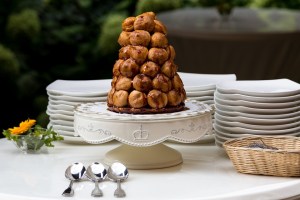
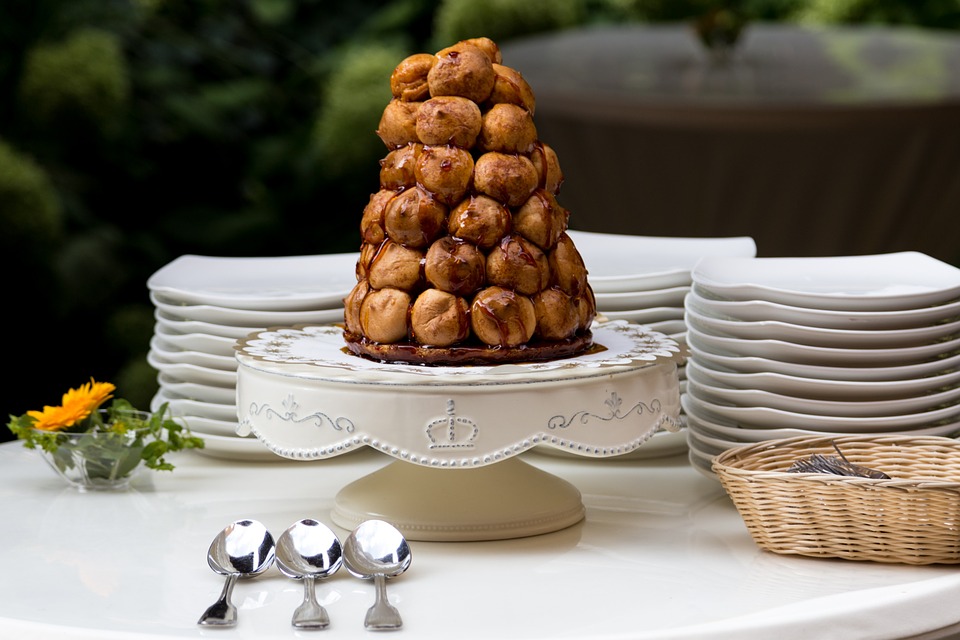
By the 1660s the story is told of a French chef who was traveling through England and saw the stacked pile of cakes at a wedding. After returning home he devised a method of constructing rounded cakes or buns into a tower form called a Croquembouch. This tiered pile of cakes became the traditional French wedding cake. Today it’s common to place a Croquembouch on top of a more modern layer cake.

From the mid-1700s a Bride’s Pie was introduced at wedding meals.  The pie, which was a meat pie, not a sweetened concoction, was filled with sweetbread, mincemeat, or mutton. Bride’s cakes, which were more like fruitcake than the typical white batter cakes we associate with today’s weddings, might also be eaten.

Groom’s cakes appeared in the 1880s and were typically darker-colored fruitcakes that were much smaller than the bride’s cake. Bride’s cakes, in Colonial times, were very rich creations, often reserved for the wealthy who could afford the ingredients. Because they were so labor intensive to make, the cakes were made weeks ahead of the wedding and soaked in alcohol to preserve them for the wedding date.

In the 1800s bride fruitcakes were still the norm.  Below is a typical recipe for a wedding cake from an 1833 recipe book, courtesy of http://www.foodtimeline.org/foodcakes.html#weddingcake

[1833]
“Wedding Cake

Good common wedding cake may be made thus: Four pounds of flour, three pounds of butter, three pounds of sugar, four pounds of currants, two pounds of raisins, twenty-four eggs, half a pint of brandy, or lemon-brandy, one ounce of mace, and three nutmegs. A little molasses makes it dark colored, which is desirable. Half a pound of citron improves it; but it is not necessary. To be baked two hours and a half, or three hours. After the oven is cleared, it is well to shut the door for eight or ten minutes, to let the violence of the heat subside, before cake or bread is put in. To make icing for your wedding cake, beat the whites of eggs to an entire froth, and to each egg add five teaspoonfuls of sifted loaf sugar, gradually; beat it a great while. Put it on when your cake is hot, or cold, as is most convenient. It will dry in a warm room, as short distance from a gentle fire, or in a warm oven.”
The American Frugal Housewife, Mrs. Child, Boston [1833] (p. 72)

In 1840, Queen Victoria introduced the white-icing tiered cake that we know today as a “wedding cake.”  The cake was iced in ‘royal icing’, which had been invented specifically for the royal wedding cake. Although the cake looked different on the outside, the batter was still the traditional fruitcake of the bride’s cake. The first tiered cakes, including Queen Victoria’s cake, had layers that were not edible. It wasn’t until 1882 when the first tiered cake with all-edible layers appeared at the wedding of Prince Leopold, Duke of Albany. Even today, our English friends choose the traditional fruitcake batter for their wedding cakes. Prince William and Kate’s wedding cake was made with a fruitcake batter, as was his mother’s and his grandmother’s.

Wedding toppers appeared in the 1940s, and by the 1950s, American brides began moving away from the traditional fruitcake of Colonial America. Today, you’ll find wedding cakes in many styles, themes, and flavors. If you can dream it, there will be someone who can make it.

Until I started working on this blog I hadn’t thought much about what kind of cake my characters would have, but I think it would look a lot like the one on my book cover. And Mama would have been sitting on a layer just as she is in the cover. After all, she was Cupid’s helper.

-Catherine Castle

A Groom for Mama –a sweet, romantic comedy by Catherine Castle, from Soul Mate Publishing

 A Groom for Mama Blurb: Beverly Walters is dying, and before she goes she has one wish—to find a groom for her daughter. To get the deed done, Mama enlists the dating service of Jack Somerset, Allison’s former boyfriend.

The last thing corporate-climbing Allison wants is a husband. Furious with Mama’s meddling, and a bit more interested in Jack than she wants to admit, Allison agrees to the scheme as long as Mama promises to search for a cure for her terminal illness.

A cross-country trip from Nevada to Ohio ensues, with a string of disastrous dates along the way, as the trio hunts for treatment and A Groom For Mama.

Buy link: Amazon

 About the Author:

Multi-award-winning author Catherine Castle has been writing all her life. Before beginning her career as a romance writer she worked part-time as a freelance writer. She has over 600 articles and photographs to her credit, under her real name, in the Christian and secular market. Besides writing, Catherine loves traveling with her husband, singing, and attending theatre. In the winter she loves to quilt and has a lot of UFOs (unfinished objects) in her sewing case. In the summer her favorite place to be is in her garden. She’s passionate about gardening and even won a “Best Hillside Garden” award from the local gardening club.

Her debut inspiration romantic suspense, The Nun and the Narc, from Soul Mate Publishing was an ACFW Genesis Finalist, a 2014 EPIC finalist, and the winner of the 2014 Beverly Hills Book Award and the 2014 RONE Award. Her most recent release, A Groom for Mama, is a sweet romantic comedy from Soul Mate Publishing.  Both books are available on Amazon.

Contact links:

Catherine’s website

Catherine’s blog

Catherine’s Amazon author page

Catherine’s Goodreads

Twitter    @AuthorCCastle

Facebook

Stitches Thru Time

SMP authors blog site