The Bounty Hunter’s Redemption by Janet Dean

Gnaw Bone’s resident seamstress, Carly Richards, isn’t exactly a grieving widow when her husband, Max, is killed by a bounty hunter. His verbal abuse and lately, physical abuse, prevented that. She’s finally prepared to run her seamstress shop to support her young son without fearing her husband’s return from his prolonged absences.

Then Nate Sergeant, the bounty hunter who killed Max, comes to Gnaw Bone. He claims that Max lost the deed to the seamstress shop in a poker game with Nate’s brother-in-law. Then Max killed him to get it back but couldn’t find the hidden deed.

That left Nate’s sister, Anna, as the rightful owner and Nate aimed to see she took over the shop.

Even if it meant taking Carly’s only means of supporting her son.

I enjoyed the twists and turns of this historical novel where an unlikely romance blossoms against all odds.

-Sandra Merville Hart

Three Ways to Develop Good Cooking Habits – Advice from Fannie Farmer

I recently ran across The Fannie Farmer Cookbook in an antique store. This book was originally published in 1896. Fannie Farmer’s name is still well-known today.

Fannie gave advice about cooking habits before giving any recipes in her cookbook. There may be some wisdom in that strategy. Here are three ways to develop good cooking habits that are still surprisingly relevant today.

Firstly, read the whole recipe before doing anything. This shows what you will do—think about the reasons why.  Preparation and/or baking times are included in most modern recipes; give yourself plenty of time to prevent becoming flustered.

When making a complete meal, decide what dishes can be prepared ahead of time—such as dessert. Consider your menu. What dish will take longest to prepare? This will help decide when preparations for the meal should begin. Study any unfamiliar recipes ahead of time.

Secondly, think about the season of the year when planning meals. Produce and meat are at their flavorful peak when fresh. Shop at the market for ingredients that are in season or “on special.” Don’t get your heart set on a particular recipe before finding what’s available at the grocery store. Fresh products make more flavorful dishes, so learn to be flexible.

Thirdly, don’t scorn leftovers. Instead, use your imagination to make a new dish.

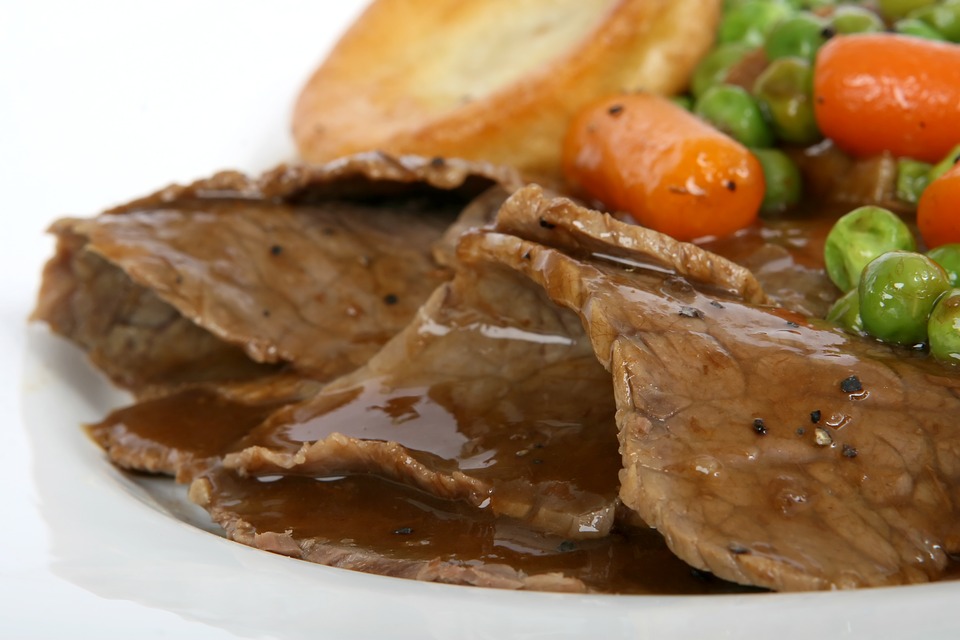
Fannie advises deliberately preparing twice the amount of meat required to feed your family. She used the example of pot roast. If there is a bone, use it to prepare soup another day along with leftover vegetables and a bit of the gravy.

Take a portion of the leftover pot roast the following day and ground it to make stuffed green peppers or stuffed eggplant. There should be enough to make a beef noodle casserole as well.

Don’t neglect to save the vegetables, sauce, and rice from meals. These ingredients may be used in omelets, salads, soups, and baked dishes. Be creative.

Great advice from the creative Fannie Farmer on developing great cooking habits!

-Sandra Merville Hart

Sources

Revised by Cunningham, Marion and Laber, Jeri. The Fannie Farmer Cookbook, Alfred A Knopf Inc., 1983.


Civil War Bugle Calls

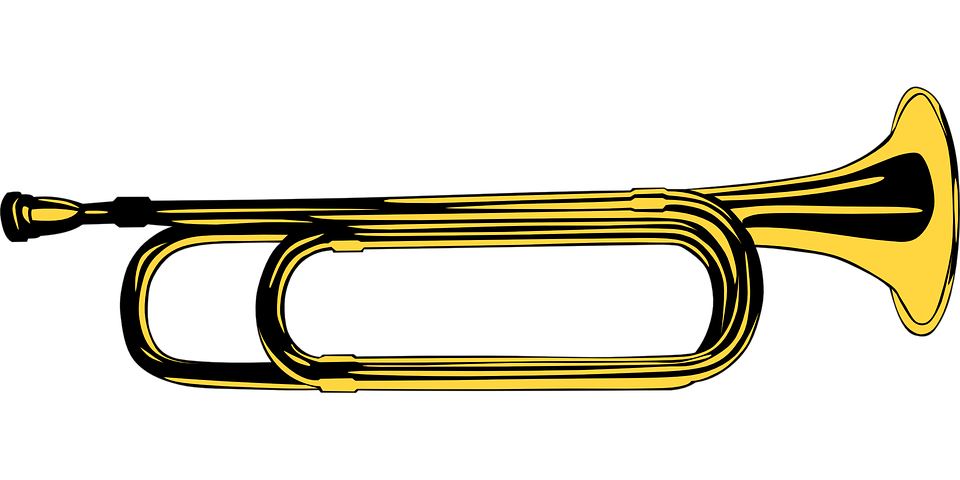
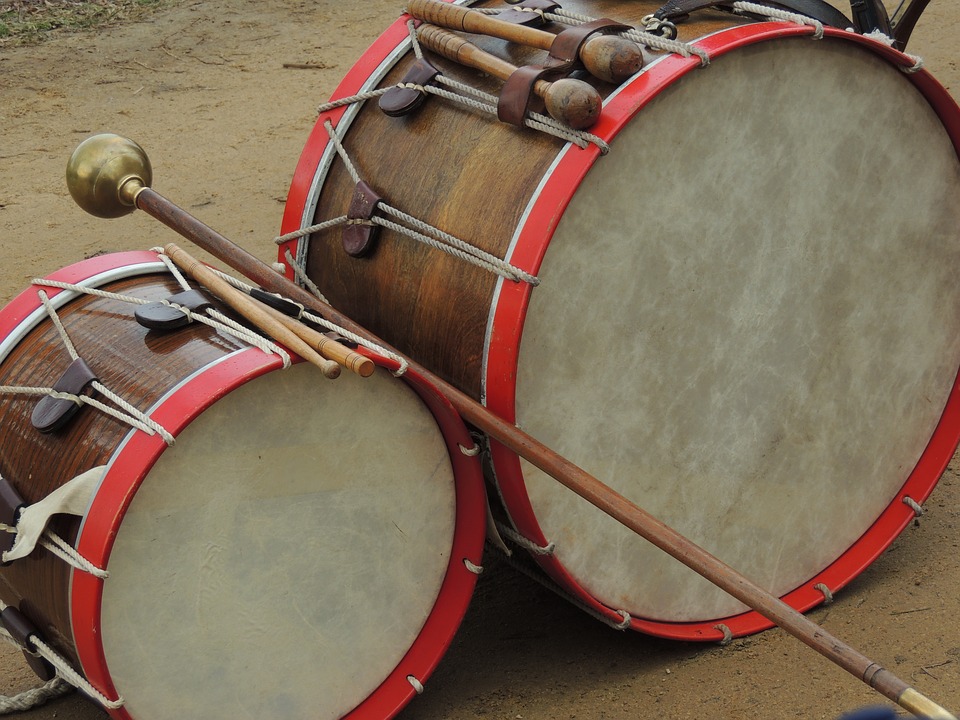
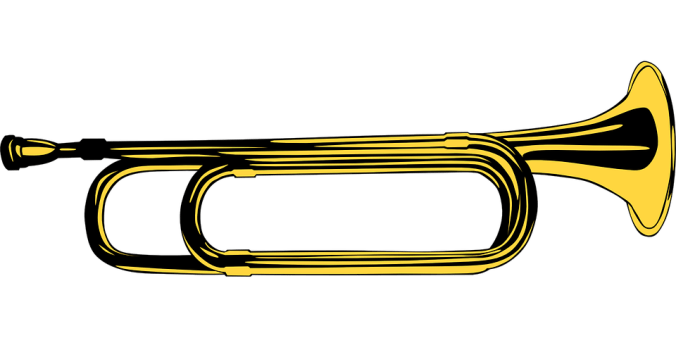
Commands were often given musically during the Civil War. That is to say, by bugle or drum. A general’s voice only carried so far—especially over the din of battle. Soldiers soon learned specific bugle tunes signified that it was time to get up in the morning, for example.

John D. Billings, Union soldier, wrote about a typical day in camp in Hardtack & Coffee.

The first bugle call of the day was “Assembly of Buglers.” It came around 5 am in the summer and 6 am in the winter. Men knew it was time to roll out of their blankets. This unwelcome song always brought grumbling.

“Assembly” came fifteen minutes later. Unless ill or on guard duty, every enlisted man had to be present for his company’s roll call.

When everyone finally stood in line, the bugler played “Reveille.” Soldiers made up words to this song:

       I can’t get ’em up, I can’t get ’em up,

       I can’t get ’em up this morning;

       I can’t get ’em up, I can’t get ’em up,

       I can’t get ’em up today.

After this, “Stable Call” was played. Company drivers went to the picket ropes where they fed and groomed their horses.

“Breakfast Call” came next. Soldiers prepared and ate their breakfast or ate rations provided at the company cookhouse.

“Sick Call” sounded at 8 am. Men who were sick and required medicine proceeded to the surgeon’s tent. Quinine was given for many ailments including headache, stomachache, toothache, coughing, lameness, fever, and ague.

Next came the “Watering Call,” where cavalry and drivers watered their horses and mules. To learn more about the difficulties of watering thousands of animals, click here.

Soldiers cleaned camp, gathered wood and water, built stables, buried horses, and washed gun carriages for “Fatigue Call.”
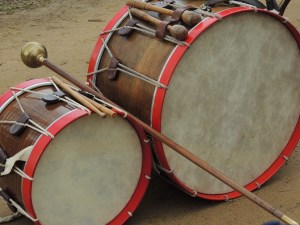
Next, drum or bugle brought the “Drill Call” where men practiced artillery and other skills. This was practiced much more earlier in the war.

Cannoneers and drivers responded to “Boots and Saddles” as a battery drill.

“Dinner Call” sounded at noon.

Buglers played “Water Call” around 4 pm.

“Stable Call” was blown as a reminder to return horses to the stable.

“Attention” was blown at 5:45 pm, followed by “Assembly” where the soldiers fell in for “Retreat” roll call.

“Assembly of Guard” called soldiers to guard duty. A brass band or fife-and-drum-corps usually followed.

The bugler played “Attention” at 8:30 pm and then “Assembly.” Companies formed lines for the day’s final roll call, “Tattoo.”

Men then had thirty minutes to get ready for bed at 9 pm when “Taps” was played. A drummer then played to end the day.

Follow this link if you’d like to listen to a few of these.

-Sandra Merville Hart

Sources

Billings, John D. Hardtack & Coffee, University of Nebraska Press, 1993.

Villanueva, Jari. “Civil War Bugles Calls,” www/tapsbuglar.com, 2017/03/15 https://archive.org/details/CivilWarBugleCalls/20+Dan+Butterfield.mp3.

Villanueva, Jari. “Twenty Bugles Calls,” United States Air Force Band, 2017/03/14   http://www.usafband.af.mil/shared/media/document/AFD-150220-028.pdf.
 

Civil War: Confederate Remedy for Dysentery

As a writer of historical novels, I love to run across remedies used in past centuries. A wonderful book, Confederate Receipt Book, contains a few cures from the Civil War era.

A soldier’s remedy for dysentery (severe diarrhea) used only three everyday ingredients which were reported to be “efficacious” for these cases.

Dysentery killed more Civil War soldiers than any other diseases so it was a serious matter.

At that time, doctors often prescribed opium (paregoric, laudanum, or Dover’s powder) to treat dysentery.

Other medicines given to treat the disease were copper sulfate, oil of turpentine, lead acetate, and aromatic sulfuric acid. Surprisingly, laxatives were also used in the treatment—Epsom salts, calomel, ipecac, castor oil, and sulfate of magnesia. Calomel, also known as mercurous chloride, had terrible side effects: profuse salivation, loss of teeth, or—in severe cases—“mercurial gangrene.”

Strong medicines with unfortunate or fatal side effects could have led Confederate soldiers to search for a better cure. Or the lack of medical supplies might be the reason for trying a common cure. It’s also possible this simple cure had been around for years.

Whatever the case, the Confederate remedy for dysentery seems remarkably simple when compared to medicines listed above.

The instructions stipulate pure vinegar. The apple cider vinegar in my cabinet is diluted with water so that changes the experiment. This is merely a fun learning exercise since I’m not planning on treating dysentery, so this is not an issue.

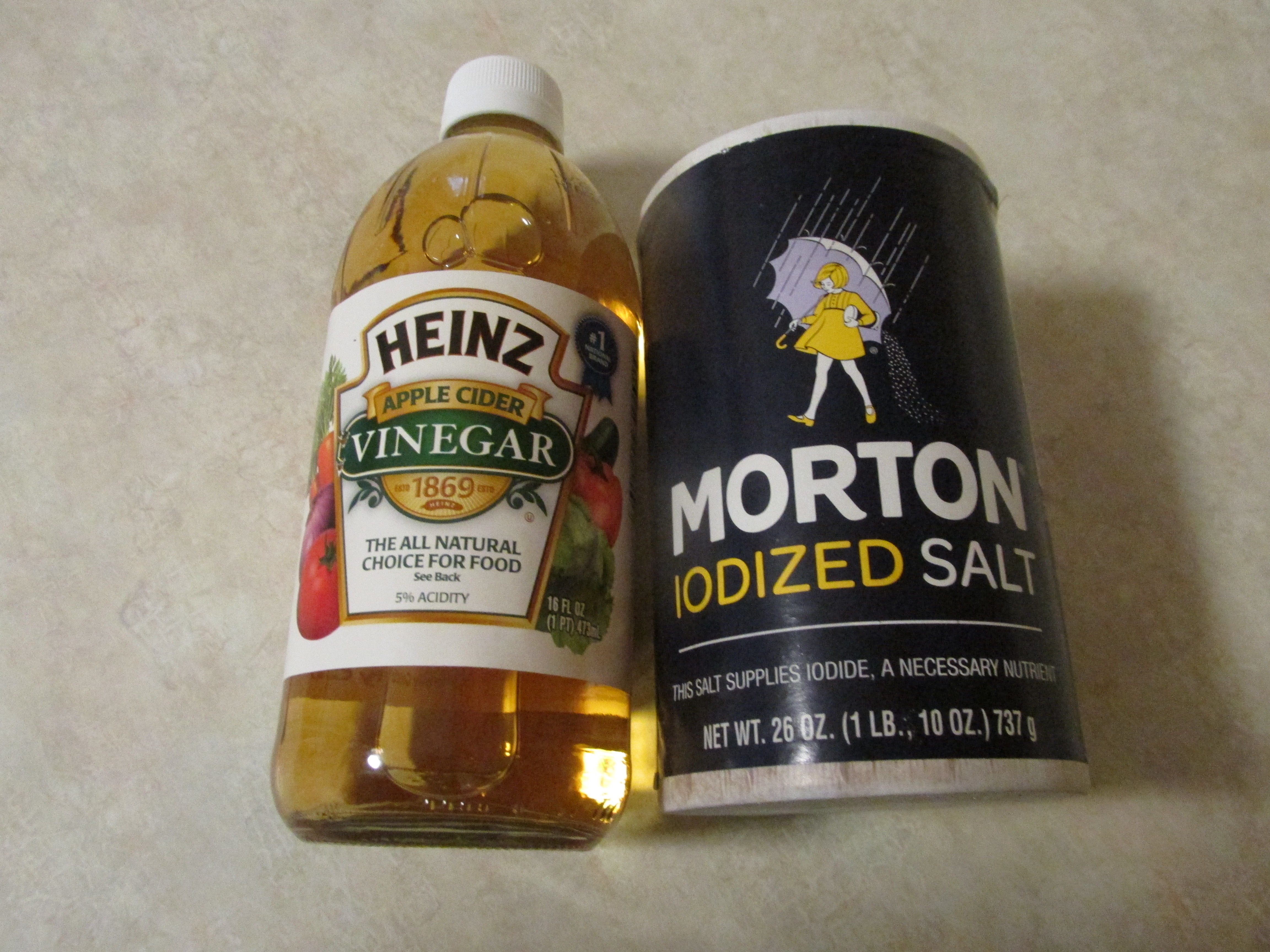
I took a cup of apple cider vinegar and poured it into a salad dressing cruet. (Use any jar that can be tightly closed.) I then added salt, a teaspoon at time. The soldiers’ recipe advises to add as much salt as the vinegar can ferment and work clear.

My vinegar didn’t foam until shaking it. I used 6 teaspoons of salt, but it might have held more.

The soldiers corked the salty vinegar liquid and set it aside. When needed, they boiled a gill of water (4 ounces), added a large spoonful of the medicine, and drank it. It was supposed to be effective for cholic (colic) and dysentery.

As always, consult physicians before using this medicinally.

I use these old cures only in my historical writing. I made this recipe but will not be taking it. I’m not recommending it. This is merely meant to be fun and educational.

-Sandra Merville Hart

Sources

A Compilation of Over One Hundred Receipts, Adapted to the Times. Confederate Receipt Book, Applewood Books, 1863.

Oates, Stephen B. A Woman of Valor: Clara Barton and the Civil War, The Free Press, 1994.


Watering Thousands of Horses During the Civil War

According to John D. Billings, author of Hardtack & Coffee, one of the typical daily bugle calls was a Watering Call. Upon hearing this call, artillery drivers and all cavalry rank and file went to the picket rope to water their horses.

This was a simple task when the army camped near a river, which was often the case. When it wasn’t, thirsty horses were ridden a mile or two—sometimes longer—to find a pond or stream.

Finding a sufficient amount of water for thousands of animals was no small task.

General McClellan had about 38,800 horses and mules after the Battle of Antietam in September of 1862. 56,499 horses and mules were in the army’s care when they crossed the Rapidan River in 1864.

All animals weren’t taken to the same stream for watering because troops spread out for miles.

A drought in the summer of 1864 brought serious problems. No rain fell for several weeks. Soldiers were hard-pressed to find enough water for themselves. They’d find an old stream where only mud remained. Scooping out holes in the mud, soldiers patiently waited for “warm, milky-colored fluid to ooze from the clay.” The water came a drop at a time until it filled a dipper for the thirsty soldier.

Hundreds of men carried empty canteens through forests and valleys in search of water.

When the drought continued, Union soldiers dug wells. To their relief, they found an abundance of water 10-12 feet below ground. These wells met the needs of soldiers and their animals.

-Sandra Merville Hart

Sources

Billings, John D. Hardtack & Coffee, University of Nebraska Press, 1993.

Villanueva, Jari. “Twenty Bugles Calls,” The United States Air Force Band, 2017/03/14   http://www.usafband.af.mil/shared/media/document/AFD-150220-028.pdf.
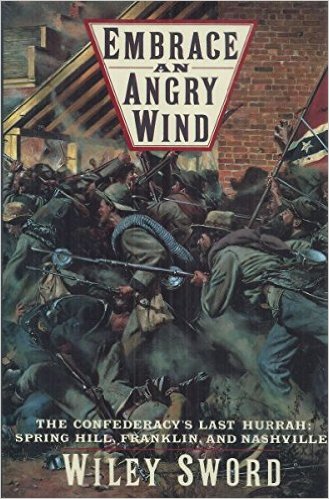
Embrace an Angry Wind by Wiley Sword

518qitw-8cl-_sx327_bo1204203200_This nonfiction resource book is about a key year in the American Civil War—1864. The subtitle “The Confederacy’s Last Hurrah: Spring Hill, Franklin, and Nashville” shows where the author concentrates but the story begins earlier in the year.

Sword weaves a true story in a way that captivates readers. Readers learn about what generals are feeling from both sides of the conflict. They also learn what privates think about what’s happening, as gleaned from private letters and diaries.

Sleet, snow, wind, and temperature all could play a part in battles—and certainly mattered to soldiers on the march. Road conditions and swollen rivers that stalled important crossings are details that transport readers back to turbulent times.

Great book for Civil War research and history lovers.

-Sandra Merville Hart

Amazon

Civil War: Confederate Soldier’s Way To Relieve Asthma

As a writer of historical novels, I love to run across remedies used in past centuries. A wonderful book, Confederate Receipt Book, contains a few cures from the Civil War era.

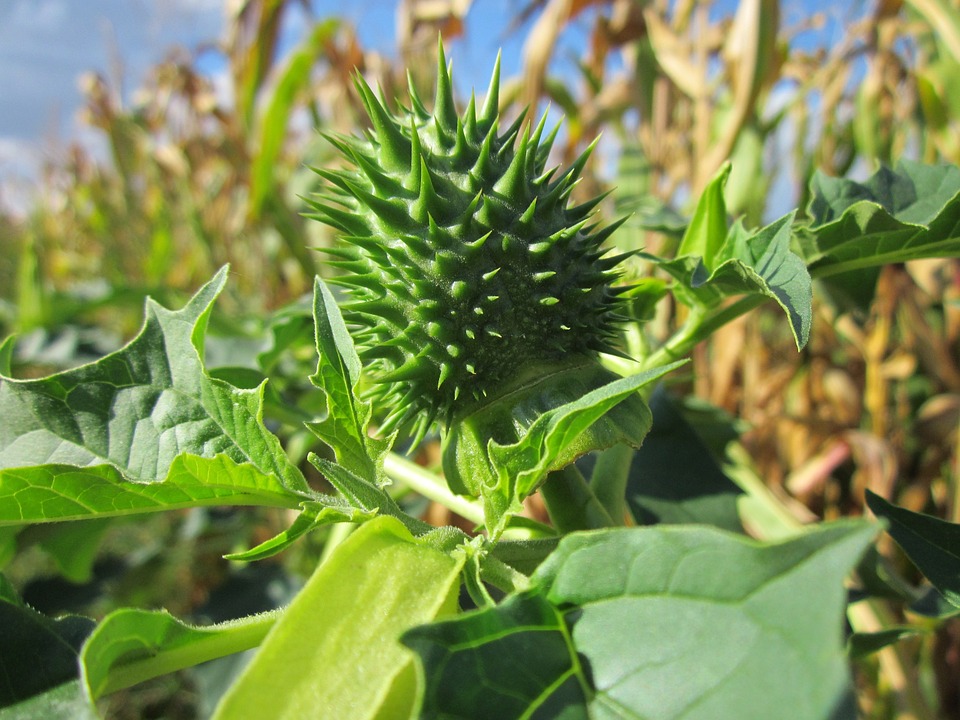
A recipe to relieve asthma called for stramonium leaves (also known as Jamestown weed) to be gathered before the frost and dried in the shade.

The dried leaves were then saturated in a “pretty strong solution of saltpetre.” There is no indication given as to how much saltpeter (a white powder with a salty taste) makes a strong solution. According to the Cambridge Dictionary, saltpetre is used in the preservation of meat as well as in the production of explosives and fertilizers.

The Confederate soldiers then smoked the saturated leaves. Inhaling the vapors helped loosen lung congestion. The soldiers cautioned that the fumes could strangle the patient if “taken too freely.”

It is not stated whether the soldiers rolled the leaves into a cigarette or inhaled them over a fire.

I wanted to know if stramonium was still being used to treat asthma these days.

This plant is considered poisonous if improperly prepared. In modern times, the juice is taken from the plant before seeds and flowers sprout. Then the juice goes through a process of dilution process. This removes the poisonous part.

It is used today to treat a variety of complaints, including asthma. It relieves chest tightness and a wheezy cough.

The home remedy sites stress that the plant is poisonous and must be prepared properly.

The soldiers also gave specific instructions about stramonium, such as drying the leaves in the shade and gathering them before the frost. They seemed to realize that the plant must be handled carefully to work best.

I don’t suggest following the soldiers’ recipe. There are too many warnings about the poisonous plant. As always, consult physicians before using this medicinally.

I use these old cures only in my historical writing. I have not followed this recipe or tried the cure. I’m not recommending it. This is merely meant to be fun and educational.

-Sandra Merville Hart

Sources

A Compilation of Over One Hundred Receipts, Adapted to the Times. Confederate Receipt Book, Applewood Books, 1863.

“Homeopathy: Stramonium, Thorn Apple/Devil’s-apple,” Herbs2000.com, 2017/03/11  http://www.herbs2000.com/homeopathy/stramonium.htm.

“Saltpetre,” Cambridge University Press, 2017/03/11 http://dictionary.cambridge.org/us/dictionary/english/saltpetre.

“Stramonium/Stram,” Home Remedy Central, 2017/03/11  http://www.homeremedycentral.com/en/homeopathic-remedies/homeopathy/stramonium.html.


Civil War – Union Shelters

cannon-144552_960_720

Barracks were often built to house Union soldiers in training camps, such as the one at Camp Cameron. These were long buildings similar to bowling alleys of the day. Barracks held a double row of stacked bunk beds separated by a center aisle. They were designed to hold a company, which was one hundred soldiers.

Most camps, though, sheltered their soldiers in tents. One of the popular designs was the Sibley tent, also known as the Bell Tent due to its resemblance to a bell. Supported by a single pole, these tents were twelve feet high and eighteen feet in diameter.

Sibley tents were large enough to house a dozen men. A cone-shaped stove warmed them in cold weather from the center. A small circular opening allowed for the stove pipe and for ventilation. This type of tent became too cumbersome for field camps and was used mainly in instruction camps.

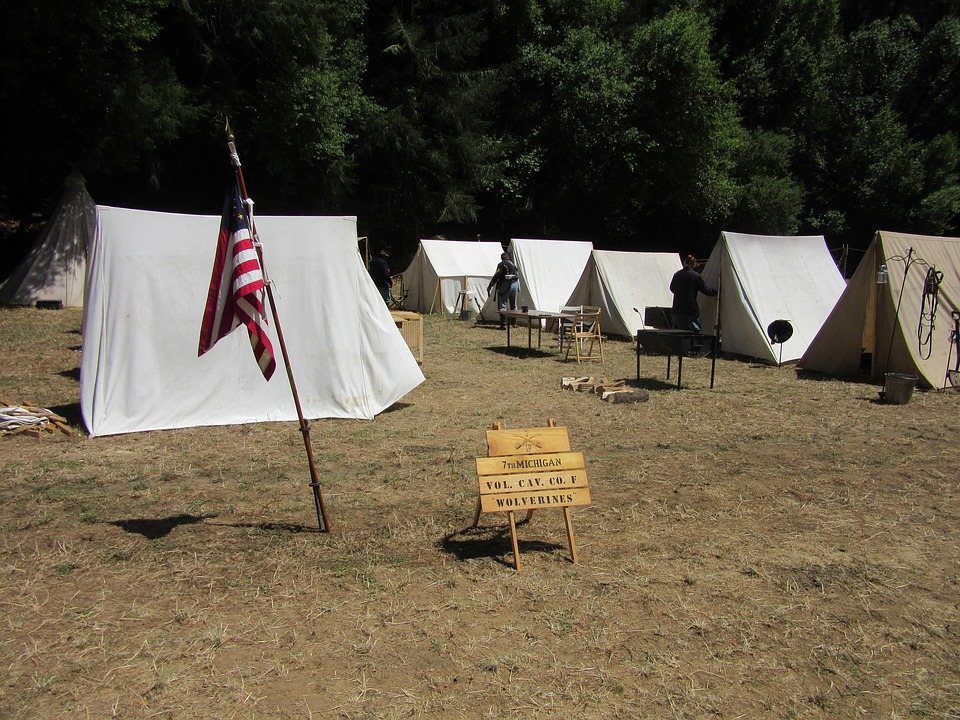
camp-1786750_960_720The A tent (also called Wedge tent) was a canvas tent stretched over a six-foot horizontal bar, supported by two upright posts. This tent resembles the letter “A.” The area inside is about 7 square feet. It was intended to sleep four. The number sometimes grew to five or six men, which made for tight sleeping quarters.

Another type was the Hospital or Wall tent. These had four upright sides and came in different sizes. Those used in field hospitals held 6 to 20 patients. These tents were often joined together to increase space by ripping the center seams.

All of these shelters were widely used by troops in training before they left their state.

Shelter tents were invented early in the war for the rank and file (privates) who carried half the tent on the march. These halves were about five feet by four and a half feet with a single row of buttons and buttonholes. These were made into a whole tent by buttoning the half shelter to a comrade’s half shelter to make a roof.

Armies on marches didn’t take the trouble to put up tents in good weather. If cold or rainy, comrades placed two muskets with bayonets in an upright position the distance of the half shelter apart. They stretched a rope between the trigger guards to make a tent ridge pole.

The infantry got so much practice that it didn’t take long to put up the tent—even after a long day of marching.

-Sandra Merville Hart

Sources

Billings, John D. Hardtack & Coffee, University of Nebraska Press, 1993.


When the Smoke Cleared at Gettysburg by George Sheldon

51abhd0rdlSo many of us are fascinated by the Battle of Gettysburg. The author shows the history from the average citizen’s viewpoint. Townspeople experienced the battle in a unique way. Unless they chose to leave when Confederate soldiers were first sighted—as many men did—those living in Gettysburg could not escape many harsh realities of war.

Sheldon includes details of when Confederate troops came to Gettysburg on June 26th—a few days before the battle.

The author quotes newspapers from Gettysburg and other local cities. Reactions from townspeople add depth and understanding for lovers of history. Three days of battle terrorized the townspeople; the aftermath continued the nightmare.

Great book for anyone interested in the Battle of Gettysburg, Civil War research, and history lovers.

-Sandra Merville Hart

Amazon