Ann’s Southern Fried Blackberry Pie

Fellow author and friend Shelia Stovall shares a family recipe from her novel with us today. Welcome to Historical Nibbles, Shelia!

by Shelia Stovall

Thank you, Sandra, for the opportunity to share my recipe for Southern Fried Blackberry pies. 

According to Wikipedia, fried pies were known as “Crab Lanterns” in the American South. This term dates back to at least 1770. It may originate from crabapple pies that had slits for ventilation, thus resembling a lantern.

In my book, Every Window Filled with Light, Mrs. Dot, the owner of Dot’s Deluxe Diner, features a different flavor of fried fruit pie each week. The idea to do this in my novel came to me while I waited in line at Habegger’s Amish Market. My mouth watered as I stared at their fried pie display. In Every Window Filled with Light, blackberry is Pastor Bob’s favorite fried pie. So, I’m sharing my mom’s recipe for Southern Fried Blackberry Pies. I’m sure she never bought a blackberry in her life. We picked wild blackberries in late June.

Mama made her pie crusts with lard, but I buy pie crusts. It needs to be at room temperature or the crust might crack.

I sprinkle powdered sugar on my cooled pies to hide flaws while mom served them plain.

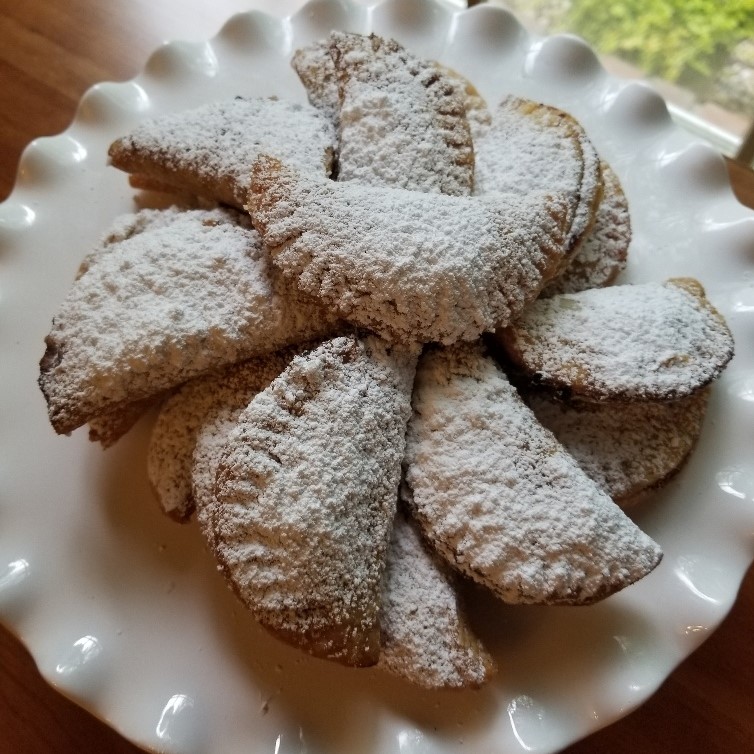
Ann’s Southern Fried Blackberry Pie

Ingredients:

  • 3 cups blackberries
  • 1 teaspoon lemon juice
  • ¾ cup brown sugar
  • 2 tablespoons salted butter
  • ¼ cup water (to dissolve corn starch)
  • 1 tablespoon corn starch
  • Vegetable oil
  • Sifted powdered sugar
  • 1 box rolled pie crust from the refrigerated section of your grocery.

Filling:

  • Combine blackberries, lemon juice, brown sugar, melted butter. Mash berries, bring the mixture to a boil, and then stir in dissolved corn starch and simmer until thickened. (About 5 minutes.) Set aside until completely cool. (About an hour.) It’s okay to store in the refrigerator overnight.
  • Unroll the pie crust on waxed paper.
  • Cut into 3 ½ inch circles with cookie cutter or glass.
  • Place 1 teaspoon of cooled blackberry mixture in the center of each circle. Moisten edges of pastry; fold in half, making sure edges are even. Press pastry edges together firmly with a fork dipped in flour.
  • Heat 1 to 2 inches of oil in a skillet to 375° (I prefer an iron skillet). Cook 4 to 5 pies at a time until golden brown on both sides, turning once. (About 2 minutes on each side.)
  • Drain well on a wire rack on a cookie sheet for at least 15 minutes and then sprinkle with powdered sugar.

Depending on the size of your pies, this recipe will make about 12 – 14 pies. You will have about a cup of filling left. I usually refrigerate this and use it on toast. Yummy!

I believe there’s a fruit for every season of life. I hope you’ll try my recipe and let me know what you think.

22 But the fruit of the Spirit is love, joy, peace, patience, kindness, goodness, faithfulness, 23 gentleness, self-control; against such things there is no law. Galatians 5:22-23 ESV.

About Shelia:

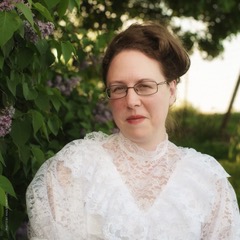
Shelia Stovall is the director of a small-town library in southern Kentucky, where only strangers mention her last name, and the children call her Miss Shelia.

Missionary travels are taking her to Africa—again. She’s the self-proclaimed worst missionary ever, but is glad God continues to send her.

Shelia and her husband Michael live on a farm. Spending time with family, especially her grandchildren, is her all-time favorite thing. The only hobby Shelia loves more than reading uplifting stories of hope is writing them.  

Connect with Shelia on her blog.

Every Window Filled with Light
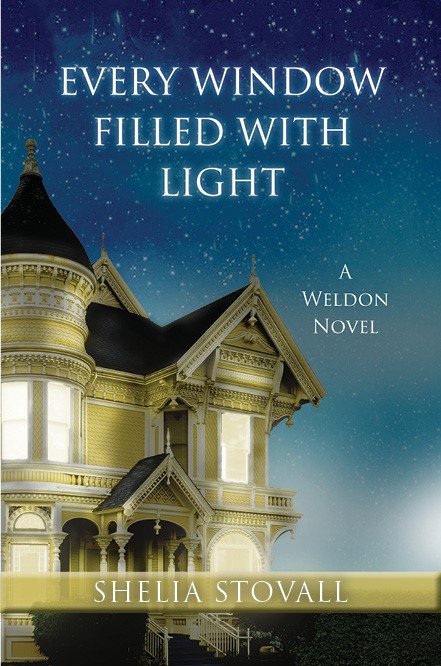
Welcome to Weldon, Kentucky, where the only things the locals love more than fried pies are gossip and match-making.

Librarian Emma Baker, a young and childless widow, believes her dream to build a family is over. It’s been two years since a student accidentally stabbed Emma’s husband to death, and her grief has stifled any interest in romance—until she meets Pastor Luke Davis. But when Emma learns Luke is counseling her husband’s killer fresh out of jail, her temper gets in the way.

Meanwhile, Emma discovers twelve-year-old Harley, abandoned by her drug-addict mother, hiding in the library, and takes the girl in as her foster mom. Then a young mother is made homeless by an apartment fire, and Emma opens her home again. One person and one prayer at a time, Emma begins to discover hope.

https://www.amazon.com/Every-Window-Filled-Light-Weldon/dp/1649491697/
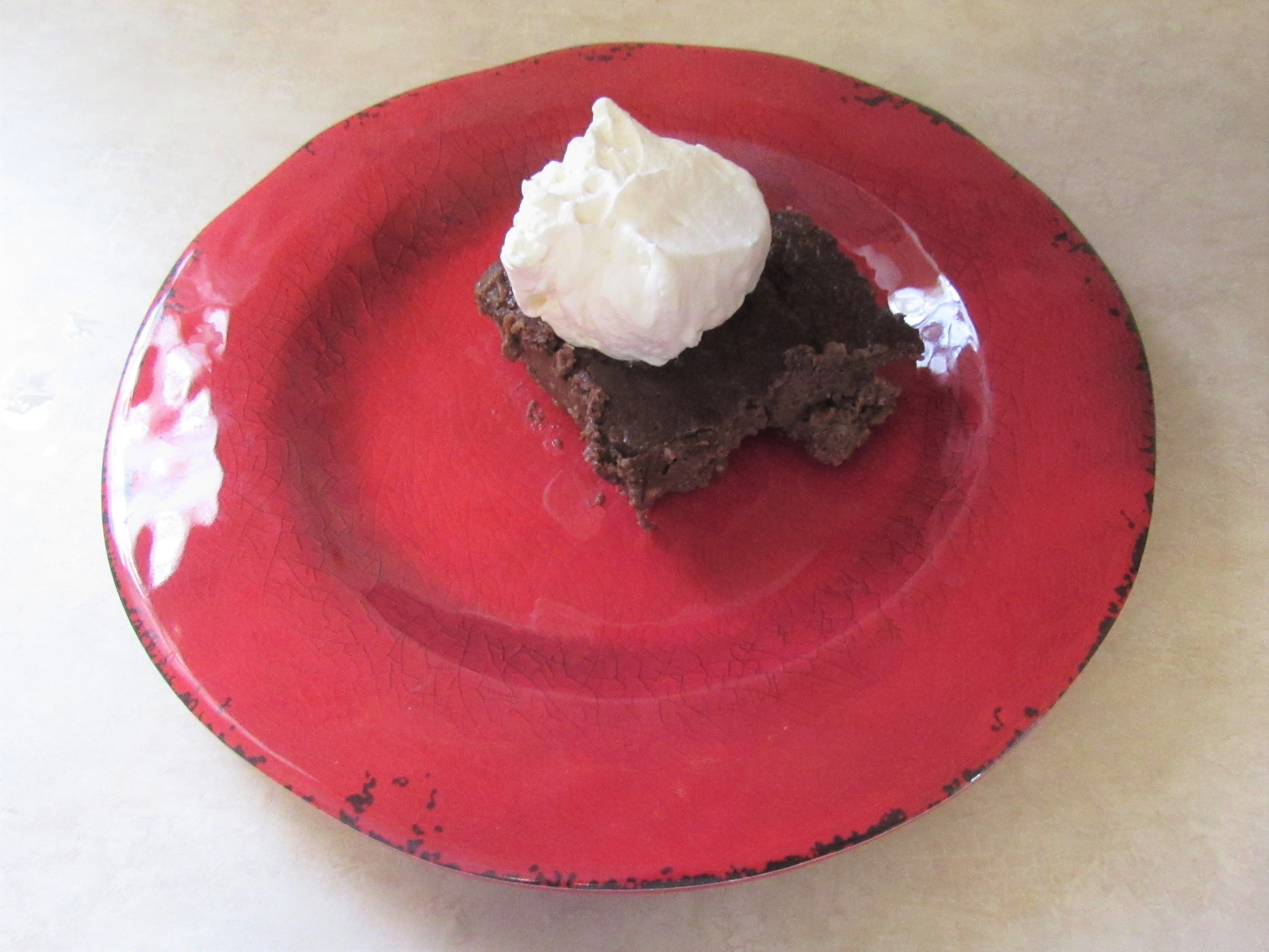

Fannie Farmer’s Chocolate Bread Pudding

I bought The Fannie Farmer Cookbook, originally published in 1896. I’ve always loved bread pudding AND chocolate desserts. I couldn’t resist trying it.

The recipe calls for homemade bread crumbs. Since I make banana bread often, I wondered how this would taste in this bread pudding. First, I made my banana bread. Using 3 bananas enhances the fruit flavor of the bread.

Preheat oven to 325 degrees.

Chop homemade bread (I used banana bread as an experiment) until you have 2 cups of crumbs.

Melt ¼ cup of butter and set aside.

Heat 4 cups of milk to scalding.

Spray or butter a 1 ½ or 2-quart baking dish and set aside.

Break 2 ounces of unsweetened chocolate into small pieces and melt them in the milk. Stir until the mixture is smooth.

Add the bread crumbs and stir until mixed. Set aside until it cools to lukewarm.

Then add the butter, 1/3 cup sugar, ¼ teaspoon salt, 1 teaspoon vanilla, and 2 slightly beaten eggs. Mix well.

Pour the mixture into the prepared dish and bake at 325 degrees for about 50 minutes or until set.

Serve it chilled with whipped cream. (If you have heavy whipping cream on hand, make you own whipped cream. You can’t beat the fresh, creamy flavor!)

I tried this without whipped cream. It’s a moist pudding. This was enough chocolate for this chocolate lover, but it overpowered the banana flavor. Whipped cream definitely enhanced this delicious dessert.

The banana bread added to the moist quality of the pudding but not to the flavor. I will use homemade white bread next time.

I’d love to hear if you try this recipe.

-Sandra Merville Hart

Sources

Revised by Cunningham, Marion and Laber, Jeri. The Fannie Farmer Cookbook, Alfred A Knopf Inc., 1983.


Fannie Farmer’s Lemon Pudding

I bought The Fannie Farmer Cookbook, originally published in 1896. I wanted a lemon dessert and found a recipe for lemon pudding in this book.

What appealed to me about this “old favorite” was its claim of “soft lemony custard on the bottom and sponge cake texture on top.”

Preheat oven to 350 degrees.

Separate 3 eggs and set aside.

Beat 2 tablespoons of butter until soft. Stir in 7/8 cup sugar a bit at a time, until the butter and sugar are blended. Add egg yolks one at a time and stir before adding the next yolk.

Stir in 1 cup of milk and 1 ½ tablespoons of all-purpose flour. Add the zest of 1 lemon and 1/3 cup lemon juice—1 large lemon provided enough juice for this recipe.

Beat the mix. The recipe said that the mixture will look curdled, which mine didn’t. I blended the butter and sugar completely—perhaps that made a difference. Set this mixture aside.

Using a mixer, beat the egg whites until they are at soft peaks. Fold this gently into the batter.

You can use a 1 ½ quart baking dish or ramekins for individual servings as I did. (Mine made 7 servings.) Prepare with cooking spray and spoon into the dish(es). Set in a pan and pour hot water around the dish until it is halfway up the side.

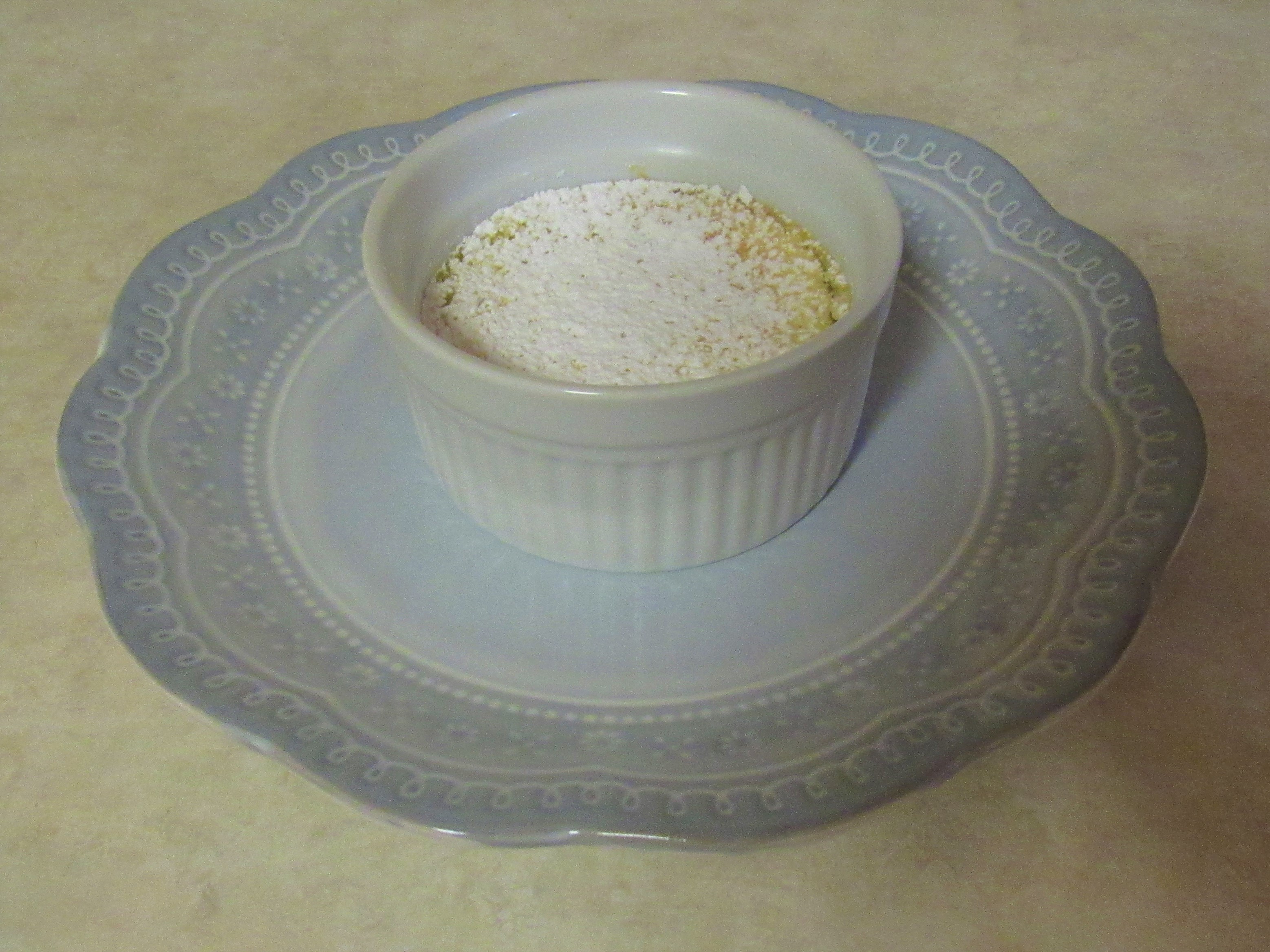
Bake in preheated oven at 350. If using 1 large dish, bake 50-60 minutes or until very lightly browned. Individual dishes take less time, about 30-35 minutes. When it was cool, I sprinkled powdered sugar over the top. Serve cool or cold.

Delicious! Both my husband and I thought that the lemony flavor of the dish was plenty. The two different textures—custard on the bottom and sponge cake on top—made it a unique dessert. We loved it!

I will make this again.

-Sandra Merville Hart

Sources

Revised by Cunningham, Marion and Laber, Jeri. The Fannie Farmer Cookbook, Alfred A Knopf Inc., 1983.


Mom’s Yellow Cake

by Sandra Merville Hart

My mom has been gone for several years. I always miss her but I find myself thinking of my parents more often during the holidays.

After I got married, I loved being invited to dinner at their house—especially when there was no specific reason. “Come to supper on Thursday,” she’d call me to say. “No need to bring anything since you’ll be working all day. I’ll make a cake.”

What a precious invitation! No need to worry about supper. My mom was cooking. And she’d make dessert. She often made yellow cake because the ingredients were readily available. I got nostalgic for that cake and recently made it.

Here’s her recipe:

(Makes 2 9-inch layers)

2 ½ cups sifted cake flour

1 tsp. salt

3 ½ tsp. double-acting baking powder

1 2/3 cups sugar

2/3 cup shortening (I use butter)

¾ cup milk

Blend all these ingredients thoroughly by hand or mixer on medium speed for 2 minutes. Add:

½ cup milk

3 eggs

1 tsp. vanilla

Blend by hand or mixer on medium speed for 2 minutes. Spray cake pans with cooking spray and pour the batter into the prepared pans. Bake at 350 degrees about 35 minutes or until lightly browned. If using self-rising flour omit baking powder and salt. Cool and frost.

Just reading the recipe took me back in time to my mom’s kitchen where she blended everything together in her stand mixer. We’d get a spoon of leftover batter from the bowl. Yum!

Hint: I didn’t have cake flour but this is easily remedied. Remove 2 tablespoons of flour per cup of all-purpose flour and replace with 2 tablespoons of cornstarch.

This makes a nice, creamy batter. Remember to sift the flour—it removes any clumps and lightens the batter.

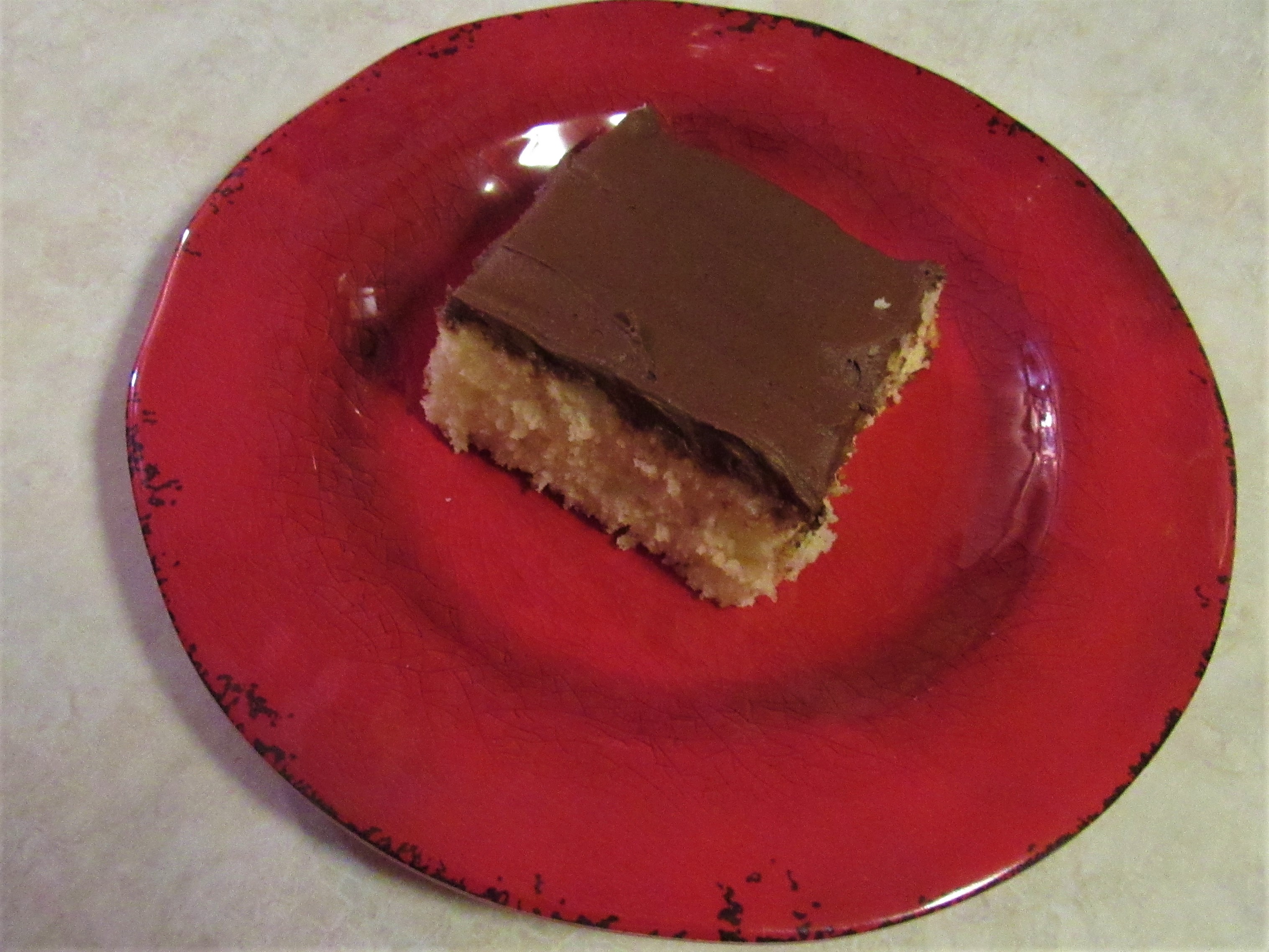
We usually ate unfrosted cakes because we didn’t have confectioners powdered sugar to make the icing. When my mom did make icing, it was either vanilla or chocolate. I no longer have her icing recipe. I made chocolate buttercream frosting.

Delicious! It’s a basic yellow cake yet the flavor took me back to my childhood when desserts were a rare treat. It was my mom’s “go-to” cake when guests arrived unexpectedly.

I hope you enjoy the cake!

Sources

“Chocolate Buttercream Frosting,” Live Well Bake Often, 2020/12/13

https://www.livewellbakeoften.com/chocolate-buttercream-frosting/.

Keto Chocolate Mousse

by Sandra Merville Hart

I planned to make dessert for a family gathering over the holidays. My son-in-law, who has been following the Keto diet for months, asked me to make something he could eat without cheating.

Since I was making a frozen chocolate mousse pie for everyone else, I decided to make a version for him that he felt good about eating.

Searches online revealed lots of possibilities. I settled on a Quick Keto Chocolate Mousse, partially because I had all the ingredients in my fridge or pantry.

I melted unsweetened baking chocolate and used it instead of cocoa powder. My zero-calorie sweetener was Sweet’N Low because the package contained a great chart showing exactly how many packets equaled ¼ cup, 1/3 cup, ½ cup, and 1 cup of granulated sugar. The original recipe calls for ¼ cup powdered zero-calorie sweetener.

To ensure there was leftover dessert, I tripled the recipe.

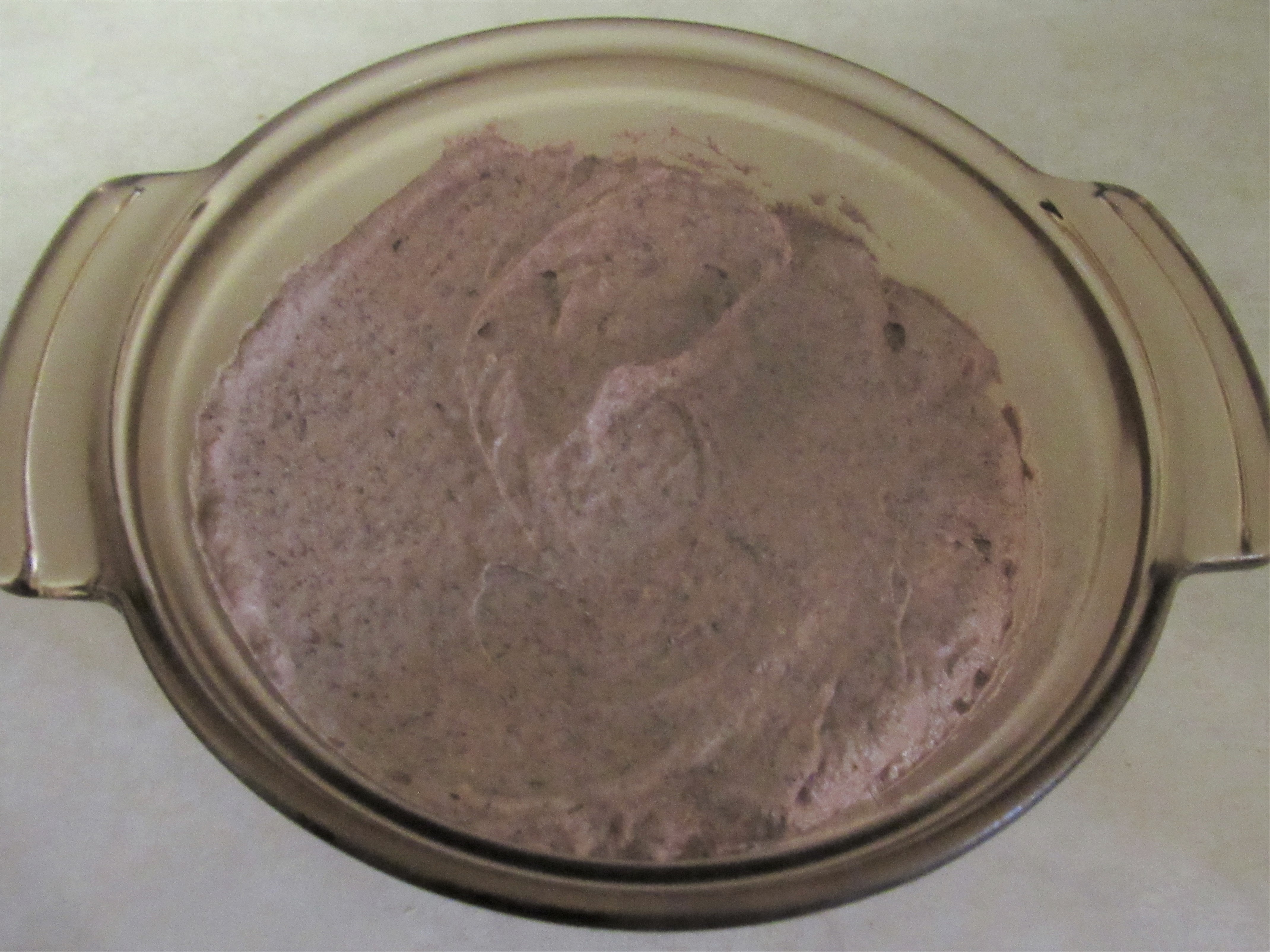
What an easy dessert to prepare! My son-in-law was thrilled to enjoy chocolate mousse while everyone else ate pie.

You might prefer a different sweetener.

I’m so glad I tried it. Keto lovers, let me know what you think if you make it.

Sources

“Quick Keto Chocolate Mousse,” Allrecipes, 2020/11/26 https://www.allrecipes.com/recipe/270598/quick-keto-chocolate-mousse/.


Flaounes


by Sandra Merville Hart

I’ve been watching The Great British Baking Show and learning a lot about dishes that are new to me. Even more helpful is The Great British Baking Show Masterclass, where talented bakers Paul Hollywood and Mary Berry demonstrate their own recipes.

Paul Hollywood demonstrated a recipe for flaounes, a new dish to me. With the cheese filling baked with the pastry, it looked delicious. I watched him prepare the flaounes several times and wrote down all the instructions.

Finding the ingredients for this Cypriot pastry challenged me. I found Pecorino Romano cheese at a cheese shop while on vacation. The shop sold a wide variety of cheeses but I didn’t recall the name of the Halloumi cheese at the time. I found it later at a specialty grocery store.

Semolina flour is a new flour for me. My local grocer carries it.

I wasn’t able to find sultanas, which are made from green seedless grapes. I substituted raisins for sultanas.

Mahlepi, a Greek spice, wasn’t available in specialty grocery stores near more so I left it and the mastic powder out of my recipe. I’m certain this made a difference in the flavor, but I have to say it was delicious without them too.

Other than those differences, I followed his recipe. May I say that I appreciated his skills with pastry more than ever after making the dough. There is something to be said for years of experience.

Flaounes are a completely new flavor for me. The Halloumi cheese, a crumbly wet cheese, was also new to me.

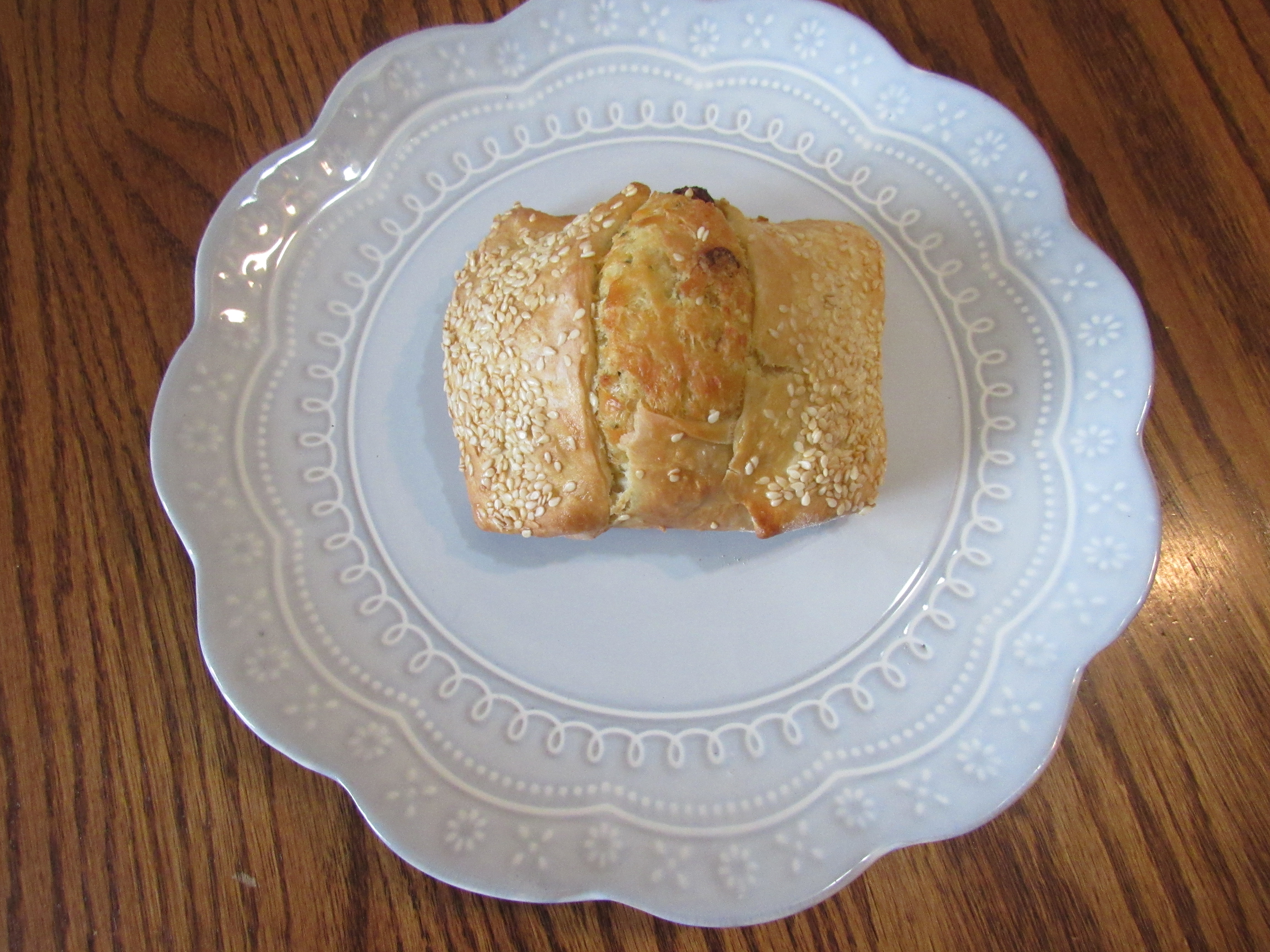
The cheese filling really made the whole dish. It’s a filling lunch. I ate several bites before deciding that I really liked it.

I’m so glad I tried it. Let me know what you think if you make it.

Sources

“Flaounes,” BBC Food, 2020/11/23 https://www.bbc.co.uk/food/recipes/pauls_flaounas_89782.

“Raisins vs Sultanas vs Currants: What’s the Difference?” Healthline, 2020/11/23

https://www.healthline.com/nutrition/raisins-sultanas-currants.

New Year’s Day Dinners in the 1870s

by Sandra Merville Hart

My dad always wanted black-eyed peas as a side dish on New Year’s Day. He said that it brought good luck into the new year. I’ve carried on this tradition for my family.

Looking for ideas for meals to serve on the first day of the year?

Here are some suggestions for New Year’s Day from an 1870s cookbook.

Suggestions for meat dishes:

Raw oysters, mock turtle soup;

Boiled turkey with oyster sauce;

roast haunch of venison, currant jelly;

deviled crabs;

cold sliced ham

There were plenty of side-dishes:

Beets, stuffed cabbage, potato souffle, baked turnips, lima beans, dried corn, canned pease (peas);

Indian bread, French rolls, biscuits, rye bread;

Chicken salad;

Celery, cold slaw garnished with fried oysters, pickled walnuts, variety of pickles;

Plums, peaches, sweet pickled cucumbers, gooseberries, spiced currants

There were lots of dessert choices:

English plum pudding, Bohemian cream; Orange souffle,

Pies—mince, potato, and chess;

Cakes—black, Phil Sheridan, pyramid pound;

Oranges, figs, nuts, raisins

Beverage choices were coffee, tea, and chocolate.

If you are wondering what to serve for New Year’s Day dinner, there are plenty of choices here!

Sources

Compiled from Original Recipes. Buckeye Cookery and Practical Housekeeping, Applewood Books, 1877.


Peppernuts

by Sandra Merville Hart

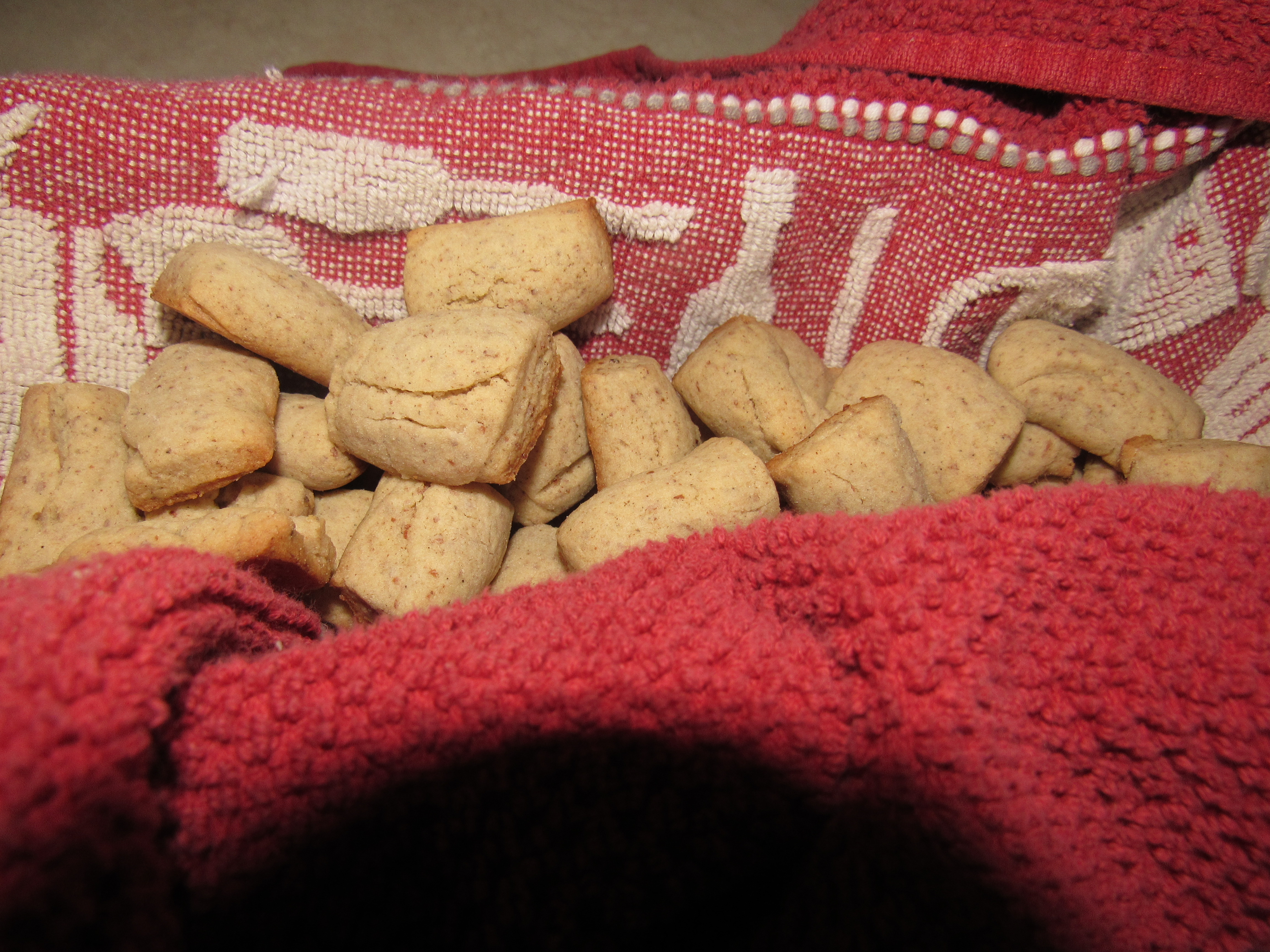
I recently found that Christmas dinner in the 1870s included lots of desserts. One of them was a cookie called peppernuts. This Danish cookie is also known as Pfeffernusse. To my knowledge, I’ve never eaten or even seen this cookie and decided to try it.

There are no nuts or pepper or spices in the 1870s by Mrs. Emma G. Rea, so I imagined the cookie earned its name from being small-sized. I found a modern recipe that contained ground almonds and several spices—cardamom, cinnamon, ground cloves, allspice, and nutmeg. I decided to make both recipes and compare.

For the 1870s recipe, combine 1 cup of sugar with ½ cup butter until completely blended. Stir in 2 beaten eggs and 2 tablespoons of milk.

Mrs. Rea’s recipe then calls for “flour enough to roll.” There’s a lot of guesswork with these historical recipes. I started out with 1 cup of flour and mixed in 1 teaspoon of baking powder with it. Then I added a ¼ cup of flour at a time until it was just “enough to roll,” about 1 ¾ cups in total.

I chilled the dough for about 30 minutes.

I used a method from the modern recipe that suggested rolling the dough into half-inch ropes and slicing into half-inch pieces. This was quick and easy.

Bake at 375 degrees 8 – 10 minutes or until lightly brown.

The cookies flattened out in the baking, so I’ll increase the flour next time I bake them to 2 cups.

These cookies were delicious! What an easy cookie recipe with ingredients usually kept on hand. The cookies reminded me of vanilla wafers, even though there is no vanilla in them. Family who tried them went back for more again and again.

I then made the modern recipe that used ground almonds and several spices. Delicious! I chilled this dough about 30 minutes the same as the first recipe. These cookies use more flour and retained their shape in the oven.

My husband prefers the old-fashioned recipe. They are so different that it didn’t seem like the same cookie to me. I liked them both.

Sources

Compiled from Original Recipes. Buckeye Cookery and Practical Housekeeping, Applewood Books, 1877.

Ojakangas, Beatrice. “Peppernuts, Food Network, 2020/11/23 https://www.foodnetwork.com/recipes/peppernuts-recipe-1955898.

Pita Bread Recipe

Today’s post is by fellow author, Patricia Meredith. We both have stories in Christmas Fiction off the Beaten Path, a collection of inspirational Christmas stories. Sandra’s nostalgic story is about a hard-working family  man in a difficult place called “Not This Year.” Patricia’s story was inspired by the song “Mary, Did You Know?” Welcome to Historical Nibbles, Patricia!

 by Patricia Meredith

Joseph was working late again, so it was just me and Jesus. I cut up his lamb into small pieces, praying that maybe this time hed eat the meat without complaint.

Like most children Id known, he hadnt yet acquired a taste” for meat, but it seemed to me the only thing he had acquired a taste for was bread. Bread for every meal. My hands were growing sore with all the kneading.

You cannot live on bread alone!” I cried when he refused once again to touch anything else before him.

His lips puckered and his eyes widened, and then he shoved in another fistful of bread.

I shook my head. At least he was growing.

                                   — “Mary, Did You Know?” by Patricia Meredith

Like Mary, I love baking bread. One of my favorites is a simple Pita Bread recipe that makes a delicious, chewy bread perfect for wrapping around fresh vegetables and hummus. It’s cooked in a cast-iron skillet, which means if you cook it over an open fire, you get that nice outdoor smell and flavor added to the food, reminiscent of the way Mary might have cooked it in her home.

INGREDIENTS:

1 cup warm water

1 packet (2 ¼ tsp) active dry yeast

2 ½- 3 cups all-purpose flour

2 tsp salt

1 tablespoon olive oil (+1-2 T olive oil for cooking)

DIRECTIONS:

Mix the water and yeast and let stand for about five minutes. Add salt, olive oil, and 2 ½ cups of flour. Mix until combined and then knead with more flour for about 5-7 minutes. The dough should be smooth and elastic. Try to be sparing with the extra flour—less is better.

Run a little olive oil into a clean bowl, roll the dough in the oil, and then let the dough rest in the bowl, covered, until it’s doubled (about 1 hour).

Turn the dough out and divide it into smaller pieces. Depending on how thick you like your pita, you can usually get about 12-16 out of the risen dough. Using a floured rolling pin, roll each piece into a flat circle.

Heat a cast-iron skillet over medium heat. Drizzle oil in the pan. Lay a pita on the skillet and bake 1-2 minutes, until the bubbles start to form, keeping an eye on it. It should get toasted spots on it. Flip again and cook another 1-2 minutes on the other side. It should puff up, forming small pockets.

Remove from heat and cover with a towel. Eat hot and fresh!


About Patricia:

Patricia Meredith is the author of historical and cozy mysteries. She currently lives just outside Spokane, Washington on a farm with peacocks, ducks, guinea fowl, chickens, and sheep. When she’s not writing, she’s playing board games with her husband, creating imaginary worlds with her two kids, or out in the garden reading a good book with a cup of tea. Check out her blog at Patricia-Meredith.com, or follow her on Instagram and Facebook at @pmeredithauthor.

“Mary, Did You Know?” is one of the stories included in the Christmas Fiction Off the Beaten Path anthology. Ask for it at your favorite bookstore.

Amazon

Mom’s Chicken and Dumplings

by Sandra Merville Hart

My mom made chicken and dumplings fairly often when I was growing up. As the cold weather approaches, this is still one of my favorite comfort meals. My family likes it almost as much as I do, especially my husband. My grandmother rolled out dumplings but my mom used a recipe for “drop” dumplings, which I like because it’s quicker.

3 chicken breasts

1 quart of chicken stock or chicken broth or 1 quart of water with 5 chicken bouillon cubes

3 cups all-purpose flour

1 ½ teaspoons salt

4 ½ teaspoons baking powder

6 tablespoons Crisco shortening

1 ½ cups milk

Cover chicken with broth (or chicken stock or water with bouillon cubes) in a crockpot and cook on low at least five hours or until tender.

When chicken is done, remove from broth and allow it to cool. Save this broth. Then shred the meat with 2 forks.

In a large saucepan, add the reserved broth and chicken. Bring to a low boil.

Sift together the flour, salt, and baking powder. Add shortening and blend it into the flour mixture with a pastry blender or a fork. Stir in milk until blended together.

When the broth gently bubbles (on medium to medium high heat) drop the dumplings into the broth by rounded teaspoon.

Cook about 10-15 minutes and then serve.

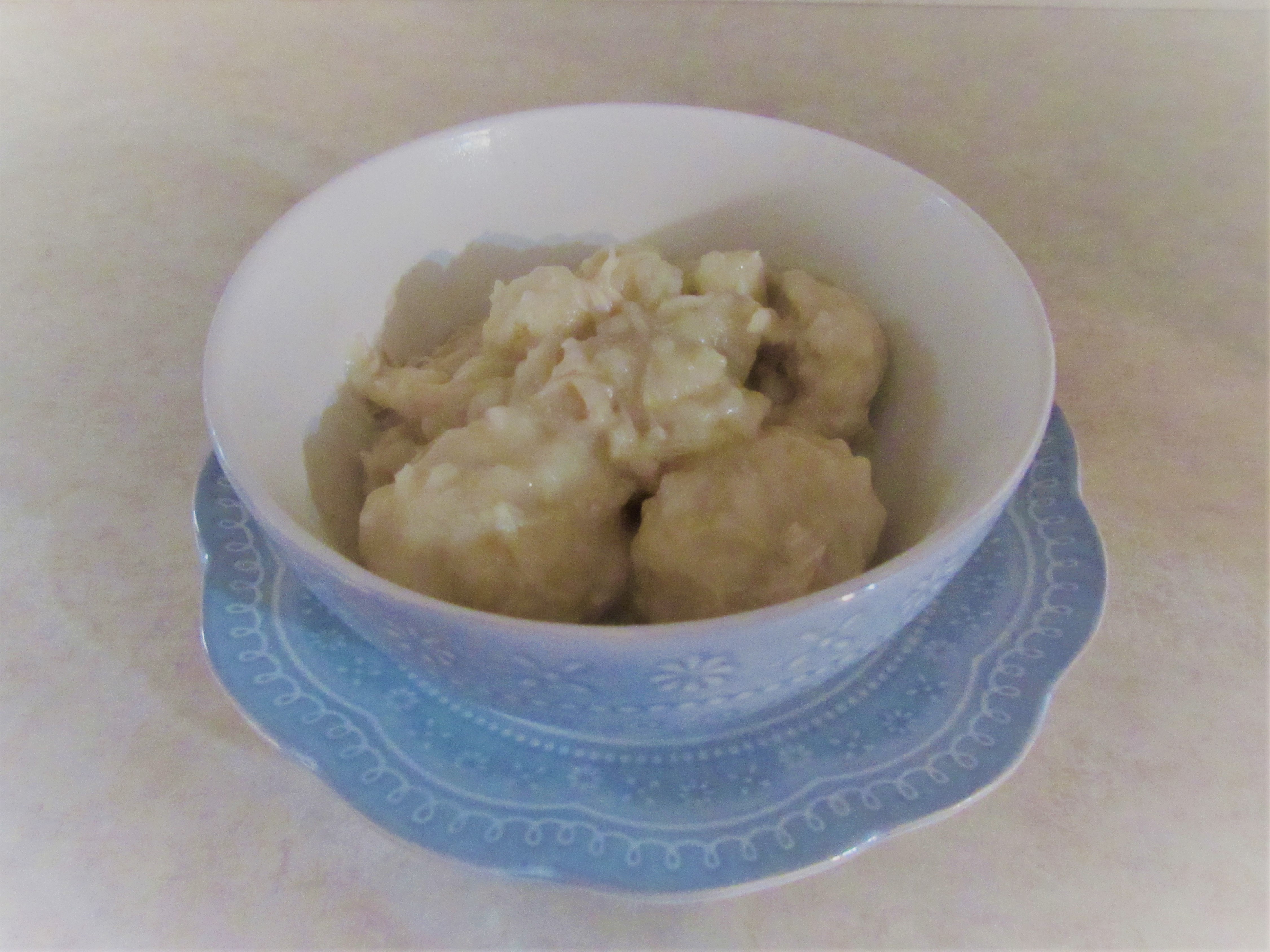
I’d love to hear if you try this recipe. Enjoy!