Last Confederate Surrender

by Sandra Merville Hart

Most people believe the Civil War ended when Confederate General Robert E. Lee surrendered his Army of Northern Virginia to Union General Ulysses S. Grant at Appomattox on April 9, 1865. Not exactly. There were several other Confederate armies that had to surrender.

Rather than surrender, Colonel John S. Mosby, leader of “Mosby’s Raiders,” disbanded his cavalry troops on April 21, 1865.

General Joseph E. Johnston’s Army of Tennessee surrendered at the Bennett Place to Union General Sherman with the final agreement signed on April 26, 1865.

Lieutenant General Richard Taylor surrendered his  Department of Alabama, Mississippi, and East Louisiana to Union Major General Edward Canby at Citronville, Alabama, on May 4, 1865.

Major General Dabney Maury surrendered his  Confederate District of the Gulf  to Union Major General Edward Canby at Citronville, Alabama, on May 4, 1865.

Brig. General M. Jeff Thompson surrendered his  Sub-District of Northwest Arkansas at two Arkansas locations, Wittsburg and Jacksonport, on May 11, 1865.

Brig. General William T. Wofford surrendered his Department of North Georgia    to Union Brigadier General Henry M. Judah in Kingston, Georgia, on May 12, 1865.

Lieutenant General Edmund Kirby Smith, commander of Trans-Mississippi Department, signed a surrender aboard the USS Fort Jackson just outside Galveston Harbor on June 2, 1865.

Cherokee General Stand Watie surrendered his First Indian Brigade at Doaksville on June 23, 1865.

After General Lee’s surrender, the other Confederate armies soon followed.

Yet the last surrender may surprise you, for this one didn’t even take place in the United States.

The CSS Shenandoah was purchased in England for the Confederate States Navy in 1864. Formerly the Sea King, the ship was converted to a warship in the Atlantic Ocean near the Spanish coast. Confederate Lt. James Iredell Waddell commanded the ship.

Waddell renamed the ship CSS Shenandoah. It required at least 150 men to sail and operate the warship. When he left the coast of Spain, he had only recruited 43 men for his crew. Since the ship’s task was to disrupt Union shipping, Waddell and his officers decided to increase its crew from the capture of Union ships.

They sailed toward the Cape of Good Hope and then toward Melbourne, Australia, successfully capturing Union ships, cargo, and crews. Some ships were burned or sunk and others were ransomed. The officers and crew of CSS Shenandoah had been quite successful in pursuing Union merchant ships when they had to stop for repairs on January 25, 1865, in Melbourne, Australia.

The crew grew from captured crew members just as Waddell had hoped.

After repairs were completed, Waddell sailed the Pacific Ocean in search of the American whaling fleet and captured ships near the equator in April. The CSS Shenandoah had set sail for the Bering Sea when General Robert E. Lee surrendered at Appomattox on April 9, 1865, though Waddell, being in the middle of the ocean, was unaware of this first of several surrenders. He continued his pursuit of Union merchant ships.

Upon reaching the Bering Sea on June 21st, the CSS Shenandoah captured two whalers the next day. Captain Francis Smith of the William Thompson informed Waddell that the war had ended. Waddell didn’t believe him and burned both the William Thompson and the Euphrates as Union ships.

If the war had ended as Captain Smith claimed, future capture of Union ships risked a charge of piracy. Unconvinced, Waddell continued his mission.

Thirty-eight ships had been captured or destroyed by the CSS Shenandoah when Waddell learned of the war’s end from a source he trusted. The crew of the Barracouta, a British ship, gave him the news on August 2, 1865.

Hoping to escape being charged with piracy and hung, Waddell sailed for Liverpool, England. The 9,000-mile voyage took three months. The ship’s crew, fearing capture if it replenished supplies at a port, never stopped. Union ships pursued the CSS Shenandoah the whole journey.

Waddell surrendered in Liverpool to the HMS Donegal on November 6, 1865. It was the final surrender of the Civil War.
Sources

History.com Editors. “CSS Shenandoah learns the war is over,” A&E Television Networks, 2020/12/28 https://www.history.com/this-day-in-history/css-shenandoah-learns-the-war-is-over.

Marcello, Paul J. “Shenandoah 1864-1865,” Naval History and Heritage Command, 2020/12/28 https://www.history.navy.mil/research/histories/ship-histories/confederate_ships/shenandoah.html.

Plante, Trevor K. “Ending the Bloodshed,” Prologue Magazine National Archives, 2021/01/04 https://www.archives.gov/publications/prologue/2015/spring/cw-surrenders.html.

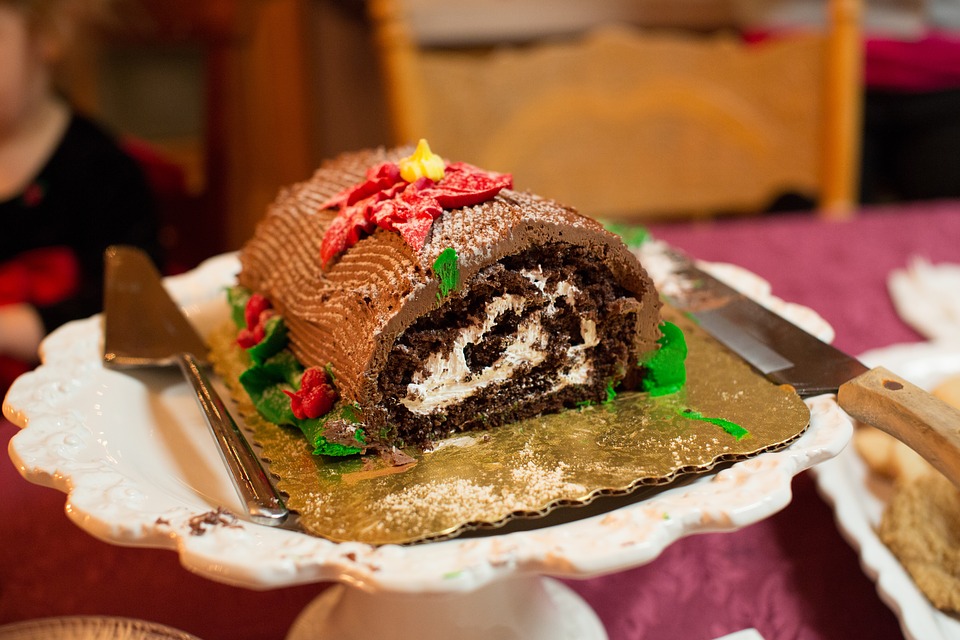


A Christmas Tradition: Yule Logs

by Sandra Merville Hart

The custom of burning logs around the time of the winter solstice dates back to 5000 BC in Egypt and the time of Moses.

“Yule” logs were first used around winter solstice by the Vikings in an outdoor celebration of longer days that were coming. They brought the celebration to Britain when they invaded them.

The custom of burning yule logs moved inside homes in the fourth century.

By 1066, most British communities celebrated the custom, which continued for the next 700 years. Late winter or early spring was the time to cut a yule log from their land or a friend’s land for the next year’s celebration. The large log that had to burn for the 12 twelve days of Christmas was dragged home and set to dry.

Spices, wine, and rum were periodically rubbed into the log. When burning, the spices gave a pleasant perfume-like aroma to remind everyone of the gifts of the Magi.

It was brought into the home on Christmas Eve. After the church bells rang that day, it was lit from a piece of last year’s yule log. Folks considered it a bad sign if the log didn’t light on the first attempt.

After the fire started, the family symbolically burned the year’s misfortunes by tossing sprigs of holly into the hearth. The Christmas story was told. The family played games and sang songs before eating a meal prepared over the yule log’s fire.

For the remainder of the 12 days of Christmas, the women tended the fire because it was considered bad luck for it to die out early. A small piece of the yule log was then saved to ignite the next year’s fire.

Centuries passed. As huge hearths became a thing of the past, the yule logs were only required to burn 12 hours.

The French replaced the traditional yule log with a buche de Noel. This log-shaped cake was served after Christmas Eve’s midnight mass.

So, yule logs are usually a sweet treat these days.

It’s fun to learn the surprising history behind this modern holiday tradition.


Sources

Collins, Ace. Stories Behind the Great Traditions of Christmas, Zondervan, 2003.

“Yule Log,” Wikipedia, 2020/11/13 https://en.wikipedia.org/wiki/Yule_log.


A Christmas Tradition: Christmas Stockings

by Sandra Merville Hart

Modern Christmas stockings are large enough to hold fruit and small gifts, but this tradition had humble beginnings.

Hundreds of years ago, poor children often had only one pair of stockings (socks) so they washed them each night and hung them by the fireplace to dry. The next morning, they donned warm, dry stockings.

A priest named Nicholas ministered to families in his town of Patara and the whole area of what’s now known as Turkey in the fourth century. Nicholas, a wealthy man who became an archbishop while still in his twenties, had a generous heart for poor families, especially children.

Metaphrastes, a Christian author who lived in the tenth century, wrote that Nicholas learned of a poor widower while traveling outside his parish. He and his three teenaged daughters were starving to death. The father considered selling one of them into slavery to provide dowries for the others so at least two could marry, but he couldn’t do it.

The desperate father prayed for help. That night, some one opened a window, dropped a gold coin in the oldest daughter’s stocking, and quietly left.

The widower thanked God for the miracle. The coin was used to provide a dowry for his daughter and she was married. Then a gold coin was found in the next daughter’s stocking one morning. She was soon married. Later, the same thing happened for the youngest daughter. It always happened when Nicholas was nearby.

Adults and children in the region began checking their stockings daily. Nicholas traveled often to perform his duties and was known for his generosity.

It was around 350 when Nicholas died on December 6th. It became known as St. Nicholas’s Day. Children hung their stockings the night before hoping to find a treat the next morning. Often, they found one.

Stockings were associated with St. Nicholas’s Day for centuries. Then a poem by Clement Clarke Moore called “A Visit from Saint Nicholas” was published in 1823. It later became known as “’Twas the Night Before Christmas” and changed the date the stockings were hung to Christmas Eve.

Traditional gifts in stockings are symbolic. Oranges symbolize Nicholas’s gift of gold to the widower and his daughters. Apples are for health. Walnuts are for good luck.

It’s fun to learn the surprising history behind this modern holiday tradition.

Sources

Collins, Ace. Stories Behind the Great Traditions of Christmas, Zondervan, 2003.

Spivack, Emily. “The Legend of the Christmas Stocking,” Smithsonian Magazine, 2020/11/13 https://www.smithsonianmag.com/arts-culture/the-legend-of-the-christmas-stocking-160854441/.


A Christmas Tradition: Christmas Trees

by Sandra Merville Hart

About a thousand years ago, people living in what is now Scandinavia were captivated by the way evergreen trees survived their harsh winters. They chopped down the trees and took them into their homes in the hopes they’d bring strength to survive the winter season.

The French and Germans hung evergreen trees upside down from the ceiling in the twelfth century, a practice that continued for about 200 years.

In December, fir trees, called “paradise trees,” were placed outside Catholic churches during medieval times in Europe’s Baltic region. Apples were hung on its branches for a play about Adam and Eve.

Fir trees were displayed on the ground in homes instead of hung from the ceiling by late in the 16th century.

Martin Luther, after a walk in the forest on a moonlit night, is generally credited with placing the first lit candles on a Christmas tree. To him the evergreen tree represented God’s everlasting love for us. The hope that the birth of Jesus brought into the world was symbolized by the candles or lights on the tree.

Americans of German descent living in Pennsylvania in the 1820s are said to have brought the tradition of Christmas trees to the United States to stay. It took the marriage of Prince Albert of Germany to Queen Victoria of England for the tradition to really take hold in the United States.

Toys, candy, popcorn, and candles decorated those Victorian trees.

It was easy for those living in rural areas to chop down an evergreen tree for their home. Those in cities had a tougher challenge. In 1851, Mark Carr recognized the need. He filled a large horse-drawn carriage with evergreens and sold them in a vacant lot in New York City.

Lots like that one can be found in cities and towns today. An estimated 81% of homes display an artificial tree, but there’s something about the traditional sight and smell of a real tree that keeps others buying them year after year.

Sources

“Christmas Trees,” Encyclopaedia Britannica, 2020/11/12 https://www.britannica.com/print/article/115737.

Collins, Ace. Stories Behind the Great Traditions of Christmas, Zondervan, 2003.

Kennedy, Lesley. “How 25 Christmas Traditions Got Their Start,” History, 2020/11/12

https://www.history.com/news/christmas-traditions-history.

Cyber Monday Sale!!!

40% Off Plus FREE Standard Shipping at ShopLPC.com with Coupon Code CYBERMONDAY40

Yes, this includes my books!

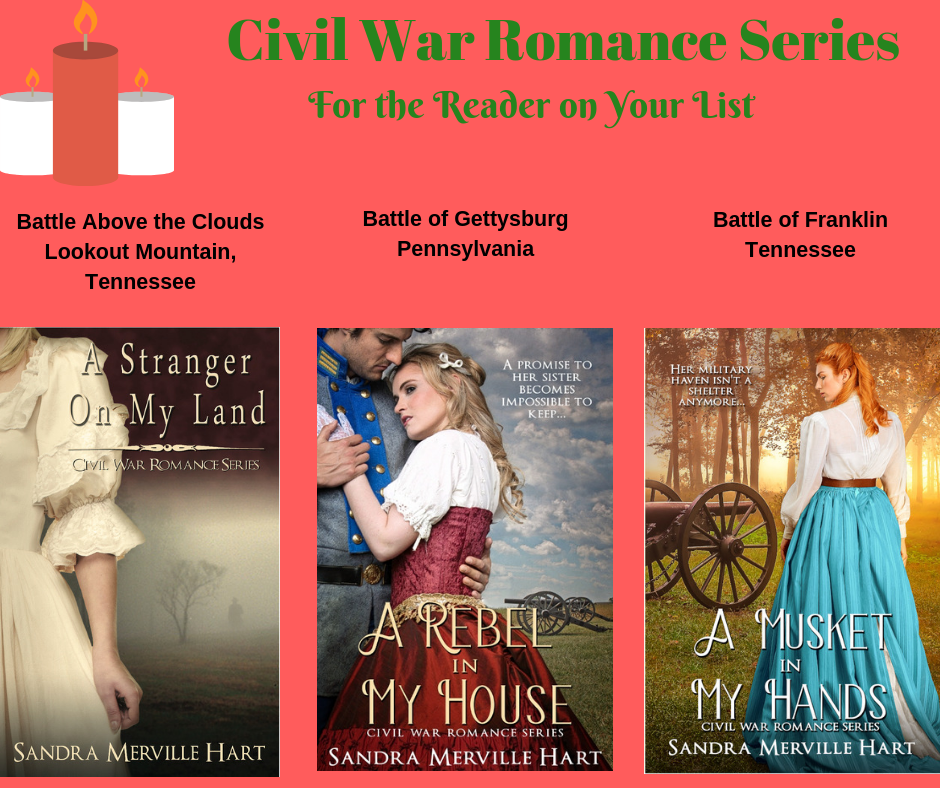
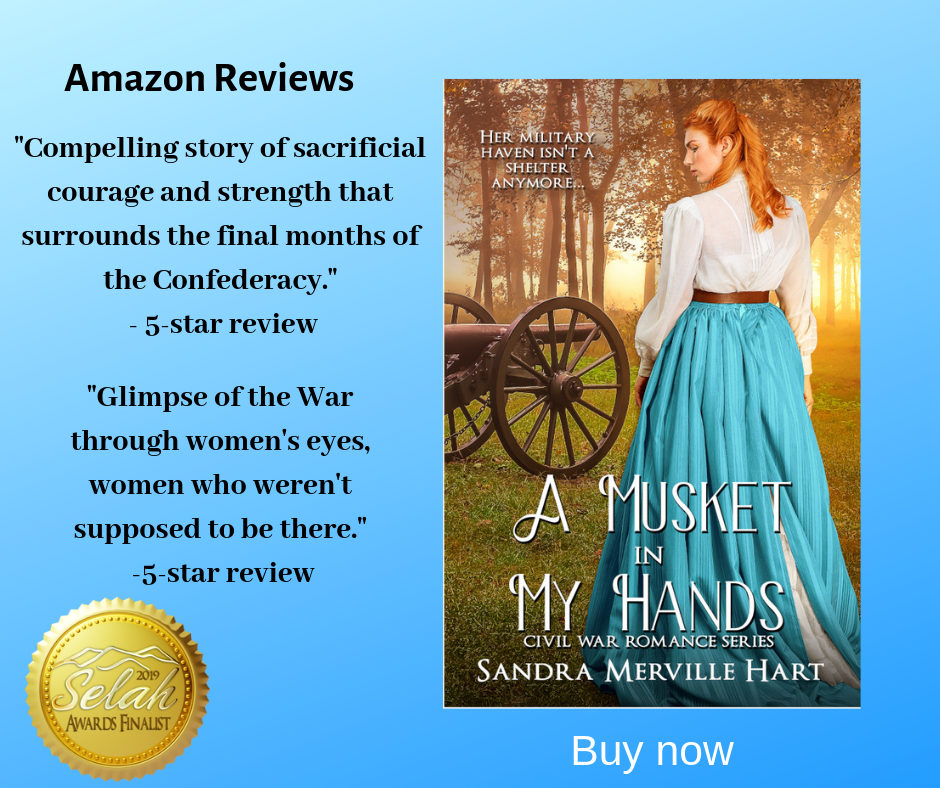
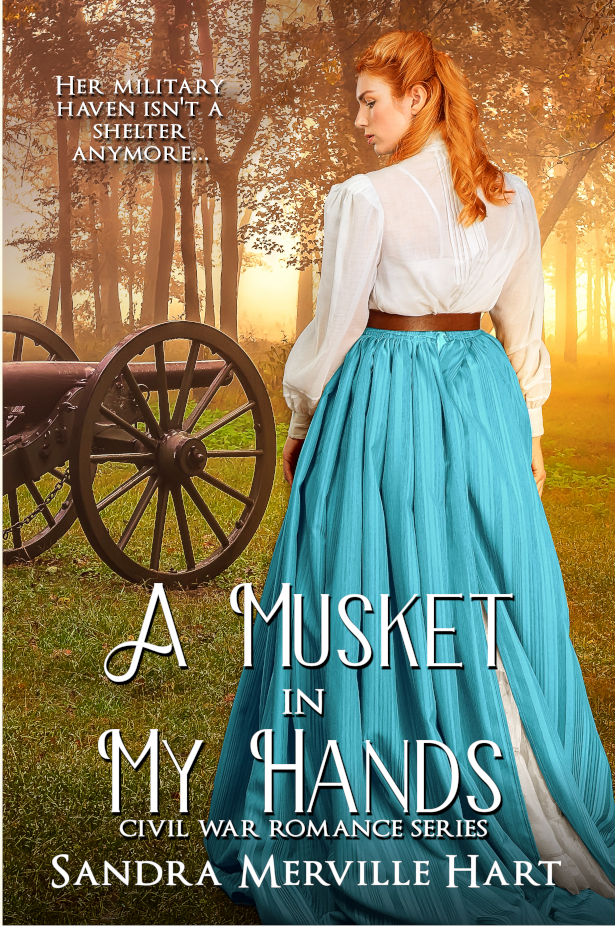
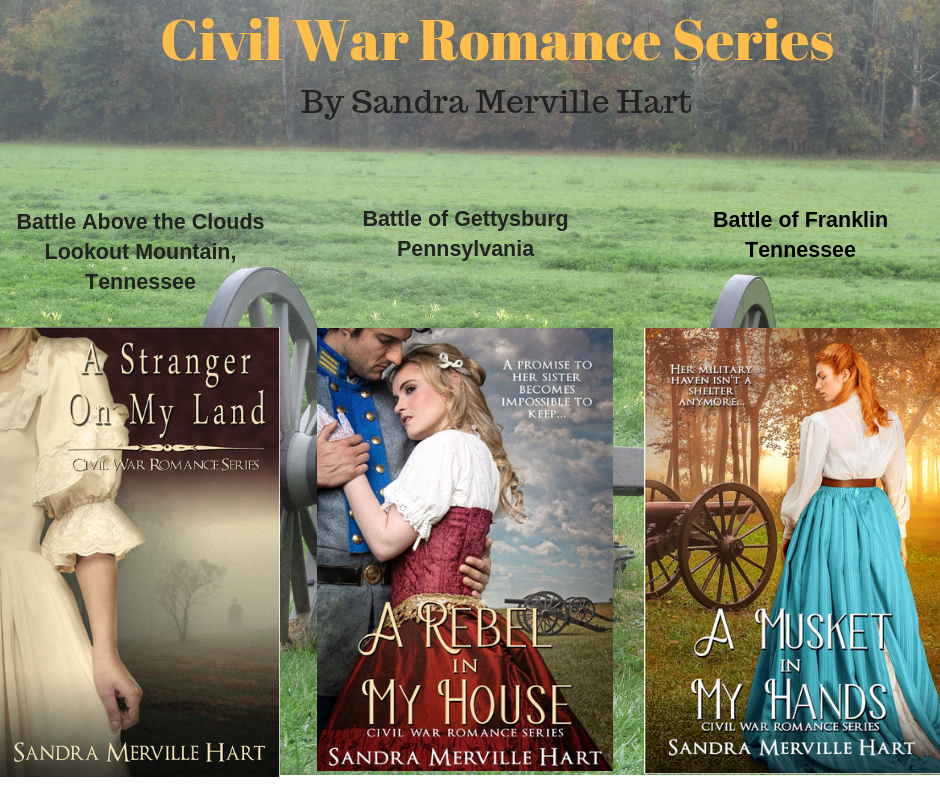
A Musket in My Hands

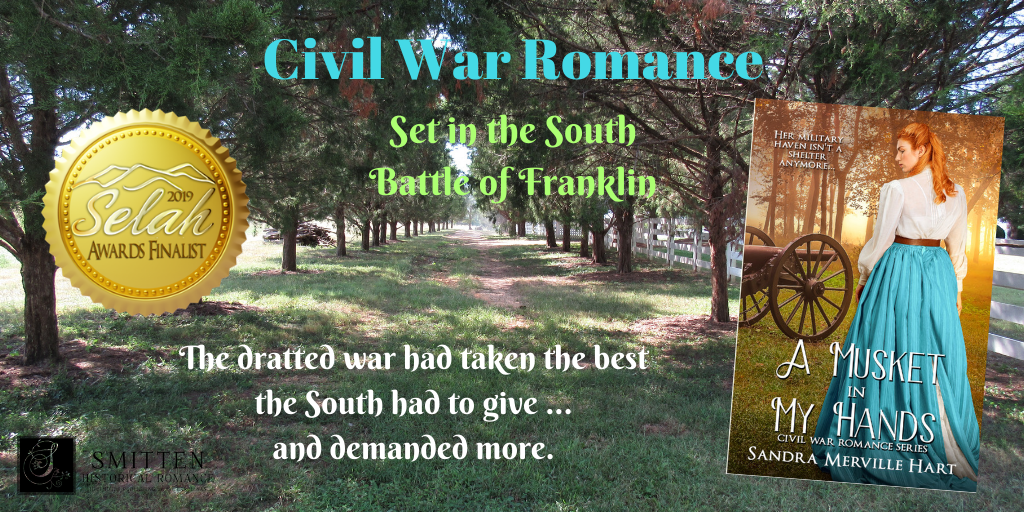
Two sisters have no choice but to join the men they love and muster into the Confederate army and in the fall of 1864—in time for things to go very badly for Southerners at the Battle of Franklin. This book is 2019 Serious Writer Medal Fiction Winner and a 2019 Selah Award Finalist.


ShopLPC

A Rebel in My House

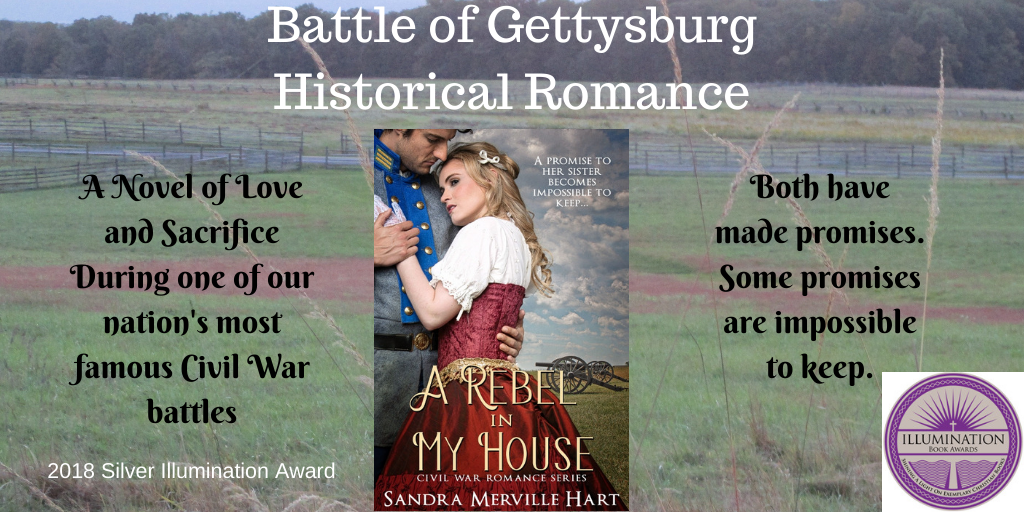
A wounded Confederate soldier on the first day of battle leaves a Gettysburg seamstress with a heart-wrenching decision. Both have made promises. Some promises are impossible to keep. This book won the 2018 Illumination Silver Award and second place in 2018 Faith, Hope and Love Readers’ Choice Award. 

ShopLPC

A Stranger in My House

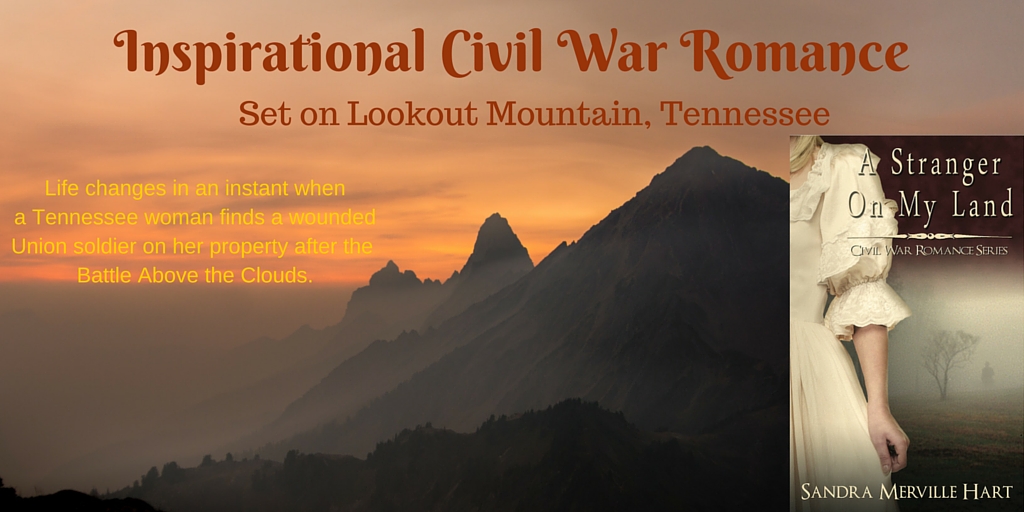
A young woman finds a wounded Union soldier outside her Tennessee home in this 2015 IRCA Finalist and Christian Small Publishing Book of the Year 2016 Finalist.

ShopLPC

The Cowboys

Taming the West … one heart at a time

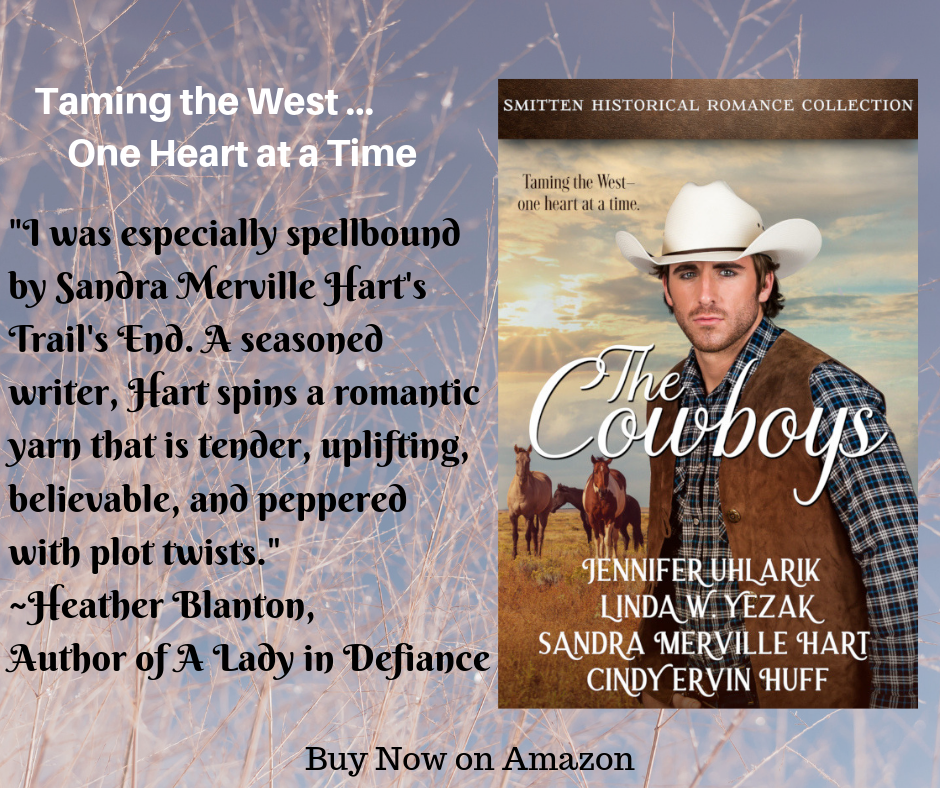
Hart’s novella, Trail’s End, in “Smitten Novella Collection: The Cowboys” is set in the wild cattle town of Abilene, Kansas, in 1870.

ShopLPC


Mt. Zion Ridge Press is also having a Cyber Monday Sale!

From November 30 – December 2, all books are 10% off with the coupon code CYBER

Yes, this includes my books!

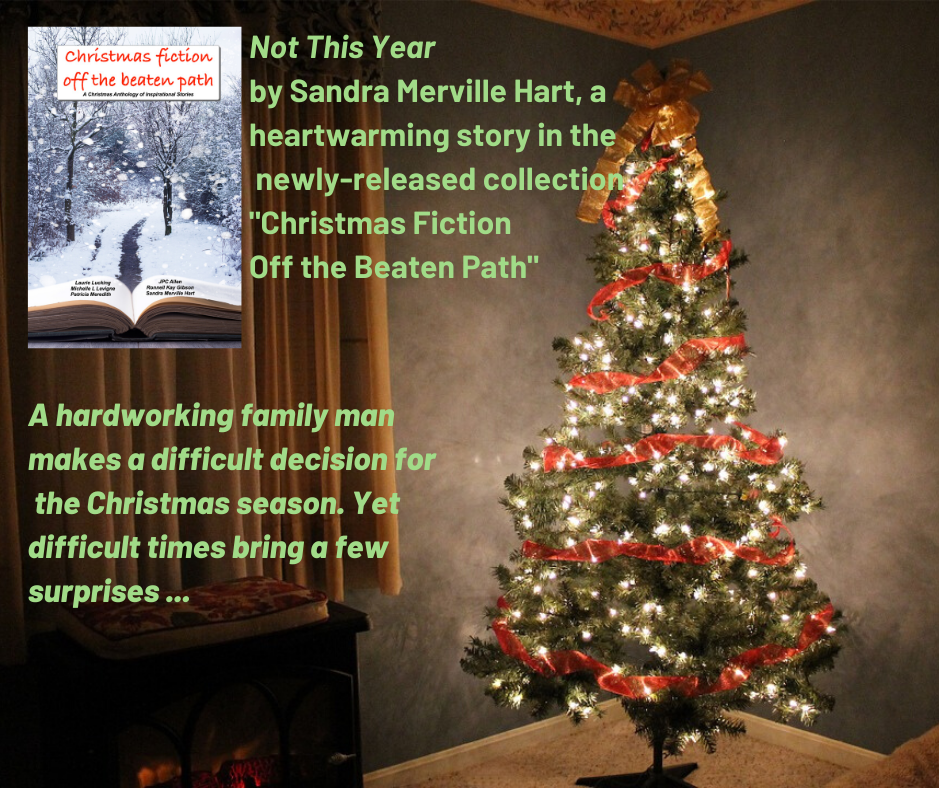
Christmas Fiction Off the Beaten Path

Not This Year in “Christmas Fiction Off the Beaten Path,” is Sandra Hart’s heartwarming, nostalgic story of a hardworking family man facing difficult times at Christmas.

Mt. Zion Ridge Press

From the Lake to the River

A collection of stories set in Ohio by Ohio authors

Everyday citizens become heroes in Sandra Hart’s Surprised by Love novella in “From the Lake to the River,” set during the 1913 flood in Troy, Ohio.

Mt. Zion Ridge Press


Interview with the Heroine of A Musket in My Hands

by Sandra Merville Hart

Today I am interviewing the heroine of my Civil War romance, A Musket in My Hands, Callie Jennings. I hope you enjoy meeting this feisty, courageous woman from Tennessee!

1) Callie, just where is Cageville, Tennessee? What is your home like?

The town of Cageville is in western Tennessee. It was named for Licurgus Cage, one of our first merchants. The town became known as Alamo in 1869. They renamed it as a memorial to folks who died at Battle of the Alamo—and to Davy Crockett.

Our farm is about a mile outside of town. We don’t have any close neighbors, just lots of trees near our cleared fields. Empty now, except for an acre plot that I planted to keep us from starving. I hope it’s too small for the Yankees to notice it much.

The biggest city nearby that you might have heard of is Jackson. I’ve never been there, but Louisa—my sister—and I told our soldier comrades that we came from a place outside of Jackson. We didn’t want the other soldiers to find out where we were from and tell our pa where to find us.

2) What are the living conditions like where you are in the summer of 1864?

Oh, things are bad. After the Yankees took our crops, Pa stopped planting. Said he wasn’t going to plow and plant just so the Yankees could steal it from us.

Louisa works at the mercantile. They pay her in food so that helps put meals on the table. I planted a garden, hoping the Federal soldiers that ride by our farm don’t take notice of it. It’s not much, but that food should keep us alive this winter.

 Other folks in town are doing about the same as us.

3) I hear your pa is a Confederate ranger. What are he and the Confederate soldiers fighting for? And has it been worth the toll it’s taken?

Yep, Pa is too old for soldiering, but he found a way to fight for his country. He and his friend, Ezra Culpepper, joined a cavalry guerrilla group. They go out on missions and then come home, pretending to be nothing more than average citizens while in town.

I know the South needs all the help they can get to win this war, but I hate what being a ranger has done to my pa. He never used to drink like this. I think he drinks to forget about those missions.

4) Are you really engaged to your pa’s friend? Rumor has it that your heart belongs to someone else.

No! I’m not going to marry a man thirty years my senior, no matter what Pa agreed to on my behalf. Pa’s mind is made up so I have to figure out something.

 I love Zachariah Pearson. Zach never courted me before the war and now the fighting is about all he thinks of. But I’m the only girl in town he writes to—I know because I asked all the other single ladies. That makes me special, doesn’t it?

5) Tell us something about your true beau, Zach?

Oh, what I could tell you about Zach. We’ve been friends since his aunt and uncle took him in after his parents drowned. That was when he was fourteen, eight years ago. It was a tough time for him. He and his cousin, Nate McClary, grew as close as brothers.

Zach is a handsome man, especially in his Confederate gray. I love his green eyes and the way his brown hair curls right before it gets cut. I always thought he might court me … and then the war started. He trained at Camp Trenton in September of 1861. I’ve only seen him on his furloughs since then.

6) How would you describe yourself?

Oh, I’m not much to look at. Louisa takes after Ma. With her blue eyes and blonde hair, she’s the real beauty of the family. She knows it, too.

I got my auburn hair from Pa. His brown eyes, too. My hair is curly so I have to keep it pinned in a bun on top of my head. Wish I was prettier, though. Maybe Zach would notice me.

7) How do you plan to avoid marriage to your pa’s friend and how does your sister, Louisa, fit into all this?

Oh, Louisa’s got a plan. She’s the adventurous one. She’s been reading newspaper reports about women disguising themselves as Confederate soldiers. She’s been after me to muster into the army to avoid marrying Mr. Culpepper.

But Louisa has her own reasons for joining the army. She’s heard reports that her fiancé, Nate McClary, has been flirting with other women. I don’t want to think badly of him … but I’m afraid the reports are true.

8) Disguising yourselves as men to join the Confederate army is risky. Aren’t you worried your disguises might be found out?

Louisa and I have done our best to disguise ourselves as men so we can muster into the army. I’ve sewn trousers, coats, and blouses for both of us. Louisa sewed padding onto our underclothing to hide our shapes. Our blouses and coats fit loosely so that should help.

We’ve practiced walking like men, talking like men.

 I hope we’re ready.

Back Cover Blurb for A Musket in My Hands

Can I count on you in times of great need?”

 Callie Jennings reels from her pa’s decision that she must marry his friend, a man older than him. Her heart belongs to her soldier hero, Zach Pearson, but Pa won’t change his mind. Callie has no place to hide. Then her sister, Louisa, proposes a shocking alternative.

Zach still hears his pa’s scornful word—quitter. He’s determined to make something of himself as a soldier. He’ll serve the Confederacy until they win the war. If they win the war.

Callie and Louisa disguise themselves as soldiers and muster into the Confederate army in the fall of 1864. Times are tough and getting tougher for their Confederacy. For Callie, shooting anyone, especially former countrymen, is out of the question—until truth and love and honor come together on the battlefield.

Available at Lighthouse Publishing of the Carolinas

Underground Railroad Location Inspires an Author

Fellow author and friend, Bettie Boswell, shares historical inspiration for her debut novel. Welcome to Historical Nibbles, Bettie!

by Bettie Boswell

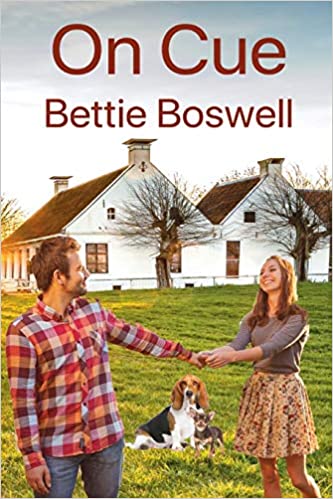
Setting is important to any story, and though my debut novel is a contemporary Christian romance, a historical backdrop plays a major role. My heroine in On Cue has written a musical involving her town’s involvement in the Underground Railroad, in order to save the local historical museum from financial ruin. One of the featured homes in the story was inspired by a real station on that road to freedom for many people escaping slavery, the Lathrop Home in Sylvania, Ohio.

For many years family lore claimed the home as part of a lesser used route to freedom in Canada but there was no actual proof until a renovation took place in the late 1930’s. The new construction uncovered a hidden room next to a brick oven in the basement of the Lathrop’s home. Lucian and Larissa Lathrop, the original home owners, held strong religious beliefs that led them to support the Underground Railroad despite laws that forbade their involvement. They along with their neighbors, David and Clarissa Harroun, helped the runaways by hiding them in that secret room or in the Harroun barn (now part of the Flower Hospital complex) and then made arrangements for the travelers to head north to Detroit where they could cross the river into Canada. David Harroun had a wagon with a false bottom so he could transport former slaves up and down the trail to freedom. There was a known slave catcher in the nearby Maumee area so the Sylvania families did face danger in their endeavors. Making the choice to save the life of a former slave proved their dedication to aide a fellow human.

In On Cue I renamed the home, Woodson House, but the spirit of the Lathrop house lives on as my inspiration.


Back Cover Blurb

When a college sweetheart used Ginny Cline’s dreams for his own glory, he stole her joy of composing music and her trust in men. Years later, encouraged by prayer and a chance to help the local museum, she dares to share her talents again. Unfortunately a financial backer forces her to place her music and trust into the hands of another man.

Theater professor Scott Hallmark’s summer camp benefactor coerces him into becoming the director of Ginny’s musical. The last thing he needs is another woman who uses him to get what they want, especially an amateur who has no idea what they are doing.

As Ginny’s interest in Scott grows, her confusion arises over Honey, a member of Scott’s praise band. Mix in a couple of dogs and quirky cast members for fun and frustration as the couple work together to discover that forgiveness and trust produce perfect harmony.

Amazon

About Bettie

Bettie Boswell is an author, illustrator, composer, teacher of music and second graders, who lives with her minister husband and tuxedo kitty. She adores her two sons and her grandchildren. On Cue is her debut full length novel. She has published shorter works in anthologies, magazines, and the education market.

It’s Show Time!

It’s a pleasure to welcome Ann Tatlock, a dear friend and gifted writer, to Historical Nibbles. Ann’s newest historical novel releases this month—what an amazing book! Read my review. Welcome to Historical Nibbles, Ann!

by Ann Tatlock

Who doesn’t love to be entertained? Most of us like to kick back of an evening and tune into our favorite live-streamed show or the latest movie to hit NetFlix or Hulu. But before the internet age bombarded us with entertainment options, before DVDs and videotapes, before televisions came into our homes and movie theatres came to Main Street, even before radio became popular, there was …Vaudeville!

In those days, stretching from the 1880s to the 1930s, people gathered to watch real live performers sing and dance, perform magic acts or animal acts or comedy routines or short plays, spin plates, juggle knives, recite poetry, do acrobatics. The possibilities were as endless as the talent crowding the theater bill.

Performers who joined Vaudeville troupes traveled specific circuits, some considered small-time, others big-time. The two largest were the Keith Circuit in the East, including the coveted Palace Theater in New York City, and the Orpheum Circuit in the West.

The life of these stage performers was far from glamorous. It was a peripatetic life as they journeyed the circuits, moving from one city to the next, often traveling all night by train to reach the next theater in time for tomorrow’s matinee. Seedy hotels were standard, and home-cooked meals were a rarity.

But hope of success drove them on. Whether they played the smallest house with the three-piece orchestra (a piano, a stool and a piano player) or a large 1,200-seat theater with full orchestra pit, Vaudevillians made sure the show went on because today’s performance might be their lucky break. From small-time, to big-time, to Broadway…that was the dream.

And certainly most of them dreamed of stardom. A few found it. Some went on to become successful on the radio, in the movies and, later, on television. Charlie Chaplin, Bob Hope, Judy Garland, Fred Astaire, George Burns and his wife Gracie Allen—these are just a few of the names from Vaudeville that are remembered today.

For every big star, though, there were many more “fallen stars,” whose lights burned out and whose names were forgotten. But they have stories too, untold yet still significant and often beautiful. It was these forgotten ones who inspired me to write The Names of the Stars.

The Names of the Stars is the story of Annalise Rycroft, a young girl who dreams of stardom even as she fears becoming lost to the “surplus population.” Against a backdrop of Vaudeville and the Spanish flu pandemic, Anna’s life is changed when she has an unexpected encounter with some of the characters from her favorite book, A Christmas Carol. Jacob Marley, Mr. Fezziwig, and Tiny Tim’s unnamed brother all work to assure Anna of God’s great love for every individual, no matter how seemingly insignificant.

Purchase link: Lighthouse Publishing of the Carolinas

Ann Tatlock is an award-winning novelist and children’s book author. In 2013, she founded Heritage Beacon, the historical fiction imprint of LPC/Iron Stream Media, and served as its managing editor for six years. She and her husband have one grown daughter and make their home in North Carolina. Please visit her website at www.anntatlock.com.

Radford Gatlin’s Store Gives a Town a Name


by Sandra Merville Hart

Settlers from the eastern states of North Carolina, South Carolina, and Virginia had lived in the area of Tennessee now known as Gatlinburg almost a half-century before Radford Gatlin arrived.

North Carolinian Radford Gatlin came to White Oak Flats with his wife and a slave woman in 1854. He purchased property around the mouth of Roaring Fork Creek that extended over from what later became known as Burg Hill to Huckleberry Ridge. He built a home and a store on his land.

Gatlin, a shrewd businessman, hauled merchandise from Sevierville on horseback or on his shoulders because there were no wagon roads. He stocked large quantities of coffee, salt, sugar, guns, axes, rifles, and ammunition—items in great demand. Residents at the time recalled the heavy, clear-toned cowbells sold by the store.

A deeply religious man, Gatlin established a church and called it New Hampshire Baptist Gatlinites. About half the folks attended at first. Crowds dwindled as hard feelings arose against the overbearing and antagonistic preacher. The Gatlins were charged with abusing their servant.

Soon he was forbidden to preach at the church. Around this time, his barn burned. He accused Elisha Ogle of setting the fire. Ogle sued. Gatlin lost and had to sell his land to repay money borrowed to defend himself.

Gatlin paid grant fees on a claim of 50,000 acres that extended to the top of the Great Smokies over toward Maryville in 1855, and it was recorded in Sevierville at the county’s courthouse.

Dick Reagan, the postmaster, was one of Gatlin’s friends. In 1856, the post office was in Gatlin’s store and Reagan named it Gatlinburg in his friend’s honor.

Gatlin’s slave fell ill and died. She is buried in a field about twenty feet east of where Ogle Brothers’ Store once stood. Jane Huskie and James Bohannon are also buried there. Both women are in unmarked graves.

Sentiment in the mountains during the 1850s was for the Union while Gatlin was strongly outspoken in support of the Confederacy. As the Civil War approached, Gatlin gave such a bitter speech that masked men severely beat him one night and ordered him to leave.

No valid claims were found for his vast acreage. Some belonged to prior claims and some was even across North Carolina’s state boundary. Destitute, he left Gatlinburg in 1859 or 1860.

Gatlin moved to Fultonville where he started a school. He wrote textbooks–a reader and a speller–that he used there as a teacher. One of the families kept an old receipt from Gatlin for $4, the cost of their son’s quarterly tuition.

Sources:

“8 Huge Moments in Gatlinburg History and Pigeon Forge History,” Timber Tops Cabin Rentals, 2020/08/23 https://www.yourcabin.com/blog/moments-in-gatlinburg-and-pigeon-forge-history/.

“Gatlinburg, Tennessee,” Wikipedia, 2020/08/24 https://en.wikipedia.org/wiki/Gatlinburg,_Tennessee.

Greve, Jeanette S. The Story of Gatlinburg, Premium Press America, 2003.

“Smoky Mountain History: How Did Gatlinburg, Pigeon Forge and Sevierville Get Their Names?” Visit My Smokies, 2020/08/23 https://www.visitmysmokies.com/blog/gatlinburg/smoky-mountain-history-how-cities-got-their-names/.

“The Story of Gatlinburg,” Gatlinburg Convention and Visitors Bureau, 2020/08/23 https://www.gatlinburg.com/the-history-of-gatlinburg/.

When Gatlinburg was known as White Oak Flats


by Sandra Merville Hart

Indian Gap Trail was a footpath that Cherokee traveled to hunt in the Smoky Mountains. It connected to a trail that followed the West Fork of the Little Pigeon River through what is now Sevierville, Pigeon Forge, and Gatlinburg over the mountains into North Carolina.

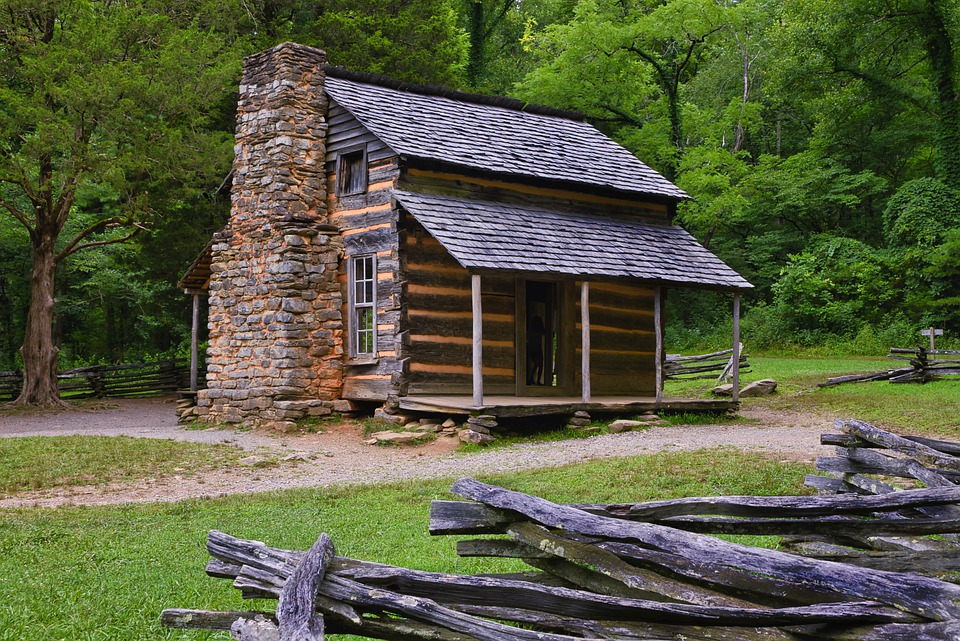
There were many settlers in Sevier County when Sevierville became the county seat in 1793. William Oglesby came to the Gatlinburg area from Edgefield, South Carolina. He cut and notched logs to build a cabin with the help of the Cherokee. Then he returned home for his family. Unfortunately, he caught malaria and died in 1803.

Martha Jane Huskey Oglesby, his widow, brought her family to the mountains and found the logs as her husband left them four years earlier and built a cabin. They shortened their name to Ogle.

Jane’s oldest daughter, Rebecca, was already married when they arrived. She and her husband James McCarter settled in what’s now called Cartertown. Isaac Ogle, Jane’s oldest son, owned 50 acres around Mill Creek.

By 1802, Richard Reagan had moved with his family from Virginia. Daniel Wesley Reagan was born on October 15, 1802, the first child born in the new settlement that was soon to be called White Oak Flats for the area’s abundance of white oak trees.

Pioneers settling in White Oak Flats around this time were John Ownby, Jr. and Henry Bohanon. Other early family names are Whaley, Trentham, Pinckney, and Maples.

There were no wagon roads. The pioneers carried their possessions over rough trails to make a home in the Smoky Mountains. They chopped down trees to plant crops and build cabins and barns.

James Bohannon was the first person to die in White Oak Flats. While carrying a heavy sack of maple sugar across a foot log bridge on the Pigeon River, he fell off and drowned.

Cherokee and Creeks resented their presence—it caused fights and friction. Gradually the Native Americans left the Smokies.

Many early residents may have been Revolutionary War soldiers who received fifty acres of land from North Carolina. (Tennessee had been part of North Carolina during the war.) Soldiers brought warrants with them, paying 75 cents for their property. The Sevier County Courthouse burned in 1824, losing all records, so this can’t be proven except by family tradition.

Worship services were first held out-of-doors until a church was built where the roads crossed. (Ogle Brothers’ store later stood there.)

Folks continued to move to the area. A second church was built near the mouth of Mill Creek on river road. This five-cornered building served the community as a church and school from 1816—35. They then built a log building, The White Oak Flats Baptist Church, on the Bearskins Creek bank in 1835.

The post office moved to Radford Gatlin’s store and White Oak Flats became known as Gatlinburg in 1856.

Sources:

“Gatlinburg, Tennessee,” Bearskin Lodge, 2020/08/24 https://www.thebearskinlodge.com/gatlinburg-history/.

“Gatlinburg, Tennessee,” Wikipedia, 2020/08/24 https://en.wikipedia.org/wiki/Gatlinburg,_Tennessee.

Greve, Jeanette S. The Story of Gatlinburg, Premium Press America, 2003.

“The Story of Gatlinburg,” Gatlinburg Convention and Visitors Bureau, 2020/08/23 https://www.gatlinburg.com/the-history-of-gatlinburg/.