History of Pigeon Forge

by Sandra Merville Hart
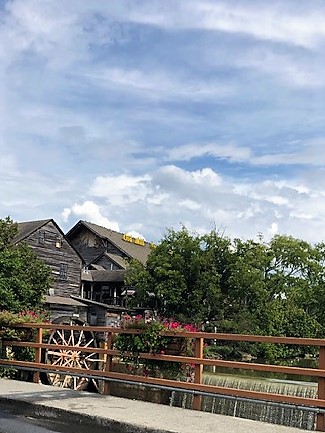
Like other tourists to the Smoky Mountains, my family has spent many happy days in Pigeon Forge, Tennessee. My parents, who used to live nearby, told me that it was a small tourist town into the 1970s. A recent vacation showed that every square foot along the main road is covered with restaurants, shops, motels, and shows. When did it change? And what is the history of the town?

Mordecai Lewis left Virginia and received 151-acre land grant from Governor Blount. In 1790, he built the area’s first forge on it. His son-in-law, Isaac Love, who inherited his property, built an iron forge along what’s now known as the West Fork of the Little Pigeon River in 1817. Iron bars, farming tools, and building equipment produced by this forge were sold throughout the country.

William Love and his brothers, sons of Isaac, built Lewis Mill (today’s Old Mill) near the forge in 1830. Farmers brought wheat, corn, and oats to make flour at the gristmill.

Beech trees lined the river, attracting huge flocks of passenger pigeons to nest in its trees and feast on beechnuts. Sadly, the once massive flocks of birds are now extinct.

When William Love was appointed postmaster with the post office inside the mill, Pigeon Forge received its name for his father’s forge and the passenger pigeons.

The mill was sold to John Trotter before the Civil War. He used his mill to support the Union. Clothing for Union soldiers in Gatlinburg were produced by secret looms on the second floor. Trotter used the third floor as a hospital.

The town’s population remained small—154 in 1907. Tourism increased in the mountains after the Great Smoky Mountains National Park was dedicated in 1940.

Rebel Railroad, Pigeon Forge’s first theme park opened in 1961. Klondike Katie, a coal-fired steam engine, was the main attraction. It changed ownership in 1970 and became Goldrush Junction. Another new owner in 1977 renamed it Silver Dollar City. Country singer Dolly Parton became a co-owner in 1982. Four years later, Dollywood opened.

Pigeon Forge became a city in 1961. Tourism boomed twenty-one years later. The city has grown rapidly to become a popular vacation location—a long way from a forge and a mill that was its claim to fame 190 years ago.

Sources:

“8 Huge Moments in Gatlinburg History and Pigeon Forge History,” Timber Tops Cabin Rentals, 2020/08/23 https://www.yourcabin.com/blog/moments-in-gatlinburg-and-pigeon-forge-history/.

Greve, Jeanette S. The Story of Gatlinburg, Premium Press America, 2003.

“History of Pigeon Forge, TN,” Smoky Mountain Navigator, 2020/03/23 https://www.smokymountainnavigator.com/explore-the-smokies/pigeon-forge/history-of-pigeon-forge-tn/.

“Our Old Mill: History in the Making,” The Old Mill, 2020/08/23 https://old-mill.com/our-history/.

“Smoky Mountain History: How Did Gatlinburg, Pigeon Forge and Sevierville Get Their Names?” Visit My Smokies, 2020/08/23 https://www.visitmysmokies.com/blog/gatlinburg/smoky-mountain-history-how-cities-got-their-names/.

“Step Back in Time at the Old Mill in Pigeon Forge,” Pigeon Forge.com, 2020/08/23 https://www.pigeonforge.com/old-mill/.
The Story of Rose Haven

I am so excited that friend and fellow author, Debra DuPree Williams, is sharing a bit of background for her debut novel with us today. Welcome back, Debra!

By Debra DuPree Williams

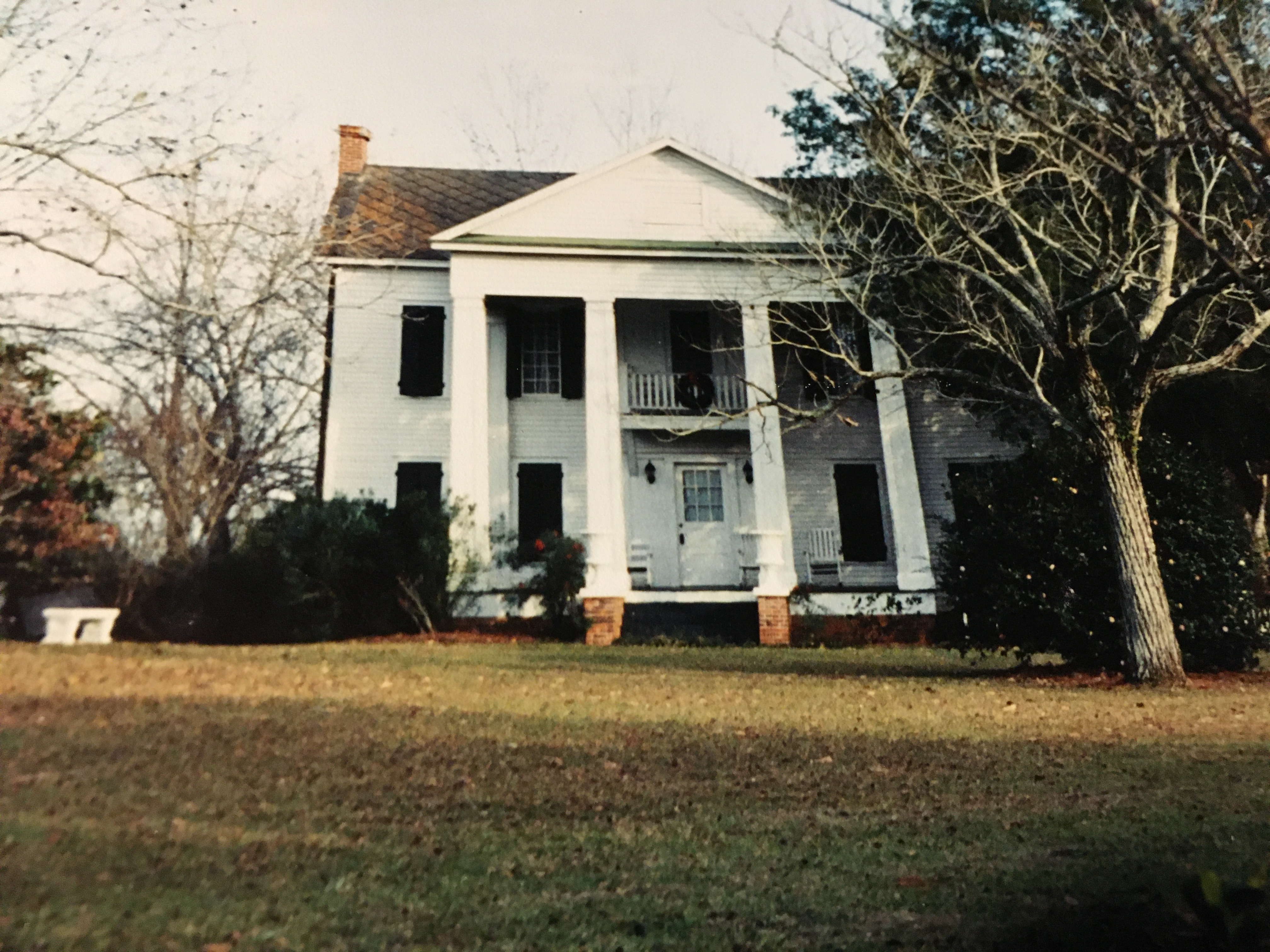
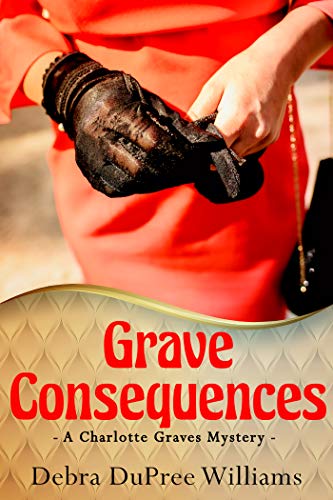
One of the main characters in my debut novel, Grave Consequences, is Rose Haven, the estate of Miss Marge Mayhew. It is situated out in the countryside near the fictitious town of Loblolly, Alabama.

Rose Haven was built prior to 1819 when Alabama became a state. At that time, Rose Haven was a simple four-room square home. Over time, it became the estate it is in 1968, the year in which the novel takes place.

Many people pass through Rose Haven’s doors. Secrets were overheard here. Lives began and ended here. Hearts found their way home and hearts were broken within her walls.

In all those years, Rose Haven has housed her share of stories, family members, and a few mysteries along the way. One big mystery that develops in Grace Consequences is that of a long-lost grave. Add to that a murder mystery.

Rose Haven is patterned after a home called Rose Hill, built by my brother-in-law’s Great-grandfather, David Jefferson Foshee, born about 1864. This home is quite lovely and is still standing in Red Level, Alabama.

My sister and her husband have never been inside as it slipped out of family ownership many years ago. I’ve seen the grounds and it is in a very pretty setting. Of course, I’ve taken poetic license to change its size and its surroundings. But, in my mind, I always think of Rose Hill. Sitting there in all her glory, on the outskirts of lovely little Loblolly.

Back Cover Blurb

Sometimes finding the living is more difficult than searching for the dead. 

In 1968, twenty-six-year-old Charlotte Graves wrestles with more than just her decision to return to her hometown, Loblolly, Alabama—she is also fleeing a broken heart, colliding headlong into a second one, and about to stumble onto a deadly secret.

Now settled back in Loblolly, Charlotte is hired to oversee the Woodville County Historical Society, a job she was born for. But no sooner has she banged the gavel to bring order to the first meeting than she is accused of being incompetent to lead the group by her old nemesis, Boopsie Sweets. Later that night, she finds herself arrested by her old beau, the current deputy sheriff, Roan Steele, for killing Boopsie.

After being released on bail, Charlotte uses her skills as a genealogist to leap into the investigation. And when Charlotte goes digging up dirt, she unearths a long-kept family secret. Will it lead to Boopsie’s murderer … or to grave consequences for Charlotte and her family?

About Debra

Debra DuPree Williams is an award-winning author whose work has appeared in Yvonne Lehman’s Stupid Moments, Additional Christmas Moments, Selah Award finalist, Moments with Billy Graham, and Michelle Medlock Adams’s Love and Care for the One and Only You, expanded edition, in addition to other publications. When she isn’t busy writing, you will likely find Debbie chasing an elusive ancestor, either through online sources or in rural graveyards. Debbie is a classically-trained lyric coloratura soprano whose first love is Southern Gospel. She’s been married forever to the best man on earth, is the mother of four sons, mother-in-law of one extraordinary daughter-of-her-heart, and DD to the two most intelligent, talented, and beautiful young ladies ever. Debbie and her husband live in the majestic mountains of North Carolina.

Connect with Debra on her blog.

Amazon


Cuyahoga Valley National Park

by Sandra Merville Hart

Cuyahoga Valley National Park, established in 2000, is one of our newest national parks. It’s just a short drive from Akron or Cleveland in Ohio, and about 2,500,000 people visit each year.

The winding Cuyahoga River is a U-shaped river. Cuyahoga means “crooked” in the Iroquois language. The unique part about this river is that, for twenty-two miles, it flows both north and south. The river winds past farmland, forests, and rolling hills.

Over 50 square miles of forest, deep gorges, waterfalls, and wetlands can be seen in Cuyahoga Valley National Park. Rangers are available at the Boston Mill Visitor Center so it’s suggested that tourists begin their visit there.

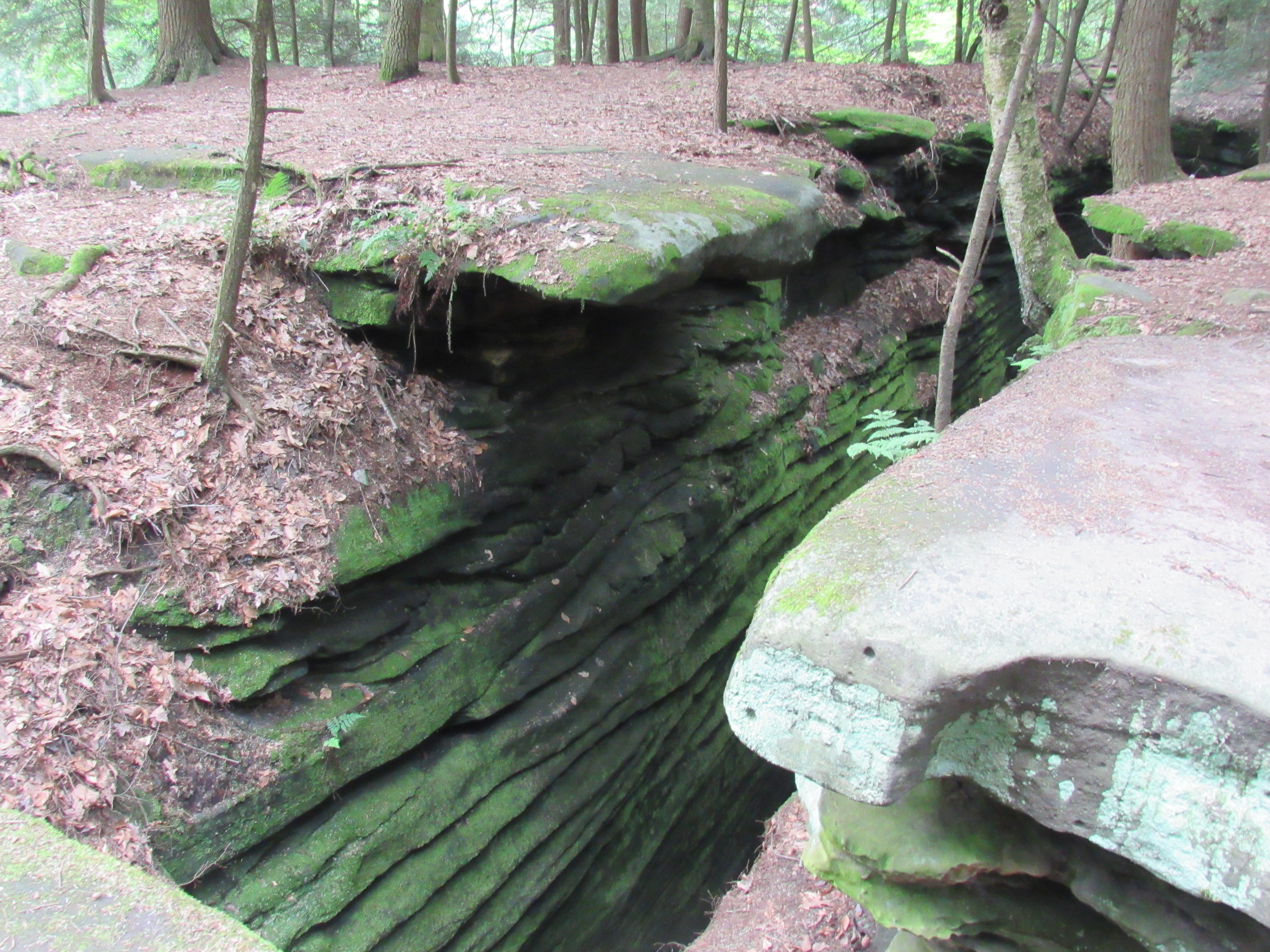
Take a 2.2-mile hike to see the Ledges, which is located along sandstone cliffs. Our family enjoyed the surprising thin sheets of rock found at the Ledges. These is also an overlook on the trail with a view of the valley.

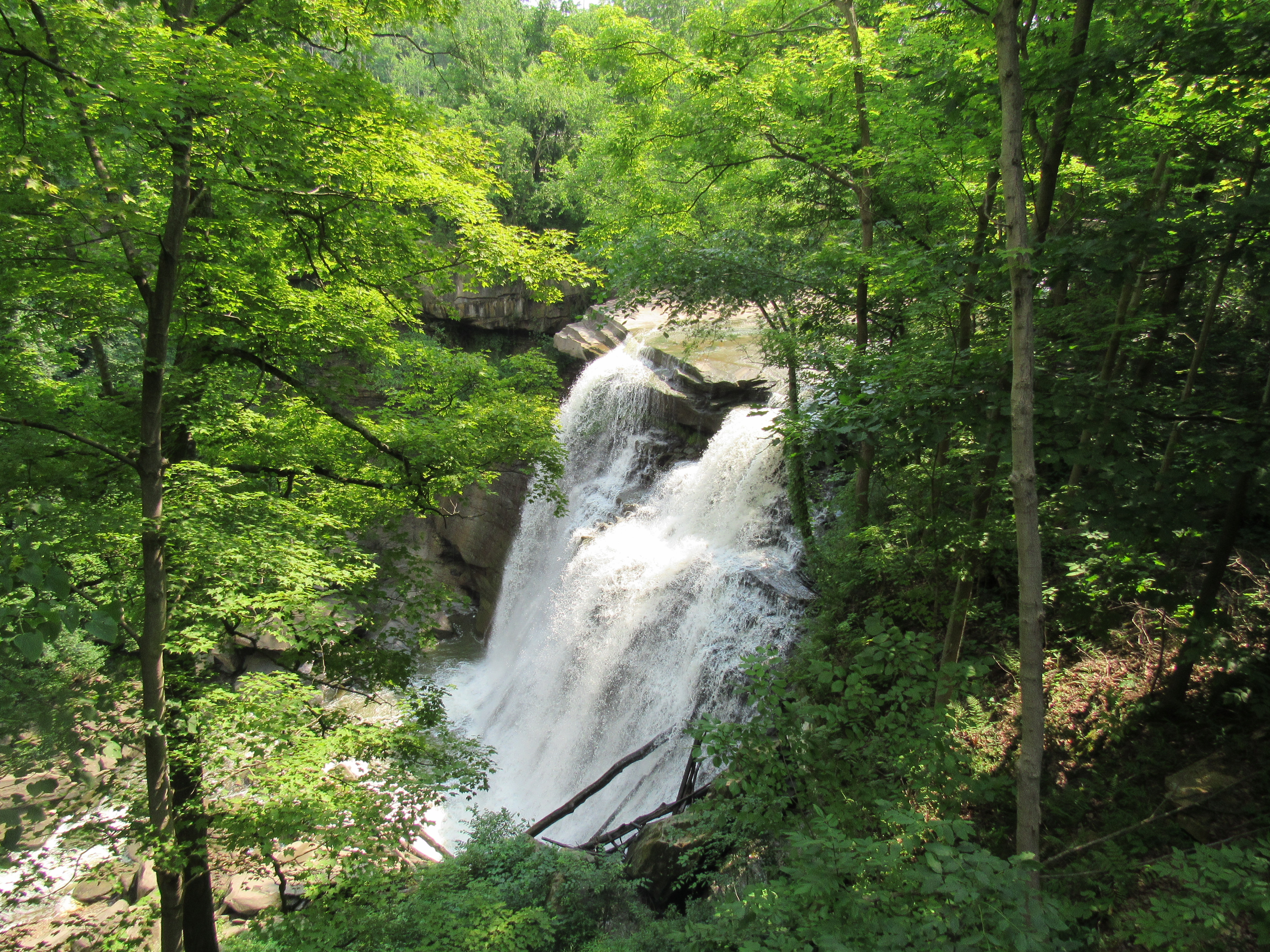
Brandywine Falls is a popular destination in the park. The 60-foot waterfall is well worth the hike, which varies in length depending on where you park.

Beaver Marsh is a great place for bird watching.

Another tourist attraction at the park is the Ohio & Erie Canal that runs through it. Built in the early 1800s by German and Irish immigrants, twenty miles of the canal is within the park. Hike or bike along the Towpath Trail that mules used to pull the canal boats over century ago. Parts of the trail are open for horseback riders.

Though the Cuyahoga Valley Scenic Railroad is currently closed due to Covid-19, it’s another wonderful way to enjoy the beautiful scenery. Fish in the Cuyahoga River, the lakes, and the ponds inside the park. Canoeing and kayaking are other activities.

There are many hikes in the park of various lengths and difficulty. For hikes to waterfalls, take the Brandywine Falls Trail or the Blue Hen Falls Trail.

Bring a picnic lunch. There’s a great shelter at the Ledges where our family ate the picnic we had packed. Bring plenty of water because it’s not available at all locations.

Families may camp at the park and there is also a bed and breakfast for those who prefer to sleep indoors.

Some wildlife living in Cuyahoga Valley are beavers, bald eagles, yellow warbler, raccoons, belted kingfisher, great blue heron, and the red-winged blackbird.

Sources:

“Cuyahoga Valley: National Park, Ohio,” National Park Service, 2020/07/19 http://www.nps.gov/cuva/index.htm.

Flynn, Sarah Wassner. National Geographic Kids: National Parks Guide U.S.A., National Geographic Society, 2012.

McHugh, Erin. National Parks: A Kid’s Guide to America’s Parks, Monuments, and Landmarks, Black Dog & Leventhal Publishers, Inc., 2012.

Palmerlee, Danny; Bendure, Glenda; Friary, Ned; Karlin, Adam; Matchar, Emily; Sainsbury, Brendan. Discover USA’s Best National Parks, Lonely Planet Publications, 2012.

The Valley Guide: Summer/Fall 2020/June 1 – November 30, National Park Service.


Wagon Trains and Stagecoach Robberies

Donna Schlachter, fellow author, shares historical background for her novel. Welcome back, Donna!

By Donna Schlachter

Fort Laramie, Wyoming Territory, in September 1878, was important for several reasons: wagon trains with immigrants from the Prairies heading west often began here; the city was at a major crossroads of trails, so there were more choices on which destination to choose; the city was big enough to supply wagon trains of all sizes; although the Westward migration had slowed by 1878, wagon trains continued west into the 1920s; and it was a direct run from Deadwood, Dakota Territory to Fort Laramie.

The Oregon Trail to Oregon City, California, remained open late in the year, and although most wagon trains departed in the late spring, giving six weeks of warm and dry weather, it’s possible a train left in September. The train in my story is a small one by comparison, comprising only seven wagons. Some trains could be as large as 200 wagons. However, the couple-only requirement of the train leader would keep the numbers small, as would his strong Christian morals and insistence on observing a day of rest each week, and of holding weekly church services.

Deciding to base a novel on a real-life historical event offered choices, restrictions, and possibilities. While my wagon train story had to take place after the real life Homestake Mine stagecoach robbery in Deadwood, Dakota Territory, I was free to create characters that might have been present at the robbery but weren’t actually named. In my case, I created a younger brother for one of the named robbers, and constructed a backstory to suit my story and the character.

However, I was restricted to the months following the actual robbery, and if I wanted to include any of the real characters from the theft, they had to have been able to be present where I put them when I put them there. In fact, Lame Johnny, leader of the gang, went on the run for a month or so before being caught again, so I included him near the end of my book and had him escape from the story back into his known history.

Updates on the robbery spread far and wide, as did rumors, so including those tidbits of information as my story moved west anchored the story to the history, and added tension and trouble for my main characters as they sought a way to avoid facing their greatest fears.

Book Blurb:

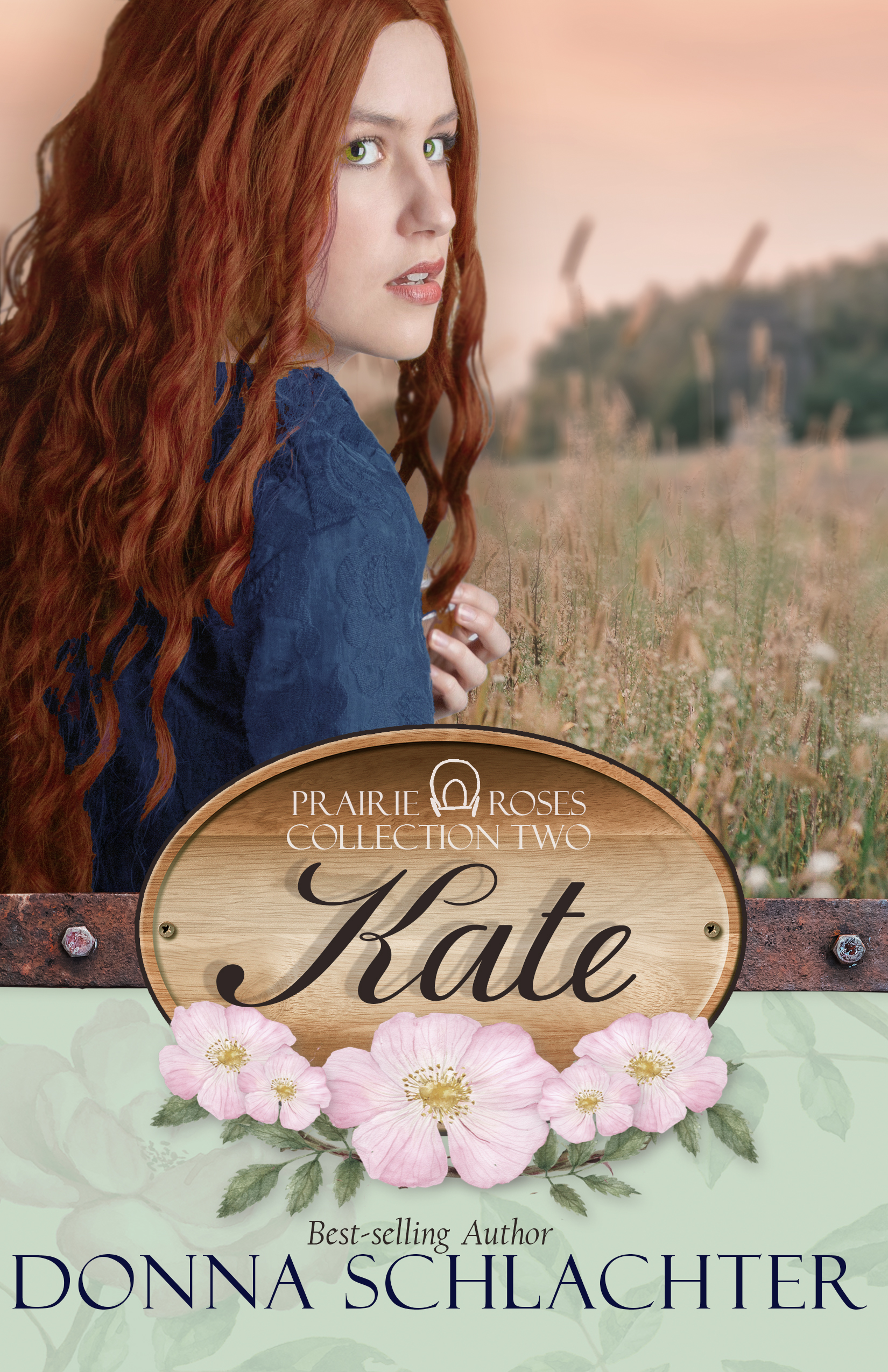
A prostitute’s daughter, an outlaw’s brother, and a stagecoach robbery—can anything good come out of Deadwood?

Kate Benton, daughter of a saloon floozy, runs away days before her official introduction into that sordid life, straight into the arms of Tom McBride, fleeing from his outlaw brother’s past. Can these two young people, damaged and labeled by life experiences, tear down the walls of guilt and mistrust that separate them? Will they allow God to change them forever from the inside out? Or are they destined to remain alone forever?

Amazon

About Donna:

Donna lives in Denver with husband Patrick. As a hybrid author, she writes historical suspense under her own name, and contemporary suspense under her alter ego of Leeann Betts, and has been published more than 30 times in novellas and full-length novels. She is a member of American Christian Fiction Writers, Writers on the Rock, Sisters In Crime, Pikes Peak Writers, and Christian Authors Network; facilitates a critique group; and teaches writing classes online and in person. Donna also ghostwrites, edits, and judges in writing contests. She loves history and research, and travels extensively for both. Donna is represented by Terrie Wolf of AKA Literary Management.

As a special bonus, Donna is offering a small book of recipes.

Her Newsletter Stay connected so you learn about new releases, preorders, and presales, as well as check out featured authors, book reviews, and a little corner of peace. Plus: Receive a free ebook simply for signing up for our free newsletter!

Connect with Donna on her blog, Facebook, and Twitter.

Present Helps the Past

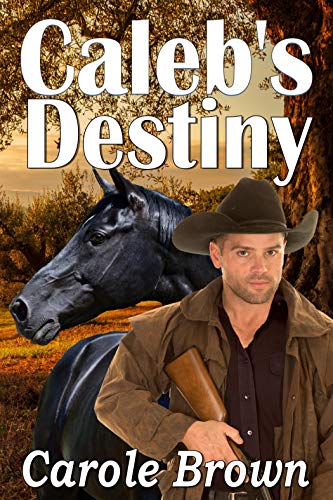
Today’s post has been written by fellow author and friend, Carole Brown. She’s here to share the inspiration for her newest release, a historical western romance. Welcome back, Carole!

by Carole Brown

I never guessed several years ago when my family and I worked for short periods of time in some of the western states with the American Natives, how it would influence me in the future as I prepared to write a historical western romantic suspense.

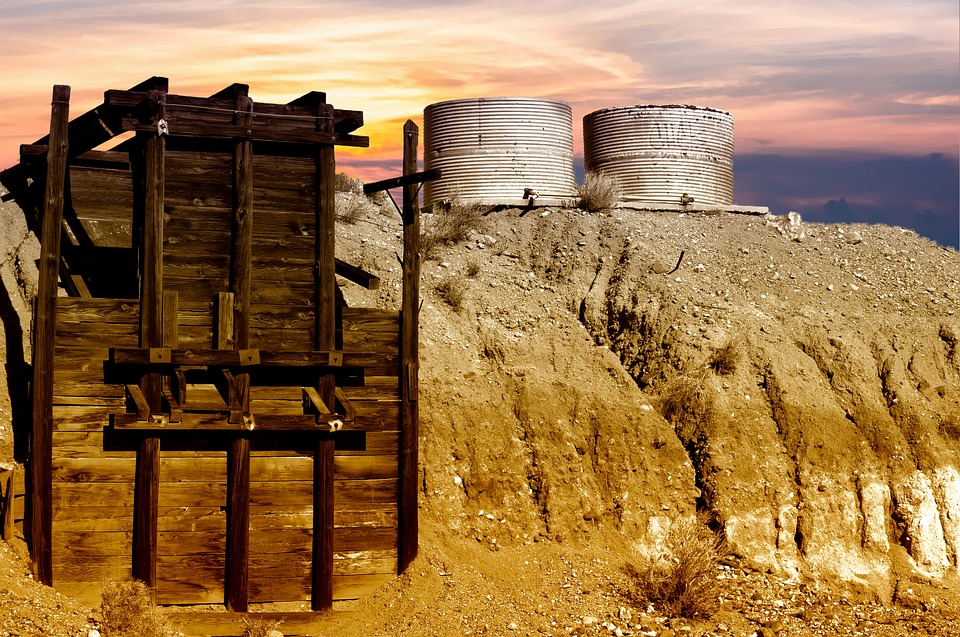
One of our special trips out west included heading up into the mountains of Arizona where a friend named Jeb took us gold panning. On the way, we passed a ghost town but finally reached a wooded area with a strong stream where we settled down for a spot of gold panning.

There were few, if any, people around. Jeb was knowledgeable about the panning. His explanations and descriptions fascinated us. It ended up being a memorable experience for us as a family. And though we didn’t “strike it rich,” we did find numerous gold flecks that we kept in a small jar for years as a memoir of our fun.

Although in my story the gold hunting by four families was achieved entirely differently than what we did—by digging in caves or on mountain sides—our experience gave me a bit of knowledge on how to proceed with the setting. In that era, gold hunting was the rage among certain people. Striking it rich was a temptation that many men couldn’t resist. In Caleb’s Destiny, the men did discover a reasonably good vein of gold, and all of them profited from it.

About Carole:

Besides being a member and active participant of many writing groups, Carole Brown enjoys mentoring beginning writers. An author of ten books, she loves to weave suspense and tough topics into her books, along with a touch of romance and whimsy, and is always on the lookout for outstanding titles and catchy ideas. She and her husband reside in SE Ohio but have ministered and counseled nationally and internationally. Together, they enjoy their grandsons, traveling, gardening, good food, the simple life, and did she mention their grandsons?

Connect with Carole on her blog, Amazon Author Page, and Twitter.

Book Blurb:

Mr. Michael, Destiny Rose McCulloch, and Hunter have a mysterious history. Why were three fathers, all business partners, murdered under suspicious circumstances while on their quest to find gold?

Hunter, who is Mr. Michael’s ranch manager, is determined to find the answers and protect the precocious young lady who he suspects holds a key answer to his questions.

Mr. Michael wants only to be left alone to attend to his property, but what can he do when Destiny refuses to leave and captures the heart of everyone of his employees?

Destiny almost forgets her quest when she falls in love with Mr. Michael’s ranch and all the people there. And then Mr. Michael is much too alluring to ignore. The preacher man back east where she took her schooling tried to claim her heart, but the longer she stays the less she can remember him. She only came west to find a little boy she knew years ago. A little boy all grown up by now…unless, of course, he’s dead.

Three children, connected through tragedy and separated by time, are fated to reunite and re-right some powerful wrongs.

Amazon


Spanish Flu Pandemic

In March of 1918, the United States had been fighting World War I for almost a year when over 100 soldiers started suffering from fever, chills, and fatigue at Camp Funston in Fort Riley, Kansas. Their diagnosis? Flu. The number grew by five times over the next week.

The spring’s milder bouts of influenza were seen in Europe, Asia, and America and then spread around many parts of the world.

Because of wartime news blackouts, the flu wasn’t initially reported as it should have been. Spain wasn’t under the news blackout. When the disease struck, they reported it. The flu became known as Spanish Flu even though it didn’t originate there.

A second and more serious wave struck in August of 1918. The highest mortality rates were children under 5, adults 20—40, or 65 and older.

Schools and movie theaters closed in some cities due to the contagious nature of the disease. Public gatherings were prohibited. Hoping to avoid overcrowding in subways, the health commissioner of New York City ordered businesses to stagger shifts.

Illness in many workers forced businesses to close.

The public was urged to wash their hands when coming home from work, before meals, and when coming inside from the street. They were told to avoid crowds. Wearing masks was encouraged when in public.

These measures seemed to help the cities that followed them early.

Advertisers jumped on the bandwagon. Ads for Lifebouy Soap explained the importance of hand-washing. Some businesses offered no real health benefits yet advertised their products as being recommended for treatments.

With no known cure, doctors gave patients medications they hoped would ease symptoms. Bayer’s 1899 trademark for aspirin expired in 1917. This allowed other companies to produce it. The U.S. Surgeon General had recommended aspirin for the flu. Patients took up to 30 grams a day. Today’s physicians recognize this dosage as toxic—tragically, doctors didn’t know this in 1918. It’s feared that some deaths, originally attributed to the flu, resulted from aspirin poisoning.

There was a shortage of physicians and professional nurses in the fall.

World War I ended in November of 1918. The flu killed more soldiers than battles.

While negotiating the Treaty of Versailles, President Woodrow Wilson collapsed, possibly due to influenza.

January brought a third wave of the pandemic.

When it was finally over in the summer, an estimated 50 million people had died worldwide. Possibly as many as 675,000 of these deaths were in the United States. Because of poor recordkeeping, reports of the actual numbers vary.

-Sandra Merville Hart

Sources

“1918 Pandemic (H1N1 Virus),” Center for Disease Control and Prevention,” 2020/03/28 https://www.cdc.gov/flu/pandemic-resources/1918-pandemic-h1n1.html.

History.com editors. “Spanish Flu,” A & E Television Networks, 2020/03/28 https://www.history.com/topics/world-war-i/1918-flu-pandemic.

“Influenza pandemic of 1918-19,” Encyclopaedia Britannica, 2020/03/28 https://www.britannica.com/print/article/287805.

“’You Must Wash Properly,” Time, 2020/03/28 https://time.com/5810695/spanish-flu-pandemic-coronavirus-ads/.


Double Jeopardy – The History Behind the Story

Donna Schlachter, fellow author, shares historical background for her novel. Welcome to Historical Nibbles, Donna!


By Donna Schlachter

When most people think about opening up the Wild West, they picture cowboys, wagon trains, and, of course, the gold rush. And all of those would be true and very important to the reasons why folks left the relative comforts of the East—that being everything east of the Mississippi—to head into the Great Unknown.

Sure, there were many other reasons for the Westward Migration, including the promise of cheap land—or land at all, since so many lived in sharecropper or tenement situations in the east. There were also those scoundrels on the run from the law, and in the years just prior to the setting of my story, 1880, the country went through a civil war. So folks headed west in hope of maintaining slaves, in hopes of escaping slavery, and simply in hopes of escaping the whole war thing.

Some were adventurers, like Becky’s father, who simply couldn’t let a horizon stay in front of him but wanted to see beyond every mountain and every body of water separating him from “over there.”

The Colorado Gold Rush started in 1858 and lasted until around 1861, and brought thousands of miners, ancillary workers such as drovers, liverymen, blacksmiths, prostitutes, saloon keepers, and swindlers. However, apart from a few areas such as Cripple Creek, which saw its biggest mining deep into the 1890s, most of the gold petered out as quickly as it was found.

An interesting tidbit is that silver was discovered because so many were looking for gold. Exactly twenty years after gold was first discovered, silver was found in the area of Leadville and covering a three-hundred-mile swath from the San Juan Mountains to the Foothills west of Denver.

Robert Campbell, in the book, learns of this find, and heads for southwest Colorado, intent on getting in on the ground floor of silver mining in the area. Little did he know that the wealth he counted on would evaporate less than fifteen years later when the government stopped minting silver dollars, a decision that increased gold prices and sent silver prices into the basement.

Double Jeopardy is available at Lighthouse Publishing of the Carolinas, Amazon.com, and fine booksellers in your area.

About Donna:

Donna lives in Denver with husband Patrick. As a hybrid author, she writes historical suspense under her own name, and contemporary suspense under her alter ego of Leeann Betts, and has been published more than 30 times in novellas and full-length novels. She is a member of American Christian Fiction Writers, Writers on the Rock, Sisters In Crime, Pikes Peak Writers, and Christian Authors Network; facilitates a critique group; and teaches writing classes online and in person. Donna also ghostwrites, edits, and judges in writing contests. She loves history and research, and travels extensively for both. Donna is represented by Terrie Wolf of AKA Literary Management.

As a special bonus, Donna is offering a small book of recipes.

Her Newsletter Stay connected so you learn about new releases, preorders, and presales, as well as check out featured authors, book reviews, and a little corner of peace. Plus: Receive a free ebook simply for signing up for our free newsletter!

Connect with Donna on her blog, Facebook, and Twitter.


Grand Canyon National Park

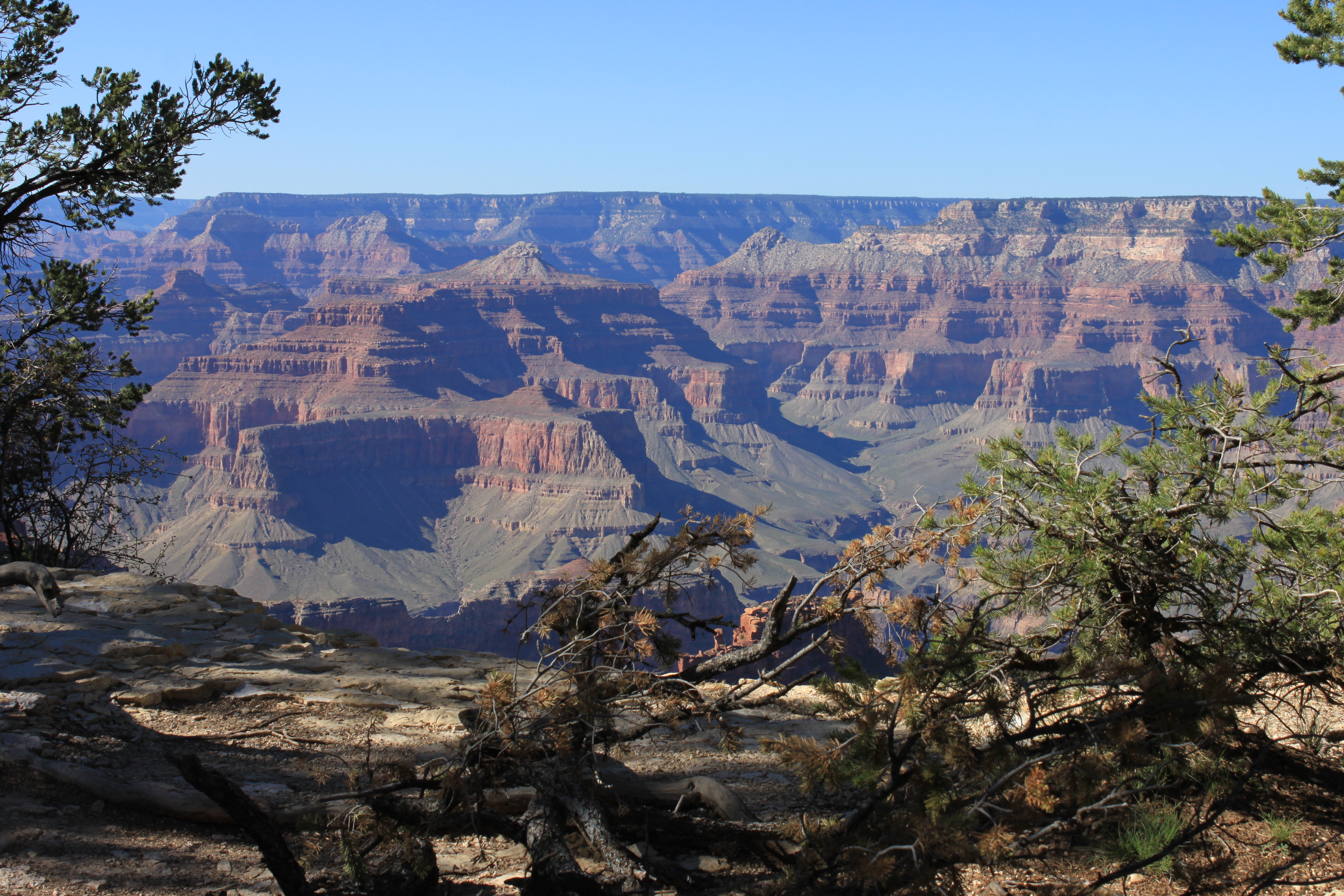
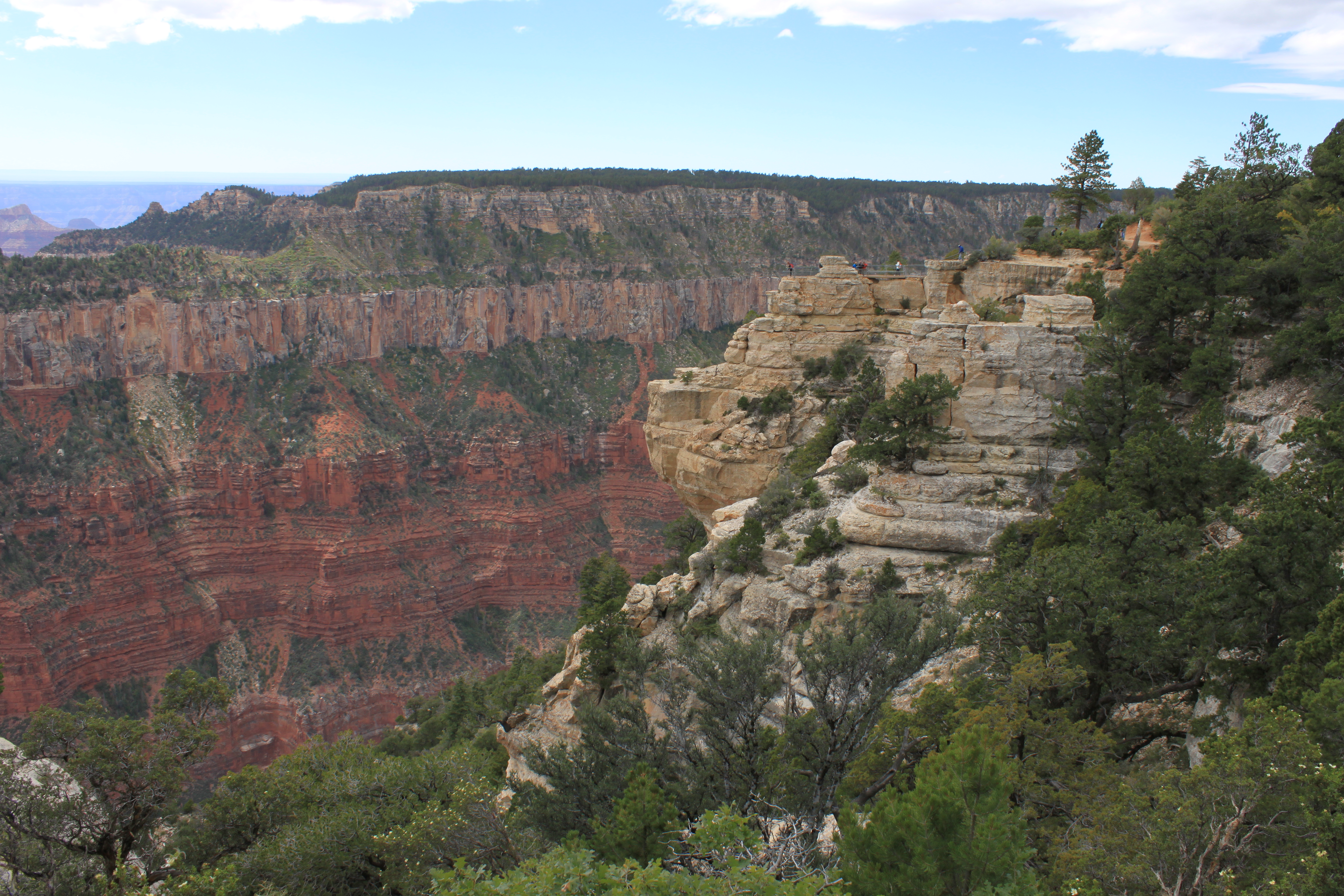
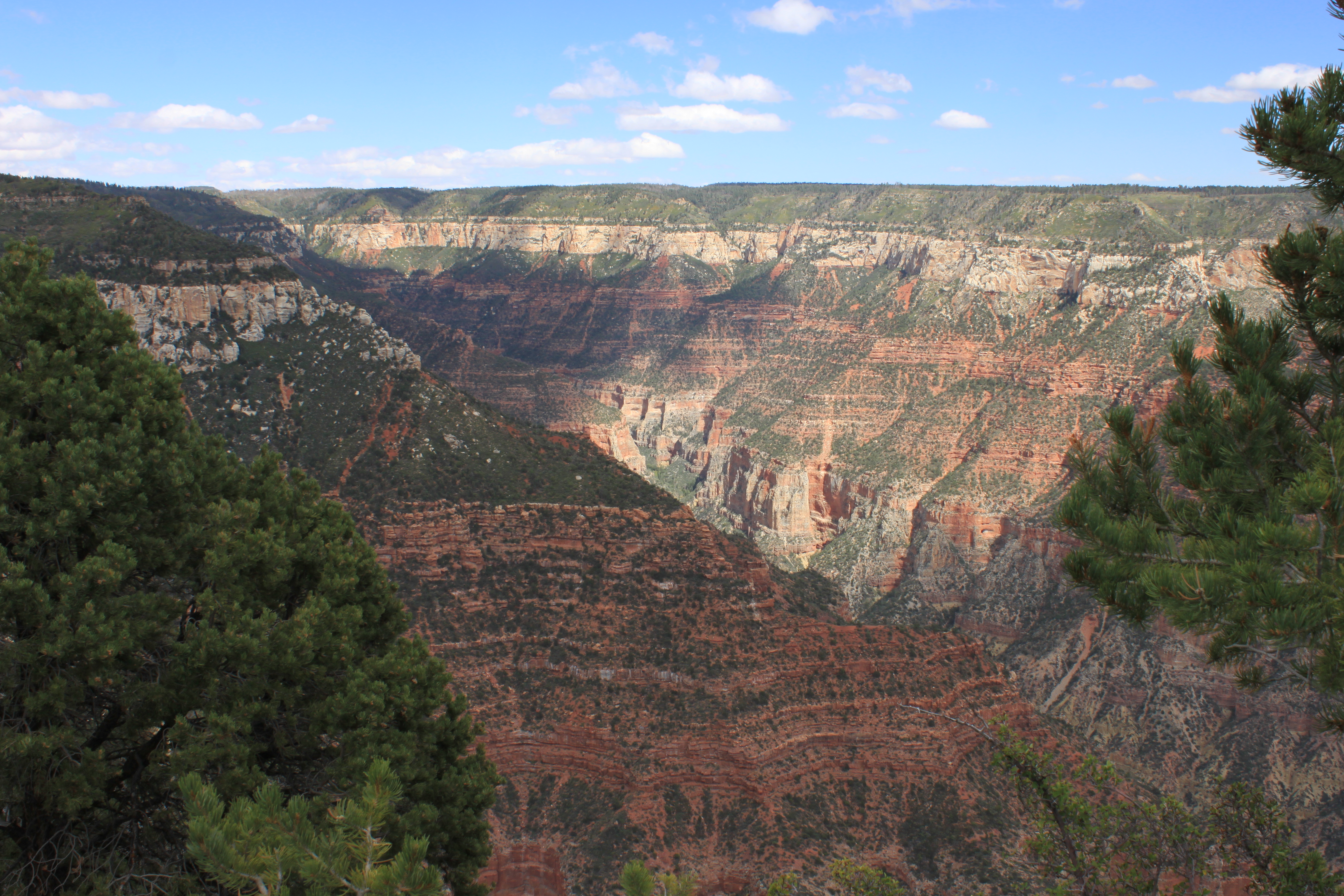
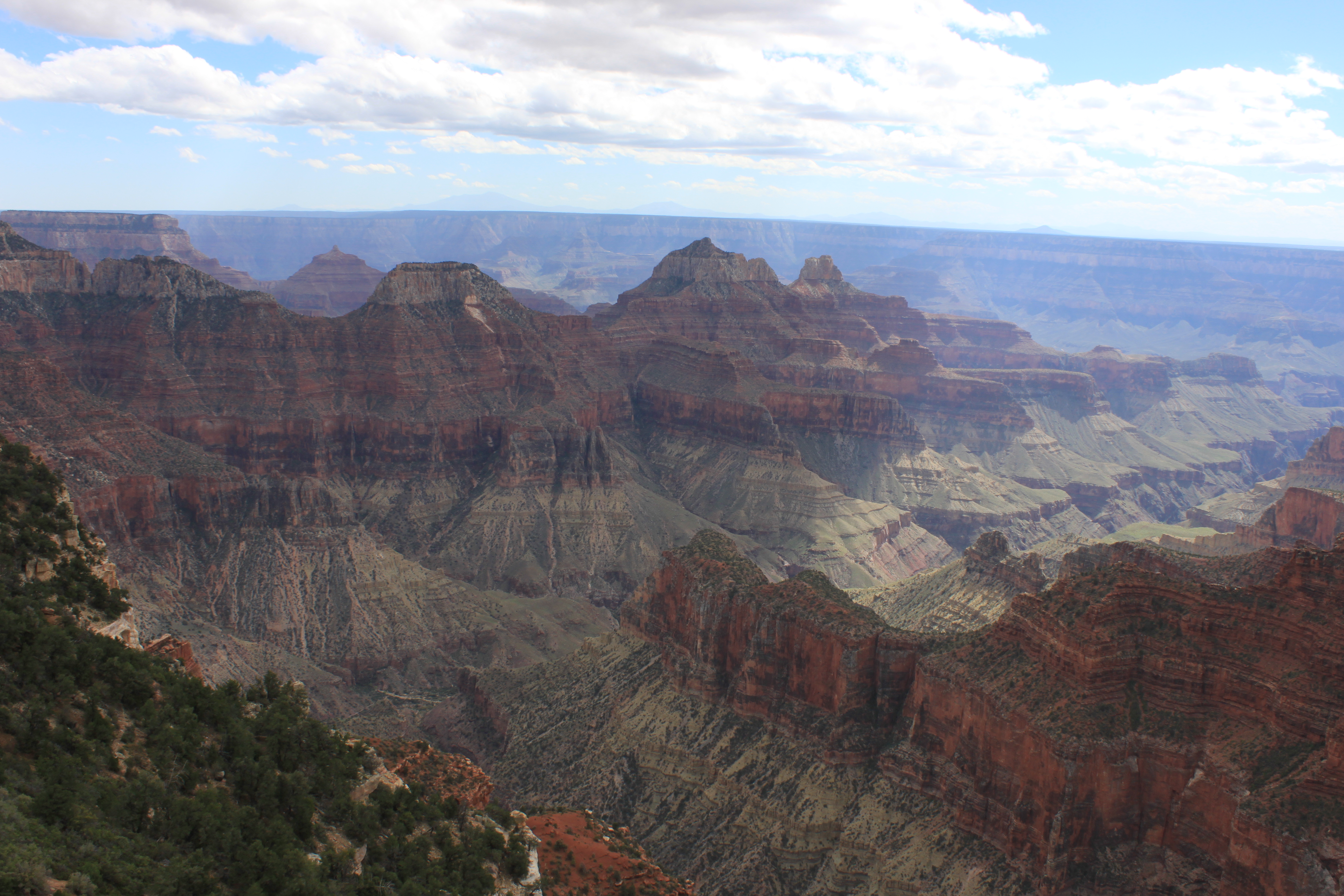
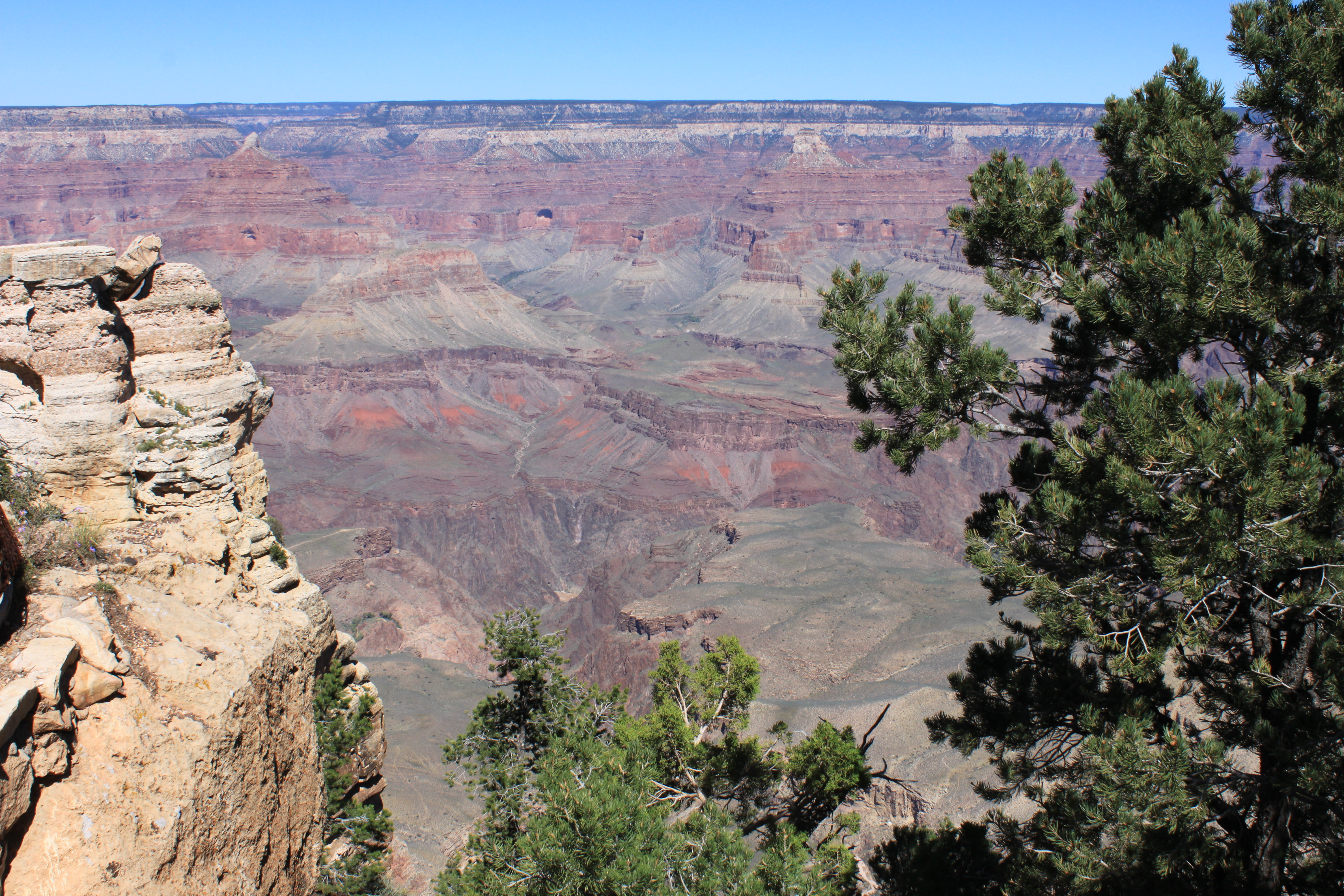
If your family is planning a vacation to Arizona, one of the most beautiful parks in our country is located in that state. The Colorado River carved out a canyon 277 miles long and 18 miles wide that is called Grand Canyon National Park.

When Theodore Roosevelt stood on the rim of the Grand Canyon in 1903, the sight filled him with awe. He said, “It is beyond comparison — beyond description; absolutely unparalleled throughout the wide world.”

The park was established in 1919 and 5,000,000 people visit it every year. It’s known as one of the Seven Natural Wonders of the World.

Six Native American tribes live in or around Grand Canyon:  Hualapai, Havasupai, Navajo, Paiute, Hopi, and Zuni. This is a sacred place for them.

There are many ways to see the Grand Canyon. Some people take mule trips down into the canyon. Plan ahead to ride a mule because the trips fill up way in advance.

There are hour rides and half-day rides. An overnight ride includes a stay at the Phantom Ranch.

Plane and helicopter rides over the Grand Canyon give a birds-eye view of the park’s beauty.

Others take river trips. There are half-day and full-day water trips on the Colorado River or two to five-day trips. Whitewater rafting trips from Lees Ferry to Diamond Creek are professionally guided but plan ahead—these are reserved a year or two in advance.

Tourists may spot mountain lions, bobcats, coyotes, porcupines, bighorn sheep, mule deer, lizards, and frogs in the park. There are hawks, woodpeckers, owls, and the endangered California condor.

The view from the North Rim at Toroweap Overlook, with the Colorado River a 3,000-foot vertical drop away, is breathtaking. Look and listen for the Lava Falls Rapid.

Snap some photos while there. The beautiful photographs here are used courtesy of Photographer Keith Adams.

-Sandra Merville Hart

Sources:

Flynn, Sarah Wassner. National Geographic Kids: National Parks Guide U.S.A., National Geographic Society, 2012.

“Grand Canyon: Associated Tribes,” National Park Service, 2020/04/06 https://www.nps.gov/grca/learn/historyculture/associated-tribes.htm.

“Grand Canyon: National Park, Arizona,” National Park Service, 2014/12/16 http://www.nps.gov/grca/index.htm.

“Grand Canyon: People,” National Park Service, 2020/04/06 https://www.nps.gov/grca/learn/historyculture/people.htm.

“Grand Canyon Tribes,” Grand Canyon Guru, 2020/04/06 https://grandcanyonguru.com/grand-canyon-classroom/grand-canyon-tribes.

McHugh, Erin. National Parks: A Kid’s Guide to America’s Parks, Monuments, and Landmarks, Black Dog & Leventhal Publishers, Inc., 2012.


Early Exploration of the Grand Canyon

Rugged terrain hindered early exploration of the Grand Canyon.

Francisco Vazquez de Coronado and his army weren’t searching for the Grand Canyon when they arrived at the Hopi Mesas in 1540. Their ultimate goal was to find the Seven Cities of Cibola. Hoping that a “great river” would provide water passage to the Gulf of California, Coronado sent about a dozen soldiers under the leadership of Garcia Lopez de Cardenas to find it.

Hopi guides, warned not to give useful tips about the area by their leaders, escorted them to the Grand Canyon—not the Seven Cities of Cibola, but one of the Seven Natural Wonders of the World.

Observing the canyon, possibly from the South Rim, Cardenas and his soldiers accurately estimated it to be 8 – 10 miles to the other side. The Colorado River a mile below appeared about 6 feet wide—it’s actually 300 feet wide and averages a depth of 40 feet within the Grand Canyon.

Though they had found a waterway to the Gulf of California (the Colorado River flows through the Grand Canyon and eventually reaches the gulf,) the wide river and whitewater rapids weren’t the easy route they’d envisioned. These early Spanish explorers never even made it to the canyon floor. Three soldiers made it about a third of the way down the canyon and then realized the river was much wider than it looked from the rim. They climbed back up the rugged terrain and reported that the river wasn’t navigable for their ships. Cardenas and his men returned to their army and reported an impassable barrier.

In 1857, United States War Department government wanted to explore an upriver route from the Gulf of California. Lt. Joseph Ives led an expedition from the Colorado River Delta near the gulf eastward along the Colorado River in the steamboat Explorer, which struck a rock in the rapids below Black Canyon before reaching the Grand Canyon. A skiff transported his party another 30 miles. Then they walked into the canyon at Diamond Creek.

Ives wasn’t impressed with the Grand Canyon, declaring it “altogether valueless.”

Geologist John Strong Newberry, also on expedition, didn’t agree. His talks with Geologist John Wesley Powell sparked that army man’s interest. In 1869, Major Powell, a Civil War veteran, began explorations later known as the Powell Expeditions. Mountain men, Civil War veterans, and ex-trappers accompanied him. Four boats left Wyoming on the Colorado River toward the Grand Canyon. Rapids in the Lodore Canyon cost them equipment and food when one boat sank.

Powell’s next expeditions was more successful and included scientists, a photographer, and an artist. Photographs, illustrations, and systematic notes detailed rock formations and archaeological locations. They generated public interest.

Geologist Clarence Dutton conducted a geological survey in 1880-81.

In 1882, Santa Fe Railroad reached Flagstaff, Arizona. A year later, tourists traveled by stage coach to the Grand Canyon next year.

Nearly 6 million tourists visited the Grand Canyon last year, though it’s a less arduous trip these days!

-Sandra Merville Hart

**Photos courtesy of Photographer Keith Adams.

Sources:

“Colorado River,” Wikipedia, 2020/04/09 https://en.wikipedia.org/wiki/Colorado_River.

“Grand Canyon: People,” National Park Service, 2020/04/06 https://www.nps.gov/grca/learn/historyculture/people.htm.

“Grand Canyon Trivia,” Grand Canyon Expeditions Company, 2020/04/09 https://www.gcex.com/grand-canyon-trivia/.

History.com editors. “Grand Canyon,” History, 2020/04/06 https://www.history.com/topics/landmarks/grand-canyon.

“History of the Grand Canyon,” Wikipedia, 2020/04/06 https://en.wikipedia.org/wiki/History_of_the_Grand_Canyon_area.

“Joseph Christmas Ives,” Wikipedia, 2020/04/09 https://en.wikipedia.org/wiki/Joseph_Christmas_Ives.


Bryce Canyon National Park

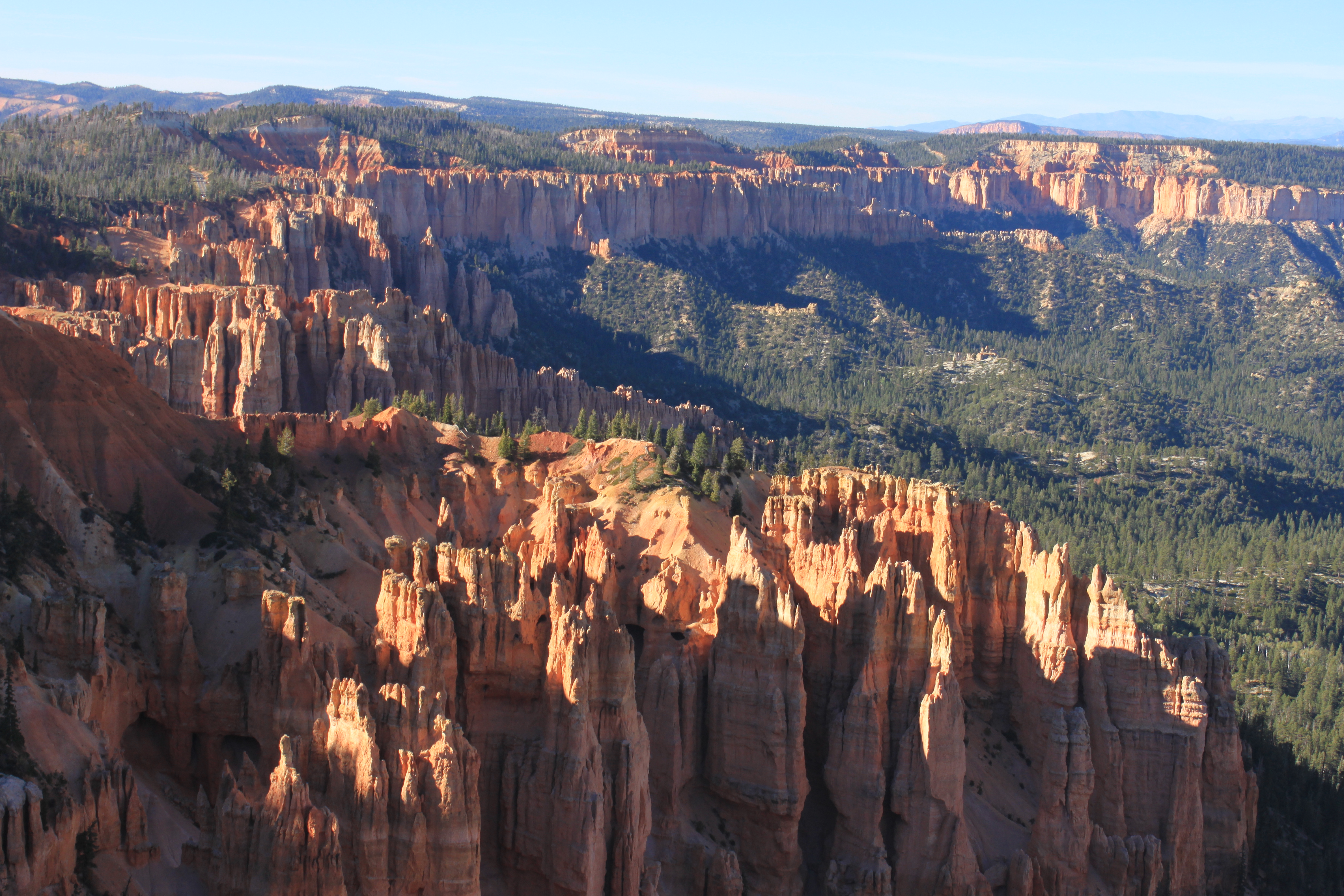
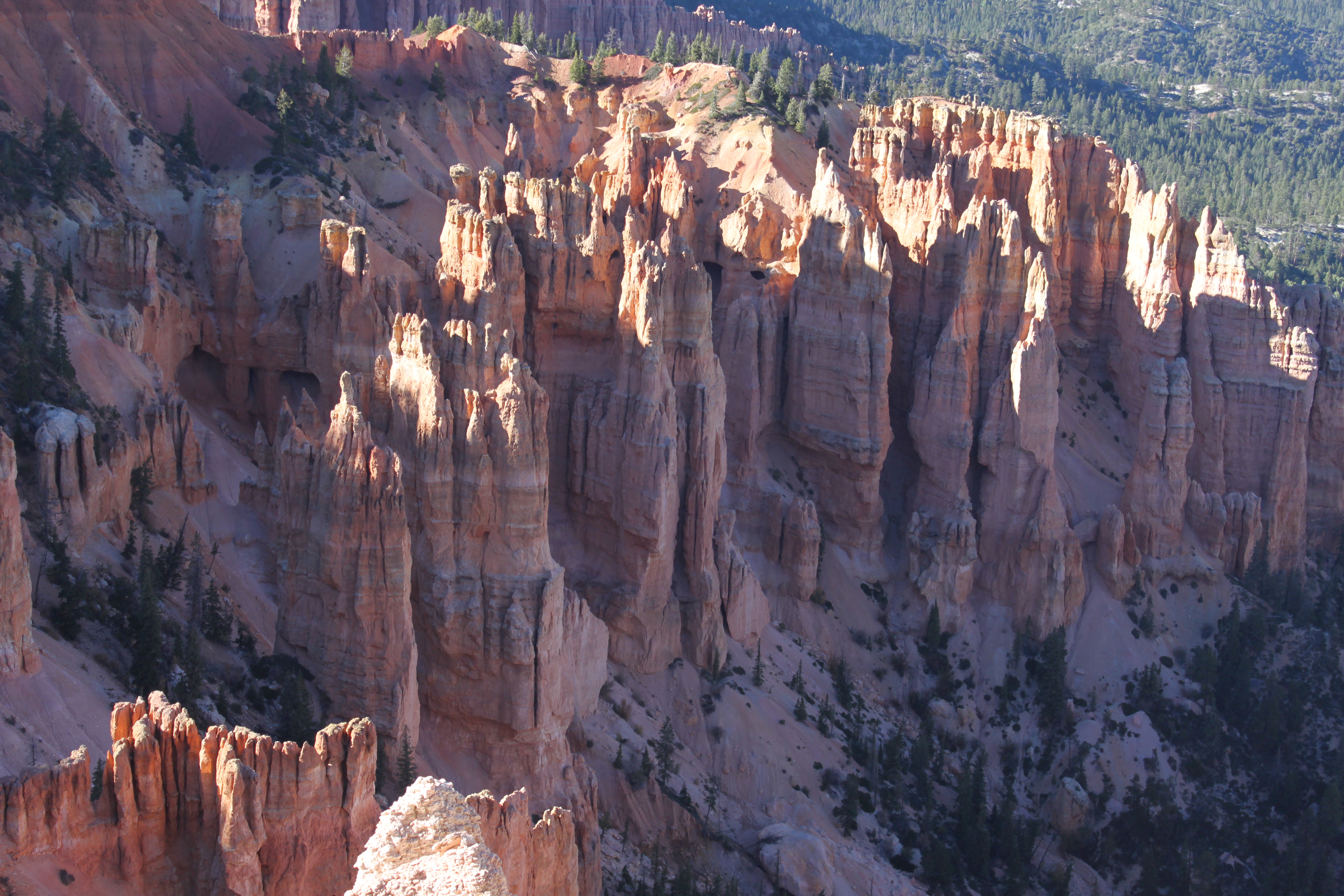
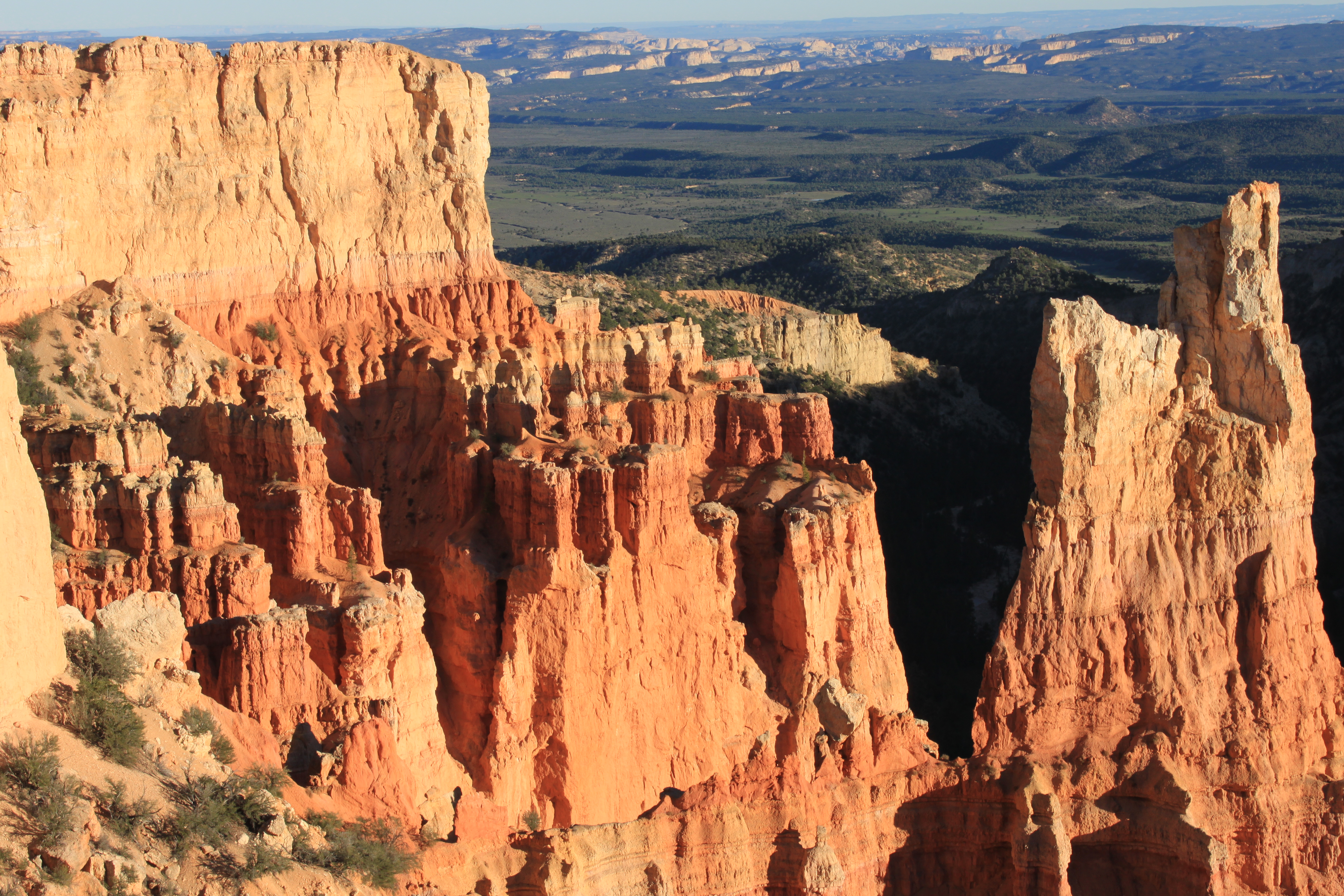
Utah’s Bryce Canyon National Park, established on February 25, 1928, is famous for its oddly-shaped spires of rock called hoodoos.

These columns of multi-tinted rock can be as short as a human adult or as tall as a ten-story building. This variation of size and color creates a breathtaking view. The sporadic placement of hoodoos has fashioned natural mazes. Walk or hike them.

The park’s 35,835 acres contain horseshoe-shaped amphitheaters, slot canyons, and hoodoos. Fir-spruce forests and meadows border the rim, which varies from 8,000 – 9,000 feet.

Star-gazers will love the inky night sky at Bryce Canyon, where some 7,500 stars can be viewed without a telescope. Full moons during night hikes light up the hoodoos but you’ll also need headlamps. The park offers astronomy programs, though you must sign up early for them.

The best place to watch the sun rise is at Inspiration Point. The hoodoos turn red, pink, orange, and yellow in the rising sun. Another beautiful view can be found at Bryce Point. Rainbow Point is a nice picnic spot.

The Bryce Canyon Paintbrush is a beautiful, rare flower that only grows in southern Utah.

Fifty miles of hiking trails, ranger programs, horseback rides, and picnic areas offer plenty to do in the summer. Surprisingly, cross-country skiing and snowshoeing are winter activities. There is a free shuttle between Ruby’s Inn and Bryce Point during summer months.

Looking for a place to stay? The park has two campgrounds and there are hotels in cities nearby like Bryce Canyon City and Tropic.

Park visitors may see the endangered Utah prairie dogs pop their heads out of an underground burrow. Other wildlife includes the pronghorn—the fastest land mammal in the United States. These fast runners can reach speeds of 60 mph.

I’m grateful to Photographer Keith Adams for sharing his beautiful photos of the park with us. Thanks, Keith!

-Sandra Merville Hart

Sources:

“Bryce Canyon: National Park, Utah,” National Park Service, 2020/04/06 http://www.nps.gov/brca/index.htm.

“Bryce Canyon National Park,” Utah Office of Tourism, 2020/04/06, https://www.visitutah.com/places-to-go/parks-outdoors/bryce-canyon/.

Flynn, Sarah Wassner. National Geographic Kids: National Parks Guide U.S.A., National Geographic Society, 2012.

McHugh, Erin. National Parks: A Kid’s Guide to America’s Parks, Monuments, and Landmarks, Black Dog & Leventhal Publishers, Inc., 2012.

Palmerlee, Danny; Bendure, Glenda; Friary, Ned; Karlin, Adam; Matchar, Emily; Sainsbury, Brendan. Discover USA’s Best National Parks, Lonely Planet Publications, 2012.