Brig. Gen. Wofford Surrenders Department of North Georgia

William T. Wofford served as a captain in the Mexican War. After the war, he was in the Georgia state legislature. As a member of the state convention in 1861, he voted against secession. When Georgia seceded, he joined the 18th Georgia Infantry as colonel.

His regiment was later assigned to General John Bell Hood’s Texas Brigade. As part of this brigade, Wofford and his men fought at Yorktown, Second Bull Run, South Mountain, Sharpsburg, and Antietam.

In November of 1862, 18th Georgia was transferred to the Georgia Brigade. Wofford was promoted to brigadier general on January 17, 1863.

He served with the Army of Northern Virginia until Georgia Governor Joseph E. Brown asked him to assume command of the Department of North Georgia around the end of 1864.

Georgia’s citizens needed protection from guerrilla attacks. Wofford strengthened his forces with stragglers, deserters—any available men. He commanded this department until May 12, 1865.

Lee and others had already surrendered when letters between Union Brigadier General Henry M. Judah and Wofford were exchanged. Union Colonel Louis Merrill believed there to be about 10,000 soldiers in Wofford’s command.

About a third of this number surrendered—the rest deserted.

A sign in Kingston, Georgia, located at the intersection of Church Street and West Main Street, marks where the surrender occurred.

-Sandra Merville Hart
Sources

“Conclusion of the American Civil War,” Wikipedia.com, 2018/03/21 https://en.wikipedia.org/wiki/Conclusion_of_the_American_Civil_War.

“Conclusion of the American Civil War,” Wikiwand.com, 2018/03/22 http://www.wikiwand.com/en/Conclusion_of_the_American_Civil_War.

Long, E.B. and Long, Barbara. The Civil War Day by Day: An Almanac 1861-1865, A Da Capo Paperback, 1971.

Plante, Trevor K. “Ending the Bloodshed,” National Archives, 2018/03/21

https://www.archives.gov/publications/prologue/2015/spring/cw-surrenders.html.

“W.T. Wofford (1824-1884),” New Georgia Encyclopedia, 2018/04/21 https://www.georgiaencyclopedia.org/articles/history-archaeology/w-t-wofford-1824-1884.
“Swamp Fox of the Confederacy” Surrenders at Chalk Bluff, Arkansas

In 1857, M. Jeff Thompson was elected mayor of St. Joseph, Missouri. He gave a speech about the importance of the Pony Express in a ceremony on April 3, 1860, before the first rider left St. Joseph.

Thompson supported secession in writings and speeches while mayor. After the war began, he commanded the First Division of the Missouri State as brigadier general. Located in the “boot heel” of Missouri, he and his troops caused trouble for the Union forces and won their admiration. Then Colonel Ulysses S. Grant called him “Swamp Fox.” He soon became known as the “Swamp Fox of the Confederacy.”

After suffering some defeats, Thompson was assigned to the Confederate riverine navy defending Memphis. This navy was destroyed and Thompson was sent back to Arkansas where he and his men raided into Missouri for the next few months.

Thompson was captured at Pocahontas on August 24, 1863. He spent the next year as a prisoner first at the St. Louis Gratiot Street Prison, then Johnson’s Island, Ohio, and then Fort Delaware. He was paroled in August of 1864.

He rejoined the fighting in Missouri. He had command of the Iron Brigade in Brigadier General Jo Shelby’s division and commanded the Sub-District of Northwest Arkansas beginning in March, 1865.

Union Lieutenant Colonel Charles W. Davis, 51st Illinois Infantry, requested a conference with Thompson. They discussed surrender terms on May 9th at Chalk Bluff, Arkansas. Thompson asked for two days to consult with his officers.

Thompson surrendered on May 11, 1865. The paroles took place at two Arkansas locations, Wittsburg and Jacksonport. Though some of Thompson’s men had already deserted, about 7,500 officers and enlisted men surrendered and were paroled.

-Sandra Merville Hart

Sources

“Conclusion of the American Civil War,” Wikipedia.com, 2018/03/21 https://en.wikipedia.org/wiki/Conclusion_of_the_American_Civil_War.

“Conclusion of the American Civil War,” Wikiwand.com, 2018/03/22 http://www.wikiwand.com/en/Conclusion_of_the_American_Civil_War.

“’Great Race Against Time,’ First Run: April 3, 1860,” National Park Service, 2018/04/21 https://www.nps.gov/parkhistory/online_books/poex/hrs/hrs2e.htm.

“M. Jeff Thompson,” Wikipedia.com, 2018/04/21 https://en.wikipedia.org/wiki/M._Jeff_Thompson.

Long, E.B. and Long, Barbara. The Civil War Day by Day: An Almanac 1861-1865, A Da Capo Paperback, 1971.

Perkins, Russell S. “Thompson, M. Jeff,” The Kansas City Public Library, 2018/04/21  http://www.civilwaronthewesternborder.org/encyclopedia/thompson-m-jeff.

Plante, Trevor K. “Ending the Bloodshed,” National Archives, 2018/03/21

https://www.archives.gov/publications/prologue/2015/spring/cw-surrenders.html.

General Kirby Smith Surrenders Trans-Mississippi Department

Confederate Lt. General Edmund Kirby Smith commanded the Trans-Mississippi Department, which included Arkansas, Indian Territory, Texas, and most of Louisiana.

After the Union army took control of the Mississippi River, Smith’s army was cut off from the Confederacy. He stayed west of the Mississippi until the war ended.

By May 5, 1865, Smith’s force of 43,000 men was the last major army remaining in the Confederacy.

General Grant had turned his attention toward the Trans-Mississippi Department by May 8th.

Smith sent Lieutenant General Buckner to New Orleans for a meeting with Union Major General Peter Osterhaus on May 26th. They discussed terms of surrender similar to those agreed-upon at Appomattox.

Aboard the U.S.S. Fort Jackson just outside Galveston Harbor, Smith signed the surrender on June 2nd.

Some troops, refusing the surrender, fled to Mexico or to the Far West.

-Sandra Merville Hart

Sources

“Conclusion of the American Civil War,” Wikipedia.com, 2018/03/21 https://en.wikipedia.org/wiki/Conclusion_of_the_American_Civil_War.

“Conclusion of the American Civil War,” Wikiwand.com, 2018/03/22 http://www.wikiwand.com/en/Conclusion_of_the_American_Civil_War.

Long, E.B. and Long, Barbara. The Civil War Day by Day: An Almanac 1861-1865, A Da Capo Paperback, 1971.

Plante, Trevor K. “Ending the Bloodshed,” National Archives, 2018/03/21

https://www.archives.gov/publications/prologue/2015/spring/cw-surrenders.html.


Battle at Palmito Ranch, Texas

General Robert E. Lee had surrendered at Appomattox over a month before the Civil War Battle at Palmito Ranch.

Colonel Theodore H. Barrett commanded the Union troops at Brazos Santiago Island. On May 11, 1865, Barrett ordered Lieutenant Colonel David Branson to attack Rebel outposts and camps on the mainland.

Taking the 250 men of 62nd U.S. Colored Infantry and 50 men of 2nd Texas Cavalry, Branson reached White’s Ranch at 2 AM on May 12th. Upon finding no one at the ranch, he withdrew and marched to Palmito Ranch, a Confederate camp located along the Rio Grande River.

Folks from nearby Mexico had spotted the Union army and reported their location to the Confederates in the morning hours.

Branson’s approach scattered the Confederates. Rather than leaving the ranch, Branson and his men decided to eat and feed their horses.

When Confederate reinforcements arrived at 3 PM, Branson returned to White’s Ranch. Barrett brought the 34th Indiana’s 200 men to his aid and then took over the command.

Union troops skirmished most of the way to Palmito Ranch. Then sharp fighting started about 12 miles outside Brownsville.

Around 4 PM, Confederate Colonel John S. “Rip” Ford rode in with a large cavalry force.

Federal troops formed a battle line, which the Confederates hammered with artillery.

Barrett’s retreat ended the last battle of the Civil War—which was a Confederate victory.

-Sandra Merville Hart

Sources

“Conclusion of the American Civil War,” Wikipedia.com, 2018/03/21 https://en.wikipedia.org/wiki/Conclusion_of_the_American_Civil_War.

“Conclusion of the American Civil War,” Wikiwand.com, 2018/03/22 http://www.wikiwand.com/en/Conclusion_of_the_American_Civil_War.

Long, E.B. and Long, Barbara. The Civil War Day by Day: An Almanac 1861-1865, A Da Capo Paperback, 1971.

“Palmito Ranch,” Civil War Trust, 2018/03/26 https://www.civilwar.org/learn/civil-war/battles/palmito-ranch.

Plante, Trevor K. “Ending the Bloodshed,” National Archives, 2018/03/21

https://www.archives.gov/publications/prologue/2015/spring/cw-surrenders.html.


General Maury Surrenders District of the Gulf

Confederate Major General Dabney Maury, the Commander of the Confederate District of the Gulf, was running out of options on April 11, 1865. Two of his major forts, Spanish Fort and Fort Blakely, had fallen and were now under Union control.

Maury had retreated to Mobile with his depleted forces of 4,500, hoping to eventually join with General Joseph Johnston’s Army of Tennessee.

The general began evacuating Mobile on April 11th. Troops removed their supplies, burned cotton, and dismantled works. Maury led his soldiers to Meridian, Mississippi.

On April 12th, the mayor of Mobile, Robert H. Slough, surrendered his city.

When Maury learned that Johnston surrendered to Sherman, his plans of joining the Army of Tennessee collapsed.

Maury surrendered to Union General Canby at Citronelle, Alabama, on May 4th.

He and his troops were paroled on May 14th.

-Sandra Merville Hart

Sources

“Conclusion of the American Civil War,” Wikipedia.com, 2018/03/21 https://en.wikipedia.org/wiki/Conclusion_of_the_American_Civil_War.

“Conclusion of the American Civil War,” Wikiwand.com, 2018/03/22 http://www.wikiwand.com/en/Conclusion_of_the_American_Civil_War.

“Dabney Herndon Maury,” Wikisource, 2018/03/22 https://en.wikisource.org/wiki/Southern_Historical_Society_Papers/Volume_27/Dabney_Herndon_Maury.

Kane, Robert. “Battle of Spanish Fort,” Encyclopedia of Alabama, 2018/03/25 http://www.encyclopediaofalabama.org/article/h-3730.

Long, E.B. and Long, Barbara. The Civil War Day by Day: An Almanac 1861-1865, A Da Capo Paperback, 1971.

Plante, Trevor K. “Ending the Bloodshed,” National Archives, 2018/03/21

https://www.archives.gov/publications/prologue/2015/spring/cw-surrenders.html.


Battle at Fort Michilimackinac

Today’s post was written by talented editor and author, Pegg Thomas. The location of her book is a place I’ve longed to visit. Reading and loving one of her stories,  Embattled Hearts, has made me look forward to reading this newest novella.  Welcome to Historical Nibbles, Pegg!

 First, let me help you pronounce that fort, it’s mish-ee-lee-mack-in-aw. Right. Exactly how it’s spelled.

This fort sits at the top of Michigan’s Lower Peninsula, at the point where the two peninsulas are the closest. It’s called the Straits of Mackinac and today is spanned by the very impressive 5-mile-long Mackinac Bridge. The fort has been rebuilt on its original foundation and is the longest ongoing archeological dig in the United States. It’s open for tourists and staffed with a good crew of reenactors to make the experience memorable.

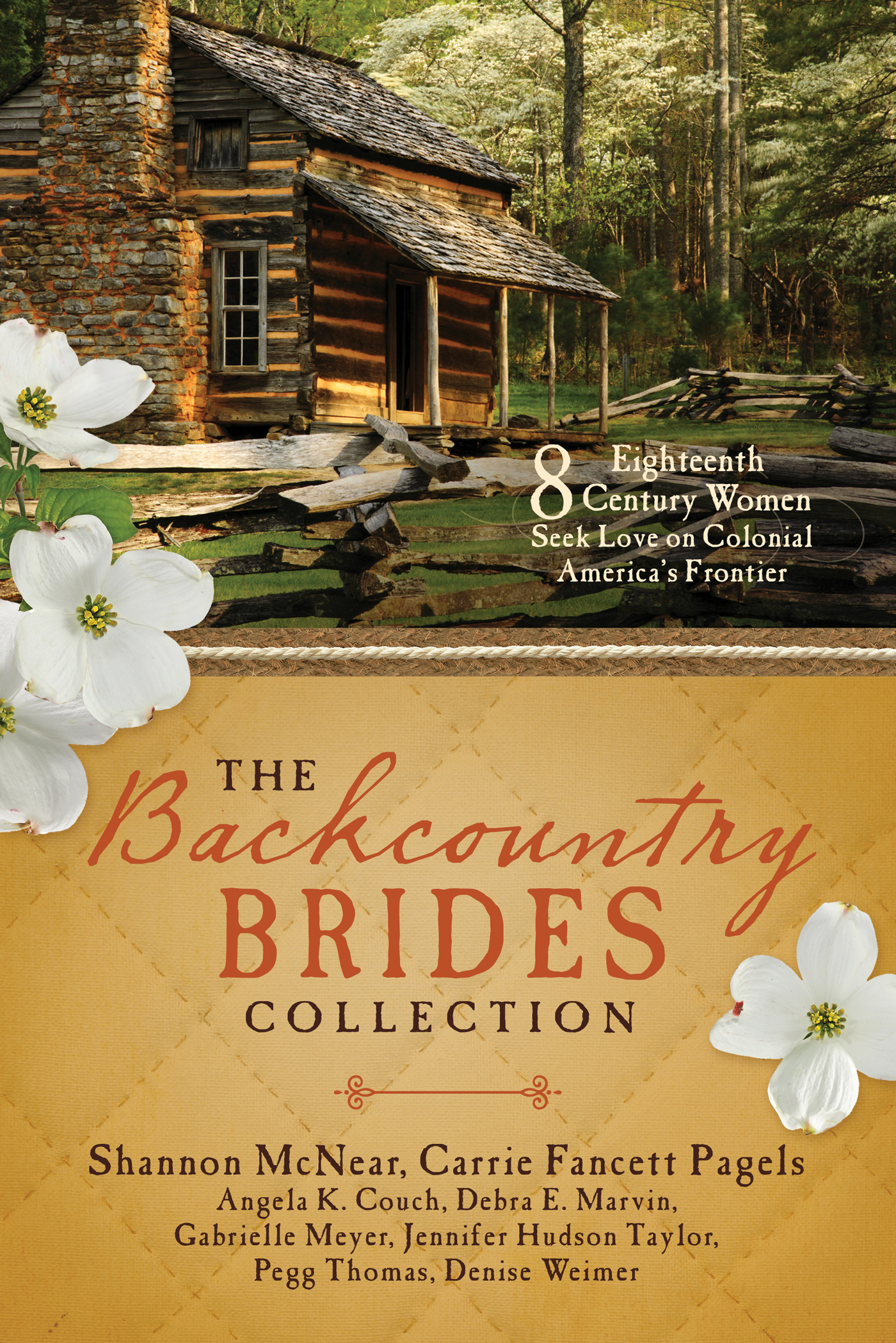
My May release, Her Redcoat, which is part of The Backcountry Brides collection, takes place here in 1763 during the Indian uprising, Pontiac’s Rebellion. While Pontiac organized multiple tribes and led the uprising against Fort Detroit, other Indians who supported him also attacked Fort Pitt and Fort Niagara. Those major forts stood against the attacks, while eight smaller forts were overrun. Including Fort Michilimackinac.

Pontiac and his followers had been used to the level-handed relationship they’d built with the French fur traders. When the British ousted the French and moved into their forts, the Indians rebelled against the arrogant and heavy-handed methods of the British.

In the background of my story is the history of Fort Michilimackinac. The British commander with his forty-some troops was vastly outnumbered by upwards of five hundred warriors. But in his full British arrogance, the commander could not see the danger all around him. He could not believe that savages—as he thought of them—could best the mightiest military in the world.

They did.

The results were devastating. Most of the regular soldiers were slaughtered. The officers were captured and held for ransom. There was one man, a British fur trader, who escaped the attack. He wrote his first-hand account of the story which has been made into the book Attack at Michilimackinac 1763. If you’re interested in this time period and the unrest in the backcountry of Britain’s American colonies, you’ll enjoy this book.

-Pegg Thomas

Bio:

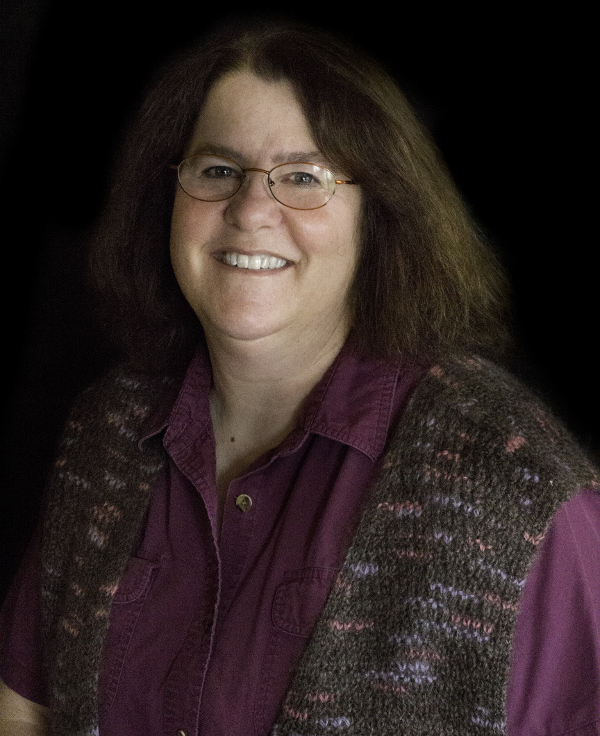
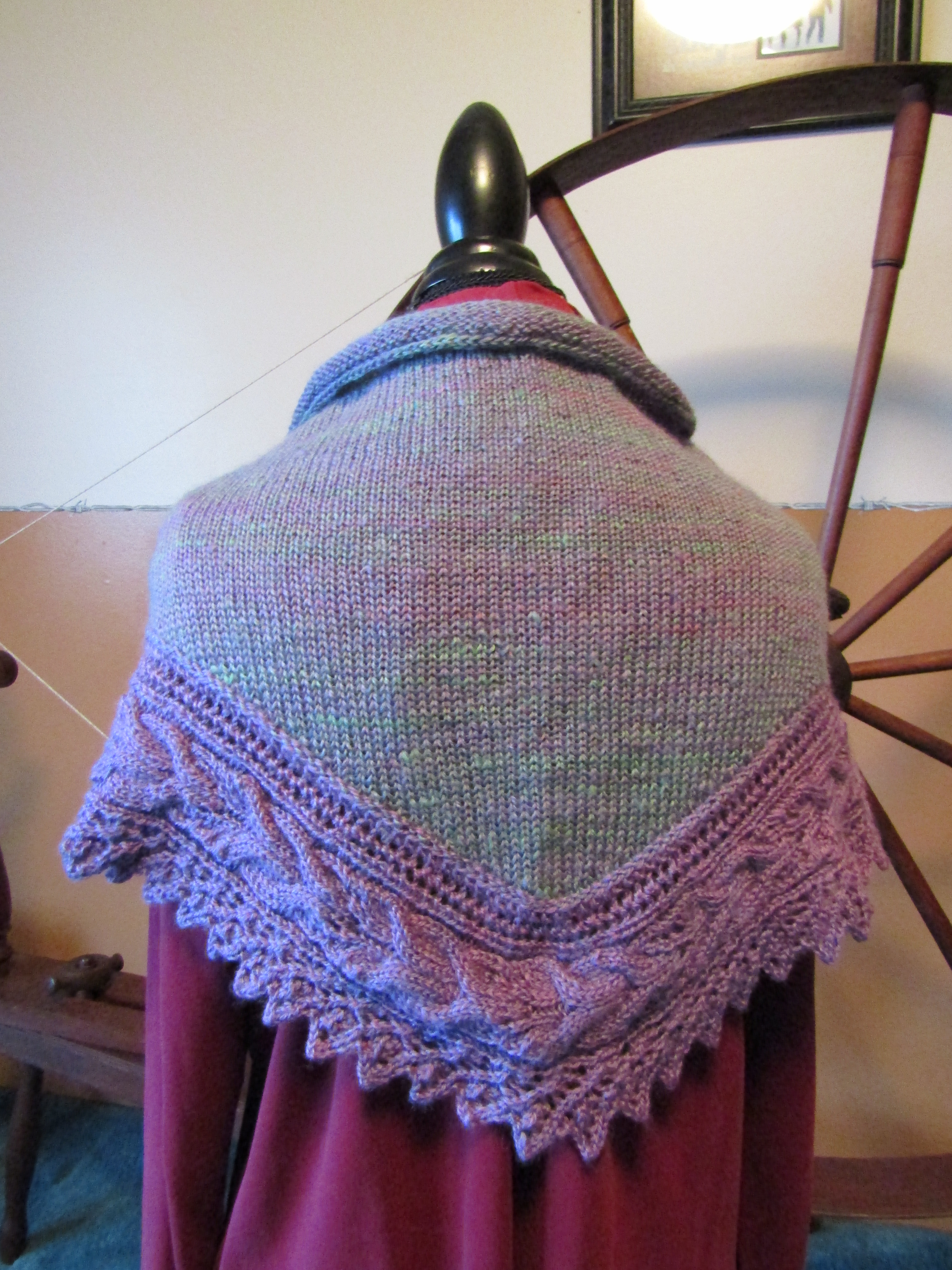
Pegg Thomas lives on a hobby farm in Northern Michigan with Michael, her husband of *mumble* years. A life-long history geek, she writes “History with a Touch of Humor.” When not working or writing, Pegg can be found in her barn, her garden, her kitchen, or sitting at her spinning wheel creating yarn to turn into her signature wool shawls.

Her Redcoat teaser:

Laurette Pettigrew grew up in the northern frontier. Henry Bedlow arrived against his will. Their chance meeting changes everything. Will a deadly clash of cultures keep them from finding happiness?

Buy her book on Amazon or Christianbook.com.

Subscribe to Pegg’s Newsletter.

Enter Pegg’s Giveaway for this beautiful shawl by subscribing to her newsletter!

Pegg gives away one of her signature handspun, handknit, wool shawls with the release of each new story. To celebrate the release of Her Redcoat, Pegg is giving away the shawl Northern Lilacs. The Straits of Mackinac are known for their abundance of lilacs each spring and this shawl showcases their varied and gorgeous colors. Everyone who subscribes to Pegg’s newsletter is automatically entered in the drawing.


Son of Former President Surrenders Confederate Command

Confederate Lieutenant General Richard Taylor, son of President Zachary Taylor and brother-in-law of Confederate President Jefferson Davis, began the war as Colonel of the 9th Louisiana Infantry. He fought in the Battle of Bull Run and slowly rose through the ranks.

By April of 1865, he commanded the Confederate Department of Alabama, Mississippi, and East Louisiana. Taylor, leading about 10,000 troops, knew the Confederacy was collapsing when news of Lee’s surrender at Appomattox reached him.

Taylor was honest with his 10,000 troops. He felt that while General Joseph Johnston was still in the fight, they must support him. He also worried for the safety of President Davis and other Government authorities who might need their protection.

His men, including General Nathan Bedford Forrest, joined him in remaining vigilant.

Then Taylor learned that Johnston surrendered to Union General Sherman.

Taylor agreed to meet with Union Major General Edward Canby. The meeting took place north of Mobile, Alabama. They agreed to a 48-hour truce during their May 2nd conversation. The two generals then ate lunch together and enjoyed lively music.

Taylor agreed to the same terms as Lee and Grant. On May 4th, he surrendered at Citronelle, Alabama. Located along the railroad, Citronelle was between Canby’s Mobile headquarters and Taylor’s headquarters in Meridian, Mississippi.

A few days later, Forrest surrendered his cavalry corps.

There is a small park with markers and picnic tables at the location of Taylor’s surrender. More information can be found at the Citronelle Historical Museum.

-Sandra Merville Hart

Sources

“Conclusion of the American Civil War,” Wikipedia.com, 2018/03/21 https://en.wikipedia.org/wiki/Conclusion_of_the_American_Civil_War.

“Richard Taylor,” Civil War Trust, 2018/03/22 https://www.civilwar.org/learn/biographies/richard-taylor.

Plante, Trevor K. “Ending the Bloodshed,” National Archives, 2018/03/21

https://www.archives.gov/publications/prologue/2015/spring/cw-surrenders.html.

“Surrender at Citronelle,” ExploreSouthernHistory.com, 2018/03/22 http://www.exploresouthernhistory.com/citronelle.html.


The “Gray Ghost” Disbands His Troops

Confederate Colonel John S. Mosby commanded the 43rd Virginia Cavalry, which used guerrilla warfare. These troops were called “Mosby’s Raiders.” Mosby’s raids on Union supply lines happened quickly and then he disappeared again, earning him the nickname of “The Gray Ghost.”

Mosby wasn’t ready to give up the fight when Lee surrendered at Appomattox on April 9, 1865. Requesting a cease-fire, he agreed to meet with Union General Hancock. In the wake of President Lincoln’s assassination, Hancock instead sent Brigadier General George Chapman to the meeting.

Mosby asked that the cease-fire be extended two additional days, which Chapman granted. A further request for a ten-day extension was denied.

Not wanting to surrender, Mosby wrote a letter to his troops. It was read to them on April 21st.  His letter disbanded the unit.

About 380 of his men, including most of the officers, surrendered at Winchester. They signed paroles and kept their horses. Others turned themselves in at Virginia towns.

Because Mosby didn’t surrender, Hancock offered $2,000 for his capture and soon raised it to $5,000.

Mosby hid near his father’s property outside Lynchburg with his brother, William.

A local provost marshal assured William in June that his brother would be paroled if he surrendered. Mosby went to the authorities the next day to find that Union leaders had canceled the offer of parole.

A few days later, General Grant stepped in. Mosby learned on June 16th that he’d be paroled, which happened at following day in Lynchburg.

-Sandra Merville Hart

Sources

“Conclusion of the American Civil War,” Wikipedia.com, 2018/03/21 https://en.wikipedia.org/wiki/Conclusion_of_the_American_Civil_War.

Golden, Kathleen. “Meet John S. Mosby, ‘Gray Ghost’ of the Confederacy, Smithsonian National Museum of American History, 2018/03/21 http://americanhistory.si.edu/blog/2013/12/meet-john-s-mosby-the-gray-ghost-of-the-confederacy.html.

“John Singleton Mosby,” Civil War Trust, 2018/03/21 https://www.civilwar.org/learn/biographies/john-singleton-mosby.

Plante, Trevor K. “Ending the Bloodshed,” National Archives, 2018/03/21

https://www.archives.gov/publications/prologue/2015/spring/cw-surrenders.html.


Confederate General Joseph E. Johnston’s Surrender

Confederate General Joseph E. Johnston was in a tough position in early April of 1865. He had retreated to Smithfield after the Battle of Bentonville in late March. From there, he’d observe the route taken by the Union.

On the morning of April 10th, Johnston’s three corps began marching to Raleigh. He hoped to protect the city from an attack by Sherman. Johnston camped 14 miles east of Raleigh that night.

He then went to Greensboro and met with Confederate President Jefferson Davis and the cabinet. Their meetings spanned two days, but Lee’s surrender was the deciding factor for Davis. They’d surrender.

Johnston sent a note to Sherman, suggesting a meeting to discuss terminating the existing war. While awaiting a reply, he marched his army to Greensboro.

The generals met on Hillsboro road at the small farmhouse of James Bennett, west of Durham. The weather was warm. The breeze carried pleasant smell of apple blossom, lilac, and pine for the April 17th meeting. While at the Bennett Place, they learned of President Lincoln’s assassination.

Johnston wanted to restore permanent peace. He proposed restoring the rights and privileges of Southerners. Sherman left the meeting with questions about granting amnesty to President Davis and his cabinet. They met again the next morning and Sherman wrote the terms.

Davis approved the terms but Lincoln’s cabinet rejected it. The final agreement, signed on April 26, was a military surrender without the earlier agreed-upon terms.

Not waiting for the formal surrender, some Confederate soldiers left for home in small bands. For the rest, paroles and stacking of arms was completed on May 3rd.

The Army of Tennessee lost 12,000 killed and 65,000 wounded on Civil War battlefields.

The army made one final march in corps formation. They marched 50 miles to Salisbury.

-Sandra Merville Hart

Sources

Connelly, Thomas Lawrence. Autumn of Glory: The Army of Tennessee, 1862-1865, Louisiana State University Press, 1971.

Daniel, Larry J. Soldiering in the Army of Tennessee, The University of North Carolina Press, 1991.

“Johnston’s Surrender at Bennett Place on Hillsboro Road,” Wadehamptoncamp.org, 2018/03/19 http://www.wadehamptoncamp.org/hist-js.html.


Confederate Surrender at Appomattox Court House

Food supplies awaited Confederate General Robert E. Lee’s Army of Northern Virginia at Appomattox Station. He needed them—his men were hungry.

On April 8, 1865, Lee arrived in Appomattox County. Union cavalry reached the supplies first and then burned 3 supply trains. Union General Ulysses Grant wrote to Lee, requesting his surrender. Lee refused, hoping for supplies in Lynchburg.

The next morning, the Confederates, under Major General John Gordon attacked Union cavalry troops. He stopped the attack when he realized that two Union army corps supported the cavalry.

They were cut off from provisions. Lee is famously quoted as saying that he’d “rather die a thousand deaths” than go talk to General Grant about surrendering.

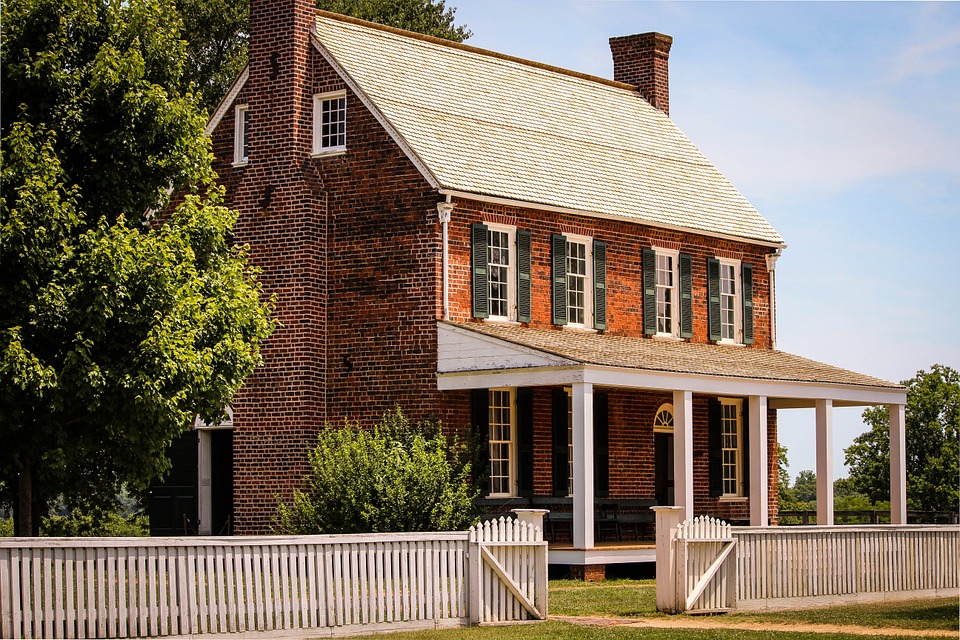
Grant arrived for the meeting in a muddy uniform. Lee came in full dress attire. They met in Wilmer McLean’s parlor at 1 pm on April 9th.

The generals awkwardly greeted one another, then Lee asked for surrender terms.

All officers and men would be pardoned—they’d go home with their personal property. The officers were to keep their side homes. Lee’s hungry soldiers were to receive food rations.

Lee signed the surrender.

Lee’s Army of Northern Virginia disbanded after being paroled. The war in Virginia had ended. Lee’s surrender was the first of several Confederate surrenders over the coming weeks.

-Sandra Merville Hart

Sources

“Appomattox Court House: Lee’s Surrender,” Civil War Trust, 2018/03/19 https://www.civilwar.org/learn/civil-war/battles/appomattox-court-house.

History.com Staff. “Appomattox Court House,” History.com, 2018/03/19 https://www.history.com/topics/american-civil-war/appomattox-court-house.